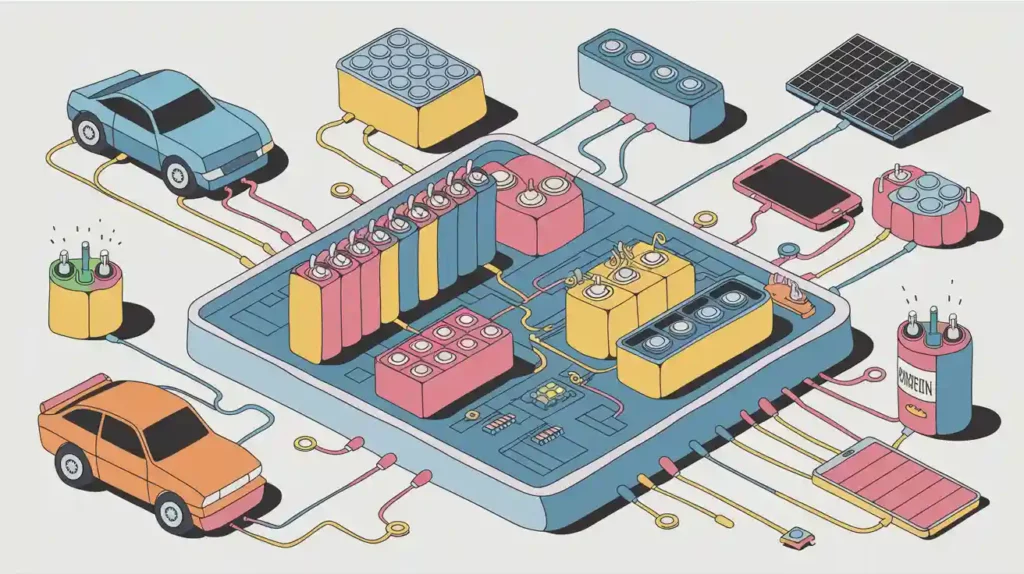
Battery Protection Circuit of Different Battery Chemistries and Their Best Uses
Compare battery protection circuits for Li-ion, NiMH, and lead-acid batteries. Learn how they enhance safety, performance, and lifespan in diverse applications.


Compare battery protection circuits for Li-ion, NiMH, and lead-acid batteries. Learn how they enhance safety, performance, and lifespan in diverse applications.
Learn how to choose the best lithium battery for your power bank by evaluating capacity, voltage, safety, and chemistry to ensure optimal performance.
Understand small batteries, their types, and applications in industries like healthcare, IoT, and consumer electronics. Learn how to select the right battery.
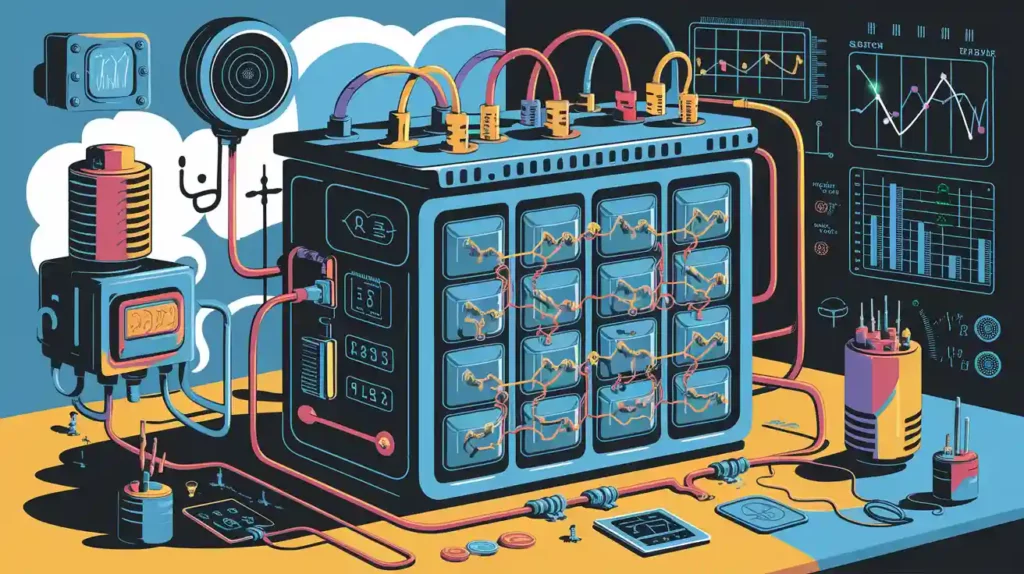
A Battery Management System monitors voltage, current, and temperature, balances cells, and ensures safety, efficiency, and longevity of battery packs.

Understand the aging of batteries, its causes, effects on performance, and practical strategies to extend battery life and optimize efficiency.
A battery fuel gauge monitors state-of-charge (SoC) and state-of-health (SoH), ensuring safety, accurate readings, and optimal battery performance.

Battery self-discharge is the natural energy loss over time due to internal chemical reactions and environmental factors, impacting performance and lifespan.
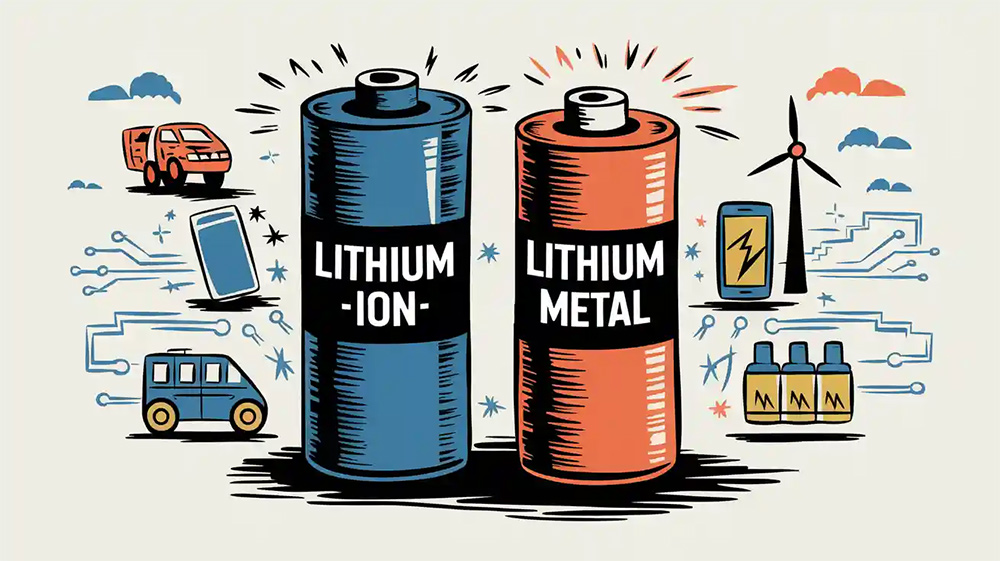
Lithium-ion vs Lithium metal batteries differ in energy density, rechargeability, and safety. Lithium-ion excels in cycle life, while lithium metal offers higher energy density.

LiPo batteries explode due to thermal runaway, overcharging, or damage. Learn how to prevent explosions with proper handling, storage, and monitoring.

Understand CE Certification requirements for lithium batteries, including safety, EMC, and environmental standards, to ensure compliance and market access.
Compare LCO batteries to other lithium-ion types in 2025. Learn how LCO excels in energy density for compact devices while others offer safety and longevity.
Battery cycle life is the number of charge-discharge cycles a battery can complete before its capacity drops below 80%, impacting longevity and costs.


