

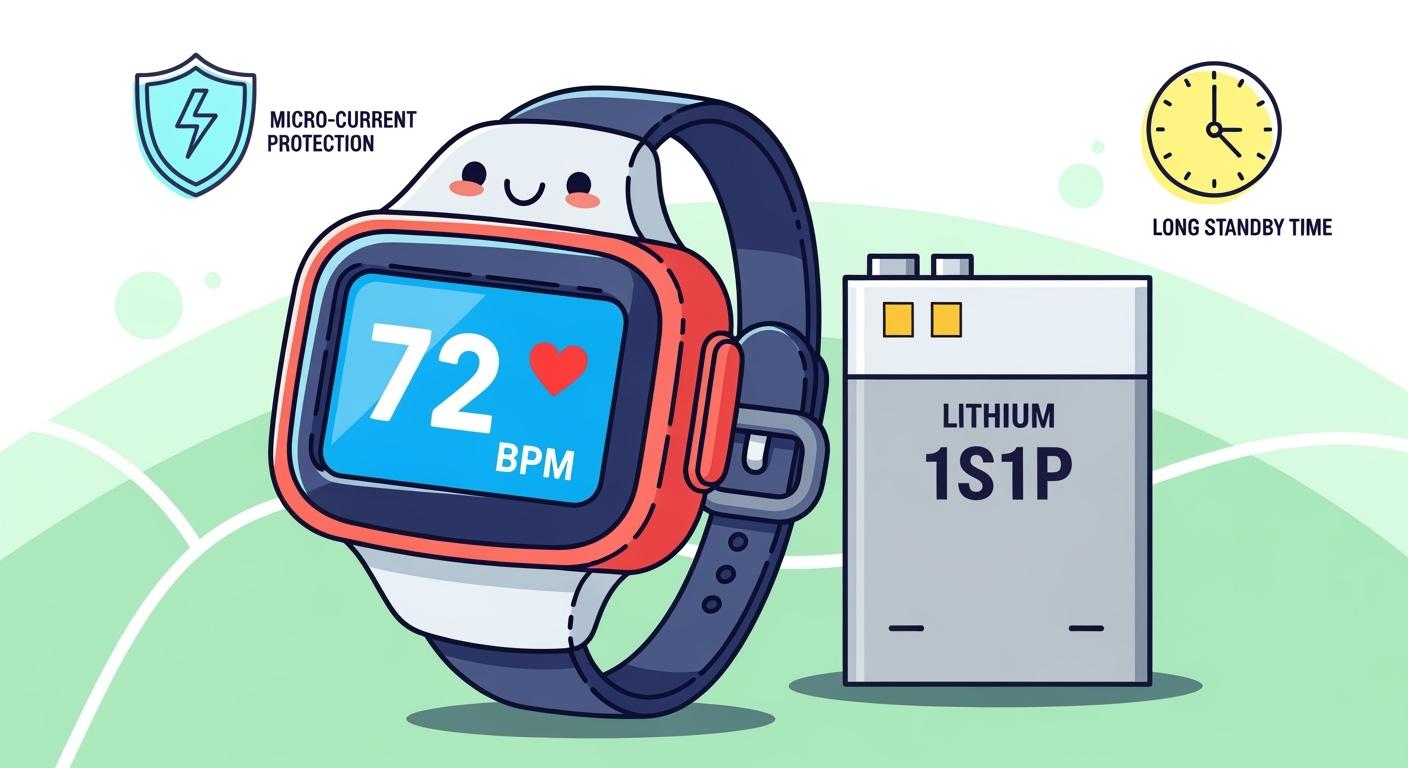
You demand reliable power for your wearable heart rate monitors. The 1S1P Lithium Battery System supports long standby and micro-current protection, which are critical for medical devices. Stable voltage reduces safety risks and supports consistent data accuracy, as shown below:
Application Area | Impact of Stable Power and Safety |
|---|---|
Health Monitoring | Real-time monitoring of vital signs ensures timely interventions, enhancing patient safety. |
Chronic Disease Management | Reliable power sources improve device functionality, leading to better disease management outcomes. |
Rehabilitation | Consistent performance of devices aids in effective rehabilitation processes. |
Fall Detection | Accurate detection systems rely on stable power to function correctly, ensuring user safety. |
Data Accuracy | Devices that provide reliable data improve clinician trust and patient outcomes. |
Recent trends show manufacturers like you now explore flexible batteries and energy harvesting for advanced applications. You can expect further innovation in power system design for wearables.
Key Takeaways
The 1S1P Lithium Battery System provides stable voltage, ensuring accurate heart rate monitoring and reliable device operation.
Long standby time and high cycle life reduce maintenance needs, making it ideal for medical and industrial applications.
Micro-current protection features safeguard devices from faults, enhancing safety and reliability in wearable technology.
Part1: Lithium Battery System Design & Safety
1.1 1S1P Configuration Explained
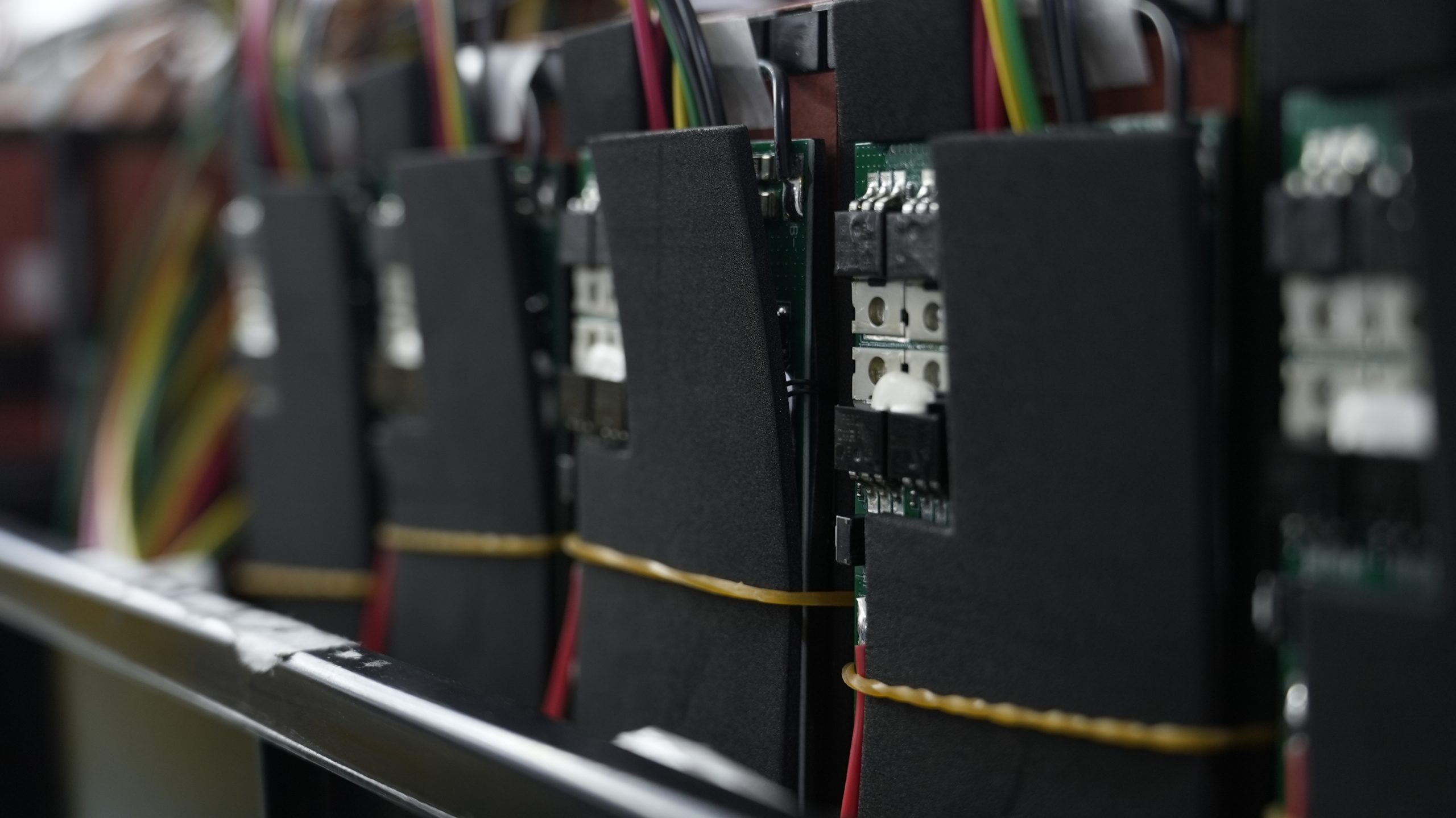
You need a compact and efficient power source for wearable heart rate monitors. The 1S1P configuration, which stands for one cell in series and one cell in parallel, delivers a streamlined solution. This setup provides a single, stable voltage output while minimizing size and weight—key factors for medical wearables.
Here is a summary of the technical specifications for a typical 1S1P lithium battery configuration used in these devices:
Specification | Details |
|---|---|
Voltage | 3.7V |
Capacity | 300mAh |
Dimensions | 4.5x25x30mm |
Cycle Life | Over 500 times |
Compliance | UN38.3, ROHS, CE certified |
Applications | Smart products, toys, power tools, consumer electronics |
You benefit from a Lithium Battery System that meets strict safety and certification standards. The compact dimensions and high cycle life support long-term deployment in medical and consumer electronics applications.
When you compare the 1S1P lithium-polymer (LiPo) battery to other chemistries, you see clear advantages in energy density and weight. The table below highlights these differences:
Feature | 1S1P LiPo Battery | 1S1P Li-ion Battery |
|---|---|---|
Capacity | 630 mAh | 2200 mAh |
Weight | 12.0g | 53g |
Dimensions | 33.5mm x 35.1mm x 6.05mm | 69mm Height x 19mm Diameter |
Energy Density | Very High (capacity/weight) | Higher than any rechargeable battery |
You can explore more about lithium-ion, lithium-polymer/LiPo, LiFePO4, and Solid-State Battery chemistries for specialized applications.
1.2 Stable Voltage & Long Standby
You require stable voltage to ensure accurate heart rate monitoring and reliable device operation. The 1S1P Lithium Battery System delivers a consistent 3.7V output, which supports sensitive medical sensors and wireless communication modules. This stability reduces the risk of data loss or device malfunction.
Tip: Stable voltage output is essential for medical-grade wearables. It ensures that your device maintains accuracy and reliability throughout its operational life.
Long standby time is another critical benefit. The high energy density of the Lithium Battery System allows your device to operate for extended periods between charges. With a cycle life exceeding 500 cycles, you can deploy devices in clinical or remote settings with minimal maintenance. This reliability is vital for applications in health monitoring, rehabilitation, and chronic disease management.
1.3 Micro-Current Protection Features
You must protect sensitive electronics from micro-current faults and short circuits. The Lithium Battery System integrates advanced micro-current protection features that safeguard both the device and the user.
The most effective methods for testing micro-current protection include model-free online diagnostic frameworks. These systems detect transient micro internal short circuits using terminal voltage and current measurements. The process requires minimal computational resources and can be embedded into existing MCU-based battery management systems (BMS).
Feature | Description |
|---|---|
Method | Model-free online diagnostic framework |
Purpose | Detect transient micro internal short circuits |
Requirements | Terminal voltage, current measurements, R0-SOC look-up table |
Computational Needs | Minimal: one table look-up, one multiplication, two subtractions per interval |
Application | Can be embedded into MCU-based BMS |
Additional protection circuitry continuously monitors battery conditions and intervenes to prevent hazards. Fast-acting fuses or circuit breakers disconnect the battery in case of a short circuit. Thermal management systems control heat generation, reducing the risk of overheating or fire.
Early detection techniques help you identify micro-short circuits before they escalate.
Monitoring voltage, current, temperature, and impedance reveals early signs of issues.
Tracking self-discharge and impedance enables proactive maintenance.
You gain peace of mind knowing your Lithium Battery System offers robust protection, supporting the safety and reliability required in medical and infrastructure applications.
Part2: Reliability & User Benefits
2.1 Device Longevity & Reliability
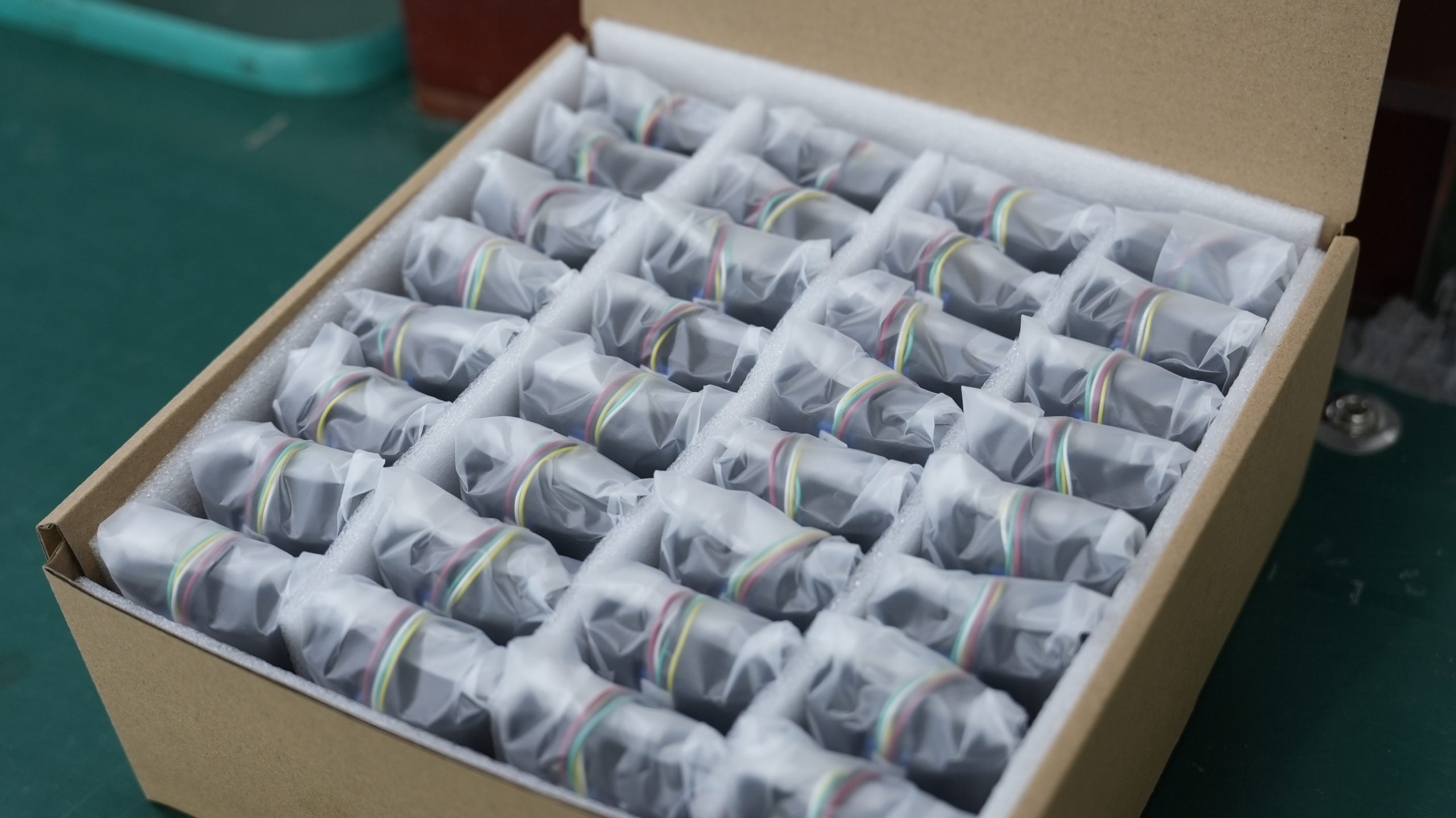
You require devices that deliver consistent performance and minimize downtime. The Lithium Battery System supports long operational life, which is essential for medical, robotics, and infrastructure applications. High cycle life and stable voltage output ensure your heart rate monitors and other wearables maintain accuracy and reliability over time. The robust design withstands daily wear, shock, and vibration, reducing the risk of internal damage.
Note: Extended battery life means fewer replacements and less device downtime, which is critical for continuous patient monitoring and industrial automation.
2.2 Safety in Medical Wearables
You must comply with strict safety standards when deploying batteries in medical-grade wearables. The following table summarizes key certifications and requirements for lithium battery systems:
Standard/Regulation | Key Requirements |
|---|---|
FDA General Safety and Performance Requirements (US) | Must meet IEC 62133, UL 2054, ISO 13485, IEC 60601-1; biocompatible; safety features for patient proximity; authentication to prevent counterfeiting; serialization and traceability. |
European Medical Device Regulation (EU) | Compliance with MDR for safety, performance, and quality; biocompatibility; adherence to ISO 13485 quality management system; thorough testing and evaluation. |
IEC 62133 | International safety standard for batteries; includes biocompatibility and safety features for medical use. |
UL 2054 | Covers electrical, mechanical, environmental, thermal safety, and performance for medical device batteries. |
IEC 60601-1 | General requirements for safety and performance of medical electrical equipment, including batteries. |
ISO 10993-1 | Guidelines for evaluating biological safety of medical devices, ensuring batteries do not cause adverse reactions. |
ISO 13485 | Ensures manufacturers have a quality management system for safe and reliable battery production. |
You can prevent incidents such as battery fires or explosions by integrating advanced protection features. Reports of lithium batteries catching fire in wearables, including heart rate monitors, highlight the importance of robust safety measures. Incidents like Fitbits causing wrist damage due to battery failures reinforce the need for certified, reliable battery systems.
2.3 Maintenance & User Experience
You benefit from reduced maintenance and improved user satisfaction when you choose a high-quality Lithium Battery System. The following advantages support your operations:
Longer battery lifespan leads to fewer device replacements and less frequent maintenance.
Extended battery life reduces the need for surgical interventions and hospital visits in medical applications.
Compact and lightweight batteries enable the miniaturization of devices, enhancing comfort and usability for end-users.
You can deploy wearables in demanding environments, such as security systems and consumer electronics, with confidence. Reliable battery performance builds trust with your clients and reduces total cost of ownership.
You gain long standby and micro-current protection with the 1S1P Lithium Battery System, supporting reliable heart rate monitoring. Review key technical advantages below:
Feature | Advantage |
|---|---|
Cycle Life | ≥1000 cycles at 80% capacity retention |
Consistency | <2% variation across batches |
Consider energy density, form factor, and regulatory compliance when selecting future solutions.
FAQ
What advantages does the 1S1P lithium battery system offer for medical and industrial wearables?
You gain stable voltage, long standby, and micro-current protection. These features support reliable operation in medical, robotics, and infrastructure applications. Large Power provides custom battery solutions for your needs.
How do lithium battery chemistries compare for wearable heart rate monitors?
Chemistry | Voltage | Energy Density | Cycle Life |
|---|---|---|---|
Lithium-ion | 3.7V | High | 500+ |
LiFePO4 | 3.2V | Moderate | 2000+ |
You should select the chemistry based on your device’s energy and cycle requirements.
Can Large Power customize lithium battery packs for security or consumer electronics?
Yes. You can request tailored lithium battery packs for security cameras, consumer electronics, or industrial devices. Large Power engineers design solutions to match your technical and regulatory requirements.


