

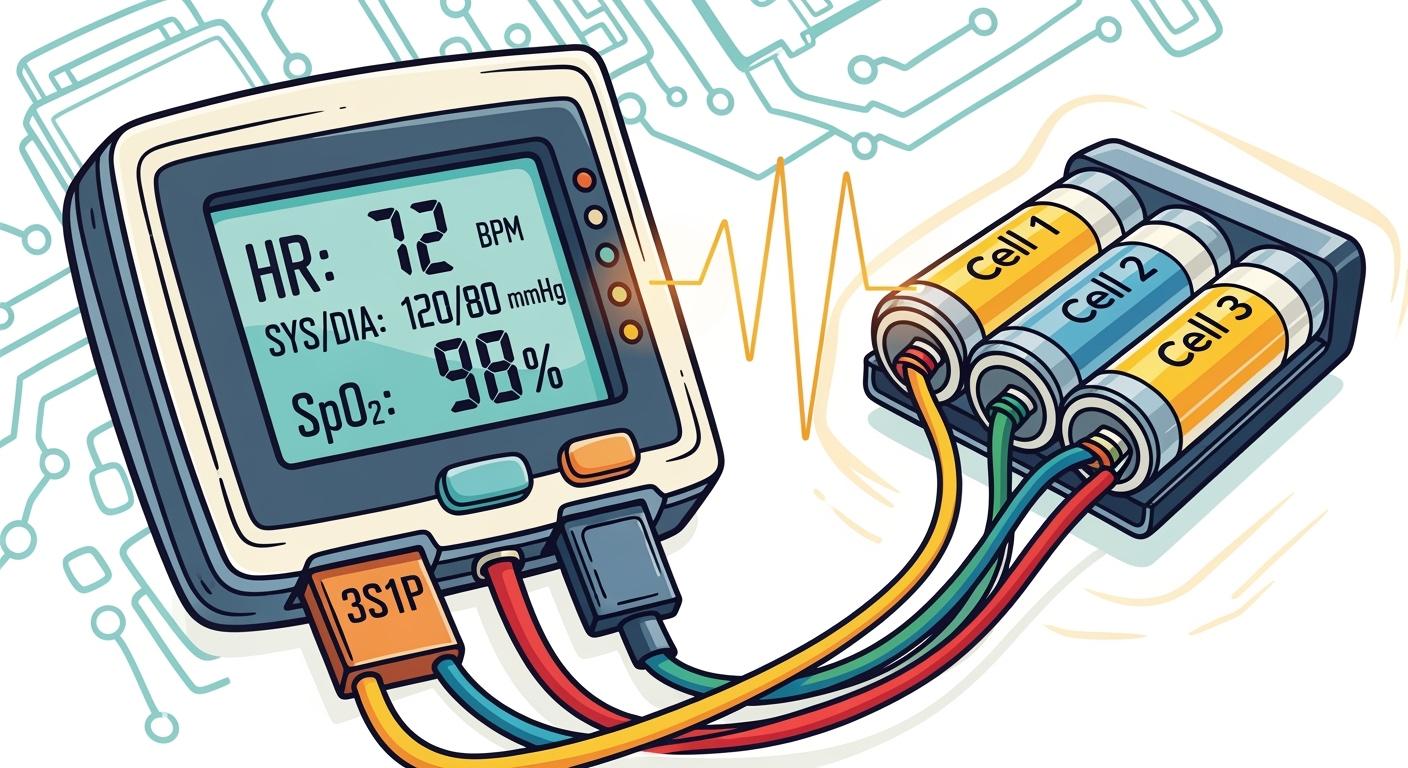
You need a lithium battery solution that delivers low-noise, stable power for multi-parameter vital signs monitors. Many medical devices, such as the MPM-II model, use a lithium battery for continuous operation. 3S1P lithium-ion batteries offer high energy density, customizable size, and reliability for medical devices. Medical battery solutions must prioritize safety and comply with strict standards, including FDA and European MDR requirements. You must optimize battery performance and minimize noise to meet clinical demands.
Regulatory Standard | Requirements |
|---|---|
FDA General Safety and Performance Requirements (US) | Must meet IEC 62133, UL 2054, ISO 13485, and IEC 60601-1 safety requirements. Must be biocompatible. Must have safety features for use near patients. Must be authenticated to prevent counterfeiting. Must be serialized and traceable. |
European Medical Device Regulation (EU) | Must comply with MDR essential safety and performance requirements (Annex I). Must be biocompatible. Must be designed and manufactured according to ISO 13485 quality management system requirements. Must be tested and evaluated to meet all applicable requirements. |
Medical devices require battery solutions that ensure energy density, lithium chemistry stability, and safety for critical clinical environments.
Key Takeaways
Choose 3S1P lithium battery packs for compact medical devices. They provide stable voltage and high reliability, essential for multi-parameter vital signs monitors.
Implement advanced battery management systems (BMS) to monitor battery health. A BMS ensures safety by preventing overcharging and overheating, extending battery life.
Prioritize compliance with medical safety standards like IEC 60601 and IEC 62133. This guarantees that your battery solutions are safe and reliable for clinical environments.
Part 1: Lithium Battery Solution Design for Medical Monitors
1.1 Low-Noise Power Requirements
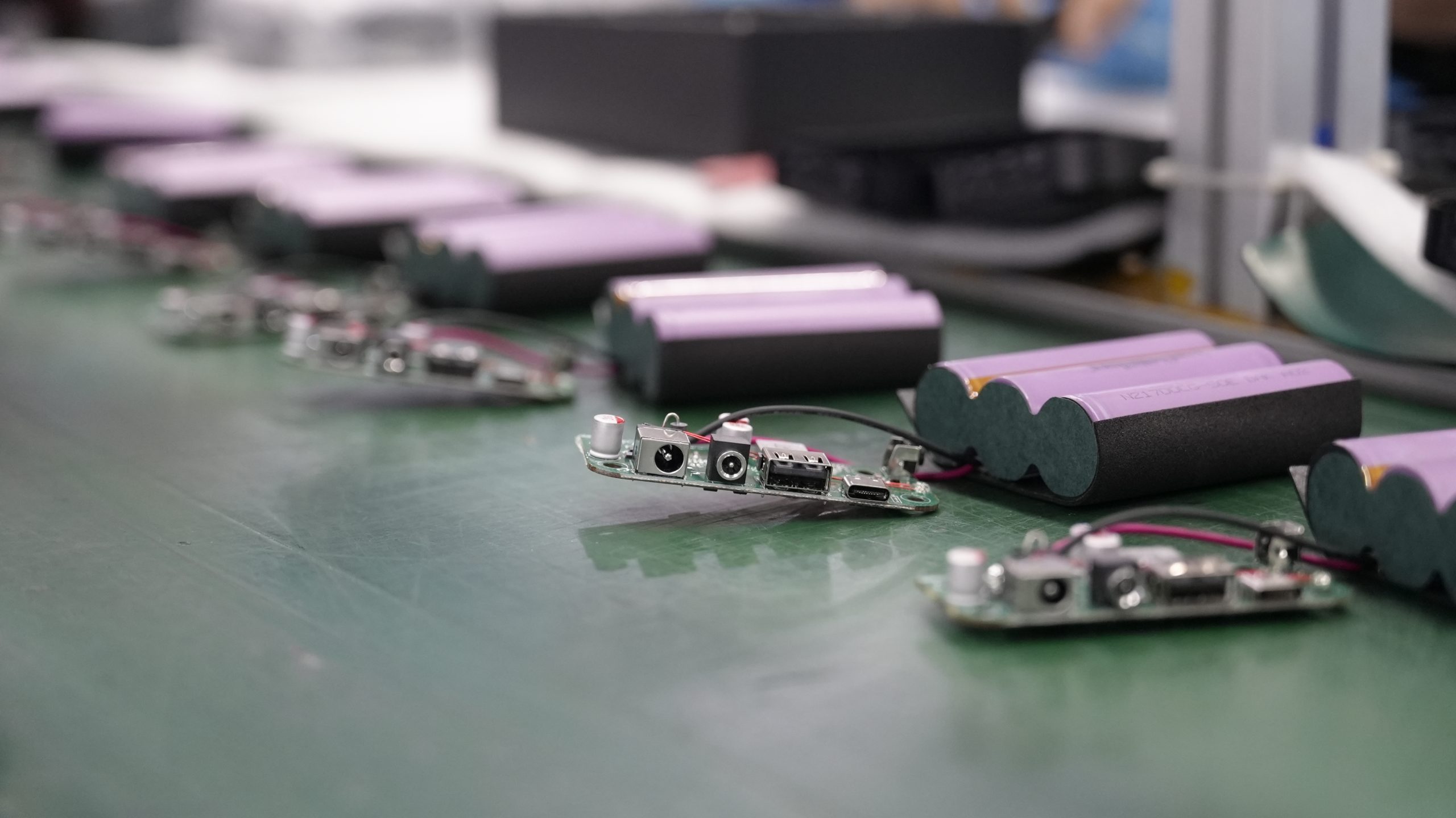
You must deliver low-noise power to multi-parameter vital signs monitors. Stable voltage and minimal ripple are essential for accurate sensor readings and reliable operation. Medical devices often operate in environments with sensitive electronics, so you need battery packs that minimize electromagnetic interference and voltage fluctuations. You should select lithium-ion batteries with advanced cell balancing and integrated protection circuits. These features help reduce noise and maintain consistent output. Battery management systems (BMS) monitor cell status and optimize performance, further lowering noise levels. You can enhance low-noise power delivery by using shielded cables, optimized PCB layouts, and filtering components. These strategies support device integration and ensure medical battery packs meet clinical standards.
Tip: Always validate low-noise performance under real-world operating conditions to ensure compliance with medical regulations.
1.2 3S1P vs. 4S1P Battery Configurations
You must choose the right battery configuration for your medical devices. The 3S1P and 4S1P setups offer different voltage, energy density, and cycle life characteristics. The table below compares these configurations for medical battery applications:
Configuration | Platform Voltage (V) | Typical Energy Density (Wh/kg) | Cycle Life (cycles) | Size/Weight | Application Suitability |
|---|---|---|---|---|---|
3S1P | 11.1 | 150-220 | 500-1000 | Compact | Multi-parameter vital signs monitors, portable medical devices |
4S1P | 14.8 | 150-220 | 500-1000 | Larger | High-power medical devices, robotics, industrial equipment |
You should select 3S1P battery packs for compact medical devices that require moderate voltage and high reliability. The 4S1P configuration suits applications needing higher voltage, such as advanced imaging systems or robotics. Both configurations benefit from integrated protection and battery management systems. You must consider device integration requirements, size constraints, and clinical safety standards when choosing between these options.
1.3 Lithium-Ion Batteries: Chemistry and Safety
You must understand lithium-ion battery chemistry to optimize medical battery packs. The most common chemistries include Lithium Cobalt Oxide (LCO), Lithium Manganese Oxide (LMO), Lithium Nickel Manganese Cobalt Oxide (NMC), Lithium Iron Phosphate (LiFePO4), Lithium Titanate (LTO), and Solid-State Batteries. The table below summarizes their key properties for medical battery applications:
Chemistry | Platform Voltage (V) | Energy Density (Wh/kg) | Cycle Life (cycles) | Safety Features | Typical Use Cases |
|---|---|---|---|---|---|
LCO | 3.7 | 180-230 | 500-1000 | Overcharge, thermal, short-circuit protection | Portable medical devices, consumer electronics |
LMO | 3.7 | 120-170 | 300-700 | Enhanced thermal stability, protection circuits | Medical monitors, security systems |
NMC | 3.6-3.7 | 160-270 | 1000-2000 | Integrated BMS, robust protection | Medical devices, industrial battery packs |
LiFePO4 | 3.2 | 100-180 | 2000-5000 | Superior thermal stability, long cycle life | Medical battery packs, infrastructure |
LTO | 2.4 | 60-90 | 10000-20000 | Extreme safety, fast charging | Specialized medical, industrial |
Solid-State | 3.7 | 300-500 | 2000-10000 | Intrinsic safety, advanced protection | Next-gen medical, robotics |
You should prioritize chemistries with high energy density, long cycle life, and robust safety features. Lithium cobalt oxide offers high capacity for portable medical devices. Lithium iron phosphate provides superior safety and longevity for medical battery packs. Modern lithium-ion batteries use protective mechanisms such as overcharge, thermal, and short-circuit protection. You must ensure all medical battery packs conform to standards like IEC 62133, UL 1642, and ANSI/AAMI ES 60601-1. These certifications guarantee safety and reliability in clinical environments.
Note: Battery management systems play a critical role in monitoring cell health and activating protection features.
1.4 Clinical Environment and Compliance
You must design battery packs for medical devices that perform reliably in clinical environments. Cold temperatures can reduce battery performance and complicate charging, especially for lithium-ion batteries. You should avoid charging below 0°C (32°F) to prevent safety issues like dendrite growth. High operating temperatures or short circuits can trigger thermal runaway, posing significant safety risks. Battery management systems help monitor thermal and mechanical stability, shutting down the battery if overheating is detected.
You must comply with international standards to ensure safety and reliability. The table below lists key certifications for medical battery packs:
Standard | Purpose |
|---|---|
IEC 60601 | Safety and performance of electrical medical equipment |
ISO 13485 | Quality management in medical battery manufacturing |
IEC 62133 | Battery safety requirements |
UN38.3 | Transport safety for lithium batteries |
You should also consider sustainability and ethical sourcing. The extraction of lithium, cobalt, and nickel can impact the environment. Learn more about sustainability and conflict minerals. Packaging must protect battery packs during transit to minimize fire hazards. You must inspect incoming cargo for damage and store batteries in racks with fire protection systems. Instructions for use should clearly outline storage, charging, and maintenance requirements.
Tip: Always select battery packs with approved replacement batteries and chargers to maintain safety and compliance.
You can apply these design principles to medical, robotics, security, infrastructure, consumer electronics, and industrial sectors.
Part 2: Integration and Reliability of Battery Packs
2.1 PCB Layout and Noise Reduction
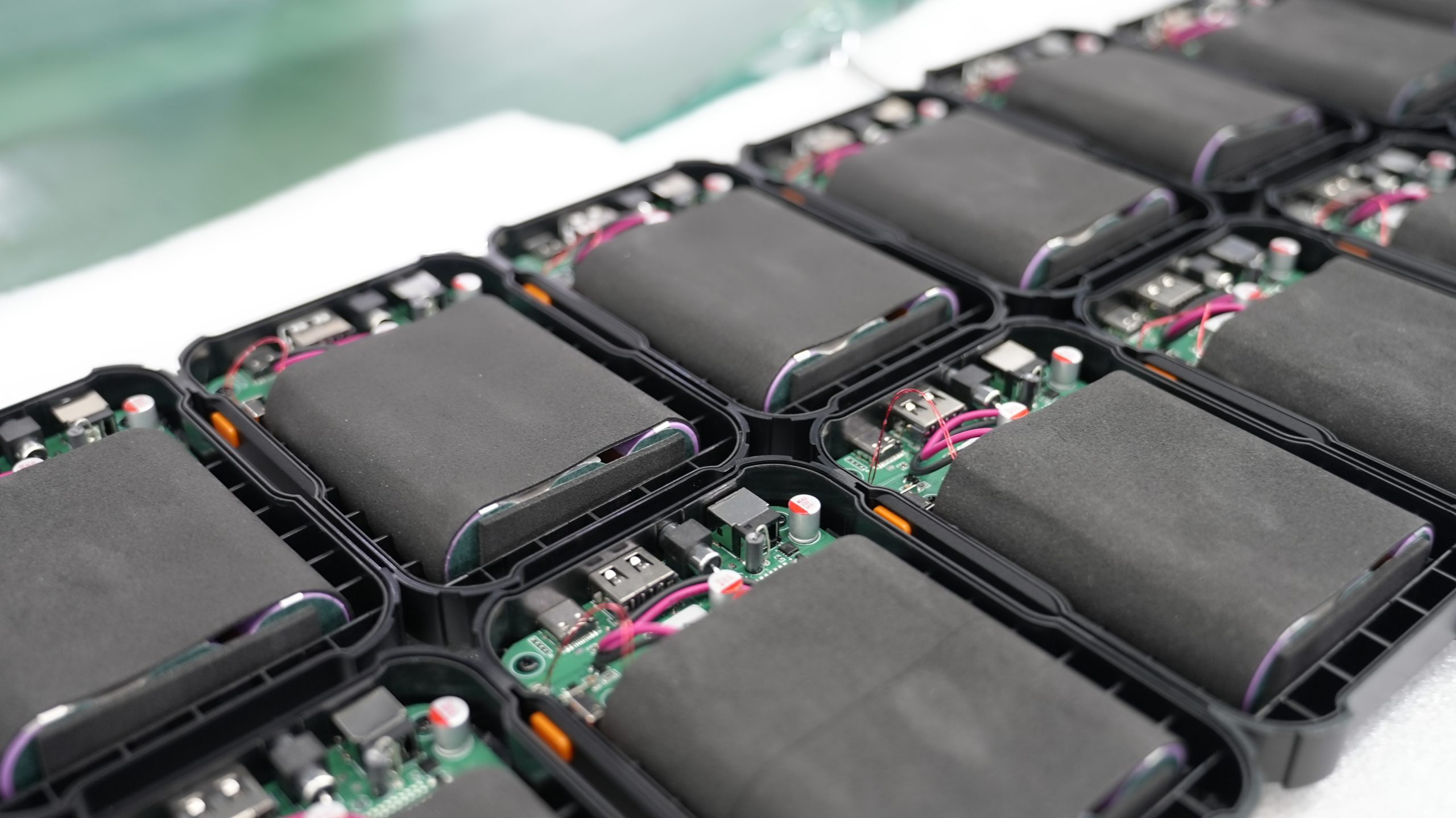
You must design your PCB layout to minimize noise in lithium battery-powered medical monitors. Use a continuous ground plane to reduce loop inductance and provide a stable reference for signals. Connect ground pins directly to the ground plane with short traces to prevent voltage drops and ground bounce. Keep switching nodes short and use snubber circuits to suppress switching regulator noise. Shield sensitive traces by routing them away from noisy areas and using ground planes as shields. Place decoupling capacitors close to power pins to stabilize power delivery and filter high-frequency noise.
Tip: Implement impedance control in PCB routing to maintain signal integrity. Use differential signaling for noise immunity, especially in environments with high electromagnetic interference.
2.2 Shielding and Filtering Techniques
Shielding and grounding play a critical role in reducing electromagnetic interference in lithium battery packs. Encasing sensitive components in a conductive barrier blocks external electromagnetic waves. Use a single ground plane in high-power designs to direct unwanted electrical noise away from critical circuits. Filtering components such as capacitors suppress high-frequency noise. Low-ESL/ESR capacitors enhance performance by reducing parasitic inductance and resistance. Place bypass capacitors near IC power pins to minimize inductive noise.
Filtering Component | Explanation |
|---|---|
Capacitors | Block DC, allow AC to pass, remove noise in digital circuits |
Low-ESL/ESR Capacitors | Reduce parasitic inductance and resistance, improve high-frequency filtering |
Placement near ICs | Bypass capacitors close to power pins minimize inductive noise |
2.3 Battery Management Systems for Medical Devices
You must integrate advanced battery management systems (BMS) to ensure safety and reliability in lithium battery-powered monitors. A BMS continuously monitors voltage, current, temperature, and state of charge for each cell. It balances cell charge levels, protects against over-voltage, under-voltage, over-current, and overheating, and communicates battery status to external devices. The system manages charging and regulates temperature for optimal operation.
Overcharge and over-discharge protection prevent cell damage.
Thermal monitoring detects rising temperatures and avoids thermal runaway.
Short-circuit detection and emergency shutdown isolate the pack during unsafe conditions.
A BMS equalizes charge across cells, improving efficiency and extending the operational life of lithium batteries.
2.4 Optimizing Battery Life and Reliability
You must optimize lithium battery life by controlling temperature, sizing the pack correctly, and using smart charging practices. Implement routine monitoring and diagnostics to detect issues early. Design robust housings to withstand sterilization and cleaning. Use modular designs for quick replacement and advanced connectivity for smart diagnostics.
Reliability Metric | Description |
|---|---|
Discharge Rate Capability | Maintains voltage and delivers capacity at different discharge currents |
Charge Rate Capability | Assesses maximum safe charging rate |
Efficiency Measurement | Ratio of energy discharged to energy input |
Cycle Life Testing | Measures longevity through repeated charge/discharge cycles |
Self-Discharge Rate | Monitors charge loss during storage |
Note: Follow routine maintenance protocols, check charge status regularly, and replace batteries when run time drops below 80% of original capacity.
You improve medical device performance by selecting lithium battery packs with proven safety and reliability. Compare battery chemistries and configurations using the table below to meet medical standards and safety requirements. Integrate solutions that comply with IEC 62133, IEC 60601, and UN38.3 for medical safety. Seek custom battery solutions for medical applications here.
Battery Chemistry | Key Benefits | Suitable Applications |
|---|---|---|
LiCoO2 | High energy | Portable medical |
LiMn2O4 | Fast charge | Medical storage |
LiFePO4 | Long cycle | Medical backup |
Standard | Key Considerations |
|---|---|
IEC 62133 | Overcharge safety |
IEC 60601 | Electrical safety |
UN38.3 | Thermal safety |
Documentation | Traceable medical safety |
Tip: You ensure medical safety by following best practices and using certified lithium battery packs.
FAQ
What makes 3S1P lithium battery packs ideal for medical multi-parameter vital signs monitors?
You achieve stable voltage, compact size, and high reliability. These packs meet medical safety standards and support continuous operation in clinical environments.
How does Large Power ensure medical battery packs comply with international safety standards?
Large Power designs medical battery packs to meet IEC 62133, IEC 60601, and UN38.3. You receive certified solutions that pass rigorous testing for medical applications.
Can you request custom medical battery solutions for specialized equipment?
You can consult Large Power for custom battery solutions.
How do lithium battery chemistries compare for medical applications?
Chemistry | Platform Voltage (V) | Energy Density (Wh/kg) | Cycle Life (cycles) |
|---|---|---|---|
LCO | 3.7 | 180-230 | 500-1000 |
NMC | 3.6-3.7 | 160-270 | 1000-2000 |
LiFePO4 | 3.2 | 100-180 | 2000-5000 |
LMO | 3.7 | 120-170 | 300-700 |
LTO | 2.4 | 60-90 | 10000-20000 |
Solid-State | / | 300-500 | / |
Lithium Metal | / | 300-500 | / |
Tip: You should select battery chemistry based on your medical device’s energy, safety, and cycle life needs.


