

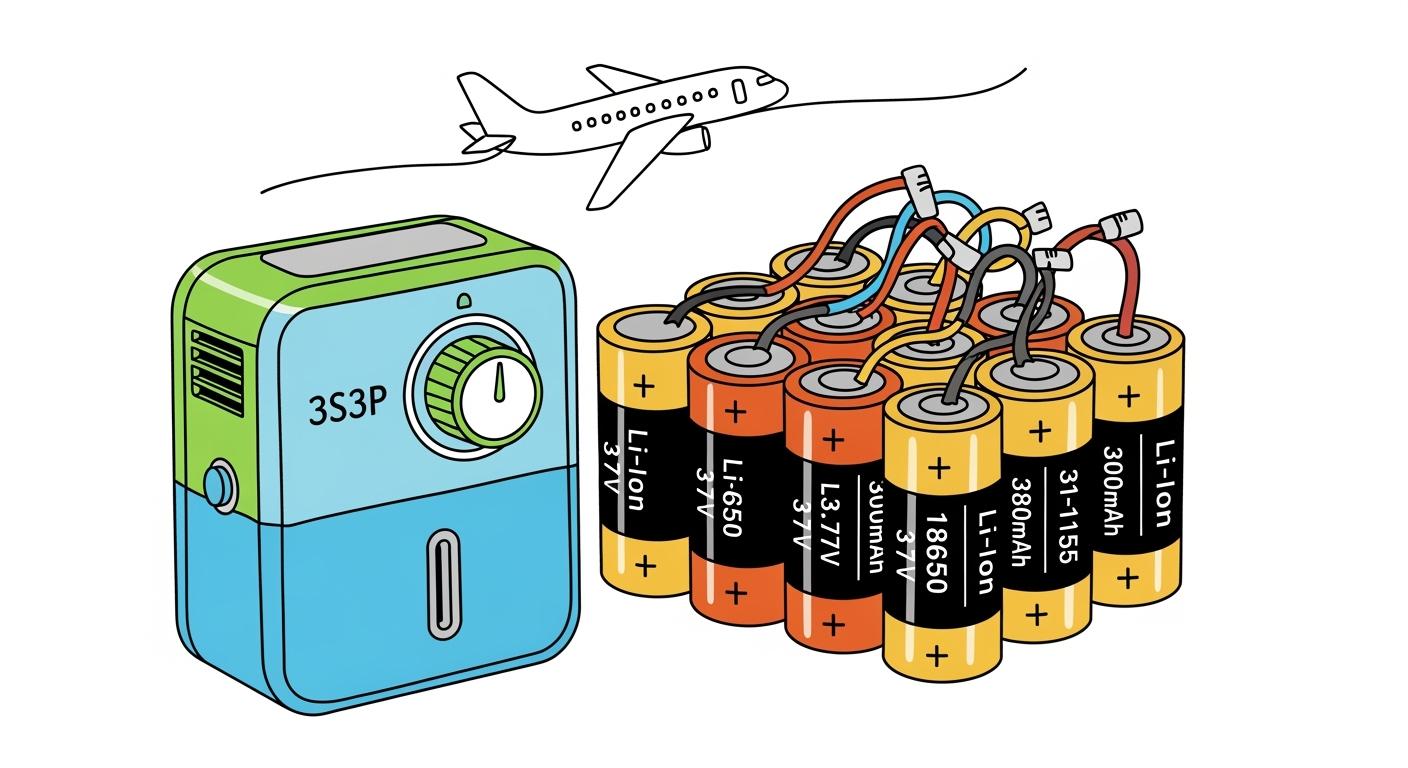
You face a complex task when selecting oxygen concentrator batteries for airline travel. Weight, capacity, and compliance with strict FAA limits demand precision. Small portable oxygen concentrators weigh under 5 lbs, deliver 3-5 hours of battery life, and supply 330-498 ml/min of oxygen. Safety and lithium-ion battery technology drive performance.
Type of Portable Oxygen Concentrator | Weight Range (lbs) | Battery Life (hours) | Oxygen Output (ml/min) |
|---|---|---|---|
Small | Under 5 | 3-5 | 330-498 |
Medium | 6-10 | 4-8 | 500-1,499 |
Large | Over 10 | 5-8 | 1,000-2,500 |
Key Takeaways
Understand the 3S3P battery design. This configuration provides stable voltage and increased capacity, ensuring reliable oxygen delivery during travel.
Always comply with FAA regulations. Carry enough battery capacity to power your concentrator for 150% of your flight duration to avoid issues during air travel.
Prioritize safety features in battery packs. Look for advanced safety systems that prevent overheating and ensure compliance with international standards.
Part 1: 3S3P Oxygen Concentrator Batteries and Airline Compliance
1.1 3S3P Battery Design for Portable Oxygen Concentrator
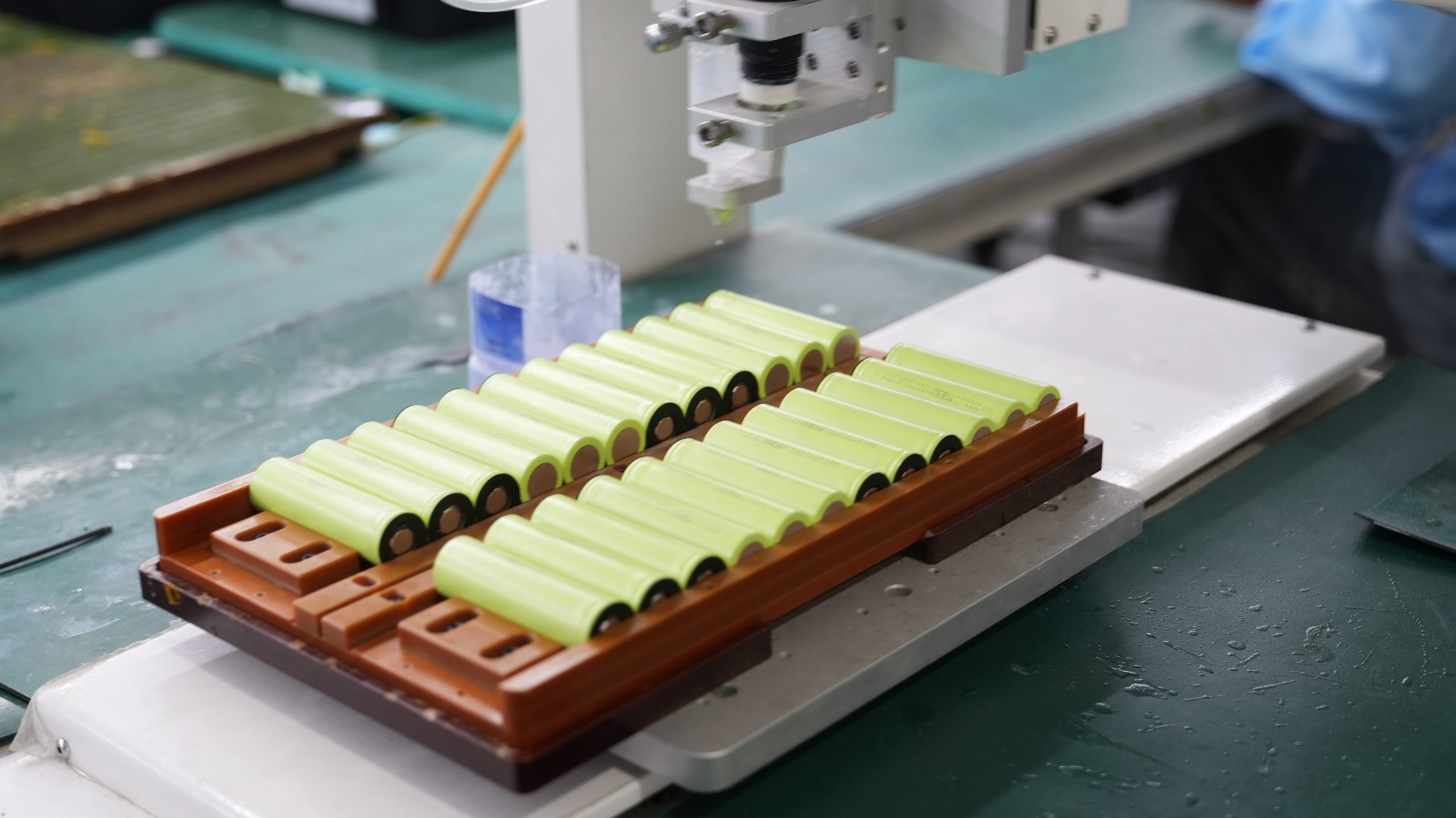
You need to understand how the 3S3P configuration shapes the performance of oxygen concentrator batteries. In this setup, three lithium-ion cells connect in series to deliver a stable voltage of 11.1V, which matches the requirements of most portable oxygen concentrator devices. By connecting three sets of these series cells in parallel, you triple the battery capacity compared to a single cell. This design increases the available energy density, which is critical for medical applications where reliable performance and long runtime are essential.
The 3S3P configuration ensures:
Consistent voltage output for oxygen concentrators.
Enhanced battery capacity, supporting longer oxygen delivery.
Improved reliability, which is vital for medical safety and uninterrupted therapy.
You benefit from predictable discharge curves and low failure rates, which are crucial for medical devices. The high energy density of lithium-ion battery packs allows you to keep the weight low while maximizing runtime. This balance supports both patient mobility and compliance with airline standards.
1.2 FAA Regulations and Safety Standards
When you travel by air with portable oxygen concentrators, you must meet strict FAA regulations. The FAA sets a 160 Wh limit for lithium-ion battery packs carried onboard. You also need to follow the 150% battery life rule, which means you must carry enough battery capacity to power your concentrator for one and a half times the expected flight duration. For example:
If your flight lasts 6 hours, you must have at least 9 hours of battery runtime available.
This rule accounts for possible delays and ensures continuous oxygen supply.
Tip: Always check the latest FAA guidelines and your airline’s specific requirements before traveling. You can find more details on FAA’s official site.
Compliance with these standards is not optional. Airlines will check your battery packs for proper labeling and capacity. Regulatory compliance ensures your device is safe for use in flight and reduces the risk of denied boarding or in-flight incidents.
1.3 Capacity Limits and Runtime Requirements
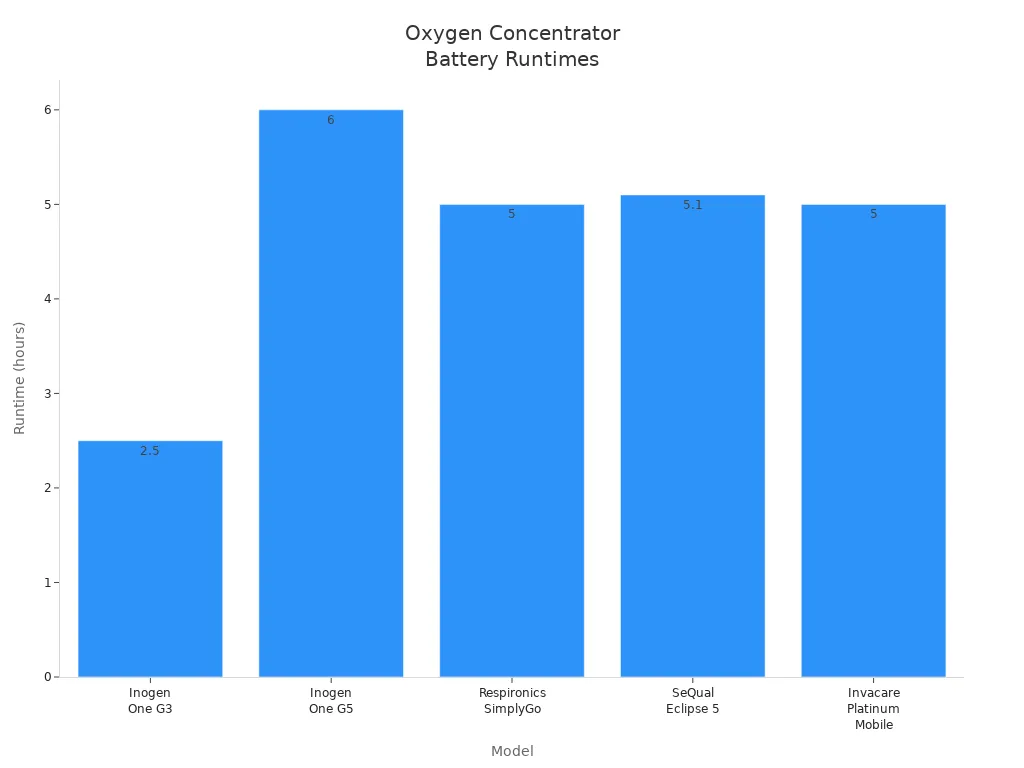
You must select battery packs that balance capacity, weight, and safety. The average runtime for oxygen concentrator batteries ranges from 2 to 6 hours per charge, depending on the model, oxygen flow rate, and battery capacity. The table below compares popular portable oxygen concentrator models:
Model | Runtime on Single Battery Charge (at Setting 2) |
|---|---|
Inogen One G3 | Up to 2.5 hours |
Inogen One G5 | Up to 6 hours |
Respironics SimplyGo | Up to 5 hours |
SeQual Eclipse 5 | Up to 5.1 hours |
Invacare Platinum Mobile | Up to 5 hours |
Portable oxygen concentrator battery runtime depends on several factors:
Higher oxygen flow rates reduce runtime due to increased power consumption.
Lower settings extend battery life.
Proper battery maintenance, such as regular charging and avoiding full depletion, helps maintain optimal performance.
You must ensure your battery pack design meets both the runtime requirements and the FAA’s Wh limit. For longer flights, you may need to carry supplemental batteries to guarantee uninterrupted oxygen supply.
Safety Features in Battery Pack Design
Safety remains the top priority in medical battery applications. You should look for battery packs with advanced safety features and compliance with international safety standards. The table below outlines key safety features found in high-quality lithium-ion battery packs for portable oxygen concentrators:
Safety Feature | Description |
|---|---|
Battery Management Systems (BMS) | Monitors voltage, temperature, and current in real time to prevent overheating and overcharging. |
Overcharge and over-discharge circuits | Cut off power at safe voltage limits to avoid damage. |
Multi-layer safety casings | Reduce risks from impact and gas buildup. |
Thermal management systems | Maintain optimal temperatures to prevent thermal runaway. |
Compliance with safety standards | Ensures battery packs meet strict regulatory requirements, enhancing safety during travel. |
You should always verify that your lithium-ion battery packs include these safety features. This approach protects both the user and the airline environment. Reliable battery pack design, high energy density, and robust safety standards ensure your portable oxygen concentrator delivers consistent oxygen therapy, even under demanding travel conditions.
Part 2: Optimizing Capacity, Weight, and Safety in Battery Packs
2.1 Balancing Capacity and Weight for Travel
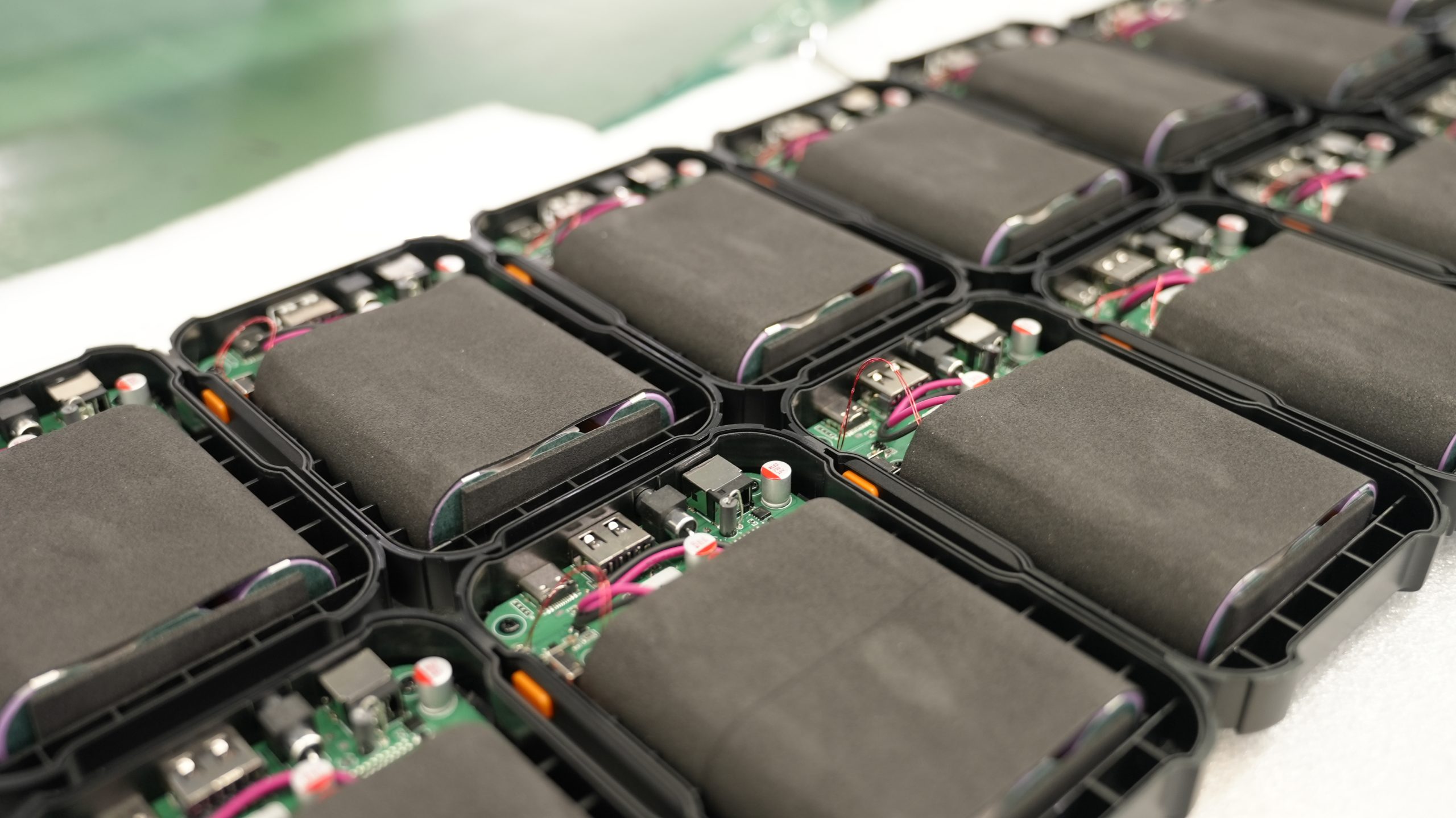
You must optimize battery capacity and weight to meet airline requirements and ensure a positive user experience. The 160 Wh limit set by airlines defines the maximum battery capacity you can carry. You need to calculate watt-hours precisely and check labels for compliance. Many airlines allow up to two batteries between 100 Wh and 160 Wh with prior approval. Always verify the watt-hour rating on each battery pack before travel.
Strategy | Description |
|---|---|
Wh Limit | Airlines cap battery packs at 100 Wh for unrestricted travel; 160 Wh with approval. |
Number of Units | Most airlines permit two batteries (100–160 Wh) with prior approval. |
Wh Calculation | Confirm watt-hour calculation stays within the TSA and airline limits. |
Label Check | Use battery packs with clear watt-hour labeling for easy compliance checks. |
A lighter portable oxygen concentrator increases comfort and mobility. You can carry the device more easily, which is essential for users who need oxygen therapy during travel. Balancing weight and functionality ensures you meet both regulatory and user requirements. You must select battery pack designs that maximize energy density while minimizing weight. This approach supports longer runtime and reliable performance without exceeding airline limits.
Tip: Choose battery packs with high energy density to achieve longer runtime and lower weight. This strategy improves both compliance and user satisfaction.
2.2 Lithium-Ion Chemistry and Safety Considerations
You rely on lithium-ion battery technology for its high energy density, long cycle life, and reliable performance. In medical, robotics, security, infrastructure, consumer electronics, and industrial sectors, lithium battery packs power critical devices.
Chemistry | Platform Voltage (V) | Energy Density (Wh/kg) | Cycle Life (cycles) | Application Scenarios |
|---|---|---|---|---|
NMC | 3.6–3.7 | 150–220 | 1000–2000 | Medical, robotics, security |
LCO | 3.7 | 150–200 | 500–1000 | Consumer electronics |
LMO | 3.7 | 100–150 | 1000–2000 | Industrial, infrastructure |
LTO | 2.4 | 70–80 | 3000–7000 | Infrastructure, industrial |
LiFePO4 | 3.2 | 90–140 | 2000–4000 | Medical, security, robotics |
You must prioritize safety in every battery pack design. Integrate advanced safety features to protect users and ensure regulatory compliance. The following table summarizes essential safety features for lithium-ion battery packs in portable oxygen concentrators:
Safety Feature | Description |
|---|---|
Protection Circuits | Prevent overcurrent, overcharge, and overheating through monitoring and control mechanisms. |
Vents | Release gases safely to prevent pressure buildup and explosions. |
Thermal Management Systems | Control heat to prevent overheating and ensure safe operation. |
Compliance with Regulatory Standards | Meet FDA, CE, and ISO 13485 standards for safety and biocompatibility. |
Smart BMS | Use diagnostics and predictive analytics to enhance safety and reliability. |
You must ensure all battery packs meet international safety standards. Battery management systems monitor voltage, temperature, and current in real time. These systems prevent overheating, overcharging, and deep discharge, which are critical for medical safety. You should select battery packs with multi-layer casings and thermal management to reduce risks during travel.
Note: The integration of smart BMS and compliance with regulatory standards ensures both safety and reliability for portable oxygen concentrator batteries.
2.3 Maintenance and Replacement for Concentrator Batteries
You must follow best practices for battery maintenance to extend the lifespan and maintain reliable performance. Avoid fully depleting batteries before recharging. Recharge after each use to reduce strain and prevent deep cycling. Rotate between two battery packs to minimize downtime and ensure continuous oxygen supply. Clean the concentrator weekly, including the exterior and filters, according to the manufacturer’s schedule. Maintain proper ventilation and avoid extreme temperatures to preserve battery efficiency.
Do not fully deplete batteries before charging.
Recharge after each use.
Rotate between two battery packs.
Clean the concentrator weekly.
Keep the device in recommended temperature ranges (41°F to 104°F).
Avoid high humidity and extreme temperatures.
Ambient conditions affect the efficiency and lifespan of oxygen concentrator batteries. You must keep devices within recommended temperature and humidity ranges to prevent performance degradation. Replace batteries every two years or after 350–500 cycles to ensure optimal runtime and safety.
Replacement Interval | Details |
|---|---|
Every 2 years | Recommended replacement period |
350–500 cycles | Replace after extensive use |
You must dispose of lithium-ion batteries properly. These batteries contain heavy metals and chemicals that can contaminate soil and water. Improper disposal can cause fires and environmental damage. Always recycle batteries at approved facilities to reduce environmental impact and comply with regulatory requirements.
Alert: Even nonfunctional lithium-ion batteries can retain charge and pose fire risks. Transport used batteries separately from household waste to recycling centers.
Actionable Tips for B2B Buyers
You must consider several factors when selecting batteries for portable oxygen concentrators:
Battery life and runtime
Weight and energy density
Certification status (CE, ISO)
Flow type (pulse or continuous)
Oxygen purity (≥90%)
Compliance with airline and regulatory standards
You must train your team in handling dangerous goods. Use certified packaging that meets IATA or IMDG standards. Label all shipments correctly with hazard markings to ensure ongoing compliance and safety.
Tip: Stay updated on regulatory changes and battery technology trends. Innovations such as ultra-thin, flexible lithium-ion batteries, fast-charging technology, and recyclable materials will shape the future of portable medical devices.
You must prioritize safety, capacity, and compliance in every aspect of battery selection, maintenance, and management. This approach ensures reliable performance and regulatory compliance for all portable oxygen concentrator applications.
You optimize oxygen concentrator battery capacity and runtime by selecting lithium packs with advanced safety features and regulatory compliance. Avoid common mistakes like ignoring FAA rules or using uncertified batteries. Stay updated on airline regulations and manage battery maintenance. For custom battery consultation, contact our team. Extended runtime and safe oxygen delivery support every medical journey.
FAQ
What is the best lithium battery chemistry for portable oxygen concentrators?
Chemistry | Platform Voltage (V) | Energy Density (Wh/kg) | Cycle Life (cycles) | Application Scenarios |
|---|---|---|---|---|
NMC | 3.6–3.7 | 150–220 | 1000–2000 | Medical, robotics, security |
LiFePO4 | 3.2 | 90–140 | 2000–4000 | Medical, security, robotics |
LCO | 3.7 | 150–200 | 500–1000 | Consumer electronics |
LMO | 3.7 | 100–150 | 1000–2000 | Industrial, infrastructure |
LTO | 2.4 | 70–80 | 3000–7000 | Infrastructure, industrial |
You should select NMC or LiFePO4 for medical devices. These chemistries offer high energy density and long cycle life.
How do you ensure airline compliance for lithium battery packs?
You must check watt-hour ratings, confirm safety certifications, and use clear labeling. Large Power provides airline-approved battery solutions. Request a custom battery consultation.
When should you replace lithium battery packs in oxygen concentrators?
Replace batteries every two years or after 500 cycles. This practice ensures reliable runtime and safety for all medical and industrial applications.


