

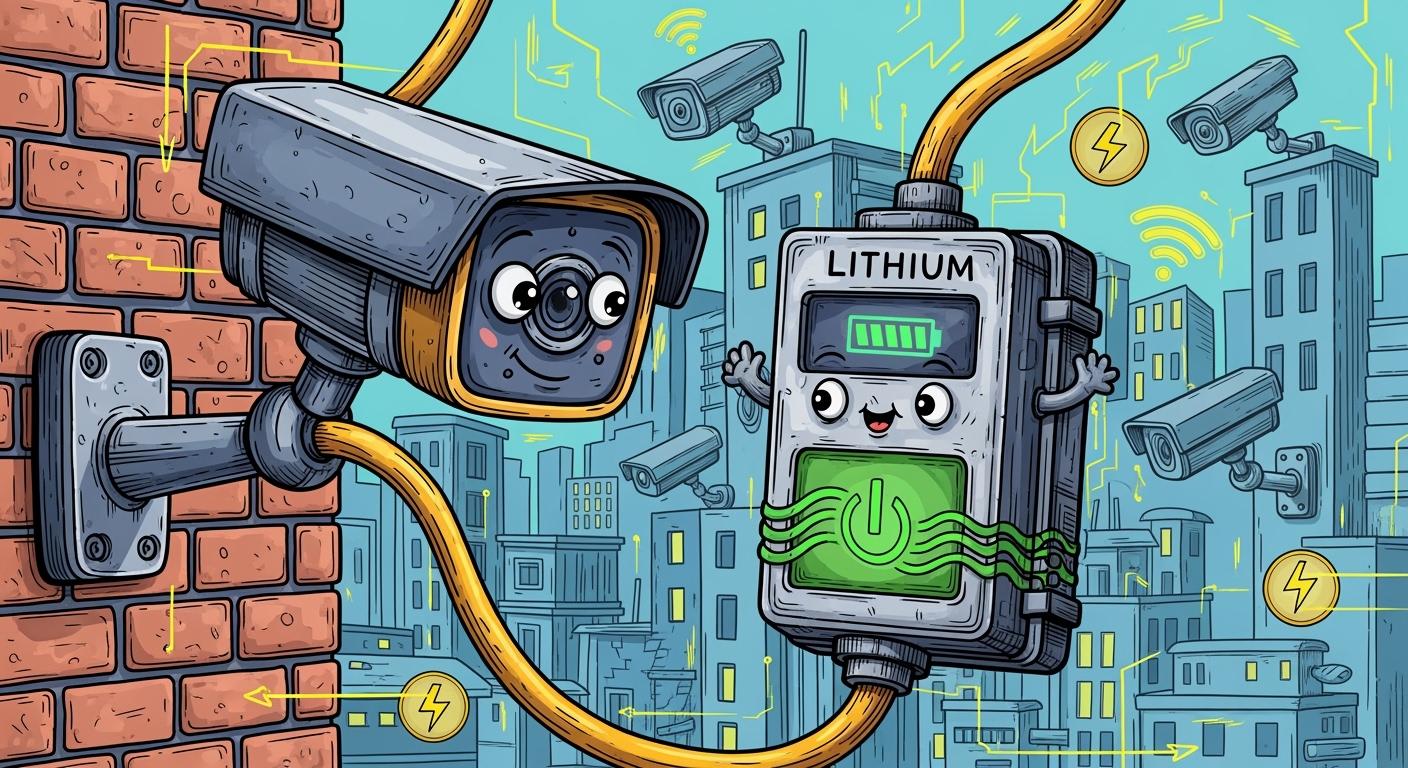
Lithium battery technology offers the most effective solution for improving backup power reliability in CCTV and security camera systems. You need dependable power to keep your security operations running without interruption. Power loss can expose your facility to risks, including theft and unauthorized access. Lithium batteries address frequent pain points such as outages, battery failures, and high maintenance costs. They deliver steady voltage and require minimal upkeep compared to traditional lead-acid batteries, which often fail during critical moments.
Battery Type | Advantages | Disadvantages |
|---|---|---|
Lead-Acid | Secure power, cost-efficient, dependable | Needs upkeep, heavy, shorter lifespan |
Lithium Iron Phosphate | Lightweight, long service life, safe | Lower energy density, lower power density |
You can expect lithium batteries to outperform older backup solutions in reliability and performance.
Key Takeaways
Lithium batteries provide longer life and lower maintenance compared to lead-acid batteries, ensuring reliable power for security systems.
Fast charging capabilities of lithium batteries allow for quick restoration of power after outages, enhancing operational continuity.
Regular testing and monitoring of battery health are essential to maintain backup power reliability and prevent unexpected failures.
Choosing the right lithium battery chemistry, such as LiFePO4 or NMC, is crucial for optimizing performance based on specific security needs.
Proper installation and environmental considerations can significantly improve the lifespan and efficiency of lithium battery systems.
Part1: Why Backup Power Reliability Matters
1.1 Security Risks of Power Loss
You rely on CCTV and security camera systems to protect your assets and operations. When these systems lose power, your facility faces immediate risks. Power outages can happen during severe weather or unexpected grid failures. During these times, criminals often see unmonitored properties as easy targets. Without active surveillance, you may experience:
Increased risk of theft and vandalism
Higher chances of trespassing and unauthorized access
Operational disruptions that slow down response times
Properties become especially vulnerable when power loss coincides with storms or other emergencies. You cannot afford gaps in monitoring, as even a short outage can lead to significant losses.
1.2 Common Backup Power Challenges
Many organizations struggle with backup power solutions that do not deliver consistent performance. Traditional lead-acid batteries often fail during critical moments. You may notice these common challenges:
Frequent outages due to short battery life
High maintenance requirements that increase costs and downtime
Battery failures that leave security systems offline
Backup Power Reliability becomes a top priority when you consider these risks. Lithium battery packs, such as LiFePO4, NMC, LCO, and LMO, offer longer service life and more stable performance. They require less maintenance and provide seamless transitions during outages. You can improve Backup Power Reliability by choosing advanced lithium battery technology for your security systems.
Tip: Regularly test your backup power system to ensure it operates as expected during emergencies.
Part2: Lithium Battery Advantages for Security Systems
2.1 Longer Life and Loer Maintenance
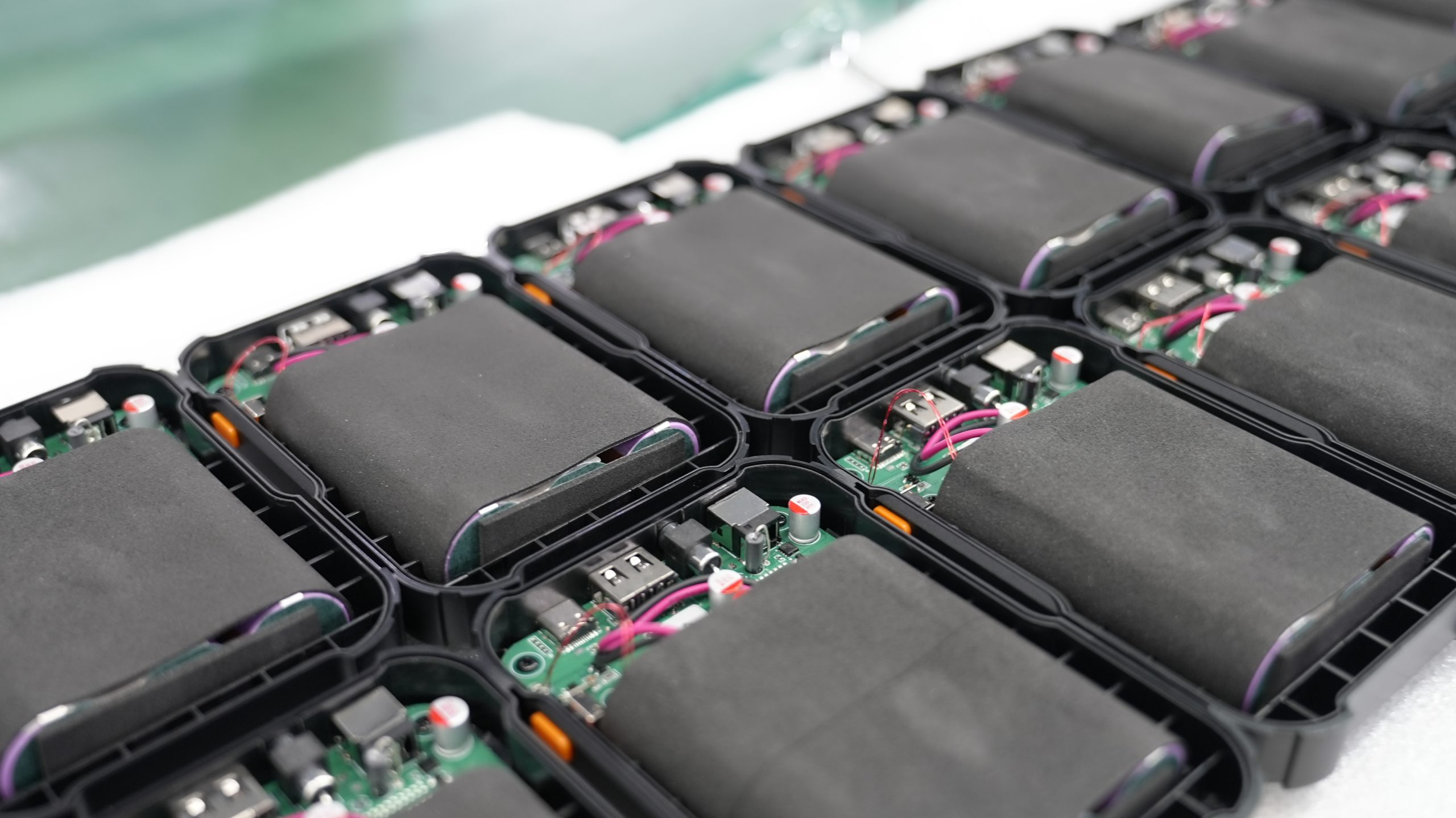
You gain a clear advantage when you choose lithium battery packs for security systems. Lithium batteries last much longer than lead-acid batteries. You can see the difference in the table below:
Battery Type | Average Lifespan (Cycles) |
|---|---|
Lithium | 800 – 4,500+ |
Lead-Acid | 450 – 800+ |
Lithium batteries require less maintenance. You only need to follow a few simple steps:
Use proper charging practices and avoid keeping batteries at high charge levels for long periods.
Store batteries at 50-60% charge in a cool, dry place.
Monitor battery health regularly, especially with IoT-based systems.
These practices help you maintain Backup Power Reliability and reduce downtime in security operations.
2.2 Fast Charging and High Energy Density
You benefit from rapid charging with lithium batteries. They charge four times faster than lead-acid batteries. This speed lets you restore power quickly after an outage. Lithium battery packs also deliver high energy density, making them ideal for space-limited installations. For example:
LiFePO4 batteries offer 100-300 Wh/kg.
Nickel-Metal Hydride batteries provide only 55-110 Wh/kg.
This high energy density supports longer operation and improves Backup Power Reliability in medical, robotics, and security systems.
2.3 Compact Size and Flexible Placement
Lithium-ion batteries are more compact and lighter than traditional alternatives. You can handle and install them easily in security cameras and other devices. The table below shows installation flexibility advantages:
Advantage | Description |
|---|---|
Better Power Management | Combining several 18650 cells improves power management, allowing longer operation before recharging. |
Ease of Installation | The battery pack simplifies wiring and installation compared to using single cells. |
Compact Size | The smaller size of the battery pack makes it suitable for modern surveillance technology. |
Modular Design | The design allows compatibility with various CCTV systems, enhancing versatility. |
Operates in Tough Environments | The battery pack is durable and can function in challenging conditions without losing power. |
You can place lithium battery packs in tight spaces and harsh environments, supporting infrastructure and industrial applications.
2.4 Temperature and Safety Performance
Lithium batteries perform well in extreme temperatures. You can rely on them for Backup Power Reliability in both hot and cold conditions. For example:
In high temperatures, lithium batteries maintain performance and cycle life, outperforming lead-acid batteries.
In cold temperatures, lithium batteries discharge at 70% capacity at 0°F, while lead-acid batteries drop to 45%.
Safety features in lithium battery packs include:
Integrated battery management systems (BMS) that protect against overcharge, over-discharge, and over-current.
Sophisticated BMS for thermal control and cell balancing.
Compliance with CE, RoHS, UN38.3, and IEC 62133 certifications.
These features make lithium battery packs a reliable choice for security systems, medical devices, and industrial robots.
Part3: Enhancing Backup Power Reliability with Lithium Batteries

3.1 Stable Power and Seamless Transition
You need stable power delivery for your CCTV and security camera systems. Lithium battery packs provide consistent voltage output, which keeps your surveillance equipment running smoothly. You avoid sudden drops in performance that often occur with lead-acid batteries. Lithium-ion batteries deliver reliable power because they are lightweight, powerful, and long-lasting. They resist temperature changes and have minimal self-discharge. You benefit from steady power, even in challenging environments.
Lithium-ion batteries hold large amounts of energy.
They last longer than traditional batteries.
They provide steady power to devices.
During power outages, lithium battery backup systems ensure your cameras stay online. You experience minimal disruptions because lithium technology offers a reliable power source. You must match the battery capacity to the power needs of your cameras. This practice guarantees continuous surveillance and protects your assets.
Tip: Choose lithium battery packs with the right chemistry, such as LiFePO4, NMC, LCO, or LMO, to maximize performance in your security, medical, robotics, and industrial applications.
3.2 Role of Chargers and BMS
Chargers and battery management systems (BMS) play a critical role in maintaining the reliability of lithium battery backup. You need advanced chargers that support fast charging and protect against overcharging. Proper chargers extend battery life and reduce maintenance.
A BMS monitors battery conditions in real time. It prevents issues like thermal runaway and overcharging. Smart algorithms optimize performance and ensure efficient operation. Predictive maintenance features help you identify faults before they cause downtime. You can monitor voltage, temperature, and charge cycles, which reduces risks associated with battery failure. BMS also manages charging and discharging cycles, extending battery life.
Feature | Benefit for Security Systems |
|---|---|
Real-time Monitoring | Prevents battery failure |
Smart Algorithms | Optimizes battery performance |
Predictive Maintenance | Identifies faults before downtime occurs |
Charge Management | Extends battery lifespan |
Safety Controls | Protects against thermal and electrical risks |
Integration of AI and cloud technology allows continuous improvement and adaptation of battery management. You enhance safety and reliability by monitoring critical parameters. Addressing challenges like dendrite growth and safety concerns is essential for reliable operation.
Note: The integration of BMS in handheld surveillance devices improves safety and reliability. You can use these features in medical, robotics, infrastructure, and industrial sectors.
3.3 Sizing and Compatibility
You must size your lithium battery backup system correctly to ensure optimal reliability. Conduct regular maintenance to maximize battery lifespan. Periodic testing helps you verify reliable operation. Simulate power outages and monitor battery voltage to check system performance. Monitor battery health for signs of degradation, such as reduced runtime and frequent low battery alarms.
Adjust maintenance routines seasonally. Temperature and humidity affect battery performance. You need to account for these factors to maintain consistent operation.
Best Practice | Description |
|---|---|
Regular Maintenance | Maximizes battery lifespan |
Periodic Testing | Ensures reliable operation |
Battery Health Monitoring | Detects signs of degradation |
Seasonal Adjustments | Maintains performance in varying environments |
Compatibility Checks | Ensures system integration with CCTV platforms |
You must ensure compatibility between lithium battery packs, chargers, and your CCTV system. Select battery packs with the correct voltage and capacity. Use standardized lithium chemistries, such as LiFePO4, NMC, LCO, and LMO, for consistent performance. Compatibility supports seamless integration in security, medical, robotics, infrastructure, and industrial applications.
Callout: Proper sizing and compatibility improve Backup Power Reliability and reduce downtime in your surveillance systems.
Part4: Integration Best Practices
4.1 Selecting the Right Battery Pack
You need to evaluate several criteria when choosing a lithium battery pack for your CCTV system. The right selection improves Backup Power Reliability and ensures your security operations run smoothly. Consider the following factors:
Criteria | Description |
|---|---|
Energy Density | Important for devices needing long operational periods; higher energy density leads to longer battery life. |
Safety and Reliability | Look for batteries meeting strict safety standards and consider integrating a battery management system (BMS). |
Cost and Supply Chain | Evaluate upfront costs and long-term expenses; consider the impact of fluctuating mineral prices on budget. |
Environmental Impact | Improper disposal can lead to harmful electronic waste; consider the environmental implications of battery use. |
Different lithium chemistries impact performance. For example, LiFePO4 offers high durability and low sensitivity to temperature, while NMC provides higher energy density but is more sensitive to temperature changes.
Battery Chemistry | Energy Density | Charge-Discharge Efficiency | Long-Term Durability | Sensitivity to Temperature |
|---|---|---|---|---|
LiFePO4 | Moderate | 90-95% | High | Low |
NMC | High | 90-95% | Moderate | High |
Tip: Select battery packs that match your operational needs and environmental conditions. Always check for compatibility with your CCTV platform.
4.2 Installation and Maintenance Tips
Proper installation maximizes the reliability of lithium battery backup in surveillance systems. You should follow these procedures:
Fix the mounting bracket securely to a load-bearing wall.
Hang the battery unit onto the bracket.
Lock the battery in place to prevent movement.
Connect protective grounding.
Install batteries indoors in a dry, clean, and well-ventilated area. Avoid direct sunlight, heat sources, and corrosive gases. Maintain a minimum clearance of 30 cm on all sides for airflow. Monitor environmental conditions, including temperature and humidity.
Installation Environment Requirements | Details |
|---|---|
Recommended Location | Indoor installation strongly recommended, dry, clean, and well-ventilated area, free from corrosive gases, flammable materials, or chemical vapors, avoid direct sunlight and heat sources |
Clearance Requirements | Minimum clearance: ≥ 30 cm on all sides for unobstructed airflow |
Environmental Conditions | Discharge Temperature: -20°C to 60°C, Charge Temperature: 0°C to 55°C, Storage Temperature: -20°C to 45°C, Relative Humidity: ≤ 90% (non-condensing) |
Routine maintenance keeps your battery pack performing at its best. You should:
Ensure the Battery Management System is functioning to prevent issues like over-temperature and cell imbalance.
Regularly check for extreme temperatures that may affect battery performance.
Monitor battery capacity for age-related loss.
Conduct daily monitoring for new installations, weekly checks for established systems, and continuous monitoring for critical applications.
Note: Sustainable installation and maintenance practices reduce electronic waste and support environmental responsibility.
4.3 Monitoring and Lifecycle Management
You can use advanced battery management systems (BMS) to track the health and performance of lithium battery backup. These technologies enable real-time monitoring and predictive alerts for battery health metrics.
Technology Type | Description |
|---|---|
Advanced Battery Management Systems (BMS) | Enables real-time monitoring and health tracking of lithium battery backup systems. |
Custom BMS Solutions | Provides real-time battery status and health monitoring, accessible locally or remotely. |
Predictive Alerts | Allows users to receive alerts about battery health metrics via secure protocols. |
Test the battery output regularly with a voltage meter. Observe system performance for the first few days after installation. Use predictive alerts to address issues before they impact operations. Lifecycle management extends battery life and improves reliability in security, medical, robotics, infrastructure, and industrial sectors.
Callout: Effective monitoring and lifecycle management help you maintain Backup Power Reliability and reduce downtime in your surveillance systems.
You gain the most reliable backup power for your CCTV and security camera systems with lithium battery technology. Lithium battery packs like LiFePO4, NMC, LCO, and LMO offer longer uptime, lower costs, and improved safety.
You avoid fuel expenses and reduce maintenance compared to traditional generators.
Battery-powered cameras can last months on a single charge, and features like health monitoring extend uptime.
Solar add-ons support continuous power in remote areas.
Upgrade to lithium battery solutions to future-proof your security infrastructure.
FAQ
What makes lithium battery packs better for backup power in security systems?
You get longer service life, higher energy density, and lower maintenance with lithium battery packs. Chemistries like LiFePO4 and NMC deliver stable voltage and fast charging.
How do I choose the right lithium battery chemistry for my application?
You should match your needs to the chemistry. LiFePO4 offers high durability and safety. NMC provides higher energy density. LCO and LMO suit devices needing compact size. Always check compatibility with your system.
Can lithium battery packs handle extreme temperatures?
Yes. Lithium battery packs, especially LiFePO4, perform well in hot and cold environments. They maintain up to 70% capacity at 0°F. Lead-acid batteries drop to 45% in similar conditions.
What maintenance do lithium battery backup systems require?
You need to monitor battery health, check the Battery Management System (BMS), and test output regularly. Lithium packs require less maintenance than lead-acid batteries. Routine checks help you avoid unexpected downtime.
Are lithium battery packs safe for critical infrastructure?
Yes. Lithium battery packs include advanced BMS for overcharge, over-discharge, and thermal protection. Certifications like CE, RoHS, UN38.3, and IEC 62133 ensure safety for security, medical, and industrial sectors.


