

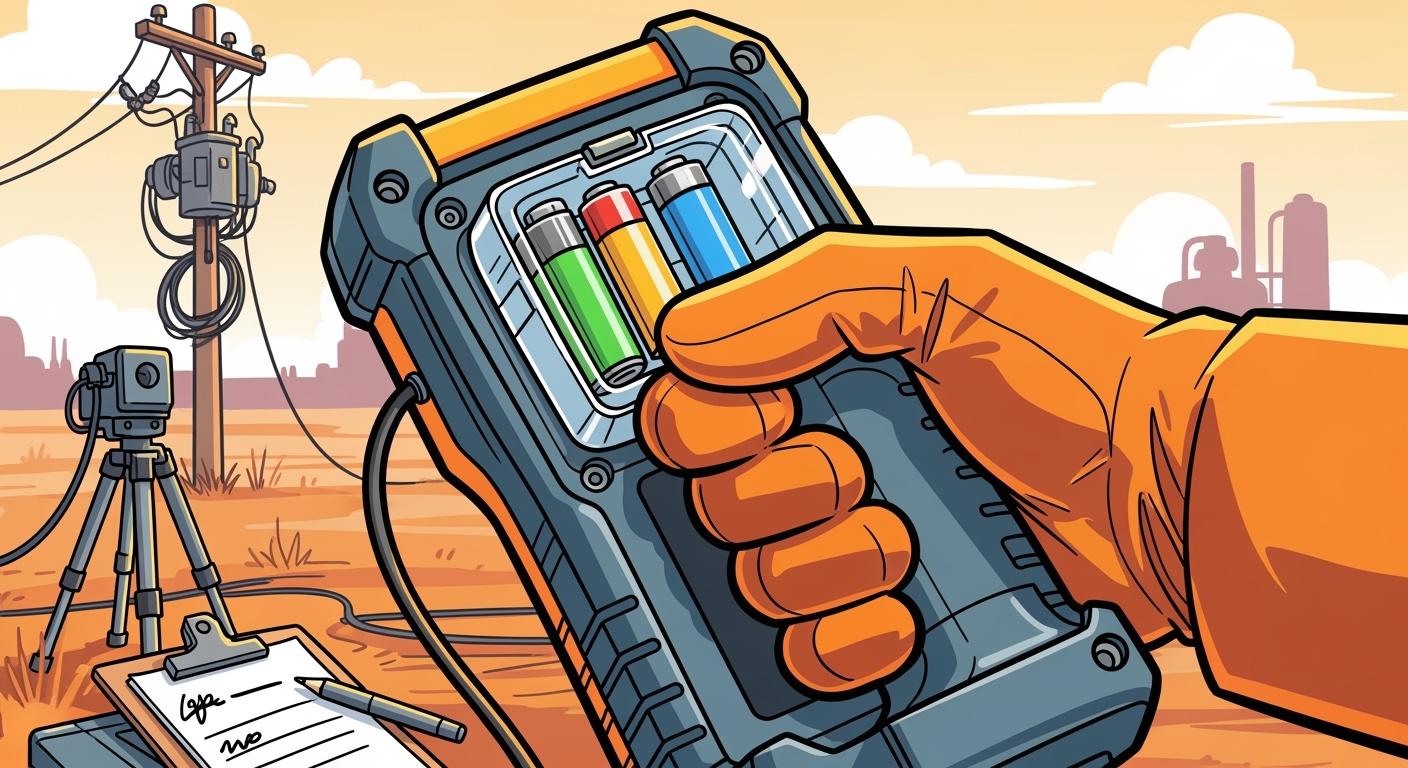
You need battery solutions that keep your industrial handheld devices running in tough environments. Rugged power systems give you the reliability to collect field data and perform inspections without interruption. Custom lithium packs help you minimize downtime and cut maintenance costs. The right design supports safety, accurate data, and asset reliability.
Benefit | Description |
|---|---|
Increased equipment uptime and asset reliability | Rugged technology keeps your tools operational in harsh conditions. |
Cost-savings opportunities through optimised maintenance schedules | Real-time data lets you plan maintenance and reduce downtime. |
Improved safety for maintenance personnel | Reliable devices ensure safe, accurate data collection in hazardous areas. |
Enhanced data accuracy and decision-making processes | Real-time, accurate data supports quick and effective decisions. |
Key Takeaways
Rugged battery systems enhance uptime and reliability for industrial handheld devices, ensuring uninterrupted data collection and inspections.
Custom lithium packs reduce maintenance costs and downtime by providing tailored solutions that meet specific device needs.
Choosing the right battery chemistry, like LiFePO4 for safety or NMC for energy density, is crucial for optimal performance in harsh environments.
Implementing proactive maintenance practices can extend battery life and reduce unexpected failures, keeping devices operational longer.
Always select certified battery packs to ensure safety, compliance, and reliability in demanding industrial applications.
Part1: Rugged Battery Solutions Overview
1.1 Field Demands for Industrial Handhelds
You face many challenges when using industrial handheld devices in the field. These devices often operate in harsh environments, which can include extreme temperatures, physical shocks, and exposure to dust or moisture. You must deal with extra size and weight, which makes devices harder to carry. Device downtime disrupts your workflow and can lead to safety risks or financial losses. Stable connectivity is essential for communication and data transfer. Device management, protecting corporate data, and system integration also require attention. Increased wear and tear from environmental exposure means you need ongoing maintenance and timely replacements.
Cold temperatures can significantly reduce battery life and performance. Lithium-ion batteries often lose efficiency in low temperatures, which can hinder productivity during long shifts in cold storage or outdoor settings. Devices designed with cold-resistant batteries or smart battery management systems help maintain performance and maximize uptime.
1.2 Risks of Standard Batteries
Standard batteries often fail to meet the demands of industrial handhelds. You may experience frequent device downtime, which interrupts operations and increases maintenance costs. Standard batteries lack advanced safety features, making them more prone to overheating or overcharging. They do not always withstand physical shocks or temperature extremes. You risk safety incidents and shorter device lifespans.
Custom lithium-ion battery packs include a Battery Management System (BMS) that monitors voltage and temperature. These packs undergo rigorous testing to meet industry safety standards. You benefit from fewer safety incidents and less device downtime compared to standard batteries.
1.3 Benefits of Custom Lithium Packs
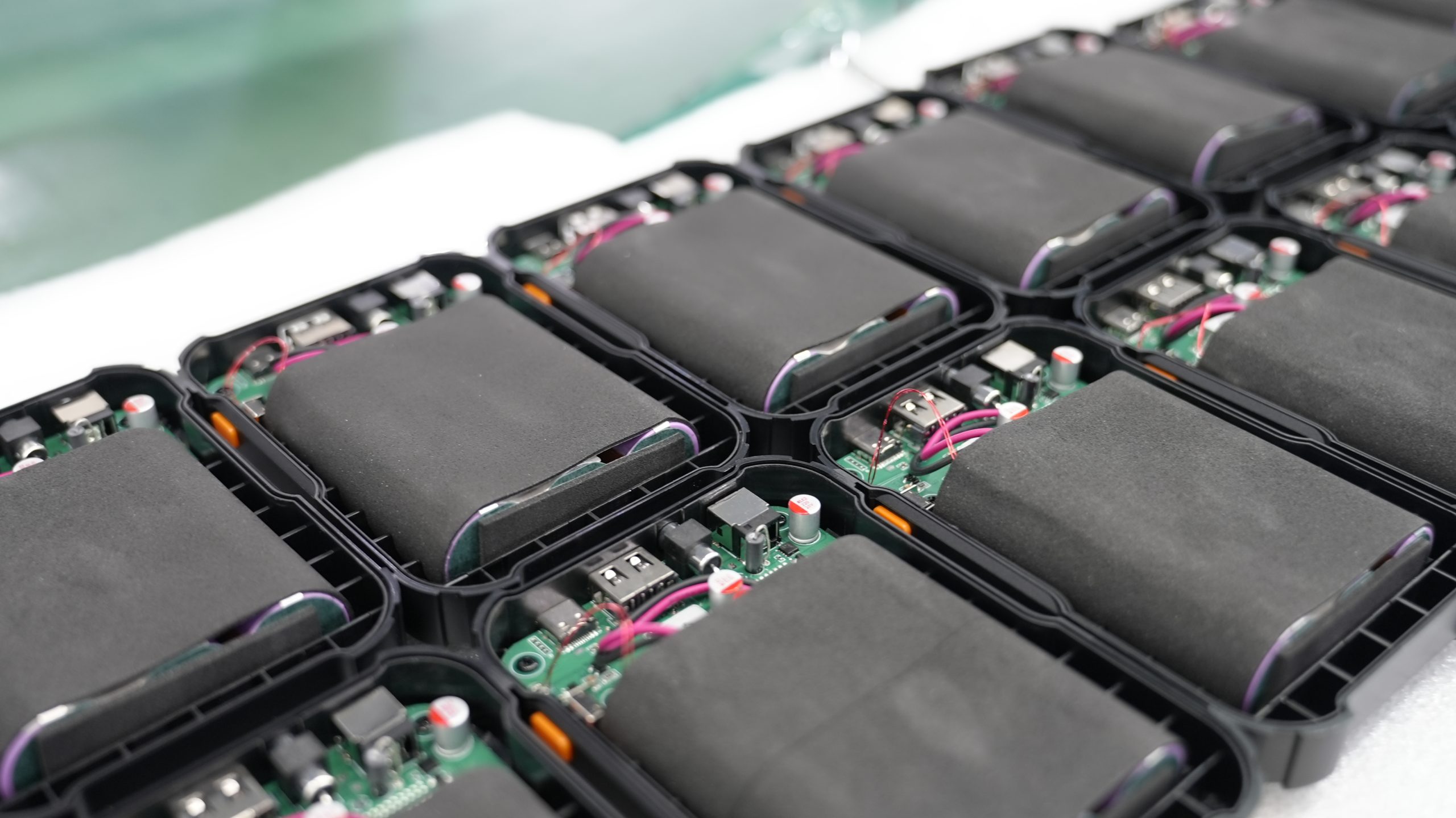
Leading manufacturers such as Large Battery offer custom lithium solutions for industrial handhelds. You gain access to battery systems designed for your specific hardware and firmware needs. Custom packs deliver higher energy density, superior power output, improved efficiency, fast charging capabilities, and longer lifespan.
Performance Metric | Custom Lithium Batteries | Standard Batteries |
|---|---|---|
Energy Density | Higher | Lower |
Power Output | Superior | Standard |
Efficiency | Improved | Standard |
Fast Charging Capabilities | Yes | No |
Longevity | Longer lifespan | Shorter lifespan |
Application-specific Battery Solutions reduce downtime and maintenance. You can rely on your devices for critical tasks in medical, robotics, security systems, infrastructure, and industrial sectors. Custom lithium packs help you optimize performance and safety in every scenario.
Part2: Battery Types & Chemistries

2.1 LiFePO4 vs. NMC for Handhelds
You need to understand the differences between LiFePO4 and NMC batteries when selecting power systems for industrial handheld devices. These two lithium chemistries offer unique advantages for field data collection, inspection tools, and other professional applications.
Battery Type | Cycle Life (cycles) | Energy Density (Wh/kg) |
|---|---|---|
LiFePO4 | 2000-5000 | 90-120 |
NMC | 1000-2000 | 150-270 |
LiFePO4 batteries deliver a much longer cycle life, often reaching 2000 to 5000 cycles. This makes them ideal for devices that require frequent charging and long-term reliability, such as those used in infrastructure inspections or robotics. NMC batteries provide higher energy density, ranging from 150 to 270 Wh/kg. This means you can achieve longer runtimes in a smaller, lighter package, which is valuable for portable medical devices or security systems.
Safety is a critical factor in industrial environments. LiFePO4 batteries offer excellent thermal and chemical stability, with a thermal runaway threshold of about 270°C. This is significantly higher than NMC’s threshold of around 200°C. You reduce the risk of fire or thermal runaway when you choose LiFePO4, especially in applications where devices may face physical damage or overcharging.
Tip: For handheld devices exposed to harsh conditions or frequent handling, LiFePO4 batteries provide extra peace of mind due to their robust safety profile.
2.2 Key Features of Lithium Battery Solutions
Lithium battery solutions stand out in industrial handheld applications because they combine efficiency, reliability, and adaptability. You benefit from features that support continuous operation in demanding sectors like medical, robotics, security, and infrastructure.
Feature | Description |
|---|---|
Energy Efficiency | Lithium-ion batteries minimize energy loss, reducing overall energy consumption. |
Cost Savings | Lower operational costs and improved competitiveness through reduced energy usage. |
Reliability | Stable power supply minimizes downtime and ensures consistent performance. |
Performance in Cold Storage | Maintains optimal performance in low-temperature environments, unlike some traditional batteries. |
You must also consider how lithium battery solutions address the specific power and runtime requirements of your field tools:
Key Considerations | Description |
|---|---|
Proper Sizing | Ensures steady, repeatable power without constant monitoring. |
Surge Capacity | Collects surge requirements for tools to size the inverter and battery discharge rate accordingly. |
Environmental Factors | Considers the hardest expected window of the day and adds reserves for schedule compression. |
Modular Design | Allows for scaling as new loads appear, provided the system is designed with growth in mind. |
Custom battery pack design and integration play a vital role in device performance and safety. You can optimize thermal management by using heat sinks, cooling systems, and thermal sensors. Protection circuits, such as overcurrent and short-circuit protection, add layers of safety. Rigorous testing ensures compliance with industry standards, validating performance under various environmental and mechanical conditions. The choice of battery cell chemistry directly impacts energy density and stability, which are essential for demanding industrial applications.
2.3 Choosing the Right Chemistry
Selecting the right battery chemistry for your industrial handheld device requires careful consideration of several factors:
Battery life is crucial for continuous operation during long shifts.
Safety certifications ensure compliance with industry standards.
Compatibility with your device and operating environment must be assessed.
Weight and portability affect usability in mobile applications.
Implementing a battery monitoring system helps predict when replacements are needed.
Early detection of battery issues can prevent larger problems and save costs.
You can choose from a range of lithium chemistries, including LiFePO4, NMC, LCO, and LMO, as well as advanced options like LTO and solid-state batteries. Each chemistry offers unique benefits for different application scenarios. For example, LiFePO4 is popular in infrastructure and robotics for its long cycle life and safety, while NMC is favored in medical and security systems for its high energy density and compact size. LCO and LMO are also used in consumer electronics and specialized industrial tools.
Note: For more information on sustainability practices in battery manufacturing, visit Our Approach to Sustainability. If you need details on conflict minerals, see Conflict Minerals Statement.
You should always match the battery chemistry to your device’s power needs, safety requirements, and operational environment. This approach ensures you get the most reliable and efficient battery solutions for your industrial handheld devices.
Part3: Integration & Compatibility
3.1 Physical Fit & Customization
You need battery packs that fit perfectly into your industrial handheld devices. Customization ensures that each battery matches the device’s size, shape, and environmental needs. Many industries, such as medical, robotics, and security systems, require batteries that withstand water, dust, and vibration. Manufacturers design custom packs with features like IP65/IP67 waterproofing and anti-vibration casings. You also benefit from tailored voltage and capacity options, which guarantee compatibility with your device’s power requirements. Advanced battery management systems (BMS) provide protection, diagnostics, and control, improving both safety and performance. Custom designs allow for seamless integration, so your devices stay reliable in any environment.
Environmental resistance (IP65/IP67, anti-vibration)
Precise electrical requirements (voltage, capacity)
Advanced BMS for protection and diagnostics
Custom shapes for perfect device integration
3.2 Electrical Alignment & Protocols
You must align your battery’s electrical characteristics and communication protocols with your device. This step prevents errors and extends battery life. For example, in infrastructure and industrial applications, you may need to verify protocol handshake and audit cell consistency. Environmental stressing ensures components work in extreme temperatures. The table below shows common protocol options for different requirements:
Requirement | Protocol Options |
|---|---|
Device Quantity | RS232 for single-device; RS485 and CAN for multi-node systems |
Transmission Distance | RS485 and CAN for long-distance; I2C for short-range |
Data Transfer Rate | CAN for high-speed; I2C for low-speed |
Noise Immunity | RS485 and CAN for noisy environments |
Power Consumption | I2C and BLE for low power; CAN and RS485 for high-drain |
Fault Detection | CAN with CRC; I2C and UART for less critical systems |
Compliance and Standards | Ensure compliance with ISO26262, UL2580, IEC62619 |
Matching the right protocol ensures your battery communicates reliably with your device, whether you work in medical, security, or robotics sectors.
3.3 Smart Features & Upgrades
Modern Battery Solutions offer smart features that improve device performance and safety. Many batteries now include communication protocols like Bluetooth, Wi-Fi, or CAN bus. These allow you to monitor battery status remotely and optimize usage. Safety mechanisms such as overvoltage, overcurrent, and temperature protection help prevent accidents. User interfaces, including LCD screens or LEDs, let you check battery status and receive alerts.
Drop-in upgrades, like those from Power-Sonic, make compatibility simple. You can replace old batteries in legacy devices without modification. For example:
Battery Model | Compatibility | Features |
|---|---|---|
HNN9018A | Motorola SP10, SP21, SP50, P10, HT10 | Direct-fit replacement, no modification needed |
HNN9018AR | Motorola SP10, SP21, SP50, P10, HT10 | Engineered for consistent performance |
HNN9018BR | Motorola SP10, SP21, SP50, P10, HT10 | Ideal for professional users of legacy devices |
Firmware and software upgrades also enhance battery management. These updates improve state of charge accuracy, allow for seasonal adjustments, and enable new features without hardware changes. You get better battery life and continuous improvement in your field devices.
Tip: Always choose battery solutions that support smart features and easy upgrades. This approach keeps your devices ready for future demands in industrial, medical, and security applications.
Part4: Performance & Safety
4.1 Battery Life & Reliability
You depend on rugged lithium battery packs to keep your industrial handheld devices running for years. High-quality lithium batteries often deliver 1,000 to 2,000 cycles, but rugged lithium solutions can reach 3,000 to 5,000 cycles and last 8 to 15 years. This long service life supports demanding applications in medical, robotics, security systems, and infrastructure. You avoid frequent replacements and reduce operational disruptions.
Battery Type | Cycle Life (Cycles) | Service Life (Years) |
|---|---|---|
Rugged Lithium | 3,000 to 5,000 | 8 to 15 |
You maintain device reliability by choosing battery packs that withstand extreme temperatures, shocks, and vibration. Consistent performance ensures your tools stay operational during critical tasks. Proactive battery replacement scheduling can reduce total costs by up to 30%. You stabilize schedules and payroll processes by keeping devices ready for use.
4.2 Safety & Compliance Standards
You must select battery packs that meet strict safety and compliance standards. These standards guarantee reliability and minimize risks in harsh environments. Industrial handheld battery packs undergo rigorous testing, including thermal cycling, high-pressure testing, and environmental simulations. You benefit from batteries that resist overheating, mechanical stress, and transportation hazards.
Batteries must pass several tests:
Capacity and energy tests
Cycle life tests
Environmental tests for extreme conditions
Thermal stability and abuse tests
Transportation safety tests
Certifications such as UL in the U.S. and CE in Europe ensure safety, reliability, and market access. Certified battery packs build trust and meet regulatory and insurance requirements. You gain confidence knowing your devices comply with industry standards.
Aspect | Description |
|---|---|
Ensuring Safety & Reliability | Certifications ensure rigorous testing for safety, preventing risks like overheating and fires. |
Market Access & Compliance | Certifications are often legal requirements for market entry, such as UL in the U.S. and CE in Europe. |
Consumer Confidence | Certifications enhance trust by proving products meet industry standards through independent testing. |
Regulatory & Insurance Requirements | Certified systems are often required for government rebates and insurance coverage, increasing attractiveness to buyers. |
4.3 Maintenance & Lifecycle Management
You extend battery life and maintain safety by following best practices for maintenance and lifecycle management:
Store lithium batteries at 40–50% charge in a cool, dry place.
Monitor battery state of health to identify aging batteries.
Use charging systems matched to battery specifications.
Protect batteries from extreme temperatures.
Recharge before deep discharge occurs.
Remove end-of-life batteries from service.
Recycle lithium batteries properly.
You reduce downtime and maintenance costs by scheduling proactive battery replacements. Unexpected battery failures disrupt operations and increase labor costs. Maintaining battery health ensures your devices remain operational in medical, robotics, security, and industrial settings.
When you select Battery Solutions for industrial handheld devices, focus on continuous and peak discharge ratings, voltage and capacity specifications, and advanced battery management systems. Custom packs improve reliability and operational efficiency by matching your device’s load profile, temperature range, and durability needs. Safety and compliance standards protect your business and build trust. Rugged batteries last longer, require less maintenance, and lower total cost of ownership.
Tip: Prioritize custom engineering and compliance to maximize performance and value.
Consideration | Benefit |
|---|---|
Custom Engineering | Matches device needs and boosts reliability |
Safety & Compliance | Reduces risk and ensures market access |
Long-Term Value | Minimizes downtime and maintenance costs |
FAQ
What makes lithium battery packs ideal for industrial handheld devices?
Lithium battery packs deliver high energy density and long cycle life. You gain reliable performance in medical, robotics, security systems, and industrial tools. These packs withstand harsh environments and support continuous operation.
How do custom lithium battery packs reduce downtime?
Custom packs match your device’s power needs. You avoid unexpected failures and minimize maintenance. Application-specific solutions keep your tools running in infrastructure and field inspection tasks.
Which lithium battery chemistry should you choose for rugged handhelds?
Chemistry | Best Use Case |
|---|---|
LiFePO4 | Safety, long cycle life |
NMC | High energy density |
You select LiFePO4 for safety and durability. NMC suits devices needing compact size and longer runtime.
How can you ensure battery safety and compliance?
Always choose certified battery packs. UL and CE certifications guarantee safety and reliability. You protect your business and meet regulatory requirements in industrial and medical sectors.
What maintenance practices extend lithium battery pack lifespan?
Store batteries at moderate charge and temperature. Monitor health regularly. Use proper chargers. Replace aging packs before failure. You maintain device reliability in security systems and industrial applications.


