

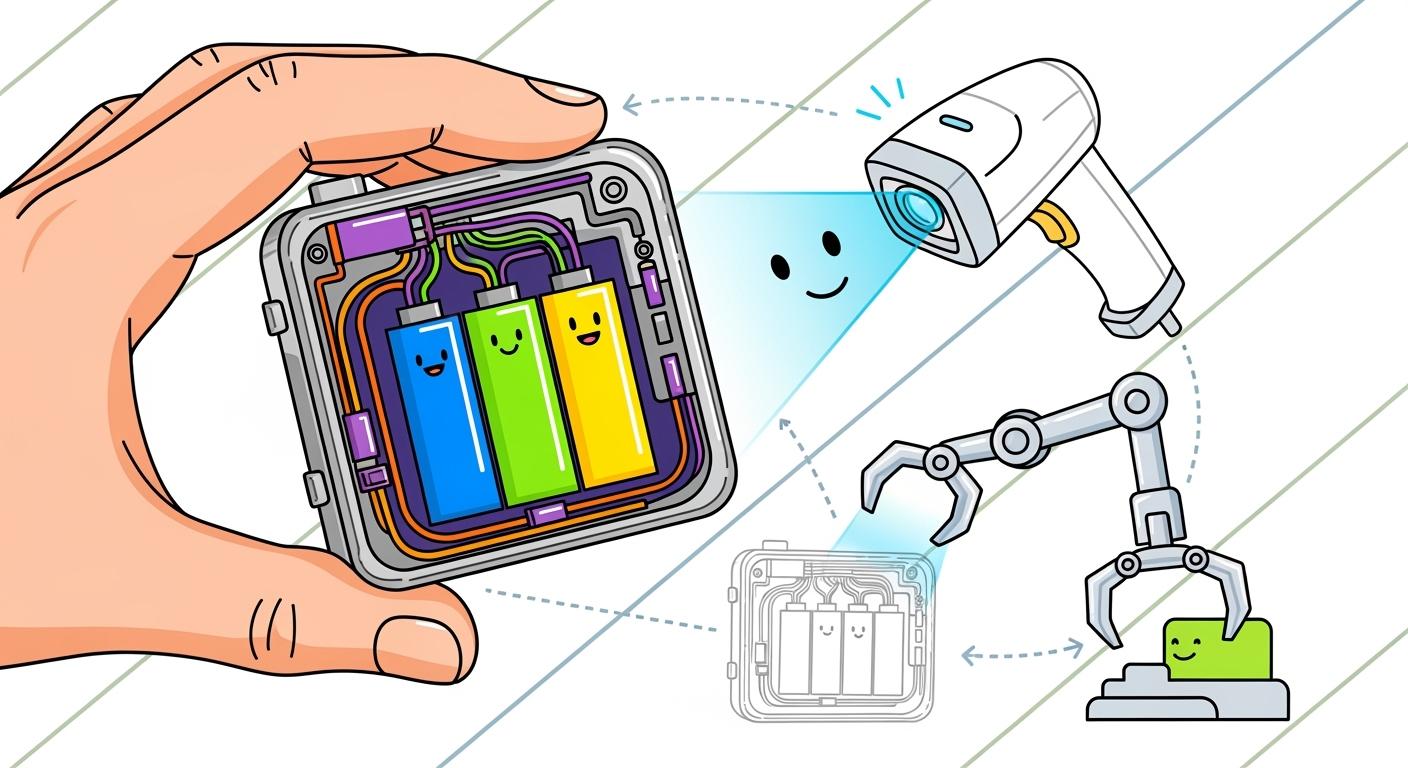
You make inspection devices work well by designing good batteries. Advanced inspection methods like X-ray and CT scans find problems like electrode misalignment. This helps you stop expensive recalls and makes devices safer. Working early with smart battery designers saves money. Custom lithium battery packs and good charging habits set new standards for the industry.
Key Takeaways
Begin battery design with a solid plan. Ask battery experts for help early. This saves money and stops expensive changes later. Pick the best cell chemistry for your device. LiFePO4 is good for safety and lasts a long time. NMC is good if you want balanced performance. Use smart Battery Management Systems to make batteries safer. These systems check battery health and stop problems like overcharging.
Part1: Battery Design Elements for Inspection Devices
1.1 Battery Pack Architecture
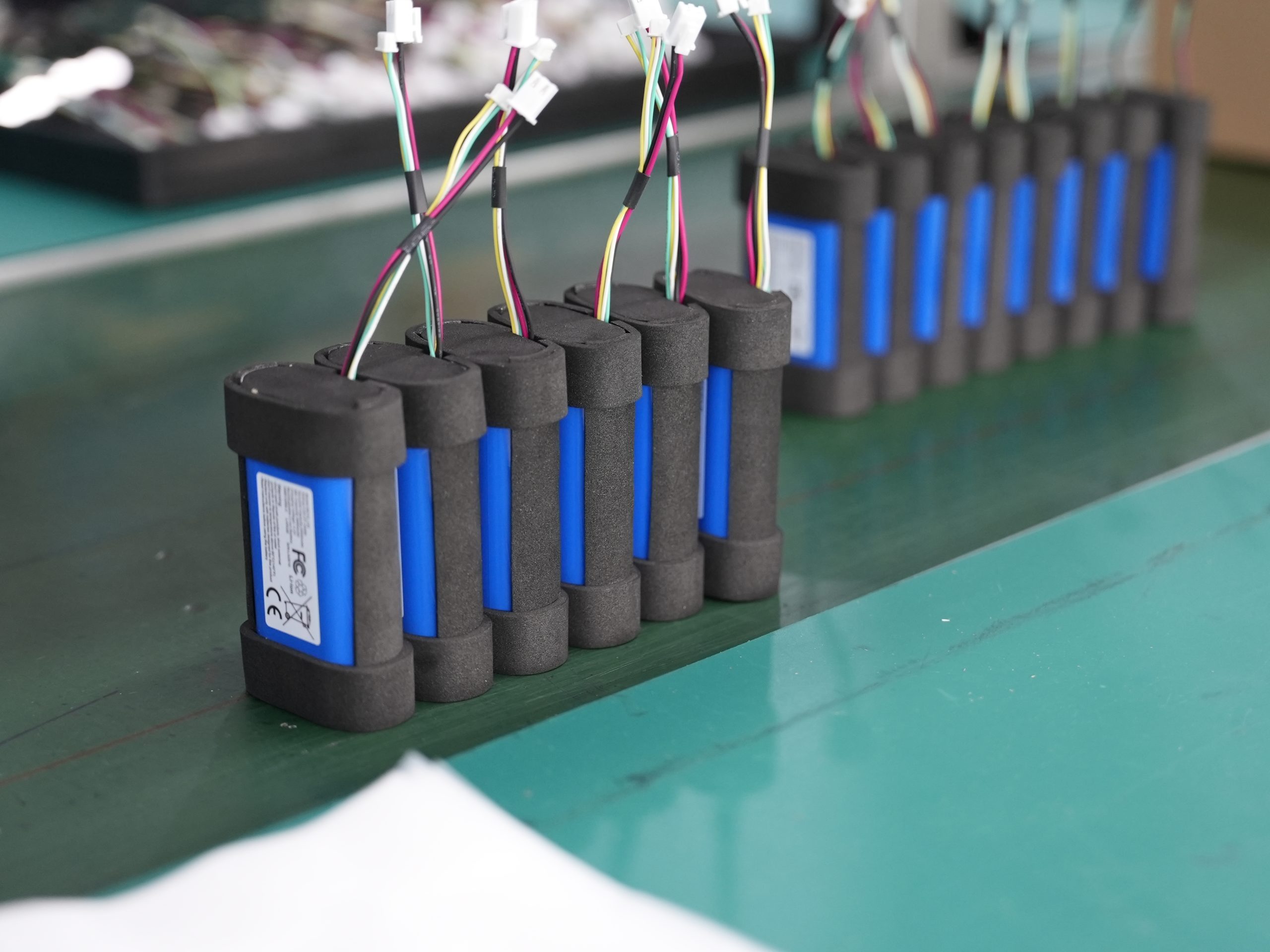
You should begin with a strong battery pack architecture. Talking to battery designers early helps you know what you need. It also helps you use the right number of parts. This can save money on building and stop expensive changes later. Many projects do not work out because teams skip setting standards or forget about battery complexity. You can stop these problems by having battery experts join your team from the start.
A good battery pack has several important parts. The table below lists the main things you should think about:
Component Type | Description |
|---|---|
Electrolyte and Separator System | Pick electrolytes that let electricity flow and stay stable. Make sure separators are strong and can handle heat. |
Cell Architecture and Format | Choose between cylindrical, prismatic, or pouch cells for your needs. Decide if you want stacking or winding for better energy and safety. |
Thermal Management and Safety | Use ways to get rid of heat and add safety tools to stop overheating and too much pressure. |
Mechanical and Structural Integrity | Make sure the design can handle swelling, seals well, and fits together for modules. |
Battery Module and Pack Design | Learn how cells, modules, and packs work together. Cell-to-pack technology can give more energy and use fewer parts. |
You should also look at using distributed battery setups. These setups keep problems in one group, so one failure does not stop the whole system. This makes the device safer and more reliable, especially for medical devices or robots.
Battery Management Systems (BMS) are very important for safety and reliability. They find problems and check insulation resistance. If something goes wrong, the BMS can shut off the battery pack to keep people safe and stop damage.
1.2 Cell Selection & Chemistry
Picking the right cell chemistry is a big part of battery design. You need to think about:
Energy density
Discharge rate
Temperature range
Safety
Specific use case
Compatibility with your systems
You should also make sure cells are made the same way every time. This lowers mistakes and keeps things safe.
Different lithium battery chemistries have their own good points. The table below shows some common choices for inspection devices:
Chemistry | Platform Voltage (V) | Energy Density (Wh/kg) | Cycle Life (cycles) | Key Features & Applications |
|---|---|---|---|---|
LCO (LiCoO2) | 3.7 | 150-200 | 500-1,000 | High energy density; used in consumer electronics, but limited cycle life and safety for industrial use. |
NMC (LiNiMnCoO2) | 3.7 | 180-220 | 1,000-2,000 | Balanced performance; common in medical, robotics, and security systems. |
LiFePO4 | 3.2 | 90-140 | 2,000-4,000 | Excellent safety and thermal stability; ideal for industrial and infrastructure applications. |
LMO (LiMn2O4) | 3.7 | 100-150 | 500-1,000 | Good power output; used in power tools and some medical devices. |
Solid-State | 3.2-3.7 | 250-350 | 2,000+ | High safety, long life; emerging in advanced medical and industrial devices. |
Lithium Metal | 3.4-3.7 | 350+ | 500-1,000 | Very high energy density; still in development for most commercial inspection devices. |
You need to match the chemistry to your project. For example, LiFePO4 is great for industrial jobs because it is safe and lasts long. NMC and NCA cells are good for projects that need charging often. LCO is used in electronics but may not be safe enough for medical or industrial use.
1.3 Smart Management Systems
Smart management systems make custom lithium battery packs safer and better. These systems watch the battery, control heat, and add safety features. Here are the main features:
Battery monitoring: Checks voltage, current, and temperature to keep things safe.
Thermal management: Controls heat for high-power uses.
Safety mechanisms: Stops dangerous problems using real-time data.
Custom BMS designs help you follow rules and standards for your industry. They also help your products pass tough safety tests and reach new markets.
The table below shows how smart management systems protect batteries:
Safety Feature | Description |
|---|---|
Overcharging Protection | Stops charging when voltage is high enough. |
Over-discharging | Keeps the battery from going below a safe voltage. |
Short Circuit Protection | Finds and stops short circuits to avoid harm. |
Thermal Management | Watches and controls heat to stop overheating and thermal runaway. |
Custom lithium battery packs with smart systems do more than basic safety. They include:
Watching each cell’s voltage and temperature in real time.
Balancing cells to make the pack last longer.
Electrical and mechanical safety, like pressure-relief cases.
Careful testing for electrical, heat, and mechanical safety.
You also need to think about rules. Standards like UN 38.3 and IEC 62133-2 need electrical, mechanical, and heat tests. Learning about these rules early helps you avoid expensive changes and makes sure you follow the law.
Tip: Working with battery designers early helps you make better batteries, save money, and meet industry rules. This leads to safer, more reliable inspection devices for medical, robotics, security, and industrial uses.
Part2: Inspection Technologies & Quality Control
2.1 Common Defects in Battery Packs
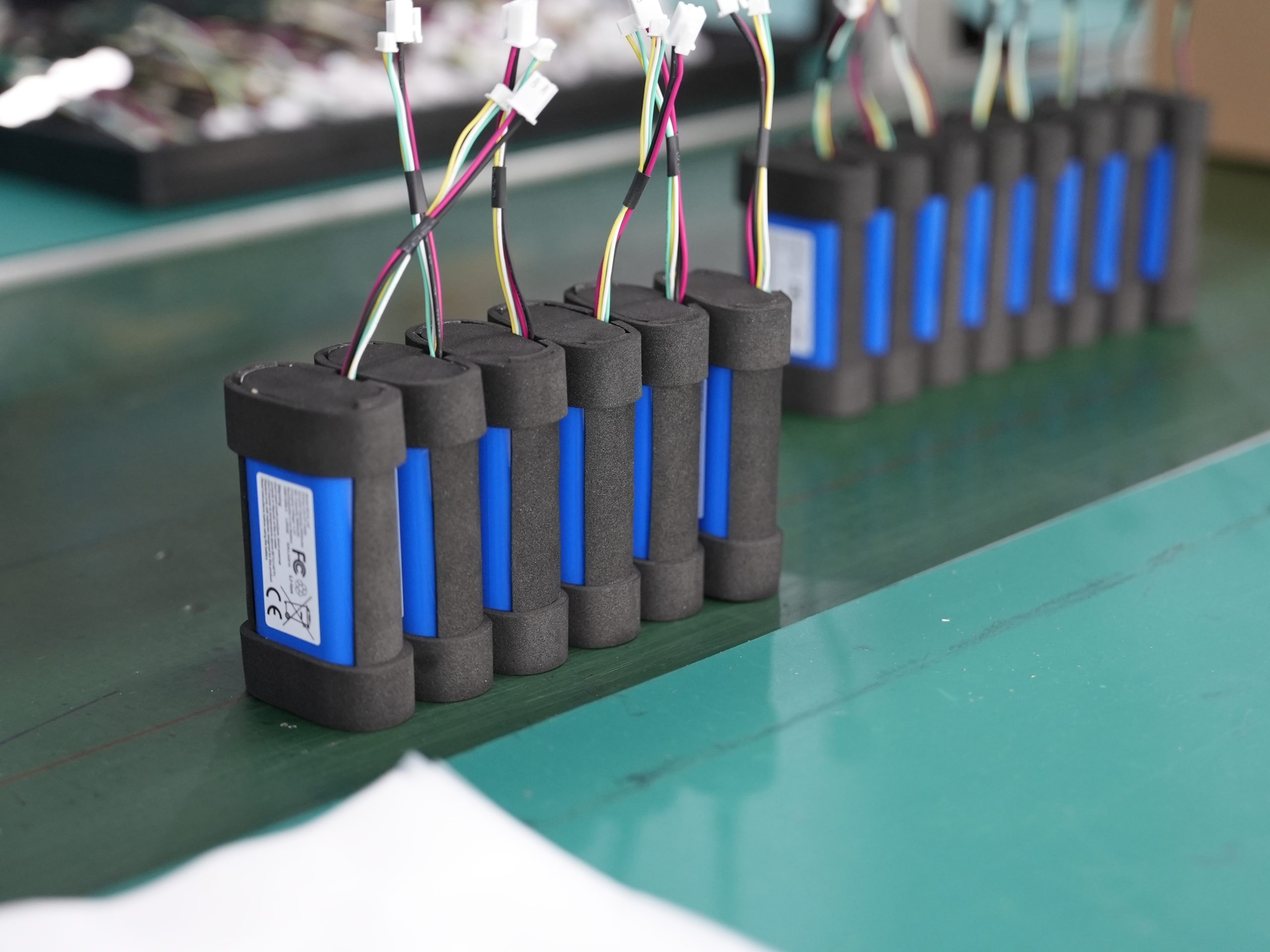
It is important to know about defects in battery packs. These problems can make inspection devices work poorly or be unsafe. Some defects start when the battery is made but only show up later. Other problems happen right away.
Here is a table that lists the most common defects:
Type of Defect | Description |
|---|---|
Latent Defects | Present from the start but activate during operation, such as metallic particle contaminants. |
Functional Failures | Caused by mechanical or contamination problems, leading to open-circuit or short-circuit failures. |
Typical Manufacturing Defects | Agglomerate, Coating Crack, Contamination, Micro-compression, Mud Crack, Pinhole, Slip, Stripe. |
You might see these manufacturing defects:
Agglomerate
Coating Crack
Contamination
Micro-compression
Mud Crack
Pinhole
Slip
Stripe
Latent defects can cause short circuits inside the battery. This can lead to thermal runaway, which means fires or explosions. You may not find these problems until the battery is used. This makes them hard to catch. Functional failures and safety events are big risks for batteries. Bad manufacturing makes these problems more likely.
You can lower risks by using safety steps and better inspection tools. These actions help you find and fix problems before they get worse. Non-destructive testing (NDT) lets you check battery parts without breaking them. This keeps your inspection devices safe and working well.
2.2 CT & X-ray Inspection Methods
You can use CT and X-ray tomography to look for defects inside battery packs. These methods do not hurt the battery, so you can test every one before shipping.
Here is a table that explains the main imaging types:
Imaging Type | Description | Advantages |
|---|---|---|
2D X-ray | Traditional method providing flat images of battery components. | Limited in probing internal structures. |
3D CT | Advanced method offering volumetric data of the entire battery cell. | Comprehensive analysis of internal defects like anode-cathode overhang and particle contamination. |
High-energy X-rays go through the battery and show the inside. Different materials block X-rays in different ways. This helps you see things you cannot see from the outside. The pictures help you check quality and find faults.
You can use 3D CT to spot problems like electrode warping and delamination. These issues can make batteries weaker and cause them to fail. CT scans show the inside structure, so you can see if lithium ions move well. If you find delaminated spots, you can fix the problem before sending the product out.
Experts say CT and X-ray tomography give you key facts about battery health and age. These tools help you see changes that affect how long batteries last. 3D CT also lowers false failure tests compared to 2D X-ray. This means you waste less and save money.
You can make inspections better with machine vision and AI. These tools help you sort defects and make fast choices. Inline and offline checks, plus smart analytics, help you manage quality early. You can use live dashboards to watch results and change your process right away.
Advanced inspection tools like X-ray tomography are needed for non-destructive testing in battery making. They help you find inside problems early, which matters because lithium-ion batteries are complex. You can check batteries without hurting them, so you waste less and work faster.
2.3 Solid-State Batteries & Charging Practices
You can make inspection devices better by using solid-state batteries and good charging habits. Solid-state batteries have many benefits over lithium-ion batteries.
Here is a table that compares solid-state batteries with lithium-ion batteries:
Feature | Solid-State Batteries | Lithium-Ion Batteries |
|---|---|---|
Energy Density | Higher due to lithium metal anodes | Lower due to graphite anodes |
Safety | Reduced risk of thermal runaway and fires | Prone to dendrite formation and thermal runaway |
Thermal Stability | Enhanced thermal stability | Lower thermal resistance |
Solid-state batteries do not have flammable liquid inside. This makes fires and explosions less likely. You can use them in places like unmanned aerial vehicles. Higher energy density means you can store more power in less space. This helps make inspection devices smaller and lighter.
But solid-state batteries are not ready for mass production yet. They cost a lot to make, and it is hard to build solid electrolytes that last a long time. As factories make more, these batteries will get cheaper.
To keep lithium batteries healthy, follow the 80/20 rule. Charge the battery up to about 80% and do not let it drop below 20%. This lowers stress on the battery and helps it last longer. This is important for inspection devices that need steady power.
You can also help the planet by using better inspection and quality control. These steps cut waste and make your factory work better. For more about being green, see our approach to sustainability. If you want to learn about conflict minerals, visit our conflict minerals statement.
Tip: You can make batteries safer and better by using smart Battery Design, advanced inspection tools, and good charging habits. This helps you meet industry rules and make reliable inspection devices.
You make inspection devices work better with smart Battery Design and good inspection tools. Custom lithium battery packs last longer and work safely. They give you steady performance and make maintenance easier. You help batteries last longer by keeping the charge between 20% and 80%. Try these tips to get better results:
Recommendation | Description |
|---|---|
Implement NDT Technologies | Use X-ray and CT to check for defects without breaking parts. |
Early Defect Detection | Put inspection tools in production to find problems early and stop recalls. |
Optimize Production | Use inspection data to make manufacturing better and cut waste. |
Invest in AI and Software | Automate measurements and reports so inspectors can focus on important jobs. |
Train Personnel | Teach workers to use inspection tools and understand what they find. |
Custom lithium battery packs last longer and need fewer replacements.
You get steady performance in real-world situations.
Modular designs make service and maintenance safer.
Keep charge between 20% and 80% to lower battery stress.
Do not let batteries fully discharge or overcharge to help them last longer.
Use chargers that fit the battery’s needs.
You raise standards for inspection devices by using smart Battery Design, advanced inspection tools, and good charging habits.
FAQ
3.1 What lithium battery chemistry should you choose for inspection devices?
Chemistry | Energy Density (Wh/kg) | Cycle Life (cycles) | Key Benefit |
|---|---|---|---|
LiFePO4 | 90-140 | 2,000-4,000 | High safety, long life |
NMC | 180-220 | 1,000-2,000 | Balanced performance |
LCO | 150-200 | 500-1,000 | High energy density |
LMO | 100-150 | 500-1,000 | Good power output |
Pick the chemistry that fits your device’s needs. LiFePO4 is best if you want safety and a battery that lasts a long time.
3.2 How does a smart BMS improve lithium battery pack safety?
A smart BMS watches voltage, current, and temperature all the time. You get alerts right away if something is wrong. This system helps stop overcharging, overheating, and short circuits.
3.3 What charging practice helps lithium battery packs last longer?
Keep the battery charged between 20% and 80%. This helps the battery last longer and lowers stress. Always use a charger made for your lithium battery pack.


