

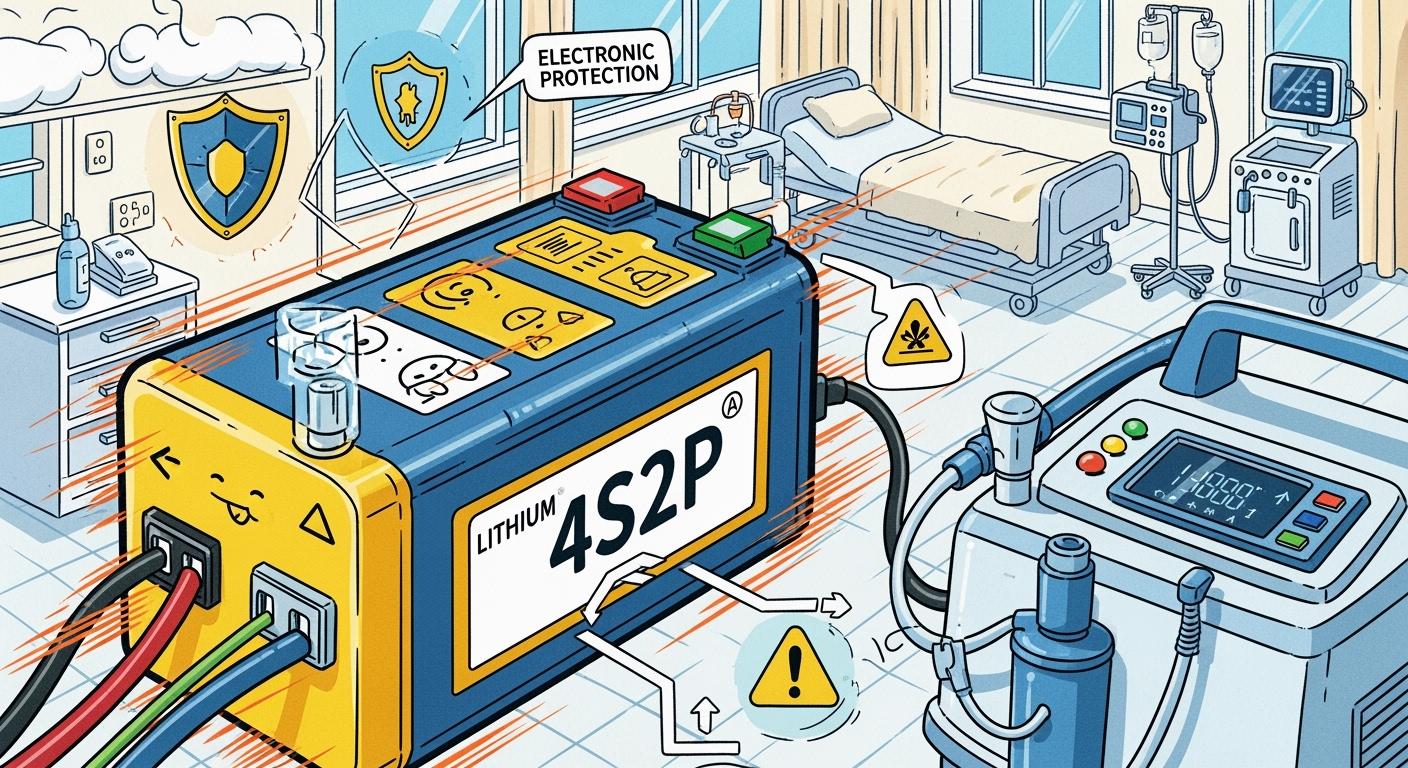
You need an optimal battery management system for high-capacity lithium batteries in oxygen concentrators to maintain safety, reliability, and compliance in critical medical devices. Advanced battery management systems deliver protection through real-time SOC/SOH monitoring, cell balancing, and thermal management. Portable oxygen concentrators rely on robust medical lithium battery packs with safety features that support user mobility and extended battery life. You benefit from a design that prioritizes protection, reliability, and safety.
Expect actionable strategies for battery management system design and a practical checklist that ensures medical-grade safety.
Key Takeaways
Prioritize safety in medical lithium battery packs by implementing overcharge, overdischarge, and thermal protection features. This ensures reliability and compliance in critical applications.
Utilize advanced battery management systems (BMS) for real-time monitoring of state of charge (SOC) and state of health (SOH). This helps in planning maintenance and predicting runtime effectively.
Design battery packs with modularity in mind. This allows for easy upgrades and maintenance, reducing downtime and enhancing serviceability for medical devices.
Part 1: Medical Lithium Battery Packs in Oxygen Concentrators
1.1 Application Demands for Concentrators
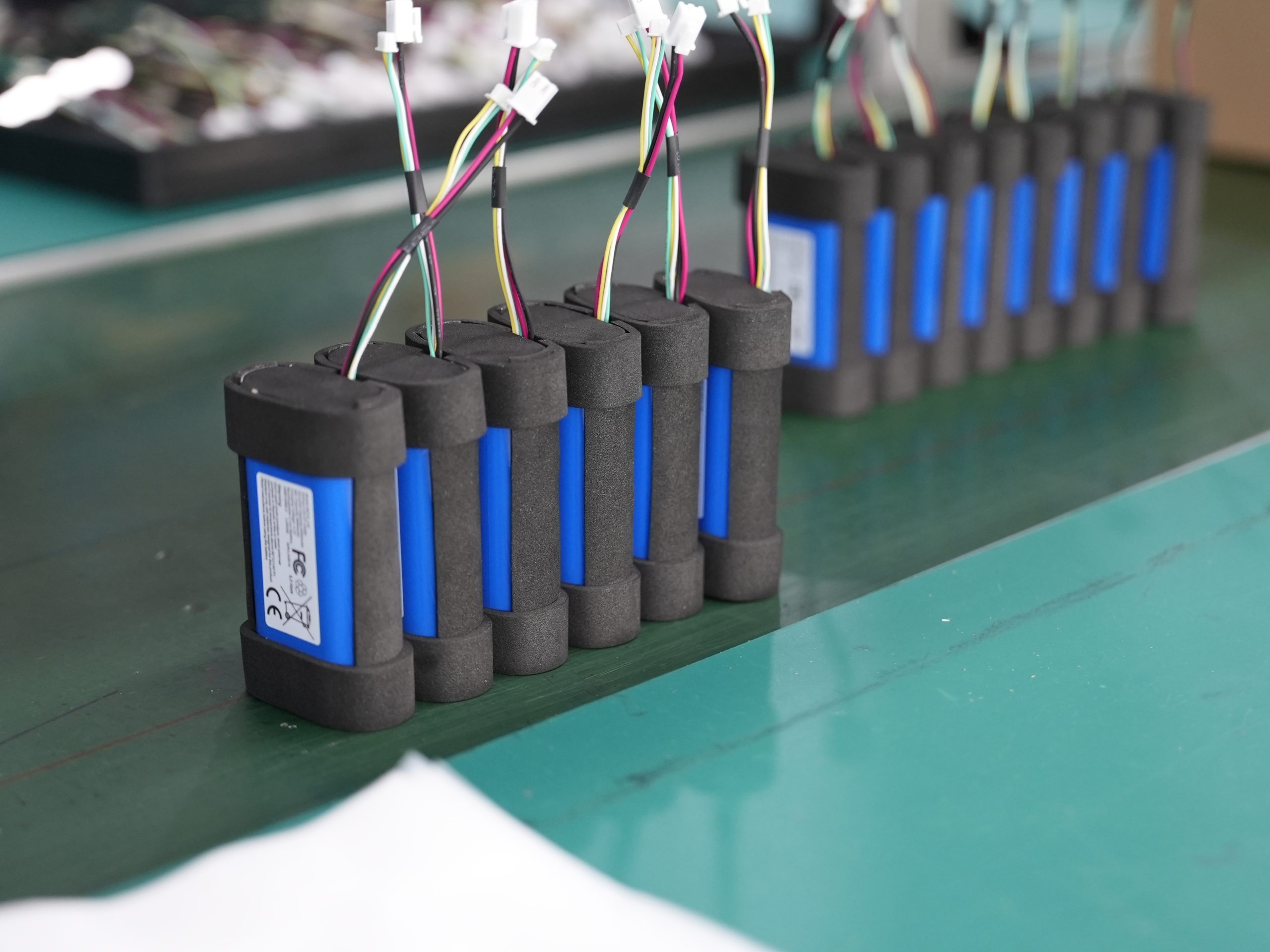
You rely on portable oxygen concentrators for continuous oxygen delivery in clinical and home settings. These devices require high-capacity lithium batteries with extended runtime and rapid recharge cycles. The table below shows typical runtime and recharge times for lithium battery packs used in oxygen concentrators:
Battery Type | Runtime (Lowest Setting) | Recharge Time |
|---|---|---|
8-cell | Up to 6 hours | 4 hours max |
16-cell | Up to 12 hours | 8 hours max |
8-cell | Up to 6.5 hours | 3 hours max |
16-cell | Up to 13 hours | 6 hours max |
8-cell | Up to 8 hours | 3.5 hours max |
16-cell | Up to 16 hours | 6 hours max |
8-cell | Up to 4 hours | 2 hours max |
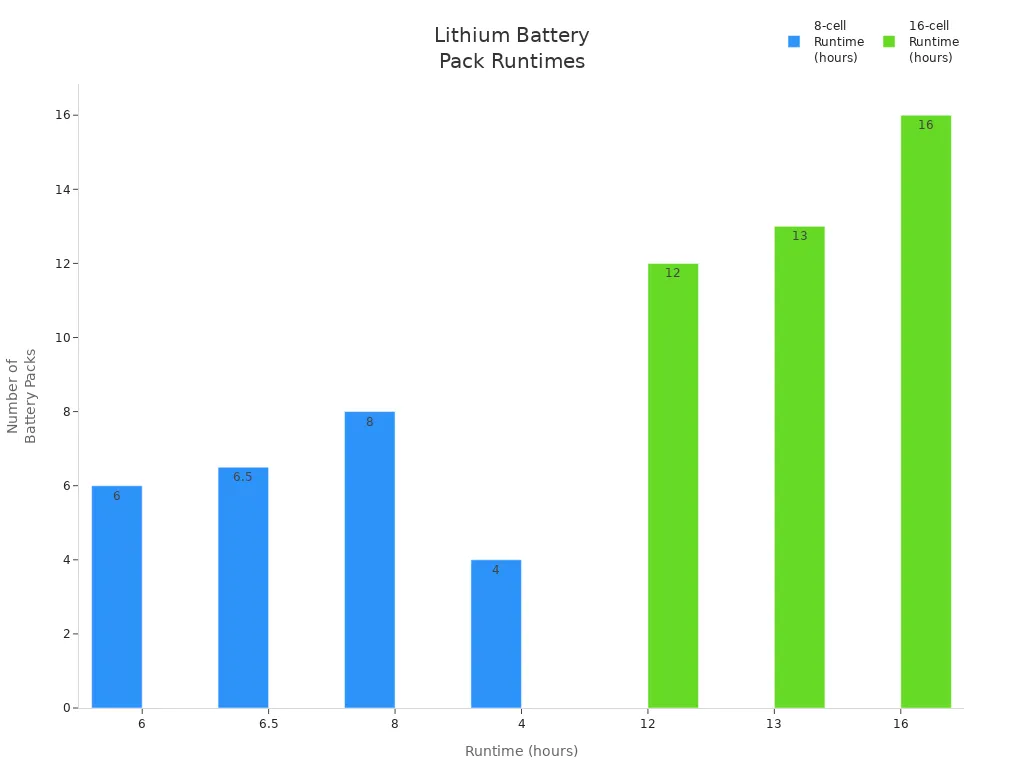
You need battery management systems that optimize battery capacity and runtime. Larger batteries provide extended runtime, which is essential for critical medical devices. Advanced BMS design strategies enable real-time monitoring and adjustments, ensuring optimal oxygen delivery and reliability.
1.2 Safety and Compliance Needs
You must prioritize safety and protection in medical lithium battery packs. Battery management systems deliver essential safety features, including thermal protection, overcharge safeguards, and battery protection. Regulatory compliance is mandatory for medical battery design. You need to meet standards such as IEC 60601, ISO 13485, and FDA requirements for documentation and risk management. The table below summarizes key regulatory testing requirements:
Standard | Description | Requirement Type |
|---|---|---|
UL2054 | Standard for household and commercial batteries, relevant for medical devices. | Common Certification |
IEC 62133 | International standard for the safety of portable sealed secondary cells. | Common Certification |
UN 38.3 | Testing requirements for the transport of lithium batteries. | Regulatory Compliance |
You also benefit from proper maintenance practices, such as storing batteries at 50% charge and avoiding extreme temperatures, to maximize reliability and battery life.
1.3 NMC and LiPo Cell Selection
You select lithium battery chemistries based on safety, cycle life, and energy density. NMC and LiPo cells are common in medical lithium battery packs. NMC batteries achieve 1,000–2,000 cycles, but higher nickel content increases thermal risk, requiring advanced BMS for protection. LiPo batteries offer high energy density and compact design, ideal for portable oxygen concentrators. The table below compares lithium battery chemistries for medical, robotics, security, infrastructure, consumer electronics, and industrial applications:
Battery Type | Platform Voltage | Energy Density (Wh/kg) | Cycle Life | Safety Features | Ideal Use Case |
|---|---|---|---|---|---|
LiFePO4 | 3.2V | 100–180 | 2,000+ | Very high | Medical, Infrastructure |
NMC | 3.7V | 160–270 | 1,000–2,000 | High | Medical, Robotics, Industrial |
LiPo | 3.7V | 200–300 | 500–800 | High | Medical, Consumer Electronics |
LCO | 3.7V | 180–230 | 500–1,000 | Moderate | Consumer Electronics |
LMO | 3.7V | 120–170 | 300–700 | Moderate | Security, Industrial |
LTO | 2.4V | 60–90 | 10,000+ | Very high | Infrastructure, Industrial |
Solid-State | / | 300–500 | / | Excellent | Medical |
Lithium Metal | / | 300–500 | / | High | Medical, Robotics |
You gain the most from a battery management system that matches cell chemistry to application demands, maximizing safety, protection, and reliability. For custom battery consultation, you can reach out to industry experts for tailored solutions.
Part 2: Essential BMS Features for High-Capacity Lithium Batteries
2.1 Overcharge and Overdischarge Protection
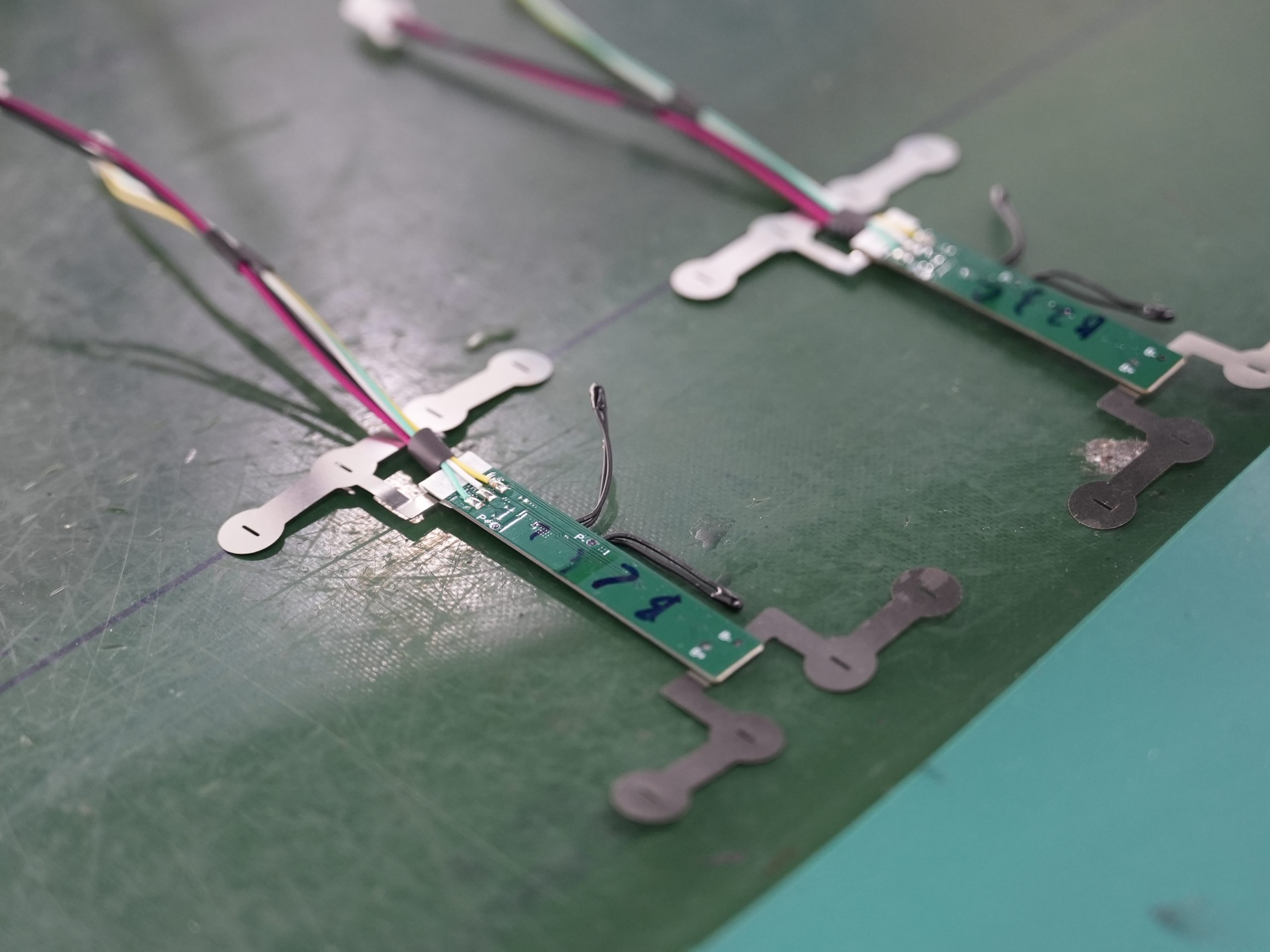
You must prioritize overcharge and over-discharge protection in medical lithium battery packs to ensure safety and reliability. Overcharging can cause metallic lithium to form, damaging the battery and increasing the risk of thermal runaway. Over-discharging raises internal resistance, reduces capacity, and can destroy battery materials, leading to short circuits or even explosions. The following table outlines the consequences of inadequate protection:
Consequence | Description |
|---|---|
Damage to the battery | Overcharging leads to metallic lithium formation, damaging the battery. |
Reduced capacity | Overcharging and over-discharging lower capacity and efficiency. |
Increased internal resistance | Over-discharging increases resistance, affecting performance. |
Thermal runaway | Poor thermal management can cause thermal runaway, posing safety risks. |
Short circuits | Over-discharging can destroy materials, causing short circuits and potential explosions. |
A robust battery management system prevents these issues by monitoring cell voltages and disconnecting the battery when thresholds are exceeded. You gain extended runtime and battery reliability by integrating advanced BMS design strategies that deliver precise overcharge protection and over-discharge protection.
2.2 Overcurrent and Short-Circuit Safeguards
You need effective overcurrent and short-circuit protection to maintain safety in high-capacity lithium batteries. Medical lithium battery packs in oxygen concentrators require redundant safety features to prevent fire hazards and ensure uninterrupted operation. Recommended protection mechanisms include:
Battery management systems (BMS) for comprehensive overcurrent and short-circuit protection.
Current interrupt devices (CID) that disconnect the circuit during extreme overpressure or overheating.
Thermal cutoff switches that stop operation at 80°C to prevent fire hazard prevention.
These safeguards work together to protect your battery and concentrator from electrical faults, supporting battery reliability and safety features required in medical applications.
2.3 Temperature and Thermal Management
Temperature management is critical for battery safety and performance. Overcharging and overheating can lead to fire risks, while uncontrolled heating may trigger thermal runaway, resulting in fire or explosion. You must use a BMS that actively monitors and controls temperature in medical lithium battery packs. The table below summarizes key hazards:
Hazard Type | Description |
|---|---|
Overcharging and overheating | Overcharging can cause overheating, increasing fire risk. |
Uncontrolled heating can trigger chain reactions, leading to fire or explosion. |
A BMS manages both heating and cooling, using passive cooling (airflow) or active cooling (coolant circulation) to maintain optimal battery temperature. This approach prevents permanent damage and capacity loss, especially in portable oxygen concentrator applications where extended runtime and reliability are essential.
Tip: Always select a battery management system with advanced thermal sensors and control algorithms for medical battery design.
2.4 Cell Balancing and the 40-80 Rule
Cell balancing ensures each cell in your 4S2P lithium battery pack maintains equal voltage and charge, maximizing battery capacity and runtime. Imbalances can reduce performance and increase safety risks. You can choose from several balancing techniques:
Technique Type | Description | Efficiency Level |
|---|---|---|
Passive Balancing | Less efficient due to energy wastage. | |
Active Balancing | Redistributes energy using inductors, capacitors, or transformers. | More efficient, improves battery longevity. |
Resistive Balancing | Uses resistors to discharge overcharged cells. | Inexpensive but inefficient. |
Capacitive Balancing | Transfers energy using capacitors, requiring precise control circuits. | More efficient than resistive. |
Inductive Balancing | Transfers energy using inductors, suitable for high-capacity packs. | Highly efficient. |
Transformer-Based | Enables simultaneous energy transfer across multiple cells. | Excellent efficiency for large systems. |
Bidirectional DC-DC | Allows precise control of energy flow between cells or modules. | Ideal for advanced energy storage systems. |
You should also follow the 40-80 rule for lithium battery management. Maintain the state of charge (SOC) between 40% and 80% to avoid extreme voltages that accelerate degradation. High SOC above 80% can cause unwanted surface films on the cathode, while low SOC below 40% may lead to copper dissolution at the anode. By following this rule, you can significantly reduce degradation and potentially double the cycle life of your battery.
2.5 SOC and SOH Monitoring
Accurate state of charge (SOC) and state of health (SOH) monitoring are essential for medical lithium battery packs. SOC tells you how much energy remains, while SOH indicates the overall condition and aging of the battery. Advanced BMS solutions use real-time monitoring and smart algorithms to provide precise SOC and SOH data. This information helps you plan maintenance, predict runtime, and ensure uninterrupted operation of your concentrator.
You benefit from integrating SOC and SOH monitoring with other BMS features, such as cell balancing and thermal management. This holistic approach supports battery protection, safety, and reliability in every medical application.
Note: For more details on BMS and PCM, visit our BMS and PCM resources.
By implementing these essential BMS features, you ensure your medical lithium battery packs deliver maximum safety, extended runtime, and consistent performance in every oxygen concentrator or portable oxygen concentrator application.
Part 3: BMS Implementation in Oxygen Concentrator Packs
3.1 Hardware and Software Integration
You need to integrate both hardware and software components to achieve reliable BMS performance in medical lithium battery packs. Hardware elements such as battery cell monitors, cutoff FETs, temperature sensors, and cell voltage balancing circuits form the backbone of your system. Software algorithms running on microcontrollers process sensor data and make real-time decisions to protect your battery and maintain optimal runtime. The table below summarizes key components for effective BMS integration:
Component | Description |
|---|---|
Battery cell monitor | Tracks voltages for high-speed, accurate measurements. |
Cutoff FETs | Controls connection between load and charger, ensuring safe operation. |
Monitoring of Temperature | Prevents catastrophic events by tracking temperature. |
Cell voltage balance | Maintains cell health and extends battery capacity. |
BMS Algorithms | Uses microcontrollers for real-time protection and runtime optimization. |
Real-Time Clock (RTC) | Time-stamps and stores battery data for analysis and compliance. |
You benefit from a design that combines robust hardware with intelligent software, ensuring your oxygen concentrator delivers consistent performance and meets medical standards.
3.2 Redundancy and Fault Tolerance
You must build redundancy and fault tolerance into your BMS design strategies to protect against hazards such as overcharging, overheating, and thermal runaway. Common challenges include cycling and aging, volatile electrolytes, and mechanical damage. Your system should detect early signs of damage, such as bulging or venting gases, and respond quickly to prevent incidents. Redundant sensors and backup circuits increase reliability and ensure uninterrupted runtime for your medical lithium battery packs.
Overcharging and overheating can cause fire risks.
Cycling and aging degrade lithium cells over time.
Volatile electrolytes may release flammable gases.
Batteries may eject during incidents, spreading hazards.
Risk of reignition remains after extinguishing a fire.
Thermal runaway can lead to explosions.
Visible damage signals immediate risk.
You reduce risk and improve safety by implementing multiple layers of protection and monitoring.
3.3 Data Logging and Communication
You need advanced data logging and communication protocols to support maintenance, audits, and compliance in medical battery design. Real-time data collection allows you to track battery health, runtime, and performance trends. Communication interfaces such as SMBus, CAN, or UART enable seamless integration with concentrator systems and remote monitoring platforms. Accurate records help you meet regulatory requirements and plan proactive maintenance, extending the life of your LiFePO4 battery and other lithium chemistries.
Tip: For custom battery consultation and tailored BMS solutions, reach out to industry experts who understand the unique demands of medical lithium battery packs.
Part 4: Practical Design for Medical Battery Packs
4.1 Modularity and Scalability
You improve flexibility and serviceability when you design your battery packs with modularity in mind. Modular battery systems allow you to swap or upgrade individual modules without replacing the entire pack. This approach reduces downtime and supports future expansion. You can scale your battery solution to meet different runtime requirements for various medical devices. For example, you may use a 4S2P configuration for portable oxygen concentrators and expand to larger arrays for hospital infrastructure. Modularity also simplifies compliance testing, as you can validate each module independently.
4.2 System Integration with Concentrators
You must ensure seamless integration between your battery and the oxygen concentrator system. The bms should communicate with the device’s main controller to deliver accurate runtime estimates and safety alerts. You achieve this by using standardized communication protocols such as SMBus or CAN. Integration also involves matching the battery chemistry—such as NMC, LiFePO4, or LTO—to the concentrator’s voltage and energy needs. The table below compares common lithium chemistries for medical applications:
Chemistry | Platform Voltage | Energy Density (Wh/kg) | Cycle Life | Application Scenario |
|---|---|---|---|---|
LiFePO4 | 3.2V | 100–180 | 2,000+ | Medical, Infrastructure |
NMC | 3.7V | 160–270 | 1,000–2,000 | Medical, Robotics |
LTO | 2.4V | 60–90 | 10,000+ | Infrastructure, Industrial |
You select the right chemistry to optimize battery performance and runtime for your specific application.
4.3 Maintenance and Serviceability
You simplify maintenance when you design your battery packs for easy access and replacement. The bms should support remote diagnostics and provide clear fault codes. You can schedule preventive maintenance based on real-time data, which extends battery life and ensures consistent runtime. Quick-release connectors and modular enclosures reduce service time. You also benefit from a design that allows technicians to replace faulty modules without specialized tools. For custom solutions, you should consult with battery experts who understand medical compliance and runtime demands.
Tip: Always document your maintenance procedures and keep detailed records for regulatory audits.
You secure medical lithium battery packs by using robust BMS strategies. Focus on compliance, reliability, and advanced monitoring. Review this checklist:
Overcharge, overdischarge, and thermal protection
Cell balancing and SOC/SOH monitoring
Modular design and data logging
Schedule regular reviews and adapt your BMS to new standards. Consult experts for custom solutions.
FAQ
What lithium battery chemistries suit medical oxygen concentrators?
You can select NMC. The table below compares platform voltage, energy density, and cycle life for medical applications.
Chemistry | Platform Voltage | Energy Density (Wh/kg) | Cycle Life | Application Scenario |
|---|---|---|---|---|
LiFePO4 | 3.2V | 100–180 | 2,000+ | Medical, Infrastructure |
NMC | 3.7V | 160–270 | 1,000–2,000 | Medical, Robotics |
LTO | 2.4V | 60–90 | 10,000+ | Infrastructure, Industrial |
How does Large Power support custom lithium battery solutions?
You receive tailored lithium battery packs for medical, industrial, and infrastructure needs. Visit custom battery solution for expert consultation.
What BMS features ensure safety in high-capacity lithium battery packs?
You benefit from overcharge, overdischarge, thermal protection, cell balancing, and SOC/SOH monitoring. These features maximize reliability and compliance in medical applications.


