

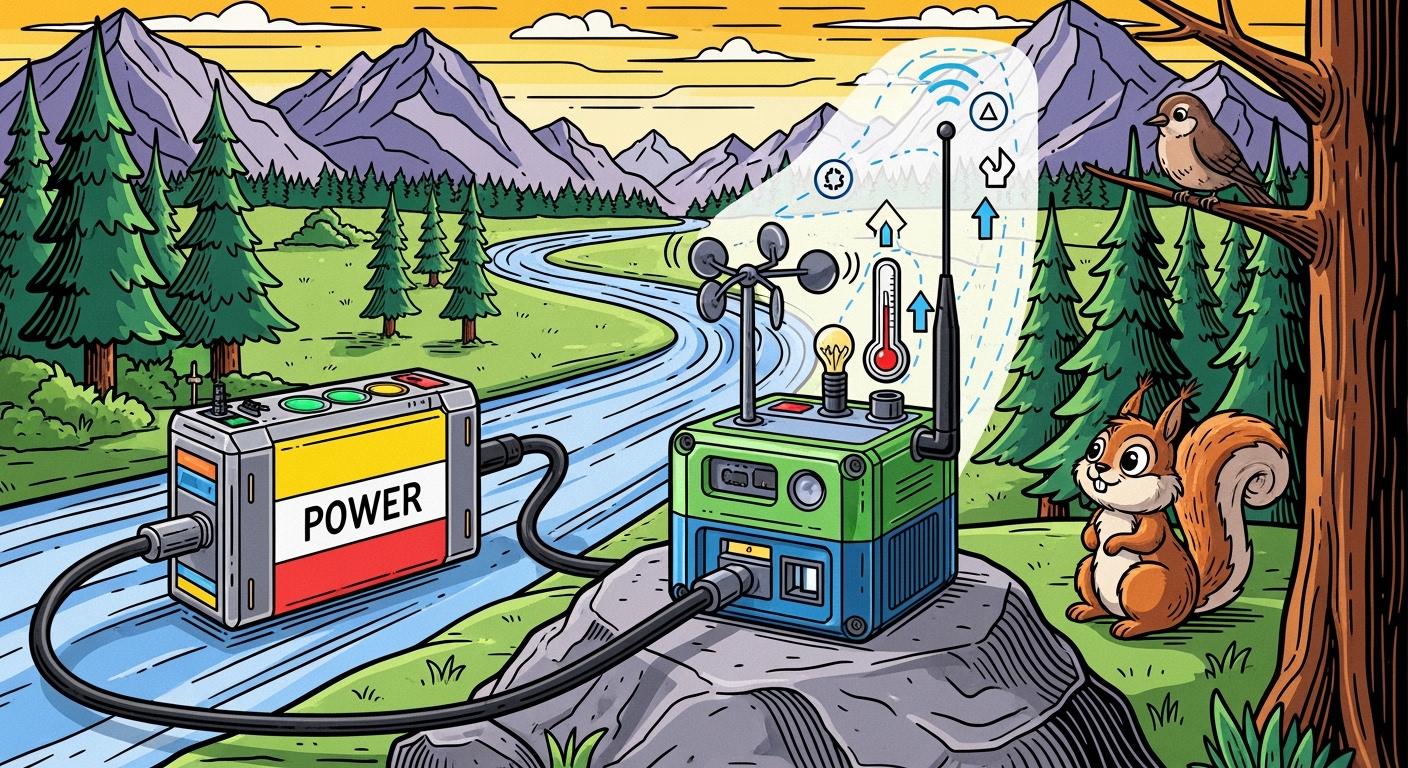
You rely on battery pack design to deliver steady, long-life power for remote environmental monitoring. Lithium battery packs and smart sensors help you collect data without interruption. Custom battery solutions improve reliability in harsh environments by combining advanced engineering, intelligent systems, and rigorous testing. These solutions withstand extreme temperatures and prevent capacity loss, giving you peace of mind for mission-critical operations. Predictive maintenance strategies keep your system running efficiently.
Key Takeaways
Choose the right lithium battery chemistry based on your environmental needs. LiFePO4 offers safety and long life, while NMC provides higher energy density.
Implement smart sensors to monitor battery health. These sensors help prevent failures and extend battery life by tracking temperature, voltage, and humidity.
Use effective thermal management strategies to protect batteries from extreme temperatures. This ensures reliable operation and prolongs battery lifespan.
Design battery packs with robust sealing and moisture control to prevent corrosion. Regular inspections and maintenance are crucial for long-term performance.
Customize your battery solutions for specific applications. Tailored designs improve reliability and efficiency in harsh outdoor environments.
Part1: Battery Pack Design for Remote Monitoring

1.1 Lithium Battery Selection
Choosing the right lithium battery chemistry is the foundation of reliable Battery Pack Design for remote monitoring. You need to consider the unique demands of your application, such as temperature extremes, cycle life, and integration with smart sensors. The table below summarizes the main criteria for selecting lithium batteries for remote sensing:
Criteria | Description |
|---|---|
Operating Temperature Range | Must operate from -40°C to +85°C, outperforming competitors that only support -20°C to 60°C. |
Cycle Life and Capacity Retention | Evaluate cycle data and capacity retention under extreme temperatures. |
Safety and Certification | Ensure compliance with UL, CE, and UN38.3 for industrial use. |
System Compatibility and Integration | Batteries must work seamlessly with BMS and monitoring devices. |
Cost and Value | Balance reliability with reasonable costs for competitive performance. |
You will find that different lithium chemistries offer distinct advantages for environmental monitoring. The table below compares the most common types:
Chemistry | Energy Density | Cycle Life (cycles) | Safety Level | Typical Applications |
|---|---|---|---|---|
LiFePO4 (LFP) | Moderate | 2000+ | Very High | Industrial, medical, infrastructure |
NMC | High | 1000–2000 | Moderate | Robotics, security, consumer devices |
LCO | High | 500–1000 | Low | Consumer electronics |
LMO | Moderate | 500–1000 | Moderate | Power tools, industrial |
Tip: For harsh outdoor environments, LiFePO4 (LFP) batteries provide excellent safety and long service life. NMC batteries deliver higher energy density, which is useful when space is limited.
Lithium-ion cells are sensitive to moisture. You should monitor humidity to prevent early degradation. Effective thermal management also extends battery lifespan, especially in remote or industrial deployments.
1.2 Primary vs. Secondary Packs
Your choice between primary (non-rechargeable) and secondary (rechargeable) battery packs will shape your maintenance schedule and long-term costs. The table below outlines the main advantages and disadvantages:
Type of Battery | Advantages | Disadvantages |
|---|---|---|
Primary | Convenient, long shelf life, no maintenance, lower initial cost | Single use, higher long-term cost, disposal impact |
Secondary | Reusable, eco-friendly, cost savings over time, versatile | Limited lifespan, longer charging, safety concerns |
Primary batteries suit short-term or low-maintenance deployments. However, you will need to replace them more often, which increases operational costs and environmental impact. Secondary batteries, such as lithium-ion packs, support multiple recharge cycles. If you have access to recharging infrastructure, you can extend maintenance intervals and reduce waste.
Note: In remote sensing, secondary battery packs often provide better value and sustainability, especially for long-term monitoring projects.
1.3 Cell-to-Pack Optimization
Cell-to-pack optimization is a key strategy in Battery Pack Design for maximizing energy density and reducing environmental impact. You can use several approaches to improve your battery packs:
Strategy | Impact on Energy Density |
|---|---|
Removing module overhead | Increases usable energy density at the pack level |
Optimizing packing fraction | Delivers more of the cell’s theoretical capacity |
Enhancing cooling systems | Reduces hotspots, improves efficiency |
Utilizing advanced materials | Boosts performance and safety |
Implementing better process control | Lowers failure rates, enhances reliability |
Optimized cell-to-pack designs also help you reduce the environmental footprint of your monitoring systems:
Advantage | Impact |
|---|---|
Space Utilization | 15-50% increase in usable volume |
Parts Reduction | Up to 40% fewer components |
Energy Density | 10-15% improvement over traditional |
Manufacturing Time | Shorter assembly steps |
Weight Reduction | Lighter battery packs |
By reducing the number of parts and improving space utilization, you can lower material usage and simplify recycling. This approach supports your sustainability goals and helps you meet regulatory requirements.
When you design battery packs for remote monitoring, you must balance energy density, safety, and environmental impact. Custom solutions and advanced cell-to-pack strategies give you the flexibility to meet the demands of industrial, medical, and infrastructure applications.
Part2: Environmental Challenges and Protection
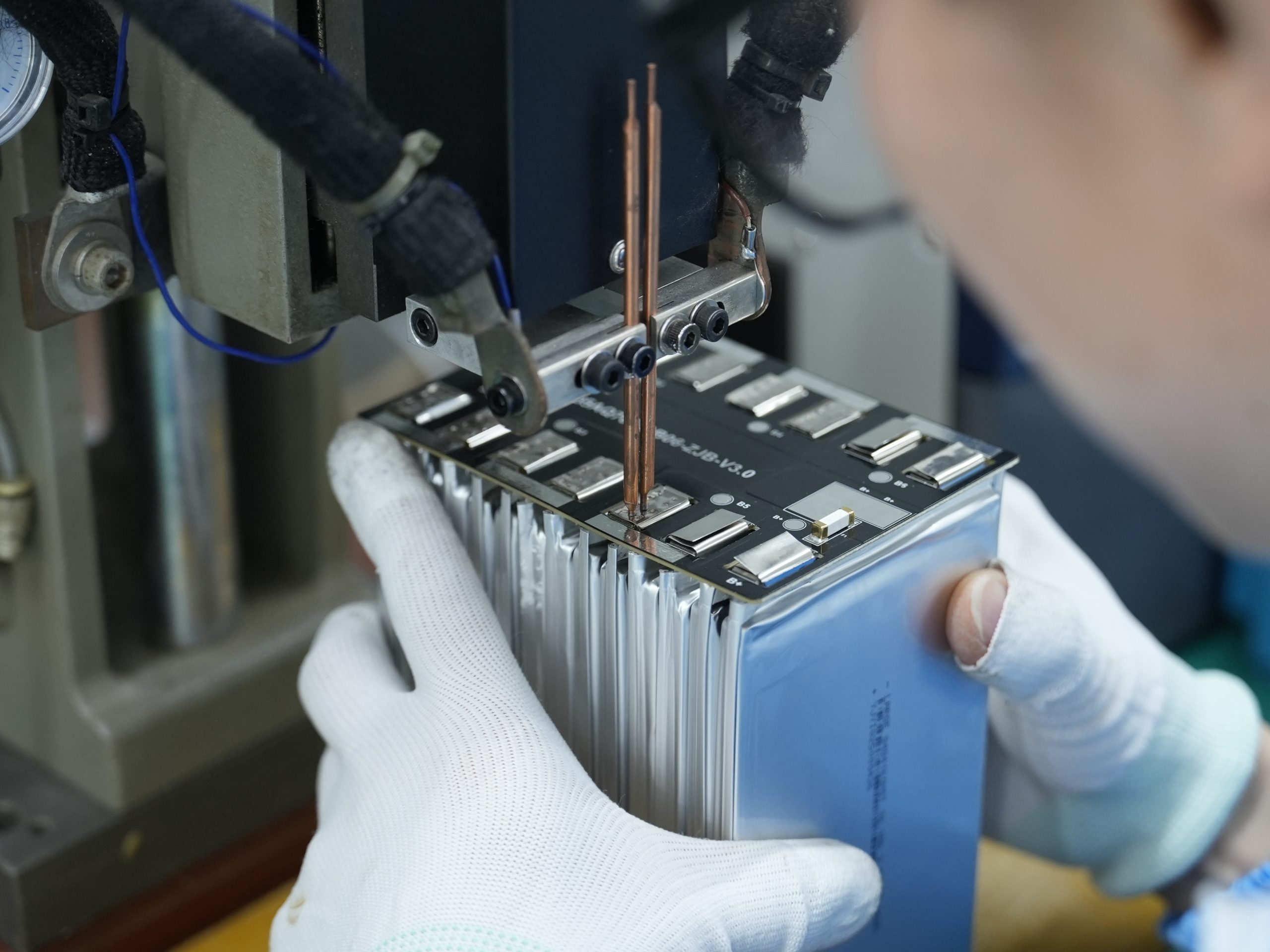
2.1 Temperature Management
You must consider temperature as a critical factor in Battery Pack Design for remote monitoring. Batteries face both high and low temperatures in the field. Low temperatures slow chemical reactions, which reduces available power. Charging at low temperatures can cause permanent damage. High temperatures can lead to overheating, thermal runaway, and even fire. You should select the right battery chemistry for your environment. For example, lead-acid and nickel-cadmium batteries perform better at low temperatures, but lithium-ion batteries offer higher energy density for most applications.
To manage temperature, you can use different technologies:
Technology Type | Description | Advantages | Disadvantages |
|---|---|---|---|
Active BTMS | Uses liquid or air cooling to maintain battery temperature. | Precise temperature control, quick response to temperature changes. | More complex and potentially higher cost. |
Passive BTMS | Relies on natural heat dissipation without active components. | Simpler design, lower cost. | Less effective in extreme temperatures. |
You may also use electric heating elements, fluid circuits, or forced ventilation to keep batteries within safe limits. Proper temperature management extends battery life and ensures reliable operation.
2.2 Humidity and Corrosion Control
Humidity can damage battery packs by accelerating corrosion of terminals and other components. Moisture may enter through seals and react with electrolyte solvents, causing swelling, leakage, and reduced insulation resistance. Condensation inside the pack increases internal resistance and drains batteries faster. Over time, this leads to a loss of charging capability and shortens battery life.
You should design enclosures with moisture-resistant materials and effective seals. Adequate ventilation helps regulate internal humidity. Using desiccants inside the pack can further protect against condensation and corrosion.
Tip: Regularly check seals and replace desiccants to maintain long-term performance in humid environments.
2.3 Mechanical Stress Resistance
Remote monitoring systems often face mechanical stress from temperature changes, humidity, vibrations, and shocks. You need to protect battery packs from these forces to ensure reliability.
Common strategies include:
Strategy | Description |
|---|---|
Shock-absorbing materials | Absorb and dissipate energy from impacts, reducing stress on components. |
Flexible mounting systems | Allow movement and flexibility, minimizing vibration transfer. |
Active vibration control mechanisms | Use sensors and actuators to counteract vibrations in real-time. |
Specialized mounting configurations | Isolate the battery from external vibrations for stability. |
Advanced composite materials | Enhance structural integrity and vibration resistance. |
You should select the right combination of these methods based on your deployment environment.
2.4 Compliance and Safety
You must follow international safety standards when designing battery packs for environmental monitoring. Key certifications include:
IECEx Certification for safety in hazardous locations.
ATEX Certification for equipment in explosive atmospheres within the EU.
U.S. standards from the National Fire Protection Association and OSHA for hazardous zones.
Meeting these standards ensures your battery packs operate safely and reliably in challenging environments.
Part3: Smart Sensors and Battery Health
3.1 Battery Monitoring Systems
You need smart sensors to track the health and safety of your lithium battery packs in remote monitoring systems. These sensors measure key parameters to prevent failures and extend battery life. Important features include:
Monitoring temperature, voltage, and current to keep components within safe limits.
Detecting electrolyte leaks, water penetration, and gas buildup for early safety alerts.
Measuring pressure to check seal integrity and spot cell venting events.
Tracking humidity and dew-point to find moisture that can damage cells.
Identifying temperature gradients to reveal cooling problems or cell imbalances.
Using VOC detection to catch cell venting at the earliest stage.
Smart sensors and battery management systems (BMS) work together to improve performance, capacity, and longevity. You can use these systems to reduce downtime and avoid costly repairs.
3.2 Predictive Maintenance
You can use predictive maintenance strategies to keep your battery packs running longer and more reliably. These strategies use data from environmental sensors to spot problems before they cause failures. Key benefits include:
Reducing downtime for equipment maintenance.
Extending battery life and lowering capital costs.
Minimizing costs from unwanted maintenance and emergency repairs.
Optimizing maintenance intervals to avoid unnecessary interventions.
Common strategies include regular maintenance schedules, predictive diagnostics with data analytics, and safety features like overcharge protection. You can also use environmental monitoring to track humidity and temperature, and accelerometers to detect mechanical stress. Predictive algorithms analyze this data to warn you about potential failures.
Strategy | Description |
|---|---|
Environmental Monitoring | Sensors track humidity and temperature to prevent moisture-related damage. |
Accelerometer Integration | Detects vibrations and impacts to prevent mechanical damage. |
Predictive Algorithms | Uses machine learning to predict failures before they happen. |
3.3 Real-Time Diagnostics
Real-time diagnostics give you instant feedback on battery health. These tools measure important parameters and trigger alerts when they find problems. You can use the following table to see what real-time diagnostics track:
Parameter | Description |
|---|---|
Mass Loss | Shows material degradation over time. |
Current Change | Reflects battery performance and efficiency. |
Voltage Fluctuation | Monitors output voltage stability. |
Stress and Strain | Assesses physical changes in battery structure. |
Temperature Difference | Identifies thermal issues affecting battery health. |
Charge/Discharge Rate | Evaluates ability to hold and deliver charge. |
Early Warning Mechanism | Triggers alerts for abnormal battery performance. |
Real-time diagnostics help you act quickly to prevent breakdowns. They can reduce maintenance costs, lower the risk of unexpected failures, and increase system uptime. This approach supports robust Battery Pack Design for remote sensing and data collection.
Part4: Implementation and Best Practices
4.1 Outdoor Monitoring Applications
You see custom battery pack solutions used in many outdoor monitoring applications. These include traffic signs, warning lights, remote monitoring devices, and off-grid equipment. Each application has unique power needs and faces harsh conditions. You cannot rely on off-the-shelf products for these missions. You need reliable and durable battery packs for long-term deployment.
Application Type | Description |
|---|---|
Traffic Signs | Require reliable power for visibility and operation |
Warning Lights | Need durable batteries for outdoor conditions |
Remote Monitoring Devices | Depend on custom solutions for specific power needs |
Off-Grid Equipment | Utilize custom battery packs for autonomy |
Complex outdoor monitoring projects, such as AI construction time-lapse monitoring, wildlife tracking, and smart city analytics, also require tailored power solutions. You must focus on reliability and durability to ensure continuous operation.
4.2 Lessons from Field Deployments
You learn valuable lessons from real-world deployments. In industrial and infrastructure projects, you see that reliability depends on robust Battery Pack Design. For example, lithium battery packs in robotics and security systems must withstand vibration and temperature swings. In medical and remote area monitoring, you need long-life power and minimal maintenance.
You find that off-the-shelf batteries often fail in harsh environments. Customization improves performance and reduces downtime. You should use smart sensors to monitor temperature and voltage. These sensors prevent overheating and extend battery life. Advanced technologies also reduce pack weight and improve data accuracy.
Tip: Always evaluate your application and charging needs before selecting cell chemistry. Consider thermal management and proper cooling to enhance performance.
4.3 Design Recommendations
You can maximize battery pack lifespan and cost-effectiveness by following these best practices:
Use energy-harvesting techniques to replenish battery energy and extend service life.
Implement a Battery Management System (BMS) to monitor and balance cells, improving safety and reliability.
Select thermal management solutions, such as low-density thermal interface materials, to ensure efficient heat dissipation.
Choose lightweight and stiff materials for better mechanical properties and easier installation.
Customize your design to match the unique requirements of each deployment.
Aspect | Description |
|---|---|
Thermal Management | Ensures efficient heat dissipation and longer battery life |
Low-Density TIMs | Reduces weight and improves thermal conductivity |
Mechanical Properties | Increases stiffness and enables lightweight construction |
Customization | Meets unique design and assembly needs for cost-effectiveness |
You should balance sensor functionality with design constraints. This approach helps you achieve reliable, long-life power for remote sensing and data collection.
You achieve reliable, long-life power for environmental monitoring by focusing on Battery Pack Design. Lithium iron phosphate batteries offer stability, safety, and long cycle life. Smart sensors help you monitor battery health and optimize maintenance. Protect your packs from temperature, humidity, and mechanical stress.
For B2B professionals, consider these key steps:
Define your application needs.
Choose the right battery chemistry.
Integrate smart sensors and robust BMS.
Test and validate performance.
You build robust solutions that deliver continuous data and support mission-critical operations.
FAQ
What lithium battery chemistry works best for remote environmental monitoring?
Chemistry | Key Benefit | Typical Use Case |
|---|---|---|
LiFePO₄ (LFP) | Long cycle life | Harsh outdoor deployments |
NMC | High energy density | Space-limited applications |
You should choose LiFePO₄ for safety and durability. NMC fits when you need compact power.
How do you extend battery pack life in harsh environments?
You should use robust sealing, thermal management, and humidity control. Add smart sensors for real-time monitoring. Choose the right chemistry for your climate. Regularly inspect and maintain your packs to prevent early failure.
Why do smart sensors matter in battery pack design?
Smart sensors track temperature, voltage, and humidity. You get early warnings for faults. This helps you avoid downtime and costly repairs. Smart sensors also support predictive maintenance for longer battery life.
What certifications should your battery packs meet?
You must ensure compliance with standards like UL, CE, UN38.3, IECEx, and ATEX. These certifications prove your packs are safe for industrial and hazardous environments.
How do primary and secondary lithium battery packs compare for remote monitoring?
Type | Advantage | Limitation |
|---|---|---|
Primary | No maintenance | Single use, more waste |
Secondary | Rechargeable, green | Needs charging equipment |
You should select secondary packs for long-term, sustainable deployments.


