

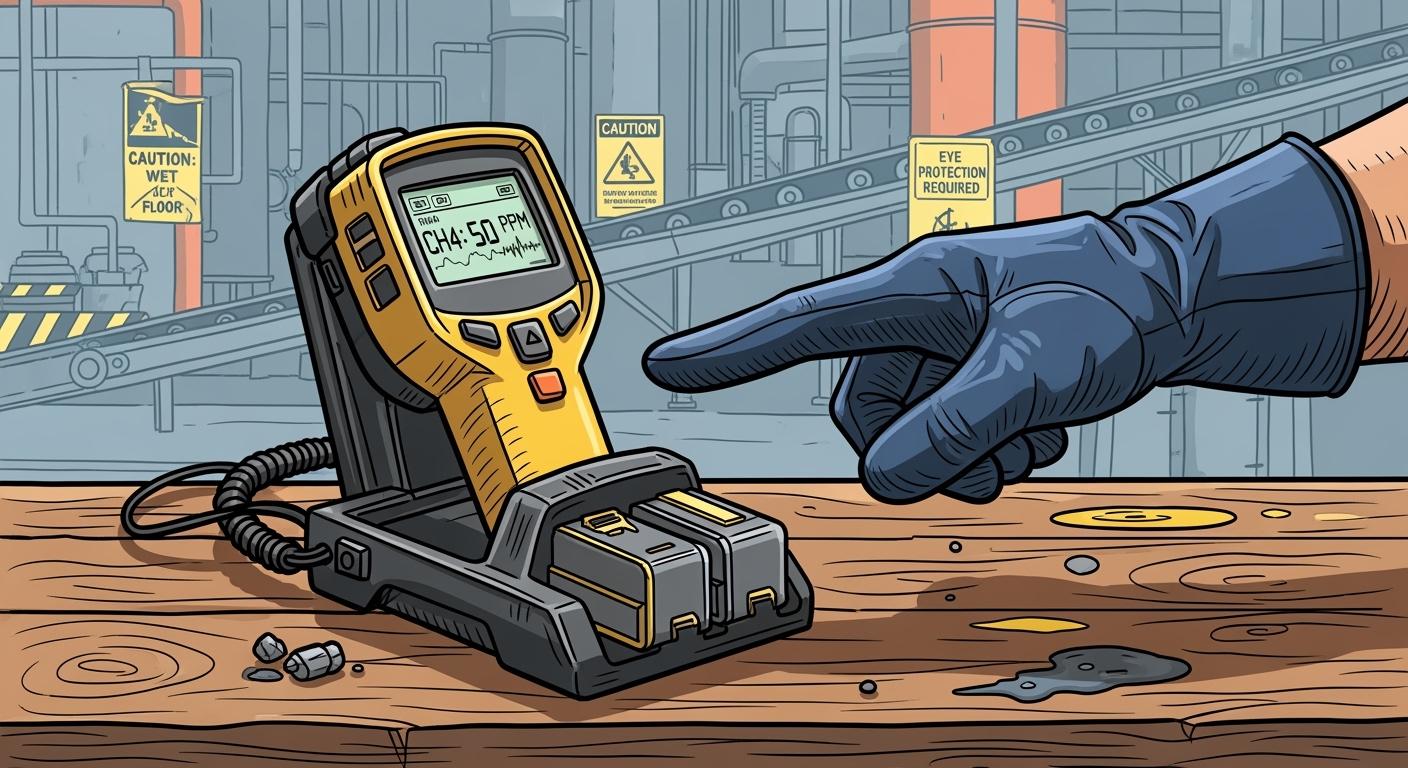
You rely on battery packs to keep gas leak detectors running in challenging industrial environments. Battery reliability protects you from unexpected power failures that can compromise safety and compliance. Common battery types, such as AA, lithium-ion, and lithium primary, affect how long your device operates and how often you must replace or recharge it. Portability allows you to carry detectors wherever you need them, while alarm features alert you to dangerous leaks. You focus on maximizing uptime and meeting strict industry standards.
Key Takeaways
Choose the right battery type for your gas leak detectors. Lithium-ion and LiFePO4 batteries offer long life and reliability.
Regularly check battery status to prevent unexpected failures. This ensures continuous monitoring and compliance with safety standards.
Utilize portable gas leak detectors to enhance safety. They allow quick responses to leaks in various environments.
Follow a maintenance schedule for battery packs. Routine inspections extend battery life and reduce downtime.
Store batteries properly in cool, dry places. This practice prevents damage and ensures safety in industrial settings.
Part1: Battery Packs and Gas Leak Detectors
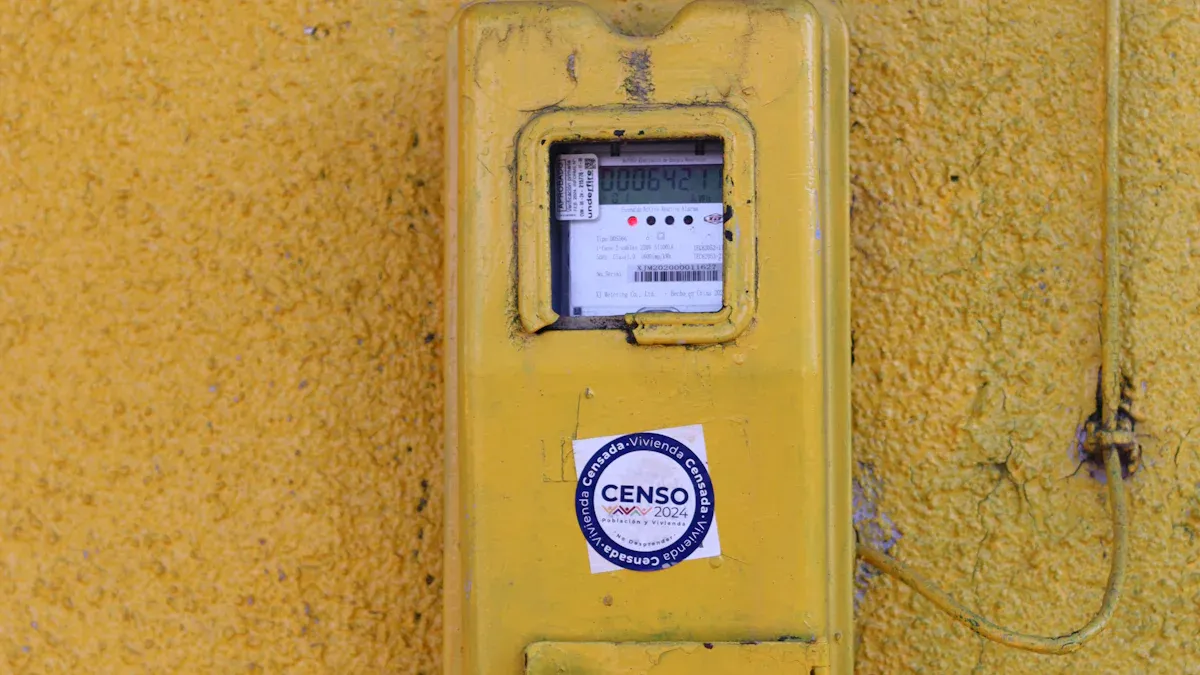
1.1 Powering Gas Leak Detectors
You need reliable power sources to keep gas leak detectors functioning in demanding industrial environments. The choice of battery pack directly affects how long your device operates and how often you must perform maintenance. You will find several common battery types in these detectors:
Standard AA cells
Rechargeable lithium-ion (Li-ion) packs
High-energy lithium primary batteries
Alkaline batteries
Li-SOCl₂ batteries for ultra-low-consumption designs
Each battery type offers unique advantages. For example, lithium-ion packs provide high energy density and rechargeability, which means you can use your detector for longer periods without frequent battery changes. Li-SOCl₂ batteries support devices that require very low power over extended periods. You often see lithium primary batteries in environments where long shelf life and reliability matter most.
The table below compares key features of popular battery chemistries used in industrial gas leak detectors:
Battery Type | Platform Voltage (V) | Energy Density (Wh/kg) | Typical Cycle Life | Rechargeable |
|---|---|---|---|---|
Li-ion (NMC) | 3.6 | 150-220 | 500-1000 | Yes |
LiFePO4 | 3.2 | 90-120 | 2000+ | Yes |
Li-SOCl₂ | 3.6 | 420 | N/A | No |
Alkaline (AA) | 1.5 | 100 | N/A | No |
Tip: Choose a battery chemistry that matches your operational needs. For example, select LiFePO4 for long cycle life or Li-SOCl₂ for low-consumption, long-term monitoring.
1.2 Continuous Monitoring in Industrial Environments
You depend on battery packs to provide portability and uninterrupted operation for gas leak detectors. Portable detectors allow you to move freely across large facilities, pipelines, or confined spaces. You can quickly respond to leaks and monitor multiple locations without being tied to a fixed power source.
Reliable battery packs ensure your detectors stay active during long shifts or emergency situations. You reduce downtime and avoid gaps in safety monitoring. Lithium battery packs, such as LiFePO4 and NMC, deliver consistent performance and withstand harsh industrial conditions.
When you select the right battery pack, you improve both safety and operational efficiency. You keep your team protected and your facility compliant with industry standards.
Part2: Importance of Reliable Battery Power
2.1 Risks of Battery Failure
You depend on reliable battery power to keep gas leak detectors working at all times. When a battery fails, your detector cannot analyze air samples, interpret sensor data, or trigger alarms. This failure puts your entire safety system at risk. You may not detect dangerous gas leaks in time, which can endanger your work crew and lead to serious incidents. In networked monitoring systems, a single failed detector can create coverage gaps, leaving some areas unprotected. You also face regulatory problems if your detectors stop working, as many industries require continuous air quality monitoring to meet standards like OSHA. Battery failure can cause non-compliance, which may result in fines or shutdowns.
Note: Always check battery status before each shift to avoid unexpected downtime and safety risks.
2.2 Safety and Compliance Standards
You must meet strict safety and compliance standards in industrial environments. Reliable battery power helps you achieve these goals. Lithium battery packs, such as LiFePO4 and NMC, offer long cycle life and stable performance, making them ideal for continuous monitoring.
Evidence Type | Description |
|---|---|
Comprehensive Safety Assurance | Certification reassures stakeholders of the system’s safety, reliability, and compliance with standards. |
Regulatory Compliance | UL 9540 aligns with NFPA 855, setting safety requirements for stationary energy storage systems. |
Market Trust and Acceptance | UL 9540 certification is often required for market entry, demonstrating adherence to safety standards. |
You need to follow these key compliance points:
Compliance with NFPA 855 is essential for lithium battery systems in industrial settings.
UL 9540 certification ensures safe installation and reduces risks from fire or electrical hazards.
Meeting these standards builds trust with regulators and clients.
You should choose battery packs that support long-lasting operation. Many lithium battery packs provide 8 to 24 hours of continuous use, which helps you avoid frequent replacements and maintain compliance. Reliable batteries keep your gas leak detectors running, protect your team, and help you meet industry regulations.
Part3: Benefits of Battery-Powered Detectors
3.1 Portability and Flexibility
You need to move quickly and safely in industrial environments. Battery-powered detectors give you the freedom to monitor gas leaks in large facilities, remote sites, or confined spaces. You do not rely on fixed power sources. You can carry detectors into pipelines, storage tanks, or medical labs. Lithium battery chemistries, such as LiFePO4, NMC, LCO, and LMO, support this flexibility. You see these batteries in robotics, security systems, and infrastructure monitoring. Their lightweight design and high energy density make them ideal for portable devices.
3.2 Extended Operation Time
You want your detectors to work for long periods without interruption. Lithium thionyl chloride batteries provide stable voltage and consistent power, which keeps sensors accurate even as batteries age. You reduce the number of site visits for battery changes. This lowers your operational costs and limits worker exposure to hazardous areas. Fixed detectors with long-lasting batteries monitor for leaks around the clock, even when no one is present. You can trust lithium battery packs to deliver 8 to 24 hours of continuous use in demanding environments.
Battery Chemistry | Platform Voltage (V) | Energy Density (Wh/kg) | Typical Cycle Life | Application Examples |
|---|---|---|---|---|
LiFePO4 | 3.2 | 90-120 | 2000+ | Medical, Robotics, Industrial |
NMC | 3.6 | 150-220 | 500-1000 | Security, Infrastructure |
LCO | 3.7 | 150-200 | 500-1000 | Consumer Electronics |
LMO | 3.7 | 100-150 | 300-700 | Industrial, Medical |
3.3 Alarm Features for Safety
You rely on clear alerts to protect your team. Battery-powered detectors support multiple alarm types to ensure you never miss a warning, even in noisy or dark environments.
Alarm Type | Description |
|---|---|
Audible | Powerful alarms that alert workers to gas leaks. |
Visual | Bright LEDs that provide visual alerts in low-light conditions. |
Vibration | Notifications that vibrate to ensure alerts are felt even in noisy environments. |
You can trust these features to keep your workplace safe. Gas Leak Detectors with advanced alarms help you respond quickly and prevent accidents.
Part4: Battery Pack Features
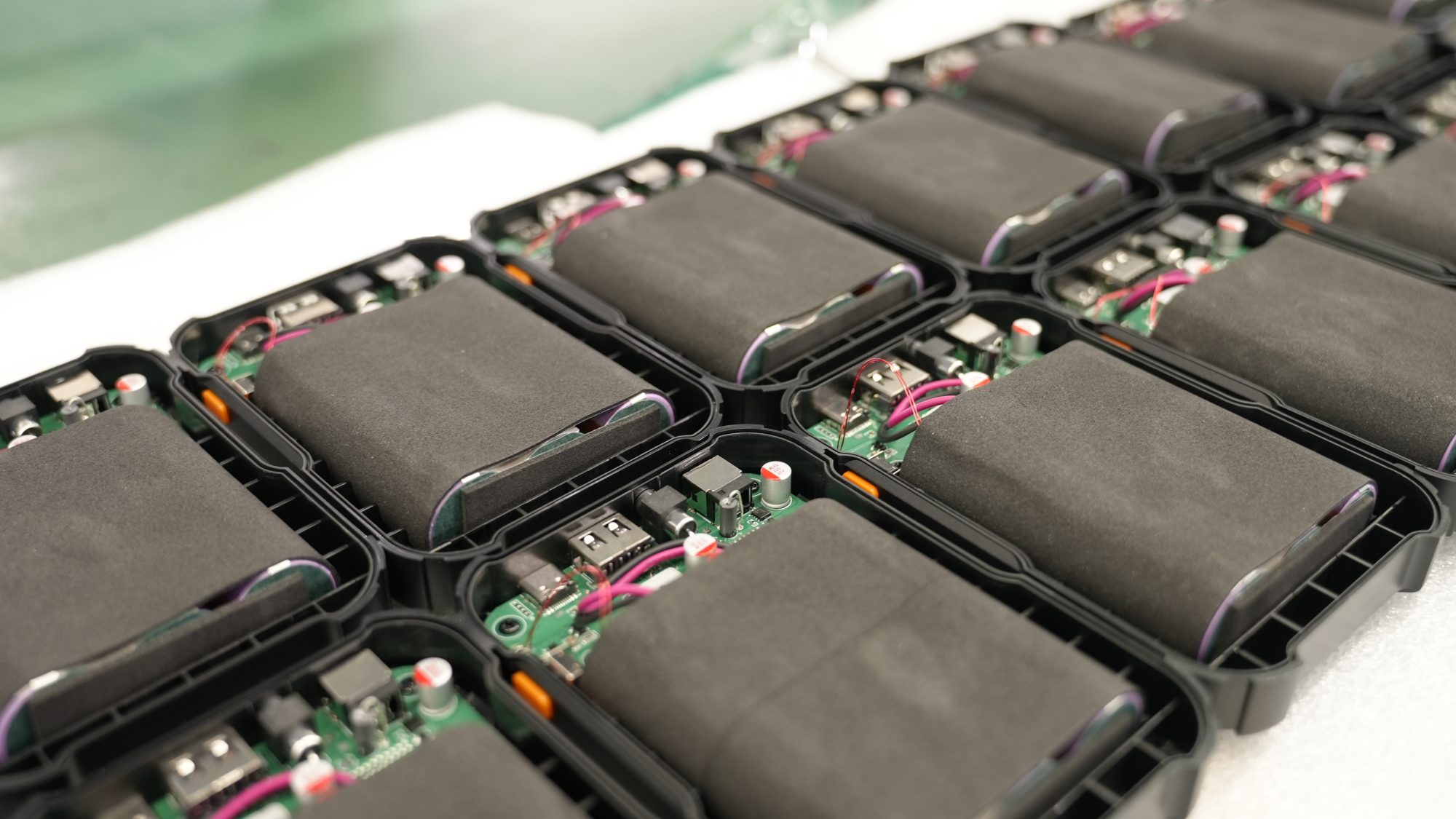
4.1 Battery Life and Capacity
You need battery packs that deliver reliable power for extended periods. Industrial gas leak detectors often operate in harsh environments, so battery life and capacity matter. Lithium battery chemistries, such as LiFePO4 and NMC, provide high energy density and stable voltage. You can use these batteries in medical, robotics, security systems, infrastructure, and industrial applications.
The table below compares typical battery life and capacity for common battery types:
Battery Type | Typical Lifespan | Temperature Range | Self-Discharge Rate | Voltage Stability |
|---|---|---|---|---|
Alkaline AA | 6-12 months | 0°C to 50°C | 3-5% per year | Declining |
Lithium Thionyl Chloride | 5-10 years | -60°C to 85°C | <1% per year | Flat |
Lithium Ion | 2-3 years | -20°C to 60°C | 2-3% per month | Variable |
You can achieve 5–10+ years of service life with wireless LoRa gas detectors using ultra-low-consumption lithium designs. Wired detectors often include internal backup batteries for uninterrupted operation. Standard AA cells, rechargeable Li-ion packs, and high-energy lithium primary batteries are common choices.
4.2 Rechargeability
You benefit from rechargeable battery packs because they reduce maintenance and replacement costs. Lithium-ion batteries, such as NMC and LCO, withstand approximately 2500–3000 charge cycles before significant capacity loss. You can recharge these packs quickly, which minimizes downtime and keeps your gas leak detectors ready for use.
Tip: Choose rechargeable lithium battery packs for applications that require frequent use and rapid turnaround.
4.3 Durability
You need battery packs that survive tough industrial conditions. Manufacturers seal cover seams and gaskets to protect cells from rain and humidity. High-voltage connectors use special plugs or caps during testing to isolate the pack. Liquid-cooled packs feature leak-tight coolant tubes or plates to prevent short circuits or fire. Breather or vent holes include filters and serve as fill points for pressurized gas during testing.
You can rely on battery packs that pass pressure drop and leak rate tests. Positive and negative pressure testing help detect leaks and ensure integrity. Water intrusion causes short circuits, corrosion, and thermal runaway. Hydrogen gas production from water contact with lithium components is highly flammable. Corrosion of metal parts leads to self-discharge, capacity loss, and system shutdowns. Increased internal resistance degrades performance and raises fire risks.
Battery test chambers replicate extreme temperature fluctuations and humidity levels. These chambers allow controlled testing of charging and discharging cycles under simulated environmental conditions. By managing temperature, humidity, and airflow, you can assess battery durability in real-world scenarios.
4.4 Compatibility
You must select battery packs that match your gas leak detector’s requirements. Lithium battery chemistries, such as LiFePO4, NMC, LCO, and LMO, offer platform voltages and energy densities suitable for industrial devices. You can use these batteries in medical, robotics, security systems, infrastructure, and industrial sectors. Battery Management Systems (BMS) ensure safe operation and compatibility with your equipment.
Note: Always check compatibility between your battery pack and detector to avoid operational issues.
4.5 Lithium Battery Advantages
You gain many benefits by choosing lithium battery packs for industrial gas leak detectors. These batteries improve safety, reduce maintenance, and enhance operational efficiency. The table below highlights key advantages:
Advantage | Description |
|---|---|
Improved Safety | Built-in safety features prevent overcharging, overheating, and short circuits. |
Reduced Maintenance | Requires less maintenance, saving time and costs in remote areas. |
Versatility | Powers various applications, enhancing efficiency and integration. |
Environmental Benefits | More eco-friendly, reducing reliance on toxic materials and fossil fuels. |
Cold Weather Performance | Performs better in cold conditions, suitable for colder climates. |
Rapid Charging | Charges faster, reducing downtime. |
Renewable Integration | Supports renewable energy sources, reducing greenhouse gas emissions. |
Backup Power and Grid Stability | Provides reliable backup power during outages, ensuring continuous operations. |
Energy Efficiency | Stores and releases energy with minimal losses, improving operational efficiency. |
You can rely on lithium battery packs for continuous gas monitoring and real-time alerts in hazardous environments. Early detection of gas leaks improves operational efficiency and reduces waste. Compliance with NFPA standards ensures safe installation and operation.
Callout: Lithium battery packs deliver high performance, long life, and robust safety features. You protect your team and maintain operational uptime in demanding industrial settings.
Part5: Choosing and Maintaining Battery Packs
5.1 Selecting the Right Battery Solution
You must choose battery packs that meet strict safety and performance standards for your gas leak detectors. Start by confirming compliance with intrinsic safety standards such as UL 913, UL 60079-11, and IEC 60079-11. These standards help prevent ignition in hazardous environments by limiting electrical and thermal energy. Work with battery partners who understand certification requirements and can help you set safe voltage and current limits.
When selecting lithium battery packs, consider these factors:
Intrinsic safety certification (UL 60079-11, IEC 60079-11)
Battery Management System (BMS) integration for safe operation
Chemistry type (LiFePO4, NMC, LCO, LMO) based on your application’s voltage, energy density, and cycle life needs
Sustainability and supply chain transparency
Ability to handle power peaks without exceeding safety limits
Tip: Validate your battery design through lab testing and third-party certification before deployment.
5.2 Maintenance Tips
You can maximize uptime and safety by following a regular maintenance schedule:
Inspect terminals and connectors for wear or corrosion every month.
Measure voltage and temperature quarterly to monitor battery health.
Test battery capacity each year to ensure reliable performance.
Maintain connections twice a year to reduce resistance.
Use automated monitoring systems for real-time tracking.
Record all maintenance activities for compliance and audits.
Routine checks help you detect issues early, reduce downtime, and extend battery life.
5.3 Storage and Handling
Proper storage and handling protect your lithium battery packs and your facility. Store batteries in cool, dry areas away from direct sunlight and heat. Keep humidity below 50% to prevent rust and short circuits. Use fire-rated storage buildings with climate control, alarms, and fire suppression systems. Maintain a state of charge around 40% and avoid overcharging. Always follow manufacturer charging instructions.
Storage Best Practice | Benefit |
|---|---|
Temperature at 15°C (59°F) | Extends battery lifespan |
Humidity below 50% | Reduces risk of corrosion and failure |
Fire-rated storage | Enhances safety and regulatory compliance |
Ventilated area | Prevents gas accumulation |
Storing batteries correctly helps you avoid costly repairs, ensures safety, and supports compliance with NFPA 855.
You play a key role in industrial safety by choosing reliable battery packs for gas leak detectors. Lithium chemistries like LiFePO4 and NMC deliver long life and stable power. These features support continuous monitoring and help you meet safety standards. Review the table below for essential benefits:
Key Takeaway | Explanation |
|---|---|
Continuous Monitoring | Reliable detectors give real-time alerts, letting you act fast to prevent accidents. |
Regulatory Compliance | Dependable systems help you meet safety regulations and protect your facility. |
Employee Safety | Effective monitoring keeps your team safe by identifying leaks early. |
You should review your battery strategy now. Keep your operations safe and compliant.
FAQ
What lithium battery chemistry should you choose for gas leak detectors?
Chemistry | Platform Voltage (V) | Energy Density (Wh/kg) | Typical Cycle Life |
|---|---|---|---|
LiFePO4 | 3.2 | 90–120 | 2000+ |
NMC | 3.6 | 150–220 | 500–1000 |
You should select LiFePO4 for long cycle life or NMC for higher energy density.
How does a Battery Management System (BMS) improve safety?
A BMS monitors voltage, temperature, and charge cycles. You prevent overcharging, overheating, and short circuits.
Why is sustainability important for lithium battery packs?
You support sustainability by choosing batteries with transparent supply chains and responsible sourcing. This reduces environmental impact and avoids conflict minerals. Review our sustainability approach.
How do lithium battery packs perform in extreme environments?
You benefit from lithium chemistries like LiFePO4 and NMC, which operate in wide temperature ranges. These batteries deliver stable voltage and long life in medical, robotics, and industrial sectors.
What is the role of conflict minerals in battery selection?
You must avoid batteries containing conflict minerals. Responsible suppliers provide documentation and comply with international standards. See our conflict minerals statement.


