

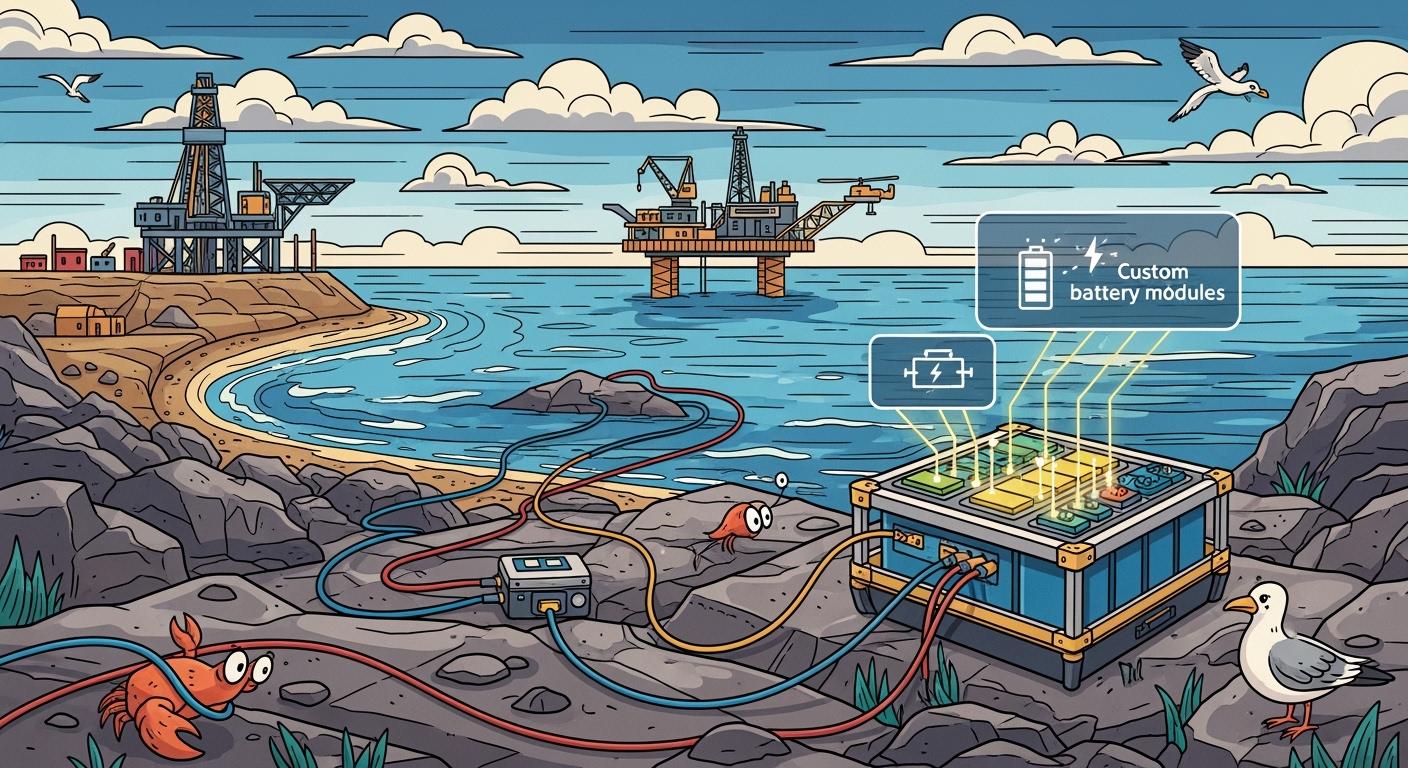
You depend on custom battery solutions to power geophysical survey equipment during energy exploration. Lithium-ion packs deliver reliable performance and adapt to harsh environments, where standard battery cells often fail due to extreme temperatures and moisture. Specialized battery packs can operate in severe cold and resist hydrostatic pressure offshore. Smart battery management systems keep your operations efficient and safe, whether you work onshore or offshore. These tailored solutions address critical challenges and ensure your project meets demanding industry standards.
Key Takeaways
Custom battery solutions enhance performance and reliability for geophysical survey equipment, ensuring consistent power and long endurance.
Lithium-ion battery packs withstand extreme conditions, such as high pressure and low temperatures, making them ideal for both onshore and offshore projects.
Smart battery management systems monitor battery health, preventing failures and extending the lifespan of your equipment.
Choosing the right battery chemistry, like LiFePO4 or NMC, is crucial for meeting specific project needs and maximizing efficiency.
Regular maintenance and rebuilding services can restore battery packs to optimal performance, saving costs and reducing downtime.
Part1: Battery Requirements
1.1 Power and Endurance
You need batteries that deliver consistent power and long endurance for geophysical survey equipment. Many projects require equipment to operate for hours without interruption. For example, unmanned aerial vehicles and magnetometers often run for several hours on a single charge. The following table shows typical requirements:
Equipment | Endurance | Power Requirement |
|---|---|---|
Perimeter 8X UAV | 5 hours | Up to 4 kg payload |
MagArrow Magnetometer | 2.5 hours | 2W per sensor |
Custom battery solutions help you meet these demands by providing tailored energy storage. Lithium-ion battery packs offer high energy density and stable voltage, supporting extended missions in remote locations.
1.2 Durability in Extreme Conditions
You face harsh environments during energy exploration, such as freezing temperatures and high-pressure underwater sites. Battery packs like the TLP-93101E perform reliably in these conditions.
Each pack delivers 190 Ah at 18.57 V with up to 15-A pulses, lasting one to two years based on usage.
Rugged construction and advanced safety features ensure operation in extreme cold and high-pressure environments.
Compared to traditional lithium iron phosphate batteries, the TLP-93101E reduces weight by 85%, making transport easier.
The bobbin-type LiSOCl₂ chemistry maintains energy output in sub-zero temperatures, even as low as -55°C.
These packs require no maintenance or recharging once deployed, which is essential for remote surveys.
High-temperature battery solutions also play a role in scientific research and mineral exploration.
Lithium-ion batteries withstand temperatures from -40°C to 85°C, powering drilling equipment, sensors, and communication devices.
You benefit from stable power and extended operation without maintenance.
1.3 Safety Standards
You must follow strict safety standards when deploying batteries in geophysical survey equipment. Custom battery solutions incorporate advanced safety features, such as thermal protection and overcurrent safeguards. Rugged materials and smart battery management systems protect your equipment and personnel. These standards ensure reliable operation and minimize risks during onshore and offshore energy exploration.
Part2: Custom Battery Solutions: Advantages
2.1 Performance and Reliability
You rely on custom battery solutions to deliver superior performance and reliability for geophysical survey equipment. Custom lithium-ion battery packs, such as those using LiFePO4, NMC, LCO, or LMO chemistries, provide stable voltage, high energy density, and long cycle life. These packs often operate at voltages ranging from 3.2V to 3.7V per cell, with energy densities between 120 and 250 Wh/kg, and cycle lives exceeding 2,000 cycles. You benefit from batteries engineered for your specific application, which reduces downtime and increases operational efficiency.
Custom battery solutions use advanced fireproof technology and explosion-proof designs. These features ensure stable operation under extreme conditions, maintaining safety and reliability. Military-grade batteries offer high shock and vibration resistance, making them ideal for harsh environments. Lithium batteries designed for defense applications deliver dependable power and consistent performance, even in the toughest conditions.
The following table compares the main advantages of custom lithium-ion battery solutions to off-the-shelf options:
Advantage | Description |
|---|---|
Improved Performance | Custom batteries are tailored to specific needs, enhancing overall efficacy. |
Greater Reliability | Designed for specific applications, leading to reduced downtime. |
Extended Lifespan | High-quality custom batteries often last longer than standard options. |
Competitive Advantage | Custom solutions can provide a market edge, potentially increasing sales. |
You see these benefits in sectors such as medical devices, robotics, security systems, infrastructure, consumer electronics, and industrial equipment. Custom battery solutions support critical operations where reliability and performance matter most.
2.2 Adaptability for Unique Projects
You face unique challenges in energy exploration projects. Custom battery solutions adapt to your requirements, whether you need high-capacity packs for offshore sensors or lightweight batteries for UAVs. You select the chemistry, form factor, and integration method to match your equipment and environment.
Custom lithium-ion battery packs fit seamlessly into medical devices, robotic platforms, and security systems. You gain flexibility to meet project-specific demands, such as extended runtime, compact size, or rugged construction. This adaptability gives you a competitive advantage and supports innovation in your industry.
You also benefit from rebuilding services, such as those provided by MTO Battery. Expert technicians replace outdated cells with new, high-quality ones that meet or exceed original specifications. Each rebuilt battery undergoes thorough testing to guarantee reliability and performance. This process extends the lifespan and efficiency of your battery packs, providing peace of mind and reducing operational costs.
Tip: Rebuilding services help you maximize your investment in custom battery solutions by restoring packs to optimal performance.
2.3 Smart Battery Management
You improve operational efficiency and safety with smart battery management systems (BMS). These systems monitor voltage, temperature, and current, protecting your equipment from overcharging, overheating, and short circuits. Smart BMS technology ensures that your lithium-ion battery packs operate safely and efficiently in demanding environments.
You can learn more about smart battery management systems in our BMS content. Smart BMS solutions integrate with geophysical survey equipment, medical devices, robotics, and industrial systems. You gain real-time data and diagnostics, which help you optimize battery usage and prevent failures.
Smart battery management systems support remote monitoring and predictive maintenance. You reduce downtime and extend the lifespan of your custom battery solutions. This technology gives you confidence in the reliability and safety of your operations, whether you work onshore or offshore.
Part3: Onshore vs. Offshore Needs
3.1 Environmental Challenges
You face different environmental challenges when you deploy geophysical survey equipment onshore versus offshore. On land, you often use geophones to measure ground vibrations. Soil type and ground contact can change how well your sensors collect data. You also deal with cultural noise from traffic, wind, and nearby industry, which can interfere with your readings.
Offshore, you rely on hydrophones to detect pressure changes in water. The ocean provides a more uniform medium for wave transmission, so data coupling stays consistent. However, you must manage environmental noise from tides, currents, and marine life. Saltwater exposure, high humidity, and hydrostatic pressure add extra stress to your equipment and batteries.
Here is a comparison of key aspects:
Aspect | Onshore Environment | Offshore Environment |
|---|---|---|
Sensor Type | Geophones measure mechanical vibrations in the ground. | Hydrophones detect acoustic pressure changes in water. |
Data Coupling | Variable, depends on soil type and ground contact. | Consistent, water provides uniform wave transmission. |
Ambient Noise | Traffic, wind, and industry affect data collection. | Tides, currents, and marine life impact data collection. |
3.2 Customization Strategies
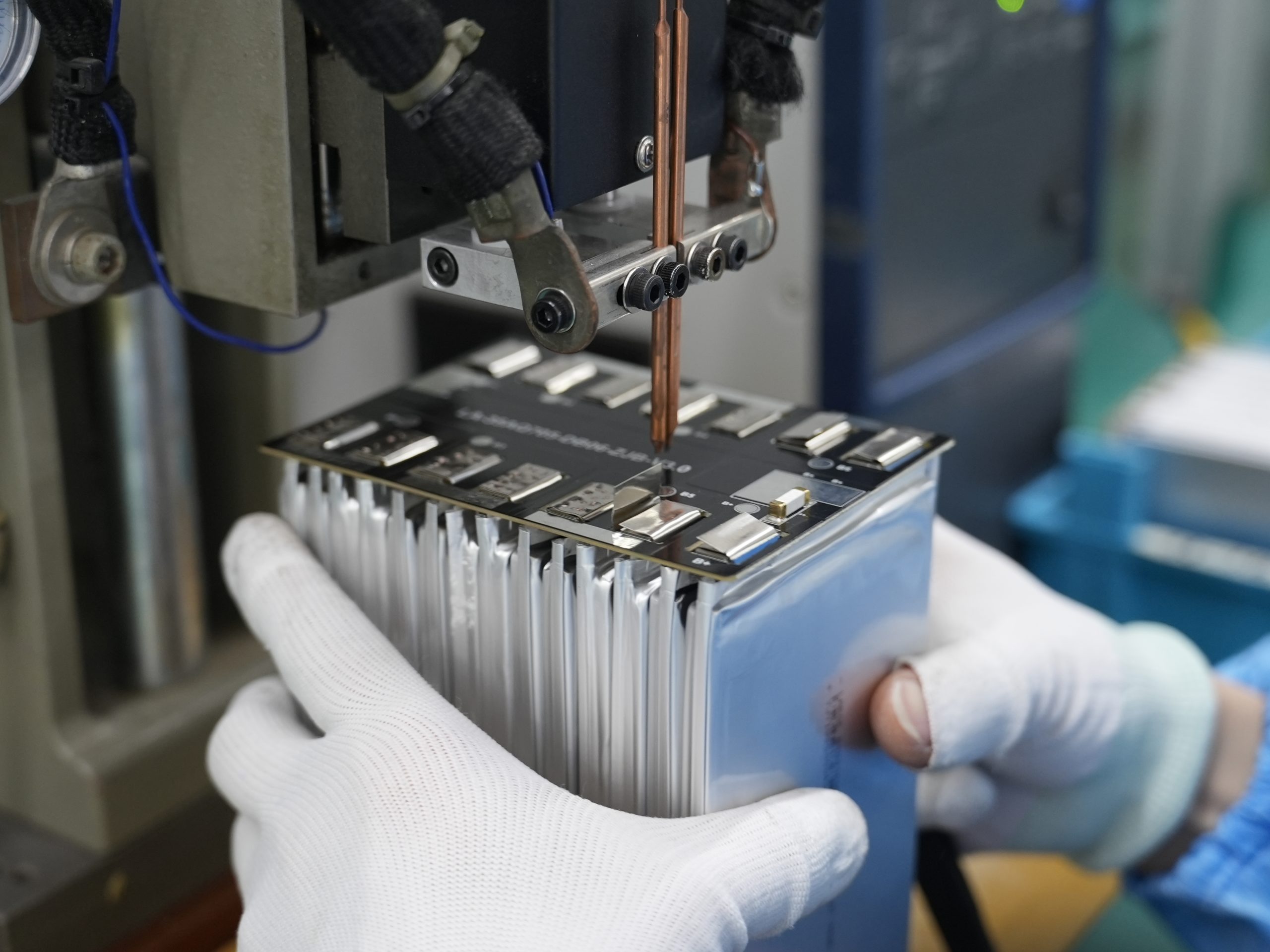
You need custom battery solutions that address these unique challenges. For onshore projects, you may require lithium battery packs with rugged enclosures to protect against dust, vibration, and temperature swings. You can select chemistries like LiFePO4 or NMC for stable voltage and long cycle life, which support sensors and communication devices in remote areas.
Offshore, you benefit from battery packs designed to resist corrosion and withstand high pressure. Waterproof housings and advanced battery management systems help you maintain safety and performance. You can choose compact form factors for easy integration into underwater equipment. Smart monitoring features let you track battery health and predict maintenance needs, reducing downtime.
Tip: Custom battery solutions let you match battery chemistry, size, and protection features to your specific project—whether you work onshore or offshore.
You see these strategies used in sectors such as robotics, security systems, and industrial monitoring, where reliability and adaptability are critical.
Part4: Customization Process
4.1 Battery Chemistry Selection
You start by selecting the right battery chemistry for your geophysical survey equipment. Each lithium battery chemistry offers unique benefits. For example, LiFePO4 provides long cycle life and stable voltage, while NMC delivers high energy density for compact devices. LCO and LMO chemistries also serve specialized needs in medical, robotics, and industrial sectors. The table below compares key characteristics:
Chemistry | Nominal Voltage (V) | Energy Density (Wh/kg) | Cycle Life (cycles) | Typical Application |
|---|---|---|---|---|
LiFePO4 | 3.2 | 120–160 | 2,000+ | Industrial, medical, UAVs |
NMC | 3.7 | 150–220 | 1,000–2,000 | Robotics, sensors, drones |
LCO | 3.7 | 150–200 | 500–1,000 | Consumer electronics |
LMO | 3.7 | 100–150 | 300–700 | Power tools, security |
You choose chemistry based on your project’s power, endurance, and environmental needs. This ensures your equipment performs reliably in the field.
4.2 Form Factor and Integration
You need batteries that fit your equipment perfectly. Custom Battery Solutions allow you to specify the exact size and shape, even for devices with limited space. This flexibility supports GPS units, survey tools, and environmental sensors in remote or harsh locations. Consider these integration benefits:
Custom batteries fit unique dimensions, maximizing available space.
Seamless integration improves equipment reliability and data collection.
Specialized enclosures protect against dust, moisture, and vibration.
You gain a solution that matches your operational requirements and enhances performance.
4.3 Project Support
You receive ongoing support throughout your project. Experts help you select the best chemistry, design the right form factor, and integrate the battery into your system. Many providers offer rebuilding and maintenance services. These services replace aging cells, test performance, and extend the lifespan of your battery packs. You reduce downtime and protect your investment.
Tip: Regular maintenance and timely rebuilding keep your batteries operating at peak efficiency, even in demanding environments.
Factor | Description |
|---|---|
Capacity | Determines how long the device can operate before needing a recharge. |
Voltage | Ensures the battery meets the power requirements of the device for optimal performance. |
Size and Form Factor | Custom designs can fit specific dimensions, accommodating challenging spaces. |
Environmental Conditions | Factors like temperature and humidity that affect battery performance and reliability. |
Custom Battery Solutions give you the flexibility and reliability needed for successful energy exploration projects.
Part5: Case Studies
5.1 Onshore Application Example
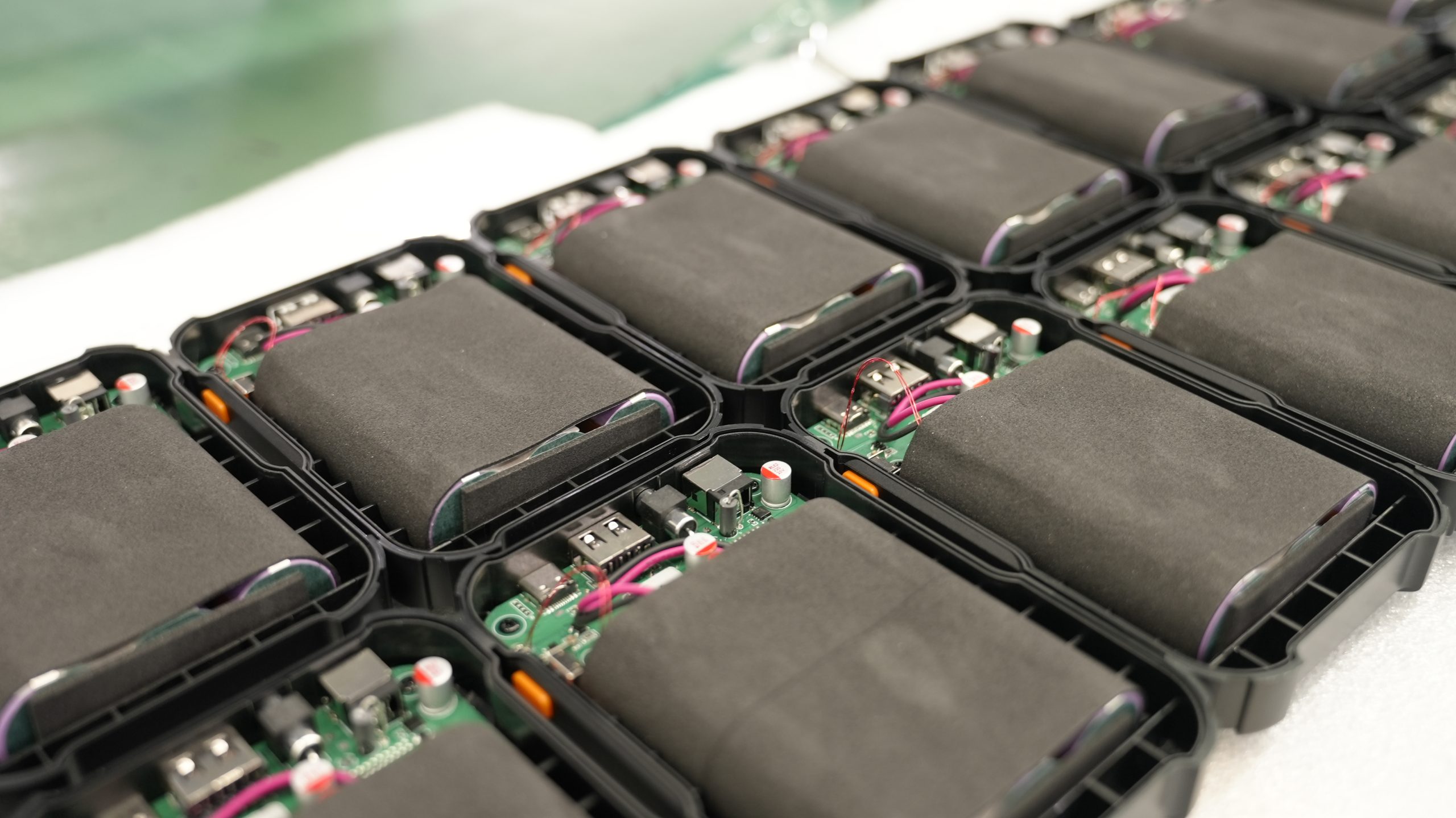
You can see the value of Custom Battery Solutions in onshore energy exploration. For example, lithium battery packs power seismic sensors in the Antarctic. These sensors must work in extreme cold and remote locations. The TLP-93101E battery pack uses bobbin-type LiSOCl₂ chemistry. It delivers 190 Ah at 18.57 V and can last up to two years without maintenance. This pack operates at temperatures as low as -55°C. You do not need to recharge or replace it during the survey.
You also find lithium battery packs in medical devices, robotics, and industrial monitoring. In medical applications, LiFePO4 batteries provide stable voltage and long cycle life. Robotics platforms use NMC batteries for high energy density and lightweight design. Security systems rely on LCO batteries for reliable backup power. The table below compares these chemistries:
Sector | Chemistry | Voltage (V) | Energy Density (Wh/kg) | Cycle Life (cycles) |
|---|---|---|---|---|
Medical | LiFePO4 | 3.2 | 120–160 | 2,000+ |
Robotics | NMC | 3.7 | 150–220 | 1,000–2,000 |
Security System | LCO | 3.7 | 150–200 |
Tip: Choose the right chemistry for your sector to maximize performance and reliability.
5.2 Offshore Application Example
You face unique challenges in offshore surveys. Oceanographic equipment, such as underwater sensors and data loggers, must resist high pressure and saltwater corrosion. Lithium battery packs with waterproof housings and advanced battery management systems support these needs. For example, oceanographic survey teams use battery packs that operate at depths of 6,000 meters. These packs use NMC or LMO chemistries for high energy density and robust performance.
You also see lithium battery packs in infrastructure monitoring and consumer electronics used offshore. Industrial sensors use LiFePO4 batteries for long-term deployment. Consumer devices, such as GPS trackers, use LMO batteries for compact size and reliability.
Chemistry | Depth/Environment | Key Benefit | |
|---|---|---|---|
Oceanographic Sensors | Up to 6,000 meters | High energy density | |
Infrastructure | LiFePO4 | Corrosive environments | Long-term deployment |
Consumer Electronics | LMO | Portable devices | Compact and reliable |
Note: Waterproof design and smart battery management are essential for offshore reliability.
You gain a clear advantage when you choose Custom Battery Solutions for geophysical survey equipment. Lithium-ion technology offers longer lifespan, faster charging, and higher energy efficiency than lead-acid batteries. The table below highlights these differences:
Feature | Lead-Acid | Lithium-Ion |
|---|---|---|
Lifespan (cycles) | 1,000–1,500 | 2,500–3,000+ |
Charge Time | 6–8 hours | 1–2 hours |
Energy Efficiency | ~70% | 95%+ |
Smart battery management systems help you monitor performance and reduce downtime. You can trust these tailored solutions to support your operations in energy exploration, medical, robotics, and industrial sectors. Consider upgrading your equipment to improve reliability and efficiency.
FAQ
What lithium battery chemistries suit geophysical survey equipment?
You can choose LiFePO4, NMC, LCO, or LMO chemistries. Each offers unique benefits. LiFePO4 provides long cycle life. NMC delivers high energy density. LCO suits consumer electronics. LMO works well in power tools and security systems.
Chemistry | Voltage (V) | Energy Density (Wh/kg) | Cycle Life |
|---|---|---|---|
LiFePO4 | 3.2 | 120–160 | 2,000+ |
NMC | 3.7 | 150–220 | 1,000–2,000 |
LCO | 3.7 | 150–200 | 500–1,000 |
LMO | 3.7 | 100–150 | 300–700 |
How do custom lithium battery packs improve reliability?
You gain reliability from tailored designs. Custom packs fit your equipment and withstand harsh conditions. Smart battery management systems monitor performance and prevent failures. You reduce downtime and extend battery life.
Which industries benefit from custom lithium battery solutions?
You see benefits in medical devices, robotics, security systems, infrastructure, consumer electronics, and industrial sectors. Custom lithium battery packs support critical operations and improve performance in these fields.
What is the advantage of rebuilding lithium battery packs?
You extend battery life and save costs by rebuilding packs. Technicians replace old cells with new ones. You maintain high performance and reliability without buying new batteries.
How does smart battery management enhance safety?
You protect your equipment with smart battery management systems. These systems monitor voltage, temperature, and current. You prevent overcharging, overheating, and short circuits, ensuring safe operation in demanding environments.


