

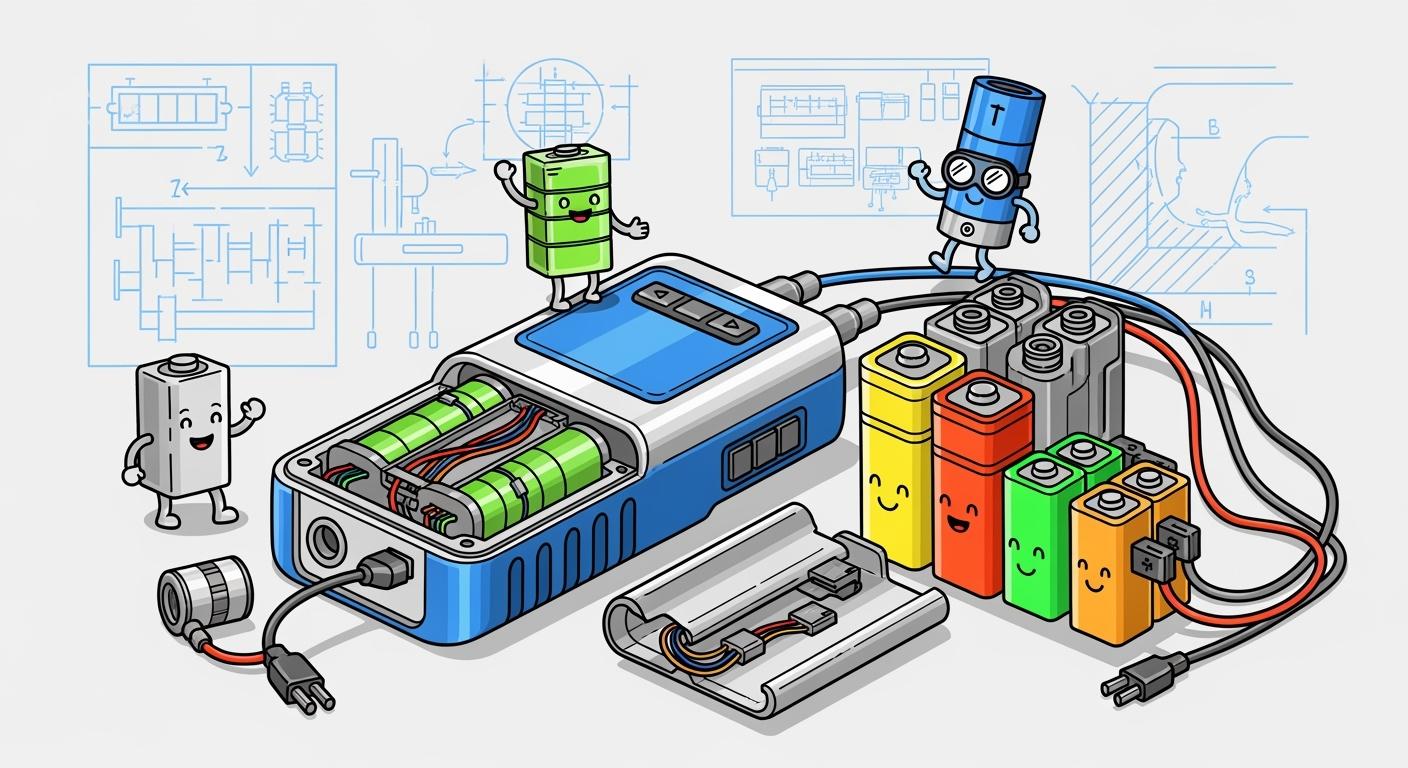
You rely on portable ultrasonic flow meters to deliver accurate measurements in demanding industrial environments. Custom lithium battery solutions ensure your devices meet strict requirements for runtime and durability. With advanced battery management systems, you gain reliable performance and safety. Tailored battery packs help your handheld equipment operate efficiently and comply with industry standards.
Quick Answer
Portable ultrasonic flow meters need custom lithium battery solutions that provide stable voltage, low self-discharge, compact size, and reliable runtime for field measurement. The battery pack should be matched to sensor power draw, display usage, communication modules, charging method, and operating temperature.
Key Takeaways
Custom lithium battery solutions enhance runtime and performance for portable ultrasonic flow meters, ensuring uninterrupted operation in demanding environments.
Selecting the right battery chemistry, like LiFePO4 or NMC, is crucial for achieving high energy density and long cycle life, tailored to specific application needs.
Advanced battery management systems (BMS) improve safety by monitoring critical parameters, preventing risks like overheating and overcharging.
Compliance with regulatory standards, such as ISO 17089, builds trust and ensures your devices meet industry requirements for accuracy and reliability.
Implementing efficient charging solutions, including advanced protocols and ultrasound technology, maximizes battery performance and extends lifespan.
Part1: Key Needs for Lithium Battery Solutions
1.1 Performance and Runtime
You need battery powered flow meters that deliver consistent performance during long deployments. Custom lithium battery solutions address this need by offering high capacity and stable voltage output. For example, a 2000mAh lithium-ion battery provides extended runtime, supporting continuous operation in industrial settings. The 3.7V platform voltage ensures compatibility with portable ultrasonic flow meters. You benefit from multiple protection mechanisms that prevent overcharging, over-discharging, and short circuits. These features guarantee safe and reliable operation. High energy density in lithium-ion batteries allows you to maximize runtime without increasing the size or weight of your device.
Long runtime supports uninterrupted measurement tasks.
Stable voltage output maintains device accuracy.
Protection mechanisms enhance safety and reliability.
1.2 Size and Portability
You require portable devices that are easy to carry and deploy. Custom lithium-ion battery packs offer lightweight and compact designs. High energy density enables you to reduce battery size while maintaining power output. This makes your flow meters more ergonomic and user-friendly. You can integrate lithium-ion batteries into handheld devices without sacrificing performance. The lightweight nature of these batteries improves usability for technicians working in the field.
Tip: Choose lithium battery solutions with high energy density to optimize portability and runtime.
1.3 Environmental Demands
Industrial environments present challenges such as temperature extremes, vibration, and exposure to moisture. Custom lithium-ion battery packs withstand these conditions due to robust construction and advanced protection features. You can select chemistries like LiFePO4 Lithium battery for enhanced cycle life and stability, or NMC Lithium battery for higher energy density. Battery powered flow meters must operate reliably in harsh settings, including infrastructure, security systems, and medical applications. Custom lithium battery solutions ensure your devices meet these demands and maintain performance.
Chemistry | Platform Voltage | Energy Density (Wh/kg) | Cycle Life (cycles) |
|---|---|---|---|
LiFePO4 | 3.2V | 90-120 | 2000+ |
NMC | 3.7V | 150-220 | 1000-2000 |
LCO | 3.7V | 150-200 | 500-1000 |
LMO | 3.7V | 100-150 | 300-700 |
You gain confidence that your battery powered flow meters will perform reliably, even in demanding industrial scenarios.
Part2: Custom Lithium-Ion Battery Packs Selection
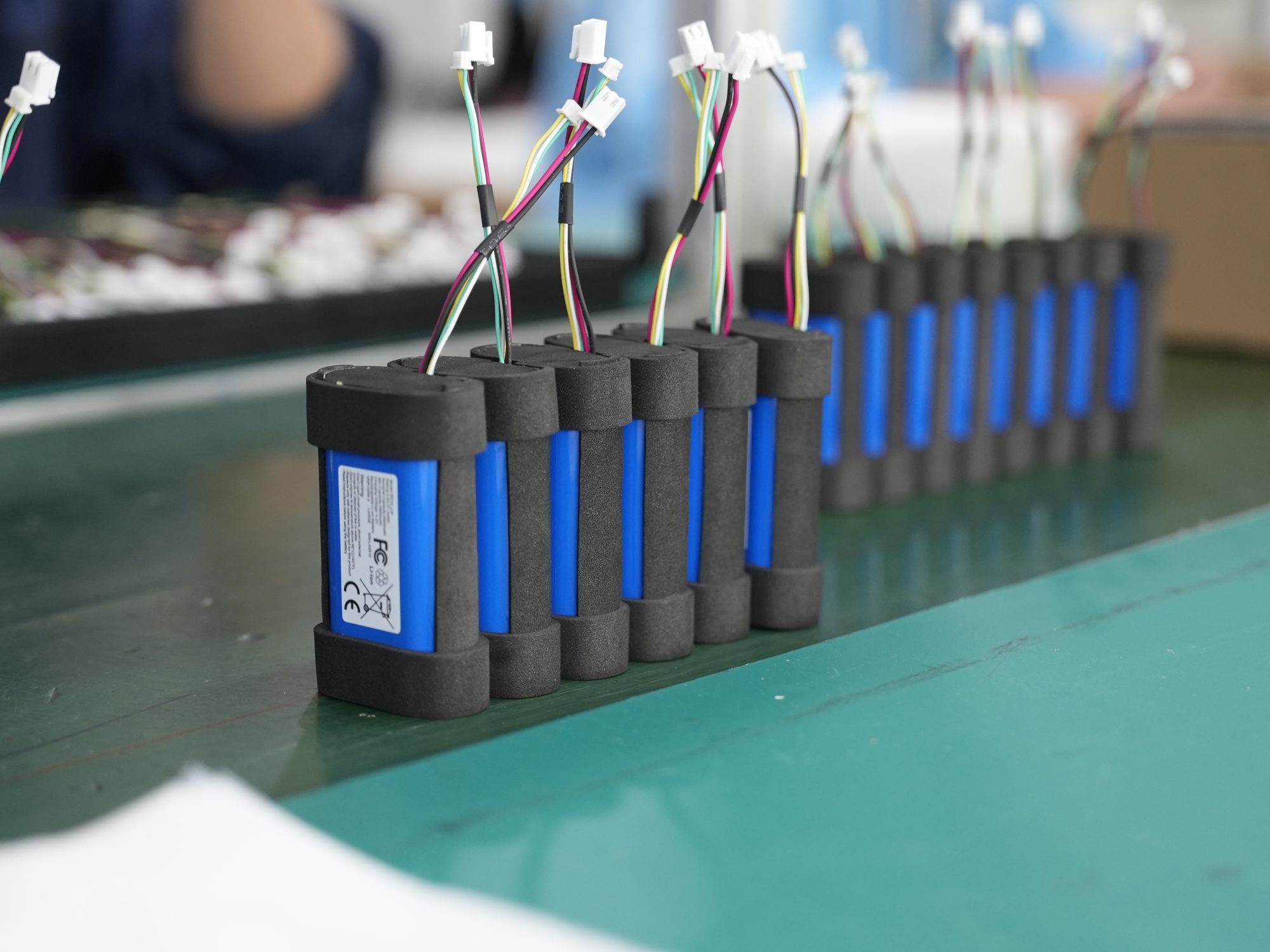
2.1 Chemistry and Cell Choice
You need to select the right chemistry and cell type when designing custom lithium-ion battery packs for portable ultrasonic flow meters. The chemistry you choose impacts energy density, safety, and cycle life. In industrial and medical applications, you often see these lithium-ion batteries:
Lithium Cobalt Oxide (LCO): Delivers high energy density, which helps you create compact and lightweight battery packs for handheld devices.
Lithium Manganese Oxide (LMO): Balances safety and performance, making it suitable for a range of industrial and security system applications.
Lithium Iron Phosphate (LiFePO4): Offers high stability and long life, which is essential for devices that require durability and reliability in harsh environments.
Cell choice also affects the performance and safety of your lithium battery solutions. High-quality cells provide consistent internal resistance, voltage, and capacity. This consistency ensures your flow meters operate reliably in demanding conditions. You should always include a Protection Circuit Module and battery management systems. These features prevent overcharge, over-discharge, overcurrent, short circuits, and overheating.
2.2 Application-Specific Customization
You must engineer custom lithium-ion battery packs to fit the unique requirements of handheld and portable devices. The design process for flow meters shares similarities with battery packs used in ultrasound and ECG monitors. Both types of devices require high energy density, compact size, and robust safety features.
Design Factor | Description |
|---|---|
High Energy Density | Extends runtime for portable devices in medical, industrial, and infrastructure applications. |
Compact Size | Fits within the limited space of handheld equipment without sacrificing performance. |
Safety Features | Prevents risks such as overcharging and overheating, which is critical in medical and industrial use. |
Battery Management Systems | Provides real-time monitoring and protection for battery health and device safety. |
Performance Testing | Ensures reliability and compliance with industry standards through rigorous evaluation. |
You benefit from advanced battery management systems that monitor cell health, temperature, and charge cycles. These systems help you maintain safety and extend the lifespan of your battery powered flow meters. Customization also allows you to optimize the battery pack for specific deployment scenarios, such as long-term infrastructure monitoring or rapid deployment in emergency response.
2.3 Balancing Energy and Life Cycle
You need to balance energy density and life cycle when selecting lithium battery solutions for portable ultrasonic flow meters. High energy density gives you longer runtime, but you must also consider how to maximize the number of charge-discharge cycles.
You can use these strategies to achieve the right balance:
Avoid keeping the battery at 100% or 0% state of charge for long periods. Partial state-of-charge operation improves longevity.
Maintain the battery pack within a moderate temperature range (20–40°C). Thermal management systems, such as cooling plates, help prevent overheating.
Limit high charge and discharge currents. Sizing the pack and electronics correctly reduces aging.
Use battery management systems for active cell balancing. This ensures all cells maintain the same voltage, which extends battery life.
Store cells at 40–60% state of charge in cool, dry conditions for long-term storage.
Choose longer-life chemistries like LiFePO4 for applications that require many cycles. For maximum performance in weight-sensitive applications, consider NMC or NCA cells.
Monitor battery health with firmware updates and analytics. Early detection of degradation allows you to adjust control logic and prevent failures.
You can apply these strategies to ensure your custom lithium-ion battery packs deliver reliable performance and long service life in industrial, medical, and infrastructure environments.
Part3: Battery Management Systems & Integration

3.1 Safety Features
You depend on battery management systems to protect your battery powered flow meters from risks such as overheating, overcharging, and short circuits. BMS monitors critical parameters like state-of-charge and state-of-health, which helps you optimize performance and extend battery lifespan. You avoid premature capacity degradation by using BMS to manage charging and discharging cycles. This approach ensures your lithium-ion batteries operate safely in industrial, medical, and infrastructure environments. You gain peace of mind knowing your devices meet strict safety requirements.
Note: Safety features in BMS help you comply with industry standards and reduce maintenance costs.
3.2 BMS Integration
You face challenges when embedding battery packs into compact flow meter designs. You must ensure seamless integration of BMS with lithium-ion batteries to maintain high energy density and reliable operation. Consider these key integration practices:
Monitoring battery life prevents downtime and data loss in battery powered flow meters.
Ensuring compatibility with other devices allows your flow meters to function within existing systems.
Regular performance evaluations help you identify issues early and maintain detailed documentation for troubleshooting.
You achieve optimal performance by selecting battery packs with advanced BMS that support real-time monitoring and cell balancing. You can tailor integration solutions for medical devices, security systems, and robotics, where space and reliability matter.
3.3 Device Compatibility
You need battery packs that match the requirements of your portable ultrasonic flow meters. Compatibility ensures your lithium-ion batteries deliver consistent energy density and performance. You select chemistries like LiFePO4 Lithium battery for long cycle life or NMC Lithium battery for higher energy density. You verify that your battery powered flow meters operate reliably in diverse environments, including transportation infrastructure and industrial settings.
Device Type | Chemistry Used | Platform Voltage | Energy Density (Wh/kg) | Cycle Life (cycles) |
|---|---|---|---|---|
Medical Monitor | LiFePO4 Lithium battery | 3.2V | 90-120 | 2000+ |
Security Cameras | NMC Lithium battery | 3.7V | 150-220 | 1000-2000 |
Industrial Meter | LCO Lithium battery | 3.7V | 150-200 | 500-1000 |
You ensure your devices remain compatible with evolving technology and industry standards. You benefit from battery packs that deliver high energy density and reliable performance across multiple sectors.
Part4: Compliance and Charging for Battery Powered Flow Meters
4.1 Regulatory Standards
You must ensure your lithium battery packs meet strict regulatory standards. Certifications such as ISO 17089 confirm device accuracy and reliability. Manufacturers use statistical analysis to connect electrode characteristics to battery performance. Integrated tracking systems capture production data automatically, logging timestamps and equipment identifiers. Traceability allows you to respond quickly to issues, reduce waste, and improve quality control. You gain confidence when your battery powered flow meters comply with industry standards.
Certifications validate device performance and safety.
Tracking systems enhance traceability and quality assurance.
Compliance supports market penetration and customer trust.
Note: Regulatory compliance influences purchasing decisions for industrial and commercial buyers. You should prioritize battery packs that meet recognized standards.
Evidence Type | Description |
|---|---|
Regulatory Compliance | Stringent regulations compel industries to adopt precise flow measurement tools to ensure compliance. |
Consumer Behavior | Buyers prioritize accuracy, reliability, and compliance when selecting flow meters. |
Market Penetration Strategies | Vendors demonstrating compliance effectively increase market penetration and influence adoption trends. |
Regulatory Landscape | Compliance with standards like ISO 17089 ensures device accuracy, influencing product development. |
4.2 Charging Solutions
You need safe and efficient charging solutions for lithium battery packs in portable ultrasonic flow meters. Integrating ultrasound with model predictive control (MPC) optimizes charging protocols and prevents lithium plating. Ultrasound helps identify early-stage lithium deposition, which causes capacity loss and battery failure. Maintaining the negative electrode potential above 0 V is crucial for optimal charging. Using ultrasonic waves during charging reduces internal impedance and increases usable capacity.
Custom-designed multi-stage constant current protocols combined with ultrasound enhance rapid charging performance.
Ultrasound waves increase porosity in the SEI layer, facilitating lithium-ion transport.
Safe charging practices extend battery life and improve device reliability.
Tip: You should implement advanced charging protocols to maximize battery performance and safety in industrial and medical applications.
4.3 Documentation for B2B Clients
You require thorough documentation when purchasing lithium battery packs for portable ultrasonic flow meters. Manufacturers provide detailed records of certifications, traceability, and charging protocols. Documentation includes production logs, quality control reports, and compliance certificates. You use these documents to verify product reliability and support regulatory audits.
Documentation ensures transparency and supports compliance.
Quality records help you track battery performance and address issues quickly.
Certification reports confirm adherence to industry standards.
Alert: Comprehensive documentation strengthens your purchasing decisions and supports long-term device reliability.
Custom lithium battery solutions help you meet the demands of portable ultrasonic flow meters in industrial, medical, and infrastructure sectors. Advanced battery management systems improve safety and reliability. Compliance with standards builds trust and supports your business goals.
Review your current battery systems for performance and compliance.
Consult with solution providers to optimize your lithium battery packs for future deployments.
FAQ
What battery chemistry works best for portable ultrasonic flow meters?
LiFePO4 and NMC are common choices for portable ultrasonic flow meters. LiFePO4 offers long cycle life and strong thermal stability, while NMC provides higher energy density for compact handheld designs. The best choice depends on runtime, size, discharge current, and operating temperature.
How do custom lithium battery packs improve flow meter runtime?
A custom lithium battery pack can be matched to the sensor load, display power draw, wireless module, charger input, and enclosure space. This helps reduce downtime during field measurement and keeps voltage output stable for accurate readings.
What safety features should an ultrasonic flow meter battery include?
The pack should include BMS or PCM protection for overcharge, over-discharge, short circuit, temperature, and current limits. For industrial use, designers should also consider enclosure sealing, connector reliability, transport testing, and the required certification path.
Can the battery pack support outdoor and harsh field conditions?
Yes, if the pack is designed for the environment. Outdoor flow meter applications may require low-temperature performance, vibration resistance, moisture protection, and stable discharge under long inspection cycles.
How can you request a battery design for a portable flow meter?
You can contact Large Power with your voltage, capacity, runtime, enclosure, connector, charging, and certification requirements. Engineers can help design a lithium battery pack for portable ultrasonic flow meter integration.


