

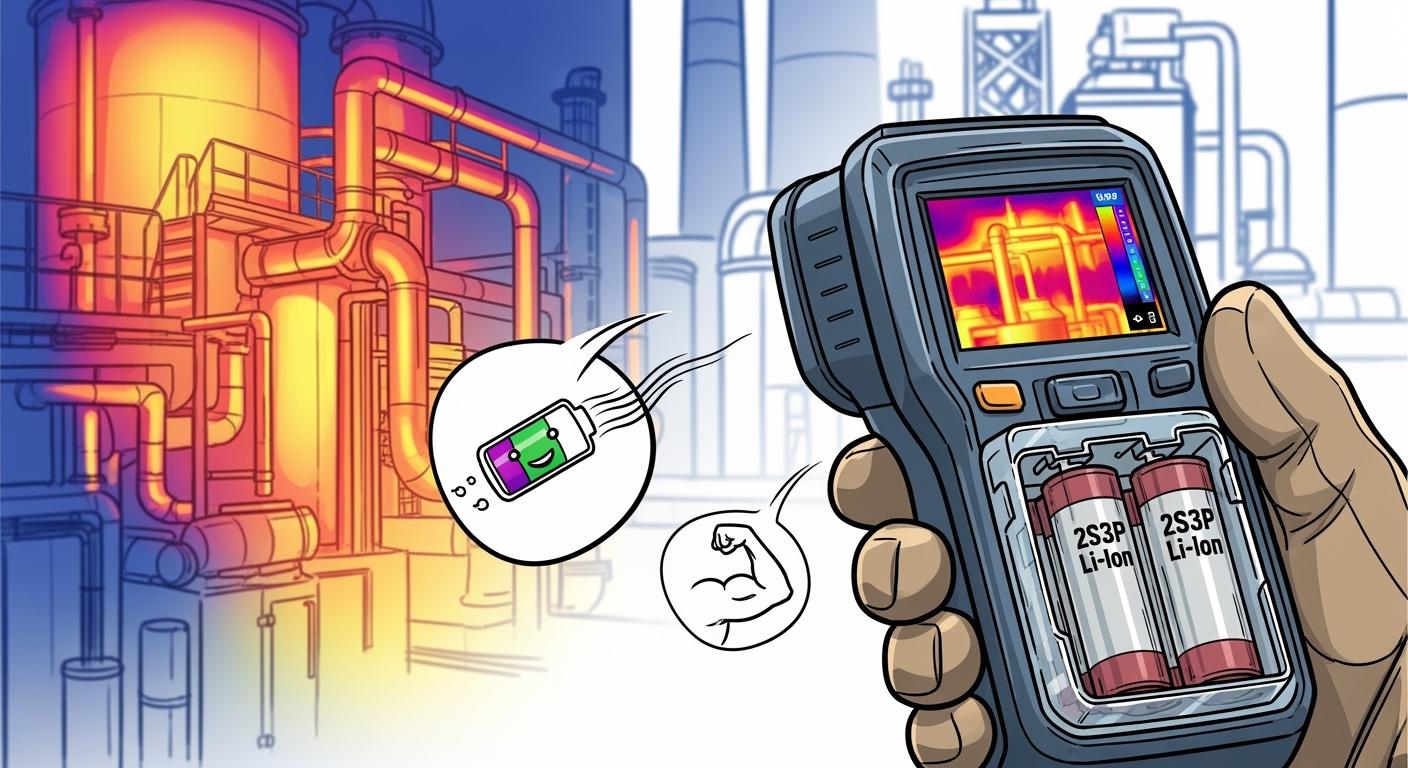
You depend on handheld thermal imagers to deliver accurate data during long industrial inspections. A 2S3P Li-ion battery pack can provide more than eight hours of operation, helping you work without interruptions. Battery configuration matters for reliability and consistent performance, especially in demanding industrial applications. With the right custom pack design, you can reduce downtime and maintain inspection productivity.
Key Takeaways
Choose 2S3P Li-ion packs for handheld thermal imagers to achieve over 8 hours of uninterrupted runtime during inspections.
Understand the benefits of lithium batteries, including reduced maintenance and faster charging, which enhance device reliability.
Select battery packs based on voltage, capacity, and safety features to ensure compatibility with your thermal imager and operational needs.
Regularly inspect and maintain your battery packs to extend their life and improve the reliability of your thermal imaging devices.
Prioritize high-quality battery solutions to minimize downtime and maximize productivity in demanding industrial environments.
Part 1: Power Needs of Handheld Thermal Imagers
1.1 Industrial Inspection Demands
You use handheld thermal imagers in environments that demand both accuracy and endurance. These devices must operate for long hours, often in challenging conditions like factories, refineries, or outdoor sites. You need a tool that feels comfortable in your hand and stands up to dust, moisture, and rough handling. The table below shows the main features you find in modern handheld thermal imagers:
Feature | Description |
|---|---|
Ergonomic Design | Non-slip grip, intuitive button layout, balanced weight, and tiltable screen for user comfort. |
Durability and IP Ratings | IP54, IP65, and IP67 ratings for dust and water resistance, ensuring reliability in industrial settings. |
Advanced Features | Laser pointer, Wi-Fi/Bluetooth connectivity, cloud integration, measurement tools, and long battery life. |
You rely on these features to complete inspections efficiently. Long battery life is not just a convenience—it is essential for uninterrupted work and accurate data collection.
1.2 Battery Choice Impact
The battery pack you choose directly affects the performance and reliability of your handheld thermal imagers. Lithium battery packs, such as those using LiFePO4 or NMC chemistries, offer several advantages over some traditional batteries. The table below compares key factors:
Feature | Lithium Batteries | Traditional Batteries |
|---|---|---|
Energy Density | Up to 250 Wh/kg | Limited energy density |
Cycle Life | Exceeds 2,000 cycles | Shorter cycle life |
Maintenance Needs | Reduced by up to 75% | Higher maintenance requirements |
Charging Time | Quicker charging | Slower charging |
Operational Efficiency | Enhanced due to quick power transitions | Limited efficiency |
You benefit from reduced maintenance, faster charging, and longer device life. Advanced battery management systems in lithium packs monitor voltage and temperature, which helps prevent hazards and ensures safe operation. When you select the right battery, you keep your inspections running smoothly and minimize downtime.
Part 2: 2S3P Li-ion Pack Advantages
2.1 Series and Parallel Explained
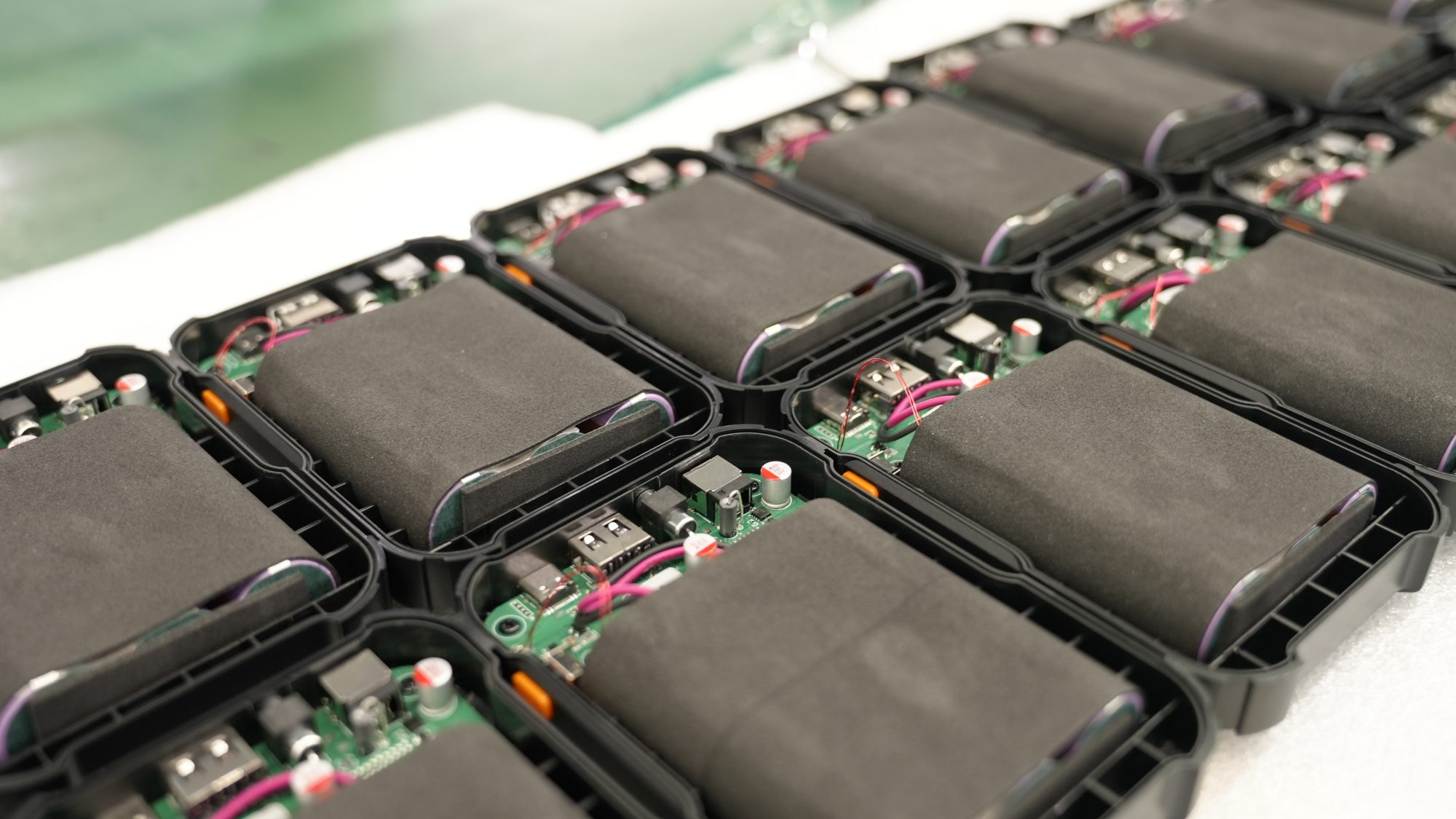
You need to understand how the 2S3P configuration works to appreciate its benefits. In a 2S3P lithium-ion pack, two cells connect in series, and three sets of these pairs connect in parallel. This design combines the strengths of both series and parallel wiring.
Series connection increases the voltage. For example, two 3.7V cells in series provide 7.4V, which matches the requirements of most handheld thermal imagers.
Parallel connection increases the capacity. Three parallel strings allow you to triple the available current and energy storage.
This configuration gives you a battery pack that balances voltage and capacity. You get enough power to run advanced features like Wi-Fi, Bluetooth, and high-resolution imaging without frequent recharging. The 2S3P design also supports high discharge currents, which is important for industrial devices that need stable performance under load. You see this approach used in medical equipment, robotics, security systems, infrastructure monitoring, and other industrial applications where reliability is critical.
2.2 Voltage, Capacity, and Runtime
You want your handheld thermal imagers to last through long shifts. The 2S3P lithium-ion pack delivers the right combination of voltage and capacity for extended runtime. Here is how the numbers add up:
Feature | Description |
|---|---|
Voltage | 7.2V – 7.4V (ideal for most industrial devices) |
Capacity | 6000mAh – 8400mAh (supports 8+ hours of continuous use) |
Energy | 44.4Wh (ample energy for advanced features and long inspections) |
Cycle Life | >500 cycles (reduces replacement costs and downtime) |
Energy Density | High (stores more energy in a compact, lightweight pack) |
Self-Discharge Rate | Low (maintains charge during standby periods) |
You benefit from a lightweight battery pack that does not add unnecessary bulk to your device. The compact design reduces operator fatigue, which is important during long inspections in factories, refineries, or infrastructure sites. You can rely on consistent power output, even when using advanced features or working in harsh environments.
The long cycle life means you replace batteries less often, which lowers your total cost of ownership. You also avoid unexpected shutdowns, so you can focus on collecting accurate data. This makes the 2S3P lithium-ion pack a smart choice for industrial handheld thermal imagers and other professional tools.
2.3 Reliability and Safety
You need a battery pack that keeps your team safe and your devices running. The 2S3P lithium-ion pack includes multiple safety features to protect against electrical and mechanical risks. The table below summarizes the main safety elements:
Safety Feature | Description |
|---|---|
Durable Protective Enclosure | Impact-resistant casing shields cells from drops, moisture, and dust. |
Monitors voltage, prevents overcharge/discharge, balances cells, and protects against overcurrent. | |
High-Grade Internal Components | Uses reputable manufacturers for reliable, consistent battery cells. |
Proper Cell Matching | Ensures even current sharing and prevents early failure. |
Quality Welding and Interconnects | Spot welding with nickel strips reduces fire risk and improves efficiency. |
Sourcing from Trusted Suppliers | Guarantees safety certifications and avoids counterfeit products. |
Regular Maintenance and Inspection | Periodic checks for wear and damage keep packs safe. |
Compliance with Safety Standards | Follows guidelines from safety organizations for safe handling and installation. |
You can trust these packs in demanding environments. The battery management system (BMS) plays a key role by monitoring each cell and balancing the charge. This prevents overheating, overcharging, and deep discharge, which are common causes of battery failure.
You also benefit from the use of advanced lithium chemistries like LiFePO4, NMC, LCO, and LMO. These chemistries offer high energy density, long cycle life, and stable performance. You see these safety and reliability features in industries such as medical, robotics, security, and infrastructure, where device uptime and operator safety are top priorities.
Tip: Schedule regular maintenance and inspection of your battery packs. This simple step helps you catch wear or damage early and extends the life of your handheld thermal imagers.
Part 3: Comparing Battery Solutions
3.1 2S3P vs Other Configurations
You need to select a battery solution that matches the demands of industrial inspections. The 2S3P lithium-ion pack stands out because it balances voltage, capacity, and reliability. Other configurations, such as single-cell or smaller parallel packs, often fall short in runtime and performance. Larger battery formats like the EN-EL18 outperform smaller batteries over time. Higher mAh ratings contribute to better capacity retention and operational longevity. Smaller batteries degrade faster under intensive use, which means you replace them more often.
The table below compares common battery types used in industrial thermal imaging devices:
Battery Type | Capacity (mAh) | Performance Characteristics |
|---|---|---|
Nikon EN-EL18a | 2500 | Standard performance |
Watson | 2600 | Higher capacity, better longevity |
Wasabi | 2800 | Extended runtime, superior heat dispersion |
2S3P Li-ion Pack | 6000–8400 | Long runtime, stable output, high reliability |
You see that the 2S3P Li-ion pack delivers much higher capacity and more stable performance. Premium battery cells from specialized producers offer superior reliability. Manufacturers source cells carefully to ensure consistent operation in demanding environments.
When you compare lithium battery chemistries, you notice differences in platform voltage, energy density, and cycle life:
Chemistry | Platform Voltage | Energy Density (Wh/kg) | Cycle Life (cycles) |
|---|---|---|---|
LiFePO4 | 3.2V | 90–120 | 2000+ |
NMC | 3.7V | 150–220 | 1000–2000 |
LCO | 3.7V | 150–200 | 500–1000 |
LMO | 3.7V | 100–150 | 300–700 |
You benefit from choosing the right chemistry for your application. LiFePO4 offers long cycle life and stable performance. NMC provides high energy density and balanced longevity. LCO and LMO suit applications where high discharge rates are needed, but they have shorter cycle lives.
3.2 Cost and Maintenance Factors
You must consider cost and maintenance when selecting a battery pack. The 2S3P Li-ion pack reduces replacement frequency because of its high cycle life. You spend less on maintenance and avoid frequent downtime. Premium cells last longer and maintain capacity better, which lowers your total cost of ownership.
You save time by using packs with advanced battery management systems.
You minimize risk by choosing packs with durable enclosures and quality welding.
You reduce operational costs by selecting batteries with higher mAh ratings.
Note: Regular inspection and maintenance extend battery life and improve device reliability. You ensure safe operation by following industry standards and sourcing from trusted suppliers.
You see that investing in a high-quality 2S3P Li-ion pack pays off in both performance and cost savings. You keep your thermal imagers running longer and avoid unexpected failures during critical inspections.
Part 4: Real-World Benefits & Selection Guide

4.1 Consistent Performance in Inspections
You see the impact of 2S3P Li-ion packs in real industrial settings. Maintenance teams use handheld thermal imagers powered by these packs to inspect electrical panels in factories. You can complete a full shift without swapping batteries. Field engineers rely on the same configuration for pipeline inspections. You avoid interruptions and collect accurate thermal data. Security professionals use thermal imagers with 2S3P packs to monitor large facilities. You benefit from stable voltage and long runtime, even when using advanced features like wireless data transfer.
Tip: You improve productivity by choosing battery packs that match your inspection schedule. You reduce downtime and avoid missed readings.
You notice that rugged battery enclosures protect against dust and moisture. You work confidently in harsh environments. Battery management systems keep your devices safe and reliable. You trust your equipment to deliver consistent results every day.
4.2 Choosing the Right Battery Pack
You select battery packs based on your inspection needs. You consider voltage, capacity, and runtime. You check compatibility with your thermal imager. You look for packs with high cycle life and low self-discharge rates. You review safety features and certifications.
Standard | Description |
|---|---|
IEC 62133 | Global safety standard for lithium batteries |
UN38.3 | Transport safety regulations |
IEC 60601-1 | Standards for medical electrical equipment |
ISO 13485 | Quality management for medical devices |
RoHS/REACH | Environmental compliance requirements |
You ensure your battery packs meet these standards. You protect your team and your investment. You choose lithium chemistries like LiFePO4 or NMC for long cycle life and high energy density. You avoid packs from unverified suppliers.
You match battery capacity to your inspection duration.
You select rugged packs for outdoor or industrial sites.
You verify certifications for safety and transport.
Note: You support sustainability by choosing packs from manufacturers who follow environmental standards.
You make informed decisions. You keep your inspections efficient and reliable.
You gain a clear advantage by choosing 2S3P Li-ion packs for handheld thermal imagers. These packs deliver extended runtime, high energy density, and reliable performance in industrial inspections. The table below highlights how 2S3P Li-ion packs outperform other battery solutions:
Advantage | 2S3P Li-ion Packs | Other Battery Solutions |
|---|---|---|
Voltage and Capacity | Optimal balance | Often less efficient |
Energy Density | High | Lower |
Durability | Enhanced | Varies |
Cycle Life | 500–1000+ cycles | Lower |
Prioritize battery configuration to ensure your inspections remain efficient and uninterrupted.
FAQ
What does 2S3P mean in lithium battery packs?
2S3P lithium battery pack uses two cells in series and three cells in parallel. This configuration increases voltage and capacity, giving handheld thermal imagers reliable power for long industrial inspections.
How does a Battery Management System (BMS) improve safety?
BMS monitors voltage, balances cells, and helps prevent overcharge, over-discharge, and thermal risks. This improves safety and reliability in demanding inspection equipment.
Which lithium battery chemistry suits industrial inspections best?
You can choose LiFePO4 batteries for long cycle life and stable performance, or lithium-ion/NMC packs for higher energy density. The best option depends on runtime, weight, temperature, and device power demand.
How do you ensure battery packs meet sustainability standards?
You select packs from manufacturers who follow environmental guidelines.
Why should you avoid packs with conflict minerals?
You protect your business reputation by choosing packs certified conflict-free. Responsible sourcing supports ethical supply chains and meets global compliance standards.


