

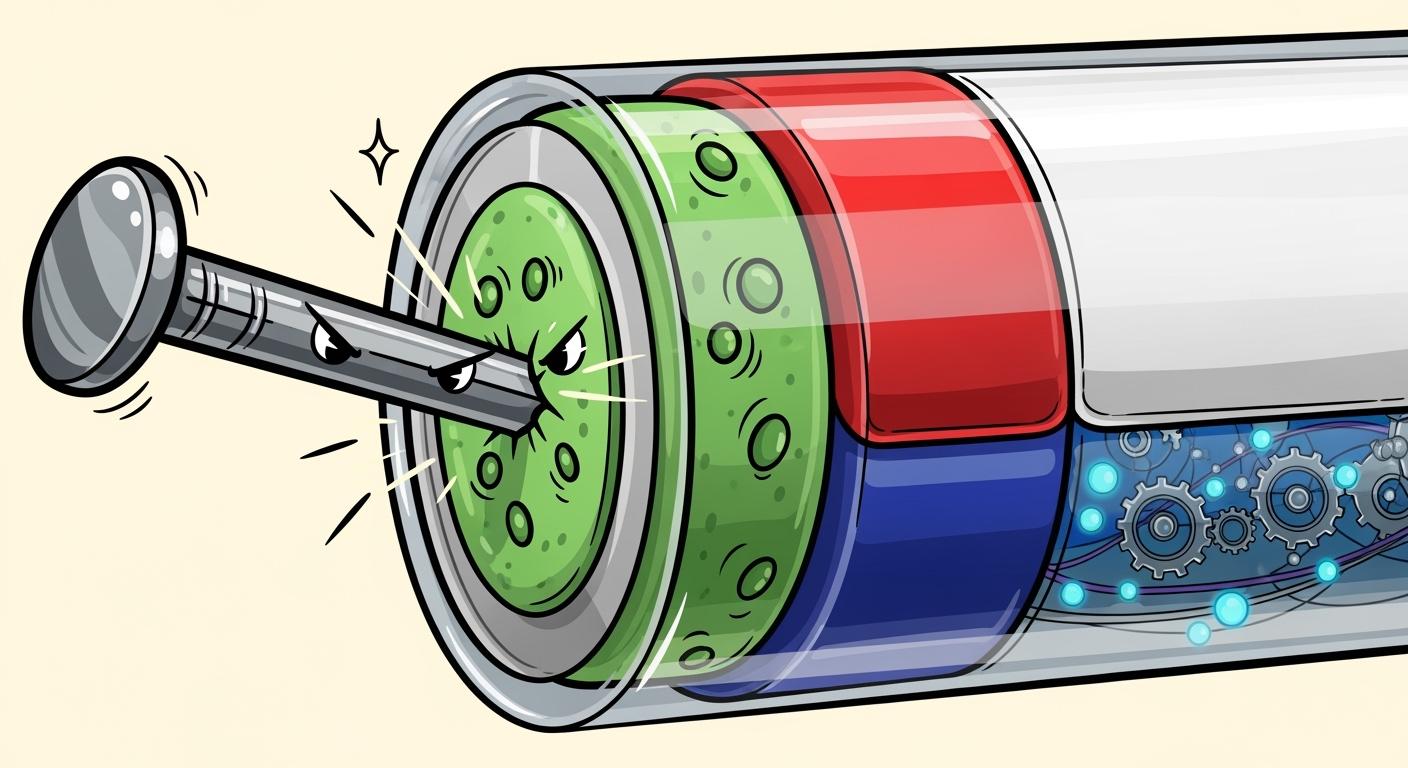
You face increasing demands for Lithium Battery Safety as battery packs power more critical applications. Advanced safety designs now help you reduce nail penetration hazards by using solid-state electrolytes, ceramic separators, and reinforced casings. Recent tests show that cells with solid polymer electrolytes, like Nuvvon’s, can pass nail penetration tests without ignition, while conventional liquid electrolytes often explode instantly. These improvements reflect how the industry adapts to tougher standards, such as larger nail sizes, to ensure safer battery performance.
Key Takeaways
Solid-state electrolytes enhance lithium battery safety by preventing fires during nail penetration, making them ideal for critical applications.
Advanced separators, like ceramic-coated designs, improve resistance to thermal runaway, ensuring safer operation in demanding environments.
Reinforced casings protect battery cells from punctures and impacts, crucial for applications in transportation and industrial automation.
Implementing effective thermal management systems helps control heat and prevent fires, increasing overall battery safety.
Meeting strict safety standards through rigorous testing builds trust and ensures compliance, essential for market acceptance.
Part1: Nail Penetration Hazards in Lithium Battery Safety
1.1 Failure Mechanisms: Thermal Runaway and Short Circuits
You need to understand why nail penetration poses a serious risk to lithium battery packs. When a sharp object like a nail pierces a cell, it can trigger a chain of dangerous events. Here’s how the process unfolds:
The nail first touches the cathode, causing a short circuit with the copper foil and anode. The high resistance at this stage means heat builds up slowly.
As the nail reaches the aluminum foil, resistance drops sharply. This leads to a sudden surge in current, rapid heat generation, and a spike in temperature. The aluminum foil may rupture.
When the nail goes deeper, resistance increases again, so current and heat drop. However, the heat already generated can cause further temperature peaks, which may result in thermal runaway.
Thermal runaway means the cell’s temperature rises uncontrollably, often leading to fire or explosion. You can see why this is a top concern for Lithium Battery Safety.
1.2 Impact on Battery Packs and Industrial Applications
Nail penetration tests help you evaluate the safety of lithium battery packs, especially in industrial environments where mechanical stress is common. High-density cells, such as those in NMC Lithium battery or LiFePO4 Lithium battery packs, face greater risks during these tests. Manufacturing quality and strict safety standards play a key role in preventing severe failures.
Design choices also matter. For example, a metallized polymer current collector can isolate internal short circuits during nail penetration, improving operational reliability. In one study, this design kept the battery safe during radial nail penetration, while traditional metal collectors failed immediately. This shows that your choice of components directly affects the safety and reliability of battery packs in demanding applications.
1.3 Importance of Resistance for Safety Compliance
You must meet strict safety standards to ensure Lithium Battery Safety. Nail penetration resistance is a critical part of compliance. Recent test protocols have evolved to use more realistic materials, such as bovine hoof sheets, which mimic human nails better than older methods. The thickness of these sheets has increased from 100 µm to 400 µm, making the tests more accurate and relevant for real-world conditions.
Note: Scientific studies now use advanced sensing and analysis to track temperature and voltage changes during nail penetration. These methods help you understand how different designs respond to internal short circuits and thermal runaway, guiding you toward safer battery pack solutions.
Part2: Technologies for Nail Penetration Resistance
2.1 Advanced Electrolytes: Solid-State and Flame Retardants
You can significantly improve Lithium Battery Safety by choosing advanced electrolytes. Solid-state electrolytes have transformed the way battery packs handle mechanical abuse, especially nail penetration. These materials offer several advantages:
Solid electrolytes remain stable at high temperatures and do not catch fire, even under severe stress.
They do not release gases when exposed to heat or pressure, which removes a major cause of explosions in traditional batteries.
The solid structure blocks the growth of dendrites, which often cause internal short circuits in liquid-based batteries.
When a nail penetrates a solid-state battery, the heat and short circuit stay localized, preventing damage from spreading.
In transportation infrastructure, such as electric buses using NMC Lithium battery packs, solid-state electrolytes reduce the risk of fire during accidents.
Flame retardant additives in liquid electrolytes also play a vital role. Leclanché’s research shows that adding these chemicals can cut the risk of thermal events by 80%. The additive does not affect battery performance but lowers the chance of fire during nail penetration. Intertek Germany validated these results, confirming that batteries with flame retardants perform better in standard nail penetration tests. You can apply these solutions in security systems and industrial backup power, where fire risk must stay minimal.
2.2 Separator Innovations: Ceramic and Shutdown Designs
You can further enhance Lithium Battery Safety by selecting advanced separator technologies. Ceramic-coated separators stand out in nail penetration tests. They keep their shape and resist melting, which prevents thermal runaway. For instance, ceramic-coated separators achieve a Hazard Level of just 2, showing much better safety than traditional polymer separators that often fail under heat. Lipower’s solid-state battery packs use these separators to isolate faults, stopping chain reactions and improving safety in consumer electronics and industrial automation.
Shutdown separator designs add another layer of protection. These separators contain special coatings that react to heat. When a nail penetrates the cell and the temperature rises, the coating releases a flame retardant and blocks the flow of current. This action stops thermal runaway before it starts.
Separator Type | Maximum Temperature (°C) | Description |
|---|---|---|
Commercial PE | 72.3 | Rapid temperature surge during nail penetration test |
PE with DMTP coating | 37.2 | Significant reduction in temperature, releases flame retardant |
In tests, most bare cells ignited after nail penetration. However, none of the cells with a safety reinforced layer caught fire. Voltage readings also showed that these reinforced cells recovered quickly, while bare cells dropped to zero, indicating a short circuit. You can use these separators in battery packs for robotics and medical equipment, where reliability is critical.
2.3 Structural Design: Reinforced Casings and Pressure Relief
You can boost the mechanical strength of lithium battery packs by using reinforced casings. Manufacturers use advanced alloys, composite materials, and high-strength polymers to protect cells from punctures and impacts. These materials provide a balance between weight and durability, which is important for applications in transportation and industrial automation.
Material Type | Description |
|---|---|
Advanced Alloys | Superior mechanical strength, corrosion resistance, and thermal stability |
Composite Materials | Balance between weight and durability, often with fiber-reinforced composites |
High-Strength Polymers | Enhanced impact resistance and dimensional stability throughout the battery’s lifecycle |
Structural Features | Shock-absorbing layers, protective frames, and energy-dissipating elements for added protection |
You can find these reinforced casings in battery packs for electric vehicles, security systems, and critical infrastructure. Pressure relief mechanisms, such as venting systems, help release internal pressure safely if a nail penetrates the cell. This prevents the battery from bursting or catching fire, further improving Lithium Battery Safety.
2.4 Fire Suppression and Thermal Management
You can manage heat and prevent fires by integrating advanced thermal management systems into your battery packs. These systems include cooling devices, heat dissipation structures, and temperature sensors. They work together to keep the battery at a safe temperature, even during a nail penetration event.
Cooling mechanisms, such as liquid cooling circuits, remove excess heat quickly.
Phase change materials absorb heat and delay temperature spikes.
Temperature monitoring devices alert you to abnormal conditions, allowing for rapid response.
The integration of these systems is complex. Cooling solutions must work with electrical connections and safety features, especially in large battery packs for industrial and transportation uses. In medical and consumer electronics, compact thermal management solutions ensure devices stay safe without adding bulk.
Tip: For even greater safety, combine thermal management with a robust battery management system (BMS).
By applying these technologies, you can meet strict safety standards and reduce the risk of fire or explosion in a wide range of lithium battery pack applications.
Part3: Comparing Resistance Technologies
3.1 Nail Penetration Test Results
You can use nail penetration tests to compare how different lithium battery technologies respond to severe mechanical abuse. These tests show clear differences in safety performance:
Nail penetration causes less mass loss than overcharge tests.
The event produces gases like ethylene (C2H4) and carbon dioxide (CO2), but less total vent gas than overcharge.
Some battery types pass nail penetration tests without fire or explosion, while others fail.
Gas emission rates depend on the trigger: overcharge (2.8 l Ah−1), overtemperature (1.6 l Ah−1), and nail penetration (1.7 l Ah−1).
Gas composition changes with the test, with nail penetration producing more C2H4 and CO2.
You can see these results in battery packs for electric vehicles, energy storage, and industrial automation, where safety is critical.
3.2 Effectiveness and Limitations
You should compare solid-state and liquid electrolyte lithium batteries to understand their strengths and weaknesses in Lithium Battery Safety. The table below summarizes key differences:
Response Parameter | Liquid Li-ion Battery | Solid-State Battery |
|---|---|---|
Voltage Drop | Immediate to 0V (short) | Gradual decline or partial retention |
Temperature Rise | 300-600°C in 10-60 seconds | 40-80°C localized, no runaway |
Gas Generation | Significant (CO, CO₂, H₂, hydrocarbons) | Minimal to none |
Fire/Explosion | High probability (60-90% of cases) | Zero incidents in lab tests |
Smoke Production | Dense black smoke | None or minimal white vapor |
Solid-state batteries show much higher resistance to nail penetration. You get lower temperature rise, less gas, and no fire or explosion. However, these batteries may cost more and have lower energy density in some designs. Liquid electrolyte batteries offer high energy but have greater risk during mechanical abuse.
3.3 Suitability for Battery Pack Designs
You should choose the right technology based on your application needs. Solid-state batteries work well in medical devices, robotics, and critical infrastructure, where safety is the top priority. Liquid electrolyte batteries, such as NMC Lithium battery or LiFePO4 Lithium battery, fit high-energy applications but require extra safety features.
Tip: Always match your battery pack design to the safety requirements of your industry. For example, use reinforced casings and advanced separators in electric buses or grid storage to improve Lithium Battery Safety.
Part4: Standards, Testing, and Future Trends in Lithium Battery Safety
4.1 Nail Penetration Test Protocols
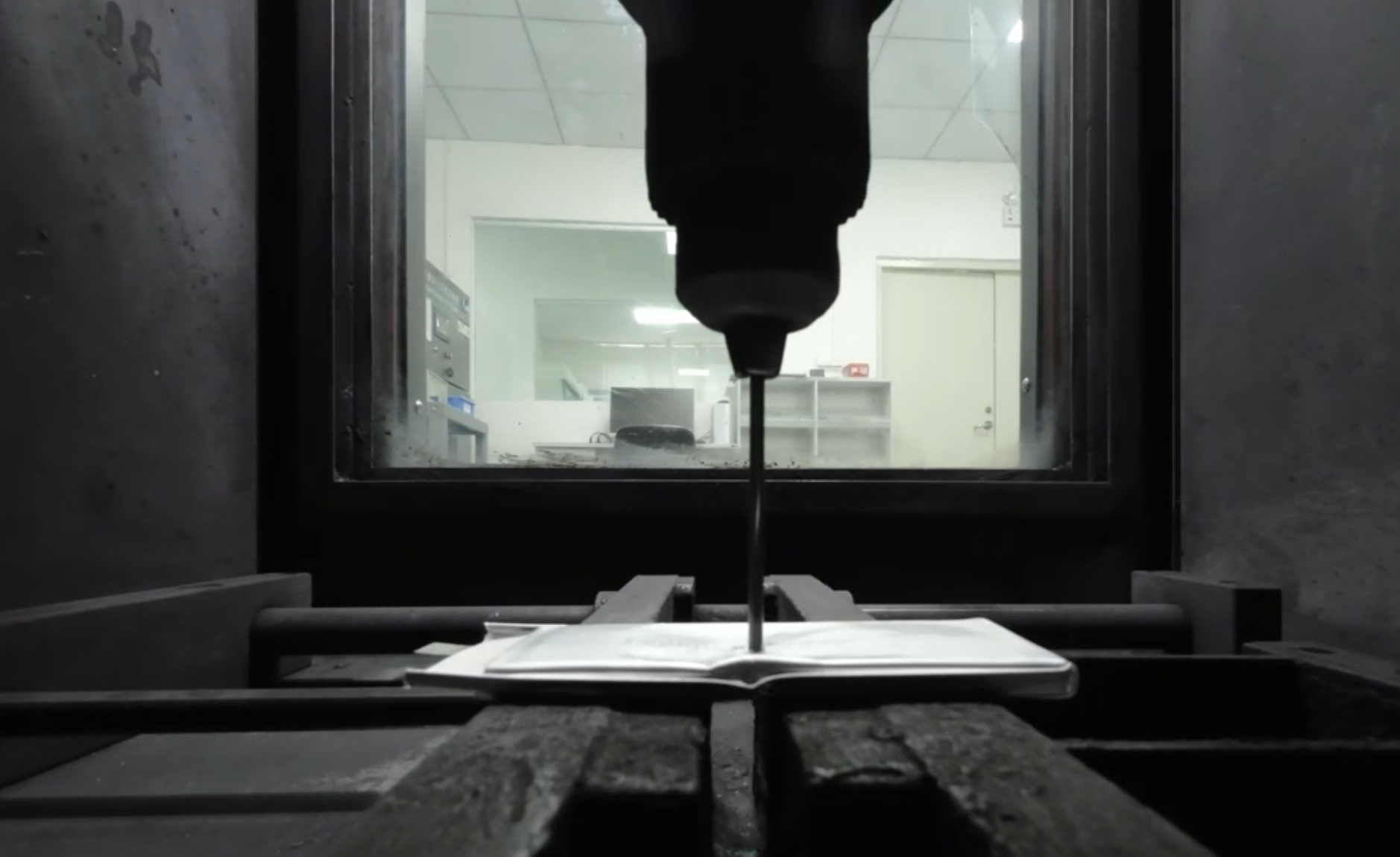
You need to understand how nail penetration resistance is measured in lithium battery packs. Test protocols use a controlled environment to drive a steel nail into a charged cell. The test records temperature, voltage, and gas emissions. You can see if the cell catches fire, explodes, or remains stable. Independent labs often conduct these tests to ensure unbiased results. The latest protocols use larger nails and thicker materials to better simulate real-world hazards. These changes help you evaluate the true safety of your battery packs and reduce fire risk.
4.2 Certification and Industry Standards
You must meet strict certification requirements to sell lithium battery packs in most markets. Standards like UL 1642, IEC 62133, and UN 38.3 set the rules for nail penetration resistance. These standards define the test methods, pass/fail criteria, and reporting procedures. You need to provide test data from certified labs to prove compliance. Passing these tests shows your battery packs meet global safety expectations. Many industries, such as transportation and energy storage, require these certifications before they allow your products on site. Certification also builds trust with your customers and partners.
4.3 Emerging Materials and Design Strategies
You will see rapid changes in battery design as new materials and technologies emerge. Advanced materials, such as solid-state electrolytes and ceramic separators, improve safety during nail penetration events. Improved thermal management systems help control heat and prevent fires. Real-time monitoring technologies now track temperature and voltage inside each cell. These systems alert you to problems before they become dangerous. Future test methods will use advanced simulations to predict failures more accurately. Research teams continue to develop new chemistries and structures to address the toughest safety challenges. As battery technology evolves, you must adapt your safety testing and design strategies to keep up with new risks and standards. This approach helps you maintain high levels of Lithium Battery Safety in every application.
You have seen how solid-state electrolytes, ceramic separators, and reinforced casings improve Lithium Battery Safety. These technologies help you prevent fires and protect your battery packs from nail penetration hazards. Recent advancements show that ongoing innovation is essential for safer energy storage.
Tip: Always choose battery packs with proven safety features for your business. This approach protects your operations and builds trust with your partners.
FAQ
What makes a lithium battery pack nail penetration resistant?
You gain nail penetration resistance from solid-state electrolytes, ceramic separators, and reinforced casings. These technologies prevent internal short circuits, block thermal runaway, and reduce fire risk in LiFePO4 Lithium battery, NMC Lithium battery, and other chemistries.
How do nail penetration tests differ from other safety tests?
You see nail penetration tests simulate mechanical abuse by piercing cells with a steel nail. Overcharge and overtemperature tests focus on electrical and thermal stress. Nail penetration tests reveal how battery packs handle real-world puncture hazards.
Which lithium battery chemistries offer the best nail penetration safety?
You find solid-state NMC Lithium battery and LiFePO4 Lithium battery packs provide superior nail penetration resistance. These chemistries use advanced electrolytes and separators, minimizing fire risk and gas generation compared to LCO Lithium battery or LMO Lithium battery.
Why do battery packs need pressure relief mechanisms?
You need pressure relief mechanisms to safely vent gases if a nail penetrates the cell. This feature prevents explosions and fire, protecting your equipment and ensuring compliance with safety standards in industrial applications.
Can you retrofit older battery packs with nail penetration safety features?
You can upgrade some older battery packs by adding reinforced casings or advanced separators. However, you may not achieve full nail penetration resistance without redesigning the pack with modern materials and safety technologies.


