

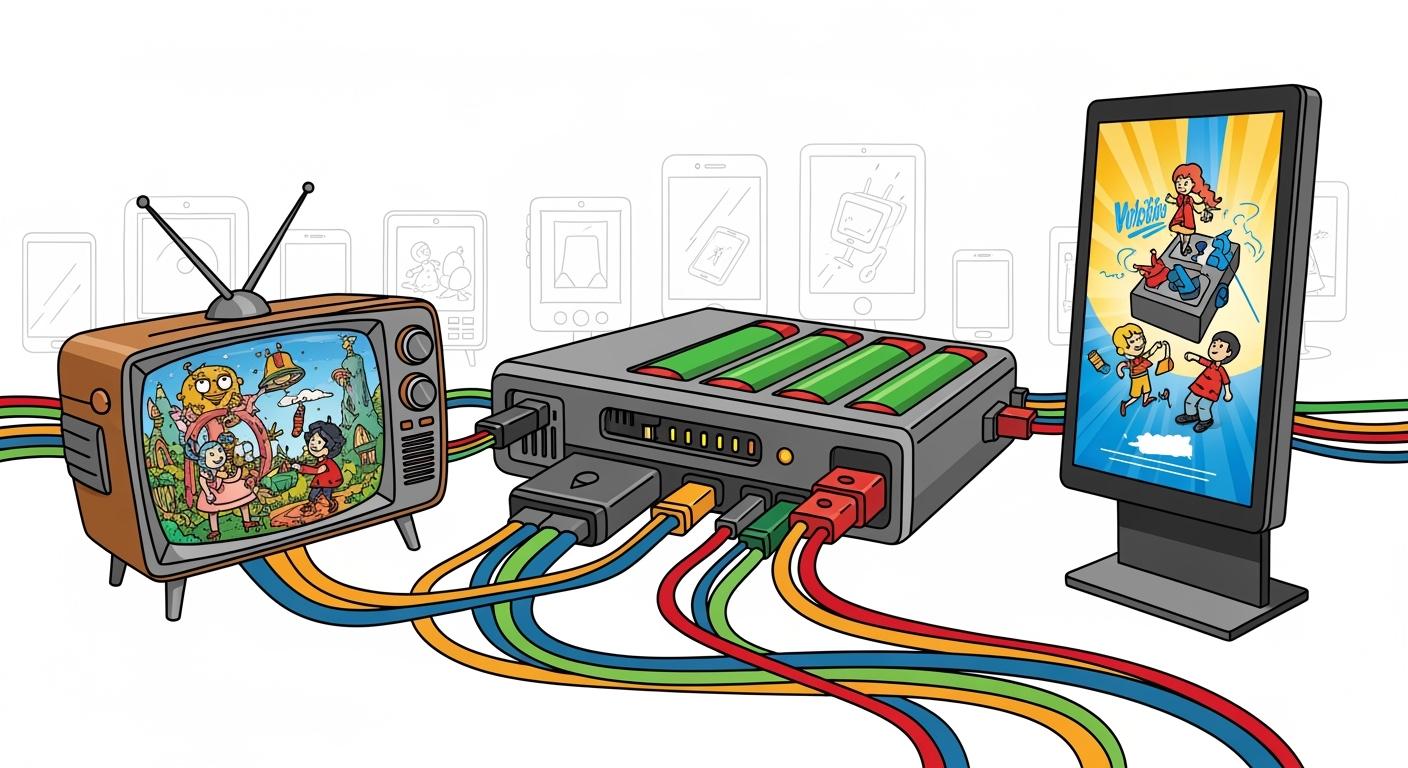
You need power solutions that keep portable TVs and advertising screens running without interruption. OEM Battery Pack Solutions give you custom lithium battery packs that match your device’s needs. You get reliable performance, lightweight designs, and advanced battery management systems for safety. Custom shapes and high discharge rates help your displays stay mobile and efficient. You face challenges like continuous use and easy transport, but the right battery pack design helps you overcome them.
Key Takeaways
Choose the right lithium battery pack to match your mobile display device’s energy needs for uninterrupted performance.
Prioritize lightweight battery options to enhance portability and user comfort in various commercial settings.
Select battery packs with robust protection features to ensure reliable operation in challenging outdoor environments.
Customize battery pack designs to fit unique device shapes, optimizing integration and performance for portable displays.
Implement advanced battery management systems to enhance safety, extend battery life, and ensure efficient operation.
Part1: Power Needs for Mobile Display Devices
1.1 Energy Demand and Runtime
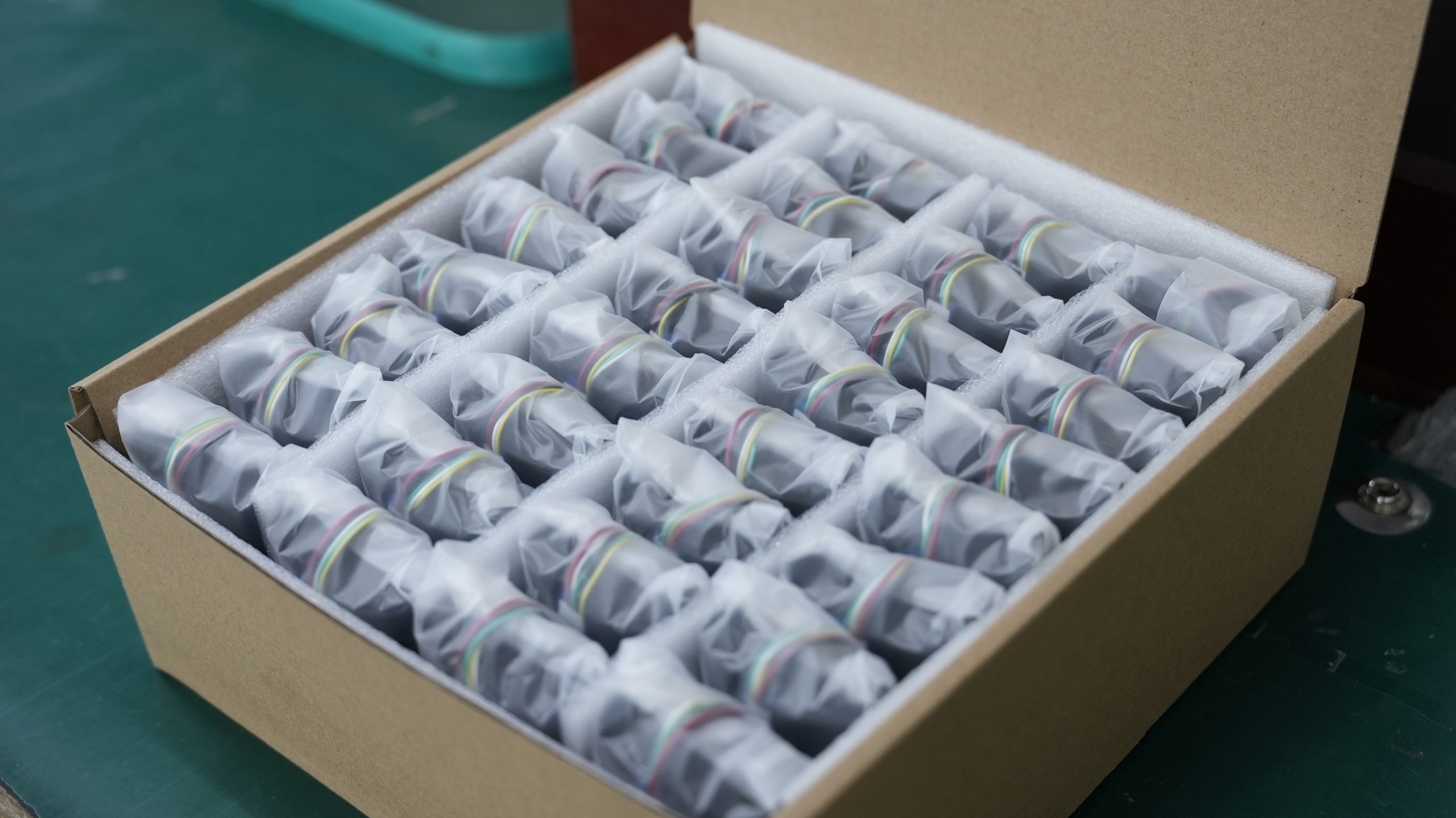
You need to understand the energy requirements of your mobile display devices. Portable TVs and advertising screens often operate for extended periods, especially in commercial environments like retail, transportation, or outdoor events. High-definition displays and LED panels demand consistent power to maintain brightness and clarity. You must select lithium battery packs with sufficient capacity to support long runtimes. If your device runs for several hours without access to mains power, you should prioritize battery solutions that deliver stable voltage and high energy density. OEM Battery Pack Solutions help you match the battery capacity to your device’s operational needs, ensuring uninterrupted performance.
1.2 Portability and Weight
You must consider battery weight when designing mobile display devices. Lighter batteries make your devices easier to transport and deploy in various commercial settings, such as medical equipment or mobile robotics. If you use heavier batteries, you may experience reduced usability and comfort. Excessive weight can lead to user fatigue, especially in handheld or portable applications. You should choose lithium battery chemistries like NMC or LiFePO4, which offer high energy density and lower weight. This approach improves portability and enhances user experience in B2B scenarios.
Tip: Always balance battery capacity with weight to optimize both runtime and portability.
1.3 Environmental Factors
You must address environmental challenges when deploying mobile display devices outdoors. Factors like sunlight, temperature, humidity, and weather conditions can impact battery performance and device reliability. The following table summarizes key environmental influences:
Environmental Factor | Effect on Performance |
|---|---|
Sunlight Exposure | Affects display visibility and battery efficiency. |
Temperature Variations | Can lead to increased failure rates in extreme conditions. |
Weather Conditions | Harsh weather can cause frequent failures. |
High Humidity | Reduces life and stability of LED panels. |
Ultraviolet Rays | Increases brightness attenuation rate significantly. |
Dramatic Temperature Changes | Increases failure rate by 20%-30%. |
Dust and Impurities | Can lead to performance degradation. |
Dampness and Humidity | Affects stability and operation of displays. |
You should select battery packs with robust protection features and waterproofing to ensure stable operation in demanding environments. OEM Battery Pack Solutions can integrate advanced battery management systems to help you mitigate these risks and maintain reliable performance.
Part2: OEM Battery Pack Solutions Design
2.1 Capacity and Voltage
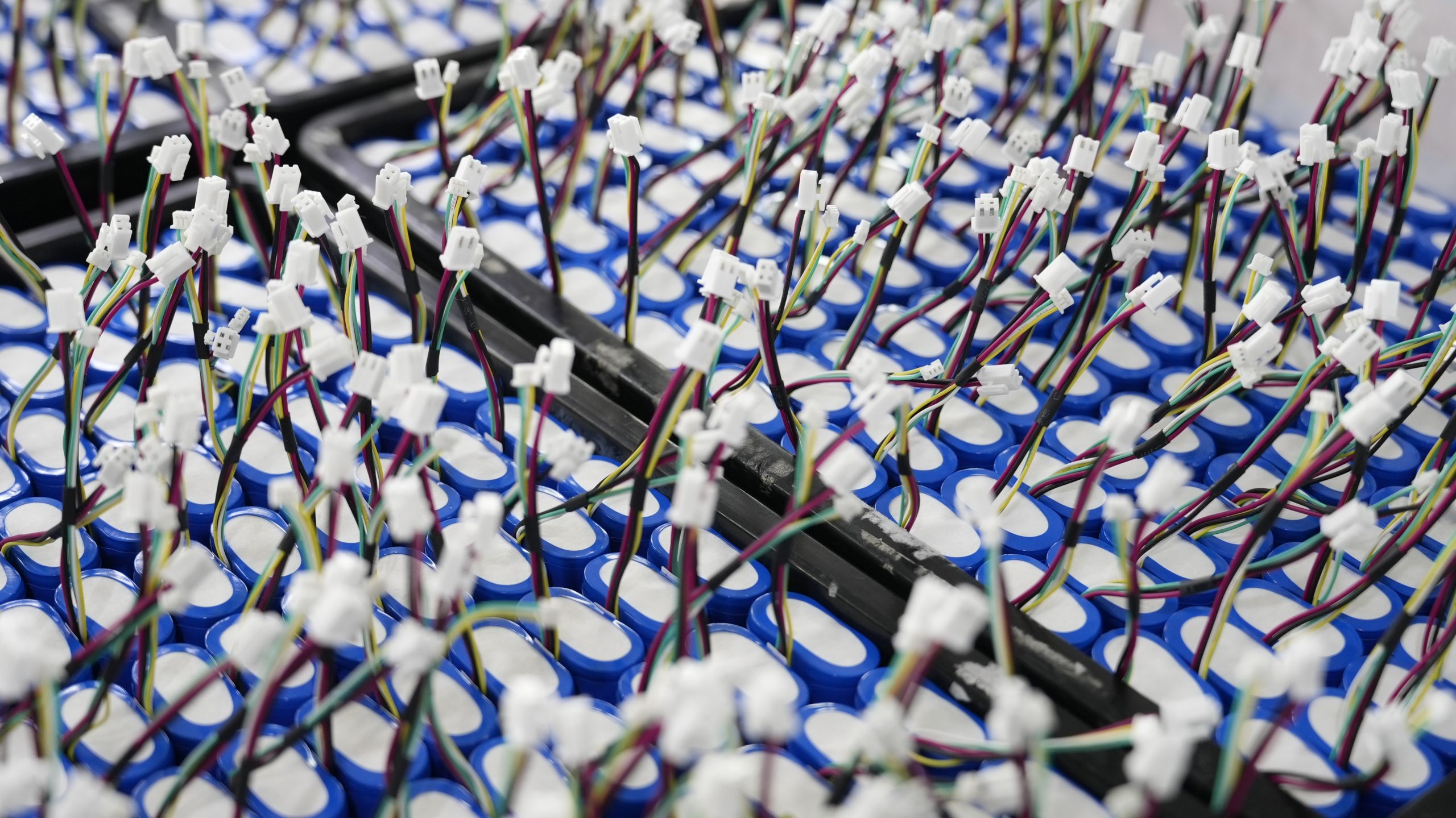
You must select the right capacity and voltage for your mobile display devices to ensure reliable operation. Portable TVs and advertising screens often require high-capacity lithium battery packs to support long runtimes and stable performance. The following table shows typical requirements for these devices:
Battery Type | Capacity (mAh) | Voltage (Wh) | Runtime (hours) |
|---|---|---|---|
Built-in Lithium-ion Battery | 10,000–20,000 | 37–74 | 3–6 |
You should match the battery pack’s capacity to your device’s energy consumption profile. Higher capacity extends runtime but may increase weight. Voltage must align with your device’s electronics to prevent undervoltage lockout or malfunction. OEM Battery Pack Solutions help you balance these factors, ensuring your displays operate efficiently in retail, transportation, and outdoor advertising scenarios.
2.2 Form Factor and Integration
You face unique integration challenges when designing slim, portable display devices. Custom form factors allow you to fit battery packs into tight spaces and unusual shapes, which is essential for ultra-thin advertising screens and compact portable TVs. Consider these benefits of custom form factors:
Tailored designs fit specific mechanical and spatial constraints.
Optimized energy density supports slim device profiles.
Improved thermal management enhances safety and performance.
Customization meets unique voltage and capacity needs for specialized applications.
OEM Battery Pack Solutions offer flexibility in shape and size, making it easier to integrate batteries into your device’s enclosure. This approach supports innovative product designs and helps you maintain a competitive edge in B2B markets.
2.3 Safety and BMS Features
Safety is critical in any lithium battery application. You need advanced battery management systems (BMS) to protect your devices and users. A BMS monitors and controls charge and discharge cycles, preventing overcharging and overheating. This management extends battery life and reduces the risk of failure in advertising screens and portable TVs.
Key BMS features include:
Overcharge protection
Overdischarge protection
Overcurrent protection
Short circuit protection
Thermal management
Cell balancing
State-of-charge (SOC) and state-of-health (SoH) estimation
Communication interfaces for remote monitoring
Control logic and algorithms for safe operation
A robust BMS ensures your battery packs operate safely and efficiently, even in demanding environments. You can learn more about BMS technology and integration at Large Battery’s BMS and PCM page.
Note: A well-designed BMS not only protects against electrical faults but also provides accurate monitoring for proactive maintenance, which is vital for continuous operation in commercial display applications.
2.4 Device Compatibility
You must ensure that your battery pack integrates seamlessly with your device’s electronics. Compatibility issues can lead to malfunctions, reduced performance, or even damage. OEM Battery Pack Solutions address these challenges by customizing voltage, current, and communication protocols to match your device’s requirements.
High discharge rates, often needed for bright displays or rapid refresh rates, can reduce effective battery capacity and generate excess heat. This can trigger undervoltage lockout circuits or shorten battery lifespan. You should work closely with your battery supplier to specify discharge rates that match your application’s needs without compromising safety or longevity.
Tip: Always validate battery pack compatibility with your device’s power management system during the design phase to avoid costly integration issues.
OEM Battery Pack Solutions provide the expertise and flexibility you need to overcome integration challenges, ensuring your mobile display devices deliver reliable performance in every application.
Part3: Battery Technologies and Options
3.1 Lithium-Ion vs. Lithium-Polymer
When you select a battery for mobile display devices, you often choose between lithium-ion and lithium-polymer chemistries. Both options power portable TVs and advertising screens, but they offer different advantages and disadvantages. The table below highlights the main differences:
Battery Type | Main Advantages | Main Disadvantages |
|---|---|---|
Lithium-ion | High energy, long lifespan, affordable | Safety risks, rigid, aging, pollution |
Lithium-polymer | Light, flexible, safer, fast charging | Higher cost, lower energy, shorter lifespan |
Lithium-ion batteries deliver high energy density, which means your devices can run longer between charges. However, they use rigid cells and may pose safety risks if damaged. Lithium-polymer batteries provide lightweight and flexible designs, making them ideal for slim or custom-shaped displays. They also charge quickly and have a low self-discharge rate, but you may notice a shorter lifespan and higher cost.
Note: Pressure ventilation and flame-retardant electrolytes in pouch cells help prevent explosions and fires, improving safety for both chemistries.
3.2 Alternative Chemistries
You can explore several alternative battery chemistries for mobile display applications. These options may offer benefits for specific B2B scenarios:
Lithium-sulfur batteries: Can power devices for up to five days on a single charge.
Lithium-silicon batteries: Boost performance by up to 40% compared to standard lithium-ion.
Manganese-titanium electrodes: Enhance performance and reduce reliance on nickel and cobalt.
Aqueous batteries: Use water-based electrolytes, making them nonflammable and nontoxic.
Sodium-ion and potassium-based batteries: Provide non-lithium alternatives with unique benefits.
You may consider these chemistries for future OEM Battery Pack Solutions, especially if your application requires longer runtimes or improved sustainability.
3.3 Pros and Cons for Displays
The following table summarizes key features of lithium-ion and lithium-polymer batteries for mobile display devices:
Feature | Lithium-ion Batteries | Lithium-polymer Batteries |
|---|---|---|
Energy Density | High | Moderate to Low |
Weight | Heavier | Lighter |
Flexibility | Rigid | Flexible |
Safety | Moderate | Enhanced |
Cost | Lower | Higher |
Lifespan | Longer | Shorter |
Self-discharge | Moderate | Very Low |
Charging Speed | Standard | Fast |
Availability | Very Common | Less Common |
You should choose the battery technology that best matches your device’s needs. Lithium-ion batteries work well for applications that require long runtimes and lower costs. Lithium-polymer batteries suit ultra-thin, lightweight, or custom-shaped displays where safety and flexibility matter most.
Part4: Customization and OEM Collaboration
4.1 Custom Pack Design
You need battery packs that fit your device’s unique requirements. OEMs use several approaches to create custom solutions for mobile display devices. The table below shows common methods and their trade-offs:
Approach | Description | Trade-offs |
|---|---|---|
OEM Cell Integration | Modify existing cells for minor adjustments. | Low cost, fast turnaround, limited customization. |
Full-Pack Design | Redesign with new cells and firmware for critical applications. | High upfront cost, essential for specialized needs. |
Label-and-Logo Only | Rebrand generic packs without functional changes. | No performance gain, can be misleading. |
You should choose the method that matches your application scenario, such as ultra-thin advertising screens or rugged portable TVs.
4.2 Communication Protocols
You must ensure your battery pack communicates reliably with your device’s electronics. The most common protocols for mobile display devices include:
Protocol Type | Description |
|---|---|
Serial Communications | Used for simple external communication. |
CAN Bus Communications | Common in automotive and industrial settings. |
Wireless Communications | Supports wireless data transfer and monitoring. |
Selecting the right protocol helps you achieve accurate battery monitoring and control, which is vital for continuous operation in B2B environments.
4.3 Certifications and Compliance
You need to meet strict safety and performance standards for lithium battery packs in portable TVs and advertising screens. Key certifications and compliance requirements include:
UL standards for safety compliance.
IEC 62368-1 for performance in consumer electronics.
Compliance with U.S. electronic product regulations.
Non-compliance can result in fines or recalls.
4.4 Branding and Support
You can strengthen your brand by adding your logo to battery packs and packaging. After-sales support ensures you resolve issues quickly and maintain device uptime. Swappable battery systems allow you to keep your displays running without interruption, which is essential for outdoor advertising or retail kiosks. OEM Battery Pack Solutions provide ongoing support and customization to help you succeed in demanding B2B markets.
Part5: Implementing OEM Battery Pack Solutions
5.1 Selecting the Right Solution
You must define your priorities before choosing a battery pack for your mobile display devices. Safety certification, output protocol, and physical size are non-negotiable factors. For example, medical displays require strict safety standards, while robotics and industrial screens demand robust output protocols. You should request sample firmware logs to verify voltage regulation. This step ensures your portable advertising screens and security system displays operate reliably.
You need to check the authenticity of test reports. Cross-reference certificate numbers with official databases to confirm compliance. Avoid feature stacking traps. Focus on core functionality instead of unnecessary features. Negotiate quality control terms in writing. Specify acceptable quality levels and tolerances for infrastructure and consumer electronics applications.
The table below compares key criteria for selecting battery packs across different sectors:
Sector | Safety Certification | Output Protocol | Physical Size | QC Terms |
|---|---|---|---|---|
Medical | UL, IEC | CAN Bus | Compact | Strict |
Robotics | IEC, UL | Serial | Custom | Moderate |
Security Systems | UL | Wireless | Slim | Strict |
Infrastructure | IEC | CAN Bus | Rugged | Moderate |
Consumer Electronics | UL, IEC | Serial | Ultra-thin | Flexible |
Industrial | UL, IEC | CAN Bus | Custom | Strict |
Tip: Always define your non-negotiables first. This approach helps you avoid costly mistakes and ensures your devices meet operational requirements.
5.2 Testing and Validation
You must follow best practices when testing and validating battery packs for mobile display devices. Safety precautions come first. Wear safety glasses and work on a non-conductive surface. Inspect the battery for visible damage before testing. Diagnostic checks help you confirm voltage and capacity. Use a digital multimeter to ensure the battery operates within safe limits.
You need to conduct performance testing. Charge and discharge cycling measures usable capacity and efficiency. Compliance with industry standards is essential. Medical and industrial displays require rigorous validation to meet regulatory requirements. Robotics and security system screens benefit from thorough testing to ensure reliability in demanding environments.
Safety Precautions: Wear protective gear and inspect batteries.
Diagnostic Checks: Confirm voltage and capacity with a multimeter.
Performance Testing: Conduct charge/discharge cycles.
Compliance: Meet UL and IEC standards for each sector.
The table below summarizes testing requirements for different application scenarios:
Sector | Safety Precautions | Diagnostic Checks | Performance Testing | Compliance Standards |
|---|---|---|---|---|
Medical | High | Detailed | Extensive | UL, IEC |
Robotics | Standard | Moderate | IEC, UL | |
Security Systems | High | Detailed | Moderate | UL |
Infrastructure | Moderate | Extensive | IEC | |
Consumer Electronics | Moderate | Standard | Moderate | UL, IEC |
Industrial | High | Extensive | UL, IEC |
Note: Testing and validation protect your investment and ensure your devices deliver consistent performance.
5.3 Deployment in Mobile Displays
You must plan carefully when deploying battery packs in mobile display devices. Integration with device electronics is critical. Medical displays require seamless integration to avoid downtime. Robotics and industrial screens need custom form factors for tight spaces. Security system displays benefit from swappable battery systems for continuous operation.
You should select lithium battery chemistries based on application needs. LiFePO4 offers high cycle life and stable platform voltage for infrastructure and industrial displays. NMC provides high energy density for consumer electronics and advertising screens. LCO and LMO suit applications where moderate energy density and cycle life are acceptable.
The table below compares lithium battery chemistries for mobile display devices:
Chemistry | Platform Voltage (V) | Energy Density (Wh/kg) | Cycle Life (cycles) | Best Application Scenario |
|---|---|---|---|---|
LiFePO4 | 3.2 | 90-120 | 2000+ | Infrastructure, Industrial |
NMC | 3.7 | 150-220 | 1000-2000 | Consumer Electronics, Advertising |
LCO | 3.7 | 100-180 | 500-1000 | Security Systems |
LMO | 3.7 | 100-150 | 700-1500 | Robotics |
You must ensure proper installation and maintenance. Train your staff to handle batteries safely. Monitor battery health using integrated battery management systems. This approach maximizes uptime and extends battery life in all sectors.
Callout: OEM Battery Pack Solutions help you deploy reliable, customized power systems for mobile display devices in medical, robotics, security, infrastructure, consumer electronics, and industrial applications.
You rely on OEM Battery Pack Solutions to deliver reliable power for mobile display devices in demanding B2B environments. Customization and industry expertise help you meet unique requirements for portable TVs and advertising screens. The table below highlights key factors that ensure reliability:
Factor | Description |
|---|---|
Battery Endurance | Minimum cycles with proper function |
Battery Management Software | Smart charging and health data |
User Information | Guidance for correct use and longevity |
You should prioritize safety, compatibility, and ongoing collaboration with your OEM partners. Stay informed about battery technology advancements to keep your strategies effective.
FAQ
What lithium battery chemistry works best for portable advertising screens?
You should consider NMC or LiFePO4. NMC offers high energy density and suits lightweight displays. LiFePO4 provides long cycle life and stable voltage, ideal for rugged outdoor screens. The table below compares key features:
Chemistry | Platform Voltage (V) | Energy Density (Wh/kg) | Cycle Life (cycles) |
|---|---|---|---|
NMC | 3.7 | 150-220 | 1000-2000 |
LiFePO4 | 3.2 | 90-120 | 2000+ |
How do you ensure battery safety in mobile display devices?
You should use a battery management system (BMS). The BMS monitors temperature, voltage, and current. It prevents overcharging, overheating, and short circuits. This system protects your devices and extends battery life.
Can you customize battery packs for unique device shapes?
Yes, you can request custom form factors. OEMs design battery packs to fit slim, curved, or compact enclosures. This flexibility supports innovative portable TVs and advertising screens in retail, transportation, and industrial settings.
What certifications do lithium battery packs need for B2B applications?
You need UL and IEC 62368-1 certifications. These standards ensure safety and performance for commercial displays. Always verify certificates with official databases to avoid compliance issues.
How do you maximize battery runtime for mobile displays?
You should match battery capacity to your device’s power needs. Choose high energy density chemistries like NMC. Optimize display brightness and use efficient electronics. Regularly monitor battery health with integrated BMS features.


