

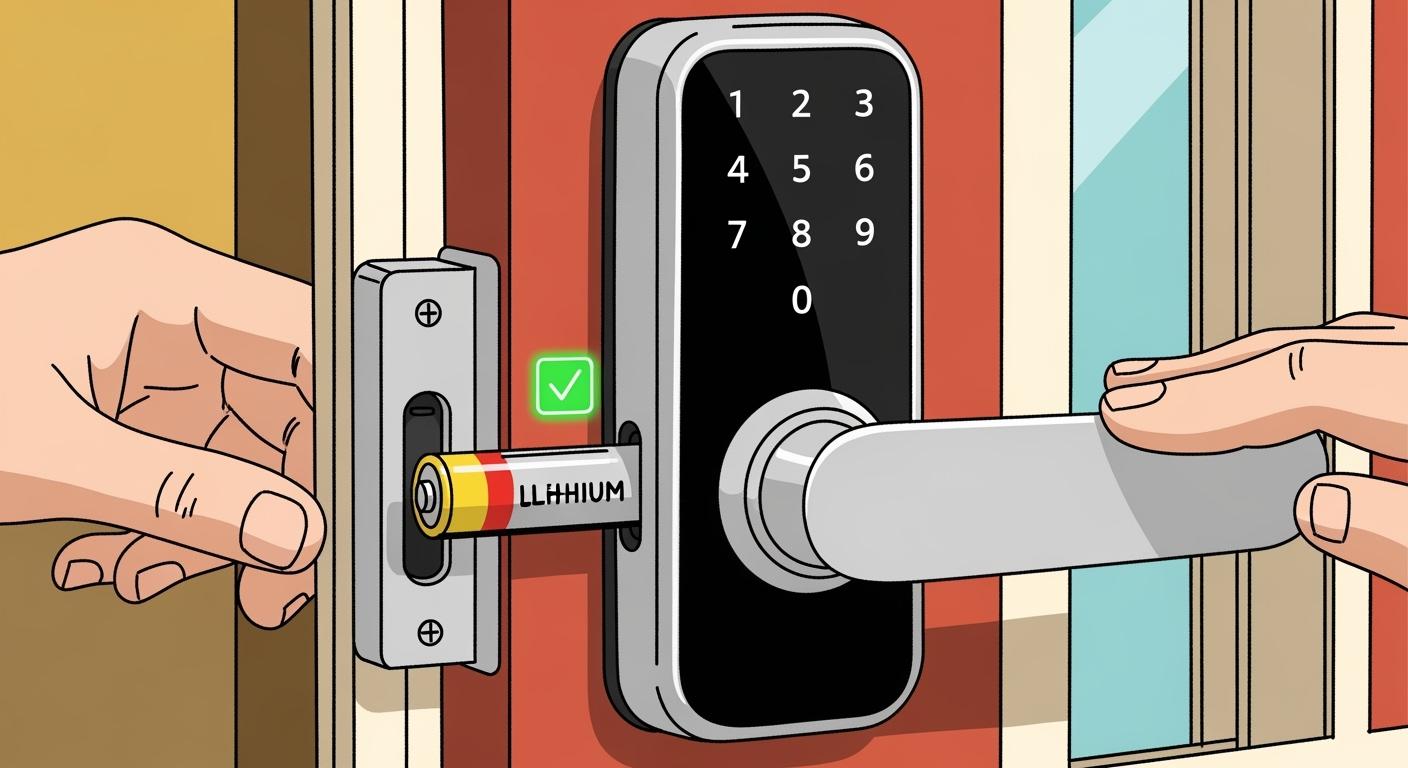
You know that the battery you choose directly impacts the reliability of your smart door lock. A lithium battery for smart door lock applications delivers stable power, even in challenging conditions. This technology supports long battery life and consistent performance, making it ideal for critical business environments. The table below highlights how lithium batteries outperform alkaline batteries in reliability and temperature resistance:
Feature | Lithium Batteries | Alkaline Batteries |
|---|---|---|
Energy Density | High (3V) | N/A |
Self-Discharge | Low | N/A |
Temperature Resistance | -4°F to 140°F | N/A |
Application | Electronic door locks | Low-drain professional devices |
You can trust lithium batteries to keep your security systems running without interruption.
Key Takeaways
Lithium batteries provide stable voltage output, ensuring your smart door lock operates reliably without interruptions.
These batteries have a longer lifespan, lasting 2-3 years in basic locks, reducing the frequency of replacements and maintenance costs.
Lithium batteries perform well in extreme temperatures, maintaining functionality in cold weather down to -40°F, which is crucial for security systems.
Low self-discharge rates mean lithium batteries retain their charge for up to 10 years, ensuring your lock is always ready when needed.
Choosing lithium batteries supports sustainability, as they are rechargeable and highly recyclable, reducing environmental impact.
Part1: Reliable Power for Smart Door Locks
1.1 Stable Voltage Output
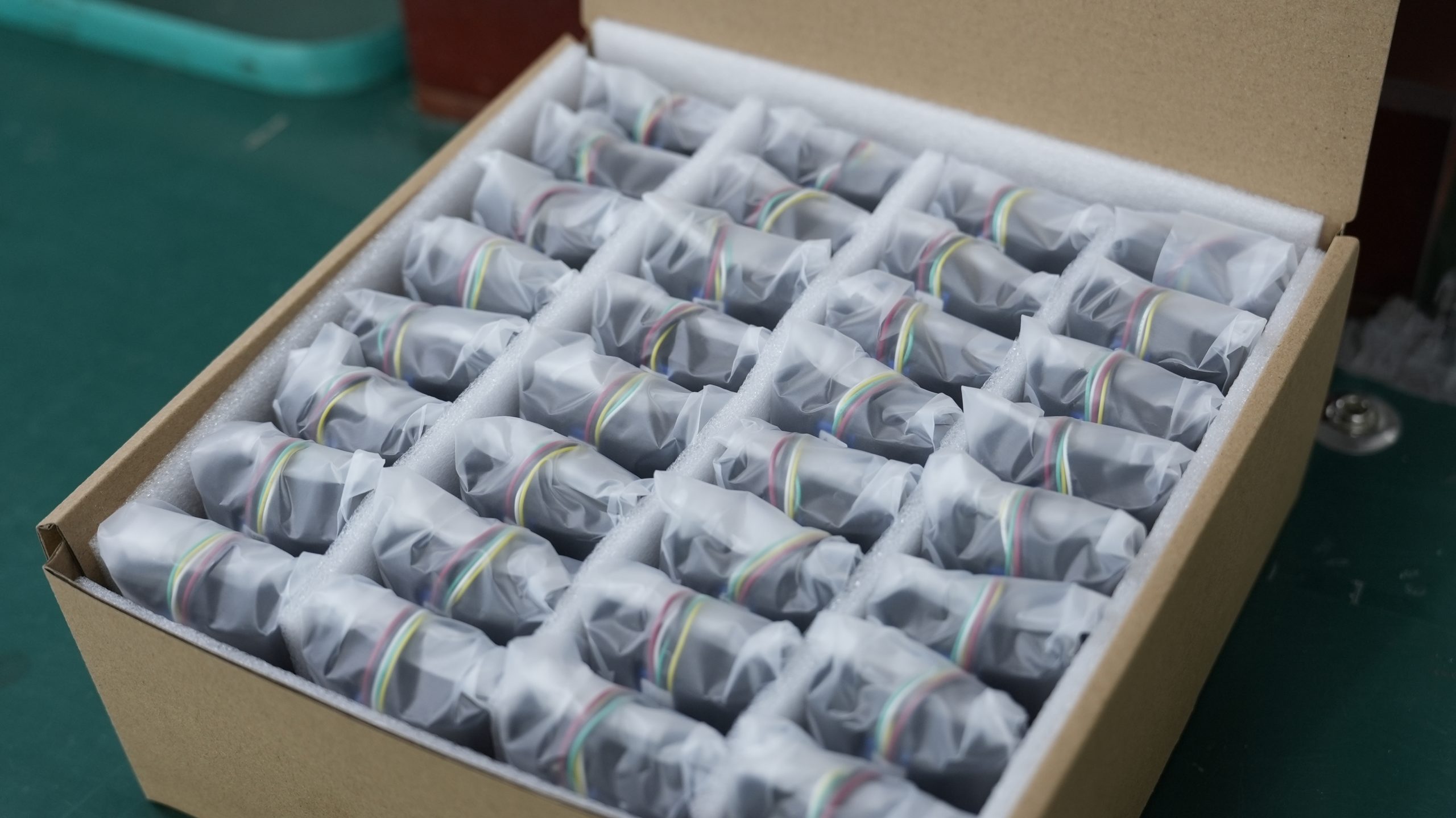
You need reliable power to keep your smart door lock operating without interruption. A lithium battery delivers a stable voltage output, which is essential for the electronic mechanisms inside your lock. Unlike alkaline batteries, which lose voltage as they discharge, a lithium battery maintains consistent voltage throughout most of its life. This means your lock receives steady power, reducing the risk of malfunction.
Note: Consistent voltage ensures that your smart door lock responds quickly every time you use it, even after months of operation.
The table below compares the voltage stability and temperature performance of different battery types:
Battery Type | Voltage Stability | Temperature Performance |
|---|---|---|
Lithium Batteries | Stable voltage throughout | Reliable down to -40°F |
Alkaline Batteries | Voltage declines as used | Capacity loss below 32°F; may fail below 0°F |
Nickel-based (NiMH) | Lower nominal voltage (1.2V) | Performs well but may not suit 1.5V optimized locks |
You can see that a lithium battery provides reliable power in both normal and extreme conditions. This advantage supports the long battery life you expect from advanced security systems.
1.2 High Current Capability
Smart door locks require a burst of high current to activate their motors, especially during startup. A lithium battery excels in this area. It supplies the high current needed for motor operation without voltage drops or delays. This feature is critical for battery performance in high-drain applications like security systems, medical devices, and industrial automation.
You benefit from:
Extended lifespan—3 to 5 times longer than alkaline batteries in high-drain use.
Consistent performance, even in cold weather down to -40°F.
Steady power delivery, which means your lock works every time you need it.
High current capability, so the motor starts reliably without hesitation.
Low self-discharge, so the battery stays ready during storage or low-usage periods.
When you choose a lithium battery for your smart door lock, you ensure reliable power for every access event. This reliability is vital for B2B clients who manage multiple entry points in commercial buildings, hospitals, or infrastructure facilities.
1.3 Reduced Lockout Risk
You want to avoid lockouts that disrupt business operations or compromise security. A lithium battery reduces this risk by providing stable voltage and reliable power, even in harsh environments. Alkaline batteries, on the other hand, often fail in cold weather and show inconsistent voltage, which increases the chance of lockouts.
Here is a comparison of lockout frequency and battery reliability:
Battery Type | Lifespan | Cold Weather Performance | Voltage Stability | Lockout Frequency |
|---|---|---|---|---|
Alkaline | Shorter | Poor (below 32°F) | Inconsistent | Higher |
Lithium | Longer | Excellent (down to -40°F) | Stable | Lower |
With a lithium battery, you can trust your smart door lock to function reliably, even during winter or in demanding industrial settings. This reliability translates into fewer emergency maintenance calls and lower operational costs. You gain peace of mind knowing your security system will not let you down.
Part2: Long Battery Life and Maintenance Savings
2.1 Extended Lifespan in Smart Door Locks
You want your smart door lock to operate reliably for years with minimal intervention. A lithium battery for smart door lock applications offers a lifespan that far exceeds traditional alkaline or NiMH batteries. In basic electronic deadbolts, you can expect lithium batteries to last 2–3 years, while Wi-Fi connected locks typically run for 12–18 months. In comparison, alkaline batteries often require replacement every 8–12 months for basic locks and as frequently as every 3–6 months for Wi-Fi models.
Battery Type | Basic Electronic Deadbolts | Wi-Fi Connected Locks |
|---|---|---|
Lithium | 2–3 years | 12–18 months |
Alkaline | 8–12 months | 3–6 months |
NiMH | N/A | N/A |
A lithium battery for smart door lock systems reduces the frequency of battery changes, which is critical for large-scale deployments in security, medical, and industrial environments.
2.2 Low Self-Discharge Rate
You benefit from the low self-discharge rate of lithium batteries. These batteries retain their charge for up to 10 years, even during long periods of inactivity. This feature ensures your smart door lock remains operational when you need it, without the risk of unexpected power loss.
Battery Type | Self-Discharge Rate | Shelf Life | Leakage Risk |
|---|---|---|---|
Lithium | Almost no self-discharge | 10 year shelf life | Don’t leak |
Alkaline | Gradually lose charge | 10 year shelf life | Can leak if stored too long |
Tip: Low self-discharge means you can store lithium batteries for extended periods and still count on reliable performance.
2.3 Fewer Replacements, Lower Costs
You save time and money with fewer battery replacements. The long battery life of lithium cells reduces maintenance visits and lowers total cost of ownership. For example, the ER14505 lithium battery is known for its stability and reliability, supporting cost-effective solutions in smart door lock, medical, and industrial applications.
Cycle Life | Impact on Total Cost of Ownership |
|---|---|
Longer | Reduces frequency of replacements |
Lowers maintenance costs |
You can see that choosing lithium batteries means less downtime, fewer disruptions, and more predictable budgeting for your business.
Part3: Performance in Extreme Conditions
3.1 Cold Weather Reliability
You need your smart door lock to work in any environment, especially in cold weather. Lithium batteries deliver reliable performance even when temperatures drop far below freezing. In security systems for infrastructure or industrial facilities, you cannot risk a lock failing due to battery weakness.
The table below shows how lithium batteries outperform alkaline batteries in cold conditions:
Temperature Range | Alkaline Battery Performance | Lithium Battery Performance |
|---|---|---|
Below 32°F | Loses 20-50% capacity | Maintains consistent performance |
Below 0°F | May fail completely | Operates reliably under load |
Alkaline batteries struggle in freezing temperatures. You may see a false sense of security from battery indicators, but these batteries can fail suddenly under load. Lithium batteries maintain consistent power, which means your smart door lock stays operational in harsh weather. This level of safety is critical for medical facilities, robotics labs, and commercial buildings where access must remain secure.
You also benefit from a wide operating temperature range. Lithium batteries can discharge safely from -20°C to 60°C (-4°F to 140°F), and charge safely from 0°C to 45°C (32°F to 113°F):
Operation Type | Temperature Range |
|---|---|
Charging | 0°C to 45°C (32°F to 113°F) |
Discharging | -20°C to 60°C (-4°F to 140°F) |
This flexibility ensures safety protections for your assets, staff, and operations.
3.2 High-Drain Application Support
You demand high performance from your smart door lock, especially in high-drain scenarios. Lithium batteries excel in these applications. They provide steady voltage and current, which supports the motor and electronics inside the lock.
Lithium batteries offer a longer lifespan under high-drain conditions than alkaline or NiMH rechargeable batteries.
You can trust lithium batteries to deliver reliable power for every access event, even during rapid or repeated use.
Lithium batteries are recommended for their superior performance in cold weather, which adds another layer of safety protections.
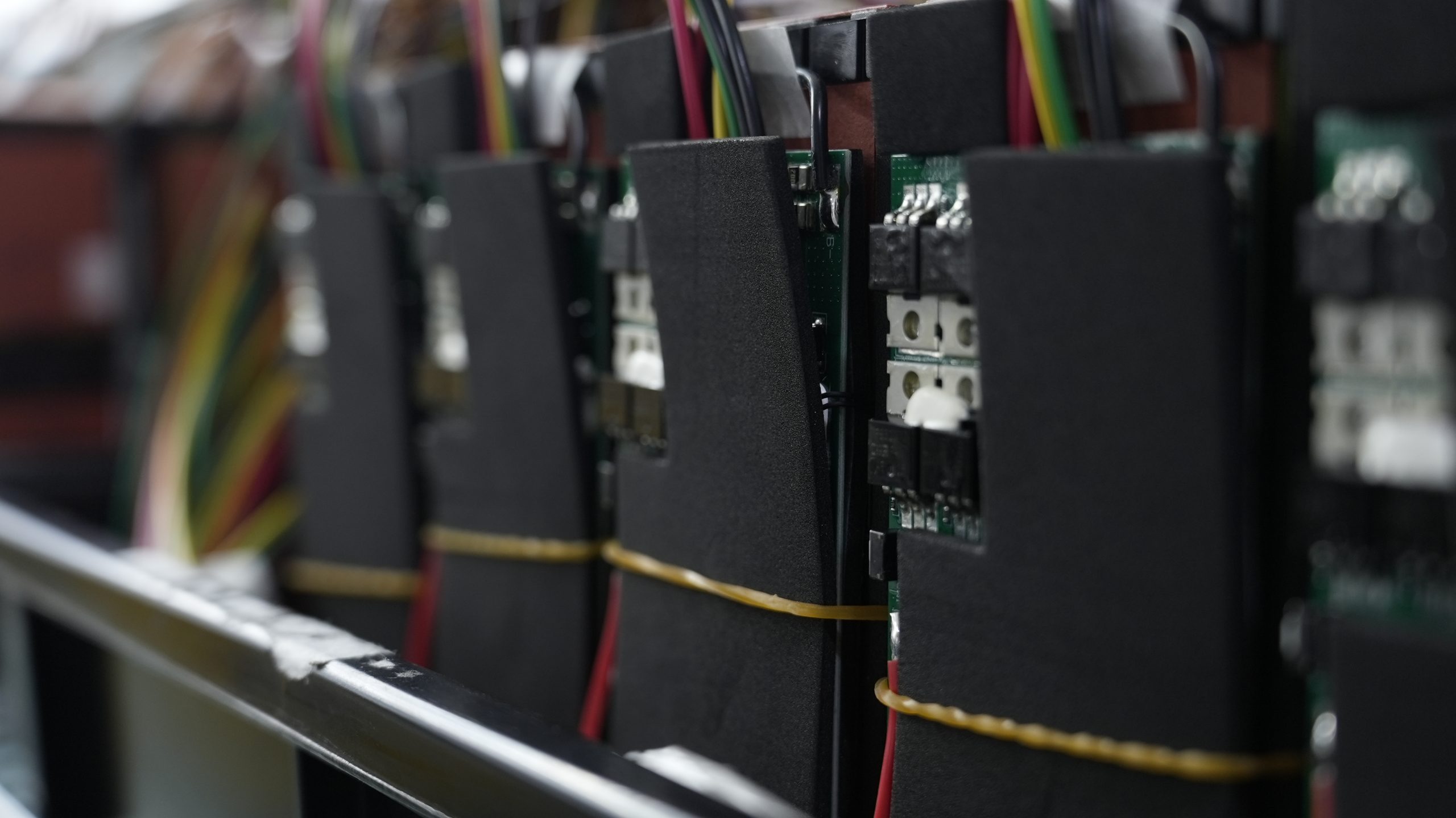
You gain peace of mind knowing that your smart door lock will not fail during critical moments. The advanced safety features built into lithium battery packs provide protection against overcurrent, short circuit, and overheating. These safety protections help prevent accidents and ensure compliance with industry standards.
Part4: Safety, Design, and Environmental Impact
4.1 Built-in Safety Features
You need batteries that protect your smart door lock systems from unexpected failures. Lithium battery packs offer advanced safety features that set them apart from alkaline and NiMH options. These batteries provide constant voltage, high capacity, and hundreds of recharge cycles. They also eliminate false low-battery warnings and perform well in cold weather. The table below compares the safety aspects of different battery types:
Battery Type | Key Features | Safety Aspects |
|---|---|---|
Lithium | Constant 1.5V output, high capacity (3300mWh), 500-1000 recharge cycles | Eliminates false low-battery warnings, performs well in cold weather |
Alkaline | Standard voltage, limited recharge cycles | Generally safe but can leak if over-discharged |
NiMH | 1.2V output, moderate capacity | Can suffer from memory effect, less stable voltage output |
You can trust lithium battery packs to support smart power management in security, medical, and industrial applications. These built-in protections help you avoid downtime and maintain compliance with safety standards.
4.2 Compact Design Benefits
You want smart door locks that fit seamlessly into modern environments. Lithium batteries enable compact and sleek designs because of their high energy density. This means you get more power in a smaller package, which is ideal for smart power management in robotics, infrastructure, and consumer electronics. The table below highlights the main design advantages:
Advantage | Description |
|---|---|
High Energy Density | Lithium batteries provide a significant amount of energy in a compact size, ideal for small devices like smart locks. |
Long Lifespan | They have a longer operational life compared to other battery types, reducing the need for frequent replacements. |
Temperature Resistance | These batteries can function effectively at high temperatures, ensuring reliability in various environments. |
Safety Features | Lithium batteries include mechanisms to prevent overheating and can automatically cut off power in dangerous situations. |
The compact size of lithium batteries enables sleeker designs for smart door locks.
Longer lifespan reduces the frequency of battery changes, simplifying maintenance.
Stable voltage output ensures consistent performance throughout the battery’s life.
You benefit from smart power management that supports both design flexibility and operational reliability.
4.3 Sustainability Considerations
You must consider the environmental impact of your technology choices. Lithium batteries support sustainability because they are rechargeable and highly recyclable. Over 90% of their materials can be reused, which reduces waste compared to single-use alkaline batteries. Recycling lithium battery packs produces 70% fewer emissions than mining new materials. However, less than 5% of discarded lithium-ion batteries are recycled each year, even though up to 95% of valuable materials like lithium, cobalt, and nickel can be recovered.
Tip: You can learn more about sustainable battery practices in the Large Battery sustainability approach.
You can help reduce your environmental footprint by choosing lithium battery packs and supporting recycling programs. This approach aligns with smart power management strategies in medical, security, and industrial sectors.
You gain clear advantages by choosing lithium batteries for your smart door lock projects. The table below highlights how lithium batteries outperform alkaline batteries in lifespan, maintenance, and safety:
Feature | Lithium Batteries | Alkaline Batteries |
|---|---|---|
Lifespan | 3-5 times longer in high-drain use | Shorter, frequent replacements |
Maintenance Frequency | Fewer changes needed | More frequent replacements |
Cold Weather Performance | Consistent to -40°F | Capacity loss below 32°F |
Voltage Stability | Steady power delivery | Voltage drop under load |
Risk of Leakage | Low risk | Potential leakage |
You also benefit from rigorous quality assurance, sample validation, and data transparency. These practices ensure reliable battery life and support long-term value for B2B clients in security, medical, and industrial sectors. Choose lithium batteries to power your next generation of smart door lock solutions.
FAQ
What makes lithium batteries ideal for smart door locks in commercial settings?
You get stable voltage and long battery life from lithium batteries. These features support reliable operation in high-traffic areas like hospitals, offices, and industrial sites. You reduce maintenance needs and avoid unexpected downtime.
How does a smart battery management system improve reliability?
You benefit from a smart battery management system because it monitors battery health and usage. This system helps prevent overcharging, overheating, and deep discharge. You gain safer, longer-lasting performance for your smart door lock.
Can lithium batteries handle frequent use in keyless entry systems?
You can trust lithium batteries to support keyless entry. They deliver high current for frequent motor activation. This makes them suitable for security systems in hotels, medical facilities, and infrastructure where access control is critical.
Are lithium batteries safe for use in medical and robotics applications?
You get built-in safety features with lithium batteries. These features include protection against short circuits and overheating. You can use them confidently in medical devices and robotics where safety and reliability matter most.
How do lithium batteries perform in extreme temperatures?
You can rely on lithium batteries to work in harsh environments. They operate from -4°F to 140°F. This wide range supports applications exposed to temperature swings.


