

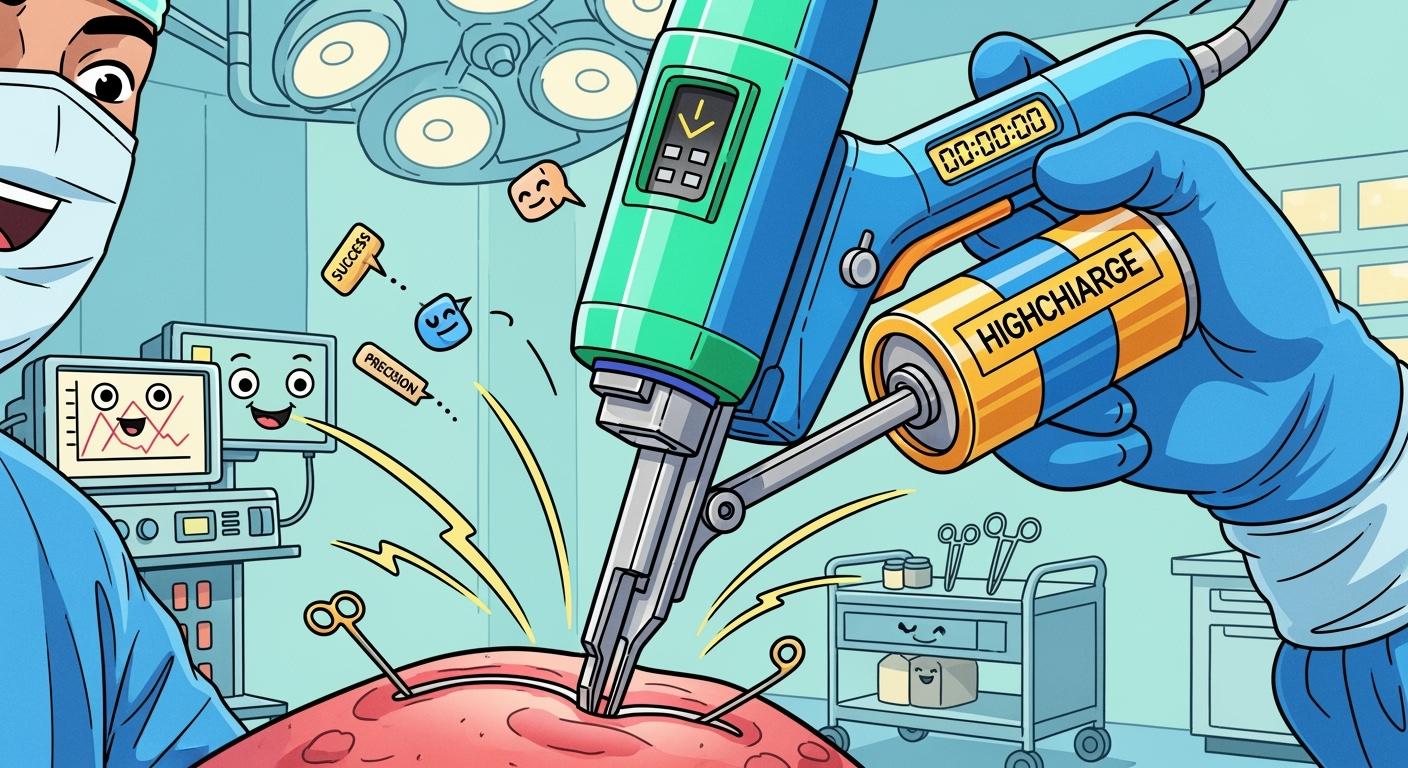
You know that every second counts in the operating room. When you use an electric stapler, immediate device response can make the difference between a smooth procedure and a critical delay. The 3S1P high-discharge rate battery pack delivers stable power output, supporting Zero Delay in Surgery by eliminating lag and power drops. This advanced battery technology, often based on NMC chemistries, ensures you maintain efficiency and reliability when patient safety is on the line.
Key Takeaways
Choose electric staplers powered by 3S1P high-discharge rate packs to ensure instant activation and reliable performance during surgeries.
Select battery packs with NMC chemistries for their high energy density and long cycle life, which enhance patient safety and procedural efficiency.
Evaluate battery packs for autoclavability to withstand sterilization processes, ensuring they remain functional and safe for surgical use.
Prioritize consistent power delivery to minimize the risk of device failure and procedural delays, which can impact patient outcomes.
Review clinical performance data and user feedback when sourcing surgical staplers to ensure reliability and effectiveness in the operating room.
Part1: Zero Delay in Surgery: Importance

1.1 Immediate Device Response
You operate in environments where every second matters. In the operating room, you cannot afford hesitation from your equipment. Electric staplers must activate instantly to support your workflow and maintain patient safety. When you use a device powered by a high-performance lithium battery pack, such as a 3S1P configuration with premium NMC cells, you benefit from rapid energy delivery. These chemistries offer platform voltages of 3.6V (NMC), with high energy density and long cycle life—up to 1000 cycles for NMC. This technical advantage ensures your stapler responds the moment you press the trigger.
Tip: Immediate device response reduces the risk of procedural interruptions and supports a seamless surgical experience.
1.2 Impact on Patient Outcomes
Zero Delay in Surgery directly influences patient outcomes. When your stapler activates without lag, you minimize blood loss, reduce anesthesia time, and lower the risk of complications. Consistent power from advanced lithium battery packs means you can trust your tools to perform reliably, even during complex procedures. In medical settings, this reliability translates to improved recovery rates and higher patient satisfaction.
You see similar requirements for zero delay in robotics, security systems, and industrial automation, where instant device activation prevents costly errors and downtime.
In surgery, the stakes are higher. Zero Delay in Surgery is not just a technical goal—it is a standard that protects lives.
By prioritizing immediate response and reliable power, you set a new benchmark for surgical efficiency and patient safety.
Part2: Causes of Delay in Electric Staplers
2.1 Battery Lag Issues
You face battery lag when your electric stapler does not respond instantly after activation. This lag often results from batteries with low discharge rates or insufficient energy density. In high-demand environments like surgery, robotics, or industrial automation, even a short delay can disrupt workflow and compromise outcomes. Lithium battery chemistries such as NMC (3.6V, up to 1000 cycles) offer better performance, but not all packs deliver the same results. If you use batteries with lower-grade chemistries like LMO, you may experience slower response times due to lower energy density and shorter cycle life.
Note: Battery lag can lead to hesitation during critical moments, increasing the risk of procedural errors.
2.2 Power Drop and Device Reliability
Power drop occurs when your battery cannot maintain a stable voltage under load. This issue affects device reliability and can cause your stapler to stall or shut down unexpectedly. In the operating room, a sudden power drop can interrupt the procedure and put patient safety at risk. You see similar challenges in security systems and infrastructure tools, where reliable power is essential for continuous operation.
Common causes of power drop:
Inadequate battery capacity
Poor-quality cell balancing
Overheating during high-discharge cycles
A reliable lithium battery pack, especially one designed for high-discharge rates, helps you achieve Zero Delay in Surgery by delivering consistent power. When you select packs with robust chemistries and proper configuration, you reduce the risk of device failure and maintain workflow efficiency.
Chemistry | Platform Voltage | Energy Density | Cycle Life (approx.) |
|---|---|---|---|
LiFePO4 | 3.2V | Moderate | 2000 |
NMC | 3.6V | High | 1000 |
LCO | 3.7V | Moderate | 500 |
LMO | 3.7V | Moderate | 500 |
Tip: Always evaluate the battery pack’s discharge rate and chemistry before choosing electric staplers for your surgical team.
Part3: 3S1P High-Discharge Rate Pack Explained
3.1 Series-Parallel Configuration
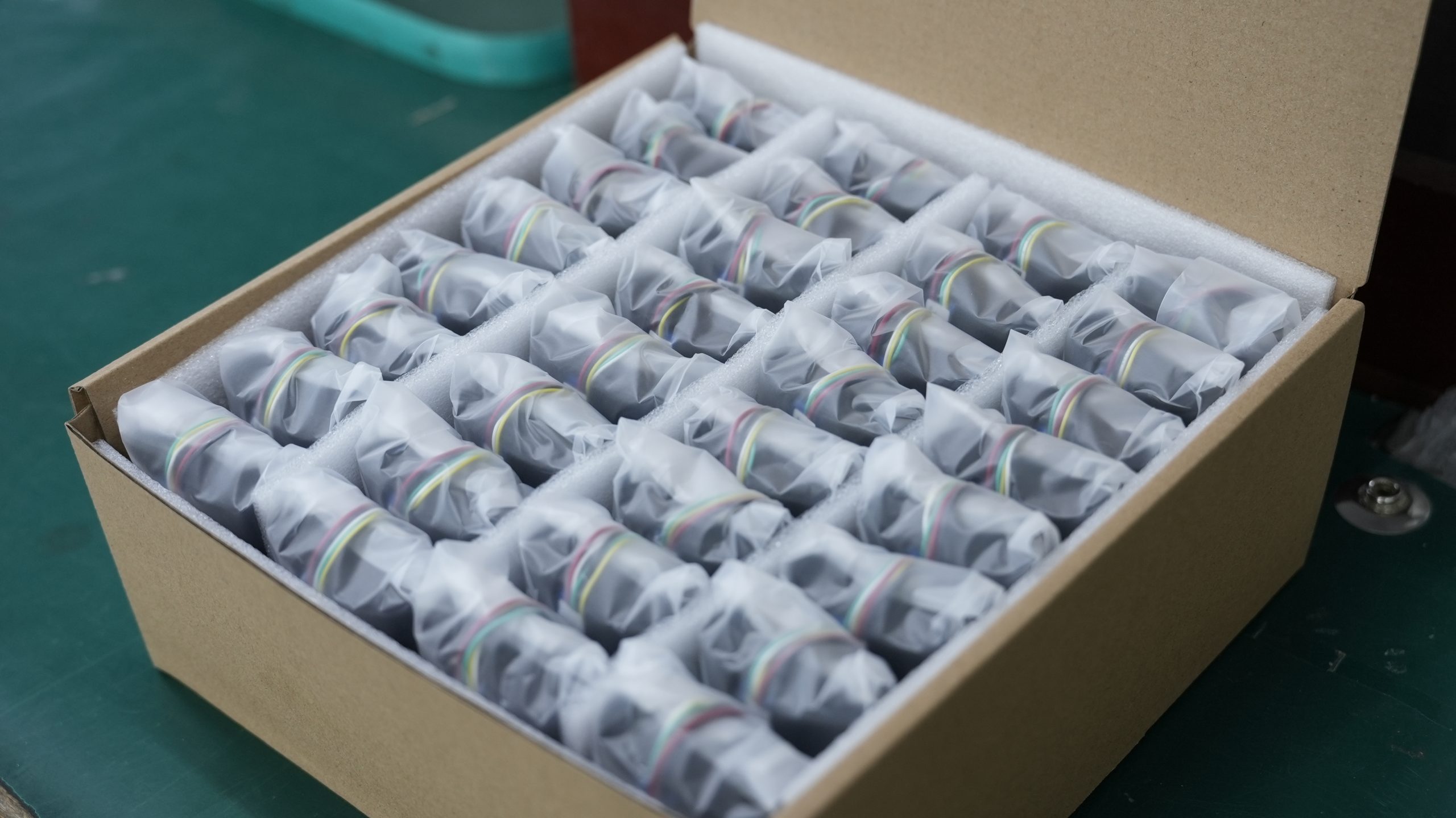
You rely on battery packs that deliver consistent power in demanding environments. The 3S1P high-discharge rate pack uses a series-parallel configuration to optimize voltage and current output. In this setup, three lithium-ion cells connect in series (3S) to increase the total voltage, while one parallel string (1P) maintains the rated current. This configuration produces a stable 11.1V output, which matches the requirements of advanced medical devices such as electric staplers.
The series connection boosts voltage, supporting high-powered tools. The parallel arrangement ensures reliable current delivery, minimizing the risk of power drop during critical procedures.
You see the 3S1P pack used in medical devices, robotics, security cameras, and industrial applications. Its compact size and robust protection circuit (PCB) make it ideal for environments where Zero Delay in Surgery is essential.
Attribute | Specification |
|---|---|
Battery Size | 18650 |
Capacity | 1500mAh~3250mAh |
Rated Voltage | 11.1V |
Discharge Cut-off Voltage | 8.25V |
Working Current | 5A |
Cycle Life | 500-1000 Times |
Weight | 150g |
Protection | PCB Circuit |
Dimensions | L36H66W36mm/Customized |
Certification | CE/RoHS/UN38.3/MSDS |
Warranty | 12 months |
Model Number | 3S1P |
Application | Medical Devices, Robotics, Security Systems, Industrial Automation, Power Tools, Electric Vehicles, Solar Energy Storage Systems, Uninterruptible Power Supplies |
You benefit from standardized certifications such as CE, RoHS, and UN38.3, which ensure safety and compliance in regulated industries. The pack’s PCB circuit provides overcharge, over-discharge, and short-circuit protection, supporting uninterrupted workflow in the operating room.
3.2 High-Discharge Performance
You demand high-discharge performance for instant device activation and sustained operation. The 3S1P pack delivers a working current of 5A, which supports electric staplers and other high-demand tools without voltage sag. This capability is critical for Zero Delay in Surgery, where every second impacts patient safety and procedural efficiency.
You must select the right lithium battery chemistry to match your application. Each chemistry offers unique advantages in platform voltage, energy density, and cycle life. The table below compares the most common lithium battery chemistries used in medical and industrial sectors:
Chemistry | Platform Voltage | Energy Density | Cycle Life (approx.) | Typical Application |
|---|---|---|---|---|
LiFePO4 | 3.2V | Moderate | 2000 | Medical Devices, Electric Vehicles |
NMC | 3.6V | High | 1000 | Medical Devices, Robotics, Power Tools |
LCO | 3.7V | Moderate | 500 | Consumer Electronics, Cameras |
LMO | 3.7V | Moderate | 500 | Power Tools, Industrial Automation |
Solid-State | 3.7V+ | Very High | 2000+ | Next-Gen Medical, Aerospace |
Lithium Metal | 3.7V+ | Highest | 1000+ | Research, High-End Industrial |
You notice that LiFePO4 and NMC chemistries dominate medical and industrial applications due to their safety, long cycle life, and stable voltage output. Solid-state and lithium metal batteries represent the future of energy storage, offering higher energy density and improved safety, as discussed in Nature.
Tip: Choose battery packs with robust cycle life and stable voltage to ensure Zero Delay in Surgery and reliable device performance.
You must also consider sustainability and ethical sourcing. For details on responsible battery manufacturing, review Our Approach to Sustainability and Conflict Minerals Statement.
You set new standards for workflow efficiency and patient safety when you select high-discharge rate packs with advanced lithium chemistries. The 3S1P configuration supports instant activation and uninterrupted operation, making it the preferred choice for medical teams and device purchasers who prioritize Zero Delay in Surgery.
Part4: Eliminating Delay with 3S1P Pack
4.1 Consistent Power Delivery
You require electric staplers that activate instantly and operate without interruption. The 3S1P high-discharge rate pack provides this reliability by delivering a stable voltage and current, even during demanding procedures. When you use a pack built with LiFePO4 or NMC cells, you benefit from platform voltages of 3.2V or 3.6V, moderate to high energy density, and long cycle life. These features ensure your stapler receives consistent power, which is critical for Zero Delay in Surgery.
You see the impact of consistent power delivery not only in medical devices but also in robotics, security systems, and industrial automation. In these sectors, a sudden voltage drop can halt operations and cause costly downtime. The 3S1P configuration, with its robust protection circuit, prevents over-discharge and overheating, supporting uninterrupted workflow.
Tip: Consistent power delivery reduces the risk of device failure and procedural delays, helping you maintain high standards in patient safety and operational efficiency.
4.2 Enhanced Workflow in Surgery
You improve your surgical workflow when you eliminate device lag. With the 3S1P high-discharge rate pack, your electric stapler activates the moment you need it. This immediate response allows you to focus on the procedure, reducing stress and minimizing the risk of complications. In a typical scenario, you might need to close tissue quickly to control bleeding. A stapler powered by a high-discharge pack responds instantly, supporting rapid intervention and better patient outcomes.
You experience similar benefits in other sectors. In robotics, instant activation prevents errors during automated tasks. In security systems, reliable power ensures continuous surveillance. In infrastructure and industrial applications, uninterrupted operation supports productivity and safety. Even in consumer electronics, users expect devices to respond without delay, though the stakes are higher in medical and industrial settings.
Consider the following workflow improvements you gain with a 3S1P pack:
Immediate device readiness: You avoid waiting for power-up, which is essential during critical moments.
Uninterrupted operation: You complete procedures without unexpected shutdowns or power drops.
Reduced maintenance: You spend less time troubleshooting battery issues, allowing your team to focus on patient care.
Sector | Benefit of 3S1P Pack | Example Application |
|---|---|---|
Medical Devices | Zero Delay in Surgery, safety | Electric staplers, infusion pumps |
Robotics | Instant activation, reliability | Surgical robots, assembly lines |
Security Systems | Continuous operation, protection | Surveillance cameras, alarms |
Industrial Automation | Workflow efficiency, uptime | Power tools, process controllers |
Infrastructure | Stable power, reduced downtime | Backup systems, grid controls |
Consumer Electronics | Fast response, user satisfaction | Cameras, portable devices |
You also support sustainability and ethical sourcing when you select battery packs from responsible suppliers. Learn more about Our Approach to Sustainability and review the Conflict Minerals Statement for compliance information.
Note: Enhanced workflow and consistent power delivery set new benchmarks for efficiency and safety in every sector that relies on advanced lithium battery packs.
By choosing the 3S1P high-discharge rate pack, you ensure your surgical team achieves Zero Delay in Surgery and maintains the highest standards of care and operational excellence.
Part5: Selecting Staplers and Battery Packs
5.1 Evaluation Criteria for Surgical Teams
You need to evaluate electric staplers and battery packs with a clear set of criteria. Your team must prioritize reliability, safety, and compliance. Battery packs must withstand repeated sterilization cycles, including exposure to high heat, steam, and pressure during autoclaving. You should look for autoclavable lithium battery packs engineered for resilience and long-life performance. Ergonomic design and FDA medical device compliance are essential for safe and efficient operation.
Consider these key factors when selecting battery packs for surgical staplers:
Sterilization Endurance: Battery packs must survive extreme autoclave conditions without degradation.
Chemistry Selection: Choose between LiFePO4 (3.2V, moderate energy density, ~2000 cycles), NMC (3.6V, high energy density, ~1000 cycles), LCO, or LMO (both 3.7V, moderate energy density, ~500 cycles).
Battery Management System (BMS): Ensure the pack includes a robust BMS for protection against overcharge, over-discharge, and short-circuit events. Learn more about BMS at BMS and PCM.
Regulatory Compliance: Confirm CE, RoHS, and UN38.3 certifications for safety and quality.
Tip: You improve workflow and patient safety by choosing battery packs that meet both performance and regulatory standards.
5.2 Practical Tips for Device Purchasers
You play a critical role in sourcing reliable surgical staplers and battery packs. Clinical trial results, such as those from the ECHELON CIRCULAR™ Powered Stapler, show that powered staplers with advanced battery packs reduce complications and improve surgical precision. You should use user feedback and clinical data to guide purchasing decisions.
Follow these practical tips:
Request Clinical Performance Data: Ask for trial results demonstrating reduced complication rates and enhanced device reliability.
Assess Cycle Life and Discharge Rate: Select packs with high cycle life and stable discharge rates to ensure consistent power delivery.
Verify Autoclavability: Confirm that battery packs can endure repeated sterilization without loss of function.
Check Application Versatility: Ensure the battery pack supports use in medical, robotics, security, and industrial sectors.
Review Warranty and Support: Choose suppliers offering strong warranties and technical support.
Chemistry | Platform Voltage | Cycle Life (approx.) | |
|---|---|---|---|
LiFePO4 | 3.2V | Moderate | 2000 |
NMC | 3.6V | High | 1000 |
LCO | 3.7V | Moderate | 500 |
LMO | 3.7V | 500 |
You set your facility apart by prioritizing battery technology that supports zero delay, safety, and operational excellence.
You drive operating room efficiency and patient safety when you choose the 3S1P high-discharge rate pack. This technology supports Zero Delay in Surgery by delivering instant, reliable power to electric staplers. You benefit from enhanced precision, reduced operative times, and seamless integration with robotics. The table below highlights key advantages:
Benefit | Impact in Surgery |
|---|---|
Enhanced Precision | Improves surgical outcomes |
Reduced Operative Times | Increases efficiency |
Improved Resource Utilization | Optimizes operating room management |
Real-time Feedback Systems | Reduces errors during procedures |
Compatibility with Robotics | Supports advanced surgical techniques |
You set new standards by prioritizing battery technology. The future of surgical tools will rely on even smarter, more efficient power solutions.
FAQ
What makes a 3S1P high-discharge rate pack ideal for electric staplers?
You benefit from a 3S1P pack because it delivers stable 11.1V output and supports high current. This configuration ensures instant activation and reliable operation for electric staplers in surgical and industrial environments.
How do NMC chemistries compare for medical devices?
You find NMC provides 3.6V, higher energy density, and about 1000 cycles. It delivers safety and reliability for medical applications.
Can these battery packs withstand repeated sterilization?
You should select battery packs specifically designed for autoclave resistance. These packs maintain performance after exposure to high heat and pressure, making them suitable for surgical tools and other medical devices.
Why is consistent power delivery important in security and industrial sectors?
You rely on consistent power to prevent device shutdowns and workflow interruptions. Stable voltage and current from high-discharge packs support continuous operation in security cameras, industrial automation, and infrastructure.
What certifications should you look for in lithium battery packs?
You should verify CE, RoHS, and UN38.3 certifications. These standards ensure safety, quality, and compliance for use in medical, robotics, and industrial sectors.


