

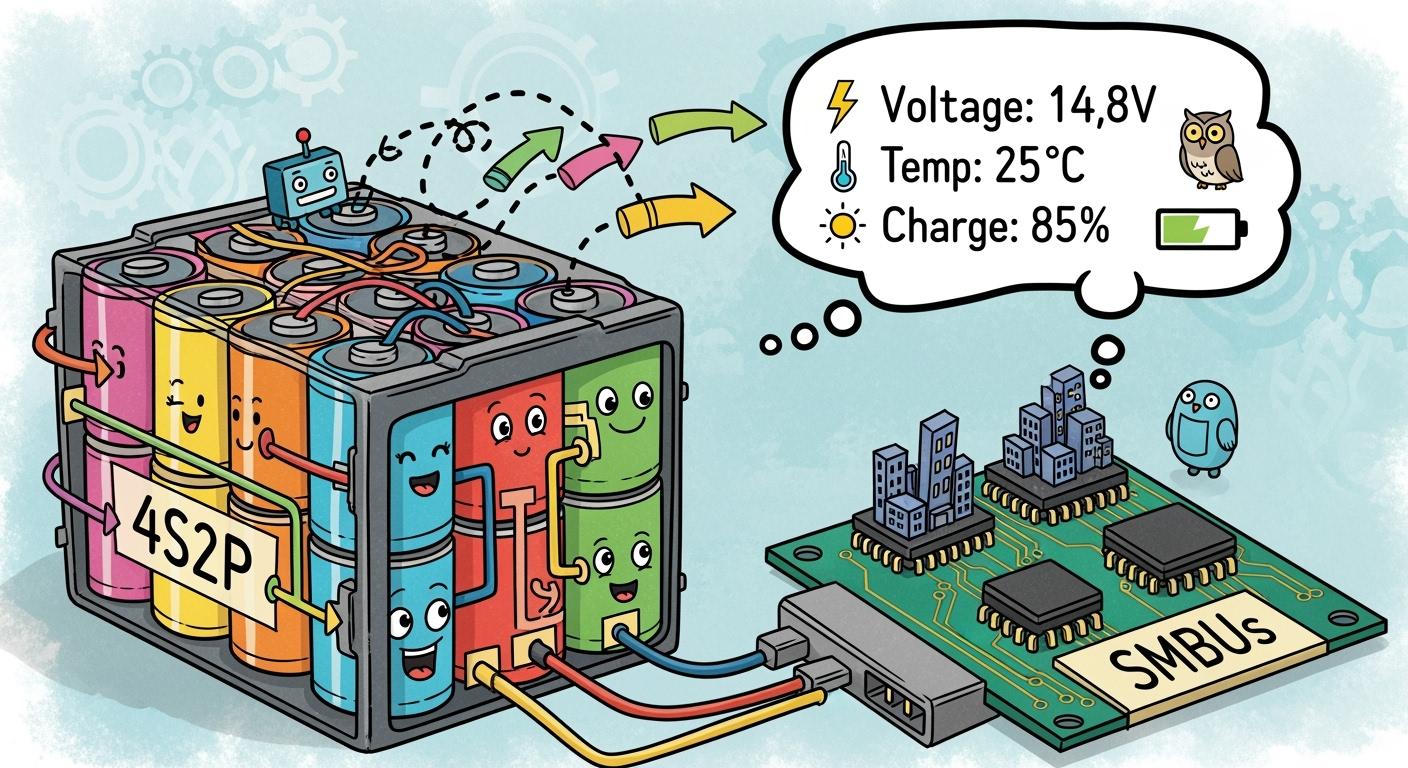
You rely on a smart battery when you need advanced control and insight for your lithium battery pack. A smart battery contains a built-in battery management system (BMS) and sensors that monitor critical parameters such as voltage, temperature, and current. Unlike regular batteries, smart batteries communicate with host devices, allowing real-time diagnostics and precise management. For professional applications like medical equipment or robotics, diagnostic capabilities and SMBus communication make the 4S2P lithium pack a reliable choice.
Key Takeaways
Smart batteries offer real-time monitoring and diagnostics, enhancing safety and performance in critical applications.
The built-in battery management system (BMS) optimizes battery life by balancing charging and discharging across cells.
Using SMBus communication allows for instant access to battery data, improving maintenance scheduling and reducing downtime.
The 4S2P configuration provides a balance of higher voltage and greater capacity, ideal for demanding environments.
Integrating smart batteries into your systems can lead to improved efficiency, safety, and compliance with industry standards.
Part1: Smart Battery Basics
1.1 Definition & Core Features
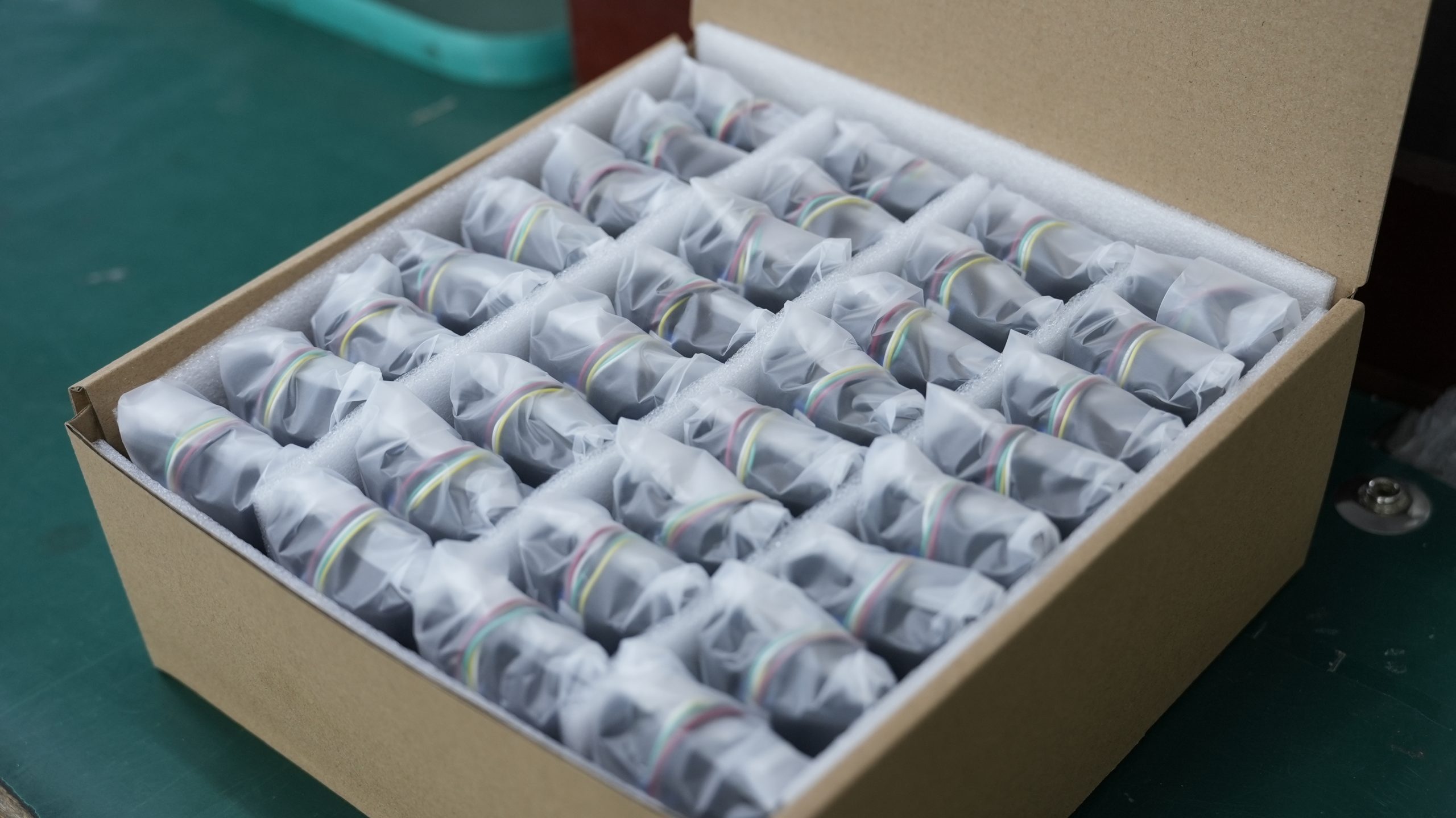
A smart battery gives you more than just stored energy. It combines advanced electronics, embedded sensors, and communication protocols to deliver real-time data and control. You can monitor and manage your lithium battery pack with precision. Smart batteries stand out because they provide:
Continuous tracking of voltage, current, and temperature
Built-in communication with host devices for data exchange
Automated protection against overcharge, over-discharge, and overheating
Accurate reporting of remaining capacity and cycle count
Note: Smart batteries use digital interfaces like SMBus to share critical information with your equipment. This feature supports applications in medical devices, robotics, security systems, and industrial infrastructure.
You can see the difference between smart batteries and traditional batteries in the table below:
Feature | Smart Batteries | Traditional Batteries |
|---|---|---|
Real-time Monitoring | Yes | No |
Communication with Host Device | Yes (e.g., SMBus) | No |
Automated Safety Protections | Yes | Limited |
Data Logging | Yes | No |
Application Suitability | Medical, Robotics, Industrial | Basic Consumer Use |
Smart batteries help you maintain high reliability and safety in demanding environments. You gain the ability to predict battery performance and schedule maintenance, which reduces downtime and operational risks.
1.2 Role of BMS & Sensors
The battery management system acts as the brain of your smart battery. It processes data from multiple sensors and makes real-time decisions to optimize performance. You benefit from a system that not only protects your lithium battery pack but also extends its service life.
Sensors inside smart batteries measure voltage, current, and temperature at the cell and pack level. These sensors feed data to the battery management system, which uses algorithms to estimate the state of charge and state of health. Stanford researchers have developed adaptive models that estimate these internal variables in real time, even though sensors cannot directly measure them. This approach lets you manage battery usage within safe limits, improving both longevity and performance.
You will find these features especially valuable in professional settings. For example, in medical equipment, a smart battery ensures uninterrupted operation by alerting you to potential issues before they cause failures. In robotics or industrial automation, smart batteries provide the data you need for predictive maintenance and system optimization.
Tip: Choose smart batteries with advanced sensor arrays and robust battery management systems for critical applications. This choice supports compliance, safety, and operational efficiency.
Smart batteries transform your approach to energy storage. You move from reactive maintenance to proactive management, gaining deeper insight into every aspect of your lithium battery pack.
Part2: Smart Batteries vs. Traditional Packs
2.1 Key Differences
When you compare smart batteries to traditional battery packs, you see clear differences in technology and capability. Smart batteries use advanced electronics and communication protocols. Traditional packs offer only basic energy storage. The table below highlights the main differences:
Feature | Smart Batteries | Traditional Packs |
|---|---|---|
Communication Protocol | SMBus, I2C, CAN | None |
Real-Time Battery Status Tracking | Yes | No |
Automated Safety Protections | Yes | Limited |
Data Logging | Yes | No |
Predictive Maintenance | Yes | No |
Application Suitability | Medical, Robotics, Security, Industrial | Basic Backup, Low-Cost Devices |
Tip: You can use smart batteries to reduce downtime and improve safety in critical systems. Traditional packs may not provide the same level of protection or insight.
2.2 Application in Lithium Battery Packs
You often find smart battery technology in advanced lithium battery packs. These packs use chemistries like LiFePO4 Lithium battery, NMC Lithium battery, LCO Lithium battery, and LMO Lithium battery. Each chemistry offers unique benefits for different industries.
Chemistry Type | Platform Voltage (V) | Energy Density (Wh/kg) | Cycle Life (cycles) | Typical Applications |
|---|---|---|---|---|
LiFePO4 Lithium battery | 3.2 | 90-160 | 2000+ | Medical, Industrial, Security |
NMC Lithium battery | 3.7 | 150-220 | 1000-2000 | Robotics, Infrastructure |
LCO Lithium battery | 3.7 | 150-200 | 500-1000 | Consumer Electronics |
LMO Lithium battery | 3.7 | 100-150 | 700-1500 | Power Tools, Light Vehicles |
Smart batteries give you the ability to monitor and manage these packs with precision. You can track performance, schedule maintenance, and ensure compliance with safety standards. In B2B environments, this means fewer unexpected failures and better resource planning.
For information on responsible sourcing, see our conflict minerals statement.
Smart battery systems help you meet the demands of modern applications. You gain access to real-time battery status tracking, which supports predictive maintenance and operational efficiency.
Part3: Diagnostics & SMBus Communication
3.1 SMBus Overview
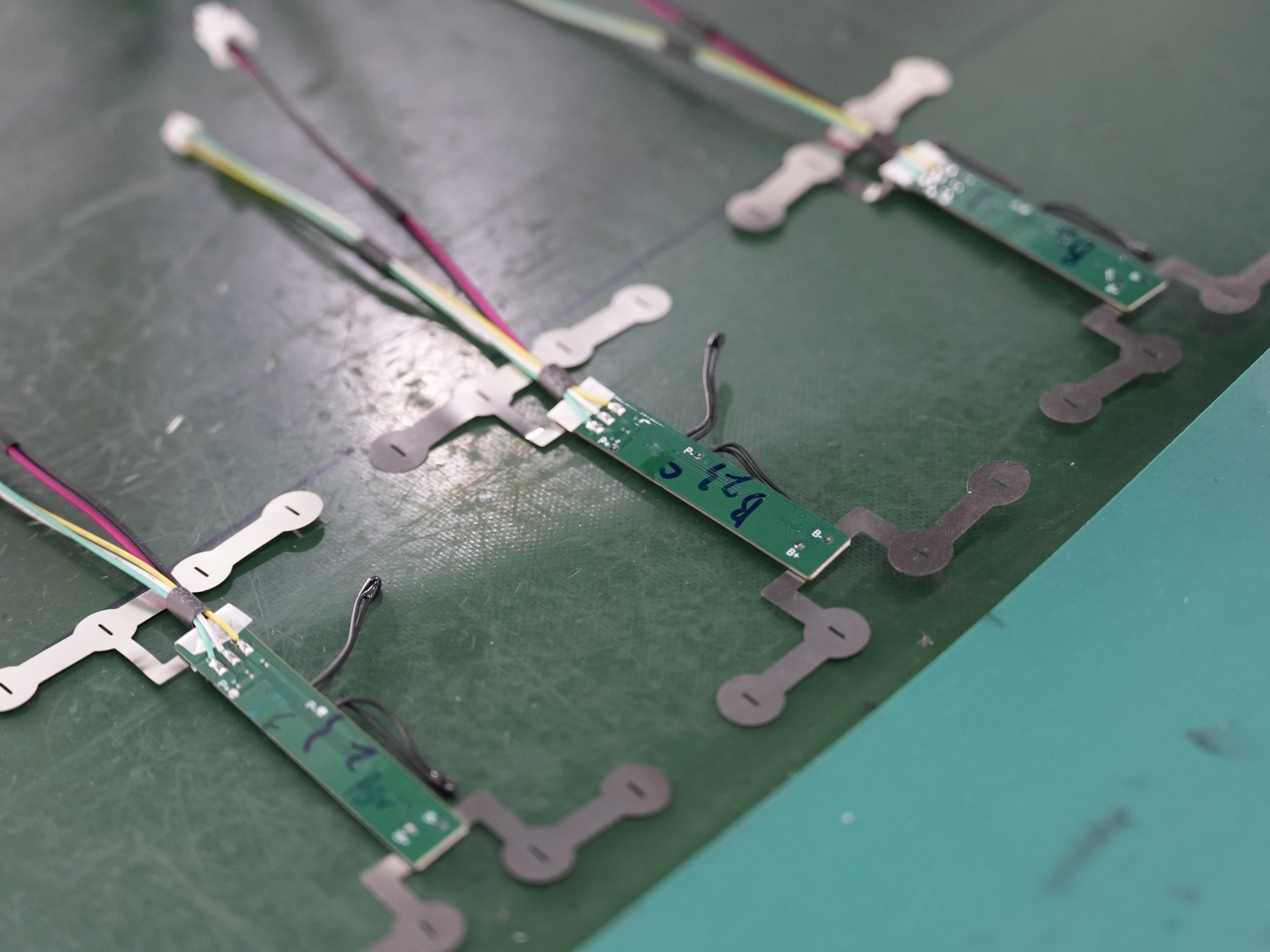
You can unlock advanced diagnostics and control in your lithium battery pack by using the SMBus protocol. SMBus stands for System Management Bus. It is a communication standard that lets your smart batteries exchange data with host devices, chargers, and power management systems. You gain access to real-time information about battery status, health, and performance.
SMBus operates as a two-wire interface, similar to I2C, but with stricter timing and voltage requirements. This protocol supports reliable data transfer between your battery and the power management system. You can use SMBus to read and write data, trigger safety actions, and optimize charging cycles with a smart charger.
Tip: SMBus communication helps you meet regulatory and safety standards in medical, robotics, and industrial applications. You can also support sustainability goals by tracking battery usage and lifecycle data.
3.2 Real-Time Monitoring
You can monitor your lithium battery pack in real time with smart batteries. Microprocessors inside the battery collect data from sensors that measure voltage, current, and temperature. You receive updates on the current state of charge, cycle count, and cell health. This information helps you make informed decisions about maintenance and replacement.
The power management system uses SMBus to access this data instantly. You can view battery status on your device dashboard or integrate it into your equipment’s control system. For example, in medical equipment, you can track battery health to prevent unexpected shutdowns. In robotics, you can schedule maintenance based on actual usage patterns.
Monitoring Parameter | Measurement Accuracy | Update Frequency | Application Scenario |
|---|---|---|---|
Voltage | 1mV | Real-time | Medical, Robotics, Security |
Current | 0.5mA | Real-time | Industrial, Infrastructure |
Temperature | ±3ºC | Real-time | Medical, Consumer Electronics |
You can improve operational efficiency and safety by using real-time monitoring. Your team can respond quickly to changes in battery status and avoid costly downtime.
3.3 Diagnostic Functions
Smart batteries provide you with powerful diagnostic functions through SMBus communication. You can access both permanent and temporary data stored in the battery. Permanent data includes battery ID, type, manufacturer’s name, serial number, and date of manufacture. Temporary data covers cycle count, usage pattern, and maintenance requirements. The battery updates this information throughout its life.
You can retrieve the following diagnostic data:
Battery identification and manufacturing details
Cycle count and usage history
Maintenance alerts and requirements
Real-time voltage, current, and temperature readings
You can use this data to plan maintenance, verify warranty claims, and ensure compliance with safety standards. The power management system analyzes diagnostic information to optimize charging and discharging cycles. You can pair your smart battery with a smart charger to automate these processes and extend battery life.
Note: Diagnostic functions help you manage large fleets of lithium battery packs in industrial and infrastructure settings. You can reduce manual inspections and improve reliability.
If you want to learn more about battery management systems and how they support diagnostics, visit this page.
Smart batteries transform your approach to diagnostics and monitoring. You gain deeper insight into battery health, performance, and lifecycle. You can make data-driven decisions that improve safety, efficiency, and sustainability in your operations.
Part4: 4S2P Pack Configuration
4.1 What is 4S2P?
You often see the 4S2P configuration in advanced lithium battery packs. The “4S” means four cells connected in series, which increases the total voltage. The “2P” means two sets of these series-connected cells are connected in parallel, which doubles the capacity. This setup gives you a balance of higher voltage and greater energy storage. The table below shows the typical voltage and capacity for a 4S2P pack:
Configuration | Voltage | Capacity |
|---|---|---|
4S2P | 14.4V | 4.8Ah |
You can use this configuration in medical equipment, robotics, and industrial systems. It supports devices that need both power and long runtime.
4.2 Performance & Safety Benefits
You gain several advantages when you choose a 4S2P lithium battery pack. The series connection raises the voltage, which matches the requirements of many professional devices. The parallel connection increases the available capacity, so your equipment can run longer between charges. This setup also helps distribute the load across more cells, which reduces stress on each cell and extends battery life.
Smart batteries with a 4S2P configuration offer strong safety features. The battery management system monitors each cell for voltage, current, and temperature. If a cell shows abnormal behavior, the system can isolate it or adjust the load. This reduces the risk of overheating or failure. You can rely on these packs for critical applications in security systems and infrastructure.
Tip: Use smart batteries with 4S2P packs to meet strict safety and performance standards in regulated industries.
4.3 Integration with Smart Battery Systems
You can integrate the 4S2P configuration seamlessly with smart battery systems. The battery management system works with sensors to track every cell in real time. You receive accurate data on state of charge, cycle count, and cell health. This information helps you plan maintenance and avoid unexpected downtime.
Smart batteries in a 4S2P setup support advanced diagnostics through SMBus communication. You can connect these packs to your power management network and automate charging, discharging, and safety checks. This integration improves efficiency and reliability for your business operations.
If you want to support sustainability goals, you can use smart batteries that track lifecycle data and promote responsible usage. Learn more about sustainable battery practices here.
You can trust the 4S2P configuration to deliver the voltage and capacity your systems need. Smart batteries make it easy to manage large fleets of lithium battery packs in demanding environments.
Part5: Benefits for B2B Users
5.1 Enhanced Safety
You gain a higher level of safety when you use smart lithium battery packs in your business. The built-in battery management system (BMS) monitors each cell for voltage, current, and temperature. This system protects your equipment from overcharging, over-discharging, and overheating. In medical devices, robotics, and security cameras, these protections help prevent failures that could disrupt critical operations. You can trust smart batteries to reduce fire risks and extend the safe operation of your devices.
Tip: Smart batteries with advanced safety features help you meet strict industry standards and reduce liability in professional environments.
5.2 Efficiency & Lifecycle
You improve efficiency and extend battery life with smart battery technology. The BMS balances charging and discharging across all cells, which maximizes usable capacity and reduces wear. In industrial and infrastructure applications, this means fewer replacements and lower maintenance costs. You can track battery health and schedule maintenance based on real-time data, not guesswork. This approach supports sustainability goals and helps you manage resources more effectively. For more on sustainable battery practices, visit our approach to sustainability.
Feature | Benefit |
|---|---|
Real-time Monitoring | Lets you make informed decisions and avoid unexpected downtime |
Optimal Performance | Ensures each cell operates at maximum potential |
Extended Lifespan | Reduces maintenance costs and increases return on investment |
5.3 System Integration
Feature/Benefit | Description |
|---|---|
BMS supports various system sizes and chemistries for flexible integration | |
Compatibility | Works with many energy storage technologies and application scenarios |
Real-time Monitoring | |
Enhanced Safety | Advanced features protect your assets and staff |
You may face challenges when integrating new smart battery solutions. These include technology complexity, balancing cost with scalability, and the need for a skilled workforce. You can address these challenges by working closely with solution providers and investing in staff training.
Challenge | Description |
|---|---|
Technology Integration | Requires technical expertise and upfront investment |
Scaling up can be costly; innovation helps reduce expenses | |
Skilled Workforce | You need trained staff to operate and maintain advanced systems |
Smart batteries give you the tools to build reliable, efficient, and safe energy systems for your business.
Smart batteries give you powerful tools for managing lithium battery packs in professional settings. You benefit from:
Advanced diagnostics through SMBus communication
Real-time monitoring with a 4S2P configuration
Enhanced safety, efficiency, and easy integration
You can improve reliability in medical, robotics, security, and industrial systems. To get started, evaluate your current battery systems and consult with a trusted supplier about smart battery solutions.
FAQ
What makes a smart battery different from a traditional lithium battery pack?
Smart batteries use a built-in battery management system (BMS) and sensors. You get real-time monitoring, automated safety features, and SMBus communication. Traditional packs only store energy and lack advanced diagnostics.
How does SMBus communication benefit your business operations?
SMBus lets you access battery data instantly. You can monitor voltage, current, and temperature. This helps you schedule maintenance, improve safety, and reduce downtime in medical, robotics, and industrial systems.
Which lithium battery chemistries work best with smart battery systems?
You can use LiFePO4 Lithium battery, NMC Lithium battery, LCO Lithium battery, and LMO Lithium battery. Each chemistry fits different needs. See the table below for a quick comparison.
Chemistry Type | Platform Voltage (V) | Energy Density (Wh/kg) | Cycle Life (cycles) | Application Scenario |
|---|---|---|---|---|
LiFePO4 Lithium battery | 3.2 | 90-160 | 2000+ | Medical, Industrial, Security |
NMC Lithium battery | 3.7 | 150-220 | 1000-2000 | Robotics, Infrastructure |
LCO Lithium battery | 3.7 | 150-200 | 500-1000 | Consumer Electronics |
LMO Lithium battery | 3.7 | 100-150 | 700-1500 | Power Tools, Light Vehicles |
Can you integrate smart batteries with existing equipment?
You can integrate smart batteries with most professional devices. The BMS supports different pack sizes and chemistries. SMBus communication ensures compatibility with medical, robotics, security, and industrial systems.
What are the main safety advantages of smart lithium battery packs?
Smart batteries monitor each cell for voltage, current, and temperature. You get protection against overcharging, overheating, and over-discharging. These features help you meet strict safety standards in regulated industries.


