

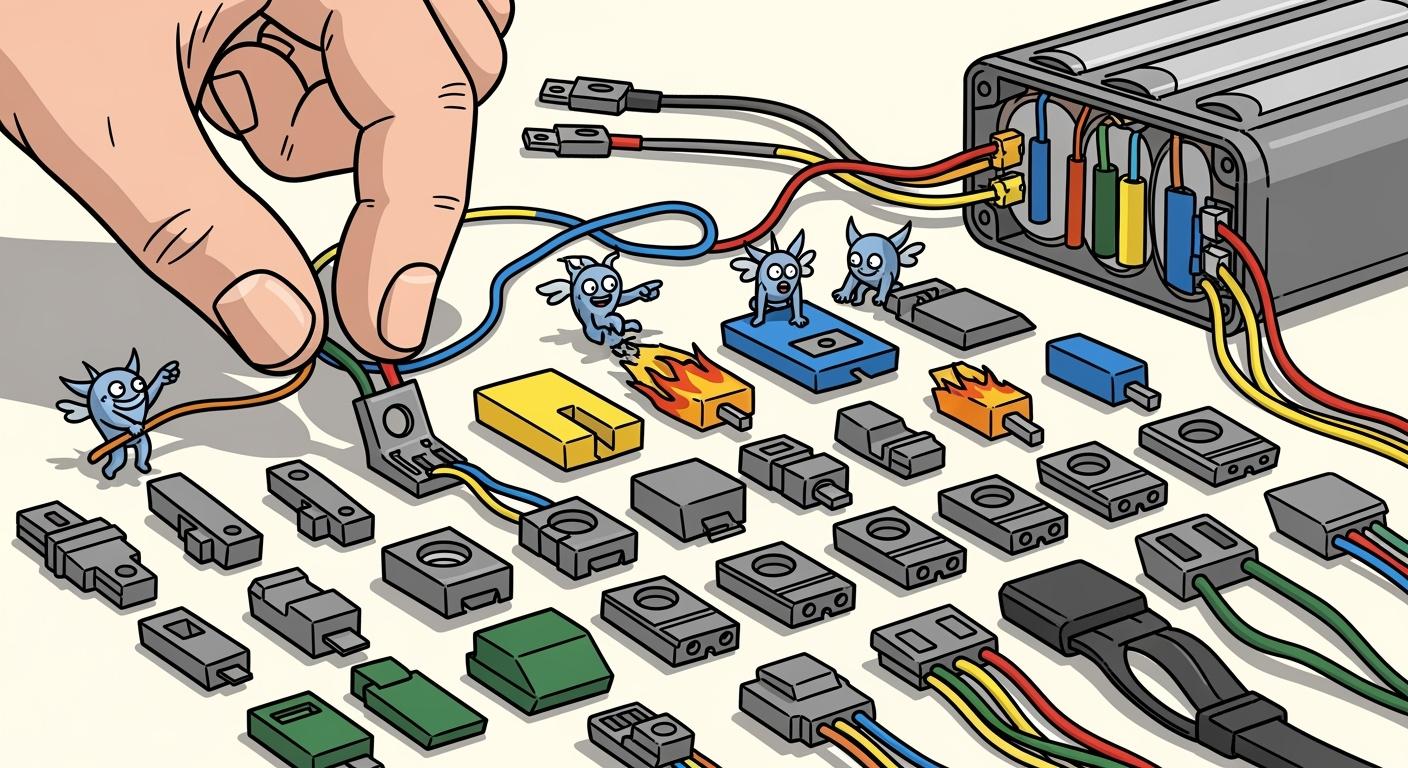
Choosing the right wires, terminals, and harness for lithium battery packs shapes the safety and reliability of your system. You face risks like overheating, voltage drops, or even fire if you select the wrong components. A systematic approach helps you avoid costly downtime and ensures top performance. By understanding the requirements of your specific application, you can confidently select the right wires and connections to support your battery pack’s demands.
Key Takeaways
Calculate the maximum current and voltage for your application to choose the right wires. Always add a safety margin to handle unexpected surges.
Select wire gauge carefully. Use thicker wires for high currents to prevent overheating and ensure reliable performance.
Choose pure copper wires over copper-clad aluminum (CCA) for better conductivity and durability. This choice enhances the reliability of your battery pack.
Ensure terminals fit securely and are made from corrosion-resistant materials. Proper fit prevents heat buildup and maintains reliable power delivery.
Design your harness with clear labeling and organized routing. This practice simplifies maintenance and reduces the risk of wiring mistakes.
Part1: Electrical Needs for Battery Packs
1.1 Current and Voltage Calculations
You must start by understanding the electrical demands of your lithium battery pack. Each application—whether in medical devices, robotics, security systems, or industrial equipment—has unique power requirements. Calculate the maximum current your system will draw during peak operation. Use the formula:
Current (Amps) = Power (Watts) / Voltage (Volts)
For example, a 500-watt robotic arm running on a 48V LiFePO4 pack will draw about 10.4 amps at full load. Always add a safety margin to your calculations to handle unexpected surges. Voltage requirements depend on the battery chemistry. LiFePO4, NMC, LCO, and LMO each have different nominal voltages and energy densities. Here is a quick comparison:
Chemistry | Nominal Voltage (V) | Energy Density (Wh/kg) | Typical Cycle Life |
|---|---|---|---|
LiFePO4 | 3.2 | 90-160 | 2000+ |
NMC | 3.6-3.7 | 150-220 | 1000-2000 |
LCO | 3.7 | 150-200 | 500-1000 |
LMO | 3.7 | 100-150 | 300-700 |
Selecting the right wires depends on these calculations. Undersized wires can overheat or cause voltage drops, which may damage sensitive electronics.
1.2 Environmental Factors
You also need to consider the environment where your battery pack will operate. High temperatures, moisture, vibration, and exposure to chemicals can all affect performance and safety. For example, medical devices may require wires with special insulation to withstand sterilization. Industrial robots might need harnesses that resist oil and abrasion.
Tip: Always check the insulation rating and temperature tolerance of your wires and terminals.
Environmental factors influence not only the choice of materials but also the design of the harness. Proper planning ensures long-term reliability and reduces maintenance costs. By assessing both electrical and environmental needs, you lay the foundation for a safe and efficient battery pack.
Part2: Choosing the Right Wires
2.1 Wire Gauge Selection
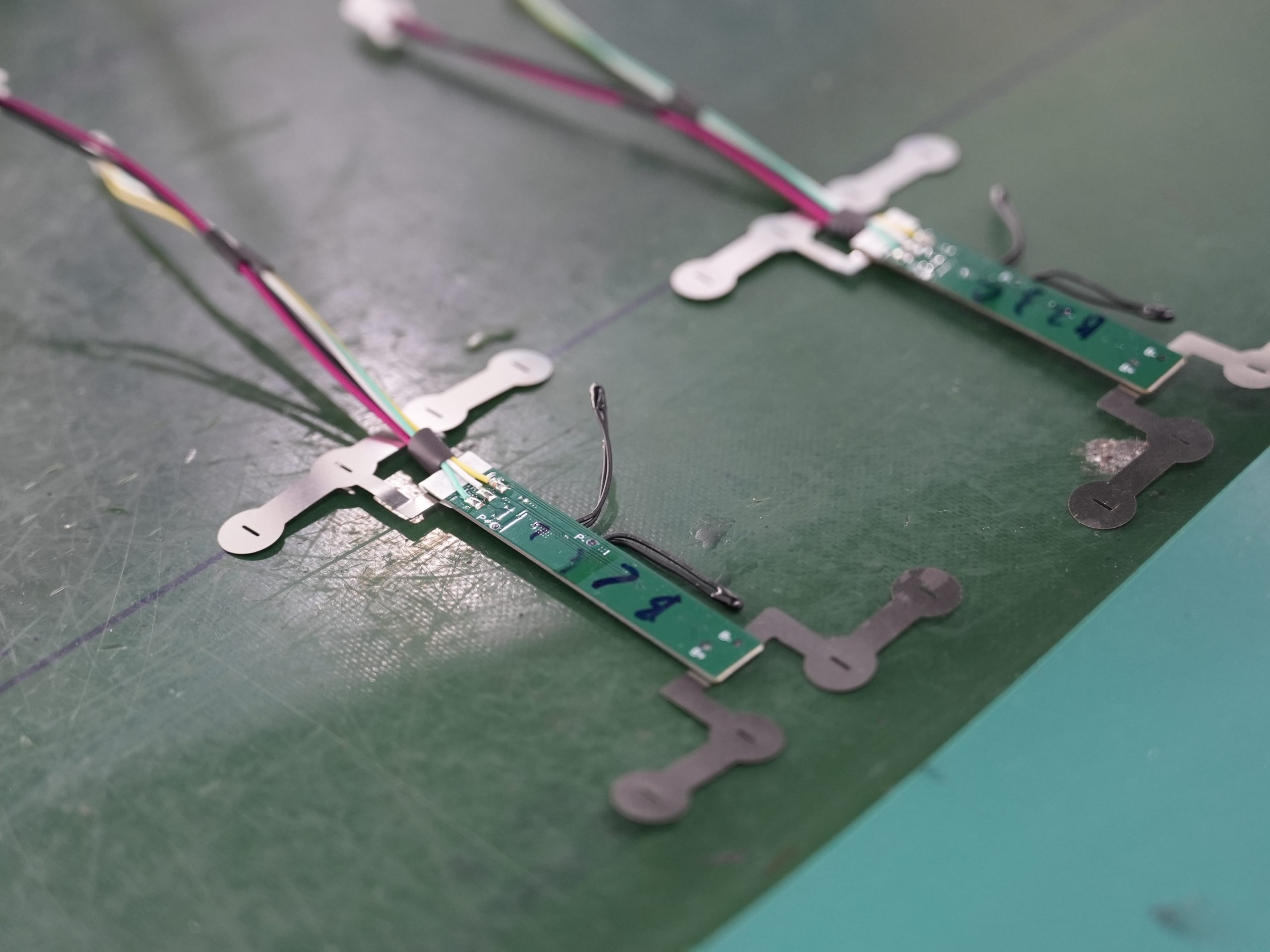
Selecting the right wires for your lithium battery pack begins with wire gauge. Wire gauge determines how much current the wire can safely carry. If you choose a wire that is too thin, you risk overheating, voltage drops, and possible failure of your battery system. For example, a medical device with a LiFePO4 pack may require a wire gauge that supports continuous current without excessive heat buildup. Industrial robots often operate at higher currents, so you need thicker wires to maintain safety and performance.
You can use the American Wire Gauge (AWG) standard to match wire size to your calculated current. Here is a quick reference table for common wire gauges and their ampacity:
AWG Size | Max Current (Amps) | Typical Applications |
|---|---|---|
18 | 10 | Small sensors, low-power BMS |
16 | 13 | Security panels, control lines |
14 | 17 | Medical devices, robotics |
12 | 23 | Industrial equipment |
10 | 33 | High-power robotics, infrastructure |
Tip: Always select a wire gauge that exceeds your maximum calculated current by at least 20%. This margin helps you handle unexpected surges and improves reliability.
2.2 Copper vs. CCA Cables
Material choice plays a critical role in battery pack wiring. You should always prefer pure copper wires over copper-clad aluminum (CCA) cables. Copper offers lower resistance, better conductivity, and higher durability. CCA cables may look similar, but they cannot handle the same current and tend to degrade faster, especially in demanding environments like industrial automation or medical equipment.
Feature | Copper Wires | CCA Cables |
|---|---|---|
Conductivity | Excellent | Moderate |
Durability | High | Low |
Cost | Higher | Lower |
Weight | Heavier | Lighter |
Reliability | Superior | Inferior |
You may see CCA cables used in consumer electronics to reduce costs, but this practice leads to frequent failures in B2B applications. If you want long-term reliability for your lithium battery packs, always specify oxygen-free copper wires. This choice ensures stable performance for LiFePO4, NMC, LCO, and LMO chemistries across medical, robotics, and industrial sectors.
Note: Using CCA cables can void warranties and compromise safety certifications in regulated industries.
2.3 Insulation and Routing
Insulation protects your wires from environmental hazards. You must select insulation that matches the operating conditions of your battery pack. For example, medical devices may require wires with silicone or Teflon insulation to withstand sterilization. Industrial robots often need abrasion-resistant insulation to survive constant movement and exposure to oils.
Proper routing also matters. You should organize wires to avoid sharp bends, minimize vibration, and prevent contact with hot surfaces. Use cable ties, sleeves, and protective tubing to secure wires and reduce strain. Label each wire clearly to simplify maintenance and troubleshooting.
Callout: Always check the insulation rating for temperature, voltage, and chemical resistance before finalizing your harness design.
Choosing the right wires involves more than just matching current ratings. You must consider gauge, material, insulation, and routing to ensure safe and reliable operation. Avoid common mistakes like using undersized wires or CCA cables. These errors can lead to costly downtime and safety risks in critical applications.
Part3: Selecting Battery Terminals
3.1 Terminal Types and Fit
You need to select battery terminals that match your application and ensure a secure fit. Terminal type affects both compatibility and reliability. For lithium battery packs in medical devices, robotics, and industrial equipment, you often see SAE post, marine, and L-terminal designs. Each type offers unique benefits and limitations.
Terminal Type | Best For | Pros | Cons |
|---|---|---|---|
SAE Post | Cars, Trucks | Widely compatible | Prone to corrosion |
Marine | Boats, RVs | Corrosion-resistant | Higher cost |
L-Terminal | Motorcycles, Lawnmowers | Compact design | Limited current capacity |
You must match the terminal type to your battery pack and system requirements. For example, marine terminals work well in environments with moisture or salt exposure, such as security systems in outdoor infrastructure. L-terminals suit compact robotics or medical devices where space is limited.
Proper terminal fit is essential for low electrical resistance and mechanical reliability. If you use oversized or undersized connectors, you create resistance points. These points can generate heat and reduce electrical flow. Quality connections prevent voltage drops and ensure reliable power delivery to critical systems.
Choose terminals that fit tightly with the battery posts.
Avoid forcing connectors that do not match the post size.
Inspect connections for gaps or looseness after assembly.
Tip: Always verify terminal compatibility with your battery chemistry, such as LiFePO4, NMC, LCO, or LMO, to maintain optimal performance.
3.2 Material and Corrosion Resistance
Material choice impacts the lifespan and reliability of your battery terminals. You should select terminals made from corrosion-resistant materials, especially for lithium battery packs used in harsh environments. Moisture, chemicals, and temperature changes can accelerate corrosion and degrade connections.
Material Type | Description |
|---|---|
Corrosion-resistant | Extends component lifetime, especially in moist or salty environments. |
Tin plating | Improves solderability and corrosion resistance. |
Nickel plating | Enhances conductivity and wear resistance. |
Copper alloy | Offers post-plating options with nickel or tin, as well as pre-plated strip. |
Tin and nickel plating provide extra protection and improve electrical performance. Copper alloy terminals offer flexibility for post-plating and pre-plated options. You should avoid plain steel or aluminum terminals in demanding B2B applications, as these materials corrode quickly and reduce reliability.
Note: Corrosion-resistant terminals help maintain stable connections for LiFePO4, NMC, LCO, and LMO battery packs in medical, robotics, and industrial sectors.
3.3 Crimping vs. Soldering
You must decide between crimping and soldering when attaching terminals to wires. Crimping uses a mechanical tool to compress the terminal onto the wire, creating a strong bond. Soldering melts metal to join the wire and terminal, forming an electrical connection.
Crimping offers fast, repeatable results and works well for high-volume production.
Soldering provides a reliable connection but requires skill and more time.
Crimped terminals resist vibration and mechanical stress better than soldered joints.
Soldered connections may crack under repeated movement or thermal cycling.
For lithium battery packs in robotics or industrial automation, crimping is often preferred. It ensures consistent quality and withstands vibration. In medical devices, you may use soldering for small-scale assembly or when space is tight. Always use the right wires and terminals for your chosen method to avoid weak connections.
Callout: Use calibrated crimping tools and inspect each joint for proper compression. Poor crimping or cold solder joints can cause failures and safety risks.
3.4 Terminal Identification
Clear terminal identification prevents wiring mistakes and improves safety. You must label positive and negative terminals on your battery pack. Use color-coded sleeves, tags, or printed labels to mark each terminal. In complex harnesses, such as those found in security systems or industrial robots, proper identification speeds up maintenance and troubleshooting.
Stacking ring terminals requires careful attention. You should place the largest terminal closest to the battery post and stack smaller terminals above. This method ensures a secure connection and prevents loose contacts.
Always check polarity before connecting wires.
Use standardized colors: red for positive, black for negative.
Document terminal layout in your battery pack assembly guide.
Tip: Proper terminal identification reduces the risk of reverse polarity and short circuits, protecting your lithium battery pack and connected systems.
Selecting the right terminals involves more than just matching shapes. You must consider fit, material, assembly method, and clear identification. These steps help you build reliable, safe, and long-lasting battery packs for demanding B2B applications.
Part4: Harness Design Essentials
4.1 Layout and Organization
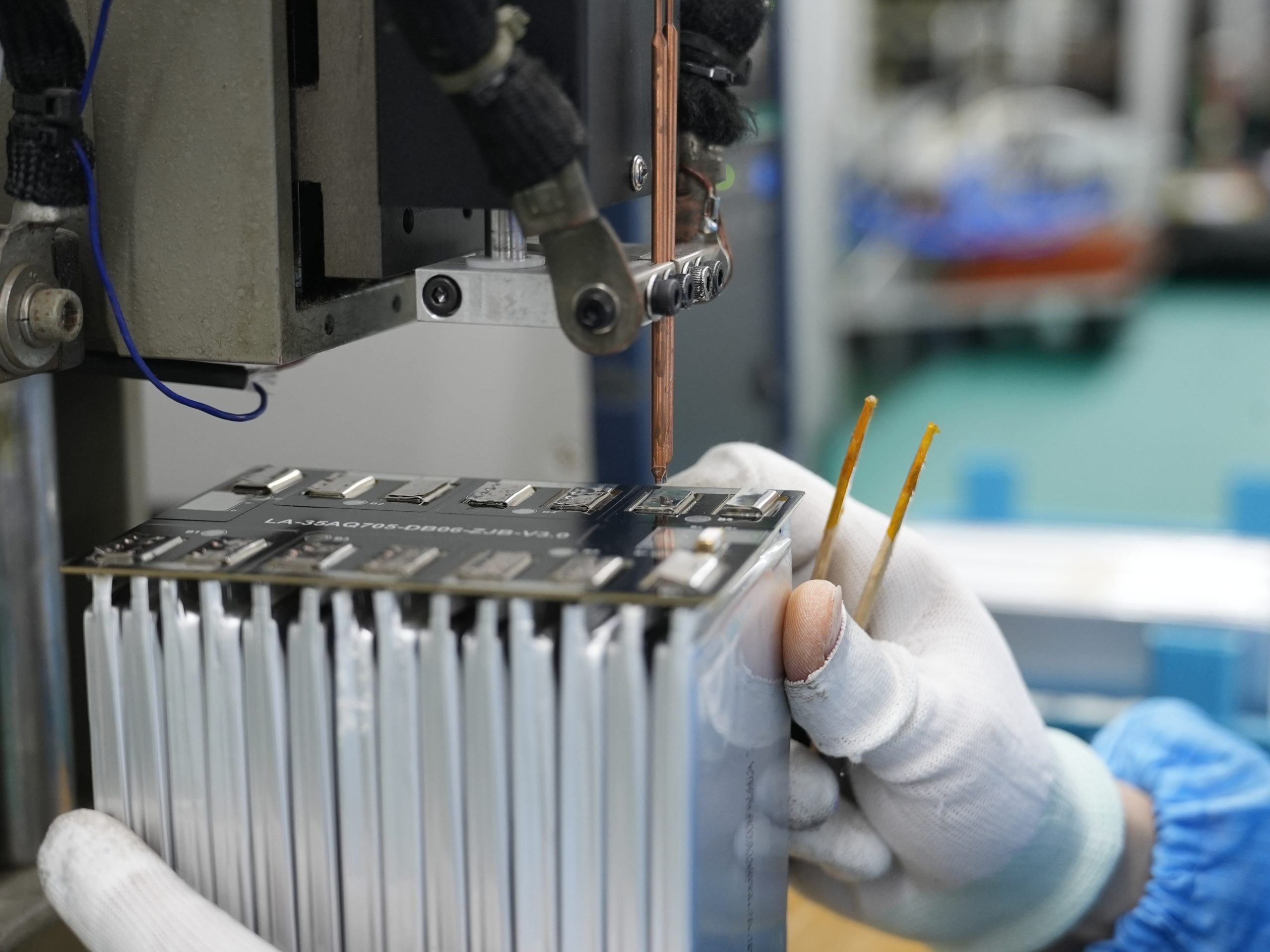
You need to design your harness with efficiency and safety in mind. Start by understanding the requirements of your application. For example, medical devices may need compact harnesses with easy access for maintenance. Industrial robots often require robust layouts that withstand vibration and movement. Follow these principles for effective harness layout:
Recognize the environment where your battery pack will operate. This helps you select the best materials and protection methods.
Route and bundle cables neatly. Organized harnesses reduce clutter and make repairs faster.
Choose the right wires and connectors for electrical compatibility. This prevents overheating and supports safety compliance.
Efficient harness organization saves you time during installation and simplifies future upgrades.
4.2 Strain Relief
Strain relief protects your wires and terminals from damage caused by movement, vibration, or thermal expansion. You can use several methods to provide strain relief in your battery harness:
Method Description | Benefits |
|---|---|
Mechanical securement near connectors | Prevents terminal displacement during thermal cycling |
V4A stainless steel clamps | Withstands strong pull forces without deformation |
Segmented strain relief zones | Distributes stress and accommodates expansion |
Physical restraints over adhesives | Performs better in high-cycle applications |
PBT plastic clips for anchoring | Maintains cable organization and protection |
45° ramps with radiused bases | Reduces bending stress |
Silicone boots for impact absorption | Protects entry points from damage |
You can also use flame-rated materials and polymer solutions to dampen vibration and improve thermal management. Two-shot molding creates robust strain relief for demanding environments like robotics and security systems.
4.3 Labeling and Documentation
Clear labeling and thorough documentation help you avoid mistakes and speed up troubleshooting. Use color-coded sleeves, printed tags, or barcodes to mark each wire and terminal. Document your harness layout, wire gauge, and connection points in a technical manual. This practice supports maintenance teams and ensures compliance with industry standards.
Tip: Accurate labeling and documentation reduce downtime and prevent costly errors in medical, industrial, and robotics applications.
Harness design essentials go beyond choosing the right wires. You must focus on layout, strain relief, and clear labeling to build reliable lithium battery packs for B2B use.
Part5: Avoiding Mistakes with Right Wires and Terminals
5.1 Undersized Wires
You risk serious problems when you choose wires that are too thin for your lithium battery pack. Undersized wires can overheat, melt insulation, and cause voltage drops. These issues threaten the safety and reliability of your system. You must match wire gauge to the maximum current your application demands. For example, medical devices and industrial robots often require thicker wires to handle continuous loads.
Application Sector | Typical Current (Amps) | Recommended AWG | Risk of Undersized Wire |
|---|---|---|---|
Medical Devices | 10-15 | 14-16 | Overheating, failure |
Robotics | 20-30 | 12-10 | Voltage drop, fire |
Security Systems | 8-12 | 16-14 | Signal loss, shutdown |
Industrial Equipment | 25-35 | 10-8 | System damage |
You should always add a safety margin to your calculations. This practice helps you avoid unexpected surges and keeps your battery pack running smoothly.
5.2 Mismatched Terminals
You must select terminals that fit your wires and battery posts exactly. Mismatched terminals create loose connections and increase resistance. This problem leads to heat buildup and unreliable power delivery. You see these mistakes often in fast-paced assembly lines or when switching between LiFePO4, NMC, LCO, and LMO chemistries.
Tip: Always check terminal specifications for material, plating, and fit before installation. Use only corrosion-resistant terminals for harsh environments like robotics or outdoor infrastructure.
Incorrect terminal selection can void safety certifications and cause costly downtime. You protect your system by verifying compatibility at every step.
5.3 Poor Harness Assembly
You need to assemble your harness with care and precision. Poor harness assembly leads to tangled wires, weak strain relief, and unclear labeling. These mistakes slow down maintenance and increase the risk of failure in critical sectors.
Organize wires with cable ties and sleeves.
Provide strain relief at every connector.
Label wires and terminals clearly for easy troubleshooting.
Avoid sharp bends and tight corners in routing.
You improve reliability and safety when you follow best practices for harness assembly. Well-built harnesses support long-term performance for lithium battery packs in medical, robotics, and industrial applications.
Part6: Testing and Validation
6.1 Continuity and Load Testing
You need to confirm that every wire and terminal in your lithium battery pack works as intended. Start with continuity testing. Use a multimeter to check each connection. If you see a reading close to zero ohms, your wire or terminal conducts electricity well. If the reading is high, you have a break or poor contact.
Load testing comes next. You simulate real-world conditions by applying the expected current to your battery pack. This step helps you spot weak wires, undersized terminals, or poor harness assembly. For example, in robotics or industrial equipment, you might run a load test at 80% of the maximum current for several minutes. Watch for overheating, voltage drops, or abnormal resistance.
Tip: Always perform load testing with the same battery chemistry you plan to use in the field. LiFePO4, NMC, LCO, and LMO packs have different voltage and energy density profiles. Testing with the correct chemistry ensures accurate results.
Test Type | Purpose | Tools Needed | Common Issues Detected |
|---|---|---|---|
Continuity | Check for breaks or shorts | Multimeter | Open circuits, poor crimps |
Load | Simulate operational current | Load bank, meter | Overheating, voltage drop |
6.2 Inspection and Quality Assurance
You must inspect every battery pack before deployment. Visual inspection helps you catch problems early. Look for damaged insulation, loose terminals, and missing labels. In medical devices and security systems, missing identification can cause dangerous wiring mistakes.
Quality assurance goes beyond visual checks. You should document every test result. Keep records of wire gauge, terminal type, and harness layout. This practice supports traceability and helps you meet industry standards.
Verify terminal fit and crimp quality.
Confirm that all wires and terminals match your documentation.
Note: Regular inspection and documentation reduce downtime and improve safety in industrial, robotics, and infrastructure applications. You build trust with your clients when you show a clear quality assurance process.
You can specify wires, terminals, and harnesses for lithium battery packs by following a clear process:
Calculate current and voltage for your application.
Choose terminals with corrosion resistance and proper fit.
Design harnesses with organized layout and strain relief.
Test and document every connection.
Choosing the right components improves safety, reliability, and long-term performance for LiFePO4, NMC, LCO, and LMO packs in medical, robotics, security, and industrial sectors. Adopt best practices to protect your investment.
FAQ
What wire gauge should you use for high-current lithium battery packs?
You should select wire gauge based on your maximum current. For example, industrial robots using 30 amps need 10 AWG or thicker. Always add a 20% safety margin.
Application | Max Current (A) | Recommended AWG |
|---|---|---|
Medical Devices | 15 | 14-16 |
Robotics | 30 | 10-12 |
Why is copper preferred over CCA cables in B2B battery packs?
Copper wires offer lower resistance and higher durability. You get better conductivity and longer service life. CCA cables may fail in demanding environments like robotics or medical devices.
Tip: Always specify oxygen-free copper for critical lithium battery packs.
How do you prevent corrosion on battery terminals?
You should use terminals with tin or nickel plating. These materials resist moisture and chemicals. Corrosion-resistant terminals extend the lifespan of LiFePO4, NMC, LCO, and LMO battery packs in industrial and security systems.
What is the best way to label wires and terminals in complex harnesses?
You should use color-coded sleeves, printed tags, or barcodes. Clear labeling helps maintenance teams avoid mistakes. Document every connection in your technical manual for easy troubleshooting.


