

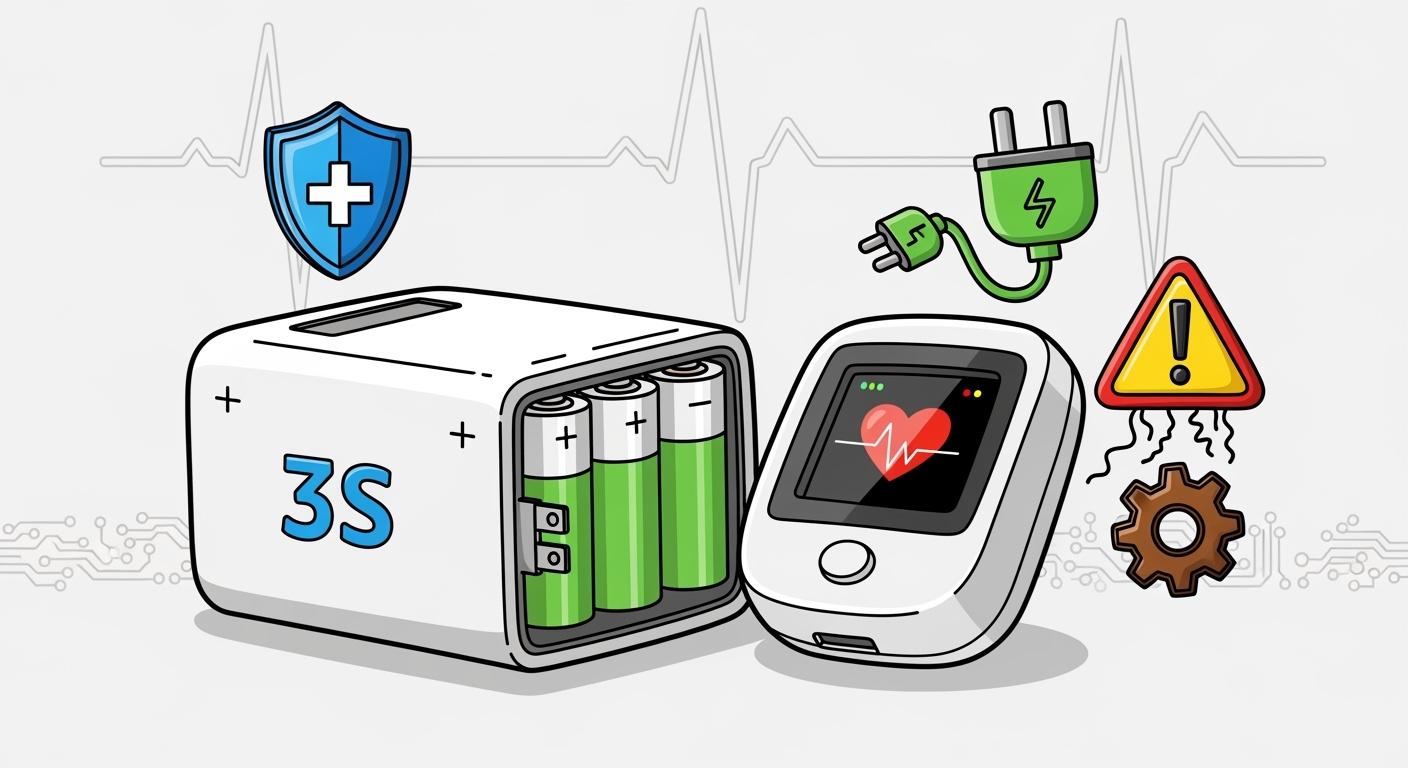
You often choose a 3s lithium battery pack when you need a reliable 12v power source for a medical device. This solution offers strong integration, robust safety, and recognized certifications. However, you may face limits in customization, energy density, and regulatory approval. Advanced BMS and UL or IEC certifications improve safety and compliance. Evaluate both standardized and custom options to match your project’s needs.
Key Takeaways
Standardized 3S lithium battery packs offer reliable integration and safety features, making them ideal for mobile medical devices.
Choosing standardized packs can reduce costs and lead times, allowing for faster market entry and consistent quality.
Customization limits exist with standardized packs; consider custom solutions for unique power needs or specialized applications.
Part 1: 3S Lithium Battery Pack and 12V Medical Device Basics
1.1 3S Lithium Battery Pack Configuration
You often select a 3s lithium battery pack when you need a stable 12v power source for your mobile platform. This pack uses three lithium cells connected in series. Each cell typically provides a nominal voltage of 4.2V when fully charged. The series connection boosts the total voltage to match the requirements of 12v battery systems. You can see the typical configuration in the table below:
Parameter | Value |
|---|---|
Nominal Voltage | 12.6V |
Configuration | 3 cells in series (3S) |
Maximum Voltage (Charged) | 12.6V |
This design supports integration with a wide range of 12v power applications. You benefit from the high energy density of lithium chemistries like NMC, LCO, or LiFePO4. The pack’s structure allows for efficient integration into mobile and industrial devices. You also gain reliable power delivery for critical systems.
1.2 12V Battery Applications in Medical Devices
You see 12v battery solutions widely used in medical equipment, especially for portable and mobile devices. These include infusion pumps, patient monitors, and diagnostic imaging tools. The 3s lithium battery pack offers seamless integration with these platforms. You achieve consistent power output, which is vital for patient safety and device reliability.
Tip: You should always verify that your 12v battery pack meets the integration and safety standards required for medical device certification.
You also find 12v battery packs in robotics, security, and industrial sectors. In each case, the design supports mobile operation and long runtime. The integration of advanced BMS ensures safe lithium battery management. You can select from different chemistries, such as LiFePO4 for high safety or NMC for higher energy density, to match your device’s needs.
Part 2: Advantages of Standardized 3S Lithium Battery Pack Design
2.1 Integration and Compatibility with 12V Platforms
You need seamless integration when you select a 3s lithium battery pack for your 12v medical device. This design matches the voltage requirements of most 12v battery systems used in medical, robotics, and security applications. You can connect the pack directly to your device without complex voltage conversion. This compatibility reduces engineering time and lowers the risk of integration errors.
You benefit from a compact form factor that fits easily into mobile platforms. The standardized design supports a wide range of lithium chemistries, such as LiFePO4, NMC, and LCO. You can choose the chemistry that best matches your power, capacity, and safety needs. This flexibility allows you to optimize battery runtime and performance for your specific application.
Note: Standardized 3s lithium battery packs simplify the design process for 12v battery systems, making them ideal for rapid prototyping and mass production.
Feature | Standardized 3S Lithium Battery Pack | |
|---|---|---|
Voltage Compatibility | High | Variable |
Integration Effort | Low | High |
Form Factor | Compact | Customizable |
Application Fit | Medical, Robotics, Security, Mobile | Device-Specific |
2.2 Cost and Supply Chain Efficiency
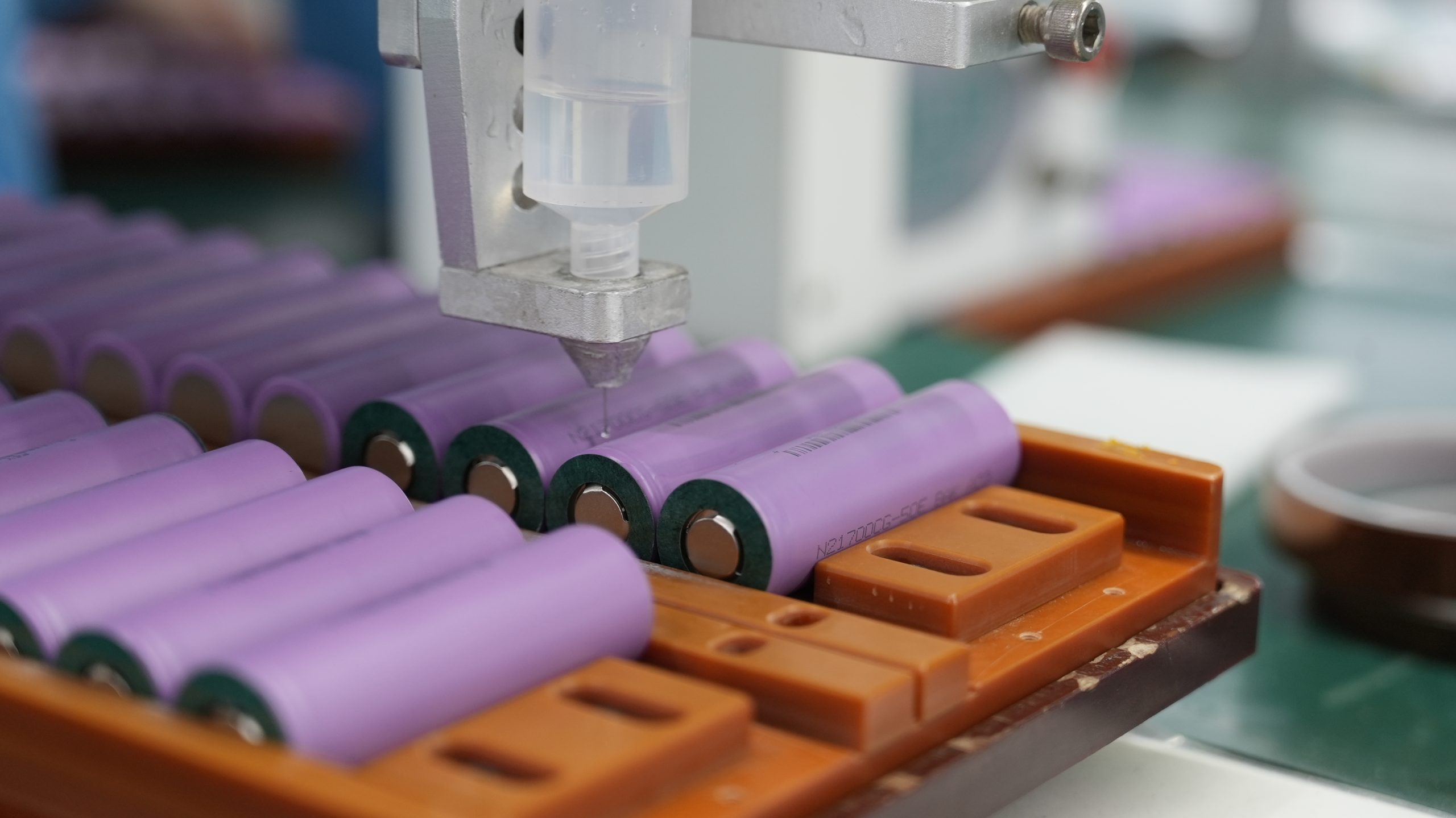
You can reduce costs and improve supply chain efficiency by choosing a standardized 3s lithium battery pack. Manufacturers produce these packs in large volumes, which lowers the unit price. You avoid the high engineering and tooling costs associated with custom battery design. This approach also shortens lead times, so you can bring your 12v device to market faster.
You gain access to a reliable supply chain. Standardized packs use common components and established manufacturing processes. This consistency ensures you receive batteries with predictable quality and performance. You can scale production quickly to meet growing demand for mobile medical or industrial devices.
Factor | Standardized Pack | Custom Pack |
|---|---|---|
Unit Cost | Lower | Higher |
Lead Time | Short | Long |
Supply Chain Risk | Low | High |
Quality Consistency | High | Variable |
Tip: If you need to manage costs and ensure a stable supply for your 12v battery needs, standardized lithium battery packs offer a clear advantage.
2.3 Safety, BMS, and Reliability
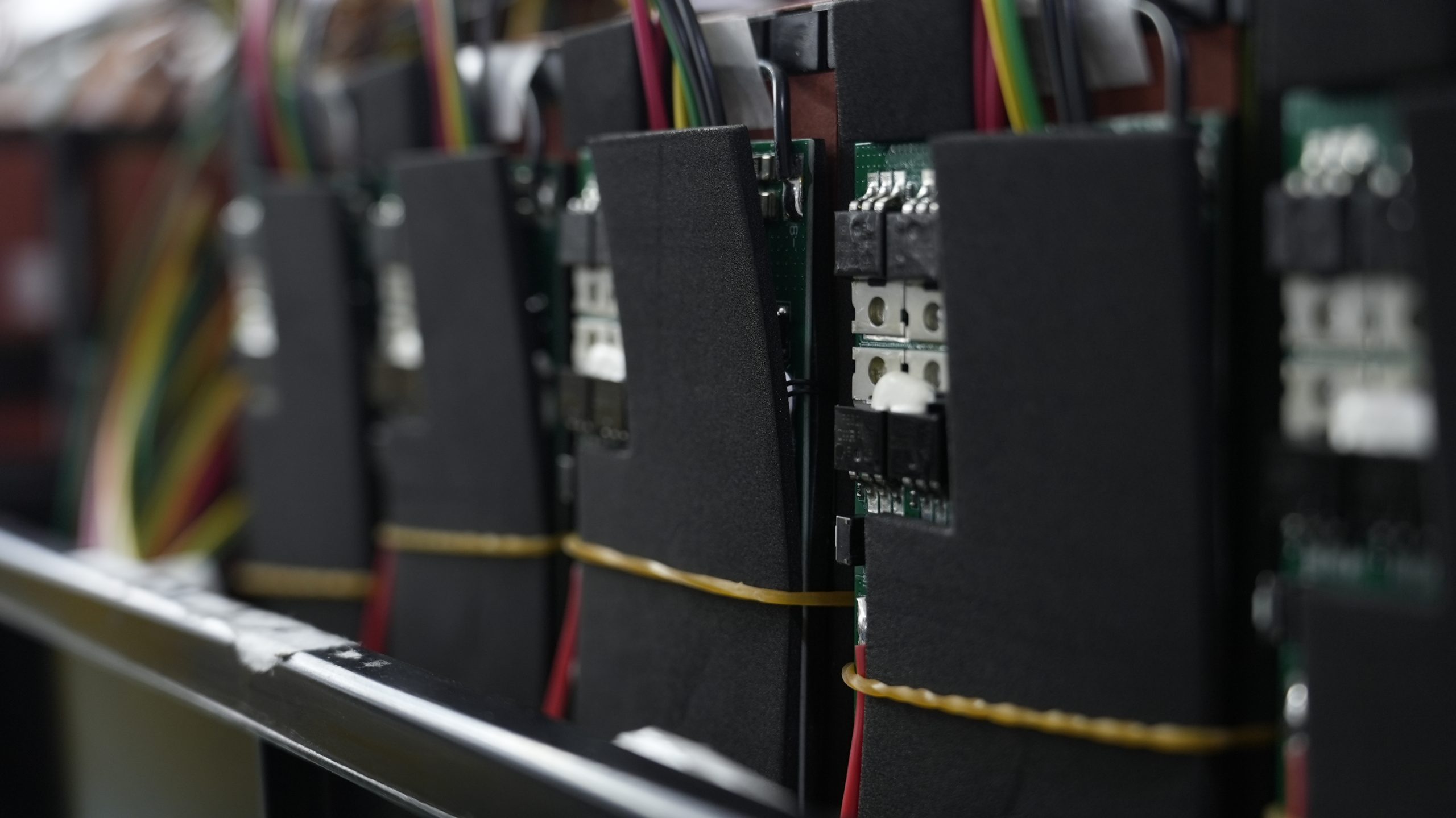
You must prioritize safety and reliability in every medical device design. Standardized 3s lithium battery packs include advanced battery management system (BMS) features that protect both the battery and the device. These features include:
Overcharge protection
Over-discharge protection
Overcurrent and short-circuit protection
Temperature protection
Reverse-connection protection
You can trust these safety mechanisms to prevent failures and extend battery runtime. The BMS monitors each cell and balances charging, which improves overall performance and capacity retention. You also benefit from consistent power delivery, which is critical for mobile medical and security applications.
You gain a significant advantage with UL and IEC certifications. These certifications confirm that your 12v battery meets strict safety and performance standards. You can access global markets more easily because regulatory agencies recognize these certifications. You also reduce liability risks and improve device reliability, which is essential for patient safety and compliance in the healthcare sector.
Safety & Compliance Factor | Standardized 3S Pack | Custom Pack |
|---|---|---|
Advanced BMS | Yes | Optional |
UL/IEC Certification | Yes | Optional/Costly |
Regulatory Market Access | Fast | Slow |
Manufacturer Liability | Lower | Higher |
Reliability | High | Variable |
Callout: You should always verify that your 3s lithium battery pack includes a robust BMS and holds valid UL/IEC certifications before integrating it into any 12v medical device.
You achieve high reliability, consistent battery runtime, and strong safety performance with standardized lithium battery packs. This makes them the preferred choice for most mobile 12v battery applications in medical, robotics, and security sectors.
Part 3: Limitations of Standardized 3S Lithium Battery Pack Design
3.1 Design Constraints and Customization Limits
You may encounter significant design constraints when you select a standardized 3S lithium battery pack for your 12v medical device. The fixed configuration of three cells in series restricts your ability to tailor the battery shape, size, and electrical characteristics. This limitation can impact your efforts to miniaturize devices or achieve unique form factors, especially for implantable or wearable medical platforms.
Standardized packs offer compactness and high specific energy, which suits many handheld or mobile medical devices.
You benefit from advanced safety features, such as overcurrent protection and thermal cutoffs, which help you meet strict regulatory standards like IEC 60601.
The design supports easy replacement and hot-swappable capabilities, ensuring continuous operation in emergency scenarios.
However, you may find that these advantages do not always translate to specialized applications. If you need a battery with a unique footprint, flexible geometry, or integrated biocompatible materials, a standardized 3S lithium battery pack may not meet your requirements. Custom battery solutions allow you to optimize every aspect of the design, from cell arrangement to enclosure materials, to achieve the best fit and performance for your device.
Note: Miniaturization, biocompatibility, and extended longevity are critical for implantable medical devices. Standardized packs often cannot deliver the necessary customization for these advanced applications.
3.2 Energy Density and Runtime Challenges
You must consider energy density and battery runtime when evaluating standardized 3S lithium battery packs for your 12v device. While lithium chemistries like NMC, LCO, and LiFePO4 provide high energy density, the standardized design may not always maximize the available space within your device. This can limit the total capacity and reduce battery runtime, especially in compact or high-power applications.
You may also face challenges if your device requires a specific runtime profile or must operate under extreme conditions. Standardized packs use fixed cell sizes and arrangements, which can restrict your ability to increase battery capacity or optimize thermal management. Custom battery designs allow you to select the ideal cell type, such as LMO or LTO, and configure the pack for maximum efficiency and performance.
Aspect | Standardized 3S Pack | Custom Pack |
|---|---|---|
Energy Density | High (NMC, LCO, LiFePO4) | Optimized for application |
Battery Runtime | Consistent, but limited | Tuned for device requirements |
Cell Arrangement | Fixed (3S) | Flexible |
Thermal Management | Standard | Customizable |
Application Fit | Mobile, general medical | Specialized, implantable |
Callout: If you need to maximize battery runtime or achieve the highest possible energy density, you should consider a custom 12v battery design.
3.3 Regulatory and Certification Issues
You must navigate complex regulatory and certification requirements when integrating a 3S lithium battery pack into a 12v medical device. Standardized packs often come with UL and IEC certifications, which streamline market access and reduce compliance risks. However, these certifications may not cover every aspect of your device’s unique application, especially if you modify the pack or use it in a novel way.
You may also encounter challenges related to sustainability and conflict minerals. For more information, see Sustainability in Lithium Battery Supply Chains and Conflict Minerals and Battery Manufacturing. Regulatory agencies may require additional documentation or testing if your device operates in critical environments or uses advanced features not addressed by the standard certification.
Custom battery packs allow you to tailor the certification process to your specific needs, but this approach increases cost and time to market. You must balance the benefits of rapid deployment with standardized packs against the need for full regulatory compliance and device-specific validation.
Regulatory Factor | Standardized 3S Pack | Custom Pack |
|---|---|---|
UL/IEC Certification | Included | Optional, costly |
Market Access | Fast | Slower |
Device-Specific Testing | Limited | Comprehensive |
Sustainability/Conflict Minerals | Standardized | Customizable |
Tip: Always verify that your 12v battery solution meets all regulatory requirements for your target market and application.
Standardized vs. Custom Packs: Meeting Medical Requirements
You must weigh the trade-offs between standardized and custom 3S lithium battery packs for your 12v battery applications. Standardized packs deliver high power, reliable performance, and strong safety features for most mobile medical, robotics, and security devices. However, custom packs provide the flexibility to optimize design, capacity, and efficiency for specialized or advanced medical platforms.
Feature/Requirement | Standardized 3S Pack | Custom Pack |
|---|---|---|
Design Flexibility | Limited | High |
Power and Efficiency | Consistent | Tuned for application |
Battery Runtime | Predictable | Maximized |
Certification Process | Streamlined | Device-specific |
Application Fit | Mobile, general medical | Specialized, implantable |
You should choose the solution that best aligns with your device’s power, performance, and regulatory needs.
Part 4: Practical Design Considerations for Medical Device Engineers
4.1 Choosing Standardized 3S Lithium Battery Packs
You often select standardized 3S lithium battery packs when you need reliable 12v power for mobile medical, robotics, or security platforms. These packs streamline your design process and support rapid integration with 12v battery-powered equipment. You benefit from a compact structure and consistent performance, which suits most mobile power modules and devices with compact product footprints.
Standard battery technologies like LiFePO4, NMC, and LCO deliver high energy efficiency and safety. You can trust these lithium solutions for applications where certification, cost, and supply chain stability matter most. Power management ics in these packs ensure safe operation and extend battery life. You achieve predictable energy efficiency and runtime, which is critical for mobile and infrastructure sectors.
Tip: Choose standardized 12v battery packs when your application requires fast deployment, proven safety, and compatibility with existing power management ics.
4.2 When Custom 12V Battery Design Is Needed
You need a custom 12v battery design when your application demands unique power profiles, advanced energy efficiency, or specialized form factors. Custom solutions become essential for medical devices that must comply with strict standards or require precise charge and voltage accuracy. The table below highlights key regulatory standards:
Regulatory Standard | Description |
|---|---|
IEC 60601-1 | Applies to all electrical and electronic medical devices, requiring compliance for new products and those currently shipping under the 2nd edition to maintain safety standards. |
IEC 62133 | Governs the safety requirements for lithium-based batteries, ensuring they meet necessary performance and safety criteria for medical applications. |
CE Marking | Required for battery packs sold in the EU, ensuring they meet safety requirements for consumer protection. |
You also face higher costs and longer development times with custom lithium battery solutions. Factors such as battery chemistry, design complexity, safety features, and regulatory compliance all impact your timeline and budget. You may need several engineering and prototyping cycles to achieve the right balance of energy efficiency and power.
Compliance with medical device battery regulations
Custom power solutions for diverse healthcare applications
Design considerations like charge accuracy, voltage accuracy, and quiescent current
For specialized needs, consult our custom battery solutions team to optimize your 12v battery for your application.
You gain strong safety, cost efficiency, and rapid integration with standardized 3S lithium battery packs for medical platforms. However, you face limits in customization and energy density.
Assess battery power versus energy needs
Review lithium cycle life and thermal management
Ensure BMS and certifications meet device safety standards
Balancing these factors helps you select the right lithium battery for your application.
FAQ
What advantages do standardized 3S lithium battery packs offer for medical device platforms?
You gain reliable integration, UL/IEC certifications, and advanced BMS features. These packs support LiFePO4, NMC, and LCO chemistries for consistent performance in medical, robotics, and industrial sectors.
How does Large Power support custom lithium battery solutions for B2B clients?
You receive expert engineering, regulatory guidance, and tailored chemistries. Large Power offers custom battery consultation for your project needs.
How do standardized and custom 3S lithium battery packs compare for specialized applications?
Feature | Standardized Pack | Custom Pack |
|---|---|---|
Integration | Fast | Tailored |
Certification | Included | Device-specific |
Form Factor | Fixed | Flexible |


