

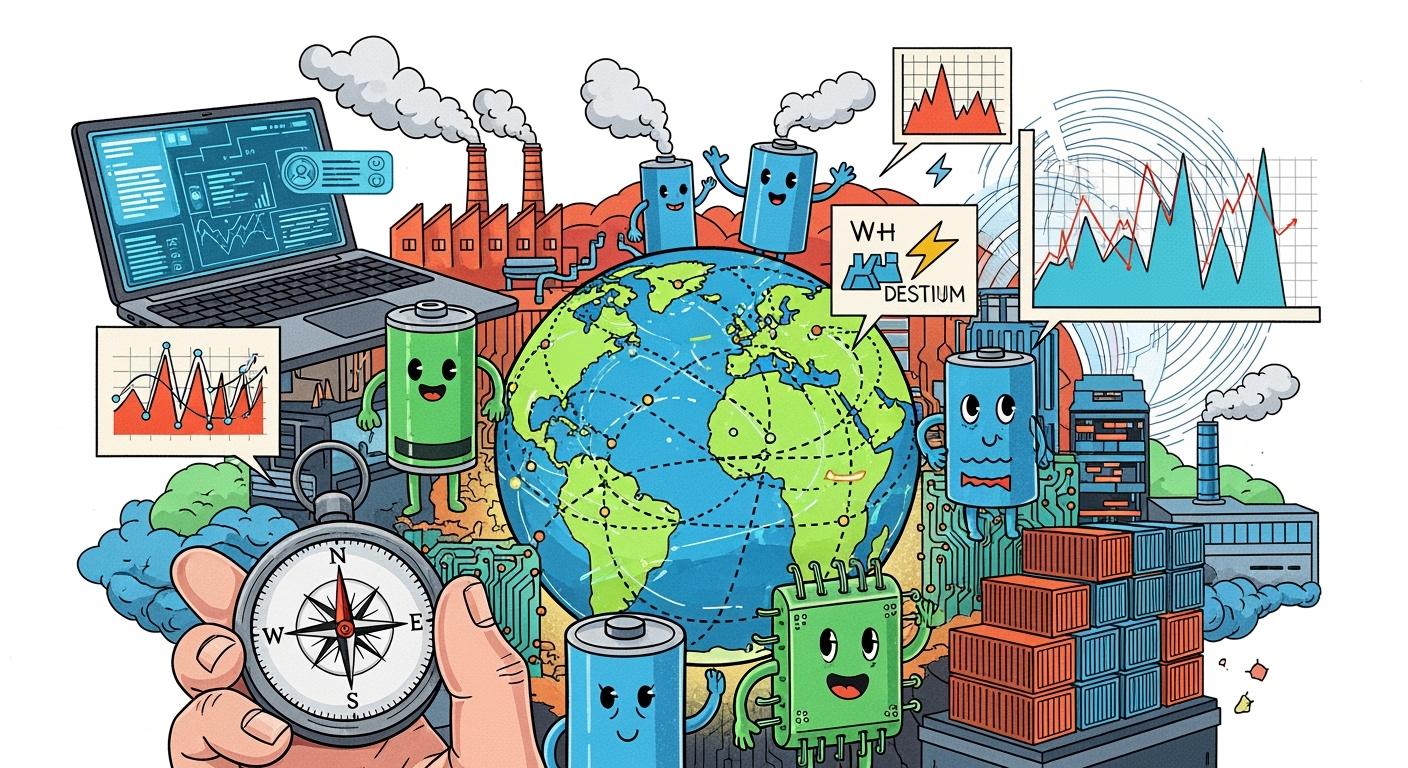
Volatility defines the global lithium battery supply chain in Q2 2026. Companies face rapid shifts as China’s share of global module exports rises to 62%, while South Korea, Vietnam, and Mexico adjust their export strategies. EU-based exports show growth, driven by traceability systems in Germany and Poland. Lithium carbonate prices swing between RMB 100,000 and 190,000 per metric ton, creating cost uncertainty. B2B stakeholders must adopt resilient, data-driven approaches to protect operations and secure reliable access within the global market.
Key Takeaways
Volatility in the lithium battery supply chain is driven by rapid changes in demand and supply, particularly from electric vehicles and energy storage systems.
Companies must adopt resilient, data-driven strategies to navigate disruptions and secure reliable access to critical minerals like lithium, cobalt, and nickel.
Geopolitical tensions and trade policies significantly impact the availability and pricing of lithium and cobalt, making diversification of suppliers essential.
Investing in digital tools and advanced analytics can enhance supply chain visibility and help companies respond quickly to market changes.
Sourcing from multiple regions and forming strategic partnerships can reduce risks associated with geographic concentration and improve supply chain stability.
Ongoing price volatility for lithium and cobalt requires companies to implement financial hedging strategies to manage costs effectively.
Sustainability practices, such as recycling and using clean energy, are crucial for reducing emissions and supporting the transition to a circular economy.
Stakeholders should regularly monitor market trends and policy changes to adapt their strategies and seize new opportunities in the evolving lithium battery market.
Part1: Volatility in the Global Lithium Battery Market
1.1 Production and Delivery Disruptions
The global lithium battery supply chain faces frequent disruptions in Q2 2026. Tight supply-demand dynamics create vulnerability, where even small interruptions can affect pricing and security. Operational challenges at lithium production facilities have led to a 15% decline in output, mainly due to technical issues. Reduced lithium recovery rates caused by contamination further complicate manufacturing. These disruptions have pushed battery costs higher. Factors such as rising demand for electric vehicles, geopolitical tensions, and inflation in raw materials contribute to this surge. Delays in battery deliveries now range from 6 to 12 months, slowing clean energy adoption. China’s export restrictions on graphite impacted 35% of global EV production, as China controls nearly 70% of the global graphite supply.
Note: Production disruptions often stem from technical issues, contamination, and export restrictions. These factors directly affect battery availability and pricing.
1.2 Demand-Supply Imbalance
Demand for lithium batteries continues to outpace supply. The market shifted from surplus to deficit within a year, highlighting volatility. Analysts observe that supply disruptions and rising demand from electric vehicles and energy storage systems drive this imbalance. Traders’ marketable lithium ore inventory dropped to 95,000 tonnes, down from 271,000 tonnes. Refinery ore stocks now sit below 30 days of consumption. Zimbabwe expects to supply 180,000 tonnes of lithium carbonate equivalent in 2026, representing 8.5% of global supply. Experts predict that lithium demand will exceed supply in Q2 2026. The projected demand growth rate stands at 15–18% annually, fueled by clean energy transitions and solid-state battery industrialization. Supply constraints include environmental approvals, infrastructure challenges, and capital expenditure delays. Battery pack prices may rise above $150/kWh if shortages persist, affecting strategic adoption of electric vehicles.
Aspect | Details |
|---|---|
Projected Demand Growth (CAGR) | 15–18% |
Primary Demand Drivers | Electric Vehicles, Energy Storage Systems |
Supply Constraints | Environmental approvals, infrastructure, capital delays |
Key Supply Regions | Australia, South America, China, Canada |
Estimated Price Range for Lithium Carbonate | USD 18,000 – 25,000 / ton |
Estimated Price Range for Lithium Hydroxide | USD 20,000 – 28,000 / ton |
1.3 Financial and Operational Risks
Lithium battery manufacturers and suppliers face several financial and operational risks. Securing critical minerals like lithium, nickel, and cobalt is essential for operational continuity. Geopolitical shifts can disrupt production schedules, making multi-year sourcing agreements a strategic necessity. Companies must quantify concentration risk against inventory buffers to ensure production ramp-up. Regulatory compliance costs affect financial planning, especially with evolving safety standards. Firms must budget for certifications and ongoing training, which impacts forecasts. Governments are reclassifying critical minerals as strategic assets, increasing state intervention in supply chains. Energy market shocks influence mining cost structures, compressing margins for producers. Operational risks remain high, as seen in the fire at a lithium battery factory in Hwaseong, South Korea, which resulted in 22 deaths. Insurers now require detailed safety measures and risk management plans. These risks challenge the global supply chain and demand careful analysis to maintain resilience and reduce emissions.
Part2: Lithium-Ion Battery Supply Chain Structure
2.1 Upstream: Raw Material Sourcing
Lithium, Cobalt, Nickel Supply
The upstream segment of the global lithium battery supply chain focuses on sourcing critical minerals. Companies must secure lithium, cobalt, and nickel to support battery manufacturing. In Q2 2026, several challenges shape this stage:
Environmental impacts from mining operations
Ethical labor issues in mineral extraction
Supply chain vulnerabilities due to limited suppliers
Technological hurdles in extraction and processing
Geopolitical risks affecting access to minerals
Cost factors driven by market fluctuations
The need for innovative, sustainable mining practices
Prices of lithium are declining because of weak global demand, while cobalt prices are rising sharply due to export bans in the Democratic Republic of Congo. Nickel markets face uncertainty from policy shifts in Indonesia and the Philippines. Rising production costs for manganese and graphite, sluggish demand for NCM in China, and disruptions from US-EU tariffs add more complexity.
The industrialization of solid-state batteries is changing upstream dynamics. Companies now invest in new materials like lithium metal anodes and sulfides. These materials require advanced mining and processing methods, increasing the need for strategic partnerships and clean extraction techniques. The shift to solid-state technology also drives demand for higher-purity lithium and other critical minerals, making supply chain analysis more important.
Geographic Concentration Risks
The global lithium battery supply chain faces significant risks from the geographic concentration of critical minerals. Most lithium, cobalt, nickel, and graphite come from a few regions. This concentration increases vulnerability to geopolitical tensions, trade restrictions, and export controls. Mining limitations and reliance on single-source suppliers can disrupt the entire chain.
The lithium-ion supply chain is especially vulnerable because essential materials and manufacturing are concentrated in politically unstable regions like China. This situation leads to instability and price volatility. The geopolitical landscape shapes the global battery production ecosystem, and monopolies in critical minerals create risks for all stakeholders. Companies must conduct ongoing analysis to identify and manage these risks.
2.2 Midstream: Component Manufacturing
Cathode, Anode, Electrolyte
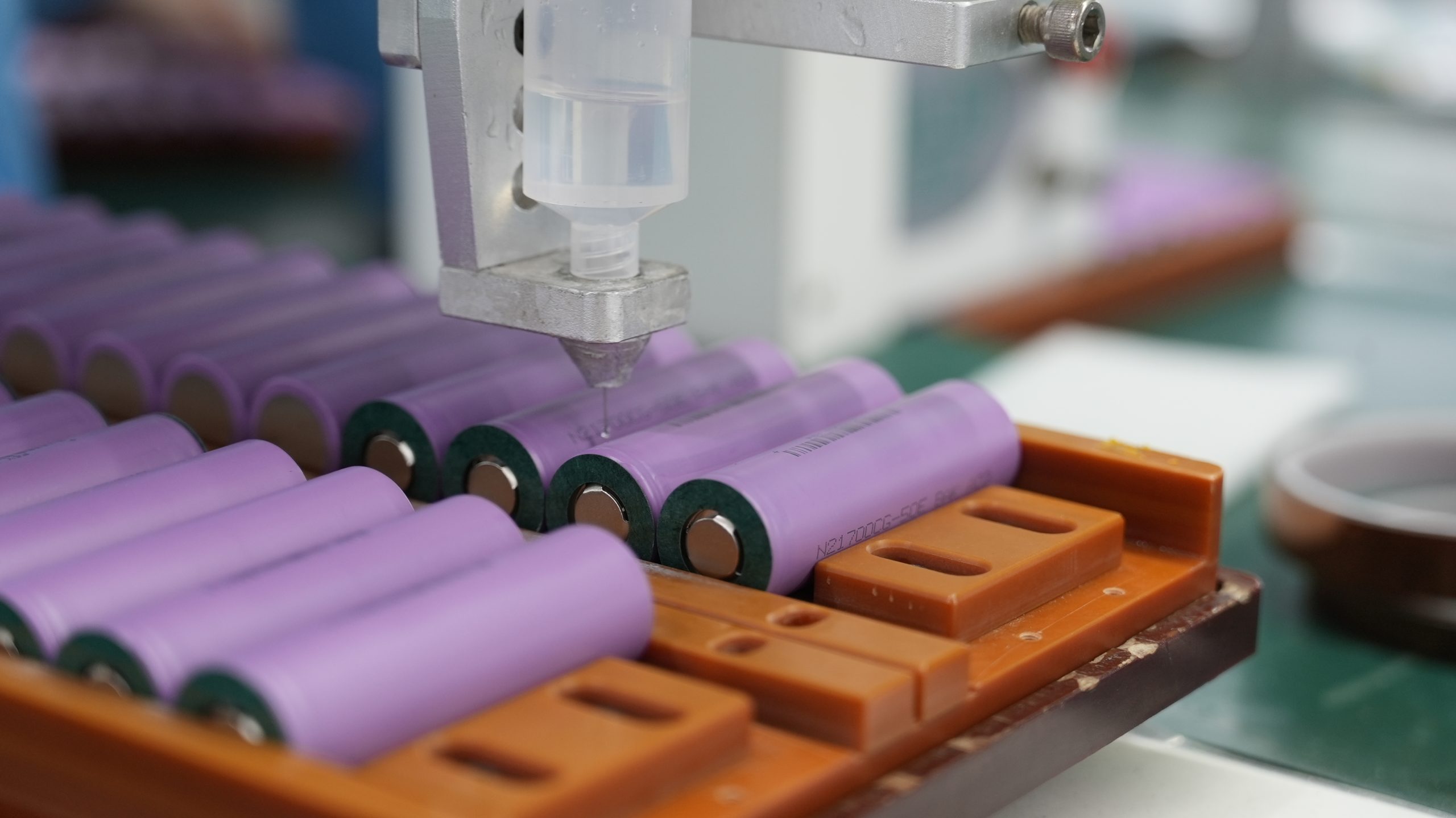
The midstream segment covers the manufacturing of battery components such as cathodes, anodes, and electrolytes. This stage relies on a steady supply of high-quality critical minerals. The rise of solid-state batteries has led to the adoption of new materials and processes, including dry electrode technology, isostatic pressing, and advanced current collectors. Manufacturers now use lithium metal anodes and sulfide-based electrolytes to improve battery performance and safety.
Component manufacturing faces several risks. Quality variability and counterfeit products remain major concerns. Low-cost and counterfeit batteries often show much lower quality in anode overhang and worse edge alignment compared to established brands. These defects increase the risk of internal shorts and thermal runaway, which can cause serious safety hazards. Analysis of defective cells from low-cost brands reveals a high rate of negative anode overhang, raising the risk of thermal events.
Technology and Quality Control
Ongoing challenges in technology and quality control affect the midstream supply chain. Companies must ensure consistent quality and safety in battery manufacturing. Risks include defective materials, manufacturing defects, thermal runaway incidents, and product recalls. Compliance complexities arise from different testing and certification requirements across global markets.
Manufacturers need significant coordination and oversight to maintain quality standards. Communication barriers and varying regulatory frameworks can cause delays and quality issues. The adoption of new equipment, such as laser systems for precision manufacturing, helps improve consistency. However, these advances require ongoing investment and training. Strategic analysis and quality control remain essential for reducing emissions and supporting clean energy goals.
2.3 Downstream: Battery Integration
OEMs and Distribution
The downstream segment involves integrating batteries into products and distributing them to end users. Original equipment manufacturers (OEMs) and distributors face several challenges:
The dominance of a few countries, especially China, in battery production stages creates business risks for companies in the US and EU.
The complexity of the battery value chain can slow the transition to electric vehicles.
Automakers are exploring vertical integration to reduce risks linked to material supply.
Securing enough raw materials to meet demand remains a significant challenge. There is a looming supply deficit for essential minerals like lithium, nickel, and cobalt. Maintaining the right purity of materials is crucial for battery manufacturers. Companies must also implement sustainable practices to reduce emissions at every step.
Logistics and Inventory
Logistics and inventory management play a vital role in the efficiency of the downstream supply chain. The rapid growth in electric vehicle sales requires robust logistics and inventory systems to meet rising demand. A tight supply of materials like lithium and cobalt highlights the need for effective inventory practices to avoid shortages.
Dependency on a limited number of lithium-ion battery suppliers makes logistics even more important. Companies must diversify supply sources and ensure a steady flow of materials. Advanced inventory management tools help companies respond quickly to market changes and reduce emissions. Strategic analysis of logistics and inventory practices supports the global transition to clean energy.
Supply Chain Segment | Key Focus Areas | Current Challenges | Recent Developments |
|---|---|---|---|
Upstream | Raw material sourcing, mining | Geographic concentration, ethical and environmental issues, price volatility | Solid-state battery materials, sustainable mining |
Midstream | Component manufacturing (cathode, anode, electrolyte) | Quality control, counterfeit risks, compliance | Dry electrode, isostatic pressing, laser equipment |
Downstream | Battery integration, OEMs, logistics | Supply deficits, logistics, emissions reduction | Vertical integration, advanced inventory tools |
Note: The industrialization of solid-state batteries is reshaping the global lithium battery supply chain. New equipment and materials, such as lithium metal anodes and sulfide electrolytes, are driving changes in upstream, midstream, and downstream segments. Companies must adapt their strategies to manage risks and support clean energy transitions.
Part3: Key Risks in the Lithium-Ion Battery Supply Chain
3.1 Raw Material Shortages
Lithium and Cobalt Price Volatility
The global lithium battery supply chain faces significant risks from raw material shortages. Companies see sharp price reversals in the lithium market, which complicates planning and cost management. Supply-side tightness, especially in lithium hydroxide, creates uncertainty for battery manufacturing. Seasonal logistics constraints add another layer of complexity. Cobalt prices have increased due to export quotas imposed by the Democratic Republic of Congo, the leading producer of this critical mineral. The slow resumption of exports from the DRC has tightened the market further.
Manufacturers struggle with price forecasting and long-term contract negotiations because of volatility in lithium and cobalt prices. Geopolitical tensions and trade restrictions amplify these fluctuations, making sourcing strategies more difficult.
Price volatility in lithium and cobalt directly impacts battery supply chain costs and strategic planning. Companies must conduct ongoing analysis to manage these risks and support clean energy goals.
Supply Deficits and Projections
Supply deficits for lithium and cobalt are projected to persist through 2026. Demand from electric vehicles and energy storage systems continues to grow, outpacing available supply. The concentration of cobalt production in the Democratic Republic of Congo, which supplies 60% of global output, introduces significant geopolitical risks. Any regional conflict or instability can disrupt supply, affecting battery manufacturing and clean energy transitions.
Source | Material | Additional Notes | |
|---|---|---|---|
Morgan Stanley | Lithium | 80,000 metric tons LCE | Significant demand from EVs and storage |
UBS | Lithium | 22,000 metric tons | Expected surplus in 2025 of 61,000 tons |
General Estimate | Cobalt | 20% short of demand by 2030 | Long-term demand growth anticipated |
Significant shortages of lithium and cobalt impact battery production. Rising prices and supply constraints remain critical issues. Geopolitical factors influence the availability of these minerals, making strategic analysis essential for supply chain resilience.
3.2 Geopolitics and Trade Barriers
China’s Market Dominance
China controls approximately 80% of global lithium-ion battery production capacity and manages over 60% of lithium refining operations. This concentration creates dependency risks for international manufacturers. Companies face disruptions from trade policy changes and geopolitical tensions. The US–China trade wars show how China’s market dominance can lead to policy shifts, such as cutting electric vehicle production subsidies, which impact global lithium prices and battery availability.
China’s internal demand for lithium-ion battery products, especially electric vehicles, influences global commodity prices. The rapid increase in demand has led to price volatility, posing challenges for new entrants in the battery market. International companies must conduct strategic analysis to reduce dependency and support clean energy transitions.
Geographic concentration and national security concerns increase supply chain vulnerability. Companies must diversify sourcing and strengthen partnerships to mitigate risks.
Tariffs and Policy Shifts
Geopolitical tensions, such as the US-China trade war, lead to significant policy changes affecting tariffs and export restrictions. Companies must diversify their supply chains to reduce reliance on a single supplier. Emerging markets like India and Southeast Asia gain competitiveness due to these trade dynamics.
Tariffs and trade barriers disrupt the lithium supply chain essential for battery manufacturing. Political instability in major lithium-producing countries like Chile and Argentina poses risks to supply security. These factors increase uncertainty in sourcing materials, leading companies to reconsider their supply strategies. The reduction in export tax rebates from 9% to 6% in April 2026 has led to increased early locking and stockpiling in the lithium battery supply chain.
Climate, trade, and geopolitical policy intertwine to shape supply chain risks. Strategic analysis helps companies adapt to changing regulations and maintain clean energy goals.
3.3 Logistics and Petrochemical Disruptions
Shipping Delays
The global lithium battery supply chain faces significant disruptions from logistics issues. Port congestion, container shortages, and delays in inland transport slow stock movement and increase freight costs. Regulatory changes can halt shipments, causing stock to remain idle while obligations continue. Companies with diversified sourcing are better positioned to navigate these challenges compared to those reliant on single suppliers.
Shipping delays often link to regulatory compliance and customs processes, which can hinder battery supply chain efficiency. Approximately 45% of delays in the lithium battery sector are associated with customs issues. Proper documentation is essential to avoid such delays.
Packaging and Material Costs
Packaging material costs directly influence shipping expenses and operational efficiency. Companies must manage these costs effectively to maintain supply chain performance. The International Battery Association emphasizes that understanding customs paperwork is crucial for minimizing delays in shipping lithium batteries. The complexity of lithium battery classification is compounded by differing regulations across countries, which can lead to confusion and inefficiencies in the supply chain.
Logistics and petrochemical disruptions increase emissions and operational risks. Companies must invest in advanced logistics solutions and conduct ongoing analysis to support clean energy transitions.
Part4: Mitigation Strategies for Global Lithium Battery Supply Chains
4.1 Sourcing and Supplier Diversification
Strategic Partnerships
Strategic partnerships play a vital role in securing critical minerals for battery manufacturing. Industry collaboration reduces costs and improves efficiency. Shared logistics infrastructure increases resilience. Companies that partner with Large Power benefit from stable lead times and predictable deliveries. These partnerships also support clean energy goals by reducing and emissions.
Strategy Type | Description |
|---|---|
Diversification of raw materials | Essential to mitigate supply security risks by sourcing from multiple suppliers. |
Investment in production | Critical for addressing capacity-related vulnerabilities through enhanced infrastructure. |
Enhanced logistics planning | Necessary for ensuring supply chain resilience through effective risk management protocols. |
Quality control measures | Important for identifying and mitigating potential safety hazards through traceability systems. |
Recycling initiatives | Reduces dependency on virgin materials and supports circular economy objectives. |
4.2 Financial and Pricing Tools
Hedging and Cost Management
Financial tools help companies manage volatility in the global lithium battery supply chain. Samsung SDI uses flexible manufacturing systems to adapt to material availability. They employ financial hedging strategies, covering about 60% of their annual lithium requirements through futures contracts and options. Their Adaptive Pricing Framework includes cost pass-through provisions to manage supply chain disruptions. Ganfeng, a major lithium producer, plans to trade derivatives such as options and forward products to enhance financial stability.
Evidence Description | Details |
|---|---|
Growing need for hedging | As much as 1 million tonnes of lithium could be hedged this decade, reflecting the total lithium market size last year. |
Trading volumes comparison | Average trading volumes on the Guangzhou Futures Exchange are three hundred times larger than those for lithium hydroxide futures on the CME exchange in the US. |
Open interest comparison | Average open interest was 312,668 tonnes of lithium carbonate in Guangzhou, compared to 23,908 tonnes on the CME exchange. |
Note: The lithium futures market is expanding as stakeholders seek to mitigate price risks and stabilize costs.
Risk Sharing Models
Risk sharing models help companies manage financial exposure in the global battery supply chain. These models distribute risks among partners, reducing the impact of price fluctuations and supply disruptions. Companies collaborate across the industry to share logistics infrastructure and improve efficiency. This approach supports clean energy transitions and reduces emissions.
4.3 Operational and Digital Solutions
Inventory and Demand Planning
Operational solutions enhance resilience in the global lithium battery supply chain. AI-driven forecasting aligns production with demand, reducing excess inventory. Advanced analytics detect quality issues and identify supply chain risks. Predictive analytics optimize stock levels and reduce waste. Digital twin technology simulates scenarios to test supply chain responses before disruptions occur.
Technology | Contribution to Supply Chain Resilience |
|---|---|
AI, IoT, and blockchain | Provide real-time visibility and predictive analytics to anticipate disruptions. |
Predictive analytics | Optimize stock levels and reduce waste through data-driven insights. |
Digital twin technology | Simulate scenarios to test supply chain responses before disruptions occur. |
Digital twins improve inventory management by providing advanced forecasting capabilities. Companies manage inventory efficiently across multiple warehouses, which leads to cost reductions and improved service delivery times.
Digital Supply Chain Tools
Digital supply chain tools support global battery manufacturing by providing real-time visibility and predictive analytics. These tools help companies anticipate disruptions and optimize operations. Strategic partnerships with manufacturers like Large Power enhance supply chain resilience. Large Power offers faster collaboration and reduced development cycles. Enhanced quality and compliance with regulations ensure superior product quality. Shorter transport distances reduce carbon footprints, supporting clean energy goals and responsible manufacturing practices.
Alert: Investing in digital supply chain tools and advanced analytics supports emissions reduction and strengthens supply chain resilience.
Part5: Future Outlook for the Lithium Supply Chain
5.1 Anticipating Ongoing Volatility
Industry experts expect volatility to remain a key feature of the lithium battery supply chain. Price swings for lithium carbonate and cobalt will likely continue, but analysts predict a trend toward mild inflation rather than sharp spikes. Supply chain elasticity will help companies adapt to sudden changes in demand or disruptions. High oil prices make electric vehicles more attractive, which increases demand for lithium batteries. Companies must monitor global events and adjust strategies quickly.
Note: Companies that use flexible sourcing and digital tools can respond faster to market shifts.
5.2 Building Long-Term Resilience
Long-term resilience depends on several factors. Companies invest in supply chains to reduce risks from geographic concentration. Synthetic biology offers new ways to produce battery materials with lower costs and less environmental impact. This technology aligns with global trends toward green and low-carbon solutions. Firms also focus on recycling and circular economy practices to reduce reliance on new raw materials.
Key strategies for resilience include:
Diversifying suppliers across regions
Investing in synthetic biology and advanced materials
Expanding recycling programs for battery components
Using digital platforms for real-time supply chain monitoring
A table below summarizes these strategies:
Strategy | Benefit |
|---|---|
Supplier diversification | Reduces risk from disruptions |
Synthetic biology | Lowers cost, cuts emissions |
Recycling initiatives | Lessens raw material demand |
Digital supply chain tools | Improves visibility |
5.3 Recommendations for Stakeholders
Stakeholders should take proactive steps to secure their supply chains. They need to build strong relationships with multiple suppliers. Investing in new technologies like synthetic biology can provide a competitive edge. Companies should also track policy changes and global market trends.
A checklist for stakeholders:
Monitor lithium and cobalt prices regularly
Develop partnerships in different regions
Adopt digital supply chain management tools
Explore synthetic biology for material sourcing
Expand battery recycling efforts
Tip: Staying informed and flexible helps companies manage risks and seize new opportunities in the evolving lithium battery market.
Industry leaders can strengthen supply chains by taking these steps:
Diversify suppliers and regions.
Invest in digital tools for real-time monitoring.
Build strong partnerships for stable sourcing.
Expand recycling and circular economy efforts.
Tip: Ongoing analysis and quick adaptation help companies stay ahead of market changes. They should review strategies often to secure long-term success.
FAQ
What causes volatility in the lithium battery supply chain?
Many factors cause volatility. These include raw material shortages, price swings, geopolitical tensions, and shipping delays. Companies must monitor these risks to keep supply chains stable.
How do companies manage lithium price fluctuations?
Companies use hedging tools, long-term contracts, and flexible pricing models. These strategies help them control costs and reduce the impact of sudden price changes.
Why is supplier diversification important?
Supplier diversification lowers risk. If one supplier faces disruption, others can fill the gap. This approach helps companies avoid shortages and keep production running.
What role does digital technology play in supply chain resilience?
Digital tools like AI, IoT, and blockchain give real-time data. They help companies predict problems, manage inventory, and respond quickly to disruptions.
How do regional policies affect the lithium battery market?
Regional policies set rules for mining, trade, and environmental standards. These rules can change supply and demand. Companies must track policy changes to stay compliant and competitive.
What are best practices for reducing supply chain emissions?
Best practices include parterning with Large Power, investing in recycling, and adopting clean energy for transport. These steps lower emissions and support sustainability goals.


