

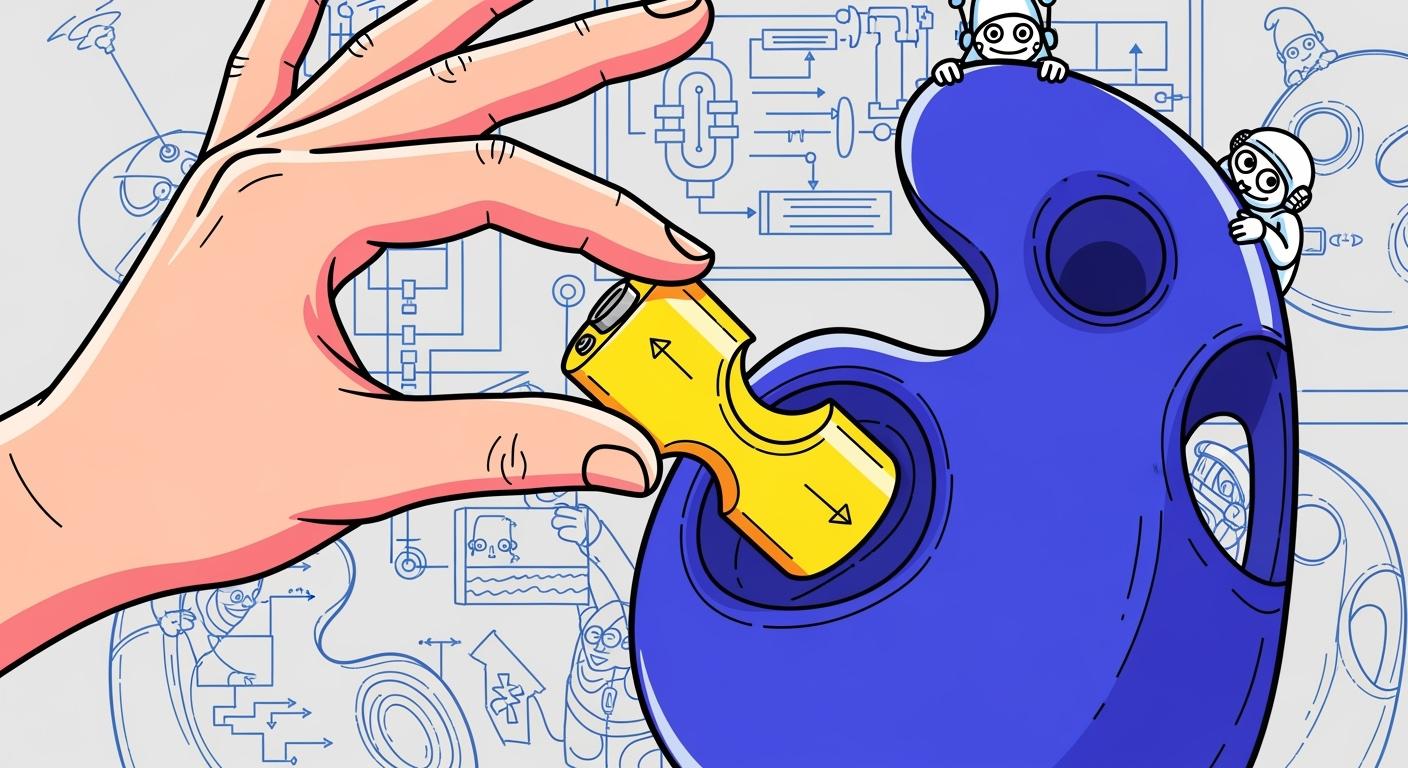
When you begin designing a custom-shaped Battery for a unique device, you must analyze power requirements and constraints with precision. You work closely with engineering teams to define voltage, current, and environmental needs. Safety and compliance guide every decision. Common challenges include defining requirements, managing environmental factors, building in safety features, and meeting regulatory standards.
Challenge Type | Description |
|---|---|
Requirement Definition | Precise requirement definition is crucial for custom battery design to match application needs. |
Environmental Considerations | Must withstand various conditions like temperature, humidity, and vibration. |
Safety Features | Essential for preventing thermal runaway in lithium-based batteries, including overcharge protection. |
Regulatory Compliance | Ensures that the battery design meets necessary safety and performance standards. |
Key Takeaways
Define your device’s power needs clearly. Accurate voltage and current specifications help engineers design a battery that performs reliably in various environments.
Provide precise measurements for the battery compartment. This ensures a perfect fit, preventing movement and damage during operation.
Collaborate closely with engineering teams. Early communication helps avoid design errors and ensures the battery meets all safety and performance requirements.
Choose the right lithium chemistry based on your application. Consider factors like energy density, cycle life, and safety to select the best option for your device.
Maintain strict quality controls and documentation. This ensures compliance with safety standards and builds trust with partners and customers.
Part1: Device Power and Shape Needs
1.1 Power Specs Analysis
You start by gathering detailed power specifications for your device. Engineers ask you about voltage and current needs. They also consider how your device will operate in different environments. Temperature, humidity, and vibration can change how a Custom-Shaped Battery performs. You must share information about where and how your device will be used. This helps engineers design a battery that works reliably in every situation.
Environmental Factor | Impact on Battery Design |
|---|---|
Temperature | Enhances durability and adaptability to extreme conditions |
Humidity | Ensures reliable operation in harsh environments |
Vibration | Customizations for rugged enclosures and protection against dust and water |
1.2 Space and Form Constraints
You provide exact measurements for the battery compartment in your device. Engineers use these dimensions to create a Custom-Shaped Battery that fits perfectly. Precise fit prevents movement and damage during operation. You may need a battery with a curved, thin, or irregular shape. Engineers use CAD models to visualize the battery inside your device. This step ensures the battery does not interfere with other components.
Tip: Always supply accurate drawings or 3D models of your device. This speeds up the design process and reduces errors.
1.3 Key Performance Factors
You must decide which performance factors matter most for your application. Some industries need batteries with high energy density. Others require long cycle life or enhanced safety. Engineers select the right lithium chemistry based on your needs. For example, LiFePO4 offers high safety and long cycle life. LCO provides high energy density but needs extra safety features.
Battery Chemistry | Energy Density | Safety | Cycle Life |
|---|---|---|---|
Lithium Cobalt Oxide (LCO) | High | Prone to thermal runaway | Moderate |
Lithium Manganese Oxide (LMO) | Good | Safe | Moderate |
Lithium Iron Phosphate (LiFePO4) | Moderate | High | Long |
Lithium Nickel Cobalt Aluminum Oxide (NMC) | High | Moderate | Moderate |
Portable electronics need lightweight and compact batteries.
Grid energy storage systems focus on cost-effectiveness and long cycle life.
Safety remains a top priority. You benefit from chemistries like LiFePO4, which offer better thermal stability. Engineers may add electrolyte additives to improve reliability.
Part2: Custom-Shaped Battery Design
2.1 Initial Concept Development
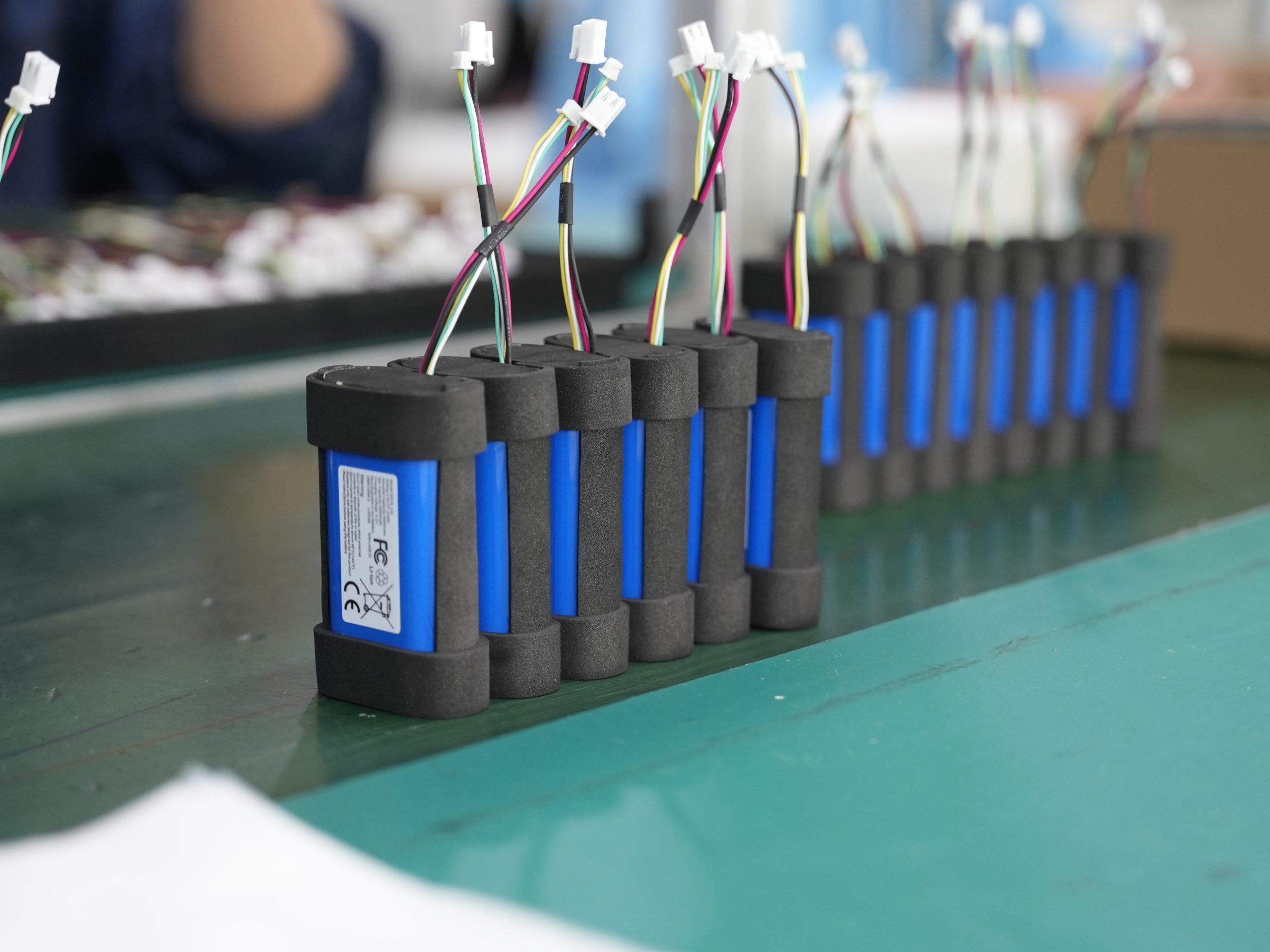
You begin the design process by translating your device’s requirements into clear battery concepts. Engineers use your voltage, current, and environmental needs to create a blueprint for the Custom-Shaped Battery. They build CAD models that show how the battery will fit inside your device. In medical devices, engineers often design batteries with thin profiles to fit compact spaces. Robotics applications may need batteries with curved or modular shapes to match moving parts. Security systems require batteries that fit into tight enclosures for discreet installation.
Tip: Share your device’s operating environment and expected usage patterns. This helps engineers select the right lithium chemistry, such as LiFePO4 for long cycle life or NMC for high energy density.
You see how the initial concept sets the foundation for every step that follows. Engineers use CAD tools to visualize the battery’s placement and ensure it does not interfere with other components. This stage helps you avoid costly redesigns later.
2.2 Form Factor Integration
You work with engineers to integrate the battery’s form factor into your device. They analyze the available space and shape constraints. In consumer electronics, you may need a battery that follows the contours of a slim device. Industrial sectors often require rugged batteries that withstand vibration and shock. Engineers use advanced modeling to create batteries with irregular shapes, such as L-shaped or wedge-shaped packs.
Engineers test different layouts to maximize energy density and maintain safety.
You review CAD models to confirm the battery fits with other device components.
They select lithium chemistries like LCO for high energy density or LiFePO4 for stability and long cycle life.
You benefit from a battery that matches your device’s footprint and performance needs. This integration ensures reliable operation in demanding environments, such as infrastructure monitoring or robotics.
2.3 Collaboration for Unique Shapes
You achieve the best results when you collaborate closely with engineering teams. Multidisciplinary environments bring together product managers and technical experts to capture your needs and ensure compliance. Systematic approaches use cross-functional teamwork to improve transparency and speed up workflow. Proactive engagement lets you participate in design analysis, which leads to better performance and manufacturability.
Collaborative Process | Description |
|---|---|
Multidisciplinary Environment | Product managers and technical teams work together to capture your needs and ensure compliance. |
Systematic Approach | Cross-functional teamwork improves transparency and eliminates workflow delays. |
Proactive Engagement | You engage with engineers during design analysis for optimal performance and manufacturability. |
Insertable Tooling | Engineers create prototypes that closely match final products, speeding up development. |
Local Customer Service | You access degreed engineers who understand your project, improving communication and support. |
Partnership Optimization | Clear, transparent, and accountable processes foster respect and honesty in collaboration. |
You see how these collaborative processes help you achieve unique battery shapes for specialized devices. In medical and security applications, close teamwork ensures the battery meets strict safety and regulatory standards. In industrial and robotics sectors, collaboration leads to batteries that withstand harsh conditions and deliver reliable power.
Note: Early and frequent communication with your engineering team helps you avoid design errors and ensures your Custom-Shaped Battery meets all requirements.
Part3: Material and Cell Selection
3.1 Lithium Chemistry Choices
You select lithium chemistry based on your device’s power, safety, and lifecycle needs. Each chemistry offers unique benefits for industrial, medical, or robotics applications. The table below shows key properties for common lithium battery types:
Chemistry | Platform Voltage (V) | Energy Density (Wh/kg) | Cycle Life (cycles) |
|---|---|---|---|
LiFePO4 | 3.2 | 120–160 | 2000+ |
NMC | 3.7 | 150–220 | 1000–2000 |
LCO | 3.7 | 150–200 | 500–1000 |
LMO | 3.7 | 100–150 | 500–1000 |
You consider sustainability when choosing materials. Many companies now focus on responsible sourcing and recycling. Learn more about sustainable battery practices here. For compliance, review the conflict minerals statement to ensure ethical sourcing.
3.2 Cell Design for Custom Shapes
You work with engineers to design battery cells that fit your device’s unique footprint. Traditional manufacturing limits you to rectangular or cylindrical cells. Advanced techniques, such as Sakuu’s 3D printing, let you create cells in almost any shape. This technology helps you fit batteries into tight spaces in automotive, aerospace, and wearable devices. You can integrate cooling channels or structural gaps directly into the battery geometry. This flexibility supports innovation in lithium battery packs for specialized equipment.
Tip: Share your device’s space constraints early. Engineers can use 3D printing to optimize the battery’s shape and features.
3.3 Balancing Safety and Performance
You must balance high performance with strict safety standards. Engineers design your Custom-Shaped Battery to meet global regulations. The table below lists important safety standards for lithium batteries:
Safety Standard | Description |
|---|---|
UN 38.3 | Required for battery transport (air, sea, land). |
IEC 62133 | Essential for consumer and industrial applications. |
UL 1642 / UL 2054 | U.S. safety standards for lithium batteries. |
CE Marking | Required for products sold in the EU. |
Battery ID (2024 Regulation) | Tracks battery lifecycle and ensures proper recycling. |
You benefit from batteries that meet these standards. This ensures safe operation in demanding environments, such as medical devices, industrial sensors, and robotics.
Part4: Prototyping and Testing

4.1 Prototype Build and Fit
You begin the prototyping phase by turning digital designs into physical samples. Engineers use advanced manufacturing methods to create a prototype that matches your device’s exact dimensions. You receive a sample that fits the intended compartment, allowing you to check for any issues with alignment or space. This step helps you confirm that the Custom-Shaped Battery integrates smoothly with your device’s structure. If you find any problems, you can work with engineers to adjust the design before moving forward.
4.2 Functional Testing and Iteration
You test the prototype under real-world conditions. Engineers run performance checks to measure voltage, current, and temperature stability. You see how the battery responds to different loads and environmental factors. If the battery does not meet your requirements, you can request changes. Engineers then refine the design and build new prototypes. This cycle of testing and improvement ensures your battery will perform reliably in your application, whether you work in medical, industrial, or robotics sectors.
Tip: Early testing helps you catch design flaws before full-scale production, saving time and resources.
4.3 Quality Controls and Documentation
You maintain strict quality controls throughout the process. Engineers follow industry standards for safety and performance. Documentation plays a key role in traceability and compliance. You keep records such as:
Foundational logistics documents, including proof of authenticity, pickup forms, packaging lists, and invoices.
Battery-related documents, such as the Material Safety Data Sheet (MSDS), UN38.3 certification, and Dangerous Goods Declaration (DGD).
Customs documents, including Power of Attorney and Proof of Chamber of Commerce.
These documents help you verify each battery’s authenticity and ensure compliance with international regulations. You can trace every step of development, which is essential for B2B clients who require reliability and transparency.
Part5: Manufacturing and Integration
5.1 Compliance and Safety Standards
You must ensure your custom-shaped lithium battery meets strict international standards before entering the market. Certifying organizations such as UL, IEC, and IEEC set requirements for lithium-based batteries. These certifications confirm that your battery pack is safe and reliable for industrial, medical, and robotics applications. Meeting these standards increases customer confidence and helps you gain market acceptance.
Lithium-based batteries require certification from recognized organizations.
UL, IEC, and IEEC certifications validate safety and performance.
Compliance supports global distribution and regulatory approval.
Tip: Early planning for certification streamlines your manufacturing timeline and reduces costly delays.
5.2 Final Assembly and QA
You oversee the final assembly process to guarantee quality and consistency. Engineers assemble battery cells, integrate protection circuits, and install battery management systems (BMS). The BMS monitors voltage, current, and temperature, protecting your device from overcharge or short circuit.
Quality assurance (QA) teams inspect each battery pack for defects and verify that all safety features function correctly. You receive a detailed report documenting every step, including test results and compliance certificates. This process ensures your lithium battery pack meets your specifications and industry standards.
Engineers assemble cells and install BMS for safety.
QA teams perform inspections and functional tests.
Documentation includes compliance certificates and test data.
5.3 Device Integration Adjustments
You may need to adjust your device to optimize battery performance and safety. Engineers tailor voltage, capacity, and discharge rate to match your application, especially in robotics and industrial systems. Fast charging and active cooling systems help manage heat during operation. Safety features such as anti-propagation barriers and flame containment protect your device from thermal events.
Characteristic | Description |
|---|---|
Voltage | Engineers set voltage for safe, reliable power delivery. |
Capacity | Determines operational time before recharge, measured in ampere hours. |
Discharge Rate | Matches battery output to device consumption patterns. |
Feature | Description |
|---|---|
Fast Charge | 2 kW fast charge with active cooling. |
Active Cooling System | Integrated cooling minimizes heat and enables rapid charging. |
Anti-Propagation & Flame Containment | Barriers and flame arrestors prevent thermal runaway and contain flames. |
Note: Early integration planning helps you avoid costly redesigns and ensures your lithium battery pack delivers optimal performance in demanding environments.
You gain a competitive edge when you follow a step-by-step process for custom-shaped lithium battery design. This approach supports innovation and reliability in medical, robotics, and industrial devices. Custom batteries deliver key advantages:
Space efficiency for compact device footprints
Improved performance through optimized thermal management
Weight reduction for portable solutions
Enhanced safety with tailored protection features
You can unlock new possibilities for your products. Partner with expert teams to create power solutions that fit your unique requirements.
FAQ
What industries benefit most from custom-shaped lithium battery packs?
You see the greatest benefits in medical devices, industrial automation, and robotics. Custom-shaped packs fit unique compartments and support advanced features. These batteries improve reliability and safety in demanding environments.
How do you choose the right lithium chemistry for your application?
You select LiFePO4 for long cycle life and high safety. NMC suits high energy density needs. LCO works well in compact electronics. LMO offers good safety. Review your device’s voltage, energy density, and cycle life requirements.
What certifications should your battery pack meet?
You need certifications like UL, IEC, and UN 38.3. These standards confirm safety and performance. Compliance supports global distribution and builds trust with partners.
How does prototyping improve battery integration?
You receive a physical sample that matches your device’s footprint. Testing the prototype helps you identify fit or performance issues early. You save time and resources by refining the design before full production.
Can you request design changes during development?
You can request changes at any stage. Engineers adjust voltage, capacity, or shape to meet your needs. Collaboration ensures your battery pack matches your device’s requirements.


