

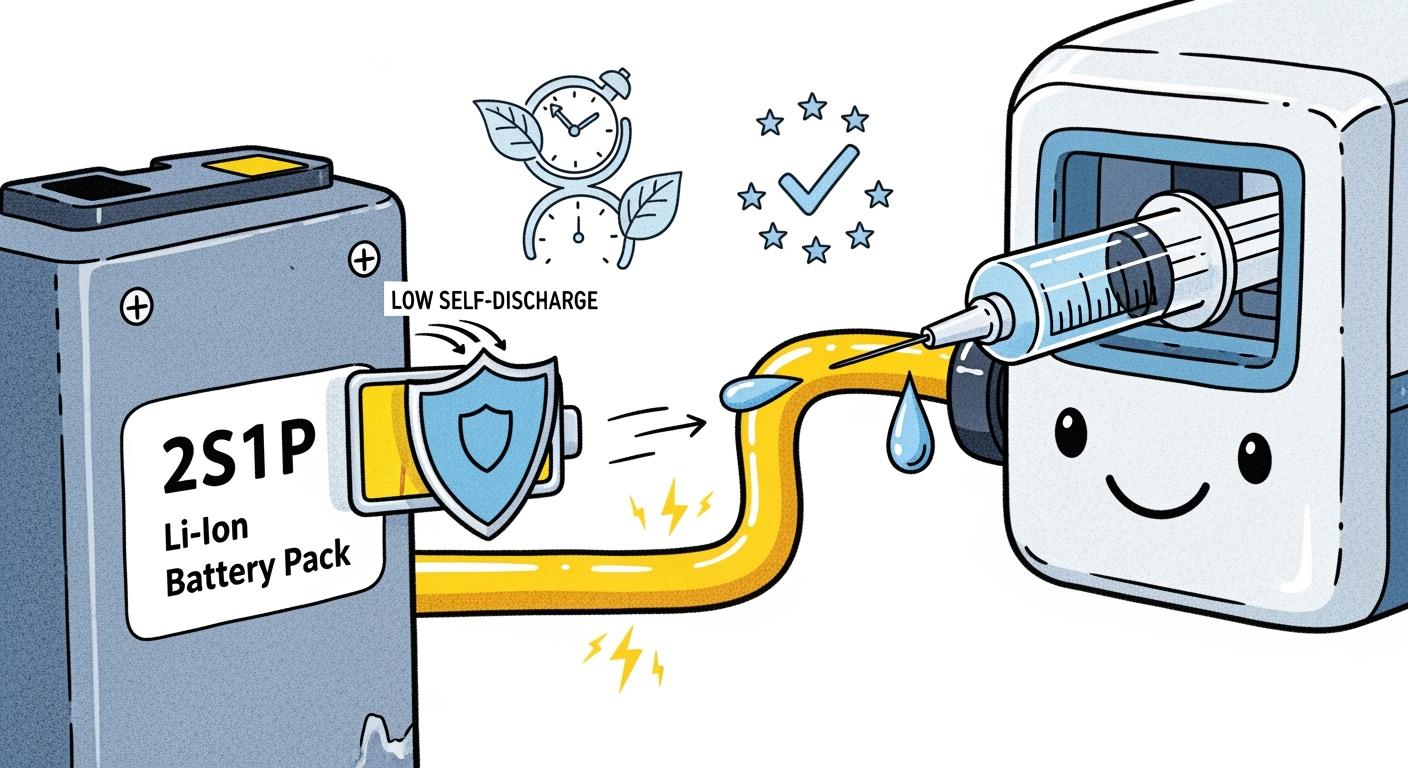
You depend on syringe pumps to deliver precise medication in critical medical environments. The self-discharge rate in your lithium battery pack directly affects device readiness and reliability. Recent studies show that low self-discharge ensures longer shelf life and consistent performance. Battery chemistries designed for safety and shelf life support low self-discharge.
Factor | Impact on Syringe Pumps |
|---|---|
Self-discharge rate | Device readiness after storage |
Shelf life | Limits maintenance requirements |
Battery chemistry | Enhances reliability and safety |
Key Takeaways
Low self-discharge rates in lithium battery packs ensure syringe pumps are ready for immediate use, even after long storage periods.
Choosing batteries with low self-discharge reduces maintenance needs and replacement frequency, saving time and costs.
High-quality lithium batteries enhance safety and dosing accuracy, crucial for reliable medical device performance.
Part1: Self-Discharge in Lithium Battery Packs
1.1 Causes of Self-Discharge
You need to understand self-discharge when working with lithium battery packs in syringe pumps. Self-discharge refers to the gradual loss of charge in a battery, even when you do not connect it to a load. This process happens due to internal chemical reactions within the lithium cells. High temperatures accelerate self-discharge rates by breaking down the electrolyte and damaging the solid electrolyte interface. Humidity also plays a role, causing electrolytic imbalances that further increase self-discharge. You must manage temperature and humidity to maintain optimal battery performance in medical environments.
High temperatures increase self-discharge rates.
Humidity leads to higher self-discharge and shortens battery lifespan.
Mechanical stress and heat can cause voltage drops and reduce energy density.
1.2 Impact on Medical Device Reliability
Self-discharge directly affects the reliability of medical syringe pumps. If you store a lithium battery pack for long periods, elevated self-discharge rates can drain the battery before use. This reduces device readiness and may compromise patient safety. Inconsistent self-discharge characteristics among cells can cause one cell to discharge faster than others, leading to cell imbalance. This imbalance stresses the battery management system, which must work harder to balance cells and prevent overcharging. You can learn more about battery management systems at Large Battery BMS and PCM.
Note: Reliable lithium battery pack performance ensures healthcare professionals can trust syringe pumps for critical dosing.
1.3 Cell Imbalance and Battery Lifespan
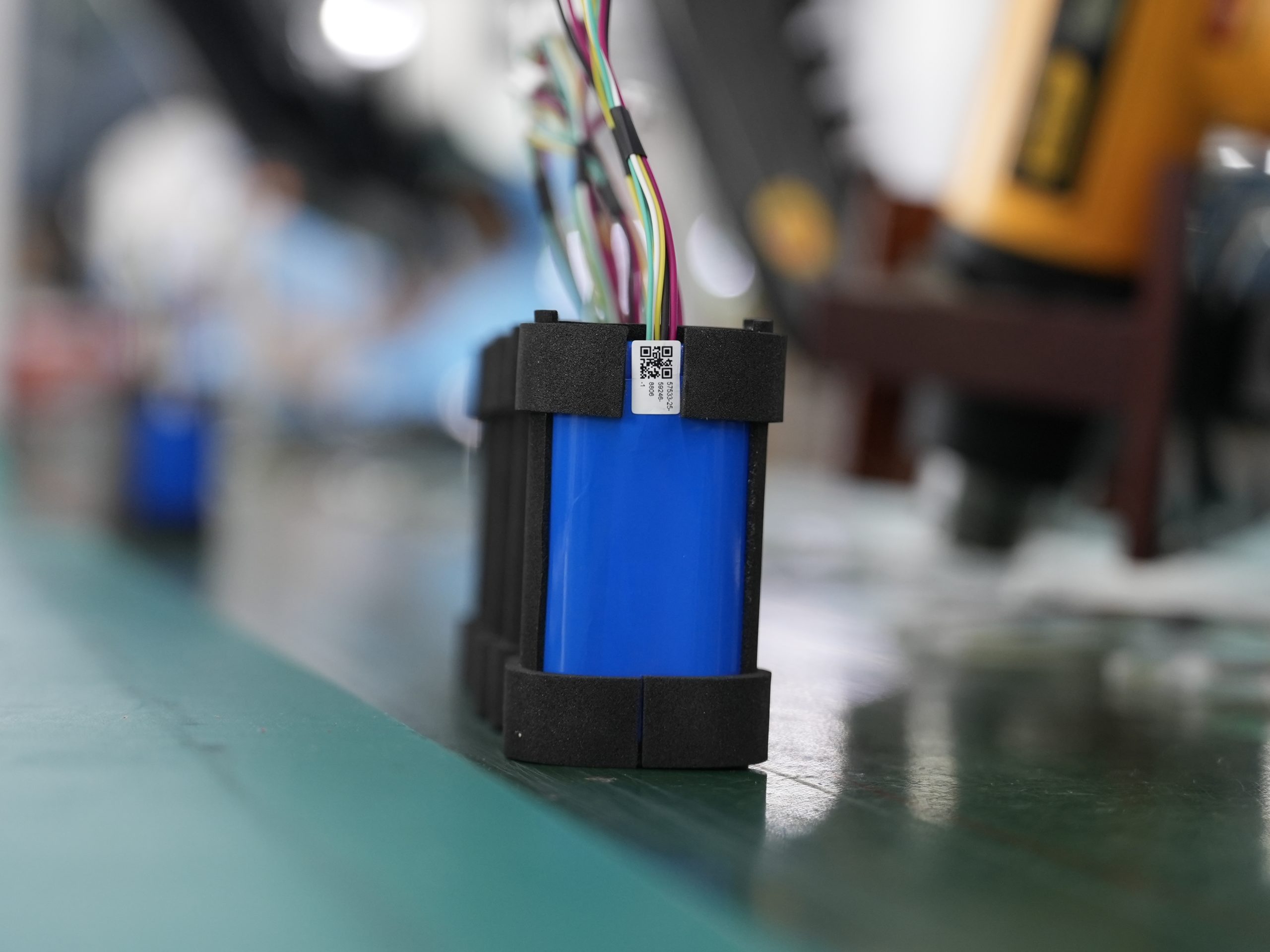
Cell imbalance caused by self-discharge can shorten the lifespan of a lithium battery pack. In a 2S1P configuration, one cell may lose charge faster, reducing overall capacity and increasing the risk of failure. Over time, this can lead to overcharging of other cells during charging cycles, which poses a safety risk. The battery management system may cut off power to prevent damage, but this reduces the available energy for your medical device. Measuring self-discharge helps you identify early signs of imbalance and maintain low self-discharge for longer battery life.
Lithium Chemistry | Platform Voltage (V) | Energy Density (Wh/kg) | Cycle Life (cycles) |
|---|---|---|---|
LiCoO2 (LCO) | 3.7 | 150-200 | 500-1000 |
LiFePO4 (LFP) | 3.2 | 90-140 | 2000+ |
LiMn2O4 (LMO) | 3.7 | 100-150 | 500-1000 |
You should prioritize lithium battery packs with low self-discharge rates to ensure safety, reliability, and long-term performance in healthcare applications.
Part2: Benefits of Low Self-Discharge for Medical Syringe Pumps

2.1 Extended Shelf Life and Device Readiness
You rely on syringe pumps to deliver precise dosing in critical medical environments. Low self-discharge in a lithium battery pack ensures that your devices remain ready for immediate use, even after months in storage. When you choose lithium battery packs with low self-discharge rates, you minimize the risk of power loss during idle periods. This feature is essential for medical equipment applications, where device readiness can impact outcomes.
Medical devices like pacemakers and portable monitors require reliable power sources.
Low self-discharge batteries extend operational life, reducing frequent replacements.
Hearing aids using these batteries can function for months without a battery change, improving patient experience.
Lithium-ion batteries, including those in a 2S1P configuration, typically have self-discharge rates around 1–2% per month. This low rate allows your syringe pump to retain charge longer compared to older technologies such as NiMH. For emergency medical devices, such as automated external defibrillators (AEDs), superior quality bobbin-type LiSOCl2 batteries feature the lowest possible annual self-discharge, ensuring reliable performance after long periods of inactivity.
Battery Chemistry | Platform Voltage (V) | Energy Density (Wh/kg) | Cycle Life (cycles) | Self-Discharge Rate (Annual) |
|---|---|---|---|---|
3.7 | 150-200 | 500-1000 | 12-24% | |
3.2 | 90-140 | 2000+ | 3-5% | |
LiSOCl2 | 3.6 | 420 | 1000+ | 0.7-3% |
You should prioritize measuring self-discharge when selecting battery packs for syringe pumps. This practice helps you maintain device readiness and extend battery life and runtime.
2.2 Reduced Maintenance and Fewer Replacements
Low self-discharge rates in lithium battery packs translate to reduced maintenance for your medical devices. You spend less time and resources on battery replacements, which lowers operational costs and minimizes device downtime. When you use batteries with high energy density and low self-discharge, you benefit from longer intervals between recharging and replacement cycles.
Reduced waste due to longer lifespan compared to traditional batteries.
Fewer replacements lead to less environmental impact from disposal.
Lower self-discharge rate ensures medical devices retain charge over time, essential for equipment that may remain unused for extended periods.
Benefit | Description |
|---|---|
High energy density | Allows for smaller and lighter battery packs, essential for medical equipment. |
Longer lifespan | Reduces the frequency of replacements, minimizing waste. |
Low self-discharge rate | Ensures batteries are ready for use, crucial for medical devices that may sit idle. |
Manufacturers implement quality control measures such as aging, testing, and vacuum technology during production. These steps ensure that your lithium battery pack meets strict standards for reliability and safety. You should verify supplier qualifications, cell quality, assembly process, and thermal protection features when sourcing battery packs for syringe pumps.
2.3 Enhanced Safety and Dosing Accuracy
You improve patient safety and dosing accuracy by using lithium battery packs with low self-discharge. Long charge retention ensures that emergency medical equipment remains functional over time, minimizing the risk of equipment failure during critical situations. Lithium storage batteries maintain their charge for extended periods without use, which is particularly beneficial for medical equipment that must be immediately operational.
The ability of lithium batteries to retain charge longer than other types is critical for emergency devices like AEDs. Superior quality LiSOCl2 batteries have an average annual self-discharge rate of 0.7%, while inferior quality batteries can reach up to 3%. Choosing high-quality batteries is crucial for devices that must perform reliably after long periods of inactivity.
Tip: Measuring self-discharge helps you identify early signs of cell imbalance and maintain consistent performance in syringe pumps.
You should select battery packs made from high-quality cells and ensure proper cell matching during assembly. Thermal protection features help prevent overheating and excessive self-discharge, which is vital for safety in medical applications. By following best practices, you enhance the reliability and safety of your syringe pumps and support better outcomes for healthcare professionals.
If you need a custom lithium battery pack solution for your syringe pump or other medical device, click for a custom consultation.
You ensure medical device reliability by choosing lithium battery packs with low self-discharge. These batteries deliver long life, enhanced safety, and minimal maintenance.
Advantage | Description |
|---|---|
Long battery life | Supports continual medical use |
Enhanced safety | Reduces overheating and fire risks |
Prioritize lithium solutions for dependable medical performance.
FAQ
What makes low self-discharge critical for lithium battery packs in syringe pumps?
Low self-discharge ensures your syringe pumps remain ready for immediate use, even after long storage. This reliability supports uninterrupted medical operations and patient safety.
How does Large Power ensure battery quality for medical applications?
Large Power uses strict quality control, advanced cell matching, and thermal protection. You receive lithium battery packs that meet demanding medical standards for safety and performance.
Can you request a custom lithium battery solution for your syringe pumps?
Yes. You can click here for a custom consultation to discuss tailored lithium battery packs for your specific medical device requirements.


