

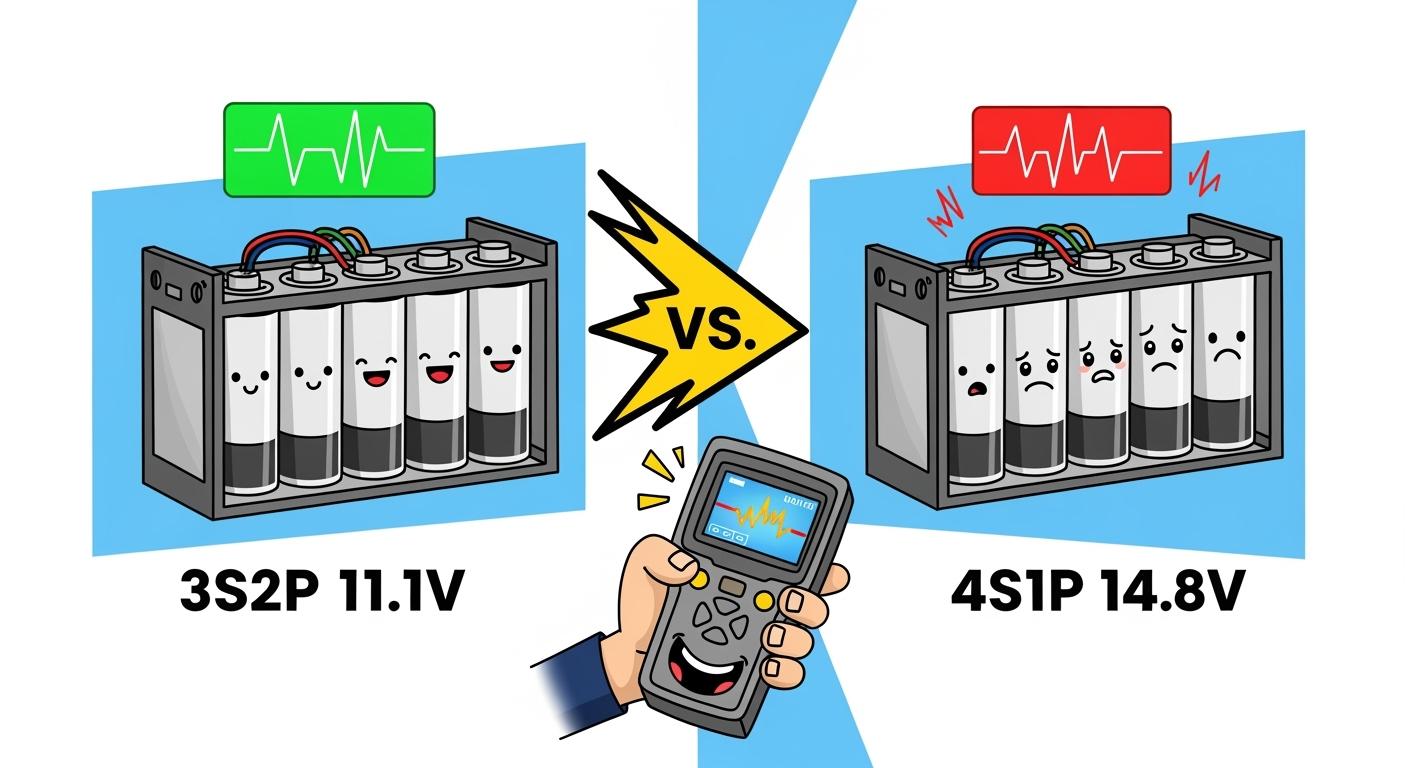
You need consistent voltage for accurate measurements and long-term reliability in handheld PD analyzers. The 4S1P 14.8V lithium battery configuration provides superior voltage stability compared to the 3S2P 11.1V setup due to its higher series cell count and reduced voltage sag under load. When you select a battery with stable voltage output, you improve measurement accuracy, device reliability, and operational efficiency. This Voltage Stability Comparison gives you the facts for making informed decisions about lithium battery group performance.
Key Takeaways
Choose the 4S1P 14.8V configuration for superior voltage stability, especially under heavy loads. This ensures accurate measurements and reliable device performance.
The 3S2P 11.1V pack offers longer runtime due to its higher capacity. Opt for this if extended operation without recharging is your priority.
Voltage stability directly impacts measurement accuracy. Fluctuating voltage can lead to errors, so select battery packs that maintain consistent output.
Both configurations require careful balancing. The 4S1P needs voltage balancing, while the 3S2P requires current balancing to ensure longevity and safety.
Invest in a robust battery management system (BMS) to monitor and maintain voltage stability. This enhances reliability and extends the lifespan of your PD analyzer.
Part1: Voltage Stability Comparison
1.1 3S2P 11.1V Stability
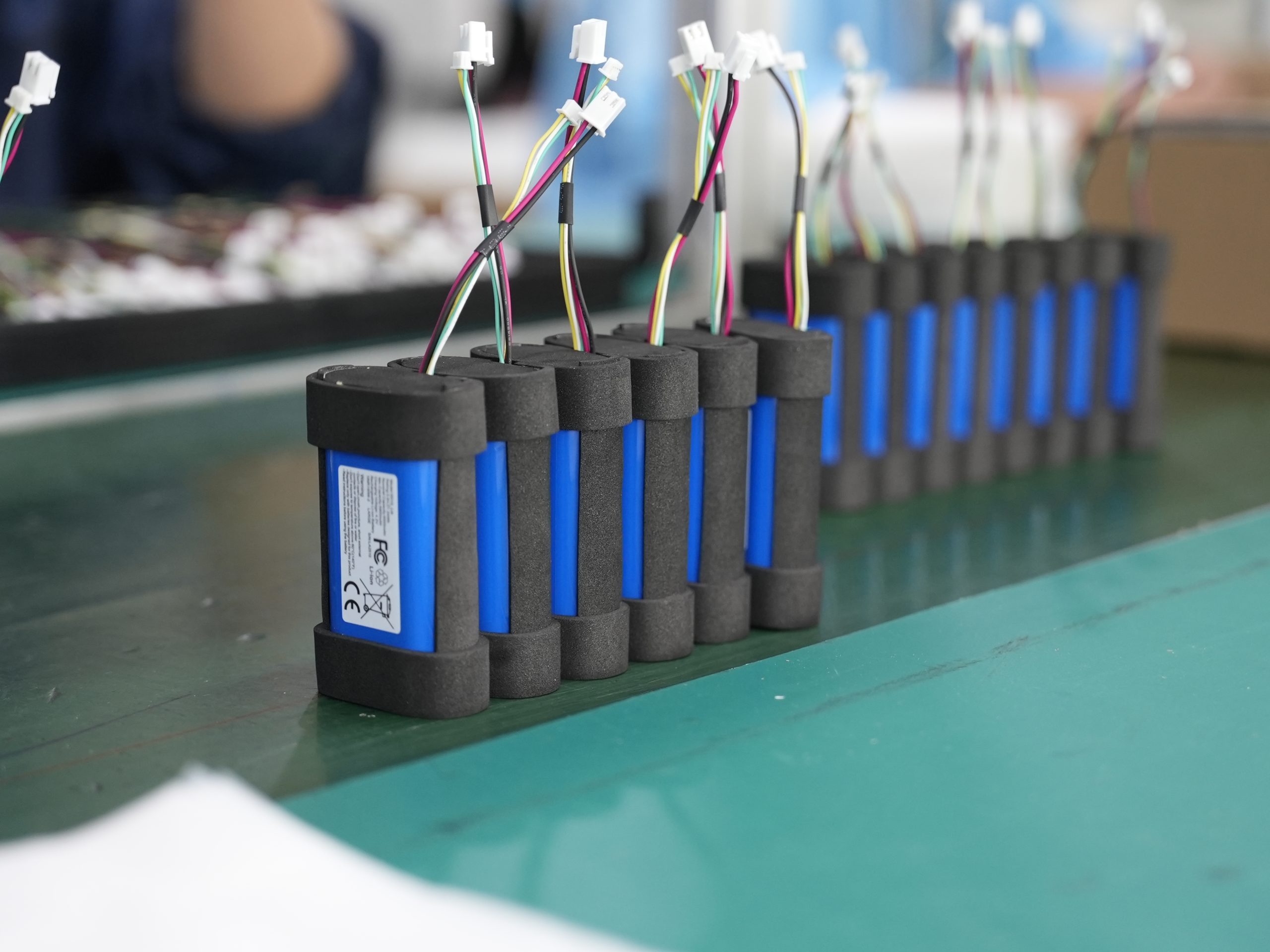
You use the 3S2P 11.1V configuration when you want to balance capacity and voltage for your handheld PD analyzers. This setup connects three lithium-ion cells in series to reach a nominal voltage of 11.1V, then doubles the capacity by wiring two of these series strings in parallel. The parallel design helps balance current between cells, which can enhance voltage stability during discharge cycles. You benefit from prolonged operation because the increased capacity allows your device to run longer before recharging.
Here is a summary of the 3S2P 11.1V configuration:
Feature | Description |
|---|---|
Configuration | 3S2P |
Nominal Voltage | 11.1V |
Capacity | 7000mAh |
Voltage Stability | Enhanced due to balanced current |
Prolonged Operation | Yes, due to increased overall capacity |
You may notice some voltage drops under heavy load, especially as the battery nears the end of its charge. When you draw a moderate load of 2A (about 36W), the voltage stays above 12V for about 90% of the battery’s rated capacity. If you increase the current to 5A, the voltage drops more quickly but remains above 12V for about two-thirds of the capacity. For almost the entire discharge cycle, the voltage does not fall below 11V, which helps maintain stable device performance.
Tip: Parallel connections improve runtime but require careful current balancing to avoid overheating and uneven aging.
1.2 4S1P 14.8V Stability
The 4S1P 14.8V configuration uses four lithium-ion cells in series, which raises the nominal voltage to 14.8V. You get a higher operating voltage range, typically from 16.8V (fully charged) down to 11V (fully discharged). This higher voltage gives your PD analyzer more headroom, reducing the risk of voltage sag during high current draws.
Here are the key metrics for the 4S1P 14.8V pack:
Metric | Value |
|---|---|
Nominal Voltage | 14.8V |
Operating Voltage | 11-16.8V |
Internal Resistance | ≤1.3mΩ |
Max Discharge Rate | 3C |
You benefit from a more stable voltage output, especially under heavy loads. The series design means each cell contributes to the total voltage, so your device experiences less voltage drop as the battery discharges. Lower internal resistance also helps maintain consistent voltage, which is critical for sensitive measurement equipment.
Note: Series configurations require precise cell balancing to prevent overcharging or undercharging, which can affect battery lifespan.
1.3 Head-to-Head Analysis
You need a clear Voltage Stability Comparison to choose the right battery for your PD analyzer. The table below highlights the main differences between the 3S2P 11.1V and 4S1P 14.8V configurations, focusing on voltage stability and lithium battery pack characteristics:
Aspect | 3S2P 11.1V (Parallel-Enhanced) | 4S1P 14.8V (Series-Enhanced) |
|---|---|---|
Nominal Voltage | 11.1V | 14.8V |
Voltage Stability | Good, but voltage drops faster at high loads | Superior, maintains higher voltage under load |
Capacity | Higher (due to parallel cells) | Standard (single string) |
Voltage Sag | Noticeable at high current draws | Minimal, even at high current draws |
Internal Resistance | Moderate | Lower (≤1.3mΩ) |
Cell Balancing Needs | Current balancing required | Voltage balancing required |
Runtime | Longer due to increased capacity | Shorter, but more stable voltage |
Thermal Management | Risk of uneven heating in parallel cells | Risk of thermal runaway if not balanced |
Application Fit | Good for longer runtime, moderate loads | Best for high stability, sensitive measurements |
You see that the 4S1P 14.8V configuration delivers better voltage stability, especially when your analyzer demands high current or precise voltage regulation.
The 3S2P 11.1V pack offers longer runtime, but you may experience more voltage fluctuation as the battery discharges.
Both designs require balancing circuits, but the series configuration in 4S1P 14.8V makes voltage equalization more critical for long-term reliability.
When you conduct a Voltage Stability Comparison, you find that the 4S1P 14.8V pack stands out for applications where stable voltage is essential for measurement accuracy and device protection. The 3S2P 11.1V pack works well if you prioritize runtime and moderate loads, but it may not match the voltage consistency of the 4S1P 14.8V design.
Part2: Impact on PD Analyzer Performance
2.1 Measurement Accuracy
You rely on handheld PD analyzers for precise measurements in medical diagnostics, robotics, security systems, infrastructure monitoring, and industrial automation. Voltage stability plays a critical role in ensuring your device delivers accurate results. When the battery voltage fluctuates, your analyzer may record errors or drift in readings. This can compromise the integrity of data, especially in sensitive applications like medical equipment or industrial sensors.
You can see the link between voltage intervals and measurement accuracy in the table below:
Voltage Interval | R2 Value | Accuracy Description |
|---|---|---|
3.15 to 3.4 V | Low | Poor accuracy for SoH estimations |
3.25 to 3.4 V | Low | Poor accuracy for SoH estimations |
< 3.1 V | Poor | Variance not a good indicator |
Other intervals | High | R2 values between 0.957 and 0.982 |
If your battery operates in a low or unstable voltage range, you risk poor accuracy for state-of-health (SoH) estimations and measurement errors. Devices in consumer electronics and industrial sectors require a narrow voltage range for optimal operation. Stable voltage output ensures your analyzer maintains consistent performance throughout its runtime.
Tip: You can improve measurement accuracy by choosing battery packs with higher series cell counts, such as the 4S1P 14.8V configuration. This design maintains a flatter voltage curve, reducing the risk of measurement drift.
2.2 Reliability and Lifespan
You want your PD analyzer to operate reliably over many cycles, whether you deploy it in infrastructure inspections or robotics control systems. Voltage stability directly influences the expected lifespan of lithium batteries and the reliability of your device.
Consider these key points about battery reliability and lifespan:
Voltage stability helps maintain battery integrity and reduces safety risks.
Operating under higher voltage for long periods can accelerate aging and shorten cycle life.
Voltage imbalance among cells leads to uneven charge/discharge cycles, which can reduce the lifespan of the entire battery pack.
High voltage accelerates chemical reactions inside the battery, causing faster aging of materials.
Maintaining proper voltage levels extends the cycle life of your battery.
Devices need a stable voltage output to prevent performance degradation.
Batteries with a flat voltage output throughout discharge ensure consistent device operation.
Voltage fluctuations can cause performance issues and shorten battery lifespan.
You should consider the battery management system (BMS) in your selection process. A robust BMS helps balance cells and maintain voltage stability, which is essential for long-term reliability in industrial and medical applications.
Configuration | Reliability Under Load | Expected Lifespan | Maintenance Needs |
|---|---|---|---|
3S2P 11.1V | Moderate | Longer runtime | Current balancing |
4S1P 14.8V | High | Stable voltage | Voltage balancing |
You improve operational efficiency and device longevity by selecting a battery configuration that prioritizes voltage stability. The Voltage Stability Comparison between 3S2P 11.1V and 4S1P 14.8V shows that the 4S1P 14.8V pack offers superior reliability for applications where measurement consistency and device lifespan matter most.
Note: You should always monitor battery health and voltage levels to maximize the lifespan of your PD analyzer, especially in demanding environments like security systems and industrial automation.
Part3: Practical Battery Considerations
3.1 Runtime and Capacity
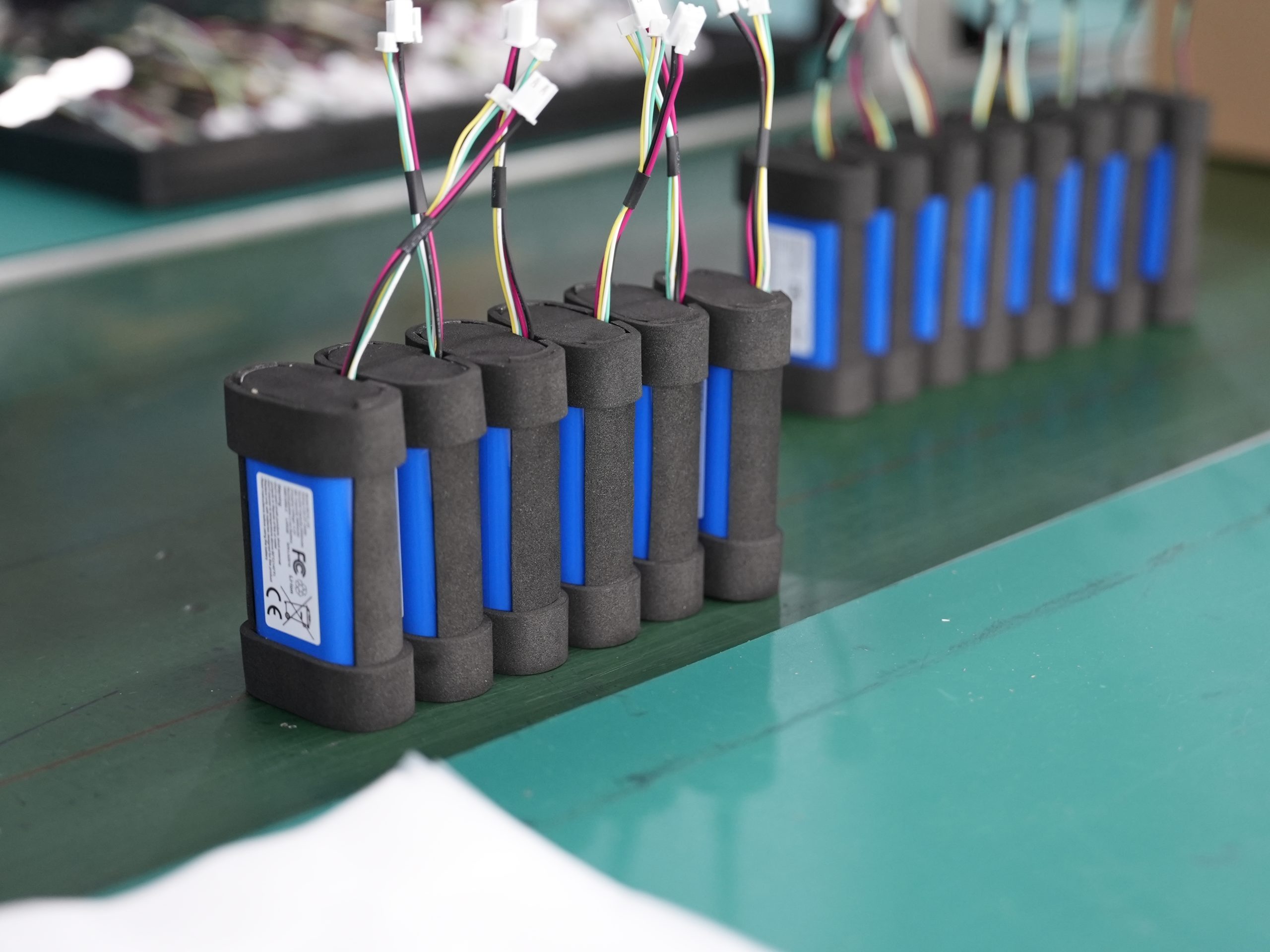
You want your handheld PD analyzer to last through demanding fieldwork. The 3S2P 11.1V pack gives you a higher capacity because it uses two parallel strings of cells. This design means you get longer runtime, which is ideal if you need your device to operate for extended periods without recharging. The 4S1P 14.8V pack, with its single string of four cells, offers less total capacity but delivers a higher voltage. This higher voltage can improve efficiency in devices that require stable power, but you may notice a shorter runtime compared to the 3S2P setup.
Here’s a quick comparison:
Configuration | Nominal Voltage | Typical Capacity (mAh) | Runtime |
|---|---|---|---|
3S2P 11.1V | 11.1V | 7000 | Longer |
4S1P 14.8V | 14.8V | 3500–4000 | Shorter |
Tip: Choose the 3S2P 11.1V pack if you need maximum runtime. Select the 4S1P 14.8V pack if your priority is voltage stability for sensitive measurements.
3.2 Charging and Maintenance
You need to follow proper charging protocols to keep your lithium battery packs safe and long-lasting. Both 3S2P 11.1V and 4S1P 14.8V packs use similar charging methods, but you must pay attention to current and voltage limits. For most packs, the maximum constant charging current should not exceed 875 mA (0.25C). Standard charging uses 1300 mA at 4.2V per cell, with a current cut-off at or below 26 mA. Fast charging allows up to 2600 mA, but you should monitor temperature and cell balance closely.
Charging Method | Current (mA) | Voltage (V per cell) | Current Cut-off (mA) |
|---|---|---|---|
Standard Charge | 1300 | 4.2 | ≤ 26 |
Fast Charge | 2600 | 4.2 | ≤ 26 |
You should also consider maintenance. Parallel packs like 3S2P require current balancing to prevent uneven aging. Series packs like 4S1P need voltage balancing to avoid overcharging or deep discharge of individual cells. A robust battery management system (BMS) helps automate these tasks and protects your investment.
⚡ Note: Always use a charger designed for your specific battery configuration. This reduces safety risks and extends battery life.
Part4: Configuration Recommendation
4.1 Optimal Choice for Stability
You want your handheld PD analyzer to deliver reliable results every time. Voltage stability stands out as the most important factor when you select a battery configuration. The 4S1P 14.8V lithium battery pack gives you a clear advantage. You get a higher platform voltage, which means your device operates with less risk of voltage sag. This stability protects sensitive measurement circuits and helps prevent diagnostic errors.
You should consider these criteria when you choose a battery for voltage stability:
Strict voltage and frequency tolerances keep your analyzer accurate.
Lithium battery systems provide consistent voltage output.
Voltage regulation technologies, such as Automatic Voltage Regulators (AVRs), help protect your device from fluctuations.
The table below compares the two configurations for voltage stability and operational reliability:
Feature | 3S2P 11.1V | 4S1P 14.8V |
|---|---|---|
Platform Voltage | 11.1V | 14.8V |
Voltage Stability | Moderate | High |
Energy Density | Higher (parallel cells) | Standard |
Cycle Life | Long | Long |
Suitability for Sensitive Tasks | Good | Excellent |
You see that the 4S1P 14.8V pack meets strict voltage requirements and supports advanced regulation technologies. You reduce the risk of measurement drift and device malfunction. You also benefit from a robust lithium battery chemistry that supports long cycle life and stable energy delivery.
⚡ Tip: Choose the 4S1P 14.8V configuration if you need maximum voltage stability for critical PD analyzer applications. You ensure your device performs reliably in demanding environments.
You make a smart investment when you prioritize voltage stability. Your handheld PD analyzer will deliver consistent, accurate results and maintain operational efficiency.
You gain the best voltage stability and practical benefits with the 4S1P 14.8V lithium battery pack. This configuration supports your PD analyzer’s accuracy, reliability, and efficiency.
FAQ
What is the main advantage of the 4S1P 14.8V configuration for PD analyzers?
You get higher voltage stability with the 4S1P 14.8V pack. This stability helps your analyzer deliver accurate measurements and reduces the risk of voltage sag during heavy use.
How does battery configuration affect runtime and voltage stability?
Configuration | Runtime | |
|---|---|---|
3S2P 11.1V | Longer | Moderate |
4S1P 14.8V | High |
You choose based on your priority: longer runtime or more stable voltage.
Do I need a special charger for these lithium battery packs?
Yes. You must use a charger designed for your specific configuration. This ensures safe charging, proper cell balancing, and longer battery life.
Why does voltage stability matter for measurement accuracy?
Voltage stability keeps your analyzer’s readings consistent. Fluctuating voltage can cause errors or drift in your data. Stable voltage output ensures you get reliable results every time.


