

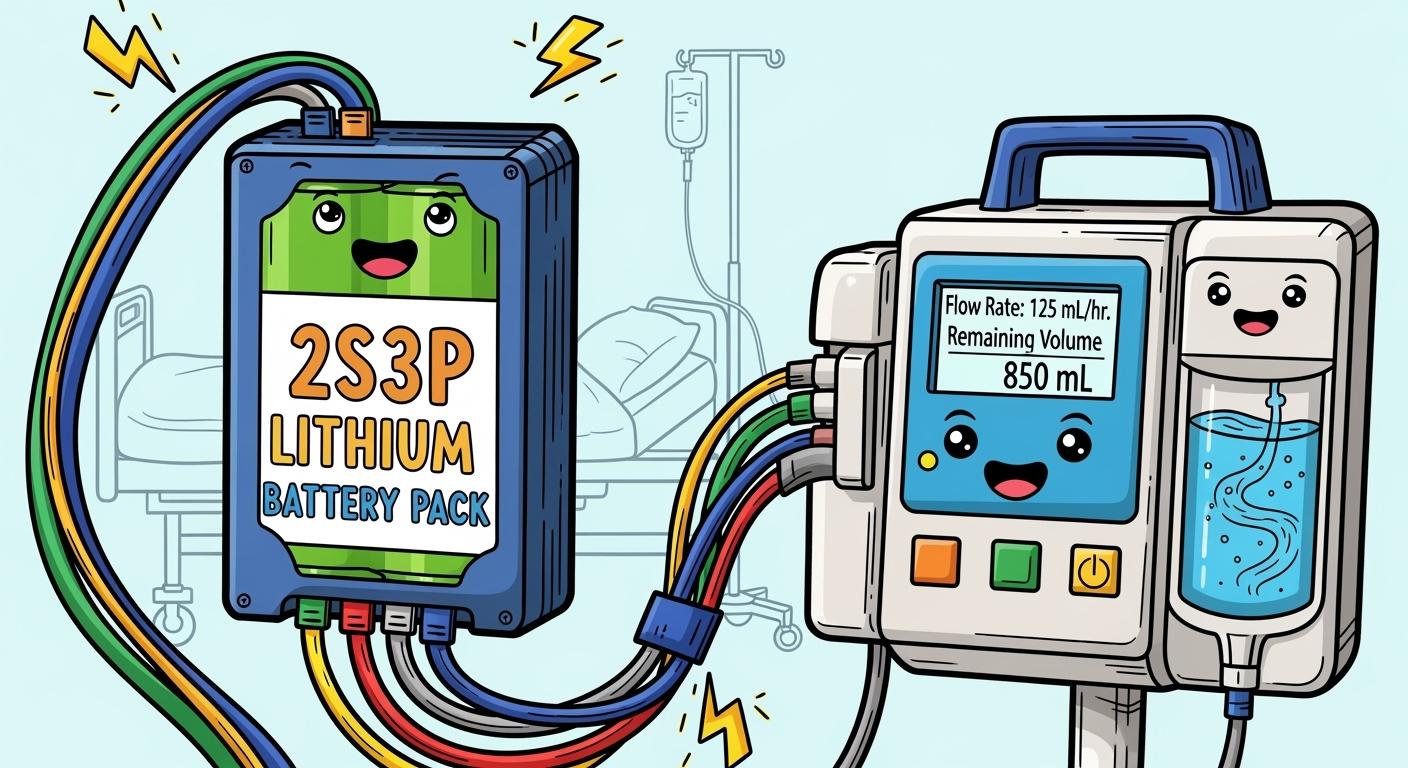
You rely on a 2S3P lithium battery pack to power smart infusion pumps, ensuring consistent performance in critical medical settings. Leading chemistries like NMC and LiFePO4 offer stability and safety for healthcare applications. Major manufacturers such as Panasonic and LG supply medical-grade solutions, with pouch cell designs supporting flexible device integration.
Key Takeaways
Understand the 2S3P configuration for lithium battery packs. This setup combines two cells in series for higher voltage and three in parallel for increased capacity, ensuring reliable power for smart infusion pumps.
Choose the right battery chemistry for your needs. NMC offers higher energy density, while LiFePO4 provides better safety and cycle life, making it essential to select based on your device’s requirements.
Implement safety protocols for battery use. Follow best practices like using certified chargers, storing batteries properly, and conducting regular inspections to ensure the safety and reliability of your medical devices.
Part1: 2S3P Lithium Battery Pack Basics
1.1 Series and Parallel Structure
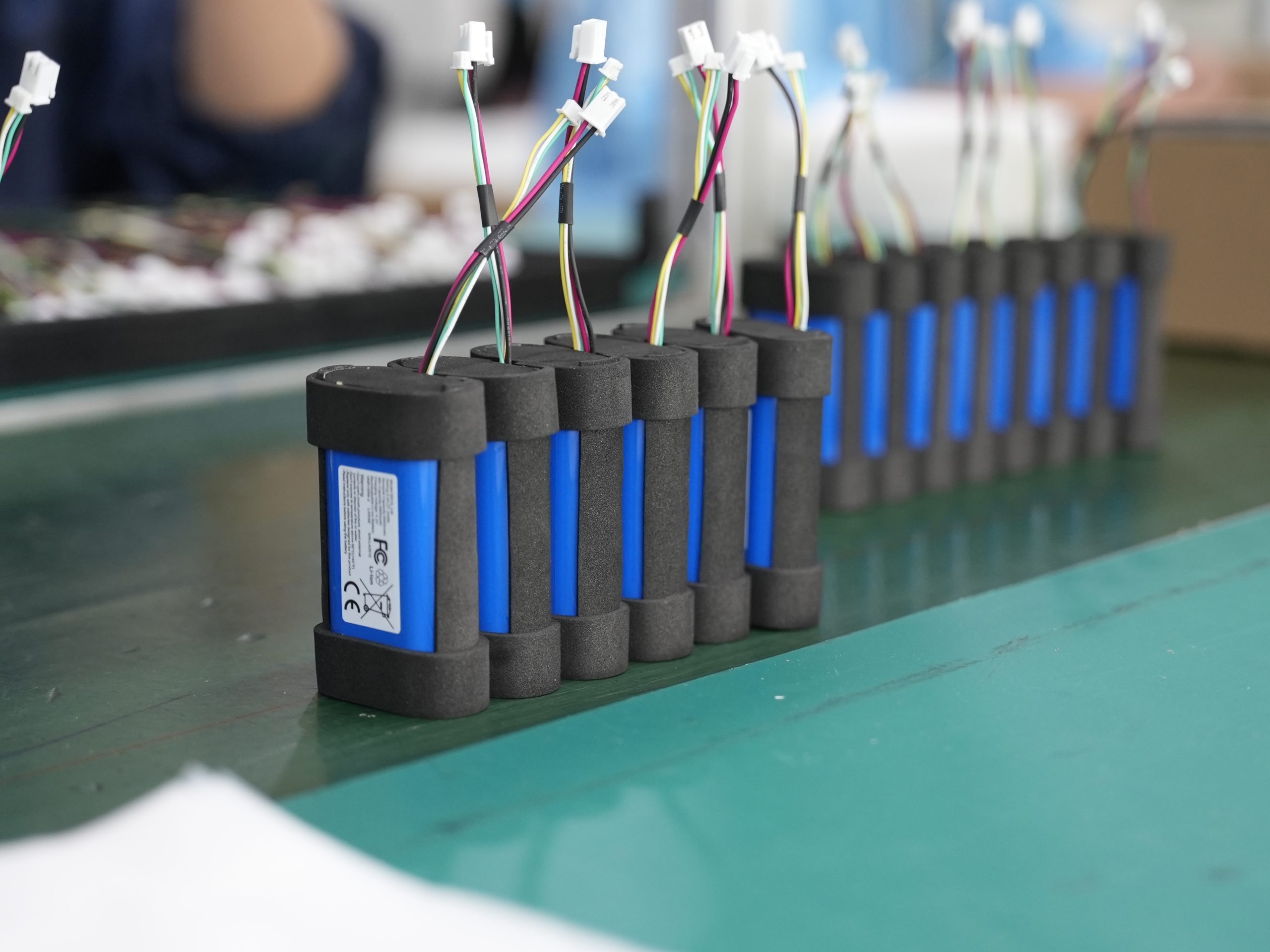
You encounter the 2S3P configuration frequently when specifying a lithium battery pack for smart infusion pumps. This structure combines two cells in series and three in parallel. Series connections increase the total voltage, while parallel connections boost the overall capacity. The result is a battery pack that delivers both higher voltage and extended runtime, which is critical for uninterrupted operation in medical and healthcare environments.
Tip: When you design a custom lithium battery, understanding the series and parallel arrangement helps you tailor voltage and capacity to your device’s requirements.
Here’s a quick comparison of how series and parallel configurations affect battery performance:
Configuration | Voltage Effect | Capacity Effect |
|---|---|---|
Series (S) | Increases total voltage | Capacity remains the same |
Parallel (P) | Voltage remains the same | Increases total capacity |
For a lithium ion battery pack using 2S3P, you connect two sets of three cells in parallel, then join those sets in series. This approach ensures your smart infusion pump receives the necessary voltage and capacity for reliable operation.
1.2 Voltage and Capacity Overview
You need to know the voltage and capacity specifications to select the right lithium battery pack for medical applications. In a typical 2S3P lithium ion battery pack, each cell offers a nominal voltage of 3.6V and a rated capacity of 5000mAh. When you connect two cells in series, the voltage doubles to 7.2V, while three cells in parallel triple the capacity to 15,000mAh. This configuration provides a balance between power and runtime, supporting continuous infusion therapy.
Specification | Value |
|---|---|
Cell Rated Capacity (mAh) | 5000 |
Cell Nominal Voltage | 3.6 |
You benefit from a custom lithium battery solution that matches your device’s power profile, ensuring optimal performance and safety.
1.3 Common Chemistries: NMC and LiFePO4
You often choose between NMC and LiFePO4 chemistries when designing lithium ion battery packs for medical and healthcare devices. NMC (Nickel Manganese Cobalt Oxide) offers higher energy density, making it ideal for compact devices where space is limited. LiFePO4 (Lithium Iron Phosphate) provides superior cycle life and enhanced thermal stability, which is essential for safety in medical environments.
Chemistry | Energy Density | Cycle Life |
|---|---|---|
NMC | Higher | Lower |
LiFePO4 | Lower | Superior |
LiFePO4 batteries deliver high thermal stability, reducing the risk of overheating and thermal runaway.
NMC batteries balance energy density and performance, but you must handle them carefully to avoid safety risks if damaged.
LFP batteries use non-toxic materials, improving safety for patients and staff.
Advanced Battery Management Systems (BMS) in both chemistries prevent overcharging and deep discharging, ensuring safe operation.
You should select the chemistry that best fits your application’s needs, considering factors like energy density, cycle life, and safety. For medical applications, LiFePO4 often stands out due to its stability and long service life, while NMC suits devices that demand compact size and high energy output.
Part2: Benefits for Smart Infusion Pumps
2.1 Reliable Power Supply
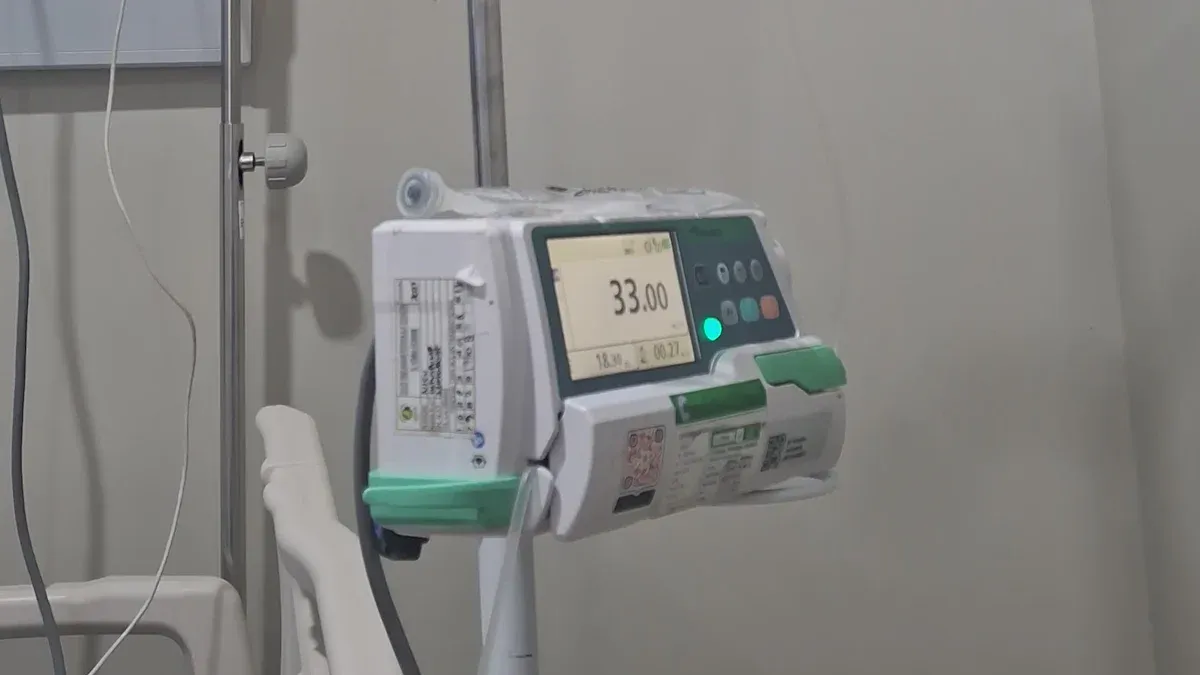
You need a lithium battery pack that delivers consistent power in critical medical environments. Smart infusion pumps rely on uninterrupted energy to maintain precise medication delivery. Lithium ion battery packs provide stable power output, preventing drops that could compromise patient safety. You benefit from advanced battery management systems (BMS) that regulate charging and usage. These systems protect against overheating and short circuits, which are common risks in hospital settings. Fast charging capabilities minimize downtime, ensuring your equipment remains available during emergencies.
You experience smooth device operation without power interruptions.
Smart BMS technology safeguards your lithium ion battery from damage.
Quick recharge cycles support continuous use in demanding medical and healthcare scenarios.
2.2 High Energy Density and Compact Size
You require a lithium battery pack with high energy density to maximize runtime while minimizing device size. Medical applications demand compact solutions that fit seamlessly into portable equipment. The 2S3P configuration offers an optimal balance between energy storage system capacity and physical footprint. You can compare energy density across common battery types used in medical devices:
Battery Type | Energy Density (Wh/kg) |
|---|---|
2S3P LiSoCl2 | 620 |
Lithium Cobalt Oxide (LCO) | 500–800 |
Nickel Cobalt Manganese (NCM) | 700–1200 |
Lithium Iron Phosphate (LFP) | 2000–4000 |
Lithium Polymer (LiPo) | 700–1500 |
NCM and LiPo chemistries are popular in medical devices due to their high energy density and compatibility with compact equipment. You gain longer operating times and greater flexibility in device design. The lithium ion battery supports efficient energy storage system integration, allowing you to meet strict space and weight requirements.
Note: High energy density enables you to reduce the size of your smart infusion pump without sacrificing performance.
2.3 Low-Temperature Performance
You face challenges when operating medical devices in low-temperature environments. Lithium battery packs, including the 2S3P configuration, experience reduced voltage and capacity at lower temperatures. Chemical reactions slow down, which impacts the reliability of your energy storage system. Consistent power remains essential for medical and healthcare settings, especially during patient transport or outdoor use.
Manufacturers address these challenges by developing low-temperature lithium-ion battery packs, such as models 41AQ539 and 41AQ540 from Large Power. These specialized packs maintain stable performance even when exposed to cold conditions. You ensure your smart infusion pump operates reliably, regardless of ambient temperature.
Tip: Choose a lithium battery pack designed for low-temperature operation to safeguard your medical devices in unpredictable environments.
Part3: Technical Specifications
3.1 Nominal Voltage and Capacity
You select a lithium ion battery pack for smart infusion pumps based on voltage and capacity. A typical 2S3P configuration uses six cells, each with a nominal voltage of 3.7V and a capacity of 3000mAh. When you connect two cells in series, the voltage reaches 7.4V. Three cells in parallel boost the total capacity to 9000mAh. This combination supports extended device operation and meets the demands of continuous medical use.
Parameter | Value |
|---|---|
Nominal Voltage | 7.4V |
Total Capacity | 9000mAh |
Cell Chemistry | NMC, LiFePO4 |
Note: You achieve longer runtime and stable performance with the right voltage and capacity selection.
3.2 Cycle Life and Internal Resistance
You require a lithium ion battery with a long cycle life to reduce maintenance and replacement costs. NMC and LiFePO4 chemistries offer cycle lives ranging from 800 to over 2000 cycles, depending on usage patterns. Low internal resistance ensures efficient energy transfer and minimizes heat generation. You benefit from consistent output and improved safety, which are critical in medical environments.
Chemistry | Cycle Life (cycles) | Internal Resistance (mΩ) |
|---|---|---|
NMC | 800–1200 | 30–50 |
LiFePO4 | 1500–2000 | 20–40 |
Tip: You extend device lifespan and reliability by choosing batteries with low internal resistance and high cycle life.
3.3 Compatibility with Medical Devices
You need a lithium ion battery pack tailored to your medical device’s requirements. Manufacturers offer custom battery solutions to ensure a perfect fit and optimal performance. You specify size, discharge current, and connector type for seamless integration. Smart protection circuits (PCM/BMS) safeguard your equipment during operation.
Custom dimensions match your device’s housing.
Discharge current settings meet your application’s power needs.
Specialized connectors and cable lengths ensure compatibility.
High-capacity options, such as 7500mAh, support extended runtime.
Advanced protection circuits maintain safety standards.
Customizable casing and connectors adapt to unique device designs.
You improve device reliability and safety by working with suppliers who understand medical application requirements.
Part4: Safety and Compliance
4.1 Built-in Safety Features
You rely on advanced safety features when integrating lithium battery packs into your pump systems. Each pack includes essential mechanisms such as over-discharge, overcharge, and short circuit protection. These features prevent hazardous conditions and ensure reliable operation in medical environments. You also benefit from protection against overload and overcurrent, which reduces the risk of device failure. Manufacturers design battery packs to pass rigorous tests, including drop, smash, and acupuncture assessments, with no fire or explosion. You must follow best practices for handling and storage:
Store batteries in protective cases.
Charge only on fire-resistant surfaces using compatible smart chargers.
Avoid overcharging or over-discharging.
Keep batteries away from flammable materials and children.
Inspect for damage before use and discontinue if abnormalities occur.
Proper safety protocols help you maintain the integrity of your pump and protect patients.
4.2 Certifications and Standards
You need to verify that your lithium battery packs meet strict certifications and standards before deploying them in infusion pumps. Compliance ensures safe transport, handling, and operation. The following table summarizes key certifications:
Certification/Standard | Description |
|---|---|
UN38.3 | Transport safety standard for lithium batteries |
CE | European conformity marking for safety standards |
MSDS | Material Safety Data Sheet for hazardous materials |
ROHS | Restriction of Hazardous Substances directive |
You must consider regional regulatory frameworks. Europe enforces comprehensive regulations and EN standards, focusing on safety, documentation, and testing. The United States relies on state-level initiatives and voluntary standards, emphasizing supply chain security. Asia prioritizes producer responsibility and recycling, with China leading in infrastructure and Japan and South Korea focusing on innovation.
4.3 Risk Management in Healthcare
You implement structured risk management strategies to safeguard your pump systems. A battery management program includes inventory control and proactive maintenance. You charge batteries in designated areas with proper ventilation and smoke detection. Storing batteries in temperature-controlled environments away from flammable materials reduces risk. You educate staff to identify signs of battery failure and respond to emergencies. Routine preventive maintenance and inspections ensure device reliability. You establish incident response frameworks to document and investigate battery-related events.
Effective risk management protects your infusion pumps, staff, and patients, supporting continuous and safe operation.
You gain reliable, safe, and high-performing power for smart infusion pumps with 2S3P lithium battery packs. Proper selection and maintenance—such as using certified chargers, safe storage, and regular endurance testing—ensure compliance and device longevity.
Quality Control Measure | Description |
|---|---|
Quality Assurance | Meets ISO 13485, IEC 60601 standards for medical safety. |
Emerging trends include longer battery life, wireless charging, and sustainable production.
FAQ
What advantages do 2S3P lithium battery packs offer for medical devices?
You gain stable voltage, high capacity, and long cycle life. These packs support continuous operation in infusion pumps which meeting strict medical and standards.
How does Large Power support custom battery solutions for smart infusion pumps?
You can partner with Large Power for tailored battery packs. Visit custom battery solution to specify voltage, capacity, and connectors for your medical devices.
Are 2S3P lithium battery packs suitable for use in smart iot devices?
You can deploy 2S3P lithium battery packs in smart iot devices, infrastructure, and industrial equipment. These packs deliver reliable power, compact size, and compatibility with advanced monitoring systems.


