

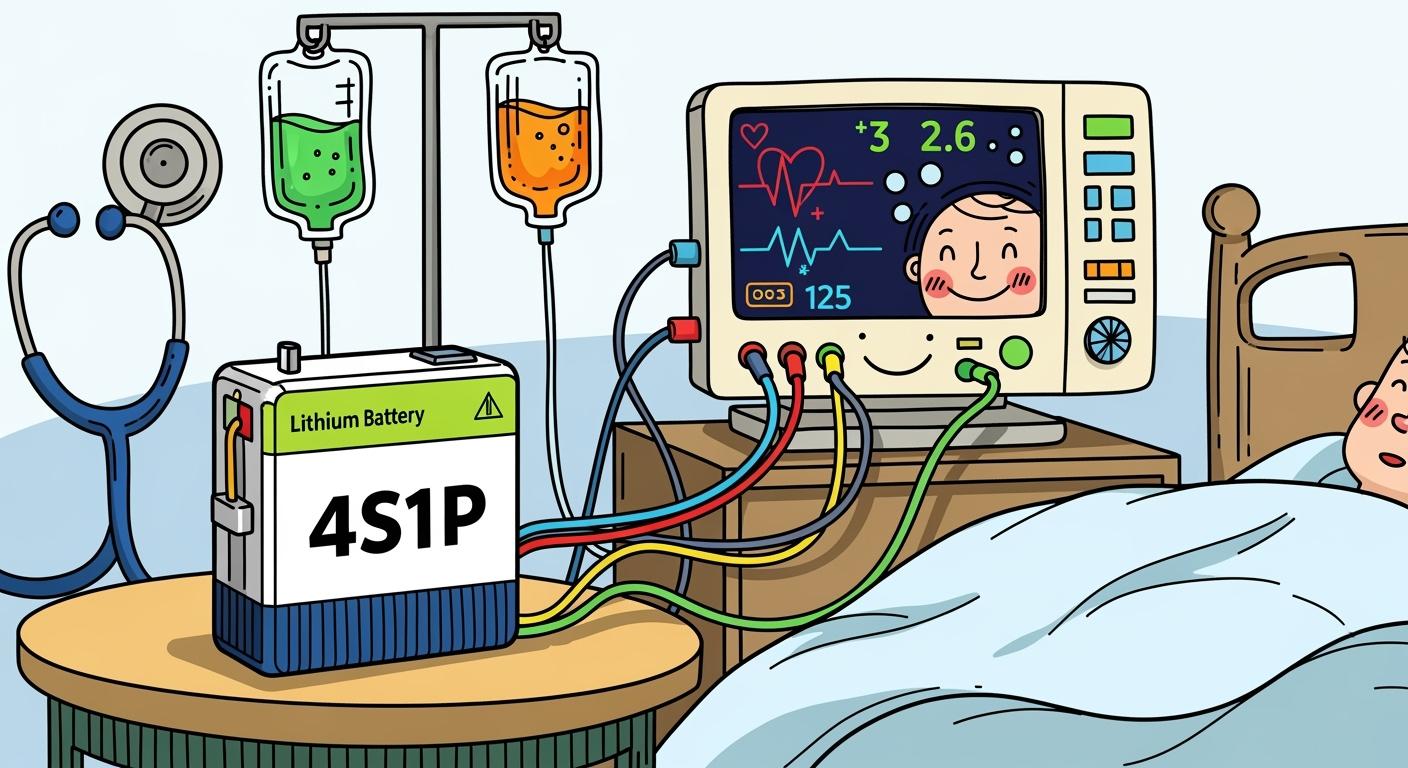
You need reliable power backup in patient monitoring systems to protect patient care. A medical lithium battery gives you confidence in device performance and safety. Portable patient monitors depend on battery reliability during critical moments. Understanding battery configuration helps you ensure medical compliance and maintain high safety standards.
Key Takeaways
Choose 4S1P medical lithium batteries for reliable backup power in patient monitoring systems. This configuration ensures stable output and long running time, crucial for patient safety.
Prioritize safety by selecting lithium batteries with built-in management systems. These features protect against overheating and extend battery life, ensuring compliance with medical standards.
Consider the long-term savings of lithium batteries over lead-acid options. Although initial costs are higher, their longevity and lower maintenance needs make them a cost-effective choice.
Part1: Why 4S1P Medical Lithium Battery for Backup Power
1.1 Reliability in Patient Monitoring Systems
You need to ensure that patient monitoring systems deliver consistent and reliable performance, especially during critical care situations. The 4S1P medical lithium battery configuration stands out as a preferred choice for backup power in healthcare environments. This setup provides a stable output, which is essential for continuous monitoring in portable patient monitors. You can trust lithium-ion batteries to maintain device operation even during unexpected power interruptions.
Stability of output keeps your monitoring equipment running smoothly.
High safety standards protect both patients and sensitive medical devices.
Long running time supports extended use in portable patient monitors.
Low self-discharge rate means you can rely on the battery even after long periods of standby.
The 4S1P configuration balances voltage output and current sharing among cells, which enhances reliability. You benefit from uninterrupted power for bedside monitors, reducing the risk of data loss or gaps in patient care. Lithium-ion batteries in this configuration also offer a compact design, making them ideal for space-constrained medical devices.
Tip: When you choose a medical lithium battery pack with advanced battery management, you gain extra protection against overcharging, over-discharging, and short-circuits. This feature extends battery life and ensures reliable power delivery.
1.2 Safety and Efficiency in Medical Devices
Safety remains a top priority in medical environments. You must select batteries that meet strict international standards to ensure patient and device safety. The table below highlights a key certification required for medical lithium batteries used in bedside monitors:
Certification/Standard | Description |
|---|---|
ISO 9001:2018 | International standard for quality management systems, ensuring safety and quality control in battery manufacturing. |
Lithium-ion batteries in the 4S1P configuration incorporate built-in battery management systems. These systems monitor cell balance and temperature, reducing the risk of overheating and thermal runaway. You can trust these batteries to deliver efficient performance, even in demanding applications like portable patient monitors.
Benefit | Description |
|---|---|
Voltage and Compactness | The 4S1P configuration provides a balance of voltage and compact design, making it versatile for medical applications. |
Built-in Battery Management System | Protects against overcharging, over-discharging, and short-circuits, enhancing safety and prolonging lifespan. |
Reliability | Ensures uninterrupted power supply for critical medical devices, enhancing patient safety and device reliability. |
You will notice that lithium-ion batteries offer a compact footprint, which is crucial for portable patient monitors and other space-limited medical devices. The configuration enhances runtime when high-capacity cells are used, supporting long battery life and efficient operation. Proper management of the battery system is essential to prevent cell imbalances and overheating, which could compromise safety.
When you invest in a medical lithium battery pack for your monitoring equipment, you secure reliable power, advanced safety features, and efficient performance. These advantages help you maintain compliance with industry standards and deliver high-quality care to your patients.
Part2: 4S1P Battery Configuration Explained
2.1 Series and Parallel Structure
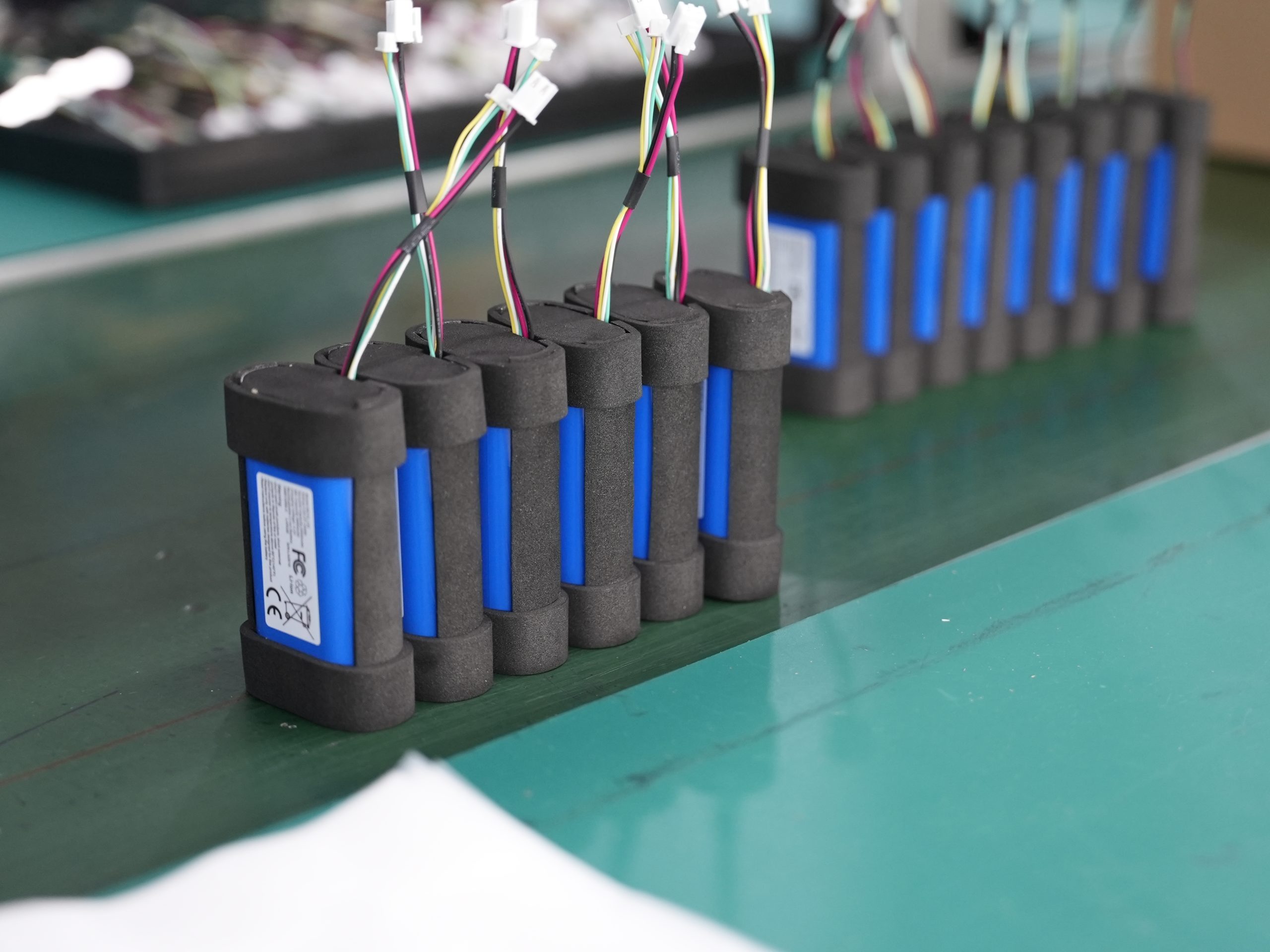
You need to understand how the 4S1P battery configuration supports your medical devices. In this setup, four cells connect in series, which increases the voltage output. The single parallel connection means the total capacity matches that of one cell. This structure allows lithium-ion batteries to deliver stable voltage, which is essential for bedside monitor backup power. You gain consistent performance and reliable energy delivery for critical medical equipment.
Note: The series arrangement boosts voltage, while the parallel aspect maintains capacity. This balance ensures your lithium-ion batteries meet the demands of medical environments.
Feature | Description |
|---|---|
Voltage | g |
Capacity | 6.4Wh |
Configuration | 4S1P (four cells in series, one parallel) |
Type | Lithium-ion batteries |
Dimensions | Compact design for ease of integration |
Weight | Lightweight, allowing for portability |
2.2 Voltage and Compact Size
You benefit from the voltage range provided by 4S1P lithium-ion batteries. These batteries typically offer a voltage range from 10.0V to 14.6V, with a nominal voltage of 14.6V. This output supports the operational requirements of your monitor and other medical devices.
Voltage Range |
|---|
10.0V~14.6V |
Nominal Voltage |
|---|
14.6V |
The compact size of 4S1P batteries enables lightweight and space-efficient designs. You can integrate lithium-ion batteries into portable medical devices without sacrificing performance. These batteries enhance mobility and ease of use, which is crucial for bedside applications.
The compact size of lithium-ion batteries enables lightweight designs, enhancing portability.
Space-efficient designs are crucial for mobility in medical applications.
These features contribute to the ease of use in portable medical devices.
You ensure your equipment remains reliable and easy to handle by choosing lithium-ion batteries with a 4S1P configuration. This approach supports operational continuity and patient safety in healthcare settings.
Part3: Key Features of Medical Lithium Battery Packs
3.1 Enhanced Safety Features
You need to prioritize safety when selecting lithium-ion batteries for medical devices. Medical lithium battery packs for bedside monitors use advanced safety technology to protect both patients and equipment. These packs include several layers of protection to ensure reliable power and minimize risks in patient monitoring systems.
Safety Feature | Description |
|---|---|
Customization | Tailored safety and OEM/ODM features ensure reliable power for medical devices like patient monitors. |
Advanced Protection Circuits | Incorporates PCM or BMS to protect against overheating and overcurrent situations. |
Temperature and Current Safeguards | Prevents malfunctions caused by variable environmental conditions. |
Premium Cell Technology | Utilizes high-quality cells from manufacturers like Sony or Panasonic for long cycle life and stable output. |
Adjustable Parameters | Allows alignment with specific equipment power demands, reducing the risk of device interruption. |
You benefit from customization options that align with your equipment’s unique requirements. Advanced protection circuits, such as battery management systems, monitor each cell and prevent overheating or overcurrent. Temperature and current safeguards maintain stable operation, even in challenging environments. Premium cell technology ensures long cycle life and consistent output, which is critical for continuous monitoring in portable patient monitors.
To further reduce the risk of battery-related incidents in healthcare and other sectors like robotics, security system, infrastructure, consumer electronics, and industrial applications, you should implement the following safety considerations:
Specialized fire extinguishers help control lithium-ion battery fires and prevent thermal runaway.
Routine inspections identify battery wear and damage before they escalate.
Safe charging practices and proper storage reduce the risk of overheating.
Compliance with regulations ensures your facility meets fire safety laws.
Collaboration with fire safety experts keeps your protocols up to date.
Education and preparedness train your staff to respond quickly to emergencies.
By integrating these safety features and practices, you ensure reliable power sources for your critical equipment and improve patient care outcomes.
3.2 Long Operational Time
You require long operational time from your lithium-ion batteries to support uninterrupted power for portable patient monitors and other medical devices. Medical lithium battery packs deliver extended battery life, which is essential for continuous monitoring and remote monitoring scenarios. High-quality cells and advanced battery management systems optimize energy use and extend the time between charges.
You can expect lithium-ion batteries to provide consistent performance over many cycles. This reliability supports long shifts and emergency situations where power continuity is vital. In addition, the low self-discharge rate of these batteries means you can store them for long periods without significant loss of charge. This feature is especially valuable in medical, robotics, and security system applications, where readiness is critical.
Tip: Choose battery packs with advanced battery management to maximize operational time and maintain safety standards.
3.3 Energy Density and Performance
You gain significant advantages from the high energy density of lithium-ion batteries. Medical lithium battery packs offer more energy in a compact size, making them ideal for portable patient monitors and other space-constrained medical devices. High energy density translates to lighter, smaller batteries that do not compromise on performance.
Lithium-ion batteries deliver stable voltage and high efficiency, supporting reliable power for continuous monitoring. You benefit from fast charging capabilities and minimal maintenance requirements. These features make lithium-ion batteries the preferred choice for medical, industrial, and infrastructure applications where reliability and performance are non-negotiable.
High energy density supports compact device design.
Stable voltage output ensures consistent monitoring.
Fast charging and low maintenance reduce operational downtime.
You can trust medical lithium battery packs to deliver the performance and reliability you need for patient care and other critical operations. When you select lithium-ion batteries with advanced safety features and long battery life, you invest in uninterrupted power and improved patient care outcomes.
Part4: Comparing Battery Technologies
4.1 Lithium vs. Lead-Acid
You need to compare battery options for your monitor backup power. Lithium-ion batteries deliver a longer lifespan and higher energy density than lead-acid batteries. You benefit from lightweight design and reliable performance, which are essential for medical environments. The table below highlights key differences:
Feature | Lead-Acid Batteries | Lithium-Ion Batteries |
|---|---|---|
Lifespan | 3-5 years | 15+ years |
Energy Density | 30-50 Wh/kg | 60-270 Wh/kg |
Weight | Heavy | Lightweight |
You will notice that lithium batteries have a higher initial cost, but their total cost of ownership is lower due to efficiency and longevity. Lead-acid batteries contain hazardous materials and require more frequent replacement, which increases maintenance needs.
4.2 Lithium vs. Nickel-Cadmium
When you evaluate nickel-cadmium batteries for medical backup power, you find several disadvantages. Lithium batteries offer higher energy density, longer lifespan, and lower self-discharge rates. You can rely on lithium batteries for enhanced safety and consistent power delivery. Nickel-cadmium batteries require regular replacement and pose environmental challenges due to toxic materials.
Lithium batteries store more energy in the same volume.
They last longer, supporting reliable medical device operation.
Lower self-discharge means better readiness for backup power.
Enhanced safety features protect your equipment and patients.
4.3 Cost and Maintenance
You must consider both cost and maintenance when selecting a battery for your monitor. Lead-acid batteries cost less upfront, ranging from $8.86 to $34.86, while basic lithium-ion cells cost about $12.59 each. Although lithium batteries require a higher initial investment, you save on maintenance and replacement over time. Nickel-cadmium batteries are more expensive than lead-acid and present disposal challenges.
Battery Type | Longevity | Replacement Practice |
|---|---|---|
Lead-acid | ~3 years | Regular replacement |
Nickel-cadmium | ~3 years | Regular replacement |
Lithium-ion | >5 years | Less frequent replacement |
Tip: Choose lithium batteries for reduced maintenance and long-term savings in your medical backup power systems.
You gain reliable, long-lasting backup power for bedside monitors with 4S1P medical lithium batteries.
Advantage | Description |
|---|---|
Reliability | Ensures continuous operation, crucial for patient safety. |
Longevity | Lasts 8–10 years, reducing replacements. |
Safety | Smart BMS meets medical-grade standards. |
Reliable backup supports uninterrupted patient care.
Evaluate your facility’s needs and consult with battery solution providers for tailored solutions.
FAQ
What is the typical cycle life of a 4S1P medical lithium battery pack?
You can expect over 800 cycles at 80% capacity retention. This ensures reliable long-term backup power for bedside monitors in clinical environments.
How do you ensure safety and compliance for lithium battery packs in medical devices?
You should select battery packs with integrated BMS, ISO 9001:2018 certification, and advanced protection circuits. Large Power offers custom solutions that meet strict medical standards.
Can you customize lithium battery packs for specific bedside monitor requirements?
You can request tailored voltage, capacity, and form factor. Large Power provides B2B custom battery packs to match your device specifications and operational needs.


