

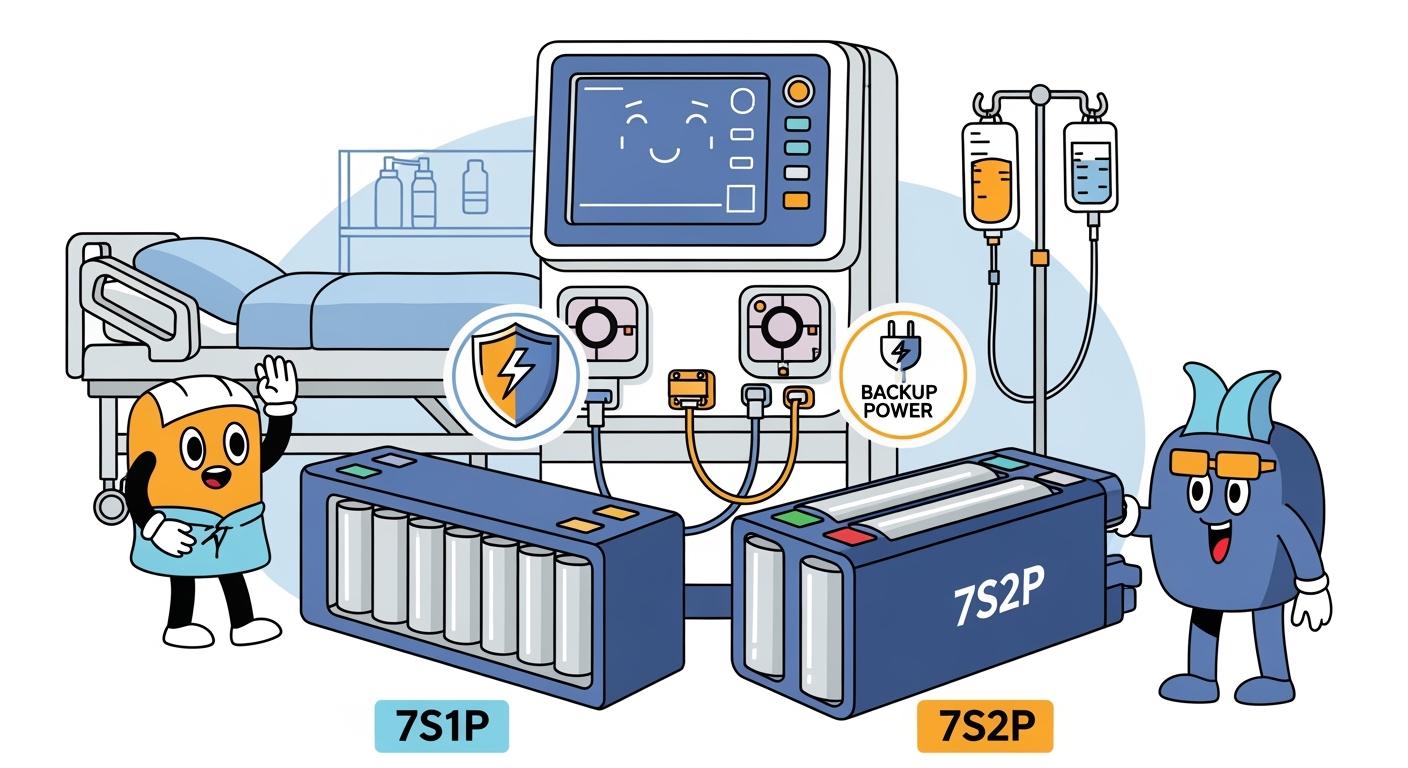
You need a reliable backup power selection for dialysis equipment because patient safety depends on uninterrupted operation. Most dialysis machines consume about 2.2 kWh per treatment and require a stable, pure sine wave voltage supply. 7S2P configurations offer redundancy and reliability, helping you meet demanding 300-500W power requirements in critical clinical environments.
Key Takeaways
Choose 7S2P configurations for dialysis equipment to ensure redundancy and reliability, which are crucial for patient safety.
Understand that 7S2P packs provide double the capacity and longer runtimes compared to 7S1P, making them ideal for critical medical applications.
Always verify that your backup power system includes a Battery Management System (BMS) to enhance safety and prevent failures.
Part1: Backup Power Selection Overview
1.1 What is 7S1P?
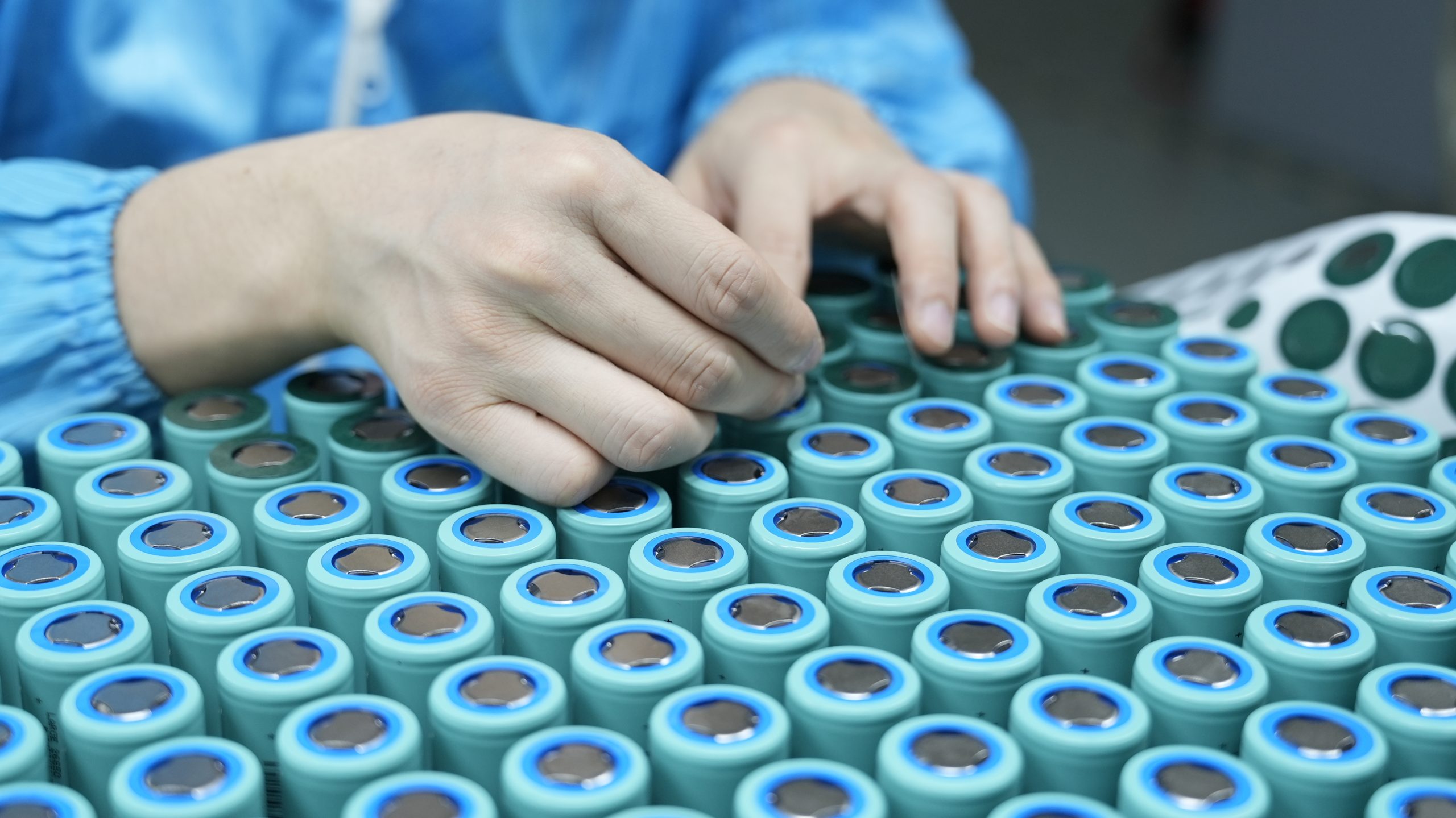
You often see the 7S1P configuration in medical backup power solutions. This structure connects seven lithium cells in series, forming a single parallel string. You get a nominal voltage of about 25.9V, which matches the requirements of most dialysis machines. The use of lithium iron phosphate (LiFePO4) chemistry increases safety and extends battery life, both critical for healthcare environments. The built-in Battery Management System (BMS) prevents over-discharge and thermal issues, helping you meet strict medical safety standards.
Feature | Description |
|---|---|
Nominal Voltage | Approximately 25.9V, suitable for medical devices requiring stable power supply. |
Chemistry | LiFePO4 enhances safety and longevity, critical for healthcare. |
Battery Management System (BMS) | Prevents over-discharge and thermal runaway, ensuring compliance with medical safety standards. |
Reliability | Essential for powering mobile diagnostic tools and patient monitors in emergencies. |
Portability | Lightweight design facilitates easy mobility for paramedics and field medics. |
Long Shelf Life | Low self-discharge rate ensures readiness in emergency response kits. |
You benefit from a lightweight and portable solution, but you may face limitations in redundancy and total capacity.
1.2 What is 7S2P?
The 7S2P configuration connects seven cells in series and then doubles the parallel strings. This structure increases both capacity and reliability, which is essential for dialysis equipment that must run continuously. You get the same nominal voltage of 25.9V, but the capacity doubles, supporting higher power demands and longer runtimes.
Specification | Value |
|---|---|
Model | Li-ion 18650 4000mAh 25.9V |
Configuration of cells | 7S2P |
Nominal Voltage | 25.9V |
Nominal Capacity | 4000mAh |
Max. Charge Voltage | 29.4V |
Life Cycles | >500 times |
Weight | 0.7kg |
Certificate | CE, ROHS, UL, UN38.3, MSDS |
You gain redundancy, which means if one cell string fails, the other can continue to supply power. This feature makes 7S2P a preferred choice for critical medical applications. When you consider backup power selection for dialysis equipment, always prioritize configurations that offer both reliability and safety.
Note: Proper backup power selection ensures your dialysis machines operate without interruption, protecting patient safety and meeting regulatory standards.
Part2: Quick Comparison
2.1 Key Differences
When you evaluate backup power selection for dialysis equipment, you need to understand the core differences between 7S1P and 7S2P lithium battery pack configurations. The table below highlights the main distinctions in electrical performance and application suitability:
Feature | 7S1P Lithium Battery Pack | 7S2P Lithium Battery Pack |
|---|---|---|
Total Cells | 7 | 14 |
Voltage (Nominal) | 25.2V | 25.2V |
Capacity Range | 2.5–3.5Ah | 5.0–7.0Ah |
Current Handling | Moderate | High (improved heat distribution) |
Redundancy | None | Yes (parallel strings) |
Reliability | Standard | Enhanced |
Typical Applications | Portable devices, LED lights | UPS systems, dialysis, high-drain medical |
You see that both configurations deliver the same voltage, but 7S2P doubles the capacity and provides redundancy. This feature becomes critical for medical applications where uninterrupted operation is essential.
2.2 Pros and Cons
Selecting the right backup power selection impacts your equipment’s safety and operational reliability. Here’s a summary of the main advantages and disadvantages:
Feature | 7S1P Advantages | 7S2P Advantages |
|---|---|---|
Voltage Output | Balanced voltage for compact systems | Stable voltage for high-efficiency systems |
Capacity | Standard, suitable for moderate loads | Increased, supports longer runtimes |
Load Handling | Adequate for basic medical devices | Handles higher loads, ideal for dialysis |
Heat Generation | Moderate | Lower, due to parallel cell arrangement |
Redundancy | None | Yes, ensures continuous operation |
Tip: For dialysis equipment, you should prioritize redundancy and higher capacity. 7S2P lithium battery packs offer superior reliability, making them the preferred choice for backup power selection in critical medical environments.
Part3: Selection Criteria
3.1 Runtime and Capacity
You must ensure that your dialysis equipment receives continuous power during treatment sessions. Most dialysis machines require 300-500W of stable power. If you select a 7S1P lithium battery pack, you get a single string of cells, which limits both runtime and current output. In contrast, a 7S2P configuration doubles the available capacity and current output by connecting two parallel strings. This design supports longer runtimes and higher loads, which are essential for critical medical applications.
Here is a comparison of the two configurations:
Feature | 7S1P Configuration | 7S2P Configuration |
|---|---|---|
Capacity | Single-cell capacity (e.g., 3.5Ah) | Double the capacity (e.g., 7.0Ah) |
Current Output | Limited to one cell’s discharge rate | Can deliver up to twice the continuous current |
Runtime | Shorter under same load | Significantly longer due to doubled capacity |
If your dialysis machine operates at 400W, a 7S2P pack will provide nearly twice the runtime compared to a 7S1P pack. This advantage ensures that you can complete full treatment cycles without interruption, even during extended power outages.
Note: You should always match the battery pack’s capacity to the expected load and runtime requirements of your dialysis equipment. This approach guarantees patient safety and regulatory compliance.
3.2 Safety and Redundancy
Redundancy is a non-negotiable requirement for medical backup systems. If you use a 7S1P pack, a single cell failure can cause the entire system to shut down. The 7S2P configuration adds a parallel string, so if one string fails, the other continues to supply power. This redundancy is vital for dialysis equipment, where even a brief interruption can put patients at risk.
International standards such as IEC 60601-1 require backup power systems to meet strict safety criteria. You must select battery packs that comply with these standards to ensure safe operation in clinical environments. The use of LiFePO4 chemistry further enhances safety by providing high thermal stability and a long cycle life.
Tip: Always verify that your backup power system includes a Battery Management System (BMS) to monitor cell health, prevent overcharge, and avoid thermal runaway.
3.3 Reliability
You need a reliable backup power solution to minimize downtime and maintain continuous operation. Reliability metrics for medical backup systems include device criticality, performance under load, failure frequency, root cause analysis, useful life ratio, service status, and time to repair.
Metric | Description |
|---|---|
Criticality | Device criticality assessment in healthcare services |
Performance | Evaluation of error codes and device performance |
Failures and frequency | Occurrence of failures and their frequency |
Root cause of failures | Analysis of the root causes of device failures |
Useful life ratio | Ratio between the age of the device and its expected life |
Service status of failures | Status display for each failure mode on the device |
Time to repair (downtime) | Duration taken for repairs, indicating downtime |
You should choose a 7S2P lithium battery pack for dialysis equipment because it offers enhanced reliability. The parallel structure reduces the risk of total system failure and supports uninterrupted operation, which is essential for patient safety.
3.4 Space and Cost
Space and cost are important factors in backup power selection for dialysis clinics. A 7S2P pack requires more physical space and has a higher upfront cost compared to a 7S1P pack. However, you gain significant benefits in terms of capacity, redundancy, and reliability. These advantages often outweigh the additional investment, especially when you consider the critical nature of dialysis treatments.
Regulatory requirements for backup power systems in dialysis clinics include minimum fuel storage, rapid power transfer, and regular testing. You must ensure that your battery system meets these standards to avoid compliance issues.
Requirement | Description |
|---|---|
96 hours of on-site fuel storage | Minimum fuel storage requirement for backup power systems |
10-second automatic power transfer | Required speed for transferring power to backup systems |
Monthly testing at minimum 30% rated load | Ensures generators are operational under load conditions |
33% safety factor for fuel calculations | Safety margin for fuel supply calculations |
Annual fuel quality testing | Ensures fuel meets quality standards |
6-month full-load 4-hour test | Comprehensive testing of generator performance |
You should balance space and cost considerations with the need for redundancy and reliability. Investing in a robust 7S2P lithium battery pack helps you meet both operational and regulatory requirements, ensuring safe and continuous operation of your dialysis equipment.
Part4: Expert Recommendation
4.1 Application Scenarios
You see the 7S2P lithium-ion battery pack used in many critical Medical applications. These include:
Patient monitors that require stable, redundant power
Infusion pumps for precise medication delivery
Portable ultrasound machines for diagnostic mobility
Emergency defibrillators that must operate instantly
Integration into handheld and wearable medical technologies
You also find 7S2P configurations in robotics, security, infrastructure, consumer electronics, and industrial sectors. These industries demand high reliability and continuous operation, making 7S2P a preferred choice.
4.2 Best Choice Summary
You should select the 7S2P lithium-ion battery pack for dialysis equipment. This configuration delivers redundancy, extended runtime, and higher current output. You meet the 300-500W power requirement with confidence. Experts recommend evaluating your power needs, considering the types of devices in use, planning for different outage scenarios, and ensuring compliance with safety standards. You benefit from a reliable backup system that supports uninterrupted patient care.
Tip: Always choose battery packs with a built-in Battery Management System (BMS) to monitor cell health and enhance safety.
4.3 Implementation Tips
You can optimize your backup power system by following these steps:
Calculate the total wattage and runtime required for your dialysis equipment.
Select a 7S2P lithium-ion or LiFePO4 pack that matches your operational needs.
Ensure your system includes a certified BMS for safety and compliance.
Consult with a technical expert for a custom battery solution tailored to your facility.
Note: A well-implemented 7S2P backup system protects your investment and ensures patient safety in every scenario.
You should choose the 7S2P lithium battery pack for dialysis equipment. This configuration gives you redundancy, which protects patient safety by preventing power interruptions. Reliable backup power ensures continuous operation. For tailored solutions, consult technical experts who understand your facility’s unique requirements.
Reliable and redundant power is essential for patient safety.
Even minor disruptions can lead to significant risks during dialysis.
FAQ
What makes 7S2P lithium battery packs ideal for dialysis equipment?
You gain redundancy, higher capacity, and reliability. Large Power’s custom battery solutions ensure your medical devices meet strict safety and runtime requirements.
How does Large Power support B2B clients with backup power needs?
You receive tailored lithium battery pack designs, technical consultation, and compliance support. Large Power specializes in medical, industrial, and infrastructure applications.
Why should you choose NMC chemistry for medical backup power?
You benefit from high energy density, long cycle life, and safety. NMC lithium battery packs meet demanding medical standards and ensure continuous operation.


