

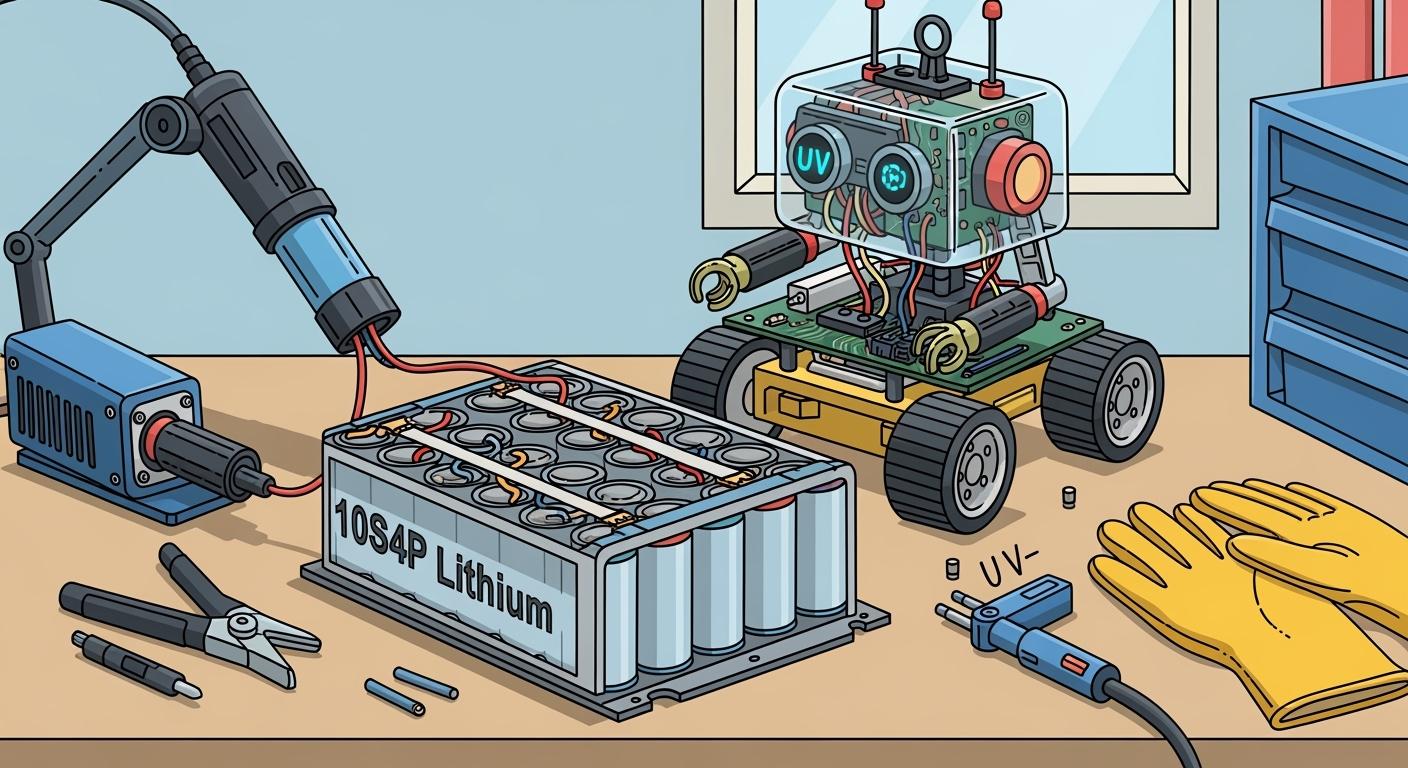
You rely on lithium battery power to drive UV disinfection robots with high energy density, long cycle life, and extended runtime. Matching voltage and capacity to your robot’s requirements ensures stable operation. Prioritize safe, efficient, and robust battery pack design for consistent high-power performance in demanding environments.
Key Takeaways
Choose a 10S4P configuration for your lithium battery pack to achieve high voltage and extended runtime, essential for UV robot performance.
Select reputable brands like Samsung, LG, or Panasonic for 18650 cells to ensure reliability and safety in your battery pack.
Integrate a Battery Management System (BMS) to protect against overcharging and overheating, ensuring safe operation of your UV robot.
Part1: 10S4P Lithium Battery Power for UV Robots
1.1 10S4P Configuration Overview
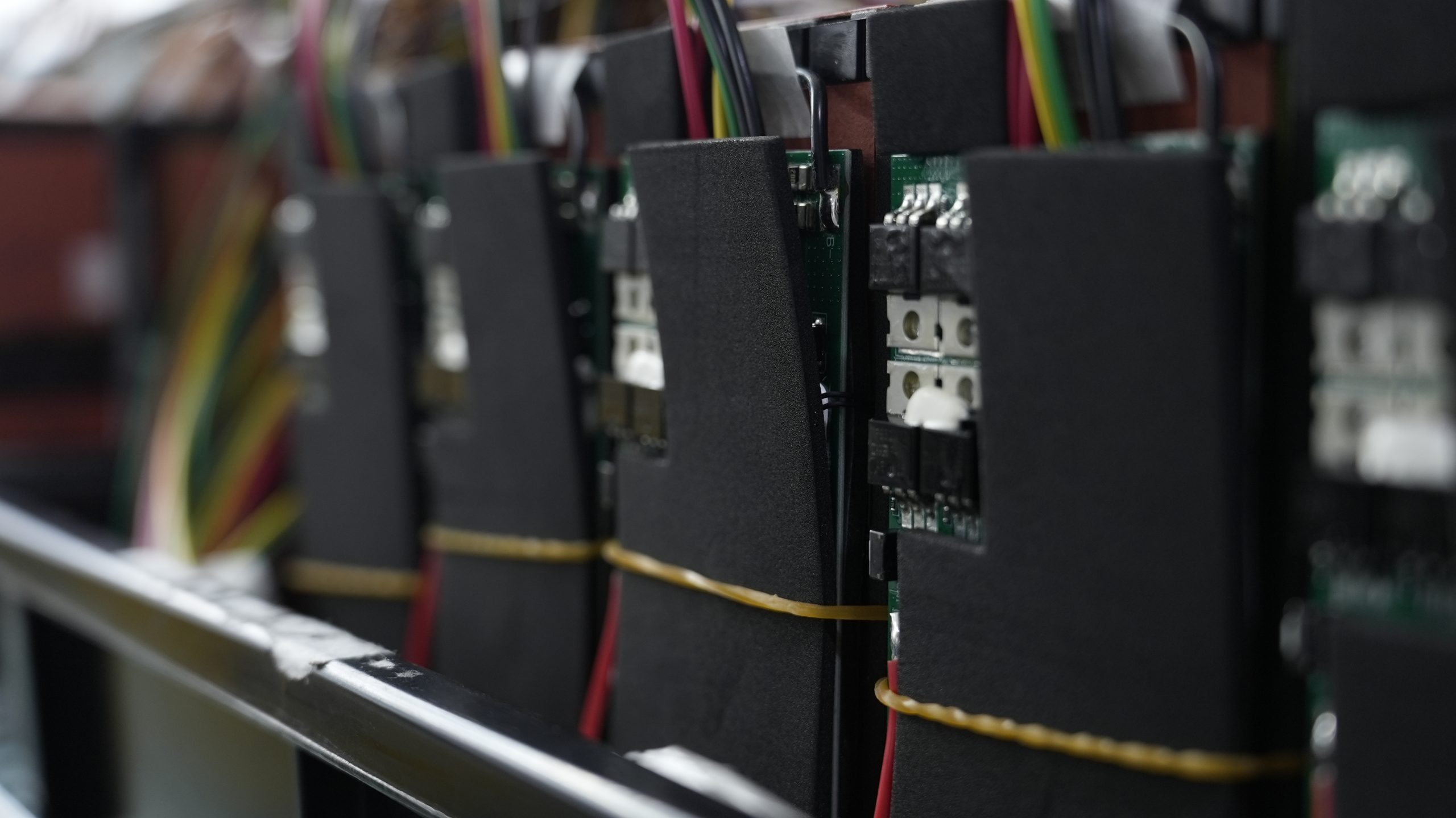
You build a 10S4P battery pack by connecting ten cells in series and four sets in parallel. This arrangement gives you both higher voltage and greater capacity, which are essential for robotics applications. The series connection increases the total voltage, while the parallel connection boosts the available current and extends runtime. The table below summarizes how each connection type impacts performance:
Connection Type | Impact on Performance |
|---|---|
Series | Increases voltage |
Parallel | Increases capacity and runtime |
This configuration ensures your UV robot receives the stable power it needs for demanding pipeline disinfection tasks.
1.2 Voltage and Capacity Benefits
You achieve a nominal voltage of 36V (3.6V x 10) with the 10S arrangement. The 4P parallel structure multiplies the cell capacity by four, supporting high-power output and longer operation. These features make lithium battery power ideal for medical UV robots, where consistent voltage and extended runtime are critical for safety and efficiency. You can tailor the pack’s total energy to match your robot’s requirements by selecting cells with the right capacity.
1.3 Energy Density and Runtime
Lithium battery power offers high energy density, which means you deliver more energy in a compact, lightweight package. This advantage allows your UV robot to operate longer between charges and reduces downtime. You also benefit from a long cycle life, which lowers maintenance costs and increases reliability. These strengths make lithium battery power the preferred choice for UV disinfection robots in medical and robotics environments.
Part2: Design and Assembly for High-Power Applications
2.1 Cell Selection and Materials
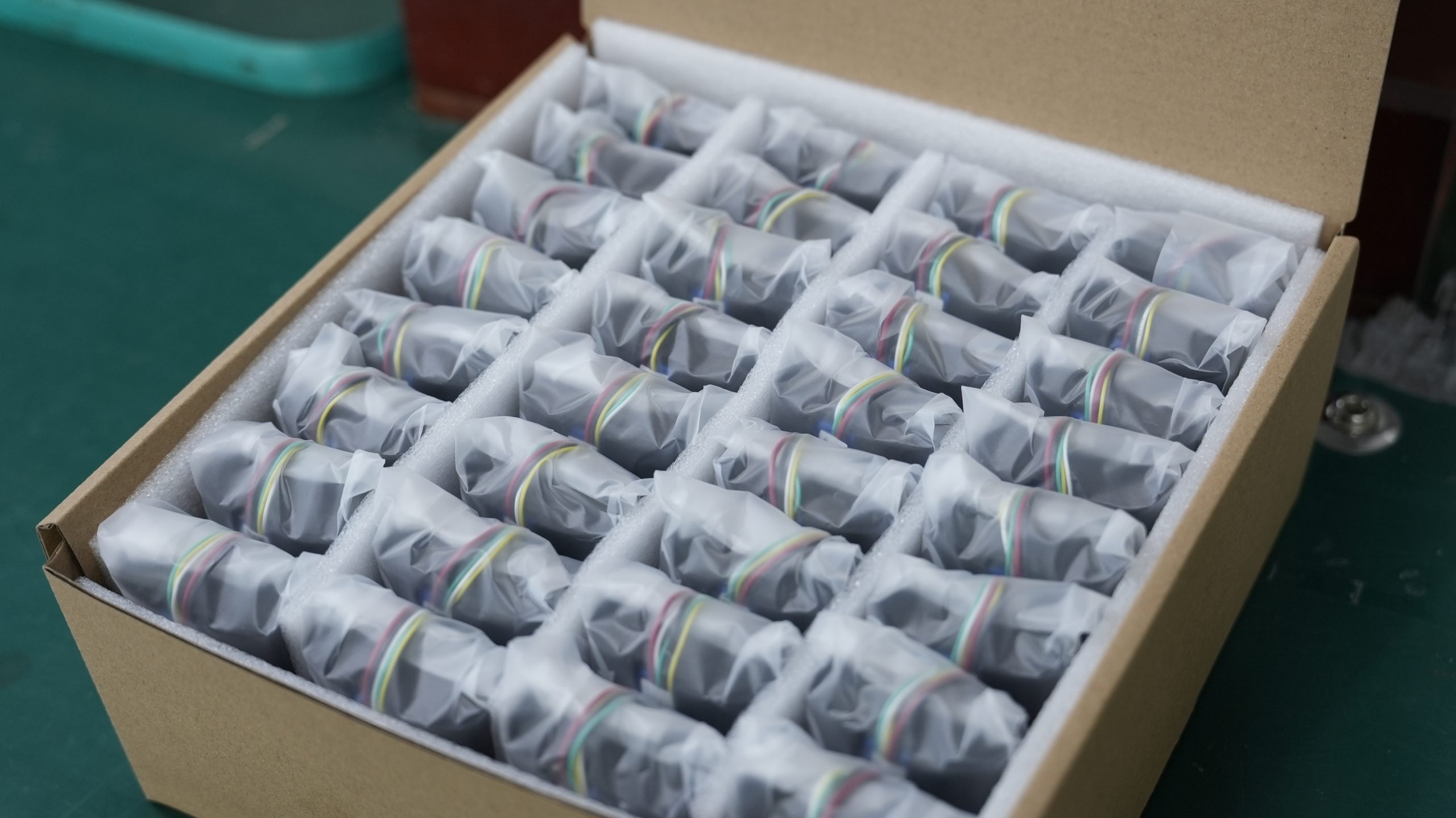
You need to select the right 18650 cells and materials to optimize your battery pack for high-power UV robot applications. Start by verifying cell authenticity. Choose reputable brands such as Samsung, LG, or Panasonic to ensure reliability and consistent performance. The table below summarizes the main criteria for cell selection:
Criteria | Description |
|---|---|
Cell Authenticity | Use genuine cells from trusted brands for reliability. |
Battery Management System (BMS) | Integrate a reliable BMS to prevent overcharge, over-discharge, and short circuits. |
Capacity and Chemistry | Select the right chemistry and capacity for efficiency and long-term reliability. |
You should also consider the impact of cell materials on weight and power output. Advanced materials like graphene and silicon-based anodes help you achieve lightweight designs and higher energy density. Lithium-ion and lithium polymer chemistries remain the preferred choices for robotics due to their high energy density and low weight, though you must balance these benefits with considerations for lifespan and safety.
Recommended 18650 Cell Brands:
Samsung
LG
Panasonic
Tip: Always source your cells from authorized distributors to avoid counterfeit products that can compromise safety and performance.
2.2 Peak Current and Safety
High-power UV robots demand battery packs that can deliver substantial peak current without compromising safety. You must address several critical safety features during design and assembly. The following table outlines essential safety features and their descriptions:
Safety Feature | Description |
|---|---|
Thermal Management and Overheating Prevention | Use active/passive cooling, thermal-resistant materials, and a robust BMS to manage heat. |
Overcharging and Over-Discharging Protection | Employ smart charging circuits and voltage monitoring for safe operation. |
Short Circuit Prevention and Electrical Safety | Integrate protective circuit modules, proper insulation, and fuse protection. |
Structural Integrity and Mechanical Protection | Ensure compliance with UL 1642, CE Marking, RoHS, and UN 38.3 standards for safety and quality. |
You can mitigate common failure modes—such as capacity loss, abnormal voltage, and thermal runaway—by incorporating thermal barriers, proper cell spacing, and passive cooling. Modern BMS solutions balance cells and manage thermal conditions, further enhancing safety and efficiency.
Note: Custom battery designs allow you to tailor form factors and power output to your specific UV robot requirements.
2.3 BMS Integration
Integrating a Battery Management System (BMS) is essential for the reliability and safety of your lithium battery pack. A high-quality BMS provides features such as integrated emergency shutdown and electrical isolation. These features automatically disconnect the circuit during abnormal conditions, such as overvoltage or overheating, and prevent electrical interference or short circuits. This ensures safe operation and enables hot-swapping of battery packs without disrupting your UV robot’s workflow.
Practical Assembly Steps
Follow these steps to assemble a 10S4P lithium battery pack for high-power applications:
Gather tools and components: adjustable wrench, screwdriver set, multimeter, wiring harness, battery mount/case, and protective gloves.
Prioritize safety: power off all equipment and verify no current flow with a multimeter.
Identify the mounting area: ensure it is clean and free of debris.
Secure the battery pack: fasten it using brackets or screws.
Connect the wiring harness: double-check polarity and secure all connections.
Link to the robot’s power system: route cables neatly to avoid interference.
Perform a final inspection: check all connections and test the system before full operation.
Charging Options and Maintenance
You can choose between standard, fast, and smart charging methods for your 10S4P lithium battery pack. The table below compares typical charging options:
Charging Method | Output | Charge Time (for 8Ah) | Charge Time (for 20Ah) | Efficiency |
|---|---|---|---|---|
Standard Charger | 2A–3A | 4–8 hours | N/A | 85–90% |
Fast Charger | 5A+ | N/A | 8–10 hours | 85–90% |
Smart Charger | N/A | N/A | N/A | 85–90% |
For best results, avoid fully draining the battery. Aim for partial discharges between 20% and 80%. Store your UV robot and spare batteries in a cool, dry place. If not in use, charge the battery at least once every few weeks. After replacing the battery, perform 2–3 full charge-discharge cycles to condition it.
Maintenance Tip: Store spare batteries at around 50% charge to maximize lifespan and maintain optimal lithium battery power performance.
By following these design, assembly, and maintenance practices, you ensure your lithium battery power system delivers reliable, high-performance energy for UV disinfection robots in demanding environments.
You drive performance and reliability by selecting the right configuration and prioritizing safety in your battery pack design. Industry experts recommend these best practices:
Charge batteries in temperature-controlled environments and avoid deep discharges.
Store batteries at 40–60% charge in cool, dry places.
Inspect batteries regularly for damage or swelling.
For tailored solutions, consult our team for custom battery packs.
FAQ
What advantages do 10S4P lithium battery packs offer for industrial UV robots?
You gain high voltage, extended runtime, and robust cycle life. The 10S4P configuration supports demanding disinfection tasks with stable power delivery and efficient energy density.
How does Large Power support custom lithium battery pack solutions?
You can partner with Large Power’s custom battery solutions team. They design lithium battery packs tailored to your UV robot’s voltage, capacity, and safety requirements.
Which lithium battery chemistry best suits high-power UV robot applications?
You should compare lithium-ion and lithium polymer chemistries. The table below highlights key differences:
Chemistry | Energy Density | Weight | Cycle Life |
|---|---|---|---|
Lithium-ion | High | Moderate | Long |
Lithium polymer | Very High | Light | Moderate |


