

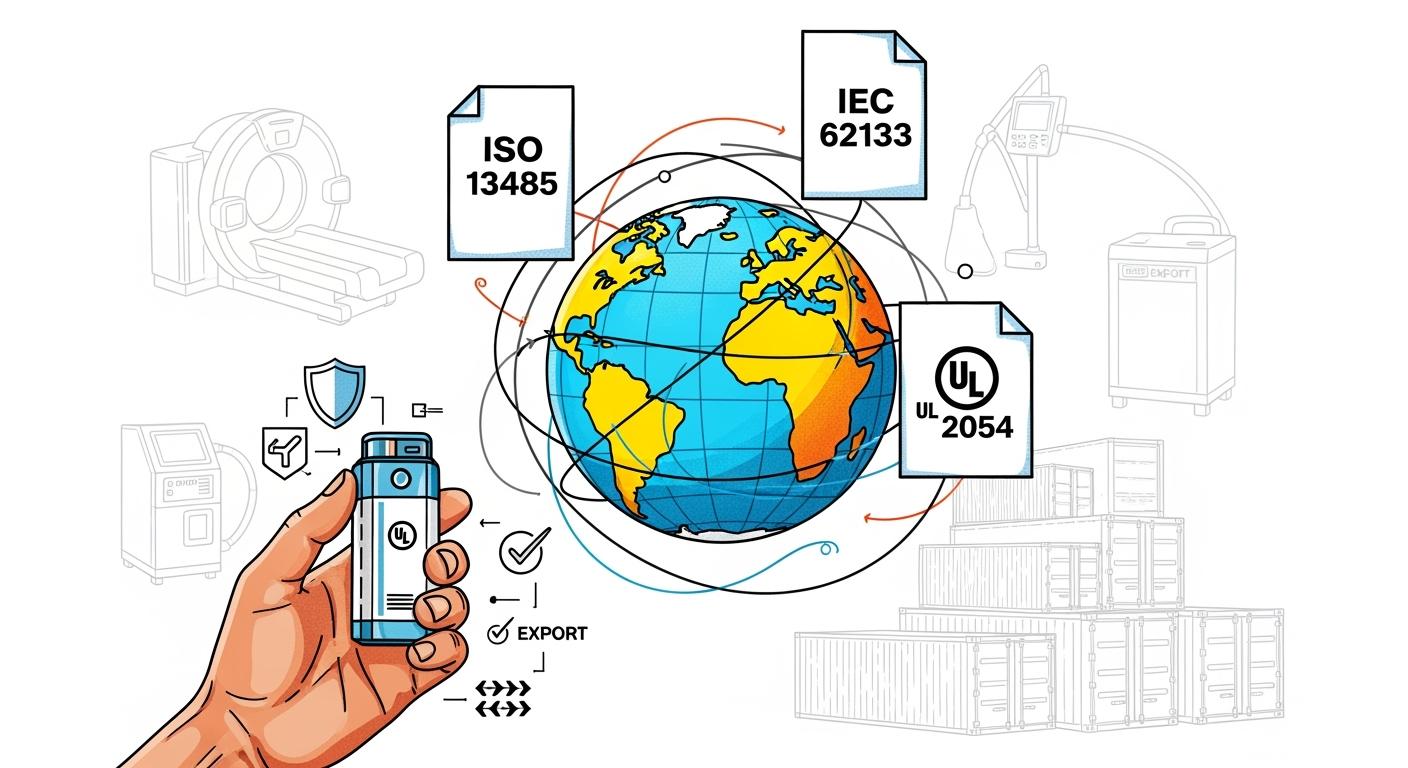
You face critical challenges when exporting lithium battery packs for portable ventilators. Optimizing Battery Packs for safety and reliability helps you protect lives in medical environments. Power reliability becomes vital in emergencies where ventilator battery backup supports patient care. The global ventilator battery market reached about USD 0.9 billion in 2023 and could double by 2032. You need actionable steps to ensure compliance and unlock international market access.
The market is projected to reach USD 1.8 billion by 2032.
Growth rate stands at 7.8% CAGR, showing strong demand for medical battery solutions.
Key Takeaways
Understand key compliance standards: ISO 13485, IEC 62133, and UL 2054 ensure safety and reliability for medical battery packs.
Implement a robust quality management system to meet ISO 13485 requirements, ensuring safe and reliable production of ventilator battery packs.
Conduct thorough testing under IEC 62133 to prevent hazards like thermal runaway, ensuring battery packs are safe for medical use.
Achieve UL 2054 certification to gain market credibility and reduce liability risks when exporting to North America.
Follow a compliance checklist to ensure your battery packs meet global export requirements, enhancing reliability and safety.
Part1: Compliance Essentials for Ventilator Battery Packs
1.1 Global Standards Overview
You must understand the main compliance standards before exporting battery packs for portable ventilators. ISO 13485, IEC 62133, and UL 2054 each focus on different aspects of safety and reliability. ISO 13485 sets the foundation for quality management in manufacturing medical devices, including ventilator battery packs. IEC 62133 addresses safety requirements for secondary cells and batteries, making sure they meet biocompatibility and safety needs for medical applications. UL 2054 covers electrical, mechanical, environmental, and thermal safety, ensuring battery packs perform reliably in various conditions.
Standard | Focus Area | Key Features |
|---|---|---|
Quality management for manufacturers | Safe and reliable production, risk identification, validation of batteries | |
IEC 62133 | Safety for secondary cells and batteries | Biocompatibility, safety features for medical applications |
UL 2054 | Safety for household/commercial batteries | Electrical, mechanical, environmental, thermal safety, performance requirements |
1.2 Why Compliance Matters for Power and Safety
You need compliant battery packs to guarantee power reliability and ventilator battery backup during emergency situations. In medical settings, ventilator battery packs must deliver consistent performance to support patient respiratory support. Safety features like battery management systems (BMS), hot-swappable design, and robust thermal management protect both the device and the patient. These features also help you meet export requirements for medical devices in global markets. Reliable battery packs reduce risks and improve performance optimization for ventilators.
1.3 Key Requirements for Export
Exporting ventilator battery packs requires you to meet strict safety, reliability, and performance standards. Regulatory bodies in the United States, European Union, China, and Japan demand advanced BMS features, including battery monitoring, cell balancing, and thermal management. You must select the right lithium battery chemistry, such as LiFePO4, NMC, LCO, or LMO, based on platform voltage, energy density, and cycle life. Battery packs for medical, robotics, security system, infrastructure, consumer electronics, and industrial applications must adapt to environmental conditions and support backup power. Meeting these requirements ensures your ventilator battery packs provide reliable backup and performance in every scenario.
Part2: ISO 13485 for Optimizing Battery Packs
2.1 Quality Management for Ventilator Battery Packs
You need to follow ISO 13485 to ensure your battery packs for portable ventilators meet strict quality standards. This standard supports your quality management system and helps you deliver safe, reliable, and high-performance battery packs for critical medical applications.
ISO 13485:2016 guides you to maintain safety, reliability, and uniformity in every battery pack you produce.
You must focus on timely delivery and traceability of components, which is vital for ventilator battery backup and emergency use.
The standard applies to all lithium battery chemistries, including LiFePO4, NMC, LCO, and LMO, each offering unique platform voltage, energy density, and cycle life for performance optimization and long endurance.
Chemistry | Platform Voltage | Energy Density | Cycle Life | Application Sectors |
|---|---|---|---|---|
LiFePO4 | 3.2V | Moderate | High | Medical, robotics, security system |
NMC | 3.7V | High | Moderate | Infrastructure, consumer electronics |
LCO | 3.7V | Very High | Low | Industrial, medical devices |
LMO | 3.7V | Moderate | Moderate | Medical, industrial |
2.2 Documentation and Traceability
You must document every step in your battery manufacturing process. ISO 13485 requires you to keep detailed records of design, development, and validation. This ensures you can trace each battery pack back to its components, which is essential for safety and reliability.
In the US and Canada, ISO 13485 certification is necessary for battery packs used in medical devices. You need to manage design files, validation, and verification processes to maintain compliance and support patient safety during respiratory support and emergency backup.
2.3 Steps to Achieve ISO 13485 Compliance
To achieve ISO 13485 compliance for optimizing battery packs, follow these steps:
Build a robust quality management system that covers all battery chemistries and application sectors.
Use a battery management system (BMS) to monitor power, backup, and performance.
Select the right chemistry for your ventilator battery pack to ensure safety, reliability, and long endurance.
Maintain strict documentation and traceability for every battery pack.
Continuously improve your processes to enhance performance optimization and safety for medical devices.
Tip: Consistent documentation and real-time monitoring help you deliver reliable battery packs that support ventilator battery backup and patient safety in every emergency.
Part3: IEC 62133 & UL 2054: Safety and Power Standards
3.1 IEC 62133 Testing for Battery Packs
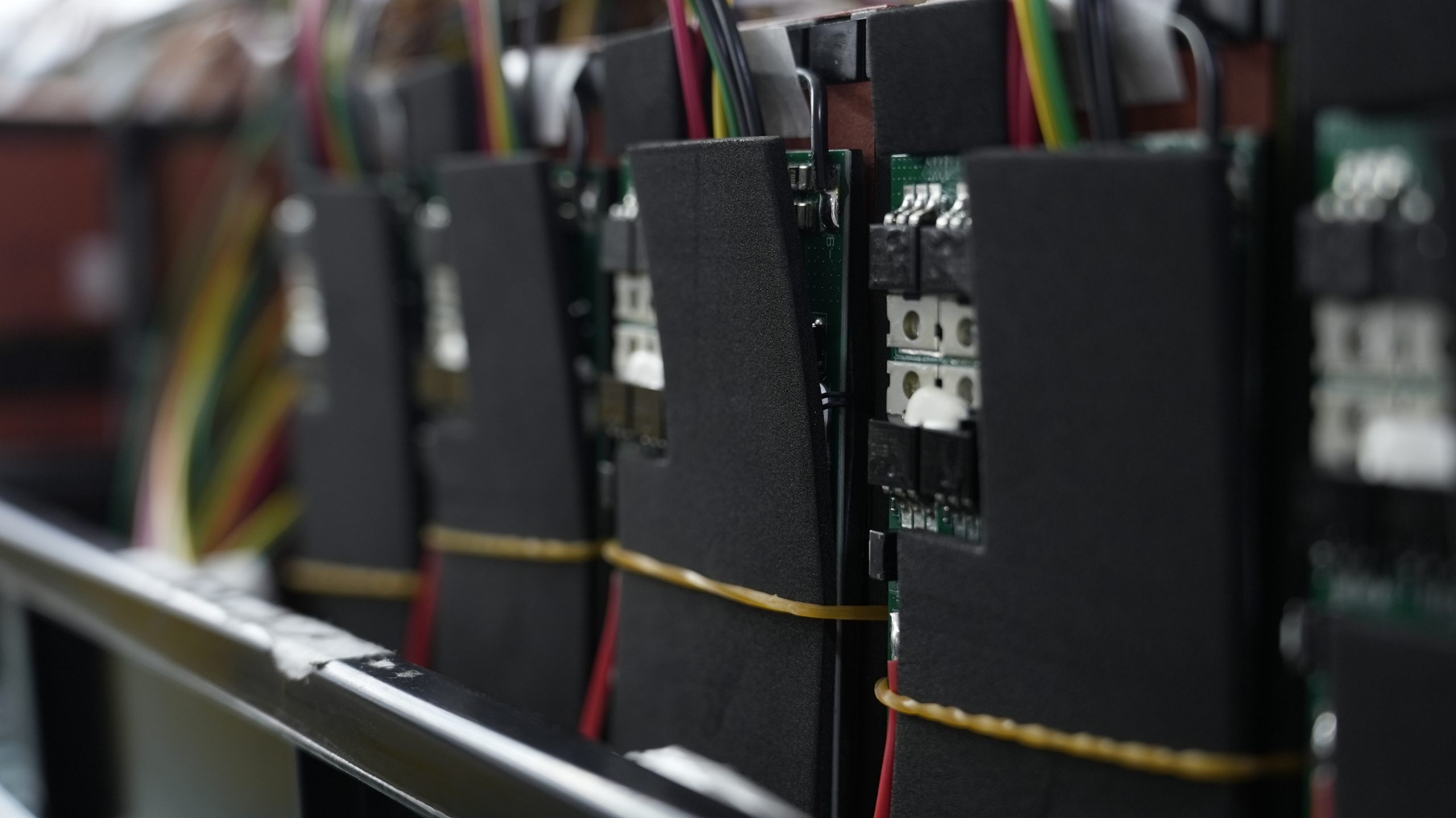
You need to understand IEC 62133 if you want to export ventilator battery packs worldwide. This standard sets the safety requirements for lithium battery packs used in critical medical applications. IEC 62133 focuses on preventing hazards like fire, explosion, and thermal runaway. You must test your battery packs for a range of real-world risks. These tests help you ensure safety, reliability, and long endurance for ventilator battery backup during power outages or emergency use.
Safety Test Type |
|---|
External short circuit |
Incorrect installation |
Overcharging |
Forced discharge |
Cell crushing |
Thermal abuse |
IEC 62133 testing protocols address thermal runaway risks in ventilator battery packs. You must pay close attention to these requirements:
Testing Requirement | Description |
|---|---|
Overcharging | Tests to ensure batteries do not exceed safe voltage levels, preventing thermal runaway. |
Over-discharging | Ensures batteries do not drop below safe voltage levels, which can lead to instability. |
Short-circuiting | Evaluates the battery’s response to short circuits, a common cause of thermal runaway. |
Thermal runaway testing | Specifically assesses the conditions under which thermal runaway occurs and its effects. |
Thermal abuse tests are included in major battery standards to evaluate thermal runaway.
These tests determine the temperature at which thermal runaway initiates.
They measure heat release and gas venting during the runaway event.
Assessments are made on whether adjacent cells are affected by thermal runaway.
You must select the right lithium battery chemistry for your ventilator battery packs. LiFePO4, NMC, LCO, and LMO each offer different platform voltage, energy density, and cycle life. These chemistries support performance optimization and endurance in medical, robotics, security system, infrastructure, consumer electronics, and industrial sectors.
3.2 UL 2054 Certification for Ventilator Power
UL 2054 certification is essential if you want to export ventilator battery packs to North America. This standard covers electrical, mechanical, environmental, and thermal safety. You must prove that your battery packs can withstand abuse, vibration, and temperature extremes. UL 2054 also requires you to implement advanced battery management systems (BMS) and hot-swappable features for power reliability and backup.
Benefit | Description |
|---|---|
Market credibility | Proof of safety compliance |
Regulatory acceptance | Necessary for North American market entry |
Reduced liability risks | Minimizes risks associated with battery failures |
You gain market credibility and regulatory acceptance by achieving UL 2054 certification. This certification reduces liability risks and supports your entry into the North American market. You must demonstrate that your ventilator battery packs deliver reliable power and backup in all conditions.
3.3 Compliance Steps for Safety and Performance
You must follow a clear process to ensure both safety and performance in ventilator battery packs under IEC 62133 and UL 2054. Many manufacturers face compliance failures during testing. These failures often include:
Internal short circuits from dendrite growth after many cycles
Manufacturing defects in separator materials
Thermal management system failures
Battery management system software bugs
Interactions between cells in large packs
Real-world abuse like partial crushing or water ingress
To avoid these issues and achieve performance optimization, you should:
Adhere to regulatory standards such as FDA, ISO, IEC, and UL for safety and performance.
Implement robust design practices. Use redundancy, advanced BMS, and encapsulation to enhance safety and reliability.
Conduct thorough testing. Perform stress and abuse tests to ensure your battery packs can withstand real-world conditions and provide reliable backup during power outages.
You must focus on power reliability, ventilator battery backup, and safety management. Real-time monitoring, thermal management, and hot-swappable design features help you deliver consistent performance and support for critical medical applications. These steps ensure your ventilator battery packs provide backup and long endurance, even in emergency scenarios.
Tip: Always document your testing and certification process. This supports traceability and helps you maintain compliance for every ventilator battery pack you export.
Part4: Optimizing Battery Packs for Global Export

4.1 Integrating Compliance for Ventilator Battery Backup
You need to understand how ISO 13485, IEC 62133, and UL 2054 work together when exporting battery packs for ventilator use. Each standard covers unique aspects of battery safety, power, and reliability. The table below shows their overlaps and differences:
Standard | Focus Area | Overlap with Others | Unique Requirement |
|---|---|---|---|
ISO 13485 | Quality management | Documentation, traceability | Medical device QMS |
IEC 62133 | Battery safety, performance | Safety, thermal management | Cell-level abuse testing |
UL 2054 | Electrical, mechanical, env. | Power reliability, backup features | North American market entry |
You may face challenges such as misinterpreting standards, missing risk assessments, or failing to align transportation rules with operational safety. Budget limits, space constraints, and ongoing maintenance can also complicate compliance for ventilator battery backup systems.
4.2 Best Practices for Power and Safety
You can optimize battery packs for ventilator export by following proven best practices. Start by selecting the right lithium battery chemistry—LiFePO4, NMC, LCO, or LMO—based on platform voltage, energy density, and cycle life. Apply these practices across medical, robotics, security system, infrastructure, consumer electronics, and industrial sectors.
Use a Battery Management System (BMS) to monitor voltage and temperature of each cell.
Ensure the BMS can disconnect the battery or adjust current during high or low temperatures.
Monitor aging and thermal runaway parameters to maintain safety and reliability.
Optimize depth of discharge to extend battery lifespan and reduce heat.
Design for thermal management using passive, active, or hybrid systems to prevent power outages and support continuous power.
Implement effective warning strategies, especially for high-altitude or emergency scenarios.
You should also consider sustainability and conflict minerals in your supply chain. For more on these topics, see sustainability and conflict minerals.
Tip: The BMS acts as a guardian for your battery packs, ensuring optimal performance and a reliable power source for critical medical applications.
4.3 Compliance Checklist for Export Success
Use this checklist to ensure your ventilator battery packs meet global export requirements:
Confirm compliance with ISO 13485, IEC 62133, and UL 2054.
Document all design, testing, and validation steps for traceability.
Integrate a robust BMS for real-time monitoring and thermal management.
Select battery chemistry based on application and performance optimization needs.
Address environmental adaptation for different regions and industries.
Plan for ongoing maintenance and backup support during outage events.
Align your supply chain with sustainability and conflict minerals standards.
By following this checklist, you can deliver battery packs that provide backup, reliability, and safety for ventilator use and other demanding applications.
You must align ventilator battery packs with ISO 13485, IEC 62133, and UL 2054 to meet global standards. Optimizing battery packs for power, safety, and compliance helps you deliver reliable solutions for medical, robotics, security system, infrastructure, consumer electronics, and industrial sectors. Use the checklist and best practices to support export success.
Regularly review regulatory updates to keep your battery packs compliant and ready for international markets.
FAQ
What is the main difference between IEC 62133 and UL 2054 for lithium battery packs?
IEC 62133 focuses on cell-level safety and abuse testing. UL 2054 covers electrical, mechanical, and environmental safety for battery packs. You need both for global export, especially for medical, robotics, and industrial applications.
How does ISO 13485 improve battery pack quality for ventilators?
ISO 13485 helps you set up a quality management system. You track every step, from design to delivery. This ensures your ventilator battery packs meet strict safety and reliability standards.
Which lithium battery chemistry should you choose for medical devices?
You should compare chemistries:
Chemistry | Platform Voltage | Energy Density | Cycle Life |
|---|---|---|---|
LiFePO4 | 3.2V | Moderate | High |
NMC | 3.7V | High | Moderate |
LCO | 3.7V | Very High | Low |
LMO | 3.7V | Moderate | Moderate |
Choose based on your device’s needs.
Why is a Battery Management System (BMS) important for export compliance?
A BMS monitors voltage, temperature, and cell balance. You prevent overheating and extend battery life. This supports compliance and safety for ventilator, robotics, and security system battery packs.
What is the best way to ensure traceability in battery pack manufacturing?
You should document every design, test, and validation step. Keep records for each battery pack. This helps you meet ISO 13485 requirements and supports quick recalls if needed.
Tip: Always update your documentation after any design or process change.


