

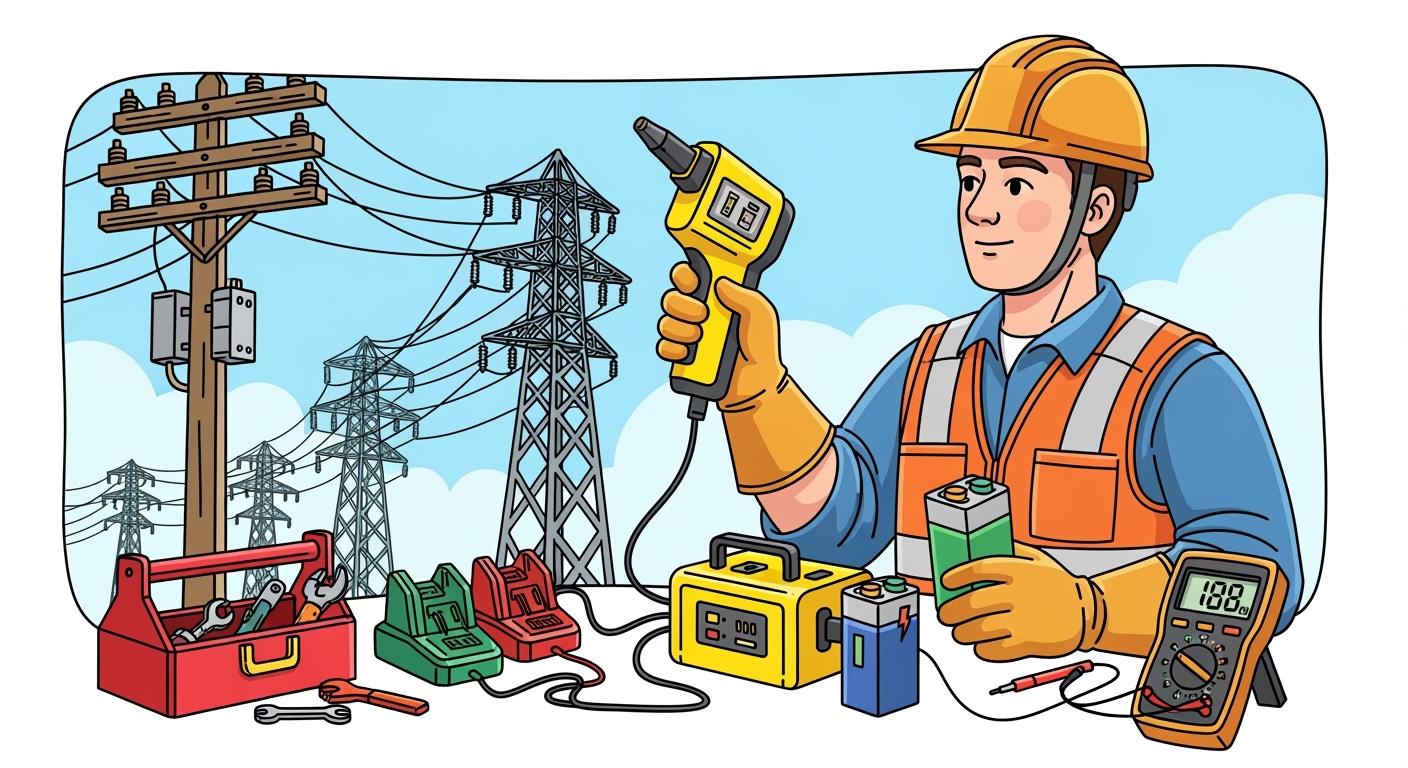
You depend on reliable power solutions for every utility inspection. The right battery keeps your equipment running through scheduled inspections, harsh weather, and demanding environments. High-performance lithium battery packs, including LiFePO4 and NMC types, give your inspection equipment enhanced safety, consistent energy, and seamless power transitions.
When you choose batteries with advanced safety features and certification, you protect both your equipment and your team.
Aspect | Description |
|---|---|
Enhanced Power Efficiency | Stable, consistent energy output for uninterrupted inspections |
Increased Durability and Longevity | Longer lifespan, fewer replacements, withstands deep discharge cycles |
Faster Charging and Reduced Downtime | Quick recharge, minimal delays, improved operational efficiency |
Resistance to Harsh Conditions | Reliable performance in extreme temperatures and heavy usage |
You ensure operational efficiency and safety in utility, medical, robotics, and industrial applications by prioritizing preventive maintenance and certified solutions.
Key Takeaways
Choose high-performance lithium batteries like LiFePO4 and NMC for reliable power in utility inspections.
Prioritize batteries with advanced safety features to protect your equipment and team during inspections.
Implement regular maintenance and testing to extend battery life and ensure consistent performance.
Select battery solutions that match the specific power demands of your inspection equipment for optimal efficiency.
Stay informed about safety certifications to ensure compliance and reliability in your battery choices.
Part1: Power Solutions for Utility Inspection

1.1 Utility Inspection Equipment Types
You rely on a range of non-destructive inspection equipment for grid and electrical maintenance. These power inspection devices include CCTV systems, push camera systems, portable and transportable systems, vehicle-mounted systems, and drone technology. Each type of non-destructive inspection equipment supports real-time monitoring and utility equipment testing in challenging environments. The table below outlines common equipment and their functions:
Equipment Type | Description |
|---|---|
CCTV Systems | Visual inspections for structural issues in pipelines. |
Push Camera Systems | Manual inspection of smaller pipelines through cleanouts. |
Portable/Transportable Systems | Robotic systems for detailed inspections in larger pipelines. |
Vehicle Mounted Systems (VMS) | Extensive inspections with onboard power and ergonomic design. |
Drone Technology | Remote inspections of utility poles and high-voltage lines, capturing high-resolution data. |
Drones, for example, reduce downtime and risks to workers. They provide high-resolution images for better asset management and access hard-to-reach areas safely. You use lithium battery packs in these non-destructive inspection equipment to ensure consistent power and real-time monitoring.
1.2 Operational Challenges and Environments
You face many challenges during utility equipment testing and grid inspections. Field teams encounter changing site conditions, complex assets, and tight schedules. Environmental risks, such as hidden hazards beneath the surface, can escalate small issues into major setbacks. Robots and non-destructive inspection equipment operate in high-voltage environments, detecting oil leaks and corrosion with advanced sensors and cameras. Temperature and humidity changes affect lithium battery packs, impacting performance and safety. You use temperature and humidity chambers to test lithium battery packs in simulated real-world conditions, improving reliability for non-destructive inspection equipment.
1.3 Importance of Reliable Battery Power
Reliable battery power is essential for non-destructive inspection equipment and power inspection devices. Advanced lithium battery packs, such as LiFePO4 and NMC, enhance power and portability for utility equipment testing. A 5.0Ah 18V lithium battery pack can perform over 100 operations on a single charge, reducing downtime and supporting real-time monitoring. Rapid charging systems reach 80% capacity in 30 minutes, improving tool readiness and safety. You must comply with safety standards like UL 62841-4-1000, IEC 62933, and UL 9540. Independent safety testing and certification by organizations such as UL Solutions are required for lithium battery packs in non-destructive inspection equipment. Preventive maintenance, regular testing, and predictive maintenance maximize battery life and minimize downtime in grid and utility inspections.
Part2: Battery Technologies and Requirements
2.1 Power Demands of Inspection Tools
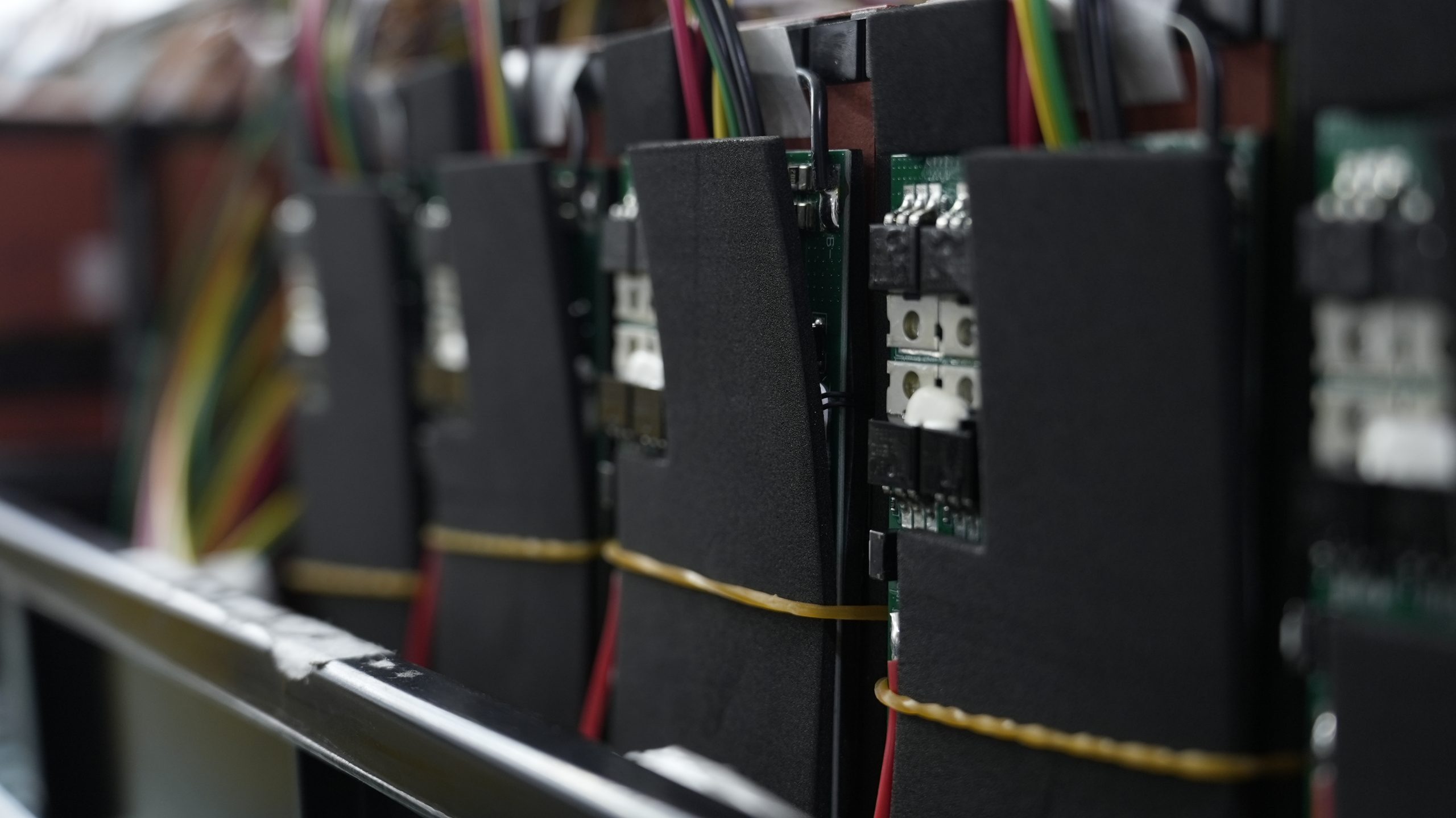
You face demanding power requirements when you use inspection equipment for utility, medical, robotics, and industrial applications. These tools must operate reliably in the field, often for extended periods, and support real-time data collection. You need battery packs that deliver consistent voltage and high energy density to power advanced sensors, cameras, and communication modules. Many inspection devices, such as portable analyzers, robotic crawlers, and drone systems, require rapid deployment and minimal downtime. You cannot afford unexpected battery failures during critical grid or infrastructure inspections.
You must select battery solutions that match the operational profile of your equipment. For example, a robotic crawler for pipeline inspection may need a battery with a high cycle life and robust thermal stability. A drone for overhead line inspection benefits from a lightweight lithium battery with high energy density and fast charging capability. In security system and medical device applications, you rely on advanced battery management to monitor state-of-charge and ensure uninterrupted operation.
2.2 Lithium Battery Advantages
You gain significant advantages when you choose lithium battery technology for utility inspection equipment. Lithium batteries outperform traditional sealed lead-acid and nickel-based batteries in several key areas:
Lithium iron phosphate (LiFePO4) batteries offer a high cycle life, ranging from 2,000 to 5,000 cycles. This means you replace batteries less often, reducing maintenance costs.
These batteries present a lower risk of thermal runaway, which enhances safety for your teams during inspection and maintenance.
LiFePO4 batteries use iron, a more environmentally friendly and cost-effective material than cobalt or nickel. This leads to lower production costs and supports sustainability goals.
Lithium-ion batteries deliver energy densities up to 330 Wh/kg. This is much higher than lead-acid batteries, which typically provide only 75 Wh/kg. You benefit from lighter, more compact battery packs that do not compromise on power.
Lithium batteries can provide voltages up to 3.6 volts, which is 1.5 to 3 times higher than other battery technologies. This makes them ideal for high-power applications in industrial and infrastructure inspection.
You experience quick charging, seamless power transitions, and improved operational efficiency with lithium battery packs. These features are essential for real-time monitoring and advanced battery management in utility and industrial environments.
Comparison of Lithium Battery Chemistries
You must understand the differences between lithium battery chemistries to select the right solution for your inspection equipment. The table below compares common lithium battery types used in utility, robotics, and industrial applications:
Chemistry | Abbreviation | Platform Voltage (V) | Energy Density (Wh/kg) | Cycle Life (cycles) | Key Application Scenarios |
|---|---|---|---|---|---|
Lithium Iron Phosphate | LiFePO4 | 3.2 | 90–160 | 2,000–5,000 | Utility, robotics, medical, industrial |
Lithium Nickel Manganese Cobalt Oxide | NMC | 3.6 | 150–220 | 1,000–2,000 | Security, infrastructure, industrial |
Lithium Cobalt Oxide | LCO | 3.7 | 150–200 | 500–1,000 | Consumer electronics, medical |
Lithium Manganese Oxide | LMO | 3.7 | 100–150 | 300–700 | Power tools, security, robotics |
Solid-State Lithium | — | 3.2–3.7 | 250–500 | 1,000–10,000 | Medical, industrial, infrastructure |
Lithium Metal | — | 3.4–3.6 | 350–500 | 500–1,000 | Advanced research, medical |
You see that LiFePO4 and NMC batteries are preferred for utility and industrial inspection due to their balance of safety, cycle life, and energy density. LCO and LMO batteries are more common in consumer electronics and power tools.
2.3 High-Performance Lithium Battery Features
You benefit from high-performance lithium battery packs that deliver superior operational efficiency for inspection and maintenance. These advanced battery technology solutions stand out from standard lithium batteries in several ways:
Feature | Description |
|---|---|
Extended Lifespan | High-performance lithium batteries last longer, reducing the frequency of battery replacements. |
Rapid Charging | These batteries charge quickly, minimizing downtime and increasing operational efficiency. |
Consistent Power Output | You receive steady power throughout the discharge cycle, ensuring your equipment operates efficiently for longer periods. |
Minimal Maintenance | You spend less time on battery maintenance, allowing your teams to focus on core inspection and utility operations. |
You rely on advanced battery management systems to monitor battery health, predict failures, and optimize charging cycles. This technology supports real-time diagnostics and preventive maintenance, which are critical for utility, medical, and industrial applications.
Safety Testing, Certification, and Compliance
You must ensure that every high-performance lithium battery used in inspection equipment meets strict safety and quality standards. Leading organizations such as UL Solutions and international bodies require rigorous testing and certification. The table below outlines key standards:
Standard | Description |
|---|---|
UL 1642 | Testing lithium battery cells |
UL 2054 | Battery level tests for household and commercial batteries |
UL 2580 | Batteries for electric vehicles, ensuring high quality through rigorous testing |
UN/DOT 38.3 | Ensures lithium batteries are safe for transportation |
IEC 61960 | Performance standard for batteries |
IEC 62133-2:2017 | Safety standard involving various stress tests |
IEC 62281:2019 | Additional safety testing standards |
SAE J 2929 | Safety testing for lithium-based rechargeable cells |
SAE J 2464 | Safety and abuse testing for rechargeable energy storage systems |
You must verify that your battery packs comply with these standards before deploying them in utility, robotics, or medical inspection equipment. This ensures safety, reliability, and regulatory compliance for your operations.
Tip: Always request certification documents from your battery supplier. This protects your team and your equipment during inspection and maintenance.
You can maximize the value of your investment by choosing high-performance lithium battery packs with advanced battery management and robust safety certifications. This approach supports real-time monitoring, reduces maintenance, and ensures uninterrupted utility inspection operations.
Part3: Battery Solutions Comparison
3.1 Lithium vs. Other Battery Types
You need battery solutions that deliver consistent performance for utility inspection equipment. Lithium batteries, including LiFePO4, NMC, LCO, and LMO chemistries, outperform sealed lead acid and nickel-based batteries in many ways. The table below shows key differences:
Battery Type | Energy Density (Wh/kg) | Cycle Life (cycles) | Charging Time (hours) | |
|---|---|---|---|---|
LiFePO4 (Lithium Iron Phosphate) | 90–160 | 2,000–5,000 | 1–2 | Utility, robotics, medical, industrial |
NMC (Lithium Nickel Manganese Cobalt Oxide) | 150–220 | 1,000–2,000 | 1–2 | Security systems, infrastructure, industrial |
LCO (Lithium Cobalt Oxide) | 150–200 | 500–1,000 | 1–2 | Medical, consumer electronics |
100–150 | 300–700 | 1–2 | Power tools, robotics, security | |
Sealed Lead Acid | 75 | ~500 | 8–12 | Industrial, infrastructure |
Nickel-Based | 60–120 | 500–1,000 | 4–8 | Industrial, medical |
Lithium batteries use less energy to deliver the same power.
You replace lead acid batteries every few hundred cycles, while lithium batteries last 3,500–5,000 cycles.
Lithium batteries recharge in 1–2 hours, compared to 8–12 hours for lead acid.
You reduce total cost of ownership by choosing lithium battery solutions for inspection equipment.
3.2 Safety and Reliability Factors
You must consider safety and reliability when selecting battery solutions for utility inspection equipment. Certifications and battery management systems play a critical role. The table below highlights important factors:
Factor | Description |
|---|---|
Proof of Quality and Reliability | Certifications like UL, IEC, CE, UN38.3, RoHS, and ISO 9001 confirm battery safety and performance. Test reports verify resilience to vibration, shock, and thermal extremes. |
Battery Management System (BMS) | High-quality battery management systems provide cell balancing, temperature sensors, and system integration. They communicate with your equipment for enhanced safety and reliability. |
You assess battery chemistry and capacity based on your operating environment.
Batteries perform best at 77°F (25°C). Extreme temperatures affect performance and lifespan.
Consult manufacturers for battery solutions designed for wider temperature ranges.
Battery management systems offer remote monitoring, alarms, and backup safety circuits. You receive early warnings for potential failures and protection against hazardous situations.
3.3 Maintenance and Lifecycle
You maximize equipment reliability and minimize outages by following best practices for battery maintenance. Preventive maintenance and regular testing extend battery lifespan and ensure reliable inspection operations.
Standard | Description |
|---|---|
IEEE 1188-2005 | Maintenance, testing, and replacement of VRLA batteries for stationary applications. |
IEEE 450-2010 | Maintenance, testing, and replacement of VLA batteries for stationary applications. |
IEEE 1106-2015 | Installation, maintenance, testing, and replacement of NiCad batteries for stationary use. |
Continuous monitoring of battery parameters allows early detection of issues.
Automated review of test results notifies you when thresholds are breached.
Remote battery monitoring services provide ongoing data review by specialists.
Time-based maintenance schedules regular checks, while performance-based maintenance uses monitoring technology for ongoing assessment.
Neglecting battery maintenance can lead to costly failures during power outages. You protect your utility inspection equipment and ensure equipment reliability by adopting both time-based and performance-based maintenance strategies.
Tip: Implement battery management systems with remote monitoring to maximize battery availability and extend service life.
Part4: Energy Trends and Battery Selection
4.1 Criteria for Choosing Batteries
You must select the right battery for your utility inspection equipment to ensure grid safety and operational reliability. You need to evaluate several criteria before making a decision. The table below outlines the most important factors:
Criteria | Description |
|---|---|
Construction | Choose battery packs with secure compartments to prevent unauthorized access and enhance grid safety. |
Accessibility | Test battery compartments to ensure they are not easily accessible, reducing risks in utility and industrial settings. |
Testing Requirements | Confirm that your battery meets force and method standards for safety compliance. |
Warning Labels | Use clear labels to inform teams about hazards and support grid safety protocols. |
Battery Compartment Options | Select secure options to protect your equipment and maintain grid safety. |
You should always verify that your lithium battery packs meet these requirements for every inspection scenario.
4.2 Matching Energy Solutions to Applications
You need to match your energy solutions to the specific demands of your inspection equipment. Different battery types offer unique benefits for utility, medical, robotics, and industrial applications:
Flooded Lead-Acid batteries provide reliable power for stationary grid safety systems but require regular maintenance.
Absorbent Glass Mat batteries offer fast charging and low maintenance, making them suitable for material handling and security system inspection.
Lithium-ion batteries, including LiFePO4, NMC, LCO, and LMO chemistries, deliver high energy density and low weight. These batteries support real-time monitoring and advanced grid safety features in robotics, infrastructure, and medical equipment.
You should consider the operational environment, maintenance needs, and grid safety requirements when selecting a battery for your inspection equipment.
4.3 Future Trends in Utility Energy Storage
You see rapid changes in utility energy storage. The table below highlights the latest trends and their impact on battery selection for grid safety and inspection:
Trend | Implication for Battery Selection |
|---|---|
Solid-State Batteries | Higher energy density and improved grid safety |
AI and Machine Learning | Enhanced real-time predictive maintenance and optimization |
Integration with Renewables | Supports clean energy goals for grid safety |
You will notice more facilities using battery energy storage for microgrid strategies. Many sites now combine solar generation with lithium battery packs to optimize energy use and grid safety. You should focus on battery chemistry, duration, and safety when planning future inspection solutions. The industry is moving toward smarter, denser lithium battery packs, with real-time diagnostics and second-life applications for grid safety and cost savings.
Tip: Choose easy-to-install battery solutions that support real-time monitoring and predictive maintenance for your utility inspection equipment.
You improve inspection performance, reliability, and safety by choosing advanced battery and energy solutions for your equipment. The table below shows how strict end-of-line inspection, offshore BESS safety, and advanced thermal barriers support grid safety and energy reliability:
Evidence Type | Description |
|---|---|
End-of-line Inspection | Ensures every battery cell meets safety and performance standards for reliable inspection. |
Offshore BESS Safety | Addresses thermal management and emergency planning for grid and inspection reliability. |
Advanced Thermal Barriers | Isolates overheating cells, improving battery safety in inspection equipment. |
You rely on high-performance lithium battery packs for preventive maintenance and compliance with safety standards. Safety standards like UL 1973 and IEC 62619 test battery resistance to overcharging, mechanical stress, and thermal stability. These standards help you maintain safe and effective inspection operations.
Review your current battery and energy solutions for inspection equipment.
Implement a maintenance program based on manufacturer and IEEE recommendations.
Schedule monthly, quarterly, and annual inspections for your battery systems.
Replace batteries when capacity drops below 80% to prevent grid failures.
You can boost operational outcomes by upgrading to advanced lithium battery packs. You ensure your inspection equipment meets the demands of utility, medical, robotics, security system, and industrial applications.
FAQ
What lithium battery chemistries are best for utility inspection equipment?
You should consider LiFePO4 and NMC chemistries for utility inspection equipment. LiFePO4 offers high cycle life and safety. NMC provides higher energy density. Both battery types support robotics, medical, security system, and industrial applications.
How does a battery management system (BMS) improve reliability?
A battery management system monitors voltage, temperature, and charge levels. You gain real-time diagnostics and predictive maintenance. BMS helps prevent failures and extends battery lifespan in infrastructure, medical, and industrial inspection scenarios.
What are the main safety certifications for lithium battery packs?
You must look for certifications like UL 1642, UL 2054, IEC 62133-2:2017, and UN/DOT 38.3. These standards ensure your battery meets safety requirements for robotics, medical, and industrial inspection equipment.
How do lithium battery packs support sustainability goals?
You reduce environmental impact by choosing LiFePO4 batteries. These batteries use iron, which avoids conflict minerals. You support sustainability in industrial and infrastructure applications.
Can lithium battery packs operate in extreme environments?
You rely on lithium battery packs like LiFePO4 and NMC for performance in extreme temperatures and humidity. These batteries undergo rigorous testing to ensure reliability in medical, robotics, and security system inspections.


