

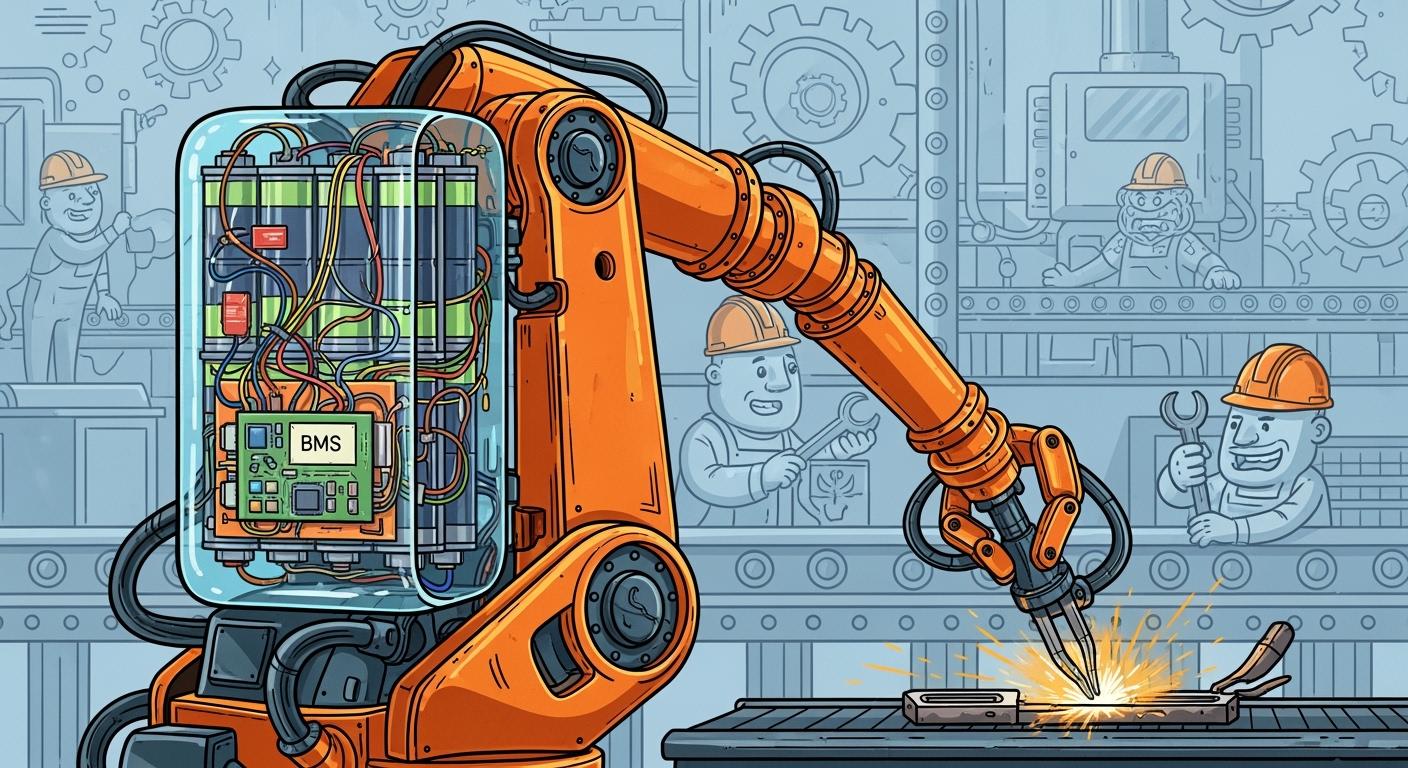
You might think a larger battery means better Battery Pack Reliability for your industrial robots. In reality, system reliability depends on smart battery management, not just more capacity. Bigger batteries alone do not address voltage sag, dynamic load demands, or system resets. Advanced BMS features like real-time monitoring, predictive maintenance, and fault detection protect your robots from unexpected failures. With the right cell selection and BMS design, you improve safety, uptime, and long-term performance. Focus on the BMS as the foundation for reliability.
Key Takeaways
Prioritize Battery Management System (BMS) design over battery capacity for improved reliability in industrial robots.
Implement advanced BMS features like real-time monitoring and fault detection to prevent unexpected failures and enhance safety.
Focus on cell balancing and thermal management to extend battery life and maintain consistent performance during operations.
Evaluate BMS capabilities thoroughly to ensure long-term success and minimize downtime in demanding industrial environments.
Understand that larger battery capacity does not solve reliability issues; a robust BMS is essential for optimal performance.
Part 1: Battery Pack Reliability in Industrial Robots
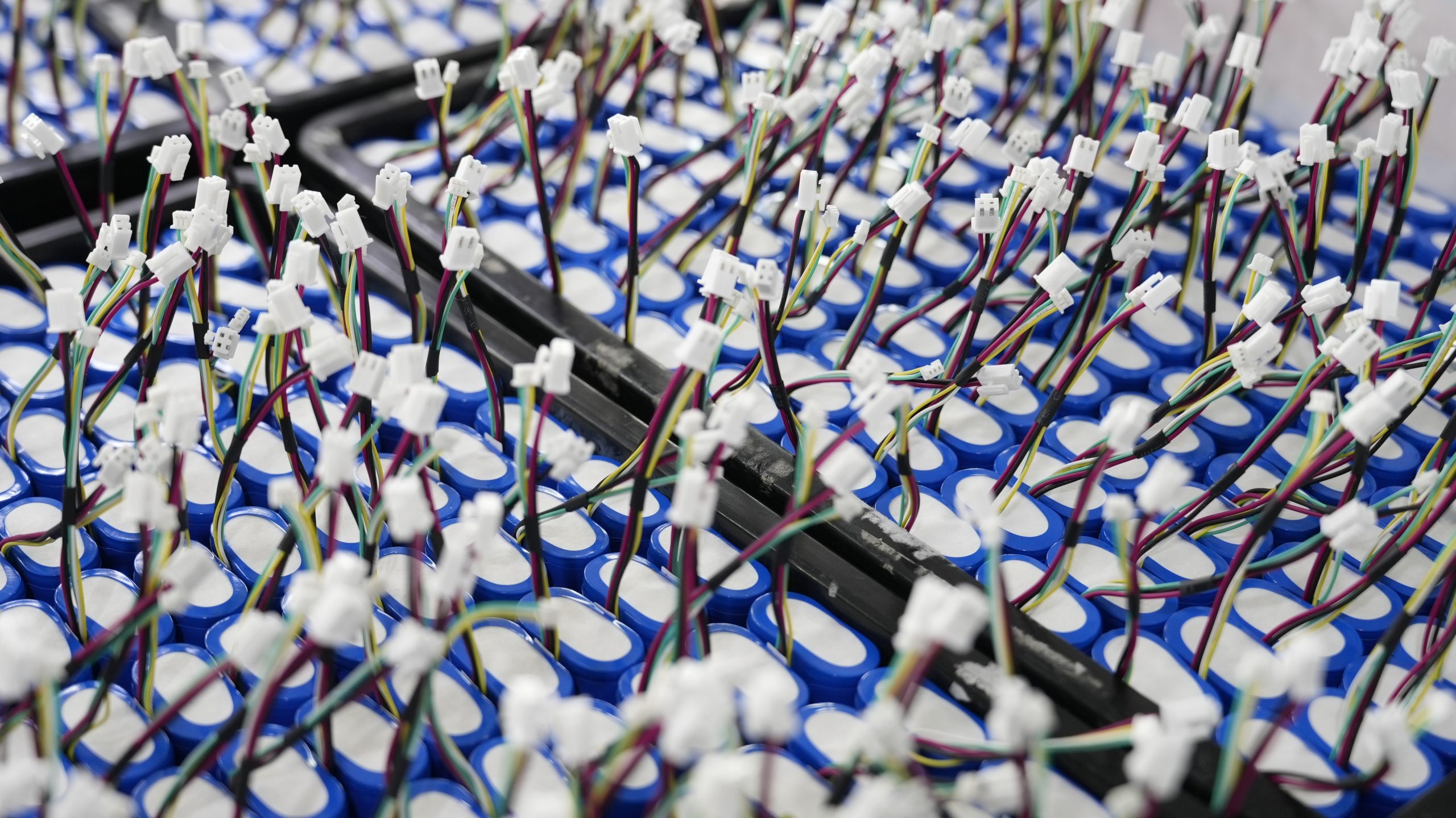
1.1 Reliability Defined for Lithium Packs
When you evaluate lithium battery packs for industrial robots, you need to understand what reliability means in this context. Reliability refers to the ability of a battery pack to deliver consistent performance, maintain safety, and support your robot’s workload over time. In sectors like medical robotics, security systems, and industrial automation, reliable battery packs prevent unexpected shutdowns and protect sensitive operations.
You can break down reliability into several key factors:
Key Factor | Description |
|---|---|
Cell Chemistry | Matching cell chemistry ensures stable and predictable performance. |
Discharge Rates | Optimizing discharge rates keeps power delivery steady during demanding tasks. |
Advanced BMS prevents failures and increases system reliability. | |
Load Profiles | Analyzing load profiles helps match battery specs to real-world robot demands. |
System Integration | Integrating battery and chassis design avoids failures during peak current draws. |
You should also track important metrics to measure Battery Pack Reliability:
Metric | Definition |
|---|---|
SoC | State of Charge: The current charge level as a percentage of total capacity. |
SoH | State of Health: The maximum available capacity compared to the original rating. |
DoD | Depth of Discharge: The percentage of capacity used during operation. |
1.2 Impact on Robot Uptime
Battery Pack Reliability directly affects how long your robots can operate without interruption. In industrial and infrastructure applications, a reliable battery pack ensures stable power delivery, which is critical for continuous operation. If you use robots in medical or security environments, even a brief power loss can disrupt essential services.
Note: A failed battery can halt the entire robot, leading to lost productivity and increased downtime.
You should know that underperforming battery packs often cause system resets or shutdowns during heavy loads. This problem reduces operational time and increases maintenance costs. By focusing on Battery Pack Reliability, you help your robots achieve maximum uptime and consistent performance across all sectors, from consumer electronics to industrial automation.
Part 2: Why Capacity Alone Falls Short
2.1 Common Misconceptions
Many engineers believe that simply increasing battery capacity will solve reliability issues in industrial robots. This idea leads to several myths that can affect your decision-making. The table below clarifies some of the most common misconceptions about battery capacity and reliability:
Myth | Clarification |
|---|---|
Higher Capacity Batteries Damage Devices | Device circuits control current draw, not the battery itself. |
They Void Warranties | Warranty voiding only applies if non-OEM batteries directly cause damage. |
They Are Always Bulkier | Improved technology allows higher-capacity batteries to match the size of lower-capacity ones. |
You should focus on the real factors that impact Battery Pack Reliability, such as cell balancing, thermal management, and advanced battery management systems. Relying on capacity alone ignores these critical elements.
2.2 Limits of Bigger Packs
Adding more capacity to a lithium battery pack does not address the core risks that threaten industrial robot performance. You may encounter several challenges when you increase battery size:
High energy density batteries generate more heat, especially during heavy workloads. This heat can damage cells and shorten lifespan.
Industrial robots often have limited space for cooling systems. You may struggle to fit effective thermal management solutions into compact designs.
Both passive and active cooling systems can fail to keep up with thermal loads during peak operations. This can lead to overheating and unexpected shutdowns.
Tip: Overcharging, overheating, and cell imbalance remain risks even with larger packs. Only a well-designed battery management system can monitor and control these dangers.
You should remember that Battery Pack Reliability depends on more than just capacity. Advanced BMS features, proper cell selection, and robust thermal management play a much bigger role in keeping your robots running safely and efficiently.
Part 3: BMS Design for Reliability
3.1 Core BMS Functions
You need to understand the essential functions of a battery management system when you evaluate Battery Pack Reliability in industrial robots. The BMS acts as the brain of the battery pack. It monitors and manages every aspect of battery operation. Here are the core functions that directly impact reliability:
Real-time status monitoring tracks the state of charge (SOC) and state of health (SOH). You get accurate data about how much energy remains and how well the battery performs.
Dynamic power management adjusts power output based on the robot’s workload. This function improves efficiency and prevents sudden drops in performance.
Fault warning and protection alert you to potential issues before they cause damage. The BMS can shut down the battery or isolate faulty cells to protect the robot.
Communication protocol adaptation supports industrial-grade protocols like CAN and RS485. You can integrate the battery pack with your robot’s control system for reliable data exchange.
Remote diagnostics allow you to troubleshoot and monitor battery packs from a distance. This feature improves maintenance efficiency and reduces downtime.
Tip: A robust BMS ensures Battery Pack Reliability by preventing unexpected failures and optimizing performance.
3.2 Hardware and Architecture
You should look at the hardware modules that make up a modern BMS. The main components include the analog front end (AFE), microcontroller unit (MCU), and fuel gauge. The AFE measures voltage, current, and temperature from each cell. The MCU processes this data and makes decisions about charging, discharging, and protection. The fuel gauge estimates the remaining capacity and tracks battery usage.
Industrial robots require a BMS with a scalable and modular architecture. Partitioning divides the battery pack into sections, each with its own monitoring and control. Distributed systems use multiple BMS units to manage large packs or complex robots. This approach improves reliability and allows for easier maintenance.
Note: Modular BMS designs help you replace faulty sections without shutting down the entire robot.
3.3 Redundancy and Safety
You must prioritize redundancy and safety when you design battery packs for industrial robots. Redundant BMS systems use backup modules or parallel monitoring circuits. If one module fails, another takes over. This setup prevents single-point failures and keeps your robots running.
Safety features include overcharge protection, thermal management, and cell balancing. The BMS detects overheating and shuts down charging to prevent fires. It balances cells to avoid voltage differences that can damage the pack. These functions maximize cell lifespan and maintain Battery Pack Reliability.
Alert: Without a reliable BMS, you risk overcharging, overheating, and cell imbalance. These issues can lead to costly downtime or permanent damage.
You see the impact of advanced BMS design in real-world industrial robots. Robots in manufacturing, logistics, and medical environments rely on BMS features to operate safely and efficiently. When you invest in a well-designed BMS, you protect your equipment and ensure long-term success.
Part 4: Essential BMS Features
4.1 Cell Balancing
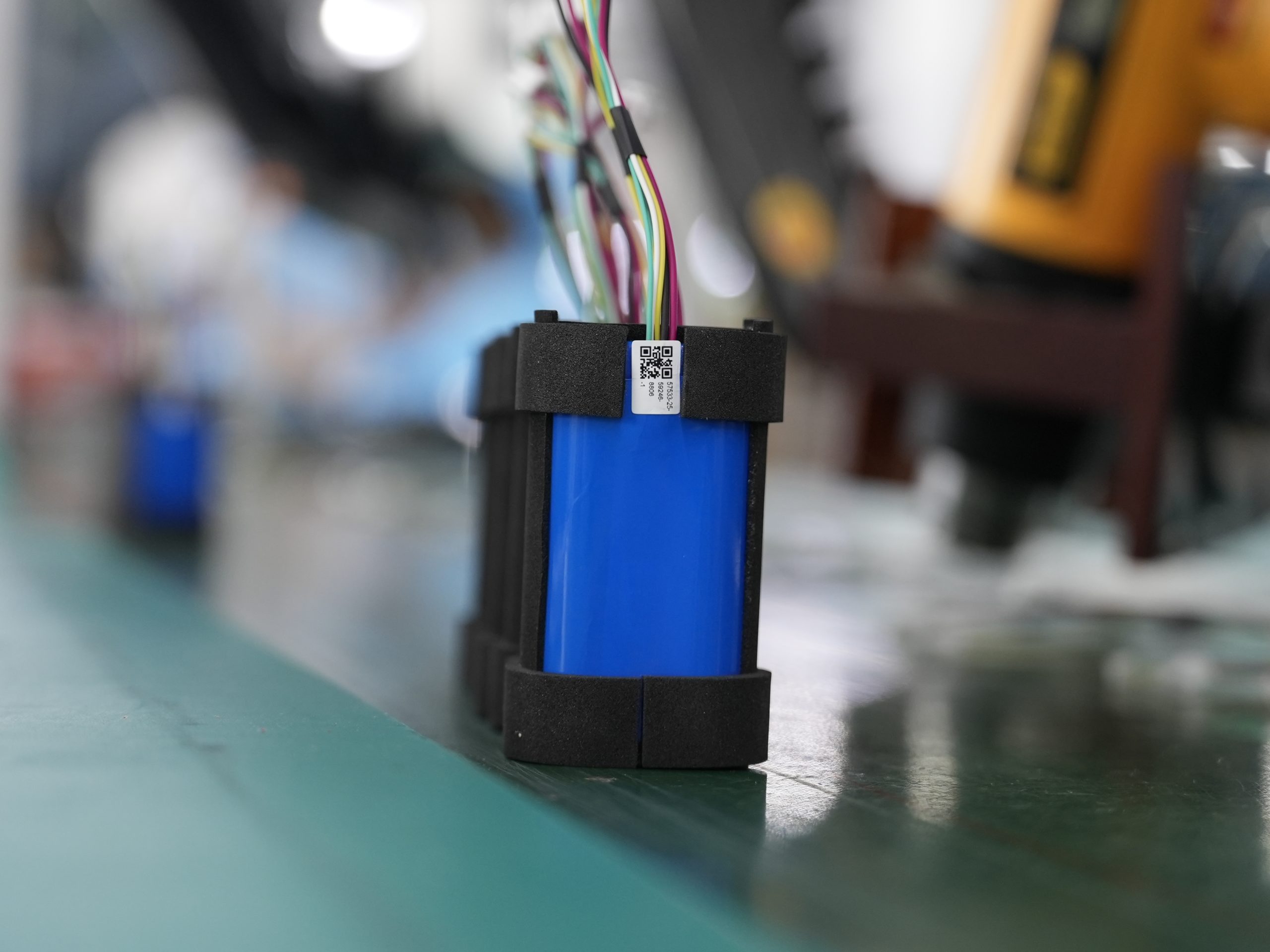
You need cell balancing to keep every cell in your lithium battery pack at the same voltage. Without this feature, some cells can overcharge or over-discharge. This imbalance leads to reduced capacity, shorter lifespan, and even safety risks. Cell balancing works by redistributing energy between cells during charging and discharging. You prevent weak cells from dragging down the entire pack. In industrial robots, cell balancing ensures consistent performance and helps you avoid costly downtime.
4.2 Thermal Management
Thermal management protects your battery pack from overheating and thermal runaway. You rely on the BMS to monitor and control battery temperature at all times. The system uses sensors to track temperature, voltage, and current. It regulates charging and discharging to keep the pack within safe limits. Advanced BMS solutions use machine learning to predict thermal events before they happen. Early detection systems identify abnormal patterns and activate preventive measures. These actions reduce the risk of battery failure and improve Battery Pack Reliability in demanding industrial environments.
Continuous monitoring prevents thermal runaway.
Sensors detect temperature, voltage, current, and gas emissions.
Algorithms analyze data and trigger safety responses.
Tip: Effective thermal management keeps your robots running safely, even during heavy workloads.
4.3 Fault Detection & Protection
You depend on fault detection and protection to safeguard your robots from unexpected failures. The BMS identifies issues like overvoltage, undervoltage, short circuits, and abnormal currents. When the system detects a problem, it can isolate faulty cells or shut down the battery pack. This quick response prevents damage and reduces the risk of fire or explosion. In real-world applications, advanced fault detection has stopped major incidents before they could harm equipment or personnel.
4.4 State of Charge & Health
Monitoring the state of charge (SOC) and state of health (SOH) gives you valuable insights into battery performance. The BMS manages charging and discharging by tracking SOC, which helps prevent premature capacity loss. Accurate SOH estimation provides early warnings of battery deterioration. You can schedule maintenance or replacements before failures occur. These features enhance long-term reliability and keep your industrial robots operating at peak efficiency.
Note: Reliable SOC and SOH monitoring supports predictive maintenance and maximizes uptime.
Feature | Benefit for Industrial Robots |
|---|---|
Cell Balancing | Extends lifespan, prevents failures |
Thermal Management | Reduces overheating, avoids thermal runaway |
Fault Detection | Prevents damage, ensures safety |
SOC & SOH Monitoring | Enables predictive maintenance, boosts uptime |
Part 5: Selecting a Reliable BMS
5.1 Evaluation Criteria
When you select a Battery Management System for industrial robots, you need to focus on more than just basic specifications. You should evaluate the BMS using several key criteria:
System-level testing checks if the BMS meets all functional, performance, and safety requirements for your application.
Functional testing ensures each part of the BMS works as intended, including cell monitoring, balancing, temperature management, fault detection, and communication.
Performance testing measures how the BMS operates under different conditions, such as high loads or rapid charging.
Reliability and redundancy testing confirm the BMS can keep working even if some components fail.
You should also consider the quality of the design and production process. High-quality manufacturing reduces the risk of defects and speeds up certification. Always choose lithium cells that have passed strict safety and compliance tests.
A distributed BMS architecture offers higher reliability for large or complex battery packs. Unlike centralized systems, distributed BMS units manage smaller sections of the pack. This setup improves fault tolerance and measurement accuracy, which is important for industrial robots that operate in demanding environments.
The table below compares centralized and distributed BMS solutions:
BMS Type | Reliability | Scalability | Fault Tolerance | Application Example |
|---|---|---|---|---|
Centralized | Moderate | Limited | Low | Small AGVs, simple robots |
Distributed | High | Excellent | High | Large AMRs, multi-pack robots |
Tip: Look for BMS features like real-time status monitoring, dynamic power management, fault protection, and remote diagnostics. These features help you maintain Battery Pack Reliability and reduce downtime.
5.2 Real-World Scenarios
You can see the impact of BMS design in real-world industrial robot deployments. For example, in a warehouse scenario, robots with advanced BMS completed 53 out of 58 planned missions with only 5 errors, even when obstacles triggered alerts. In contrast, robots without robust BMS features completed only 34 out of 52 missions, with 18 errors. This shows that a well-designed BMS improves mission success rates and reduces operational mistakes.
You should also check for industry certifications when choosing a BMS. Standards like IEC 62619, IEC 61508, and UL 1973 ensure the system meets safety and reliability requirements for industrial applications.
By focusing on these criteria and real-world results, you can select a BMS that supports long-term Battery Pack Reliability for your industrial robots.
You drive Battery Pack Reliability by focusing on BMS design, not just battery size. A well-designed BMS manages battery aging, adapts to changing conditions, and reduces downtime. Industry experts recommend prioritizing safety, cell-level monitoring, and robust communication protocols. Advanced features like protection circuits, cell balancing, and battery monitoring deliver longer life and higher reliability than capacity alone. When you specify battery packs, evaluate BMS capabilities first to ensure long-term success for your industrial robots.
Feature | Advanced BMS Outcome | Larger Capacity Outcome |
|---|---|---|
Battery Lifetime | Up to 30% longer | Standard lifespan |
Reliability | Improved | Dependent on size |
Shift your focus from capacity to comprehensive battery management for lasting performance.
FAQ
What makes a Battery Management System (BMS) essential for industrial robots?
A BMS protects your lithium battery pack from overcharge, overheating, and cell imbalance. You gain longer battery life, improved safety, and fewer unexpected shutdowns. Reliable BMS design ensures your robots operate efficiently in demanding industrial environments.
How does cell balancing improve battery pack reliability?
Cell balancing keeps each lithium cell at the same voltage. You avoid overcharging or deep discharging individual cells. This process extends battery lifespan and prevents failures. Consistent cell performance means fewer interruptions in your robot operations.
Can increasing battery capacity alone solve reliability issues?
No. Larger capacity does not address overheating, cell imbalance, or safety risks. You need a robust BMS to monitor and manage these factors. Capacity helps with runtime, but only a smart BMS ensures long-term reliability.
What features should you look for in a BMS for industrial robots?
You should prioritize real-time monitoring, advanced fault detection, cell balancing, and thermal management. Look for support of industrial protocols like CAN. These features help you maintain uptime and protect your investment.
Why is thermal management critical in lithium battery packs?
Thermal management prevents overheating and thermal runaway. You rely on sensors and algorithms to keep battery temperature safe. Effective thermal control reduces fire risk and extends battery life, especially during heavy-duty industrial use.
Need a safer BMS design for industrial robot battery packs? Request a custom lithium battery solution from Large Power to match your voltage, runtime, protection, and communication requirements.


