

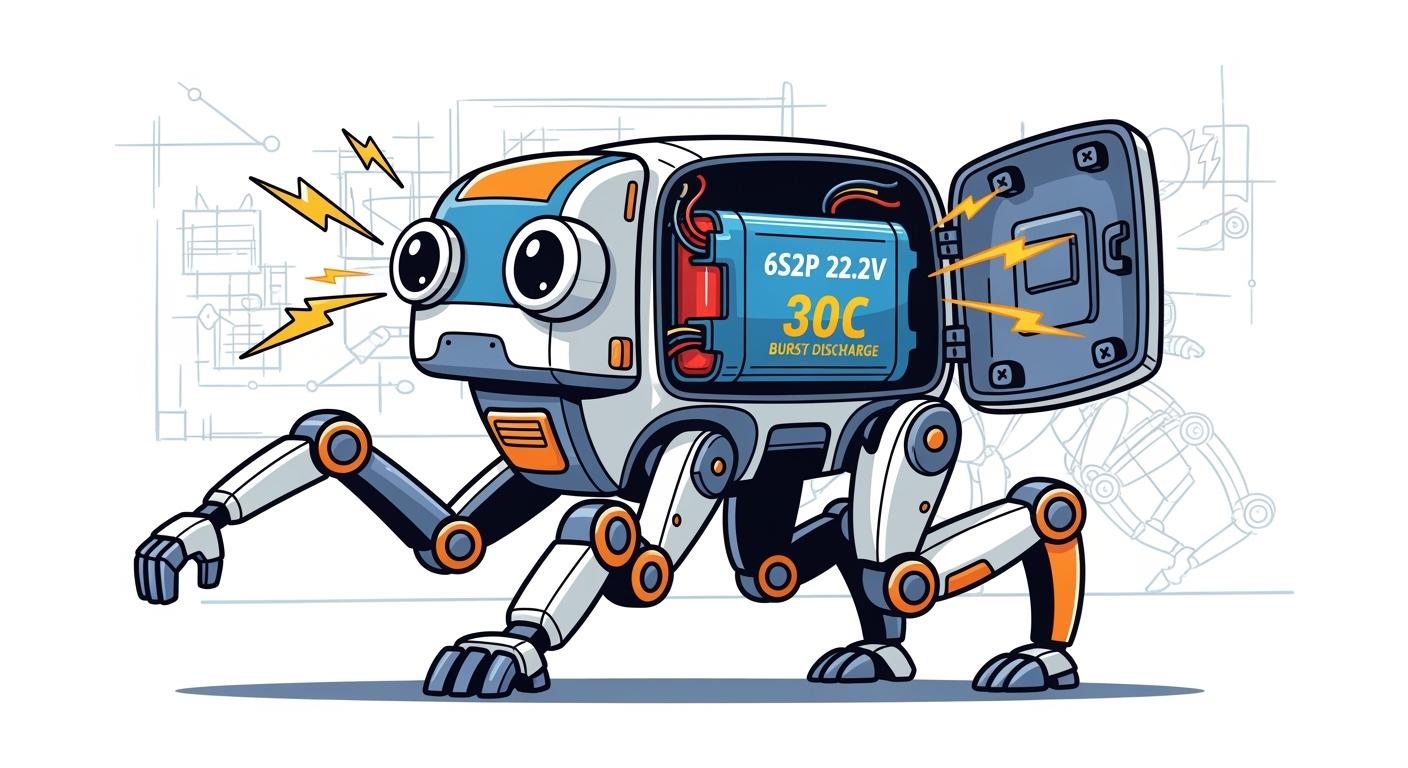
You face tough engineering challenges when designing High-Rate 6S2P 22.2V Packs for quadruped robots. Rapid current spikes demand precise battery management and protection. Extreme temperatures can accelerate aging and cause voltage imbalances. You need strong energy prediction, careful cell selection, robust assembly, and effective thermal management to keep your robots reliable.
Key Takeaways
Choose lithium-ion cells with high C-ratings and low resistance for better performance.
Use proper wiring and connectors to ensure safety and reliability in high-rate applications.
Apply effective thermal management to prevent overheating and extend battery life.
Part 1: High-Rate 6S2P 22.2V Packs & Burst Needs
1.1 6S2P Configuration for Quadrupeds
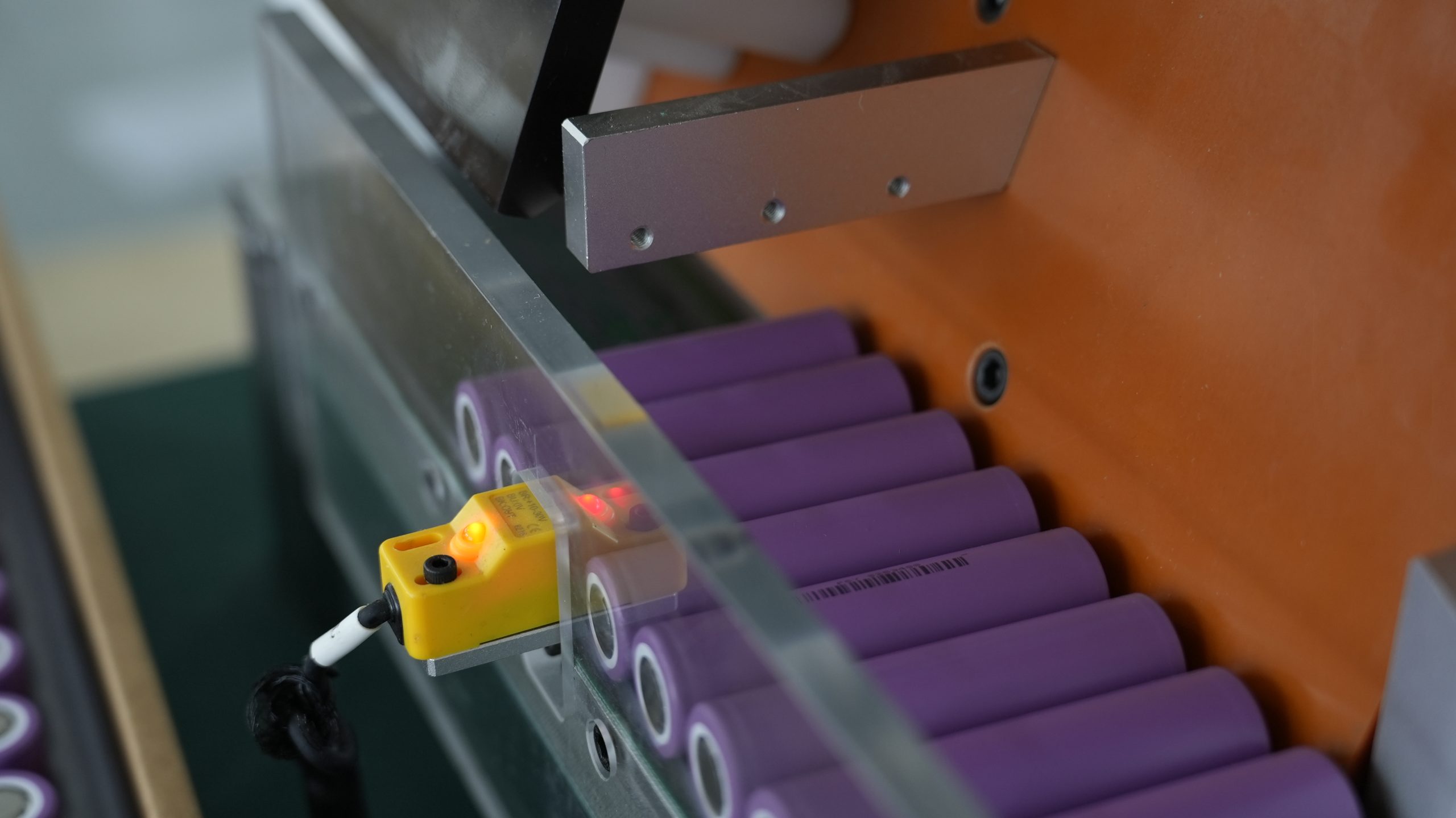
You often see the 6S2P configuration in advanced robotics, medical equipment, and industrial automation. In this setup, six lithium-ion cells connect in series to deliver a nominal voltage of 22.2V. Two of these series strings then connect in parallel, which doubles the available capacity and current output. This design gives you both high voltage and high current, making it ideal for quadruped robots that need fast, powerful movements. High-Rate 6S2P 22.2V Packs support the rapid acceleration and precise control required in robotics, security systems, and infrastructure inspection. You benefit from a balance of energy density and discharge capability, which is critical for demanding B2B applications.
1.2 30C Burst Discharge in Robotics
You need to understand what a 30C burst discharge means for your application. The “C” rating tells you how quickly a battery can safely discharge its stored energy. A 30C burst rate allows the battery to deliver 30 times its rated capacity for a short period, usually up to 30 seconds. For example, if you use a 2500mAh cell, a 30C burst means the cell can provide up to 75 amps instantly. This high burst current supports the sudden power spikes that occur when your quadruped robot jumps, sprints, or lifts heavy loads. High-Rate 6S2P 22.2V Packs ensure your system can handle these peaks without voltage sag or overheating, which is essential for reliability in robotics, medical, and industrial fields.
Tip: Always match your battery’s burst rating to your robot’s peak current demands to avoid performance drops or safety risks.
Part 2: Engineering Considerations for High-Rate Packs
2.1 Cell Selection & C-Rating
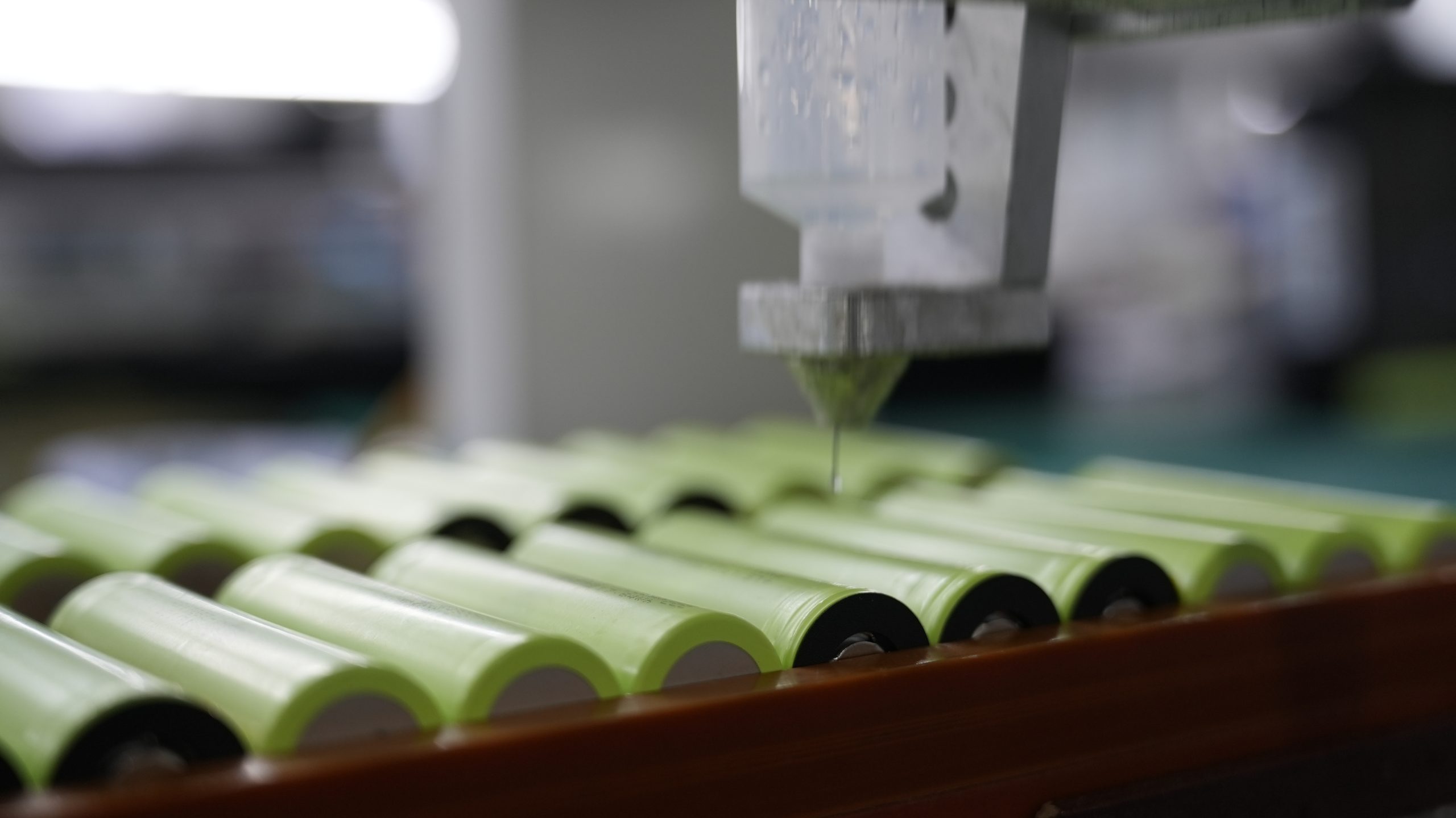
You need to select lithium-ion cells with high C-ratings and low internal resistance for High-Rate 6S2P 22.2V Packs. The cell chemistry you choose, such as NMC (Nickel Manganese Cobalt Oxide) or LFP (Lithium Iron Phosphate), affects platform voltage, energy density, and cycle life. NMC cells typically offer a nominal voltage of 3.7V, energy density around 200 Wh/kg, and cycle life of 800–1200 cycles. LFP cells provide a nominal voltage of 3.2V, energy density near 140 Wh/kg, and cycle life exceeding 2000 cycles.
Internal resistance acts like a series resistor inside each cell. When you draw high current, this resistance causes voltage drops and power losses. For example, a cell with 6 milliohms resistance will lose 60mV at 10A. At 100A, the power loss reaches 60W, which can quickly heat the cell and reduce performance. As cells age or heat up, resistance increases, making it harder to sustain high-rate discharge. You must consider these factors when choosing cells for robotics, medical, or industrial automation.
Emerging technologies, such as solid-state lithium-ion and lithium-sulfur batteries, promise higher energy density and improved safety. Solid-state batteries can store more energy and reduce fire risk, while lithium-sulfur cells may offer up to five times the energy density of traditional lithium-ion cells. These advancements will help future robots achieve longer runtimes and greater burst capabilities.
2.2 Pack Assembly & Balancing
You must assemble High-Rate 6S2P 22.2V Packs with careful attention to wiring and balancing. Proper series and parallel wiring ensures even current distribution and safety. Use bus bars to reduce resistance and improve current flow. In parallel wiring, connect the positive terminal at one end and the negative terminal from the opposite end. This method helps balance current and voltage across the pack.
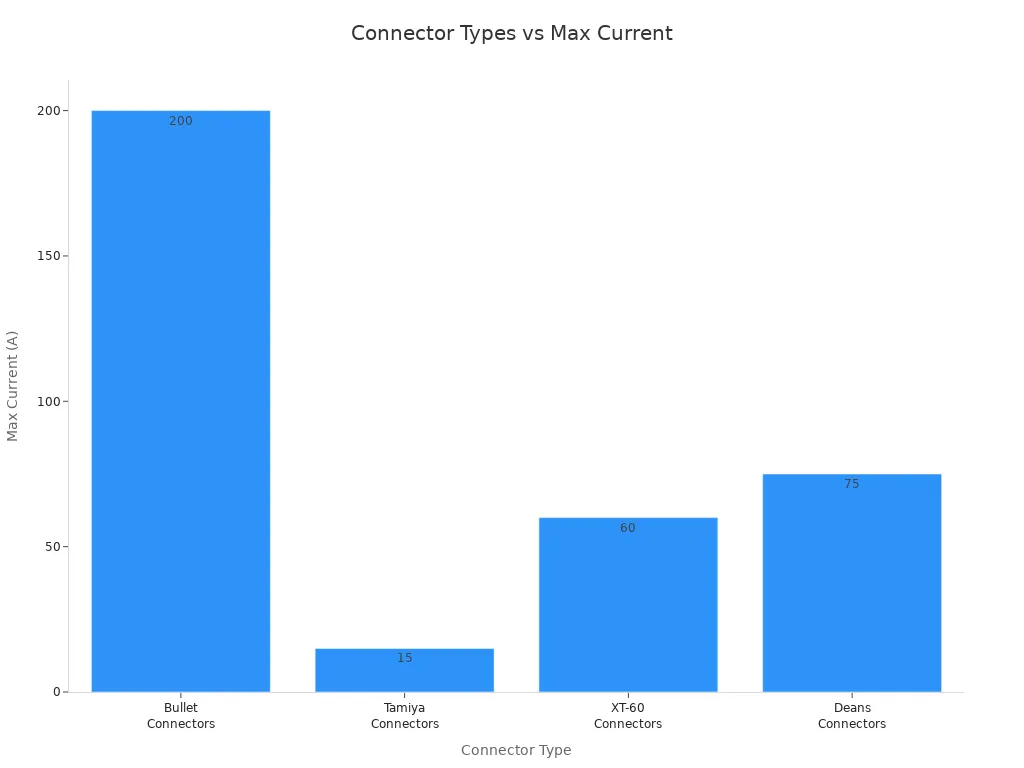
Connector choice impacts reliability and current handling. The table below compares common connector types:
Connector Type | Current Rating | Wire Gauge |
|---|---|---|
Bullet Connectors | Up to 200A | 8 AWG |
Tamiya Connectors | Up to 15A | N/A |
XT-60 Connectors | 30-60A | N/A |
Deans Connectors | 60-75A | N/A |
Bullet connectors offer low resistance but pose risks like short circuits and lack of polarity protection. XT-60 connectors provide safety features that prevent reverse polarity, making them more reliable for high-rate applications.
Cell balancing is critical for longevity and safety. You can use passive or active balancing methods. The table below shows their features:
Method | Features | Use-case |
|---|---|---|
Passive | Bleeds excess voltage | Simpler, most 6S |
Active | Redistributes energy | Advanced, fleet |
Active balancing can boost cycle life by more than 20%, but it adds complexity and cost. You should choose the method that fits your application, whether in robotics, medical, or industrial systems.
2.3 Thermal Management
You must manage heat in High-Rate 6S2P 22.2V Packs, especially during 30C burst discharge. Overheating can damage cells and reduce cycle life. The table below compares cooling methods:
Cooling Method | Effectiveness in Preventing Overheating | Practicality in Industry |
|---|---|---|
Air Cooling | Moderate | Common |
Heat Pipe-Based Cooling | High | Specialized |
Indirect Liquid Cooling | Very High | Increasingly used |
Phase Change Material Cooling | High | Niche |
Single/Two Phase Immersion Cooling | Very High | Emerging |
Hybrid Cooling | High | Practical |
Elevating pack temperature above 25°C can extend battery life. In warm climates, you may need extra cooling. In cold environments, warming lithium-ion batteries before use helps optimize performance. You should monitor pack temperature and use the cooling method that matches your application and environment.
2.4 Safety & Protection
You must protect High-Rate 6S2P 22.2V Packs from overcurrent, short circuits, and excessive pressure. Safety devices like Positive Temperature Coefficient Switches (PTC) and Charge Interrupt Devices (CID) help keep batteries within safe limits. You should use a battery management system (BMS) that adapts to your robot’s power needs and monitors voltage, temperature, and current. Intelligent BMS solutions, such as those used in advanced quadruped robots, support modular battery designs for quick replacement and longer service life. For more details on BMS, see Battery Management Systems for Robotics.
When sourcing materials, you should consider sustainability and conflict minerals. For more information, see Sustainable Lithium Sourcing and Conflict Minerals Compliance.
2.5 Design Steps for 30C Burst
You can follow these steps to design High-Rate 6S2P 22.2V Packs for 30C burst discharge:
Capture your robot’s load profile, including continuous and peak current, peak duration, duty cycle, ambient temperature, and airflow.
Convert power to current using I = P / V_pack. Use a realistic under-load voltage, such as 3.5V per cell for sustained draw.
Choose pack capacity for required runtime: Ah ≈ I_avg × runtime (hours).
Compute required C-rates: C_cont_req = I_cont / Ah; C_peak_req = I_peak / Ah.
Apply safety margins for temperature, aging, and marketing claims. Multiply continuous ratings by 1.5–2.0 and burst ratings by 2.0–3.0 unless validated by testing.
Check thermal limits and voltage sag. Keep pack surfaces below 45–50°C and ensure voltage stays above your end-of-discharge level under load.
Tip: Always validate your design with real-world testing before deploying packs in robotics or medical platforms.
2.6 Testing & Validation
You must test and validate High-Rate 6S2P 22.2V Packs to ensure reliable 30C burst discharge. Follow these protocols:
Record the load profile, including current, peak duration, duty cycle, temperature, and airflow.
Calculate current using realistic under-load voltage.
Select capacity based on runtime needs.
Determine required C-rates for continuous and peak loads.
Apply safety margins for environmental and aging factors.
Monitor thermal limits and voltage sag during testing.
You should use predictive monitoring systems to track battery discharge and estimate remaining useful life. Data-driven methods help you analyze battery behavior and improve energy management. BMS tools measure voltage, temperature, and current, supporting predictive monitoring and troubleshooting. These strategies help you maintain reliable performance in robotics, medical, and industrial applications.
You achieve reliable 30C burst discharge in high-rate 6S2P 22.2V packs by following key engineering steps:
Select cells with high C-rating and low resistance.
Use quality assembly materials for safety and durability.
Apply thermal management to keep batteries between 25°C and 60°C.
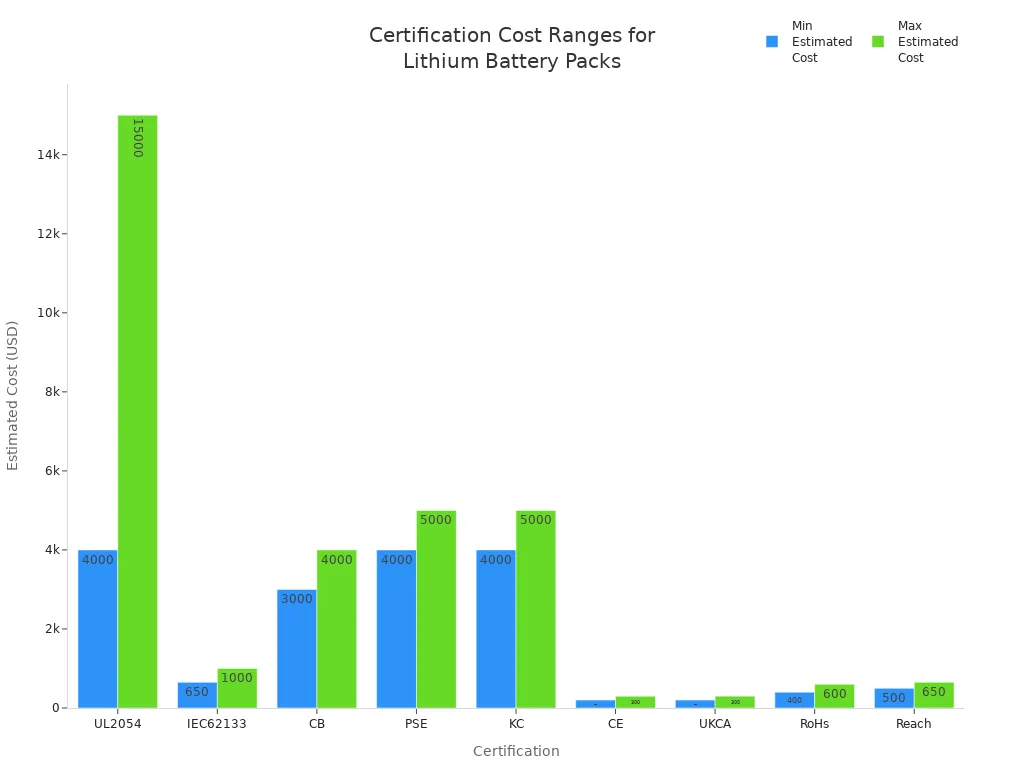
Validate with industry certifications.
Certification | Samples Required | Estimated Ranges | Approximate Timeline |
|---|---|---|---|
UL2054 | 60~80 packs | $4000~$15000 | 8~12 weeks |
IEC62133 | 10~25 packs | $650~$1000 | 4~6 weeks |
CB | 10~25 packs | $3000~$4000 | 6~8 weeks |
Tip: Monitor state of charge, avoid deep discharge, and inspect packs regularly to extend lifespan.
FAQ
What is the main advantage of a 6S2P 22.2V pack in robotics?
You get both high voltage and high current. This supports fast, powerful movements in quadruped robots and improves system efficiency.
How do you select the right connector for high-rate discharge?
You should compare connector types by current rating and safety features. See the table below:
Connector Type | Max Current | Safety Feature |
|---|---|---|
XT-60 | 60A | Reverse polarity safe |
Bullet | 200A | No polarity protection |
Why is cell balancing important in high-rate packs?
Cell balancing keeps voltage levels even. This prevents overcharging, reduces risk, and extends the lifespan of your lithium battery pack.


