

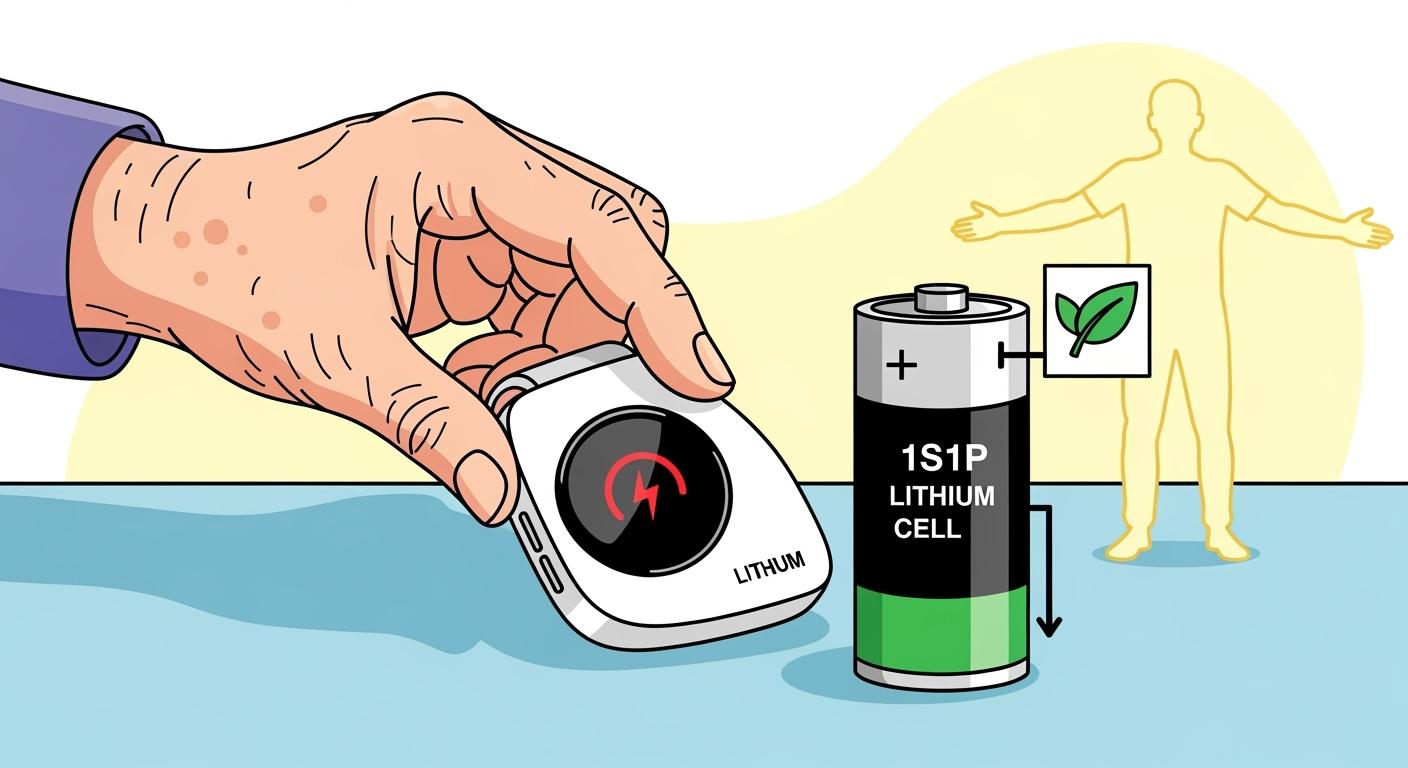
You require a lithium battery system that delivers dependable ultra-low power standby for fall detection and alert devices used by seniors. This system ensures safety and continuous alert readiness, even in challenging environments. Rechargeable lithium batteries, such as LiFePO4 or NMC, offer lightweight, portable solutions with extended system life and reliable alert performance.
Feature | Description |
|---|---|
Battery Type | Lithium-ion (LiFePO4, NMC, LCO, LMO) |
Battery Life | Up to 7 years for select models |
Recharge Frequency | Every few days to weeks |
Portability | Lightweight, easy to integrate |
Convenience | Reduces frequent replacements |
Integrated GPS and manual alert features further increase system reliability, providing comprehensive safety for seniors. For medical applications, explore our medical battery solution.
Key Takeaways
The 1S1P lithium battery system ensures reliable power for fall detection devices, providing safety and continuous alert readiness for seniors.
Rechargeable lithium batteries like LiFePO4 and NMC offer long battery life and lightweight design, reducing the need for frequent replacements and maintenance.
Integrating GPS technology enhances emergency response by providing precise location data, ensuring rapid assistance for seniors in need.
Part1: Lithium Battery System in Medical Alert Devices

1.1 System Configuration and Features
You need a medical alert system that delivers consistent performance in home and personal emergency response services. The 1S1P lithium battery system stands out for its robust configuration and reliable chemistry. In medical applications, you often see lithium-ion, LiFePO4, NMC, LCO, and LMO chemistries. These battery types offer high energy density, stable platform voltage, and long cycle life, which are essential for continuous device operation in home environments.
Here is a summary of the key technical features you should consider:
Feature | Description |
|---|---|
Configuration | 1S1P |
Rated Capacity | 3350 mAh |
Nominal Voltage | 3.6V |
Watt-Hour Rating | 12.06Wh |
Max Continuous Discharge Current | 2A |
Cycle Life | >500 cycles > 70% of initial capacity |
Charge Method | Constant current + constant voltage |
Charge Voltage | 4.2V Max (4.1V recommended) |
Discharge Cut Off | 3.0V |
Temperature Range (Charge) | 0 to +45°C |
Temperature Range (Discharge) | -20 to +60°C |
This configuration supports wireless monitoring and two-way communication, which are critical for personal safety and home alert systems. You can rely on the system to maintain stable performance during both active and standby modes.
1.2 Benefits for Fall Detection
A medical alert system with a 1S1P lithium battery system ensures your device remains lightweight and portable. This design supports continuous use, which is vital for fall detection and personal emergency response services in home settings. Rechargeability plays a key role in reliability. Wireless power transfer (WPT) allows you to recharge the device without frequent manual intervention, reducing downtime and maintenance.
Evidence Description | Key Findings |
|---|---|
Energy-Efficient Elderly Fall Detection System | The system utilizes wireless power transfer (WPT) for recharging, ensuring continuous operation without frequent manual charging, which is crucial for elderly users. |
HVSMS Power Consumption | The integration of WPT enhances battery life and reduces the need for battery replacement, contributing to the reliability of fall detection devices. |
You benefit from a system that supports two-way alerts, wireless connectivity, and personal monitoring. The integration of two-way communication and wireless charging ensures your home medical alert system remains ready for any emergency. This approach minimizes the risk of device failure during a fall event and supports the safety of personal emergency response services in home environments.
Part2: Ultra-Low Power Standby and Fall Detection Reliability
2.1 Standby Power Design
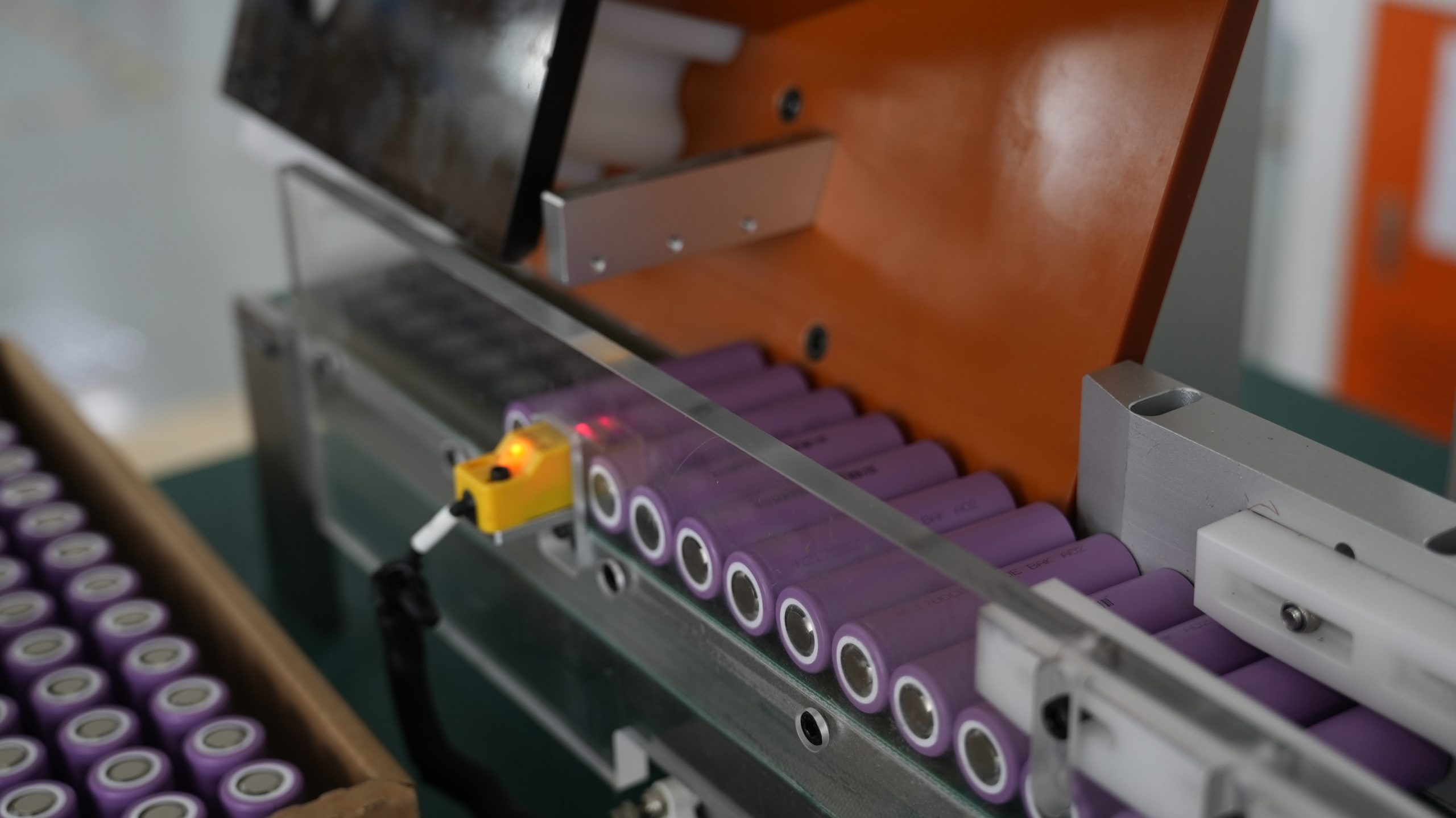
You require a standby power design that maximizes battery efficiency and ensures your fall detection device remains operational during critical moments. Ultra-low power standby modes utilize advanced energy-saving communication technologies, such as Low Power Wide Area Networks (LPWAN) like LoRa. These technologies enable your system to transmit data over long distances while consuming minimal energy. This approach is essential for medical alert devices, robotics, and security systems, where continuous monitoring and rapid response time are vital.
Tip: Selecting lithium battery chemistries such as LiFePO4, NMC, LCO, LMO, or LTO can further optimize energy density and cycle life, supporting extended standby operation.
Battery Chemistry | Platform Voltage | Energy Density (Wh/kg) | Cycle Life (cycles) | Application Scenario |
|---|---|---|---|---|
LiFePO4 | 3.2V | 90-160 | 2000+ | Medical, Robotics |
NMC | 3.7V | 150-220 | 1000+ | Security, Industrial |
LCO | 3.6V | 150-200 | 500+ | Consumer Electronics |
LMO | 3.7V | 100-150 | 700+ | Infrastructure |
LTO | 2.4V | 70-80 | 7000+ | Medical, Industrial |
Ultra-low power standby modes significantly enhance battery life by reducing energy consumption during periods of inactivity. Your device remains ready for immediate alert and emergency response, even after extended standby periods.
2.2 Battery Life and Device Readiness
You need your fall detection system to maintain readiness for emergency situations at all times. Lithium battery systems ensure device reliability by supporting continuous cooling and implementing emergency plans for battery incidents. You must update your emergency response protocols to include strategies for lithium-ion battery events and inform all stakeholders of their roles.
The main objective during a lithium battery fire is to cool the cells to prevent thermal runaway.
Continuous cooling is crucial even after the flames are extinguished to avoid reignition.
Emergency plans should be updated to include specific strategies for lithium-ion battery incidents.
Stakeholders must be informed of their roles in responding to these emergencies.
A pre-defined emergency plan is essential for managing damaged or overheating batteries.
Coordination with local fire departments is necessary to ensure first responders are aware of the associated risks.
Your system must support rapid response time and maintain device readiness for fall detection and emergency response. You benefit from a robust battery management system that monitors temperature, voltage, and charge status, ensuring your device remains safe and operational.
2.3 Reliability in Fall Detection and Emergency Response
You face limitations in automatic fall detection, as no system can guarantee 100% accuracy. Manual alert options play a critical role in improving emergency response and user safety. Your device must allow users to trigger an alert manually if the system fails to detect a fall or if the user feels unsafe.
Fall alert systems can be life-saving, as they can summon help if a person has fallen and is unable to call for help themselves.
Prompt assistance can significantly improve outcomes after a fall, especially for older adults who may experience severe consequences from prolonged immobility.
The psychological and emotional distress related to fear of future falls can be alleviated by having a reliable means of alerting for help.
You should integrate GPS technology into your fall detection device to enhance emergency response time and location tracking. GPS enables your system to send precise location data to emergency contacts, ensuring rapid assistance. This feature is especially important for seniors living alone or in remote areas. Your device monitors movement patterns and supports effective emergency response, improving the well-being and independence of elderly users.
Your fall detection system must combine ultra-low power standby, reliable lithium battery chemistry, manual alert options, and GPS integration to deliver comprehensive emergency response and maximize user safety.
Part3: Practical Benefits and Implementation for Caregivers
3.1 Ease of Use and Maintenance
You want a personal alarm system that offers simple operation and minimal upkeep. Lithium battery systems in fall detection devices reduce the need for frequent maintenance. Rechargeable chemistries like LiFePO4 and NMC provide long battery life, so you spend less time on charging and replacement. This reliability gives you and your team peace of mind, knowing the device will deliver an alert during an emergency. Many caregivers face challenges such as elders’ unfamiliarity with electronic devices, privacy concerns with sensor-based systems, and the need for accurate fall detection in real-world settings. By choosing a system with straightforward controls and clear alert signals, you help seniors maintain independence and safety.
3.2 Charging Frequency and Portability
You benefit from a device that balances long battery life with lightweight design. Lithium battery systems allow the personal alarm system to remain portable and easy to wear. Rechargeable batteries can last from 8 hours to 30 days between charges, depending on usage and system configuration. This flexibility supports independent living and reduces the burden of frequent charging. Regular monitoring of battery status ensures the device is always ready to provide assistance in an emergency.
Factor | Description |
|---|---|
Battery Life | Rechargeable batteries may last from 8 hours to 30 days before needing a recharge. |
Type of Battery | Options include rechargeable and non-rechargeable batteries, each with different maintenance needs. |
Maintenance | Rechargeable batteries require regular charging, while non-rechargeable batteries do not. |
Monitoring Battery | Regular monitoring of battery status is essential for ensuring reliability in medical alert devices. |
3.3 Best Practices for Lithium Battery System Integration
You should select lithium-ion batteries for your fall detection system to ensure long-term operation and high energy density. Combining lithium batteries with thermoelectric generators can extend device runtime and improve energy management. This approach creates a wearable, stretchable system that supports independence and reduces the risk of injury from falls. Always involve older adults in testing to improve real-world accuracy and acceptance. For custom battery solutions tailored to your application, consider consulting with a battery expert.
Tip: Choose a system with a robust battery management system (BMS) to monitor temperature, voltage, and charge status for maximum safety and reliability.
Common challenges for caregivers include:
Acceptance issues with electronic devices among elders
Usability barriers with smartphones
Battery depletion from continuous sensing
Privacy concerns with sensor-based systems
Lower fall detection accuracy in real-world use
A well-integrated lithium battery system in your personal alarm system ensures reliable alert delivery, supports emergency assistance, and promotes independence for seniors.
You rely on a 1S1P lithium battery system to keep your emergency alert devices ready for rapid response. This system delivers high energy density, longer cycle life, low self-discharge, and strong safety features, as shown below:
Benefit | Description |
|---|---|
High Energy Density | Stores large energy in a small, light package. |
Longer Cycle Life | Handles many charge and discharge cycles. |
Low Self-Discharge | Maintains power when not in use. |
Safety | Reduces accident risk and ensures safe operation. |
You gain reliable alert delivery, quick emergency response, and simple system maintenance. NREL researchers expect future lithium battery systems to use AI for better fault detection and safety.
Next-generation battery systems will feature safer, more resilient designs and improved hazard prediction.
New evaluation methods using AI will enhance safety and reliability.
Breakthroughs in fault detection will protect both new and aged lithium-ion cells.
You can expect your emergency alert system to evolve, offering even greater safety and response for seniors.
FAQ
What advantages do 1S1P lithium battery systems offer for aging in place and emergency monitoring center applications?
You gain reliable power, long cycle life, and stable platform voltage. These systems support aging in place and emergency monitoring center operations for medical and security sectors.
How do monitoring services benefit from integrating emergency call buttons with lithium battery chemistries like LiFePO4 and NMC?
You improve device uptime and safety. Emergency call buttons powered by LiFePO4 or NMC batteries deliver high energy density and extended cycle life for monitoring services in industrial and medical environments.
Can Large Power provide custom battery solutions for aging medical alert devices?
Yes, visit custom battery solution for tailored lithium battery systems designed for aging medical alert and monitoring devices.


