

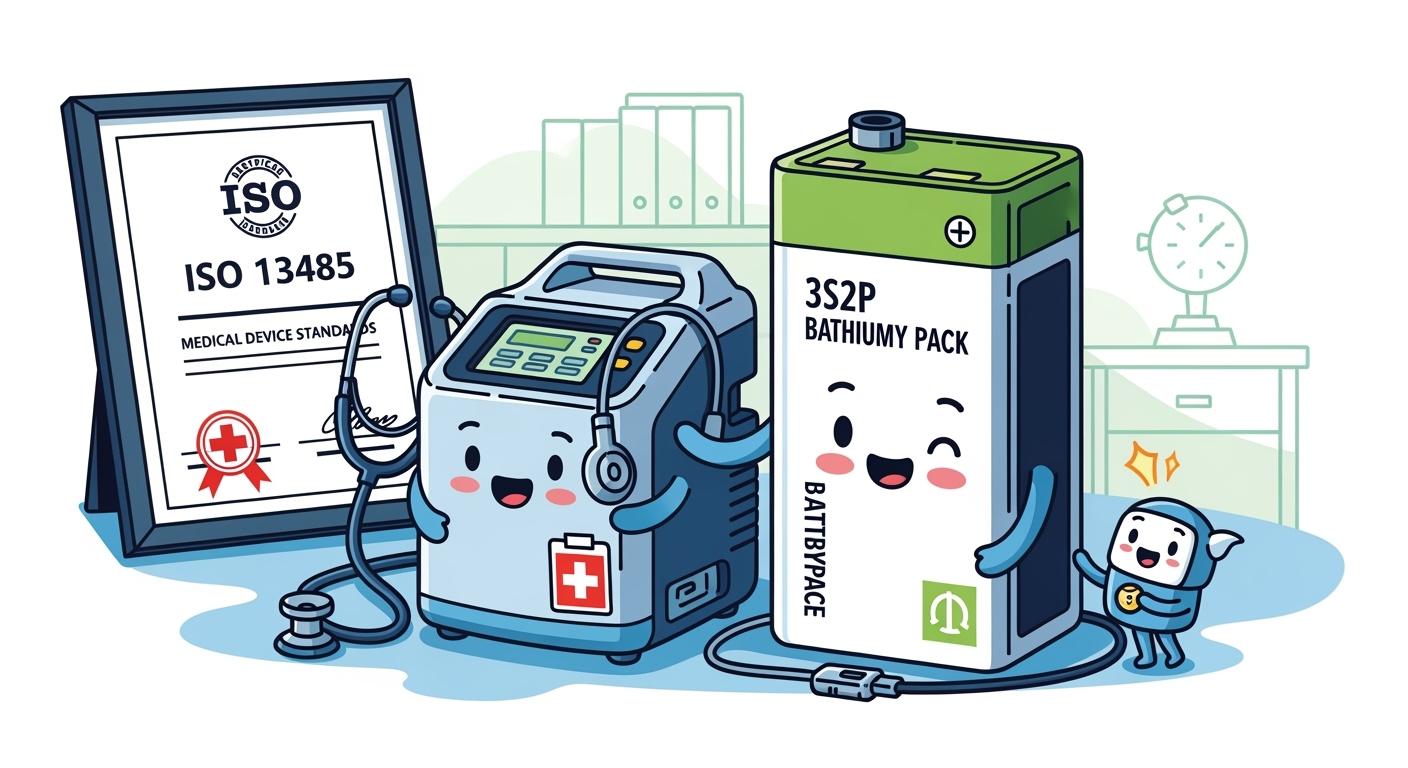
You need a standards-focused approach when you design a lithium battery pack for portable oxygen concentrators. Compliance with medical device regulations like ISO 13485 increases your approval rates. The 4S2P 18650 lithium-ion battery pack supports safety and reliability by addressing issues such as:
Performance degradation in the 18650 cell
Risks of thermal runaway and internal short circuits
Environmental stressors affecting long-term battery stability
You must meet global standards, including IEC, UL, and FAA, to ensure the 18650 lithium-ion battery pack achieves regulatory acceptance.
Evidence | Explanation |
|---|---|
Compliance with ISO 13485 | Ensures consistent production and traceability for every 18650 lithium-ion battery pack. |
Safety standards adherence | Compliance with IEC 62133 and UN 38.3 influences the approval rate for your battery pack. |
Key Takeaways
Compliance with ISO 13485 is essential for medical battery pack design. It ensures safety, reliability, and regulatory acceptance.
The 4S2P configuration of the 18650 lithium-ion battery pack offers high energy density and redundancy, enhancing performance and safety for portable oxygen concentrators.
Implementing a robust quality management system improves traceability and accountability, supporting consistent production and compliance with medical device standards.
Part 1: 4S2P Lithium Battery Pack Design for Medical Devices
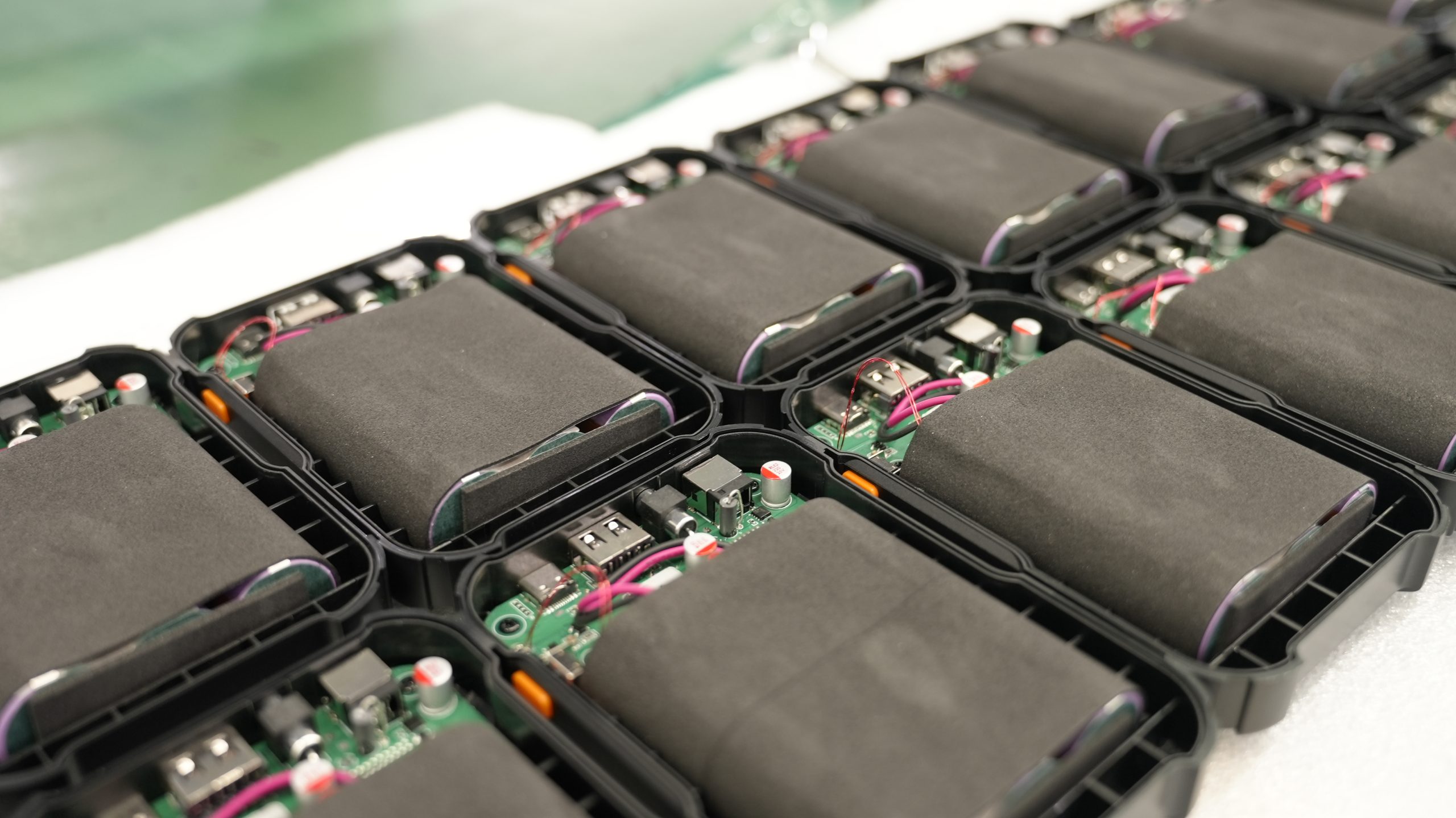
1.1 4S2P Configuration and 18650 Lithium-Ion Battery Pack
You need a robust and reliable battery pack system for medical devices such as portable oxygen concentrators. The 4S2P configuration, which combines three cells in series and two in parallel, offers a balanced solution for voltage, capacity, and runtime. You achieve a nominal voltage of 14.4V, which matches the power requirements of most medical equipment. The 18650 lithium-ion cell, with its high energy density and long cycle life, forms the backbone of this design.
Specification | Details |
|---|---|
Cell Dimensions | 18 mm diameter, 65 mm length |
Individual Cell Capacity | 2,600 mAh to 3,500 mAh |
Total Pack Capacity (4S2P) | 5,200 mAh to 7,000 mAh |
Voltage Output | Nominal: 14.4V; Max: 16.8V |
Energy Output | 86.4 Wh for a 3,000 mAh cell-based pack |
Charging Rate | 0.5C to 1C (1.5A to 3.0A) |
Cycle Life | 500 to 800 cycles |
You benefit from the high energy density of the 18650 li-ion battery, which allows you to design compact and lightweight medical devices without sacrificing performance. The 4S2P layout also provides redundancy, so your pack continues to deliver power even if one cell fails. This configuration supports long cycle life, which reduces maintenance and replacement costs for your organization.
The technical advantages of the 4S2P 18650 lithium-ion battery pack extend beyond basic specifications. You gain:
Advantage | Description |
|---|---|
Safety | Stable chemistry reduces the risk of thermal runaway and fire. |
Consistent Discharge Voltage | Ensures smooth operation for sensitive medical devices. |
Fast Charging Capability | Minimizes downtime for critical equipment. |
Temperature Range | Reliable operation from -20°C to 60°C (-4°F to 140°F). |
Uptime for Critical Equipment | Maintains continuous power for life-saving devices. |
Low Heat Generation | Enhances user safety during extended use. |
Resistance to Degradation | Withstands frequent partial charging cycles. |
Balanced Current Distribution | Improves efficiency and extends cell longevity. |
Long Lifespan | Up to 10 years of service with proper care. |
Low Maintenance | Works efficiently with a standard battery management system. |
Eco-Friendly | Non-toxic materials and high recyclability. |
Cost-Effective | Higher initial cost offset by long-term savings. |
1.2 Key Electrical and Safety Requirements
You must prioritize safety and quality when designing battery pack systems for medical devices. International standards such as IEC 62133-2 and UL 2054 set the minimum requirements for electrical safety, performance, and environmental resilience.
Standard | Description |
|---|---|
IEC 62133-2 | Safety tests and performance evaluations for rechargeable li-ion cells in portable applications. |
UL 2054 | Safety for entire battery packs, including electrical, mechanical, and environmental tests. |
You need to integrate advanced safety features into your 18650 li-ion battery pack. These features protect against overcharging, overheating, and short circuits, which are critical for medical applications. The following table summarizes the most common safety mechanisms:
Safety Feature | Purpose | Risk if Missing | Recommended Standard |
|---|---|---|---|
Cell Balancing | Equalizes cell voltages during charge/discharge | Overcharged cell ignition, reduced capacity | ±10mV balancing accuracy |
Thermal Protection | Monitors and regulates temperature | Thermal runaway, fire hazard | NTC sensor with 55–60°C cutoff |
Overcurrent Protection | Limits discharge/charge current | Wiring damage, overheating | Response time <1ms |
Voltage Monitoring | Tracks individual cell voltages | Cell degradation, swelling | ±1% voltage accuracy |
Redundant Circuits | Backup protection in case of failure | Catastrophic system failure | Dual IC protection layers |
You should always use a high-quality battery management system to monitor and control these safety features. This system ensures that your pack operates within safe limits and extends the cycle life of your 18650 li-ion battery cells.
Recent advancements in 18650 lithium-ion cell technology further enhance safety and performance for medical devices. You can now specify custom rechargeable battery packs with improved current handling, temperature resilience, and overcurrent protection. These innovations allow you to tailor the pack to your device’s exact requirements, ensuring seamless integration and optimal energy density.
1.3 Regulatory Considerations: IEC, UL, FAA
You must comply with a complex set of global safety certifications and regulatory requirements to bring your medical battery pack to market. The following table outlines the most relevant standards:
Standard | Description |
|---|---|
UL/IEC 60601-1 | Medical electrical equipment safety standard. |
UN 38.3 | Required for air transport of lithium batteries. |
FCC Compliance | Ensures electromagnetic compatibility. |
You need to consider recent regulatory changes that impact lithium-ion battery pack design for medical devices. For example, since April 2016, new shipping regulations restrict lithium batteries on passenger aircraft and limit the state of charge to 30% for air cargo. You must label all packaging containing lithium batteries, and you should monitor future developments, as regulators may further restrict air transport.
Regulatory frameworks now focus on real-world risks such as thermal runaway and gas release. The United Nations is developing a new classification system based on actual battery behavior, which will reward safer engineering and better mitigation designs. You must stay informed about these changes to maintain compliance and ensure the safety of your medical devices.
Certification requirements also vary by region. In the United States, you need UL 1642 for cell safety, UL 2054 for pack safety, and UN 38.3 for transport. In the European Union, IEC 62133-2 and CE marking are mandatory. In Asia, you must meet PSE, KC, GB/T, or BIS standards, depending on the country. You should always verify the latest requirements for each target market.
Tip: You can consult with our engineering team for custom battery pack solutions that meet all medical, regulatory, and safety requirements.
By following these guidelines, you ensure that your 18650 lithium-ion battery pack delivers the power, energy density, and safety your medical devices demand. You also position your products for successful certification and global market acceptance.
Part 2: ISO 13485 Compliance in Medical Battery Pack Design
2.1 Quality Management and Documentation
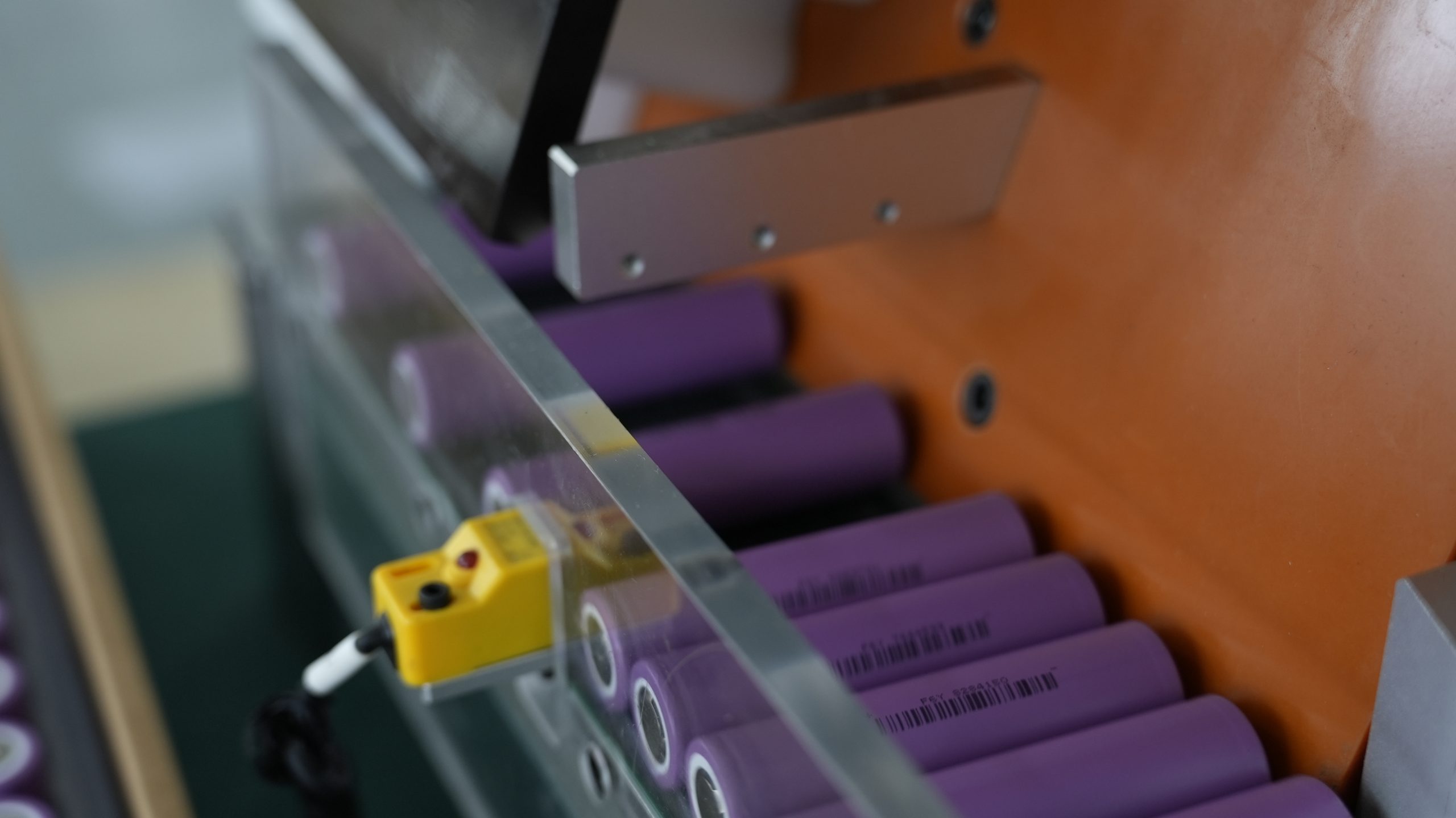
You must implement a robust quality management system to meet ISO 13485 requirements for medical battery pack production. This system ensures that every step in the design and manufacturing process supports safety, reliability, and consistent performance. ISO 13485 certification is mandatory for manufacturers who supply batteries for medical devices. You need to focus on several key areas:
Manage all design files and maintain strict version control.
Validate and verify both batteries and processes before release.
Keep comprehensive records of all activities, including cleanliness and retention of documentation files.
Analyze market-related complaints and document corrective actions using structured methods like the 8D error report and PDCA cycle.
You must document processes that identify and mitigate risks. Validation of batteries is essential before you move to mass production. You also need to control every aspect of design, manufacturing, and servicing. These practices help you deliver battery packs that meet the highest standards for safety and performance.
A quality management system under ISO 13485 improves traceability and accountability. You achieve this through comprehensive documentation and meticulous record-keeping. This approach supports operational transparency and enables you to track battery packs throughout their lifecycle.
Quality Management Practice | Description |
|---|---|
Serialization | Assign a unique serial number to each battery pack after testing. Include the testing date, tester identity, and diagnostic results. |
Data Storage | Store test data in a secure cloud-based system and write it back to the device chip for traceability. |
Component Inspection | Inspect all components to ensure quality and reliability before assembly. |
You must also ensure that your quality management system emphasizes safety, reliability, and traceability of all components. This approach not only supports regulatory compliance but also strengthens your reputation as a trusted supplier in the medical device industry.
2.2 Risk Management and Traceability
You must address risk management as a core part of your battery pack design process. Understanding the interaction between a medical device and its battery is essential for assessing performance and safety. Inadequate risk management can lead to battery failures, which may endanger patients who depend on these devices. Regulatory bodies require you to document and test every aspect of your design to ensure device safety and reliability.
You need to navigate a complex regulatory landscape that includes strict safety requirements. International standards organizations and national regulatory bodies have established comprehensive frameworks to protect patient welfare. You must follow these frameworks to gain market authorization for your battery packs.
Traceability plays a critical role in maintaining compliance with ISO 13485. You must track each battery pack from initial conception through post-market use. This involves documenting raw material sourcing, production processes, testing results, and distribution details. Such comprehensive tracking allows you to identify quality issues quickly and ensure product safety.
The manufacturing information for each battery pack, including outgoing testing results, must be securely stored in an external database. This practice maintains traceability for individual battery cells, the assembled PCB, and all relevant production data. Each battery pack receives a unique device identifier (UDI), which combines serial numbers from the cells and PCB. The date code printed on the battery pack further supports identification and traceability.
You must document every step of the manufacturing process. This includes tracking the components and methods used for each battery pack. Such detailed records support compliance and enhance traceability throughout the product’s lifecycle.
Tip: Effective traceability not only supports regulatory compliance but also enables you to respond quickly to field issues, recalls, or customer complaints.
2.3 Testing, Validation, and Best Practices
You must conduct rigorous testing and validation to ensure the safety and performance of your battery packs. ISO 13485 requires you to validate batteries before they reach the market. You need to perform detailed cell quality analysis to mitigate manufacturing defects. In-depth evaluations of cell construction help you ensure reliability. Rigorous assessments of battery cycling performance confirm that your packs meet performance criteria.
You should serialize every battery pack after testing. Record the serial number, testing date, tester identity, and diagnostic results. Store this data in a cloud-based system and write it back to the device chip. This practice supports traceability and allows you to track battery packs throughout their lifecycle.
You must inspect all components as part of your standard process. This step ensures that only high-quality parts enter your assembly line. ISO 13485:2016 certification confirms that your quality management system meets regulatory requirements for medical devices. The standard emphasizes safety, reliability, and traceability of components in battery production.
Best practices for testing and validation include:
Perform comprehensive validation and verification of batteries and processes.
Maintain meticulous records of all testing and validation activities.
Analyze all market-related complaints and implement corrective or preventative measures.
Use advanced diagnostic tools to monitor battery performance and safety over time.
You must also review and update your testing protocols regularly. This ensures that your battery packs continue to meet evolving safety and performance standards. By following these best practices, you can deliver battery packs that support the highest levels of patient safety and device reliability.
For custom battery pack solutions that meet all medical, regulatory, and safety requirements, you can consult with our engineering team.
You ensure compliance by following key steps: use a high-quality BMS, meet shipping and safety certifications, and document every process. Integrate technical, safety, and regulatory requirements to boost reliability and patient safety. Prioritize ISO 13485 standards to improve product quality, reduce risks, and strengthen your market position.
FAQ
What makes a 4S2P lithium-ion battery pack suitable for medical devices?
You gain stable voltage, high energy density, and long cycle life. Large Power designs these packs to meet strict ISO 13485 and IEC 62133 standards for medical applications.
Can you customize lithium battery packs for robotics, security, or industrial sectors?
Yes. Large Power offers custom lithium-ion solutions for robotics, security systems, infrastructure, consumer electronics, and industrial needs.
How do lithium-ion, LiFePO4, and LiPo battery packs compare for B2B applications?
Chemistry | Platform Voltage | Energy Density (Wh/kg) | Cycle Life (cycles) |
|---|---|---|---|
Lithium-ion | 3.6V | 180–250 | 500–1,000 |
LiFePO4 | 3.2V | 100–180 | 2,000–5,000 |
LiPo | 3.7V | 150–200 | 300–800 |


