


You need to trust your medical devices during surgery. LMO Lithium battery technology helps you achieve Medical Stapler Battery Safety by reducing risks such as chemical burns and device malfunction. Battery management systems (BMS), fault protection, and solid pack design with no visible gaps all protect patients and users. LMO/LMO Lithium batteries give you a reliable and compliant solution for both manufacturers and healthcare providers.
Key Takeaways
Choose LMO Lithium batteries for medical staplers to ensure high thermal stability and low fire risk, enhancing patient safety during surgeries.
Implement a robust battery management system (BMS) to monitor voltage, temperature, and current, preventing device malfunctions and ensuring compliance.
Follow strict FDA and IEC regulations when selecting and testing battery packs, ensuring extensive documentation and validation for safety and reliability.
Design battery packs with sealed housings and no visible gaps to prevent leaks and contamination, which is crucial for maintaining safety in surgical environments.
Adopt best practices in battery assembly and testing to build trust with healthcare providers and improve patient outcomes during surgical procedures.
Part1: Medical Stapler Battery Safety Essentials
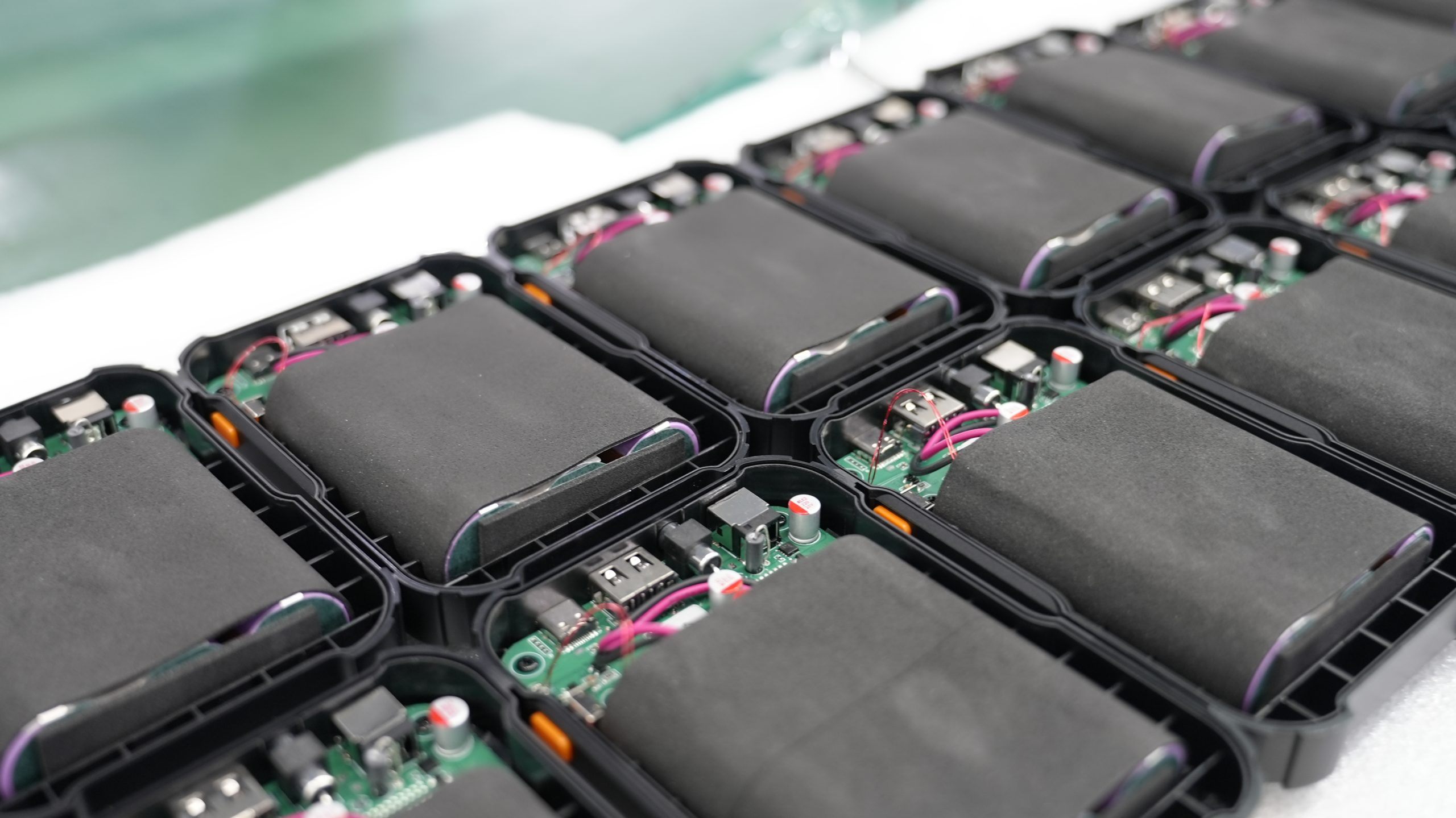
1.1 Safety Risks in Surgical Stapler Batteries
You face several risks when using batteries in surgical staplers. Battery leakage can release harmful chemicals. These chemicals may cause burns to patients or staff. Device malfunction is another serious risk. If a stapler fails during surgery, you may see incomplete wound closure or tissue damage. These problems can lead to longer surgeries and higher infection rates.
Note: Medical Stapler Battery Safety depends on preventing both chemical exposure and device failure. You must choose battery chemistries with strong safety records. LMO Lithium battery packs offer high thermal stability and low fire risk. This makes them a preferred choice for surgical devices.
You should also consider the platform voltage and energy density of different lithium chemistries. For example, LMO Lithium batteries provide a platform voltage of 3.7V, energy density of 120-150 Wh/kg, and a cycle life of 500-1000 cycles. These features support reliable performance in medical environments.
1.2 Battery Pack Design and BMS Protection
You can improve Medical Stapler Battery Safety by focusing on battery pack design. A well-designed pack prevents leaks and protects against short circuits. You should ensure there are no visible gaps in the battery housing. This reduces the chance of moisture or contaminants entering the pack.
A battery management system (BMS) adds another layer of safety. The BMS monitors voltage, temperature, and current. It can shut down the battery if it detects a problem.
Key design features for safety:
Sealed battery housing
Integrated BMS for real-time monitoring
Fault protection circuits
Use of LMO Lithium battery chemistry
You should always follow best practices in battery pack assembly. This ensures Medical Stapler Battery Safety and supports compliance with industry standards.
Part2: Compliance Standards for Medical Device Batteries
2.1 Regulatory Requirements (FDA, IEC)
You must follow strict regulations when you select batteries for medical staplers. The FDA and IEC set standards to protect patients and ensure device reliability. These organizations focus on safety, performance, and documentation. You need to understand how their requirements differ. The FDA demands compliance with recognized standards, including UL 1642 and UL 2054. You must produce batteries in UL-certified facilities and provide extensive documentation. IEC regulations emphasize safety and performance under intended operating conditions. IEC standards, such as IEC 60086-4 and IEC 62133, guide battery design and testing. Documentation requirements are less stringent than FDA rules. The table below shows key differences:
Aspect | FDA Regulations | IEC Regulations |
|---|---|---|
Compliance Requirements | Requires compliance with various recognized standards, including IEC standards. | Focuses on safety and performance requirements for battery use under intended operating conditions. |
Production Facility Certification | Must be produced in UL-certified facilities. | Recommendations exist but are not as stringent as FDA requirements. |
Documentation | Extensive documentation required. | Documentation requirements are less stringent. |
Specific Standards | Includes standards like UL 1642 and UL 2054. | Includes IEC 60086-4 and IEC 62133 for safety and performance. |
Tip: You should always check the latest FDA and IEC guidelines before designing or sourcing lithium battery packs for medical staplers.
2.2 Validation and Testing Protocols
You must validate and test every battery pack before use in surgical devices. Validation protocols help you confirm that batteries meet Medical Stapler Battery Safety standards. Testing includes confidence intervals and control charts for each metric. You can use anomaly detection to flag unusual lots, even if they pass specifications. Trend tracking lets you monitor supplier history. Risk scoring compares new lots against historical baselines. These steps help you catch problems early and prevent device failures.
Confidence intervals and control charts on every metric
Anomaly detection flags unusual lots even when they pass spec
Trend tracking across supplier history
Risk scoring against historical baseline
You should document every test result and keep records for audits. This process supports compliance and builds trust with healthcare providers. When you use LMO/LMO Lithium battery packs, you benefit from high thermal stability and reliable performance. These features help you meet both FDA and IEC requirements for safety and quality.
Part3: LMO Lithium Technology Overview
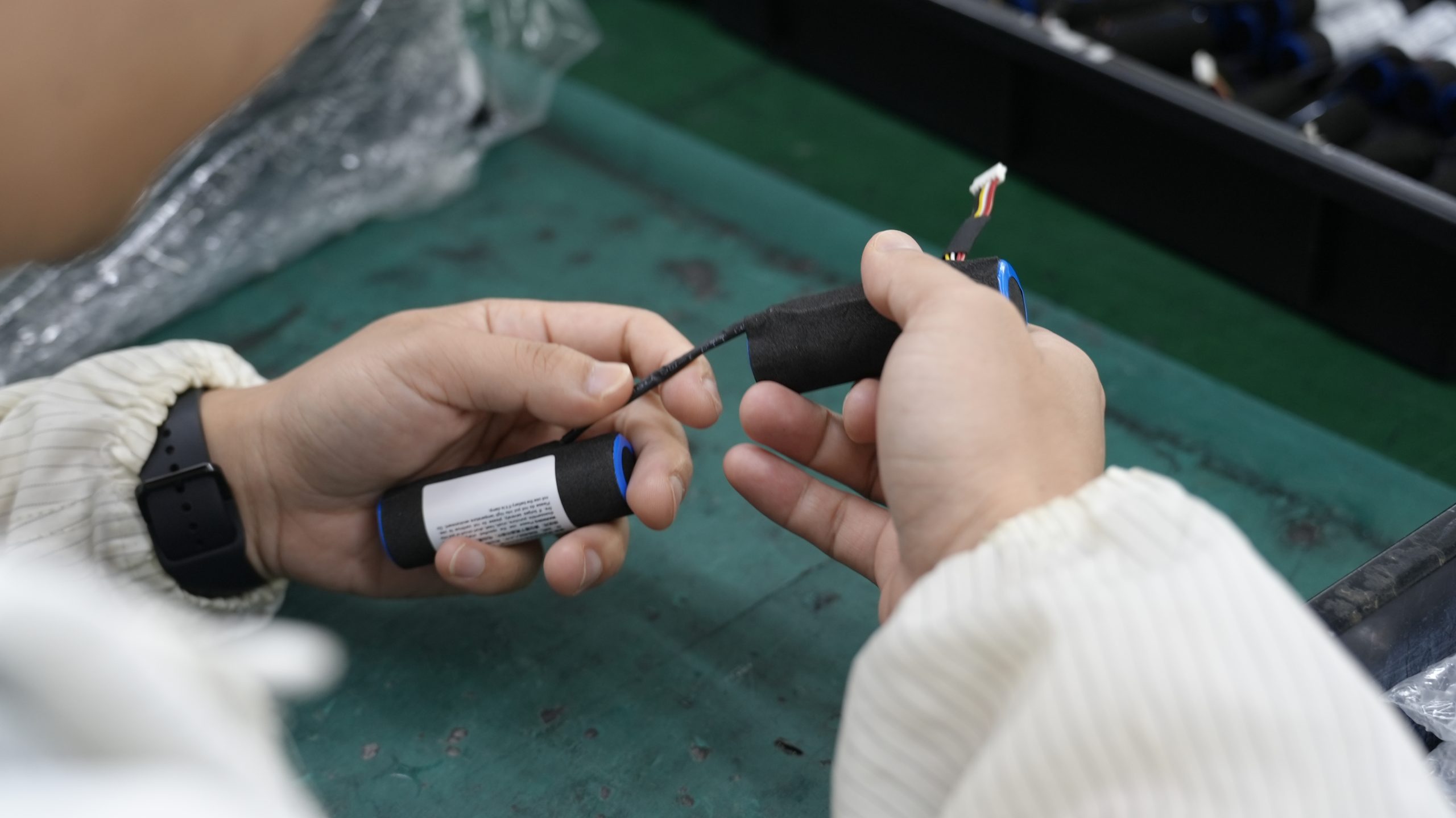
3.1 LMO Chemistry for Medical Staplers
You need batteries that deliver both safety and performance in surgical staplers. LMO Lithium battery chemistry stands out because it offers exceptional thermal stability and safety. The spinel structure of LMO batteries improves ion mobility, which supports high power output and quick charging. You can rely on these batteries to sustain high temperatures, up to 250°C, without becoming unstable. This feature is critical for Medical Stapler Battery Safety, especially during demanding surgical procedures.
You may compare LMO Lithium batteries with other lithium chemistries. For example, LiFePO4 Lithium batteries provide a platform voltage of 3.2V, energy density of 90-120 Wh/kg, and cycle life of 2000-3000 cycles. NMC Lithium batteries offer a platform voltage of 3.7V, energy density of 150-220 Wh/kg, and cycle life of 1000-2000 cycles. LCO Lithium batteries deliver a platform voltage of 3.7V, energy density of 150-200 Wh/kg, and cycle life of 500-1000 cycles. LMO Lithium batteries give you a platform voltage of 3.7V, energy density of 120-150 Wh/kg, and cycle life of 500-1000 cycles. You see that LMO batteries balance safety and performance, making them ideal for medical staplers.
Note: LMO batteries are also used in portable oxygen concentrators, defibrillators, and infusion pumps. These devices require high safety and thermal stability, similar to surgical staplers.
3.2 Suitability for Surgical Applications
You want batteries that meet the strict requirements of surgical environments. LMO/LMO Lithium batteries support Medical Stapler Battery Safety by maintaining stability under continuous high-rate power demands. You benefit from their quick charging and reliable power output, which ensures surgical tools operate without interruption.
You find LMO batteries suitable for applications needing consistent performance and safety. You can trust LMO Lithium battery packs to deliver the reliability you need for surgical staplers and other critical tools.
Advantages of LMO Lithium batteries in surgical applications:
High thermal stability
Quick charging capability
Reliable power output
Proven safety record
You improve Medical Stapler Battery Safety when you choose LMO Lithium technology. You ensure your devices meet compliance standards and deliver dependable performance in every procedure.
Part4: Meeting Medical Stapler Battery Safety and Compliance
4.1 Intrinsic Safety Features of LMO Batteries
You need batteries that protect patients and staff in every surgical procedure. LMO Lithium batteries offer intrinsic safety features that set them apart from other chemistries. You see high thermal stability and low fire risk, which are essential for Medical Stapler Battery Safety. These batteries perform well under varying temperature conditions. You reduce the chance of overheating or fire during surgery.
Safety in surgical environments depends on battery chemistry. You must choose batteries that minimize risk and maximize reliability.
The table below shows how LMO Lithium batteries demonstrate thermal stability and low fire risk:
Property | Description |
|---|---|
Thermal Stability | LMO lithium batteries are recognized for their thermal stability, ensuring they perform well under varying temperature conditions. |
Low Fire Risk | Their safety features contribute to a low fire risk, making them ideal for surgical settings where safety is paramount. |
You compare LMO Lithium batteries with other lithium chemistries to understand their safety and compliance advantages:
Chemistry | Platform Voltage | Energy Density (Wh/kg) | Cycle Life (cycles) | Safety Features | Compliance Suitability |
|---|---|---|---|---|---|
LiFePO4/LiFePO4 Lithium battery | 3.2V | 90-120 | 2000-3000 | High stability, low fire risk | Strong for medical, industrial |
NMC/NMC Lithium battery | 3.7V | 150-220 | 1000-2000 | Moderate stability, moderate risk | Used in consumer, industrial |
LCO/LCO Lithium battery | 3.7V | 150-200 | 500-1000 | Moderate stability, higher risk | Used in electronics |
LMO/LMO Lithium battery | 3.7V | 120-150 | 500-1000 | High thermal stability, low fire risk | Ideal for medical staplers, surgical tools |
You see that LMO/LMO Lithium batteries balance safety and compliance. You meet FDA and IEC standards when you select these batteries for surgical staplers.
4.2 Performance and Reliability in Surgery
You require batteries that deliver consistent performance in every procedure. LMO Lithium batteries provide reliable power output and quick charging capability. You avoid interruptions during surgery. You benefit from their ability to withstand high-rate power demands. These batteries maintain stability even when used continuously.
You trust these batteries to support Medical Stapler Battery Safety and compliance.
Key performance benefits:
Consistent power delivery
Quick charging
Stable operation under stress
Proven reliability in critical applications
You improve patient outcomes when you use batteries that do not fail during surgery. You reduce the risk of device malfunction and chemical exposure.
4.3 Industry Adoption and Best Practices
You see leading manufacturers adopting LMO Lithium battery packs for surgical staplers. You follow best practices to ensure safety and compliance. You design battery packs with sealed housings and integrated battery management systems (BMS). You monitor voltage, temperature, and current in real time. You use fault protection circuits to shut down the battery if problems arise.
You document every step of the battery validation and testing process. You keep records for audits and regulatory reviews.
You follow these best practices:
Select battery chemistry with proven safety record.
Design packs with no visible gaps and sealed housings.
Integrate BMS for real-time monitoring and fault protection.
Validate and test every battery pack before use.
Maintain documentation for compliance and traceability.
You see real-world adoption in hospitals and surgical centers. You trust LMO Lithium batteries to deliver Medical Stapler Battery Safety and compliance. You build confidence in your devices and protect patients in every procedure.
You rely on LMO Lithium battery technology to achieve medical stapler battery safety and compliance. You mitigate risks and meet FDA and IEC standards by using batteries with high thermal stability and low fire risk. You see ongoing innovation shaping the future of surgical devices:
Innovation Type | Description |
|---|---|
Smart, connected batteries | Telemetry and IoT monitor battery health and predict failures. |
Miniaturization and flexible designs | Smaller, efficient batteries improve safety and performance in surgical tools. |
Hybrid approaches and energy harvesting | Energy harvesting extends runtimes and supports custom designs for new medical devices. |
You build safer, more reliable solutions for medical, robotics, and industrial sectors.
FAQ
What makes LMO Lithium batteries safer for medical staplers?
You benefit from high thermal stability and low fire risk with LMO Lithium batteries. These features reduce the chance of overheating or chemical leaks during surgery. You meet FDA and IEC safety standards with this chemistry.
How do LMO Lithium batteries compare to other chemistries?
Chemistry | Platform Voltage | Energy Density (Wh/kg) | Cycle Life (cycles) |
|---|---|---|---|
LiFePO4/LiFePO4 Lithium battery | 3.2V | 90-120 | 2000-3000 |
NMC/NMC Lithium battery | 3.7V | 150-220 | 1000-2000 |
LCO/LCO Lithium battery | 3.7V | 150-200 | 500-1000 |
LMO/LMO Lithium battery | 3.7V | 120-150 | 500-1000 |
You see LMO Lithium batteries balance safety and performance for medical, robotics, and industrial use.
Why do you need a Battery Management System (BMS) in medical stapler battery packs?
You use a BMS to monitor voltage, temperature, and current in real time. This system protects against short circuits and overheating. You ensure safe operation and compliance with industry standards.
What testing protocols should you follow for compliance?
You should validate every battery pack with confidence intervals, anomaly detection, and trend tracking. You document all results for audits. This process helps you meet FDA and IEC requirements and ensures consistent quality.


