

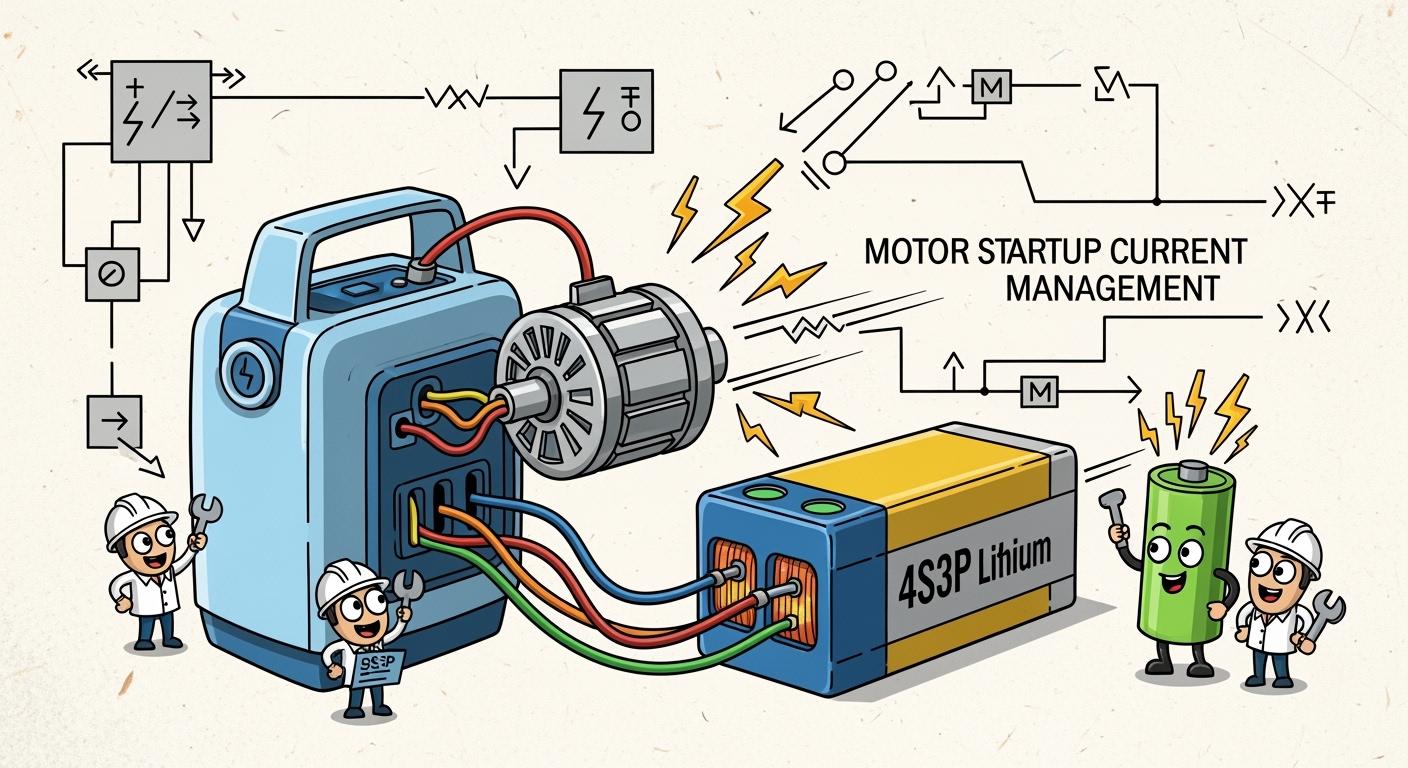
Imagine you work with a medical device manufacturer optimizing lithium battery packs for portable oxygen concentrators. You must manage motor startup current to prevent BMS cutoff and extend battery lifespan. Selecting NMC cells ensures safety, stable voltage, and long cycle life, as shown below:
Advantage | Description |
|---|---|
Safety | Lower risk of thermal runaway and fire |
Longevity | 500-800 cycles |
Stable Voltage Output | Consistent power delivery for reliable medical performance |
Rapid Charging | Recharges to 80-90% in under an hour |
Environmental Friendly | Non-toxic, easier recycling |
Key Takeaways
Implement a robust Battery Management System (BMS) to monitor and manage motor startup current. This system protects against over-voltage and ensures reliable operation.
Use soft-start and buffer circuits to minimize startup current surges. These solutions help maintain consistent power delivery and prevent BMS cutoff.
Part1: Motor Startup Current Challenges
1.1 Understanding Motor Startup Current
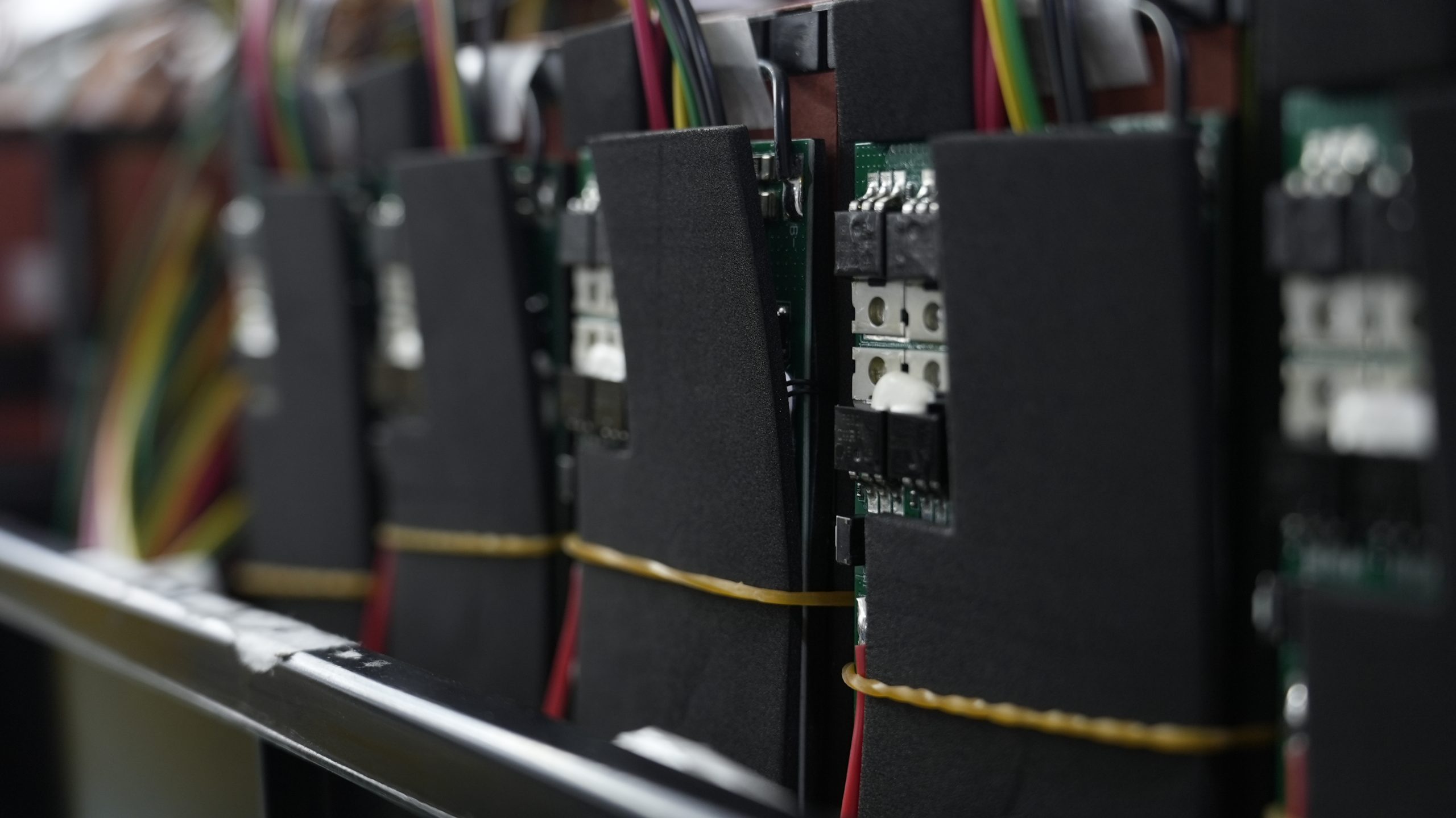
You often face the challenge of managing motor startup current when designing battery packs for medical devices like portable oxygen concentrators. Motor startup current refers to the initial surge of electrical current that a motor draws when it begins to operate. This current is usually much higher than the running current. For example, a typical oxygen concentrator may draw 4.3 amps at startup, while its normal running current is closer to 3.3 amps. This spike happens because the motor needs extra energy to overcome inertia and start moving. If you do not account for this surge, your battery pack may experience stress, leading to performance issues.
1.2 Impact on 4S3P Lithium Packs
A 4S3P lithium battery pack combines four cells in series and three in parallel. You must ensure that all cells use the same battery chemistry, such as NMC to maintain safety and performance. Using mismatched cells can cause uneven charging and discharging, reducing the lifespan of your pack. The industry standard requires cell balancing and a robust Battery Management System (BMS) for medical applications.
Feature | Description |
|---|---|
Battery Management System | Essential for safe and reliable operation of lithium batteries in medical devices. |
Cell Balancing | Ensures all cells in a series stack are charged evenly, optimizing battery life. |
Safety Features | Includes protections against over-voltage, overcurrent, short current, under-voltage, and over-temperature. |
Compliance | High-quality batteries should comply with JEITA rules regarding charge-voltage levels based on temperature. |
1.3 Risks: Voltage Sag and BMS Cutoff
When the motor startup current exceeds the battery’s peak discharge rating, you risk voltage sag and BMS cutoff. For a standard 4S3P lithium pack, the maximum continuous discharge current is 12A (1C), and the peak current capacity is 18A (2C). If the startup current is too high, the voltage can drop suddenly, triggering the BMS to disconnect the pack to prevent damage. This interruption can stop the oxygen concentrator, which is critical in medical scenarios. You should schedule periodic AC and battery operation to monitor startup current and system health. This practice helps you detect early signs of imbalance or degradation, ensuring reliable performance.
Specification | Value |
|---|---|
Max Continuous Discharge Current | 12A (1C) |
Max Peak Discharge Current | 18A (2C) |
Tip: Regularly test your battery packs under real startup conditions to verify that the BMS and cells can handle the motor startup current without triggering protection features.
Part2: Solutions for Battery Management
2.1 High-Discharge Cell Selection
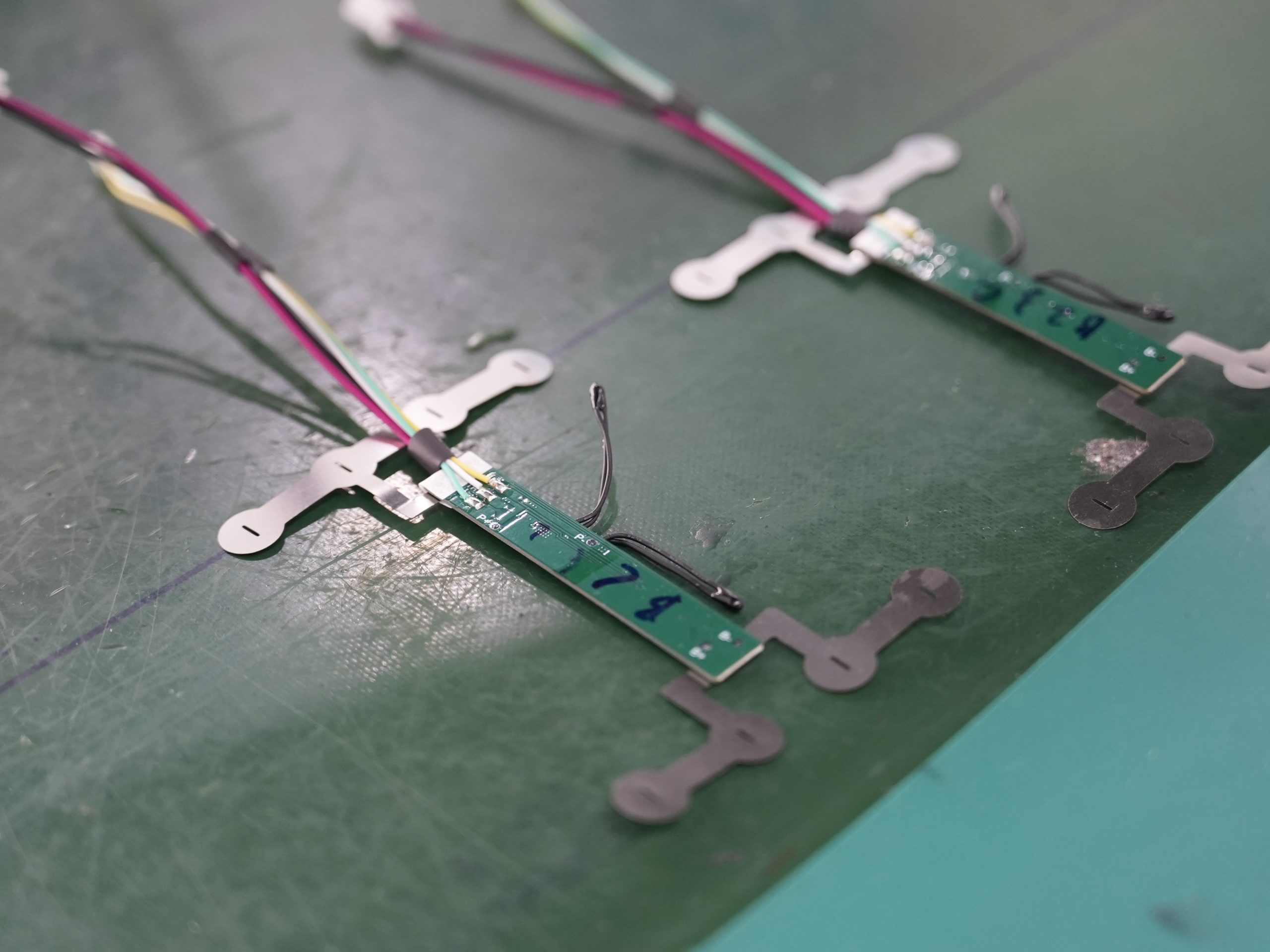
You need to select high-discharge lithium cells that can handle the demands of Motor Startup Current in portable oxygen concentrators and other critical applications such as Medical, robotics, and industrial systems. High-discharge cells provide consistent voltage and safety, which are essential for reliable operation. The following table outlines the key characteristics you should prioritize:
Characteristic | Description |
|---|---|
Safety | Safety-certified cells |
Voltage | Consistent 14.8V nominal output |
Self-discharge | Low self-discharge rate |
Capacity | 4,000–8,000 mAh |
BMS Requirement | Must pair with a robust BMS |
You must also ensure proper cell matching in your 4S3P lithium battery packs. This practice optimizes performance and safety by preventing issues such as thermal runaway and uneven aging. Consider these best practices for cell matching:
Use only cells with uniform capacity and low self-discharge rates.
Implement cell balancing, especially as the pack ages.
Integrate a protection circuit to prevent stronger cells from damaging weaker ones.
Tip: Always verify cell specifications and batch consistency before assembling parallel groups. This step reduces the risk of performance degradation and safety incidents.
2.2 BMS Upgrades for Startup Current
A high-quality Battery Management System (BMS) is essential for handling Motor Startup Current safely in lithium battery packs. You should look for the following BMS features:
Advanced protection against over-voltage, short circuits, and temperature fluctuations.
Smart regulation of charging and discharging cycles to prevent overcharging and overheating.
Compatibility with high-quality lithium-ion batteries for reliable performance.
Integration with pure sine wave inverters for sensitive medical and industrial devices.
Intelligent monitoring to prolong battery life and ensure consistent power supply.
The BMS plays a crucial role in reducing startup stress by detecting overcurrent conditions and cutting off power when necessary. This function protects both the battery and the connected device during high-load events.
2.3 Soft-Start and Buffer Circuits
You can further reduce the impact of Motor Startup Current by integrating soft-start and buffer circuits into your system design. These circuits gradually ramp up the voltage and current supplied to the motor, minimizing sudden surges. Consider the following strategies:
Add a soft-start controller to limit inrush current during motor activation.
Use supercapacitors or buffer capacitors to absorb and release energy quickly, supporting the battery during peak demand.
Design the circuit to coordinate with the BMS, ensuring all protection features remain active.
Note: Soft-start and buffer solutions are especially valuable in medical and security applications, where uninterrupted operation is critical.
2.4 Motor Control Optimization
Optimizing your motor control firmware and hardware can significantly reduce startup stress on lithium batteries. You should:
Adjust the motor controller’s ramp-up profile to smooth out current spikes.
Implement firmware algorithms that monitor battery voltage and adjust startup parameters dynamically.
Ensure the BMS includes overcharge and overdischarge protection to prevent chemical degradation.
Regularly update firmware to address new safety standards and operational requirements.
These optimizations not only extend battery life but also enhance safety for end users in medical, industrial, and infrastructure applications.
2.5 Implementation and Troubleshooting
Follow these steps to implement and maintain a robust battery management solution:
Select high-discharge, safety-certified cells with matched capacity and low self-discharge.
Assemble the 4S3P pack, integrating a smart BMS with advanced protection features.
Add soft-start and buffer circuits to manage Motor Startup Current.
Optimize motor control firmware and hardware for smooth startup.
Test the system under real-world startup conditions, monitoring for voltage sag or BMS cutoff.
Schedule periodic AC and battery operation to assess system health and detect early signs of imbalance or degradation.
Troubleshoot common issues such as unexpected BMS cutoffs, voltage drops, or cell imbalance by reviewing logs and performing cell diagnostics.
Alert: Never bypass BMS protection features to avoid nuisance cutoffs. Instead, address the root cause by improving cell selection, balancing, or circuit design.
By following these steps, you ensure your lithium battery packs deliver reliable, safe, and long-lasting performance in demanding applications.
You can manage motor startup current in 4S3P lithium battery packs by selecting the right chemistry, matching cells, and running regular system checks.
Test your packs often to ensure safety and reliability.
FAQ
How do you prevent BMS cutoff during motor startup in robotics or security systems?
You select high-discharge cells, use a smart BMS, and add soft-start circuits. These steps help your lithium battery pack handle startup surges safely.
Can you compare lithium battery chemistries for infrastructure and consumer electronics?
Chemistry | Platform Voltage | Energy Density (Wh/kg) | Cycle Life (cycles) |
|---|---|---|---|
LFP | 3.2V | 90–120 | 2000–3000 |
NMC | 3.6-3.7V | 160-270 | 500-1000 |


