

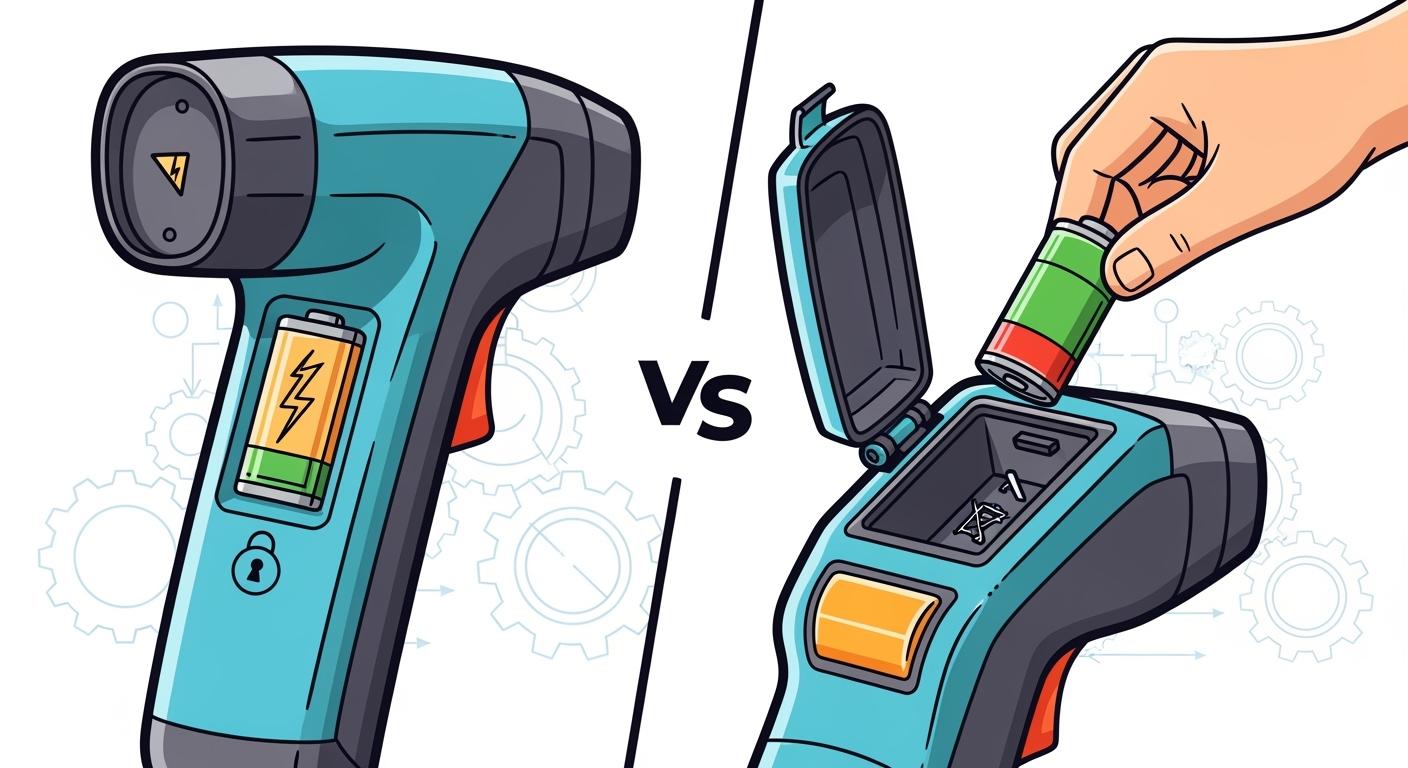
You face a choice between built-in and replaceable battery solutions for inspection devices. Built-in batteries, often based on LiFePO4 or NMC chemistry, give you higher safety and reliability in demanding environments like medical or industrial settings. Removable designs offer flexibility for fast swaps but can increase risk and maintenance needs. Your decision impacts operational efficiency, safety standards, and environmental responsibility.
Key Takeaways
Built-in batteries offer high safety and reliability, making them ideal for critical environments like medical and security systems.
Removable batteries provide flexibility and quick swaps, allowing continuous operation during long shifts or in remote locations.
Consider your operational needs: built-in batteries suit environments needing reliability, while removable batteries excel in flexibility and minimal downtime.
Evaluate total cost of ownership, including initial costs and maintenance, to make an informed decision on battery solutions.
Always prioritize safety and compliance with industry standards when selecting battery types for your inspection devices.
Part1: Overview of Battery Solutions
1.1 Built-in Battery Design
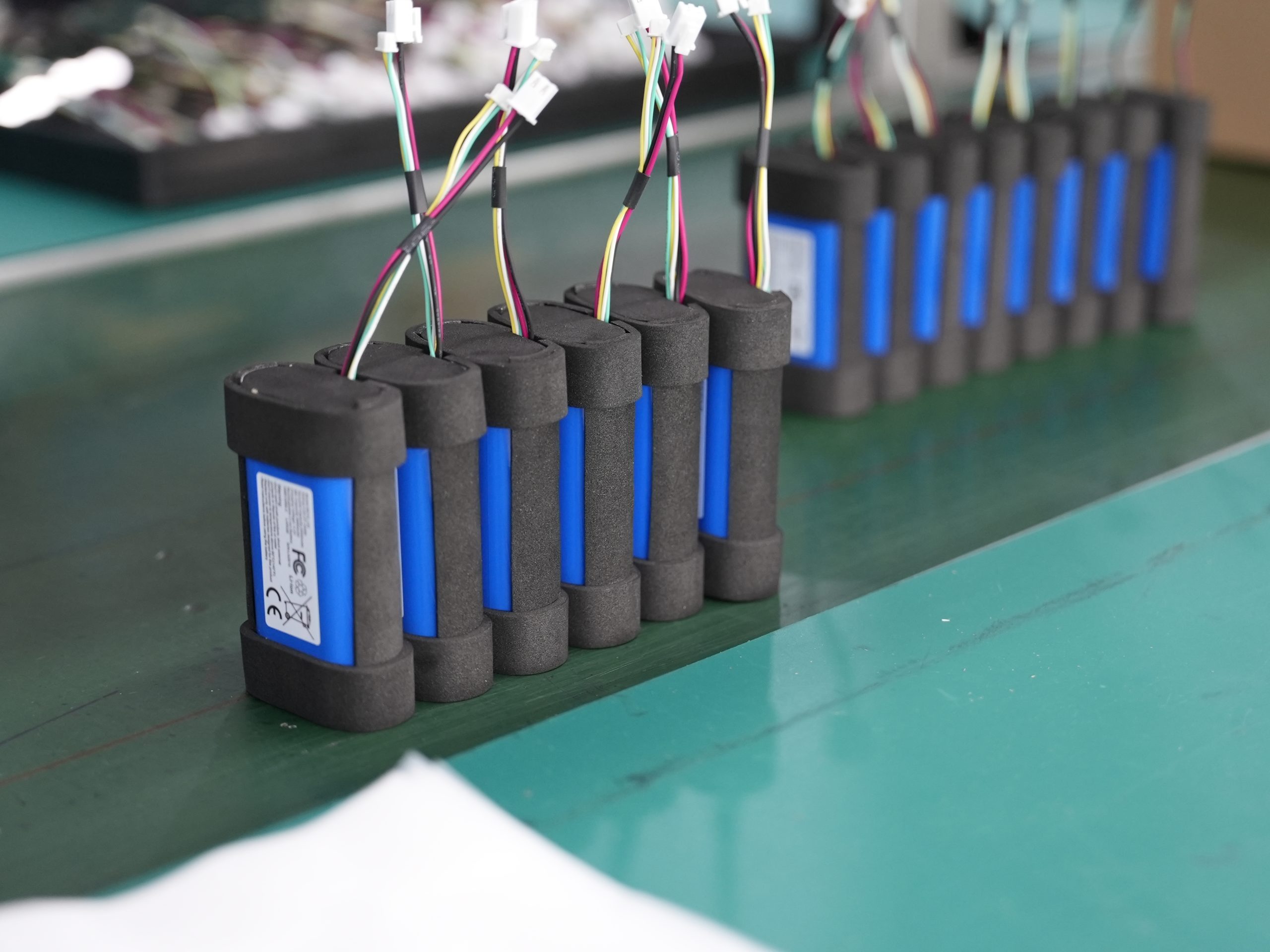
You encounter built-in battery designs in inspection devices that require high integration and reliability. Manufacturers embed lithium battery packs, such as LiFePO4 or NMC, directly inside the device. This approach maximizes safety and minimizes exposure to environmental hazards. Built-in batteries often use advanced chemistries like LiFePO4, which offer platform voltages around 3.2V, cycle life exceeding 2000 cycles, and strong thermal stability. You benefit from a compact form factor and reduced risk of accidental disconnection. Medical equipment, robotics, and security systems often rely on built-in battery solutions for consistent performance and compliance with strict safety standards.
1.2 Removable Battery Design
Removable battery designs give you modularity and operational flexibility. You can swap batteries quickly, keeping your inspection device running during long shifts or in remote locations. Devices use battery bays with metal contacts, allowing you to replace depleted batteries with charged ones in seconds. Chemistries like NMC, LCO, or LMO are common, offering platform voltages from 3.6V to 3.7V and energy densities up to 250 Wh/kg. You extend device lifespan and reduce maintenance costs because you replace batteries independently. Warehousing, manufacturing, and infrastructure inspection benefit from these battery solutions, especially when you need continuous operation and easy fleet management.
1.3 Key Differences Summary
You should compare battery solutions based on integration, modularity, capacity, and maintenance. The table below highlights the main differences, including lithium battery chemistry data and application scenarios.
Feature | Removable Battery Design | Built-in Battery Design |
|---|---|---|
Modularity | User-swappable; modular | Integrated; non-removable |
Integration | External battery bay | Internal battery pack |
Chemistry Options | NMC, LCO, LMO (3.6-3.7V, 150-250 Wh/kg) | LiFePO4, NMC (3.2-3.6V, 90-160 Wh/kg) |
Cycle Life | 500-1000 cycles | 2000+ cycles (LiFePO4) |
Downtime | Near zero; instant swap | Must stop to charge |
Maintenance Cost | Lower; batteries replaced independently | Higher; requires device service |
Device Lifespan | Longer; battery independent | Shorter; tied to battery health |
Application Scenarios | Warehousing, manufacturing, infrastructure | Medical, robotics, security systems |
You gain a clear understanding of which battery solutions fit your operational needs. Built-in designs suit environments demanding reliability and safety. Removable designs support flexibility and continuous use.
Part2: Convenience and User Experience
2.1 Field Use and Swappability
You often need inspection devices that work without interruption. Removable battery designs let you swap batteries in seconds. This feature helps you keep robots, medical tools, or industrial sensors running during long shifts. You do not need to wait for charging. Instead, you replace a depleted battery with a charged one and continue your work. Swappability also allows you to manage energy from a central location. You can track battery health and performance off the device, which improves fleet management.
Here is a quick comparison of swappability in the field:
Advantages | Limitations |
|---|---|
Zero charging delay: Immediate power replenishment keeps robots moving | Requires manual labor or robotic arms to perform swaps |
Centralized energy control: Easy to track battery performance off-robot | High inventory cost for spare batteries |
Flexible deployment: No fixed dock infrastructure required | Wear and tear on connectors and housing from frequent handling |
Ideal for short-shift, high-frequency workloads | Not scalable for large fleets without significant human support |
You see that swappable batteries work best for short shifts and high-frequency tasks. However, you must plan for extra labor and spare battery inventory.
2.2 Charging and Downtime
Built-in battery designs require you to pause device operation for charging. You must connect the device to a charger and wait until the battery reaches a safe voltage, often between 3.2V and 3.6V for LiFePO4 or NMC packs. This downtime can slow your workflow, especially in critical environments like hospitals or security systems. Removable batteries reduce downtime because you can swap them instantly. You keep your devices active and avoid delays. However, you need to maintain a supply of charged batteries and manage their rotation.
2.3 Portability and Device Weight
You want inspection devices that are easy to carry and use in tight spaces. Built-in battery solutions often make devices lighter and more compact. Manufacturers can design the battery pack to fit the device perfectly, which reduces bulk. For example, a LiFePO4 pack with a high cycle life can provide reliable power without adding extra weight. Removable battery designs may increase device weight and size because they need a battery bay and secure connectors. You must balance the need for portability with the benefits of swappability when choosing the right battery solution for your application.
Part3: Safety and Reliability
3.1 Built-in Battery Safety
You need inspection devices that protect your team and your operations. Built-in battery designs offer advanced safety features that help you meet strict industry standards. Manufacturers use antistatic flooring and conductive materials to dissipate static charge. Spark-free tool designs and proper electrical grounding reduce ignition risks. Fire-rated wall panels and integrated gas detection systems help you manage thermal events. These features work together to prevent accidents and keep your devices running safely in medical, robotics, and security system applications. You also benefit from integrated battery management systems (BMS), which monitor voltage, temperature, and current.
3.2 Removable Battery Risks
You must consider the risks when you use removable batteries in inspection devices. Handling and swapping batteries can expose you to hazards. The table below shows the most common safety risks:
Safety Risk | Description |
|---|---|
Exposure to air and moisture | Occurs when the battery shell is damaged, leading to potential chemical hazards. |
Short circuits and electrical shock | Can result in serious injuries, including blindness and death, as well as equipment damage. |
Overheating and fire | Lithium batteries can overheat and ignite, posing significant fire hazards. |
You need to train your staff and use proper procedures to reduce these risks. You should also inspect battery packs for damage before each use.
3.3 Reliability in Harsh Environments
You often deploy inspection devices in harsh environments, such as factories, outdoor infrastructure, or security zones. Built-in battery solutions give you higher reliability because they protect lithium battery packs from dust, moisture, and vibration. The sealed design prevents contaminants from entering the battery compartment. You also avoid loose connections that can cause power loss or device failure. In contrast, removable batteries may fail if exposed to water or extreme temperatures. You should choose battery solutions that match your operating conditions and industry requirements.
Part4: Performance and Longevity
4.1 Battery Life and Capacity
You need inspection devices that last through demanding shifts. Battery life and capacity depend on the battery type and chemistry. Removable lithium battery packs, such as NMC or LCO, often provide capacities between 4300 and 6700 mAh. These batteries can power your device for up to 10 hours, making them suitable for long field operations or infrastructure inspections. Built-in batteries, often based on LiFePO4 or NMC, are designed to last for a full work shift. Manufacturers optimize these packs for safety and reliability rather than maximum capacity.
Battery Type | Capacity (mAh) | Expected Run Time |
|---|---|---|
Removable Batteries | 4300 – 6700 | Up to 10 hours |
Built-in Batteries | N/A | Up to one shift |
Tip: Choose removable batteries if you need to cover extended hours without charging. Select built-in batteries for environments where safety and integration matter most.
4.2 Device Service Life
You want your inspection devices to deliver consistent performance over years of use. The battery chemistry and design influence the overall service life. Lithium-ion chemistries like LiFePO4 and NMC offer high cycle life and stable operation. Built-in batteries often include advanced battery management systems to prevent thermal runaway and extend device longevity. Removable batteries allow you to replace only the battery, which can extend the device’s usable life, especially in industrial or security applications.
Battery Type | Key Features | Focus Area |
|---|---|---|
Lead-Acid | Flooded, AGM, gel | Sulfation prevention |
Lithium-Ion | LiFePO4, NMC, LCO, LMO | Thermal runaway detection |
NiMH | N/A | N/A |
Note: Lithium-ion batteries, especially LiFePO4, provide longer service life and better safety compared to older chemistries.
4.3 Maintenance Needs
You must consider maintenance when selecting a battery solution. Built-in batteries require less frequent maintenance because they are protected inside the device. You benefit from fewer connection issues and lower risk of contamination. However, when the battery reaches end-of-life, you need professional service to replace it. Removable batteries require regular inspection for wear, connector integrity, and charge cycles. You can replace them easily, but you must manage inventory and ensure safe handling.
Built-in batteries: Lower routine maintenance, but higher replacement complexity.
Removable batteries: Higher routine checks, but easier replacement and rotation.
Regular maintenance ensures your inspection devices remain reliable and safe, no matter which battery solution you choose.
Part5: Cost and Maintenance
5.1 Initial and Ongoing Costs
You must evaluate both the upfront and recurring costs when selecting a battery solution for your inspection devices. Built-in lithium battery packs, such as LiFePO4 or NMC, often increase the initial device price. Manufacturers integrate these batteries into the device, which raises assembly and quality control costs. Removable battery designs, using chemistries like NMC, LCO, or LMO, may lower the initial device cost but require you to purchase extra battery packs for rotation.
Tip: Calculate the total cost of ownership, not just the purchase price. Consider how long each battery type lasts and how often you need to replace it.
Battery Solution | Upfront Cost | Ongoing Cost | Typical Chemistry |
|---|---|---|---|
Built-in | Higher | Lower (fewer swaps) | LiFePO4, NMC |
Removable | Lower | Higher (more swaps) | NMC, LCO, LMO |
5.2 Replacement and Support
You need to plan for battery replacement and technical support. Built-in batteries require professional service for replacement. This process can lead to device downtime, especially in critical applications like medical or security systems. Removable batteries allow you to swap packs on-site, which reduces downtime and keeps your operations running. However, you must manage inventory and ensure you have compatible battery packs available.
Built-in: Professional replacement, longer service intervals, less frequent support calls.
Removable: User-replaceable, more frequent swaps, higher inventory management needs.
5.3 Budget Considerations
You should align your battery solution with your organization’s budget and operational goals. Built-in batteries, such as LiFePO4, offer longer cycle life (often over 2000 cycles) and lower maintenance costs over time. Removable batteries may require more frequent purchases, especially if you operate in high-use environments. You must also factor in costs for safe disposal and recycling, as lithium chemistries require proper handling.
Note: For large fleets or continuous operations, removable batteries may increase your ongoing expenses. For applications where safety and reliability matter most, built-in batteries can lower your total cost over the device’s life.
Part6: Operational Flexibility
6.1 Shift Work and Continuous Use
You need inspection devices that support long shifts and continuous operation. Removable lithium battery packs, especially those with hot-swappable features, give you the ability to replace batteries without shutting down your device. This capability is essential in industries like healthcare, logistics, and industrial automation. You maintain productivity and avoid costly interruptions. Devices with hot-swappable NMC or LCO batteries help you keep real-time data streams active during extended use. You can rely on these solutions for environments where downtime is not acceptable.
Hot-swappable batteries enable battery changes without powering off the device.
You maintain continuous operation, which is critical for shift work in medical, security, and industrial settings.
Real-time data access stays uninterrupted during battery swaps.
Built-in battery solutions, such as those using LiFePO4 chemistry, offer long cycle life and stable performance. However, you must pause device operation to recharge, which may not suit all shift-based workflows.
6.2 Adaptation to Remote Sites
You often deploy inspection devices in remote or hard-to-reach locations. Removable battery designs give you flexibility in these scenarios. You can carry extra NMC or LMO battery packs and swap them on-site, ensuring your devices stay powered even when charging infrastructure is unavailable. This approach supports field teams in infrastructure inspection, robotics, and security patrols. Built-in batteries, while reliable, may limit your operational range if you cannot recharge easily. You should assess your site conditions and choose the battery solution that matches your logistical needs.
Tip: For remote operations, plan your battery logistics carefully. Carry enough charged packs to cover your inspection schedule.
6.3 Customization Options
You may need to customize your inspection devices for specific tasks or environments. Removable battery systems allow you to select different battery chemistries, such as NMC for high energy density or LiFePO4 for enhanced safety and cycle life. You can adjust battery capacity and swap packs to match your operational requirements. Built-in battery designs offer less flexibility but provide a compact and integrated solution, which is ideal for applications with strict safety or size constraints, such as medical or security systems.
Customization Feature | Removable Battery | Built-in Battery |
|---|---|---|
Chemistry Selection | High | Limited |
Capacity Adjustment | Flexible | Fixed |
Device Integration | Moderate | High |
You should evaluate your workflow and technical requirements before selecting a battery solution. The right choice will support your operational flexibility and long-term efficiency.
Part7: Environmental Impact
7.1 Disposal and Recycling
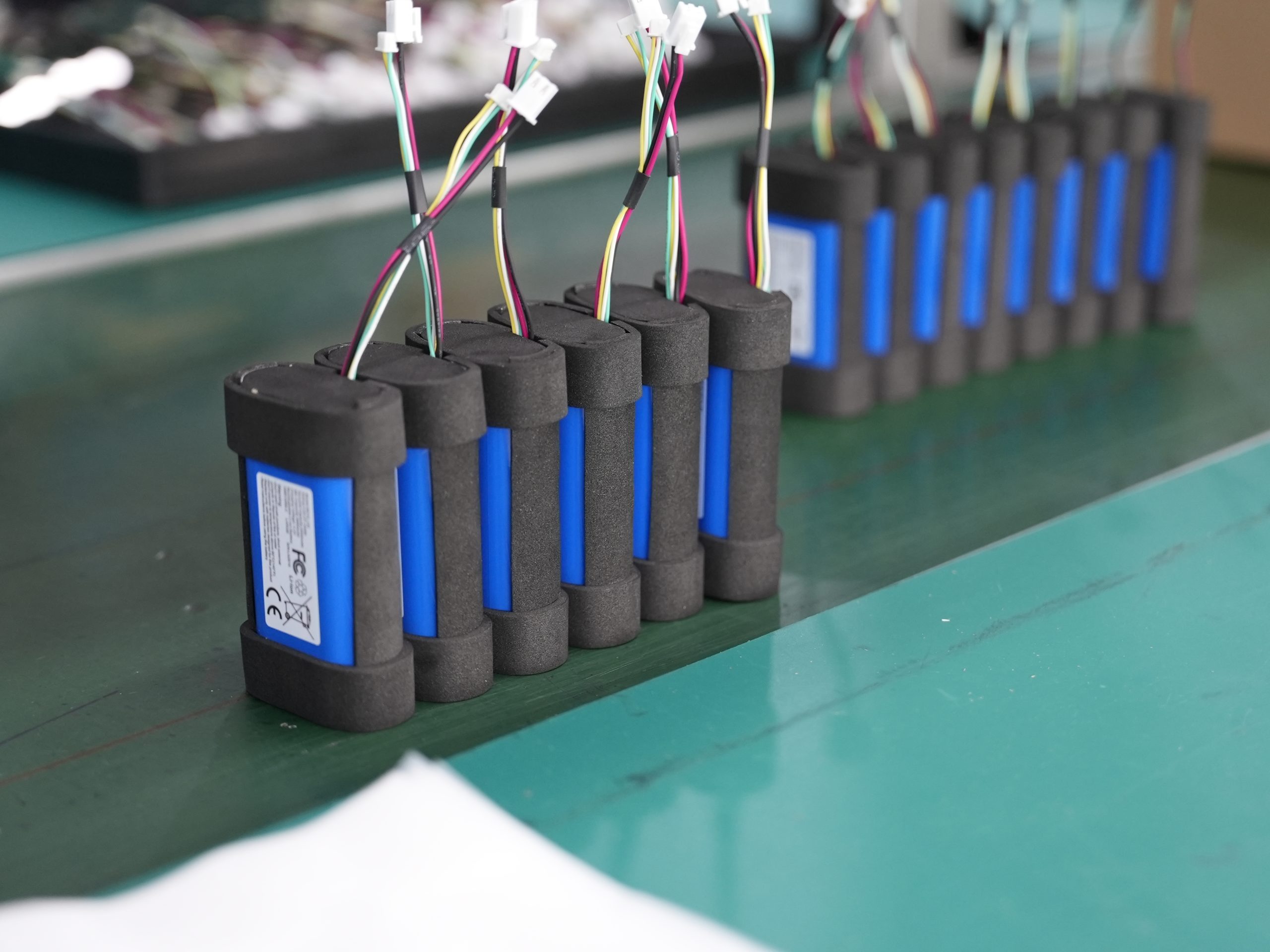
You must manage the end-of-life process for lithium battery packs in your inspection devices. Built-in batteries, such as LiFePO4 and NMC, often require specialized recycling because of their integrated design. You need to send these devices to certified recycling centers that can handle lithium chemistries safely. Removable batteries, including LCO and LMO, allow you to collect and recycle packs separately, which can simplify logistics for large fleets. You should always follow local and international guidelines for hazardous waste. Proper disposal reduces the risk of environmental contamination and supports your company’s sustainability goals.
Tip: Set up a recycling program for your organization. Track battery serial numbers and chemistry types to ensure safe and legal disposal.
7.2 Emissions and Sustainability
You play a key role in reducing emissions by choosing the right battery chemistry. LiFePO4 batteries have a lower environmental impact during production and recycling compared to NMC or LCO. You can also extend device life by selecting chemistries with high cycle counts, which means fewer batteries enter the waste stream. Many organizations now focus on sustainable practices for battery sourcing and end-of-life management.
Chemistry | Cycle Life | Recycling Complexity | Emissions Impact |
|---|---|---|---|
LiFePO4 | 2000+ | Moderate | Low |
NMC | 1000-2000 | High | Moderate |
LCO/LMO | 500-1000 | High | High |
7.3 Regulatory Compliance
You must comply with strict regulations when you use lithium battery packs in industries like medical, robotics, and security systems. International standards, such as UN 38.3 and IEC 62133, set requirements for safe transport, storage, and disposal. You also need to address conflict minerals in your supply chain. Review your suppliers’ statements and ensure they follow ethical sourcing practices. For more information, see the Conflict Minerals Statement.
Stay updated on new regulations to avoid penalties and protect your company’s reputation. Work with certified partners who understand the technical and legal aspects of battery solutions.
Part8: Pros and Cons of Battery Solutions
8.1 Built-in Battery Pros and Cons
You should evaluate built-in lithium battery packs by considering both their strengths and weaknesses. These batteries use chemistries like LiFePO4 and NMC, which offer high safety and long cycle life. You see these designs in medical devices, robotics, and security systems where reliability is critical.
Pros | Cons |
|---|---|
High integration improves device safety and reduces failure points | Replacement requires professional service and device downtime |
Advanced chemistries (LiFePO4, NMC) provide 2000+ cycles | Fixed capacity limits operational flexibility |
Sealed design protects against dust, moisture, and vibration | Not user-swappable; no hot-swap during operation |
Compact form factor reduces device size and weight | Higher initial device cost |
Integrated BMS ensures safe charging and discharging | End-of-life disposal can be complex |
Meets strict industry standards (e.g., IEC 62133, UN 38.3) | Less adaptable to changing energy needs |
You gain reliable performance and safety with built-in batteries, especially in regulated industries. You must plan for service intervals and consider the impact of downtime.
8.2 Removable Battery Pros and Cons
You benefit from removable lithium battery packs when you need flexibility and fast battery swaps. These packs use NMC, LCO, or LMO chemistries, which deliver high energy density and support continuous operation in industrial and infrastructure applications.
Pros | Cons |
|---|---|
User-swappable design enables instant battery replacement | Exposed connectors increase risk of short circuits |
Supports shift work and remote deployments | Frequent handling can cause wear and tear |
Flexible chemistry and capacity options (NMC, LCO, LMO) | Requires inventory management for spare batteries |
Reduces device downtime; no need to pause for charging | Higher ongoing costs for battery rotation and replacement |
Simplifies maintenance; batteries replaced independently | May not meet strict safety standards in all industries |
Extends device service life by decoupling battery and device | Larger device size due to battery bay and connectors |
8.3 Use Case Scenarios
You should match your battery solution to your industry’s needs. The table below shows which solution fits best for each application.
Application Scenario | Recommended Solution | Key Reason |
|---|---|---|
Medical Devices | Built-in (LiFePO4, NMC) | Safety, compliance, and reliability |
Robotics (Industrial/Medical) | Built-in (LiFePO4, NMC) | Integration, compact size, and long cycle life |
Security Systems | Built-in (LiFePO4, NMC) | Tamper resistance and stable operation |
Infrastructure Inspection | Removable (NMC, LMO) | Field swappability and continuous operation |
Warehousing/Manufacturing | Shift work and easy battery rotation | |
Consumer Electronics | Removable (NMC, LCO) | User convenience and quick replacement |
You should select Battery Solutions based on your operational priorities. Built-in batteries work best for safety and compliance. Removable batteries excel in environments that demand flexibility and minimal downtime.
Part9: Choosing the Right Battery Solution
9.1 Assessing Workflow Needs
You must start by understanding your workflow. Each industry has unique requirements for inspection devices. For example, medical teams need devices that operate safely in sensitive environments. Robotics engineers often demand long cycle life and stable power delivery. Security system operators value reliability and tamper resistance. Industrial and infrastructure teams require devices that can run for extended periods without interruption.
Ask yourself these questions:
How many hours do your devices operate each day?
Do you need to swap batteries during shifts?
Will your devices face harsh conditions like dust, moisture, or vibration?
Is device downtime acceptable in your workflow?
Do you have access to charging infrastructure at all deployment sites?
You should map your answers to the technical features of lithium battery chemistries. For example, LiFePO4 batteries offer over 2000 cycles and strong thermal stability. NMC batteries provide higher energy density, which supports longer run times. LCO and LMO chemistries deliver fast discharge rates, which may suit high-power applications.
Tip: Document your workflow needs before you compare battery solutions. This step helps you match technical specifications to real-world demands.
9.2 Key Selection Criteria
You must use clear criteria when you choose between built-in and removable battery solutions. The following table summarizes the most important factors for B2B applications:
Selection Criteria | Built-in Battery (LiFePO4, NMC) | Removable Battery (NMC, LCO, LMO) |
|---|---|---|
Safety | High (sealed, integrated BMS) | Moderate (requires handling care) |
Reliability | Excellent in harsh environments | Good, but connectors may degrade |
Operational Flexibility | Limited (fixed capacity) | High (hot-swap, modular packs) |
Maintenance | Low routine, high replacement | Regular checks, easy replacement |
Device Downtime | Higher (service required) | Minimal (instant swap) |
Customization | Low (fixed chemistry/capacity) | High (select chemistry/capacity) |
Upfront Cost | Higher | Lower |
Ongoing Cost | Lower (long cycle life) | Higher (more frequent swaps) |
Environmental Impact | Moderate (complex recycling) | High (more waste, easier sorting) |
You should prioritize criteria based on your industry. Medical and security sectors often put safety and reliability first. Industrial and infrastructure teams may focus on operational flexibility and downtime. Always consider the chemistry data. For example, LiFePO4 batteries provide 3.2V platform voltage and over 2000 cycles. NMC batteries offer 3.6V and up to 250 Wh/kg energy density.
Note: Align your selection criteria with your compliance requirements. Standards like IEC 62133 and UN 38.3 may influence your choice.
9.3 Decision Checklist
You can use a checklist to guide your final decision. This tool helps you ensure that you have considered all critical factors before you invest in a battery solution.
Battery Solution Decision Checklist:
Have you defined your device’s daily operating hours and shift patterns?
Do you require hot-swappable batteries for continuous operation?
Will your devices face harsh or regulated environments (e.g., medical, security)?
Have you matched battery chemistry (LiFePO4, NMC, LCO, LMO) to your application’s needs?
Can your team manage battery inventory and maintenance?
Is device downtime acceptable for battery replacement or service?
Have you calculated total cost of ownership, including recycling and disposal?
Do you comply with industry standards and regulations for lithium battery packs?
Have you considered environmental impact and sustainability goals?
✅ If you answer “yes” to most questions for one solution, you have found the best fit for your workflow.
You should revisit this checklist as your operations evolve. Battery technology and industry standards change over time. Regular reviews help you maintain safety, efficiency, and compliance.
You should match your battery solution to your industry’s needs.
Choose built-in LiFePO4 or NMC batteries for medical, robotics, or security systems where safety and reliability matter most.
Select removable NMC, LCO, or LMO batteries for infrastructure or industrial applications that demand flexibility and fast swaps.
Evaluate your workflow, safety standards, and environmental goals. Consult with battery solution providers to find the best fit for your inspection devices.
FAQ
What lithium battery chemistry offers the best safety for inspection devices?
You get the highest safety with LiFePO4 batteries. This chemistry provides strong thermal stability, low risk of fire, and over 2000 charge cycles.
Can you hot-swap batteries in all inspection devices?
You can only hot-swap batteries in devices with removable battery designs. These systems use NMC, LCO, or LMO packs. Built-in batteries do not support hot-swapping. You must stop the device to recharge or replace the battery.
How does battery choice affect device downtime?
Removable batteries minimize downtime. You swap depleted packs instantly and keep your device running. Built-in batteries require you to pause for charging or professional replacement, which increases downtime in critical environments.
Which battery solution is better for harsh environments?
You should choose built-in battery packs for harsh environments. The sealed design protects lithium cells from dust, moisture, and vibration. This approach improves reliability in factories, outdoor infrastructure, and security systems.
What is the typical cycle life for different lithium chemistries?
Chemistry | Typical Cycle Life |
|---|---|
LiFePO4 | 2000+ cycles |
NMC | 1000–2000 cycles |
LCO/LMO | 500–1000 cycles |
You extend device service life by selecting chemistries with higher cycle counts.


