

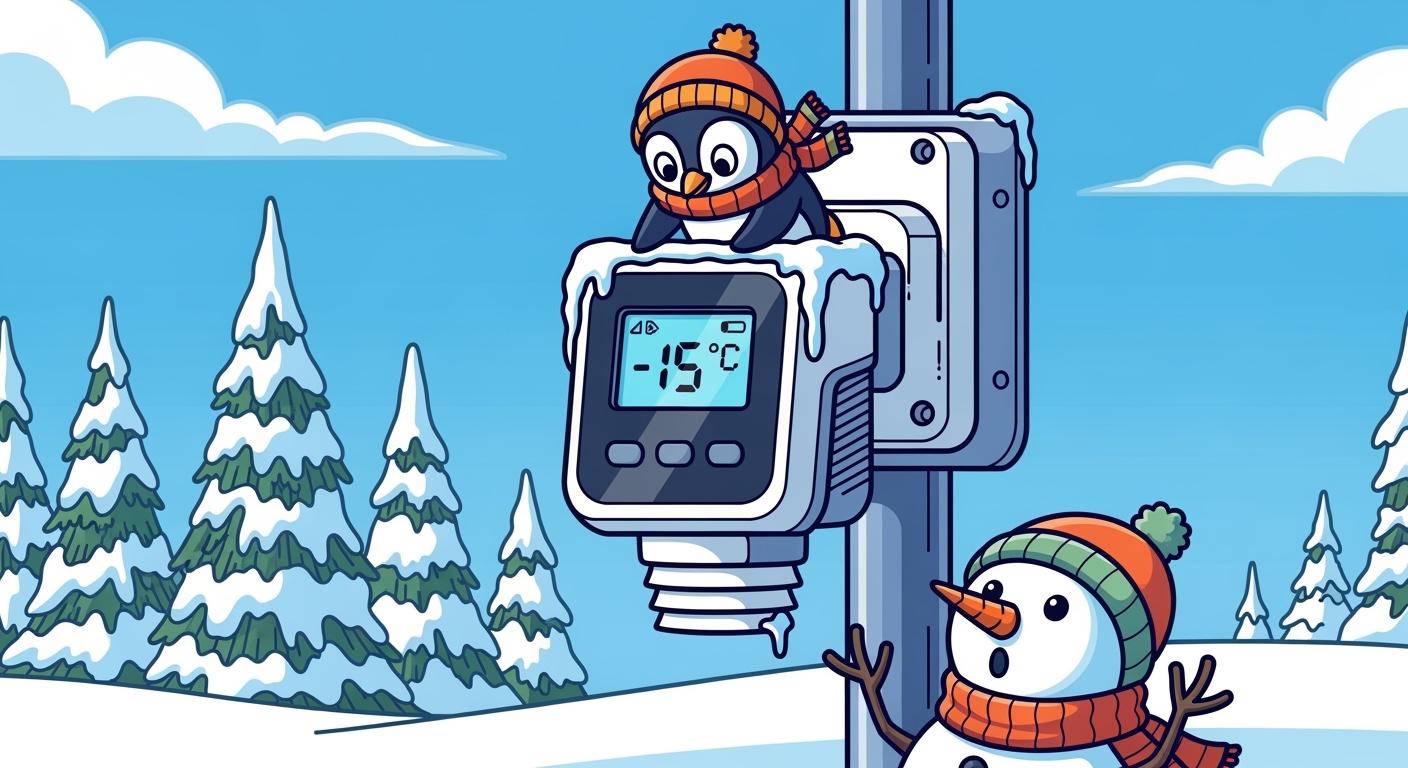
You face unique challenges when managing properties during winter. Cold weather can cause pipes to freeze, equipment to fail, and safety risks to increase. Low-Temperature Performance becomes critical for your monitoring systems. Lithium battery-powered devices continue to operate in harsh conditions, helping you prevent costly damage and maintain safety. Real-time alerts and remote monitoring let you protect your assets even when you cannot be on site.
Key Takeaways
Invest in lithium battery technology, especially LiFePO4, for reliable performance in cold weather. These batteries operate effectively from -20°C to 60°C, ensuring your monitoring systems stay functional.
Implement real-time monitoring systems to detect hazards early. This proactive approach helps prevent costly damages from frozen pipes and equipment failures during winter.
Choose sensors designed for low temperatures. Cold-resistant features, like rugged housings and low-temperature semiconductors, ensure accurate data collection even in harsh conditions.
Regularly review and optimize your monitoring system settings before winter. Proper heating, insulation, and backup power can significantly enhance system reliability.
Utilize smart integration options for enhanced monitoring. Remote alerts and automated systems help you respond quickly to winter-related issues, protecting your assets and ensuring safety.
Part1: Low-Temperature Performance Essentials
1.1 Winter Challenges for Monitoring
You encounter many technical challenges when monitoring properties outdoors during winter. Cold weather affects critical infrastructure and assets. Here are some common issues you must address:
Ice and snow create hazardous conditions on roadways and bridges, requiring real-time monitoring to prevent accidents.
Frost and snow disrupt railway tracks, leading to safety risks and delays.
Airport runways become slippery, making timely snow removal essential for flight safety.
Vehicles and fleets face starting difficulties and operational issues, which remote monitoring can help manage.
Heavy snow overloads roofs and buildings, so monitoring structural integrity is vital.
Ice on power lines causes outages and collapses, demanding proactive observation.
Frozen water pipes can burst, resulting in costly repairs.
Salt and grit supplies must be tracked to ensure road safety.
You must deploy robust monitoring systems that withstand these harsh conditions. Low-Temperature Performance ensures your sensors and devices continue to operate reliably, even when temperatures drop below freezing.
1.2 Lithium Battery Impact in Cold
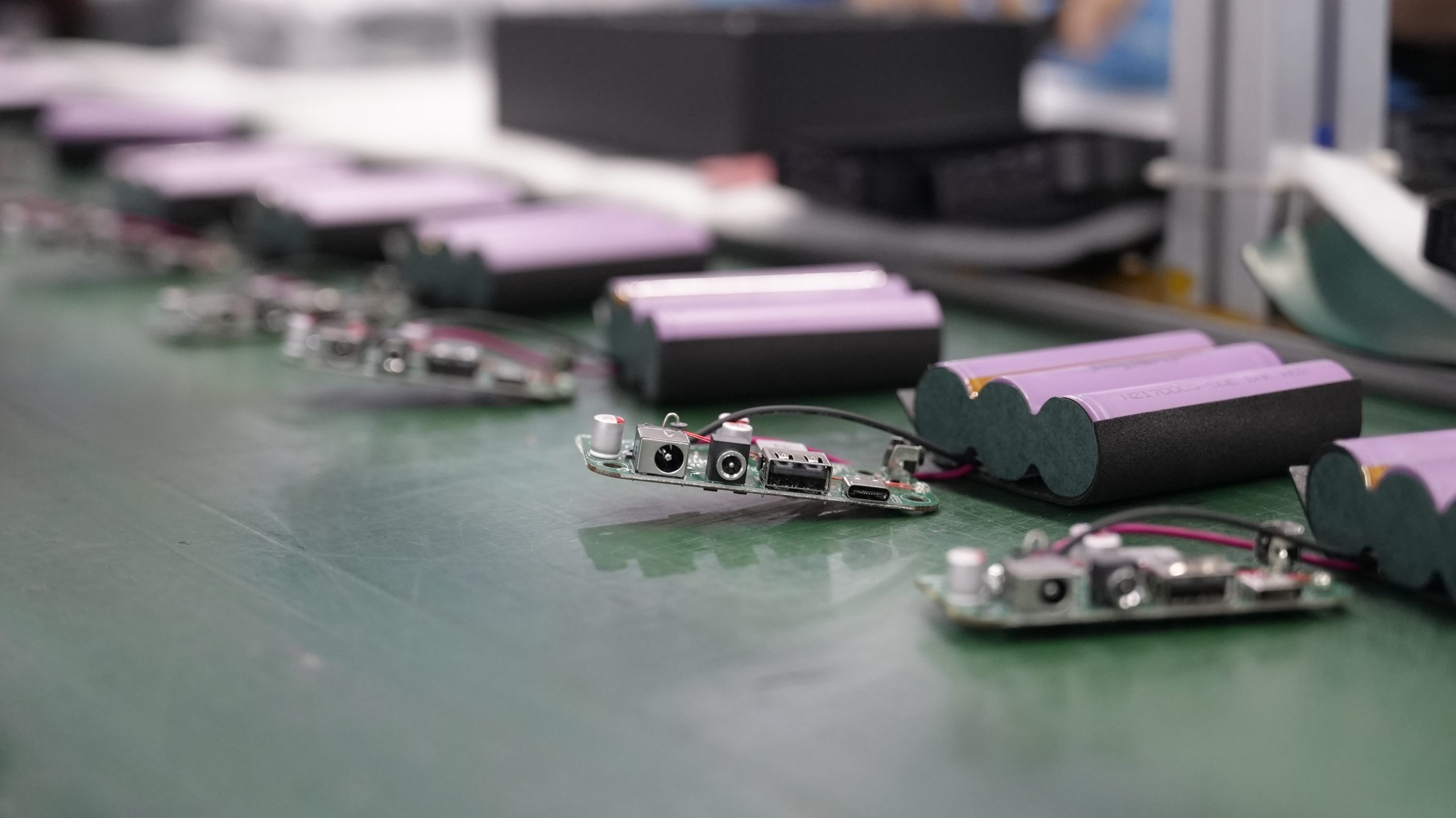
Lithium battery technology plays a crucial role in outdoor monitoring during winter. Cold temperatures reduce battery capacity and affect performance. You need to understand how different lithium chemistries respond to subzero conditions.
Temperature Range | Capacity Loss | Performance Issues |
|---|---|---|
Below -10°C | 20-40% | Increased internal resistance, diminished power output |
LiFePO4 batteries maintain stability and longevity in cold environments. Lithium-ion batteries, such as NMC, LCO, and LMO, experience significant performance degradation when exposed to subzero temperatures. LiFePO4 operates effectively from -20°C to 60°C, while standard lithium-ion systems typically function between 0°C and 50°C.
Tip: At room temperature, a lithium battery rated for 100 Ah delivers 70-80 Ah at 0°C. Capacity drops even further at -10°C or -20°C. You must select batteries with proven Low-Temperature Performance to avoid unexpected failures.
Material embrittlement, performance drift, and seal failure also threaten sensor reliability in extreme cold. The table below shows how these issues impact your monitoring devices:
Challenge | Description |
|---|---|
Material Embrittlement | Plastic housings and internal materials lose toughness, becoming prone to cracking and damage. |
Performance Drift | Electrical parameters of internal components change, leading to reduced sensing distance and unstable signals. |
Seal Failure | Elasticity of sealing materials decreases, allowing moisture to infiltrate, causing internal short circuits or frost buildup. |
You must choose sensors and batteries designed for winter conditions to maintain operational continuity.
1.3 Why Performance Matters
Reliable Low-Temperature Performance protects your assets and ensures safety. You receive alerts for high or low-temperature readings, which can save you thousands in damages from burst pipes. Your monitoring system keeps watch over properties even when unoccupied. It maintains a safe environment for pets and integrates with security and automation platforms.
You protect second homes, vacation properties, and commercial sites with continuous monitoring. Immediate alerts can notify first responders of fires or other emergencies. You reduce risks and prevent costly failures by investing in robust winter-ready systems.
Note: Low-Temperature Performance is not just a technical feature. It is a strategic advantage for property managers and facility operators. You safeguard your investments and maintain operational efficiency throughout the winter months.
Part2: Winter Risks for Properties
2.1 Common Cold-Weather Hazards
You face many hazards when winter arrives at your commercial or industrial properties. Cold weather does not just bring discomfort. It creates real risks that can disrupt operations and threaten safety. The table below highlights the most frequent hazards you must manage:
Hazard Type | Description |
|---|---|
Equipment Failures | Cold weather can cause liquids in pipes to freeze, leading to blockages and potential ruptures. |
Increased Fire and Explosion Risk | Low temperatures can lead to leaks of flammable gases, which are harder to detect in cold conditions. |
Slips and Falls | Ice formation creates dangerous conditions on walkways and elevated platforms, increasing injury risk. |
Staffing Challenges | Cold weather can lead to worker shortages due to travel disruptions and hazardous conditions. |
Maintenance Limitations | Frozen ground and equipment can delay necessary repairs and maintenance work. |
You need reliable monitoring systems with strong Low-Temperature Performance to detect these hazards early and respond quickly.
2.2 Unattended Site Vulnerabilities
Unattended sites become more vulnerable during winter. You may notice these risks increase:
Harsh weather and shorter daylight hours raise the risk of theft, vandalism, and accidents.
Reduced activity and fewer workers on-site create opportunities for equipment theft and material damage.
Limited visibility from snow and ice leads to more accidents and property damage.
Fewer workers present make job sites easier targets for criminal activity.
You can reduce these risks by using remote monitoring and lithium battery-powered sensors that operate reliably in cold conditions.
2.3 Cost of Winter Failures
Winter hazards can lead to major financial losses. In the U.S., winter storms cause an average of $4.4 billion in insured losses each year. The average claim for winter storm damage ranges from $10,000 to $50,000. In 2022, winter storms caused nearly $6 billion in insured losses. About 25% of all weather-related property insurance claims happen during winter months. Frozen pipes alone affect an estimated 250,000 properties each year, often resulting in severe water damage and expensive repairs.
You also face these costs:
Winter-related facility failures cost commercial property owners over $180 million annually in preventable damage.
Frozen pipe damage: Average cost $15,000-$50,000 per incident.
HVAC system failures: Emergency repairs average $25,000-$75,000.
Roof collapse from snow load: Potential costs exceed $200,000.
Slip-and-fall liability: Claims increase 400% during winter months.
Tip: You can avoid many of these losses by investing in robust monitoring solutions with proven Low-Temperature Performance.
Part3: System Technology and Integration
3.1 Cold-Resistant Sensor Features
You need sensors that deliver reliable data in harsh winter conditions. Cold-resistant sensors use advanced materials and engineering to maintain accuracy and durability. Devices like Ambient Weather WH31E and YoLink serve as examples of sensors built for extreme cold. These sensors feature rugged housings and flexible substrates that resist cracking. They also use low-temperature resistant semiconductors to prevent performance loss.
Feature | Description |
|---|---|
Low-temperature resistant semiconductors | These materials ensure functionality in extreme cold without performance degradation. |
Flexible substrates | Designed to resist cracking in freezing conditions, enhancing durability. |
Ruggedized housings | Protect sensitive components from harsh environmental conditions. |
Redundant systems | Incorporated to maintain measurement accuracy despite temperature fluctuations. |
Cold-specific calibration | Ensures accurate readings in varying cold temperatures. |
Advanced power management | Includes algorithms for optimizing energy usage, such as adaptive duty cycling and intelligent sleep modes. |
Energy harvesting mechanisms | Utilizes piezoelectric and thermoelectric generators to ensure continuous operation without external power. |
Thermal management systems | Features self-heating circuits and passive insulation to maintain optimal operating temperatures. |
Sensors with these features help you achieve consistent monitoring and reduce maintenance needs. You can trust your system to deliver accurate readings even when temperatures drop below freezing.
3.2 Lithium Battery Advantages
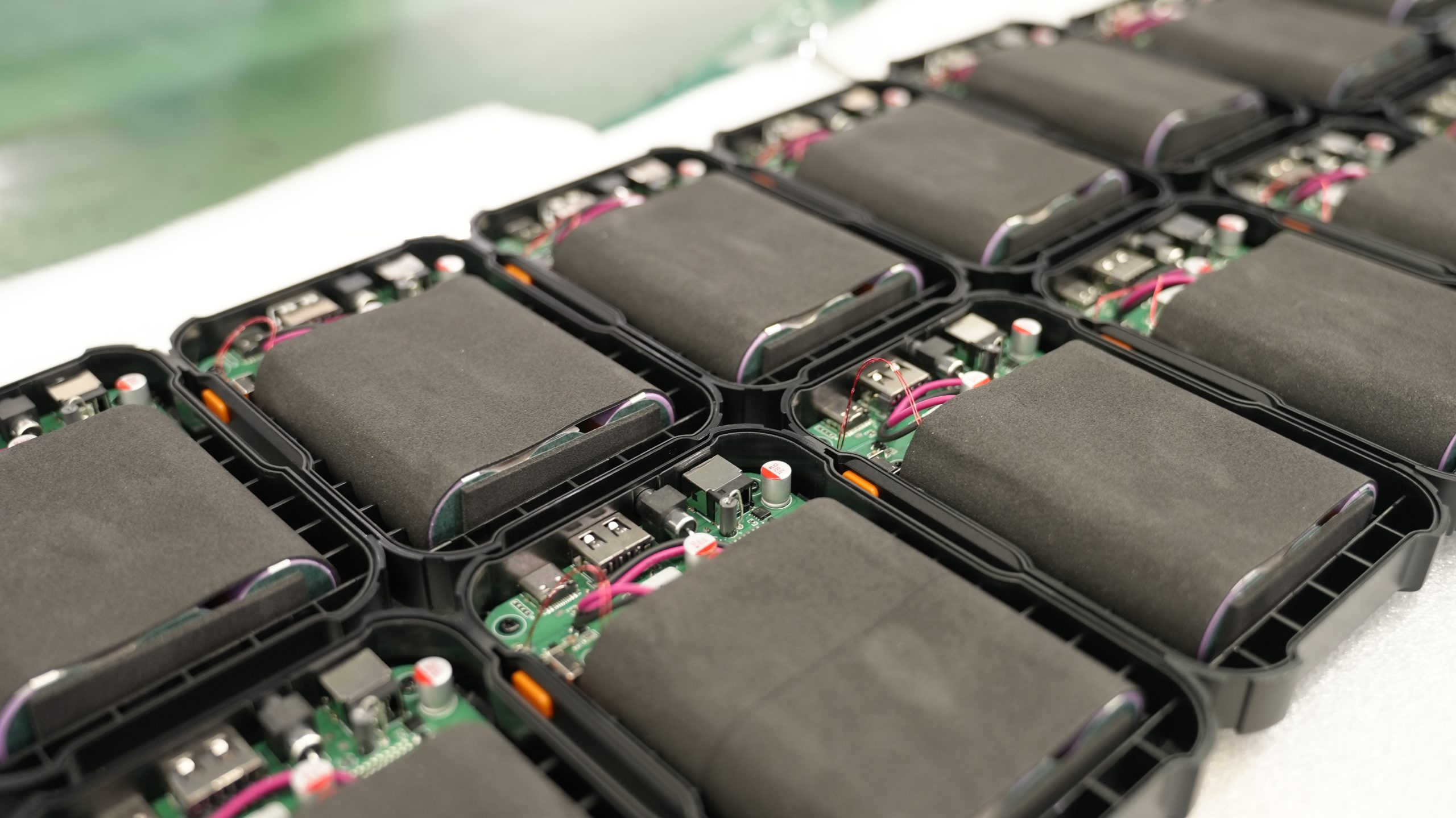
Lithium batteries power your monitoring systems through long winter nights. You benefit from high energy density and stable voltage output, especially with LiFePO4 chemistry. These batteries operate effectively between -20°C and +60°C, which is essential for winter reliability. The HL18650V lithium battery maintains performance in both cold and hot conditions, offering consistent power delivery.
Lithium batteries provide high energy density and stable voltage output.
LiFePO4 batteries last longer in harsh conditions and support uninterrupted operation.
Fast charging efficiency (over 95%) allows quick energy absorption during limited daylight.
Lithium batteries are lighter than lead-acid batteries, making installation easier.
They charge faster in cold weather, maintaining power supply for winter monitoring systems.
You also gain longer maintenance intervals. Lithium battery technology reduces capacity loss and internal resistance, which means your devices require less frequent servicing. However, cold temperatures can make the electrolyte more viscous, slowing lithium ion flow and causing quicker battery depletion. Prolonged exposure to cold may permanently impair battery function, so you must select batteries with proven Low-Temperature Performance.
Chemistry | Platform Voltage | Energy Density (Wh/kg) | Cycle Life (cycles) |
|---|---|---|---|
LiFePO4 | 3.2V | 90-120 | 2000+ |
NMC | 3.7V | 150-220 | 1000-2000 |
LCO | 3.7V | 100-150 | 500-1000 |
LMO | 3.7V | 100-150 | 500-1000 |
3.3 Smart Integration Options
You can enhance winter reliability by integrating smart monitoring systems. Smart probes monitor environmental conditions continuously and detect issues like frozen pipes and leaks early. Instant alerts notify you of critical changes, allowing timely intervention.
Integration Option | Description |
|---|---|
Smart Temperature Control Systems | These systems provide precise heating or cooling, ensuring comfort and energy efficiency. |
Remote Monitoring | Allows property managers to monitor heating systems from afar, enabling quick responses to issues. |
Weather-Resistant Devices | Devices designed to withstand harsh winter conditions, ensuring reliable operation. |
Remote monitoring and real-time alerts work in practice by sending notifications directly to your phone or dashboard. IoT sensors achieve over 95% detection reliability for winter-related issues, compared to 70-85% for traditional inspections. You can respond immediately to critical conditions, preventing failures and minimizing downtime.
Tip: Smart integration options help you maintain operational continuity and protect your assets during winter. You gain peace of mind knowing your monitoring system delivers reliable performance, even in extreme cold.
Part4: B2B Benefits and ROI
4.1 Real-Time Alerts
You need real-time alerts to manage winter risks effectively. These systems give you timely and accurate weather data, which helps you act before problems escalate. Real-time alerts enable you to take proactive steps, such as adjusting heating or dispatching maintenance teams. This approach reduces response times and helps you avoid costly disruptions.
Real-time alert systems provide up-to-date weather and temperature data.
You can take action quickly to address severe weather events.
Defined communication roles and robust protocols ensure your team responds efficiently.
Real-time monitoring platforms keep all stakeholders informed of threats.
Technology Type | Effectiveness Description |
|---|---|
Remote Temperature Monitoring | Alerts you when temperatures move outside set thresholds, giving you 24/7 visibility to prevent damage. |
Smart Sensors | Detect temperature extremes and send alerts for proactive management, helping you avoid property damage. |
Temperature and Humidity Monitoring | Provides real-time data and alerts for dangerous conditions, ensuring heating systems maintain safe levels. |
4.2 Protection for Unoccupied Properties
Unoccupied properties face higher risks during winter. You can use intelligent access control and IoT-based monitoring to enhance security and safety. These technologies deter intruders and provide constant surveillance, giving you peace of mind.
Intelligent access control systems use AI and IoT for real-time monitoring.
Smart security systems and remote monitoring offer immediate alerts for unauthorized access.
Maintaining consistent temperatures prevents frozen pipes and water damage.
Internet-connected temperature monitors notify you of changes, allowing timely intervention.
Smart HVAC and water management tools help you keep properties safe and operational.
4.3 Operational Continuity
You must keep your operations running, even during severe winter weather. Monitoring systems help you assess risks, inspect infrastructure, and train employees on safety protocols. These steps reduce downtime and keep your business moving.
Assess winter storm risks and evaluate vulnerabilities in your infrastructure and workforce.
Develop emergency plans and ensure facility readiness through regular inspections.
Train employees on safety and provide proper protective equipment.
Establish strong communication channels for quick response.
Lithium battery-powered devices, such as those using LiFePO4, NMC, LCO, and LMO chemistries, support operational continuity in industries like medical, robotics, security, infrastructure, and industrial automation. Their reliable Low-Temperature Performance ensures your systems stay online when you need them most.
4.4 Cost Savings
Investing in advanced monitoring and lithium battery technology leads to significant cost savings. You avoid expensive repairs, reduce insurance claims, and minimize downtime. Smart property technology also helps you manage operational costs more effectively.
Industry Sector | Application Scenario | Key Benefit |
|---|---|---|
Medical | Cold storage monitoring for vaccines | Prevents spoilage and loss |
Robotics | Outdoor autonomous equipment | Ensures reliable winter operation |
Security Systems | Remote surveillance of critical sites | |
Infrastructure | Bridge and road temperature monitoring | Prevents structural damage |
Industrial | Maintains production efficiency |
Tip: By choosing systems with proven Low-Temperature Performance, you protect your assets and improve your bottom line.
Part5: Maximizing System Effectiveness
5.1 Recommended Settings
You can optimize your outdoor monitoring systems for winter by adjusting a few key settings. Reliable heating and insulation protect your equipment from freezing. Backup power ensures your systems stay online during outages. Effective thermal management extends the life of your devices and keeps them running smoothly.
Use reliable heating systems to maintain optimal temperatures for sensors and batteries.
Set up backup power sources, such as lithium battery packs, to handle unexpected power failures.
Implement thermal management strategies to protect sensitive electronics.
Tip: Regularly review your system settings before winter begins to ensure everything operates at peak performance.
5.2 Lithium Battery Maintenance
Proper lithium battery care is essential for reliable winter operation. You should follow these best practices:
Charge batteries only when temperatures are above 34°F (1°C) to protect battery life.
Use battery intelligence systems to monitor state of charge and health.
Store equipment in temperature-controlled areas to limit cold exposure.
Plan for winter duty cycles by adjusting runtime expectations and using opportunity charging.
Store batteries at 30%–50% charge to prevent over-discharge.
Maintain a dry storage environment and inspect batteries for leaks or swelling.
Use insulated storage and keep temperatures between 50°F and 68°F (10°C–20°C).
5.3 Integration Best Practices
Smart integration with automation and remote monitoring boosts your system’s effectiveness. The table below shows how different features work and their benefits:
Feature | How it Works | Benefits |
|---|---|---|
Adaptive Algorithms | Adjust heating based on occupancy data | Saves energy and ensures comfort |
Occupancy Sensing | Detects presence using motion or device location | Focuses heating on occupied areas, reducing waste |
Remote Control | Allows adjustments via smartphone app | Enables instant changes and prevents energy waste |
Customizable Scheduling | Lets you set heating routines for your operations | Matches heating to daily needs, improving efficiency |
Automation Integration | Connects with building automation and energy-saving programs | Reduces overall energy use and supports sustainability goals |
5.4 Regular Testing
You should schedule regular system checks and remote diagnostics, especially before and during winter. Test sensors, batteries, and communication links to catch issues early. Use remote diagnostics to monitor system health and receive alerts for maintenance needs. Regular testing ensures your monitoring system remains reliable, even in extreme cold.
Pro Tip: Set monthly reminders for system checks and keep a log of all maintenance activities. This habit helps you spot trends and prevent unexpected failures.
You rely on Low-Temperature Performance and advanced lithium battery technology to keep your monitoring systems dependable in winter. These solutions protect your assets, support safety, and help you avoid costly downtime. When you upgrade your systems and follow best practices, you gain even more value:
Benefit | Description |
|---|---|
Cost Savings | Reduces emergency repairs and extends asset life. |
Efficiency | Keeps systems running at their best, lowering energy costs. |
Tenant Retention | Improves satisfaction and reduces turnover. |
Safety | Spots safety issues before they become problems. |
Value Preservation | Maintains or increases property value. |
Compliance | Meets current building codes and safety rules. |
Stay proactive to ensure your properties remain safe and efficient all winter.
FAQ
What makes LiFePO4 batteries better for winter monitoring?
LiFePO4 batteries offer stable performance from -20°C to 60°C. You get longer cycle life (2000+ cycles) and less capacity loss in cold weather compared to NMC, LCO, or LMO chemistries. Large Power offers low-temperature lithium batteries designed to operate from -40°C to 60°C.
Chemistry | Platform Voltage | Energy Density (Wh/kg) | Cycle Life (cycles) |
|---|---|---|---|
LiFePO4 | 3.2V | 90–120 | 2000+ |
NMC | 3.7V | 150–220 | 1000–2000 |
LCO | 3.7V | 100–150 | 500–1000 |
LMO | 3.7V | 100–150 | 500–1000 |
How do you maintain lithium batteries in freezing temperatures?
You should store batteries at 30%–50% charge in a dry, insulated area. Charge only above 1°C (34°F). Use battery management systems to monitor health and avoid deep discharge.
Tip: Regular checks prevent unexpected failures.
Why do lithium batteries lose capacity in cold weather?
Low temperatures slow lithium ion movement and increase internal resistance. You see reduced power output and shorter runtime. LiFePO4 batteries handle this better than NMC, LCO, or LMO.
Can you use remote monitoring with lithium-powered sensors in winter?
Yes. You can rely on lithium-powered sensors for remote monitoring. These devices send real-time alerts and data, even in subzero conditions. You maintain visibility and control over your assets.
What are the main risks if you ignore low-temperature performance?
You risk sensor failure, missed alerts, and costly property damage. Frozen pipes, equipment breakdowns, and safety hazards become more likely. Reliable low-temperature performance protects your operations and bottom line.


