

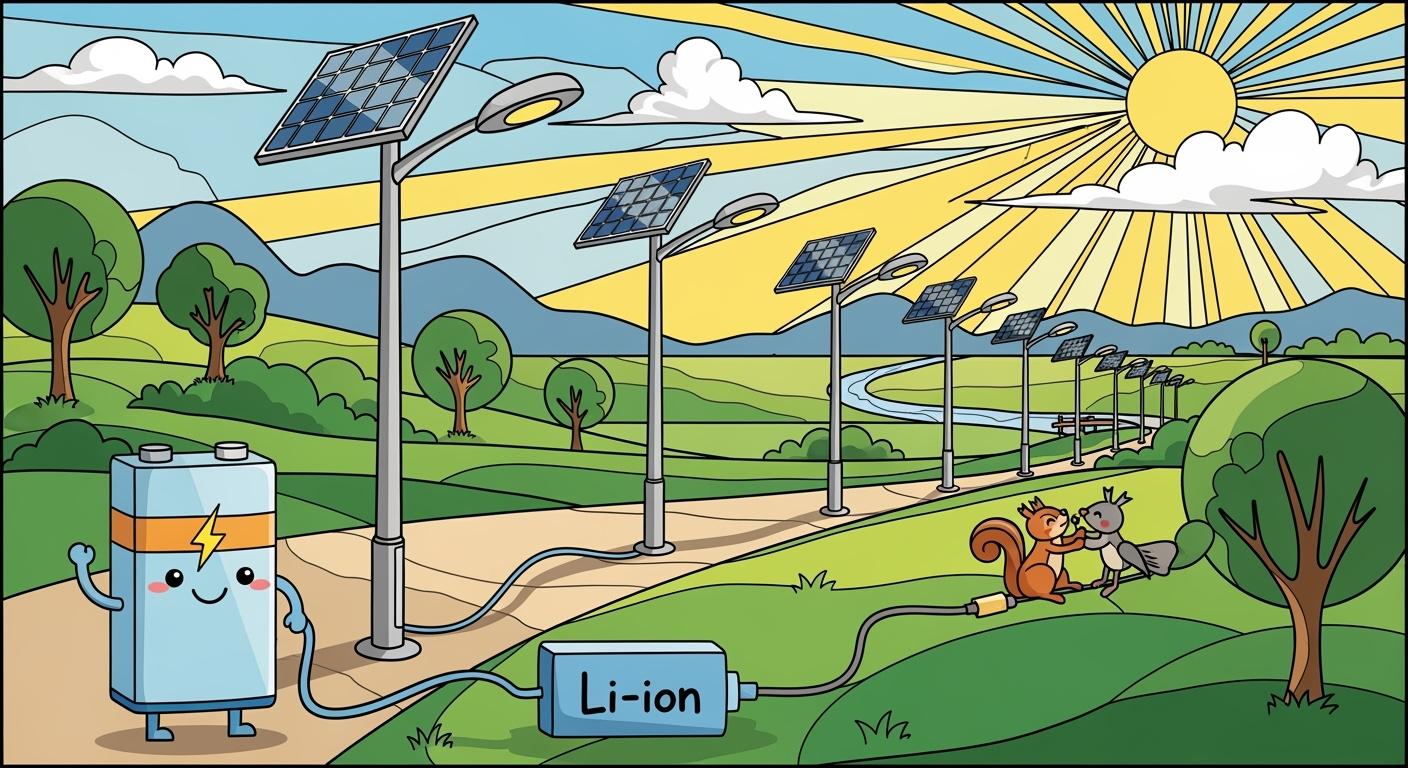
You see lithium battery systems, especially LiFePO4, changing the way Solar Street Light solutions perform for off-grid outdoor lighting. These batteries deliver longer service life—up to 7 years—compared to traditional lithium-ion options. You benefit from lower maintenance costs and reliable energy storage. Smart controls like dimming and motion sensors help you extend battery life by reducing energy use. Advanced battery management systems protect against overcharging and deep discharge, while MPPT technology lets your solar panels extract up to 30% more power. This integration boosts both safety and efficiency.
Key Takeaways
LiFePO4 batteries last longer than traditional options, providing up to 15 years of reliable service, which reduces replacement costs.
Smart controls like dimming and motion sensors help extend battery life by optimizing energy use, ensuring lights operate efficiently.
Advanced battery management systems enhance safety by preventing overcharging and deep discharge, protecting your investment.
MPPT technology boosts solar panel efficiency, allowing for up to 30% more power extraction, which improves overall system performance.
Choosing lithium battery systems supports sustainable urban development, making them ideal for municipal and commercial lighting projects.
Part1: Lithium Battery Benefits for Solar Street Light
1.1 Longevity and Reliability
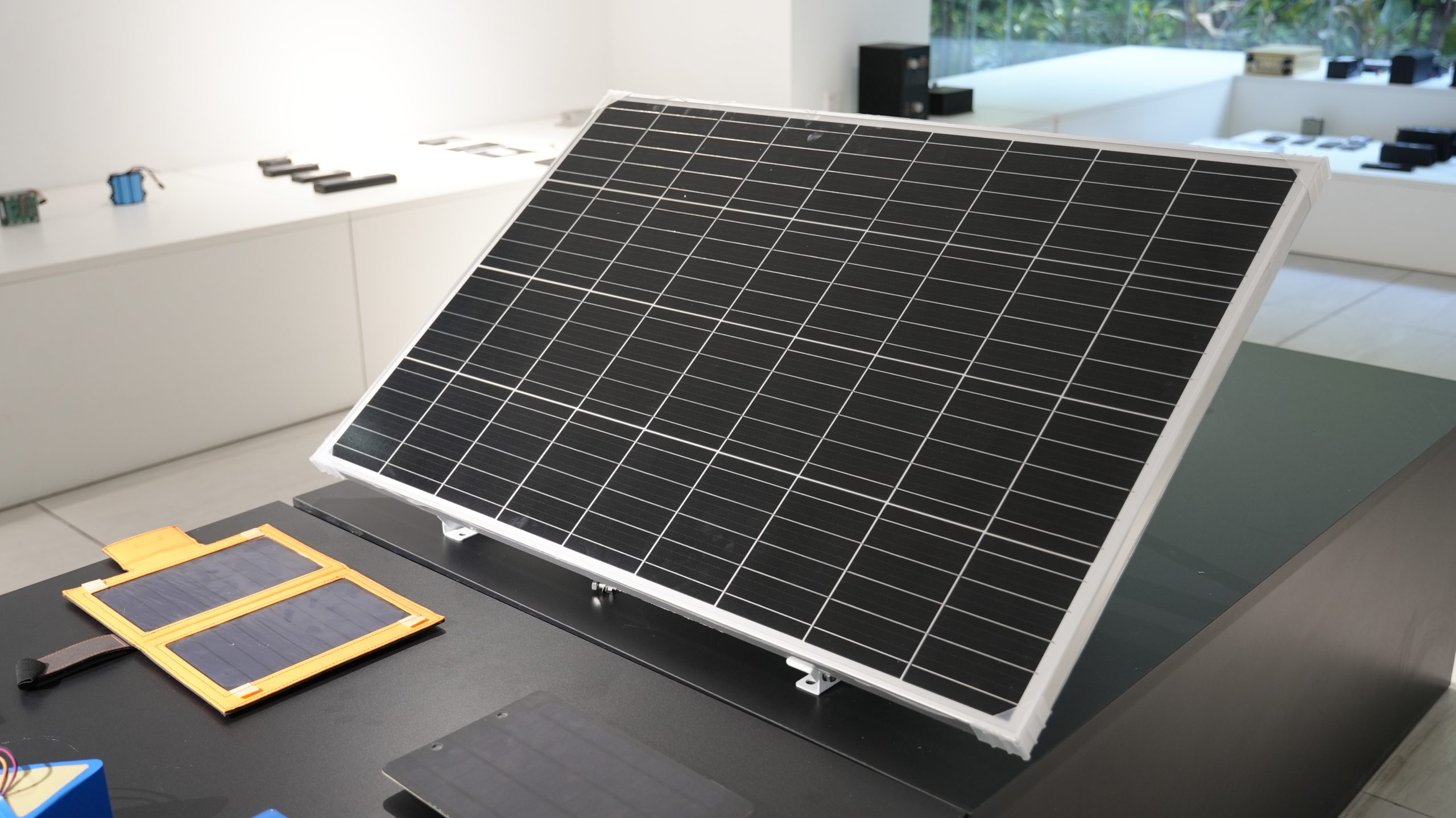
You want your Solar Street Light systems to last for years with minimal intervention. LiFePO4 battery packs deliver outstanding longevity and reliability, making them the preferred choice for commercial and municipal projects. These batteries can operate for over a decade, even in demanding outdoor environments. You can see the difference in average lifespan and cycle life when you compare LiFePO4 with other battery types:
Battery Type | Average Lifespan | Cycle Life |
|---|---|---|
LiFePO4 | 12-15 years | 6000+ cycles |
Other Lithium-ion | 5-10 years | 2000-3000 cycles |
Lead-acid | 3-5 years | 300-500 cycles |
You can rely on LiFePO4 batteries for frequent cycling, which is essential for Solar Street Light applications that require daily charging and discharging. These batteries also support over-discharge recovery, so you get consistent performance even after deep discharges. For B2B clients, this means fewer replacements, less downtime, and lower total cost of ownership.
Reliability metrics help you monitor and manage your battery systems effectively. You can track the following metrics to ensure optimal performance:
Metric | Description |
|---|---|
State of Charge (SoC) | Shows the current energy level, helping you manage lighting schedules and energy use. |
State of Health (SoH) | Reflects battery condition over time, so you can plan maintenance and replacements. |
Cycle Count | Tracks charge cycles, giving you insight into battery lifespan and usage history. |
Power Draw | Measures total energy consumption, allowing you to optimize system load. |
Current Flow | Indicates the rate of electricity flow, which helps you identify power consumption by each device. |
1.2 Safety and Efficiency
You need safe and efficient energy storage for your Solar Street Light projects. LiFePO4 batteries stand out for their high safety standards and energy efficiency. Their chemistry offers strong thermal and chemical stability, which is critical for outdoor and public installations.
LiFePO4 batteries are less likely to fuel a fire due to their strong phosphate-oxide bond, which tightly holds onto oxygen atoms even at extreme temperatures. This characteristic significantly reduces the risk of thermal runaway, a common issue in other lithium battery chemistries.
LiFePO4 batteries are thermally stable up to 270°C.
Other chemistries like LiCoO₂ can enter thermal runaway at around 150°C.
LiFePO4 does not release oxygen during thermal events, unlike LiCoO₂.
You benefit from non-combustible and non-toxic battery packs, which are ideal for infrastructure, security systems, and public lighting. High round-trip efficiency means you get more usable energy from every charge. The table below shows how LiFePO4 batteries outperform lead-acid batteries in energy conversion:
Battery Type | Round-Trip Efficiency | Usable Watts from 100 Watts Solar Power |
|---|---|---|
Lead-Acid | 80-85% | 80-85 watts |
LiFePO4 | 95-98% | 95-98 watts |
You can power your Solar Street Light longer and more reliably, even in challenging conditions.
1.3 LiFePO4 vs. Lead-Acid Comparison
You want to choose the best battery for your Solar Street Light systems. LiFePO4 and lead-acid batteries differ in several key areas that impact performance, maintenance, and cost. The following table summarizes the main differences:
Feature | LiFePO4 Batteries | Lead-Acid Batteries |
|---|---|---|
Maintenance Visits Reduction | 40% less frequent | More frequent |
Lifespan | 6 to 10 years | 3 to 5 years |
Maintenance Requirement | Maintenance-free | Requires regular maintenance |
Operational Cost | Lower over time | Higher over time |
You can see that LiFePO4 batteries require fewer maintenance visits and offer a longer service life. This reduces operational costs and increases reliability for B2B clients managing large-scale lighting networks.
When you look at cycle life and depth of discharge, the advantages become even clearer:
Battery Type | Cycle Life (Cycles) | Depth of Discharge (%) | Design Life (Years) |
|---|---|---|---|
LiFePO4 | 3,000 – 8,000 | 80 | > 10 |
Lead-Acid | 300 – 600 | 50 | < 2 |
LiFePO4 batteries are ideal for frequent cycling and high-performance applications.
Lead-acid batteries have a much shorter cycle life and require more frequent replacement.
You gain a competitive edge by choosing LiFePO4 battery packs for Solar Street Light projects. These batteries support reliable operation in infrastructure, security, and industrial lighting, where uptime and safety are critical.
Part2: Technical Features and Performance
2.1 Capacity and Charge Cycles
You need high-capacity lithium battery packs to power your Solar Street Light systems reliably. Battery capacity directly impacts how long your lighting operates each night and how well it handles energy demands. For a typical 100W LED street light, daily energy consumption reaches 1,200Wh. You must select batteries with capacity above this threshold to ensure consistent illumination.
Specification | Value |
|---|---|
Daily Energy Consumption | 1,200Wh (for 100W LED) |
Required Battery Capacity | Must exceed 1,200Wh |
Minimum State-of-Charge (SOC) | Above minimum thresholds |
High-quality lithium batteries, such as LiFePO4, deliver 1,500–2,000 charge cycles and a lifespan of 6–10 years. This means you can expect long-term performance and fewer replacements, which is essential for large-scale infrastructure and security projects.
Solar street lights with 12V batteries continue to function as long as there is stored energy in the battery, ensuring safety for pedestrians and motorists.
2.2 Quick Charging and Extended Backup
You want your lighting systems to recharge quickly and provide extended backup during cloudy days or high-demand periods. Lithium batteries, especially LiFePO4, support fast charging—often reaching full charge within 5 hours under optimal sunlight. This rapid charging ensures your Solar Street Light operates efficiently, even with limited daylight.
Lithium batteries offer a usable depth of discharge (DoD) of 80–95%, compared to only 50% for lead-acid batteries.
You achieve up to 13 hours of continuous lighting, supporting overnight and emergency scenarios.
Lithium chemistry avoids sulfation, allowing for deeper and more reliable discharges.
Battery Type | Energy Density | Lifespan | Maintenance | Operational Costs |
|---|---|---|---|---|
Lithium | High | Long | Low | Lower |
Non-Lithium | Lower | Shorter | Higher | Higher |
You benefit from lower operational costs and reduced maintenance, which is critical for B2B clients managing multiple installations.
2.3 Outdoor Durability
You face challenging outdoor environments, so battery durability is a top priority. LiFePO4 batteries excel in extreme temperatures and harsh conditions, making them ideal for infrastructure, industrial, and security system applications.
Battery chemistry and charging/discharging stress affect long-term reliability.
Temperature swings, moisture, dust, and salt air can impact performance.
High-quality enclosures protect batteries from environmental hazards.
Excessive heat accelerates aging, while low temperatures slow charging efficiency.
Battery management systems (BMS) play a vital role in outdoor durability. A BMS monitors voltage, temperature, and state of charge, balancing cells and preventing overloads or deep discharges. This technology can improve energy storage efficiency by up to 20% and extend battery life by 40%.
You ensure reliable, long-lasting performance for your Solar Street Light projects by choosing advanced lithium battery solutions with robust management systems.
Part3: Integration with Solar Street Light Systems
3.1 MPPT Technology
You want your Solar Street Light systems to work efficiently in all weather. MPPT (Maximum Power Point Tracking) technology helps you achieve this by making sure your solar panels always operate at their best. MPPT controllers adapt to changing sunlight, so you get the most energy possible every day. This technology can extract up to 30% more power than older systems. You also benefit from higher charging efficiency—up to 99.9%—which means your batteries charge faster and last longer.
MPPT keeps your panels at peak efficiency, even when clouds pass or sunlight changes.
Charging efficiency is about 20% higher than with traditional controllers.
MPPT prevents overcharging and deep discharge, which protects your lithium battery packs.
Feature | Specification |
|---|---|
Tracking Efficiency | >99% |
Charge Conversion Efficiency | Up to 96% |
Discharge Conversion Efficiency | Up to 95.5% |
You can rely on MPPT to improve both energy capture and battery safety, which is vital for infrastructure and security lighting.
3.2 Battery Management Systems
You need your lithium battery packs to stay safe and reliable. Battery management systems (BMS) help you do this by monitoring each cell’s voltage and temperature. The BMS gives you real-time diagnostics, so you can respond quickly to any problems. It also connects with larger energy management systems for better control.
Safety Feature | Function |
|---|---|
State-of-charge (SoC) | Monitors charge level to prevent overcharging and over-discharging, reducing thermal risk. |
Thermal management | Detects overheating and keeps batteries at safe temperatures. |
Fault detection mechanisms | Finds and responds to faults like short circuits, improving safety. |
You can trust a good BMS to keep your Solar Street Light systems running smoothly, even in tough outdoor or industrial settings.
3.3 Smart Monitoring
You want to manage your lighting systems easily, especially if you have many installations. Smart monitoring gives you real-time data and control. You can track the state of charge, forecast available energy, and adjust lighting profiles to match your needs. This is especially useful for B2B clients who manage infrastructure, security, or industrial projects.
Monitor SOC and forecast energy for the night.
Adapt lighting profiles based on current energy balance.
Analyze PV current and voltage, and compare actual power with expected values.
Identify abnormal MPPT behavior and monitor nighttime depth of discharge.
Feature | Description |
|---|---|
Intelligent Management System (BMS) | Enables real-time monitoring, protects against overcharging, and reduces maintenance needs. |
You gain better control, lower maintenance, and higher reliability for your Solar Street Light projects with these smart features.
Part4: Applications and Market Trends
4.1 Commercial and Municipal Projects
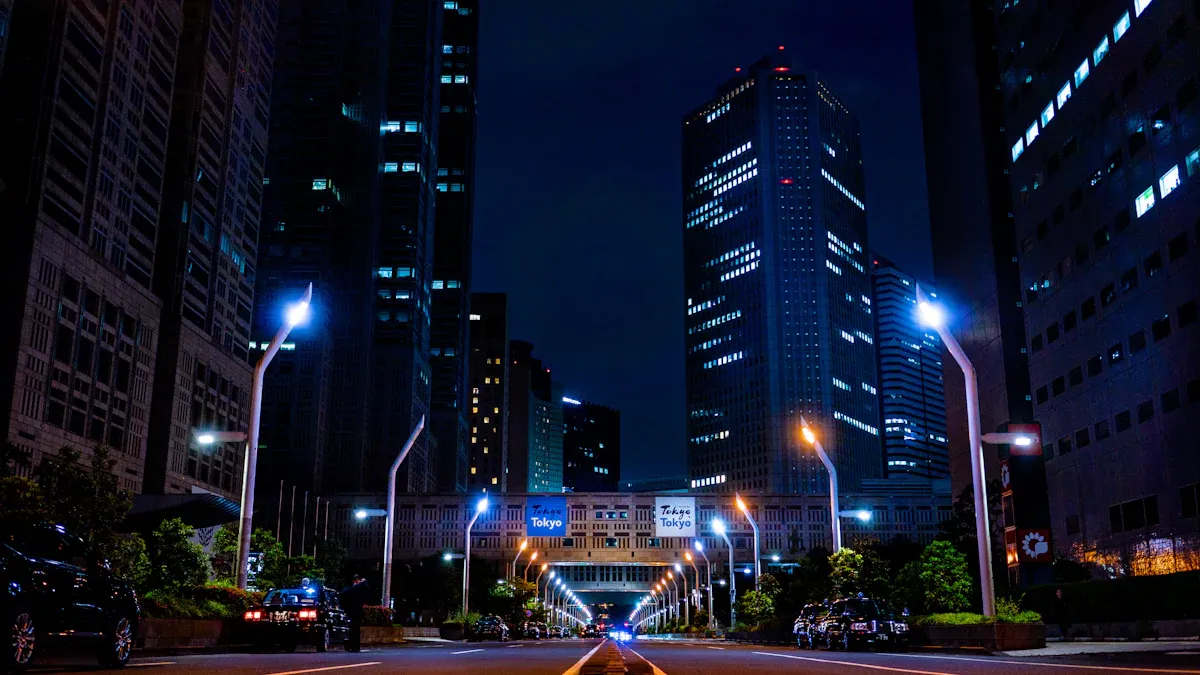
You see lithium battery-powered solar street lighting transforming urban and municipal infrastructure. Many cities now use these systems to improve safety and reduce costs. For example:
Urban areas report improved safety after dark and lower crime rates.
Municipalities worldwide adopt solar street lighting to cut energy expenses and boost resilience.
A metropolitan city achieved a 40% reduction in lighting costs by installing solar street lights in neighborhoods with limited grid access.
Consistent lighting reduces accidents and enhances public security.
You can review the benefits for municipalities in the table below:
Benefit/Outcome | Description |
|---|---|
Cost Savings | Eliminates electricity costs, leading to significant annual savings. |
Environmental Impact | Reduces greenhouse gas emissions and fossil fuel reliance, supporting a cleaner environment. |
Enhanced Safety and Security | Provides reliable lighting, lowering accident and crime risks. |
Green Image | Demonstrates sustainability commitment |
Leadership in Environmental Responsibility | Positions your city as a leader in sustainability, attracting public support. |
You can apply these solutions to security systems, industrial parks, and public infrastructure, where reliability and safety matter most.
4.2 Rural and Off-Grid Solutions
You face unique challenges in rural and off-grid areas. Lithium battery-powered solar street lights offer practical answers:
Solar lighting extends productive hours into the evening, improving safety and recreation.
You reduce reliance on kerosene lamps, which improves health and safety.
The technology supports energy independence, keeping communities functional during grid failures.
A real-world example comes from the UAE, where all-in-one solar street lights integrate solar panels, LiFePO4 battery storage, and LED lighting. This compact design simplifies installation and lowers costs, making it ideal for rural electrification projects. You can use these systems in remote villages, industrial sites, and even for security lighting in off-grid medical or robotics facilities.
Solar-powered lights require no trenching or wiring, so you avoid ongoing operating costs. The latest systems deliver brighter, more reliable lighting with zero operating expenses.
You may encounter challenges such as battery performance or installation complexity. The table below shows common issues and solutions:
Challenge | Solution |
|---|---|
Battery performance issues | Upgrade to a larger battery or efficient LED |
Solar panel efficiency | Relocate panels to sunnier locations |
Installation complexities | Optimize design and use smart technology |
Dim lights or short run time | Add motion sensors to extend battery life |
4.3 Industry Outlook
You can expect strong growth in the solar street lighting market. The market value is projected to rise from $441 million in 2024 to $1,327 million by 2031, with a CAGR of 17.5%. This growth comes from urbanization, government support for sustainable infrastructure, and falling battery costs. Lithium-based batteries, especially LiFePO4, lead the way due to high energy density, long cycle life, and safety.
Year | Market Value (USD) | CAGR (%) |
|---|---|---|
2024 | 441 million | N/A |
2025 | 516 million | N/A |
2031 | 1,327 million | 17.5 |
You see lithium battery packs enabling sustainable urban development and reliable power for Solar Street Light systems. These batteries offer low self-discharge rates and high charge/discharge efficiency, so your lights stay on even during cloudy days. Their safety profile makes them ideal for outdoor use in infrastructure, security, and industrial applications. As smart city initiatives and stricter environmental regulations expand, you will find more opportunities for lithium battery-powered lighting. For more on sustainability, visit our approach to sustainability. To learn about responsible sourcing, see our conflict minerals statement.
You gain long-lasting, safe, and efficient lighting when you choose lithium battery systems for your Solar Street Light projects. Advanced integration technologies like MPPT and battery management systems help you capture more energy and extend battery life. You see reliable performance and easy installation with integrated designs. These solutions support your infrastructure and industrial needs while keeping maintenance low. The market continues to grow, making lithium battery packs a smart choice for your future projects.
FAQ
What makes LiFePO4 batteries ideal for solar street lights in infrastructure projects?
You get long cycle life (3,000–8,000 cycles), high energy density (90–120 Wh/kg), and a stable platform voltage (3.2V per cell). These features ensure reliable lighting for infrastructure, security systems, and industrial applications.
How does a Battery Management System (BMS) improve safety?
You benefit from real-time monitoring of voltage, temperature, and current. The BMS prevents overcharging, deep discharge, and overheating. This keeps your lithium battery packs safe in critical environments like medical, robotics, and security systems.
Can lithium battery packs handle extreme outdoor conditions?
You can rely on LiFePO4 and NMC batteries for outdoor durability. These chemistries operate in temperatures from -20°C to 60°C. Rugged enclosures and smart management protect your investment in industrial and municipal lighting.
How long does it take to fully charge a lithium battery pack with MPPT technology?
You achieve a full charge in about 5 hours under optimal sunlight. MPPT controllers maximize energy harvest, so your solar street lights stay ready for overnight operation in off-grid or remote locations.
What is the main advantage of lithium battery packs over lead-acid for B2B lighting projects?
You reduce maintenance and replacement costs. Lithium packs offer higher energy density, longer cycle life, and deeper depth of discharge. This means fewer service visits and more reliable lighting for large-scale infrastructure and security networks.


