

You need reliable, compact power to get the most out of your electric fishing tools. Custom lithium battery design lets you match battery packs, like 4s2p or 4s3p configurations, to the specific needs of your fishing equipment. These batteries weigh less than half as much as older lead-acid options and last up to ten times longer.
You can use all of their capacity, so your tools run longer and stronger.
Fast charging and stable voltage help you fish more efficiently and keep sensitive electronics protected.
Key Takeaways
Custom lithium batteries provide lightweight and compact power solutions, enhancing portability for anglers.
Plug-and-play functionality allows for easy setup with popular electric fishing tools, reducing downtime.
Choosing the right battery capacity and voltage is crucial for optimal performance and runtime of fishing equipment.
Lithium batteries offer longer lifespans and faster charging, ensuring more time spent fishing and less time worrying about power.
Safety features like Battery Management Systems (BMS) and high IP ratings protect batteries from harsh outdoor conditions.
Part1: Custom Lithium Battery Design Benefits
1.1 Compact Power for Fishing Tools
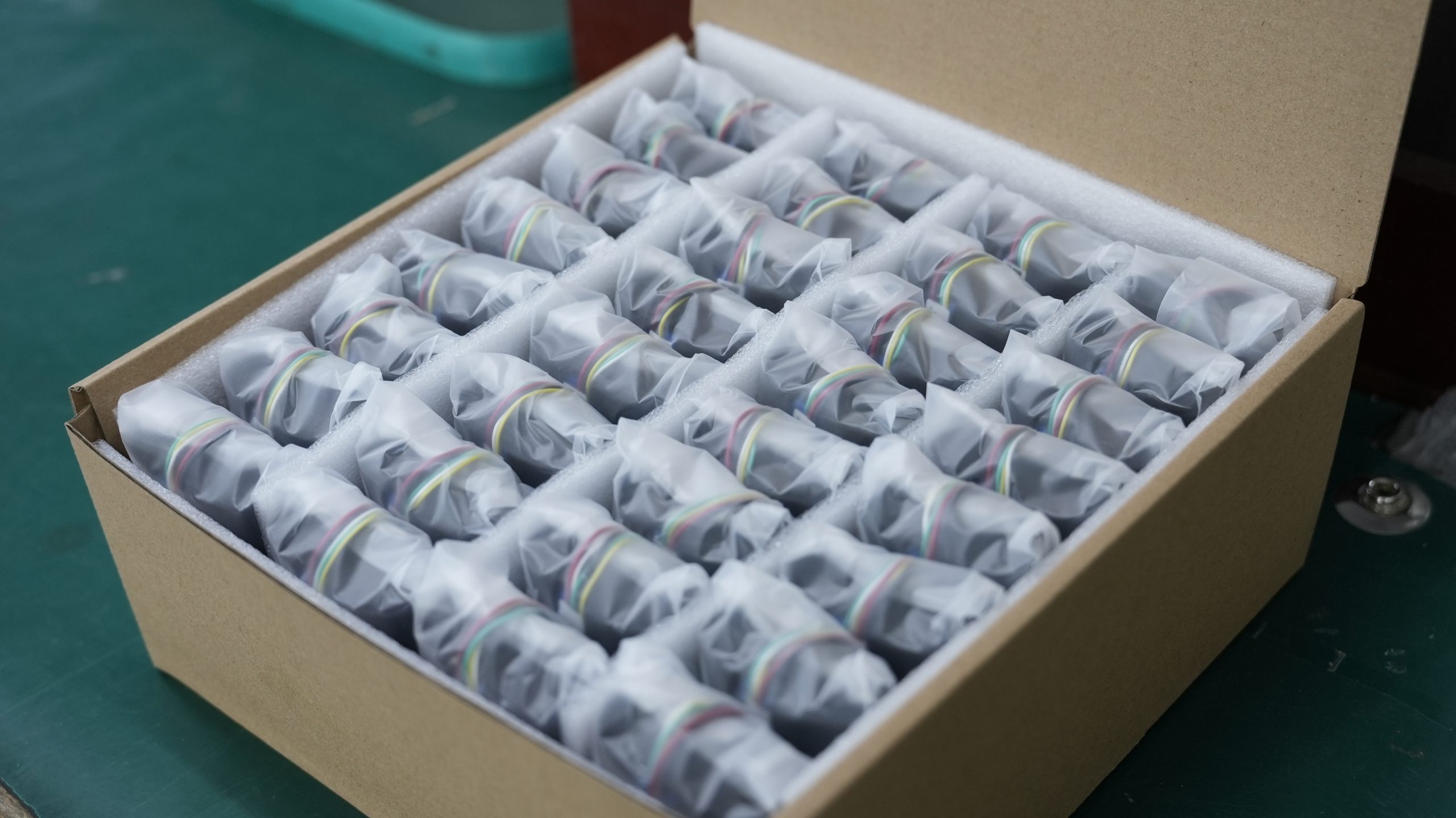
You need a battery that delivers strong performance without adding extra weight. Custom Lithium Battery Design gives you this advantage. When you use a 4s2p pack with 21700 cells or a 4s3p pack with 18650 cells, you get a battery that is both lightweight and powerful. These configurations fit easily into small boats, kayaks, or even handheld electric fishing reels.
You can carry your gear with less effort because lithium batteries are much lighter than traditional options.
The compact size makes it simple to store and handle, even in tight spaces.
You get longer runtime and stable power output, so your fishing trips last longer and your tools work more efficiently.
A 12V LiFePO4 battery offers stable output, long runtime, and high durability, making it a top choice for anglers.
Custom Lithium Battery Design also benefits other industries. Medical devices, robotics, security systems, infrastructure, consumer electronics, and industrial equipment all use compact lithium battery packs for reliable, portable power. However, the needs of electric fishing tools—like runtime, weight, and durability—make custom solutions especially valuable in this field.
1.2 Plug-and-Play Functionality
You want your electric fishing tools to work right out of the box. Plug-and-play functionality makes this possible. Custom lithium battery packs, such as the ABYSS® Reel Battery, connect directly to popular electric reel brands like Daiwa, Shimano, and Banax. This universal compatibility means you spend less time setting up and more time fishing.
The Enerforce Electric Fishing Reel Lithium Battery shows how a streamlined design can eliminate tangled cables and keep your setup organized. You get a seamless connection every time, which reduces downtime and frustration. The compact form factor also boosts portability, so you can move your gear easily from one spot to another.
Custom lithium battery packs deliver efficient power to your fishing reels and motors. You can run multiple devices, like large screen sonar units, without worrying about draining your battery. Parallel configurations extend your runtime, and high-quality wiring ensures minimal power loss. This seamless integration supports both performance and reliability in demanding outdoor environments.
Configuration | Cell Type | Application Example | Key Benefit |
|---|---|---|---|
4s2p | 21700 | Electric fishing reels | Lightweight, compact |
4s3p | 18650 | Kayak trolling motors | Long runtime |
12V LiFePO4 | Prismatic | Sonar units, fish finders | Stable output, durable |
Tip: Choose a battery pack that matches your tool’s voltage and current needs for the best results.
Part2: Battery Requirements for Electric Fishing Tools
2.1 Capacity and Voltage Needs
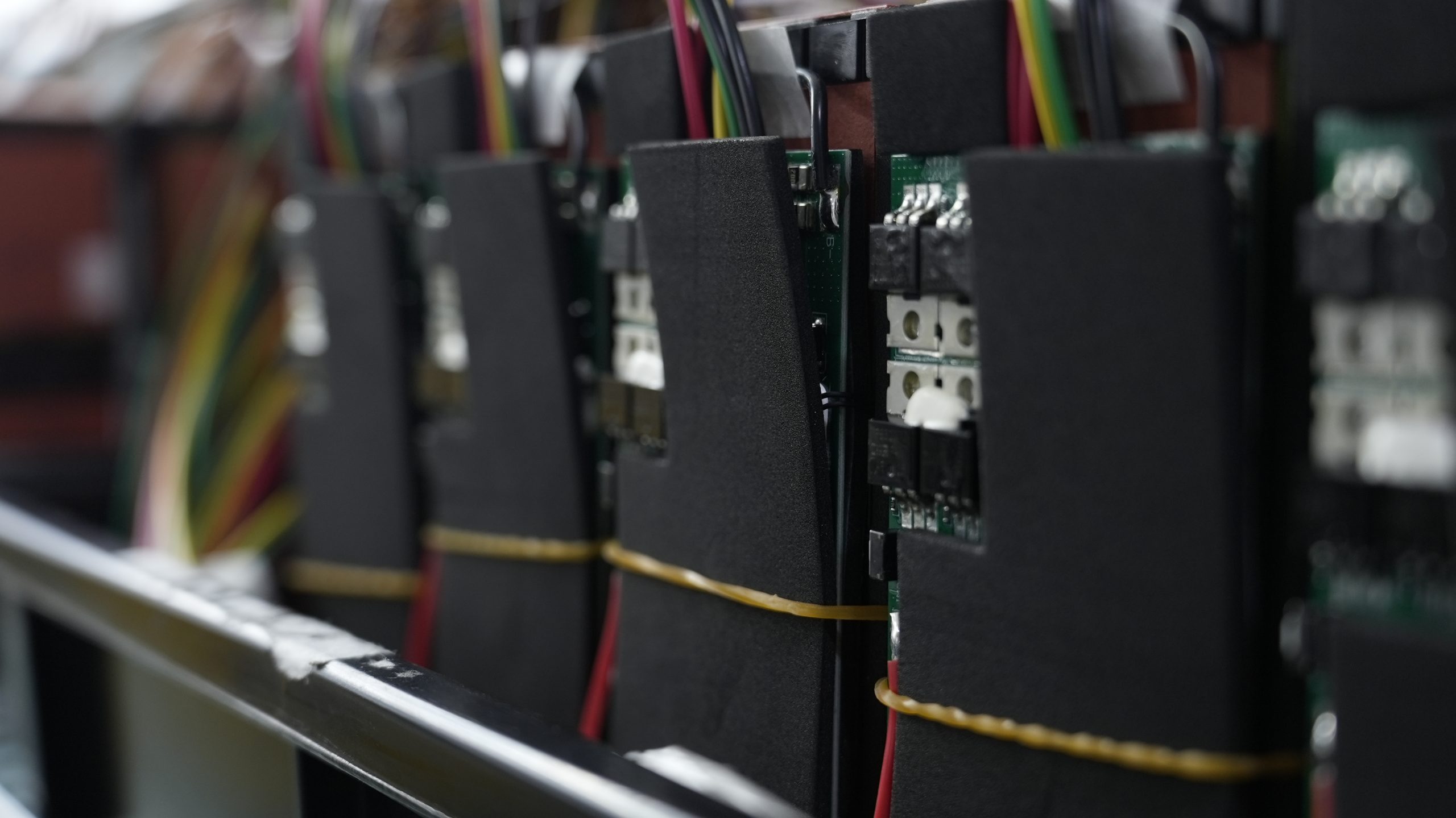
You need to match battery capacity and voltage to your fishing tool’s demands. Electric fishing reels usually draw 2–3 amps during normal operation. The amp draw changes with load, speed, and the size of the fish. Battery capacity, measured in amp-hours (Ah), determines how long your tool can run. For example, a 100 Ah battery powering a 25-amp motor gives you about 4 hours of runtime. Higher voltage systems improve efficiency and may extend runtime, especially when motors run at lower speeds.
Fish finders drawing 1A for 8 hours need an 8Ah battery.
Smaller units like the Garmin Striker 4 work well with 7Ah to 10Ah batteries, offering 10 to 20 hours of runtime.
Larger systems may require 30Ah to 50Ah batteries for 6 to 10 hours of operation.
Choosing the right battery size prevents power loss and protects sensitive electronics. Custom Lithium Battery Design helps you optimize runtime and performance for your specific fishing tools.
2.2 Weight and Portability
You want a battery that is easy to carry and install. Lithium batteries weigh less than half of lead-acid batteries. This lighter weight improves maneuverability and makes transport easier, especially for anglers using kayaks or canoes. You can access shallow waters and move your battery for charging or storage without hassle.
Lighter batteries enhance portability.
You can handle your gear with less effort.
Transporting batteries becomes simple and efficient.
2.3 Environmental and Safety Factors
Outdoor fishing requires batteries that withstand harsh conditions. Reliability, longevity, and waterproofing are essential. You must follow strict standards to ensure safety and performance.
Standard/Requirement | Description |
|---|---|
ABYC E-13 | Installation of lithium batteries on boats after July 31, 2023 |
Battery Capacity | Applies to batteries of 600-watt hours or greater (50Ah for 12V systems) |
BMS Requirement | All battery systems must include a Battery Management System (BMS) |
Testing Standards | IEC, SAE, and UL testing required |
IP Rating | IP65 or higher recommended for moisture and dust protection |
Custom Lithium Battery Design meets these requirements and adapts to specialized uses like slow pitch jigging, where waterproofing and runtime are critical.
Tip: Always check your battery’s IP rating and BMS features before using it in outdoor environments.
Part3: Lithium Battery Chemistries
3.1 NMC Advantages
You want a battery chemistry that delivers high energy in a compact package. NMC (Nickel Manganese Cobalt) batteries offer excellent energy density and specific power, making them ideal for electric fishing tools that need strong, lightweight power sources. You can see how NMC compares to other popular chemistries in the table below:
Feature | NMC Batteries | LiFePO4 Batteries | LCO Batteries | LMO Batteries | Solid-State | Lithium Metal |
|---|---|---|---|---|---|---|
Energy Density | High | Moderate | High | Moderate | Very High | Highest |
Specific Power | Excellent | Good | Moderate | High | High | High |
Cycle Life | Moderate | Long | Short | Moderate | Long | Long |
Safety | Moderate | High | Moderate | Moderate | Very High | Moderate |
Application Example | Electric reels, e-bikes | Trolling motors, stationary storage | Consumer electronics | Power tools | R&D, premium tools | R&D, premium tools |
NMC batteries give you the power to run high-demand tools without adding bulk. This advantage supports Custom Lithium Battery Design for fishing applications where space and weight matter.
3.2 Performance and Safety
You need reliable performance and safety when you use electric fishing tools outdoors. NMC chemistry provides high capacity and power output, which means your tools run longer and stronger. The high power output also helps extend battery life by allowing efficient energy use during discharge. You find NMC batteries in e-bikes, medical devices, and energy storage systems, showing their versatility.
Safety features play a key role in lithium battery packs. Most packs include a Battery Management System (BMS) that monitors voltage and temperature. This system prevents overheating and short circuits. Waterproof designs protect the battery from water intrusion, which can cause corrosion or BMS failure. These features help you avoid dangerous situations like thermal runaway and keep your fishing trips safe.
Tip: Always choose battery packs with a BMS and a high IP rating for outdoor fishing.
3.3 Maintenance and Lifespan
You want batteries that last and require little maintenance. LiFePO4 batteries stand out for their safety, lightweight design, and durability. They offer better thermal stability, which reduces the risk of overheating. You should check your batteries regularly for physical damage, corrosion, or frayed cables to ensure long life.
Lithium batteries often last over 5 years.
They recharge quickly and perform well in cold weather.
Regular maintenance checks help prevent unexpected failures.
Lithium technology is changing marine and fishing applications by providing lightweight, long-lasting power. Custom Lithium Battery Design lets you select the best chemistry for your needs, balancing energy, safety, and lifespan for every fishing trip.
Part4: Selection Criteria
4.1 Voltage, Capacity, Discharge Current
You must select the right voltage, capacity, and discharge current for your electric fishing tools. These criteria determine how well your battery pack powers your equipment. You need to match the battery voltage to your boat’s electrical system. This ensures compatibility and optimal performance. Capacity depends on the power consumption of your trolling motor and other electronics. Discharge current must be high enough for your equipment to operate without interruptions.
Criteria | Explanation |
|---|---|
Battery Voltage | Match your boat’s electrical system for compatibility and performance. |
Battery Capacity | Determine based on the power needs of your trolling motor and electronics. |
Discharge Current | Ensure sufficient current for high-power equipment to avoid interruptions. |
Battery Size | Reflect the size of your boat for effective trolling motor operation. |
Environmental Resistance | Choose batteries that perform well in various weather conditions. |
You should also consider the battery management system (BMS). A BMS protects your battery from overcharging, overheating, and short circuits.
4.2 Portability and Durability
You need batteries that are easy to carry and withstand harsh environments. Portability matters when you move your gear between boats, kayaks, or fishing spots. Lightweight batteries make transport simple. Durability ensures your battery lasts through repeated use and exposure to water, dust, and temperature changes.
Choose batteries with high IP ratings for moisture and dust protection.
Select models with rugged casings and secure connectors.
Look for batteries with long cycle life for better value and reliability.
4.3 Quick Selection Guide
You can use a quick selection guide to match battery models to your fishing tool requirements. Different fishing scenarios need different battery specifications.
A 5000 mAh battery pack with electric reels for jigging gives you about 180 drops on a single charge. This capacity is ideal for anglers targeting fast-moving species.
Electric reels help you cover large areas of the water column. Lightweight battery packs improve effectiveness in these scenarios.
Amp-hour capacity shows how long a battery can power your device. You need enough runtime for your fishing trips.
Weight affects portability. Lighter batteries work best in small boats and kayaks.
Cycle life indicates battery longevity. Higher cycle life means better quality and long-term value.
Quick Steps for Selecting the Right Battery:
Assess the energy requirements of your fishing equipment, including fish finders and trolling motors.
Evaluate the size and weight of the battery to ensure a good fit in your boat or kayak.
Check charging capabilities. Look for fast charging options compatible with your equipment.
Assess durability and build quality for harsh fishing environments.
Consider safety features like overcharge protection and thermal management.
Research the brand and warranty for reliability and support.
4.4 Expert Tips and Mistakes
You can avoid common mistakes by following expert advice. Use the right charger designed for lithium batteries. This ensures faster charging and better performance. Monitor the charging process and disconnect the battery when it reaches about 80%. This prevents dangerous overcharging. Charge your battery in comfortable conditions. Avoid extreme temperatures to maintain battery health.
Common Mistakes Table:
Mistake | Description |
|---|---|
Charging in freezing temperatures | Charging in cold conditions causes condensation, which harms the battery. |
Water ingress | Water reacts with lithium, causing dangerous reactions and battery damage. |
Depleting the battery too much | Fully discharging a lithium battery leads to chemical breakdown and reduced battery life. |
Tip: Always check the battery’s IP rating and BMS features before use. Select batteries with Custom Lithium Battery Design for the best fit and performance in electric fishing tools.
You gain efficiency and reliability when you choose Custom Lithium Battery Design for electric fishing tools. Lightweight packs deliver steady power and longer lifespan outdoors. The table below shows how these features improve your fishing experience.
Feature | Benefit |
|---|---|
Lighter Weight | Easier handling |
Reliable Power | Consistent performance |
Longer Lifespan | Fewer replacements |
Faster Charging | More time fishing |
You should consult battery experts. They help you define energy needs and create solutions that fit your unique requirements.
FAQ
What is the best lithium battery chemistry for electric fishing tools?
You should choose NMC batteries. NMC offers high energy density and lightweight design.
How do I determine the right battery capacity for my fishing tool?
Are custom lithium battery packs waterproof?
Most custom lithium battery packs for fishing tools have waterproof ratings like IP65 or higher. Always check the product’s IP rating before use in wet environments.
Can I use one battery pack for multiple fishing devices?
Yes, you can use one battery pack for several devices if the voltage and current match each device’s requirements. Use parallel connections for longer runtime, but always confirm compatibility.
How do I maintain lithium batteries for longer life?
Store batteries in a cool, dry place. Charge them with the correct charger. Avoid full discharges. Regularly inspect for damage or corrosion. These steps help extend battery lifespan.


