

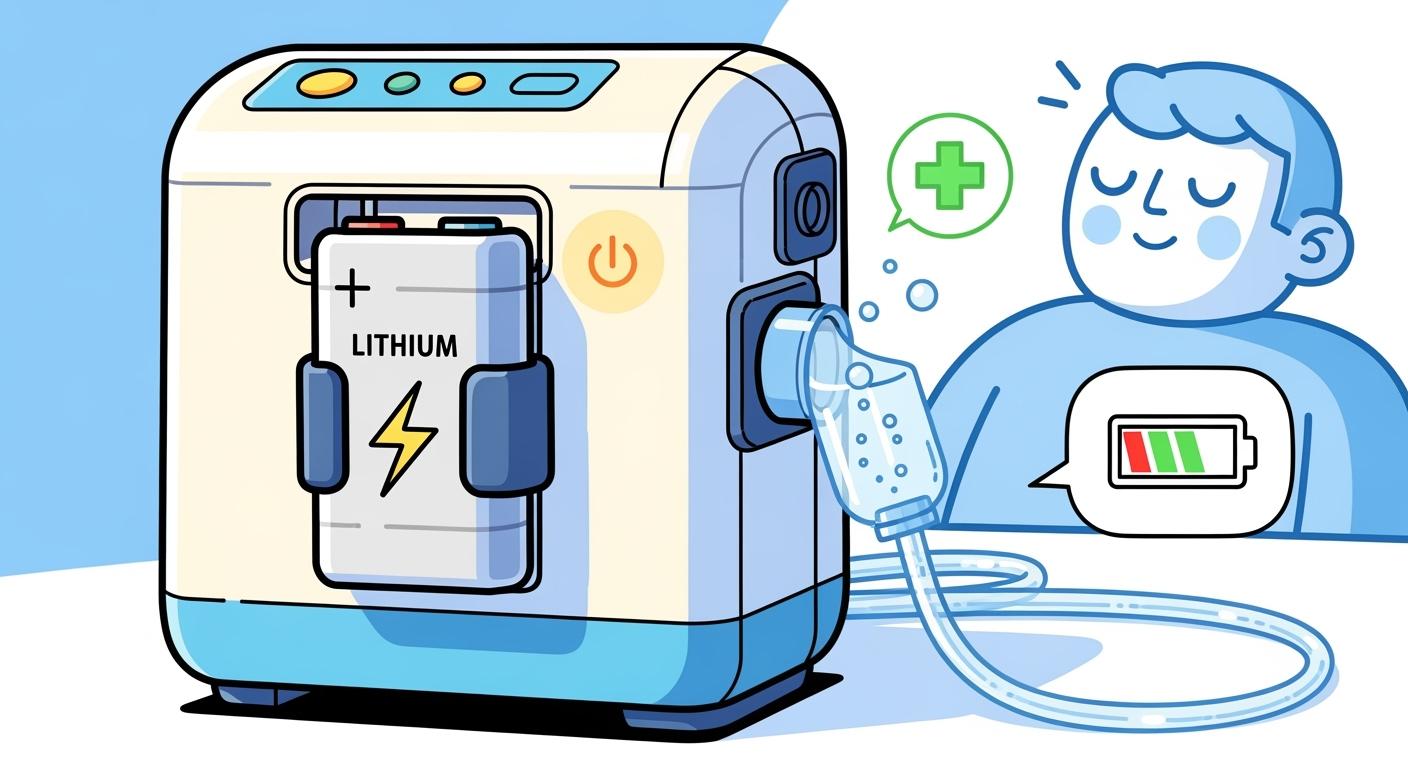
You depend on medical-grade lithium battery packs to ensure reliability in oxygen concentrators. In healthcare, uninterrupted oxygen therapy saves lives. Medical-grade lithium battery packs stand out as the backbone of critical medical devices, supporting reliable operation and boosting medical equipment reliability. Healthcare facilities require battery-powered equipment that meets strict standards. Advanced battery technology addresses reliability and safety issues in healthcare, making medical-grade lithium battery packs essential for healthcare professionals. Healthcare organizations trust these solutions to keep healthcare operations running smoothly. Medical-grade lithium battery packs set the standard for healthcare performance. Healthcare teams rely on these batteries to maintain healthcare services. Healthcare environments demand consistent power, and medical-grade lithium battery packs deliver. Healthcare providers gain peace of mind with dependable battery solutions. Healthcare infrastructure benefits from extended runtime and stable output. With medical-grade lithium battery packs, healthcare systems achieve higher reliability. Healthcare professionals value the reduced maintenance needs. Healthcare relies on battery innovation for daily operations. Healthcare settings count on these batteries for optimized care.
Key Takeaways
Medical-grade lithium battery packs provide high energy density, ensuring longer runtimes for oxygen concentrators. This feature is crucial for uninterrupted patient care during emergencies.
Advanced safety features in these battery packs, such as intelligent alert systems and robust construction, enhance reliability and protect both devices and patients.
Choosing certified battery packs with ISO standards reduces risks and supports compliance, ensuring safe and efficient operation in healthcare settings.
Part 1: Medical-Grade Lithium Battery Packs and Reliability
1.1 High Energy Density for Longer Runtime
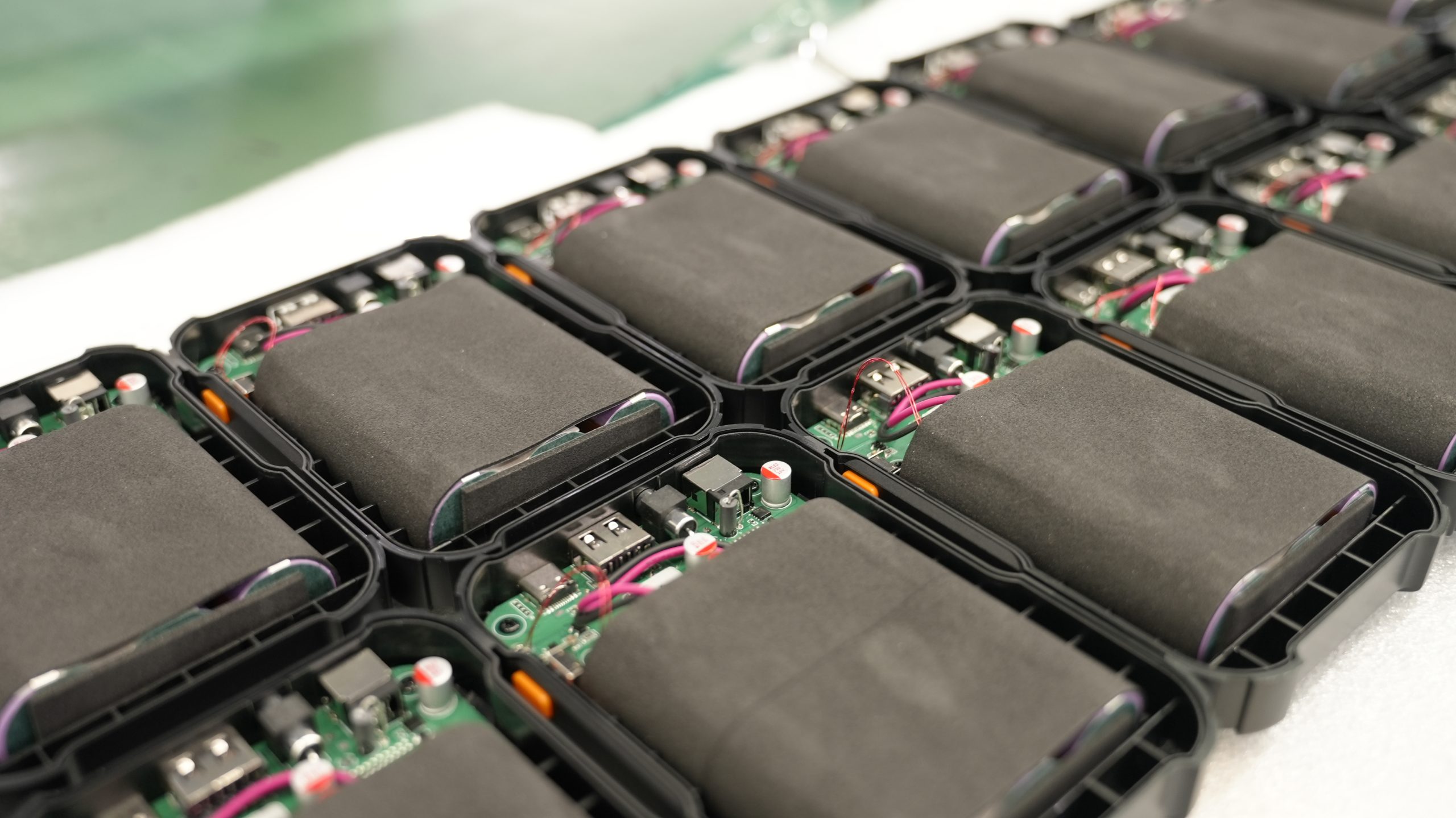
You need oxygen concentrators that deliver consistent power and extended runtime in demanding medical environments. Medical-grade lithium-ion battery pack design provides high energy density, which directly supports longer runtime and fewer recharges. This advantage ensures that your concentrator can operate through long shifts, patient transfers, and emergency situations without power interruptions.
Note: High energy density means you get more power from a smaller, lighter battery pack. This is essential for portable concentrators used in hospitals, clinics, and remote healthcare settings.
Here is a comparison of typical energy density values for common lithium battery chemistries used in medical-grade battery pack design:
Battery Type | Energy Density Range (Wh/kg) |
|---|---|
200–300 | |
18650 Li-ion (NMC) | 180–250 |
A higher energy density in your lithium-ion battery pack design leads to several operational benefits:
You achieve longer runtime for your concentrator, optimizing both battery capacity and efficiency.
Advanced lithium-ion battery pack design supports sustained runtime, even at high oxygen flow rates.
Consistent power delivery ensures stable oxygen output, which is critical for uninterrupted therapy.
In real-world applications, you can expect the following average runtime from medical-grade lithium-ion battery pack design in oxygen concentrators:
Application | Average Runtime (Hours) |
|---|---|
Aerospace & Aviation | 8–12 |
Underwater Systems | 6–10 |
Emergency Response | 10–15 |
Military Operations | 12–20 |
Remote Healthcare | 15–24 |
For portable concentrators, the average runtime typically ranges from 4 to 10 hours, depending on the model and usage. A deep-cycle lithium-ion battery pack design can deliver over 8 hours of continuous power, which is crucial for maintaining reliability during outages or transport.
1.2 Low Failure Rate and Consistent Performance
You require reliable performance from every battery pack design in your oxygen concentrator fleet. Medical-grade lithium-ion battery pack design offers a low failure rate, which enhances reliability and patient safety. This reliability is essential for critical care, where power interruptions can compromise therapy and patient outcomes.
Key performance metrics for medical-grade lithium-ion battery pack design include:
Performance Metric | Description |
|---|---|
High energy density | Supports compact designs without compromising performance. |
Long cycle life | Ensures consistent operation and reduces maintenance costs. |
Stable performance | Reliable operation even under continuous usage. |
Safety & protection | Essential for life-critical devices. |
Lightweight & portable | Enables mobility for home care and portable healthcare solutions. |
A robust battery pack design protects internal components from damage, ensuring device stability. Intelligent alert systems notify you of low battery or device issues, allowing timely intervention and preventing therapy disruption. Reliable batteries maintain consistent oxygen delivery, which is critical for uninterrupted therapy and patient safety.
Proper maintenance and monitoring of battery health are essential to avoid power interruptions in oxygen therapy. You should recognize signs of battery deterioration and seek manufacturer support for replacements. This practice helps maintain the effectiveness and safety of your portable concentrator fleet.
Tip: Choose battery pack design with built-in safety features and advanced BMS (Battery Management System) to maximize battery safety and reliability in your oxygen concentrator applications.
Medical-grade lithium-ion battery pack design sets the standard for reliability in healthcare. You benefit from extended runtime, consistent power, and advanced safety features that support critical operations in hospitals, clinics, and remote care environments.
Part 2: Safety and Portability in Oxygen Concentrators
2.1 Advanced Safety Features in Battery Packs
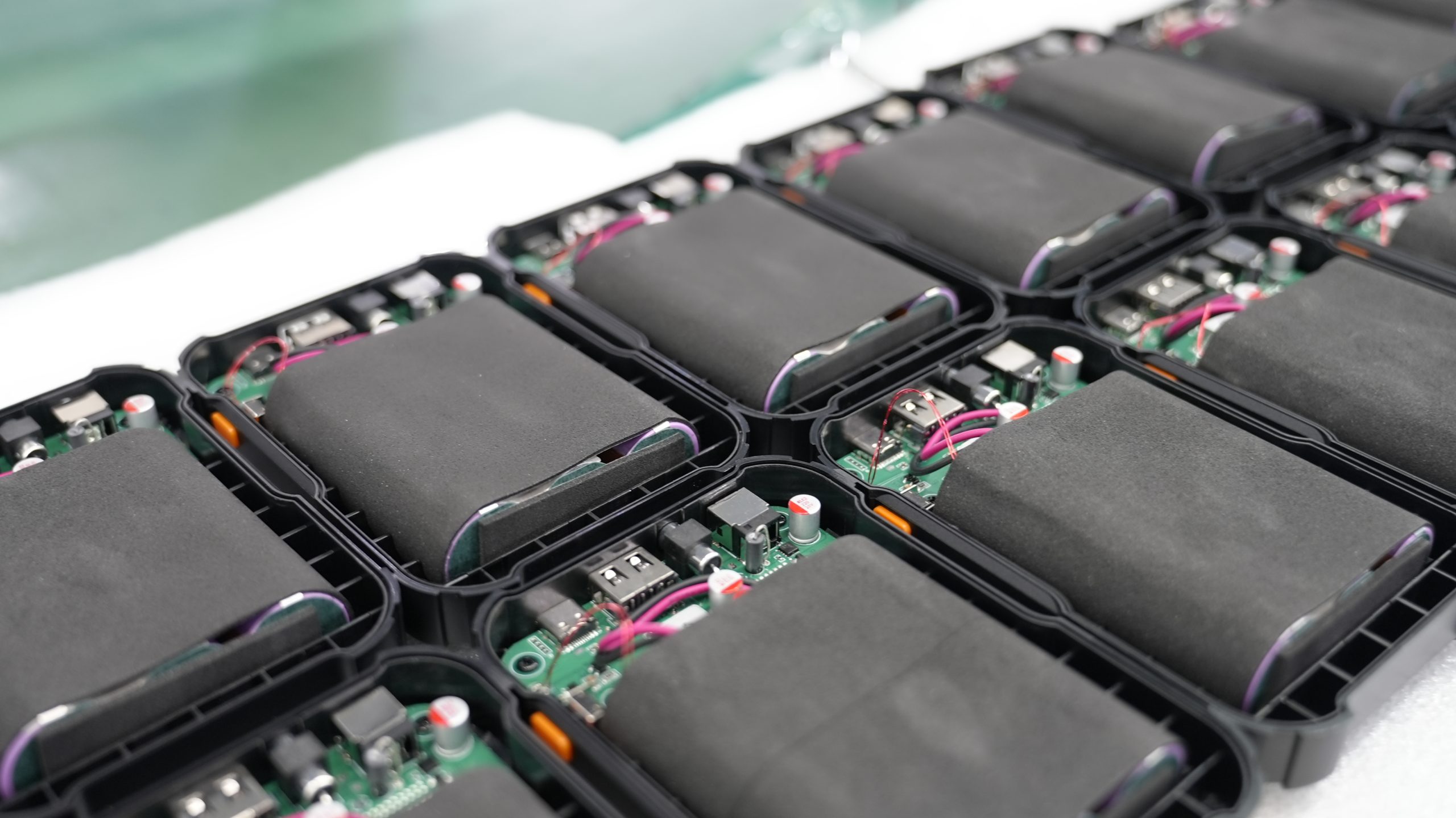
You must prioritize safety when selecting a portable oxygen concentrator for clinical or industrial use. Medical-grade lithium battery packs integrate advanced safety mechanisms to reduce operational risks and ensure device reliability. These packs use robust construction, intelligent alert systems, and smart Battery Management Systems (BMS) to monitor voltage, temperature, and charge state. This technology prevents overcharging and overheating, which is critical for backup systems in healthcare environments.
Feature | Description |
|---|---|
Robust construction | Shields internal components from damage, ensuring durability. |
Intelligent alert systems | Provides timely maintenance alerts to prevent device malfunction. |
Smart Battery Management Systems | Monitors voltage, temperature, and charge state to enhance safety. |
Compliance with safety standards | Ensures adherence to regulations, building trust in medical applications. |
Dedicated safety devices, such as protection vents and current fuses, help manage current fluctuations and mitigate risks like thermal runaway. You benefit from compliance with safety standards such as IEC 60601-1, IEC 62133, and UL 1642, which are essential for regulatory compliance and sustainability. These certifications ensure your backup systems meet the highest safety requirements.
2.2 Portable Oxygen Concentrator Performance
You require a portable oxygen concentrator that delivers both high performance and ease of use. Lightweight, high-capacity lithium battery packs allow you to design compact devices that support extended runtime and mobility. For example, models like the Caire Freestyle Comfort with an 8-cell battery weigh only 5 lbs and provide up to 13 hours of battery life.
Model | Dimensions (inches) | Weight (lbs) | Battery Life (hours) |
|---|---|---|---|
Caire FreeStyle Comfort (8-cell) | 7.3 x 3.1 x 10 | 5 | 13 |
Caire FreeStyle Comfort (16-cell) | 7.3 x 3.1 x 11 | 6 | 13 |
Inogen One G5 | 7.19 x 3.26 x 8.15 | 4.7 | 13 |
You improve patient mobility and satisfaction by integrating portable oxygen concentrators with high-capacity batteries. Enhanced portability leads to better adherence to therapy and higher patient satisfaction, reflecting positively on your healthcare operations. Maintenance-free battery packs with sealed, spill-proof designs simplify upkeep and support regulatory compliance. Quick, plug-and-play replacement keeps your staff focused on patient care and ensures reliable backup during emergencies.
By choosing battery packs that meet compliance and safety standards, you reduce risk, streamline integration, and support sustainability goals. This approach ensures your portable oxygen concentrator fleet remains safe, efficient, and ready for any scenario.
You enhance concentrator reliability, safety, and portability by choosing medical-grade lithium battery packs. See the main benefits below:
Benefit | Description |
|---|---|
Faster Charging | Reduces downtime for patient care. |
Longer Lifespan | Lowers replacement frequency, supporting continuous care. |
Consistent Power Output | Ensures uninterrupted concentrator operation for patient safety. |
Built-in Safety Features | Protects both device and patient during care delivery. |
Select certified packs with ISO13485 or ISO9001 standards. For integration, follow these steps:
Confirm exact concentrator model and revision.
Request technical datasheet and user manual.
Verify certifications and warranty terms.
Review return policy and lead time.
Test samples and confirm packaging.
Validate contract terms and after-sales support.
Maintain batteries by following manufacturer guidelines, inspecting terminals, and storing in proper conditions. You reduce long-term costs and improve patient care by investing in reliable battery solutions for every concentrator.
FAQ
What certifications do medical-grade lithium battery packs from Large Power offer?
You receive battery packs certified to IEC 60601-1, IEC 62133, and UL 1642 standards. These certifications ensure compliance and safety for medical and industrial applications.
How can you customize lithium battery packs for oxygen concentrators?
You can request tailored solutions from Large Power. Visit Custom Battery Solution for consultation and technical support.
Tip: Customization improves device integration and operational efficiency in healthcare, robotics, and security systems.
What is the typical lifespan of a medical-grade lithium battery pack?
You achieve 800–1200 charge cycles with proper maintenance. This lifespan supports continuous operation in medical, infrastructure, and industrial environments.


