

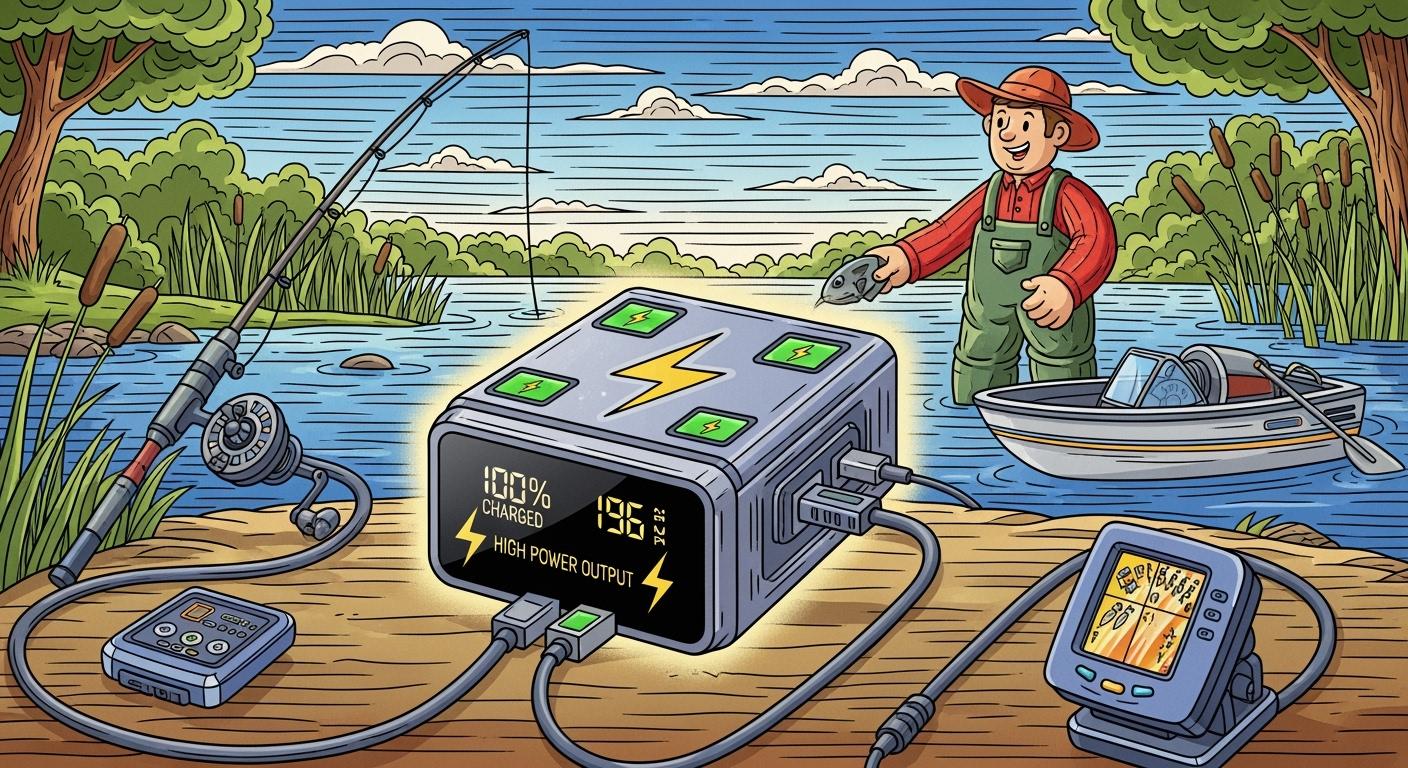
You demand reliable solutions for electric fishing equipment in your operations. High-Performance Battery Packs deliver lightweight design and long-lasting power, which reduce downtime and boost productivity. You benefit from advanced lithium technologies like NMC, which offer compatibility with top reel brands such as DAIWA and SHIMANO. Choosing the right battery pack supports efficiency in professional and commercial fishing.
Key Takeaways
High-Performance Battery Packs enhance efficiency with longer run-times and consistent voltage, improving your fishing productivity.
Choose lightweight lithium batteries for easy transport and installation, reducing fatigue during long fishing operations.
Fast charging capabilities allow for quick recharges, minimizing downtime and ensuring you stay powered during unpredictable fishing schedules.
Evaluate battery capacity and energy density to ensure your equipment operates effectively without adding unnecessary weight.
Prioritize safety by selecting batteries with integrated protection circuits and compliance with industry standards for reliable performance.
Part1: High-Performance Battery Packs Benefits
1.1 Efficiency Boost
You can achieve greater operational efficiency with High-Performance Battery Packs designed for electric fishing equipment. Lithium battery chemistries such as NMC deliver unmatched power output and convenience. These batteries provide longer run-times compared to traditional lead-acid options. You will notice improved speed and responsiveness in your electric reels, which translates to more productive fishing sessions.
High-Performance Battery Packs supply consistent voltage, ensuring your equipment operates at peak performance.
Lightweight construction enhances the mobility of your gear, reducing fatigue during long operations.
Compatibility with leading brands like DAIWA and SHIMANO means you can upgrade your systems without concern for integration issues.
The MarCum Brute 12V 10ah battery has more power than standard equipment, offering amplified run-time due to lithium chemistry, which translates to power measured in days, not hours.
You can also find these advanced battery packs in medical devices, robotics, security systems, and industrial automation, where efficiency and reliability are critical.
Comparison of Lithium Battery Chemistries
Chemistry | Energy Density (Wh/kg) | Cycle Life (cycles) | Safety Level | Typical Applications |
|---|---|---|---|---|
LiFePO4 | 90–120 | 2000–4000 | High | Electric fishing, medical, industrial, solar |
NMC | 150–220 | 1000–2000 | Medium | Robotics, EVs, consumer electronics |
LCO | 150–200 | 500–1000 | Low | Consumer electronics, cameras |
LMO | 100–150 | 300–700 | Medium | Power tools, security systems |
1.2 Extended Runtime
You need batteries that last through demanding, full-day fishing operations. High-Performance Battery Packs with lithium chemistry offer extended runtimes, so you do not have to worry about power loss during critical moments.
Users report no reduction in capacity even after deep discharges, unlike lead-acid batteries that may fail during long fishing days.
The flat voltage discharge curve of lithium batteries ensures consistent performance, allowing for reliable control of trolling motors throughout the day.
Lithium batteries provide a lighter and longer-lasting power source, which is beneficial for maximizing time on the water.
A 50Ah lithium battery can support various devices on a boat, allowing for extended use without frequent recharging.
You will also find these batteries supporting continuous operation in infrastructure monitoring, medical equipment, and industrial robotics, where downtime is not an option.
1.3 Fast Charging
You can minimize downtime with fast charging capabilities. High-Performance Battery Packs recharge up to four times faster than traditional lead-acid batteries. A typical LiFePO4 battery can reach full charge in just a few hours.
Fast charging enables quick recharging during short stops, which is essential for fishing vessels with unpredictable schedules.
This capability provides flexibility in energy demands, allowing you to operate efficiently without the risk of depleting power at sea.
Compatibility with existing charging equipment ensures a seamless experience.
You will see similar fast-charging requirements in security systems and consumer electronics, where rapid turnaround is essential.
1.4 Portability
You benefit from the lightweight and compact design of lithium battery packs. These batteries are significantly lighter than traditional options, making them easy to transport and install. This reduction in weight not only facilitates easier handling but also improves the overall efficiency of your vessel or equipment.
Lithium batteries enhance mobility for field teams in fishing, medical, and industrial sectors. Their rapid charging capabilities enable you to recharge during short breaks, maximizing operational time.
Tip: Choose battery packs with ergonomic handles and robust casings for added convenience and durability in harsh environments.
If you want to learn more about sustainable battery solutions, visit Our Approach to Sustainability.
Part2: Battery Pack Features
2.1 Capacity & Energy Density
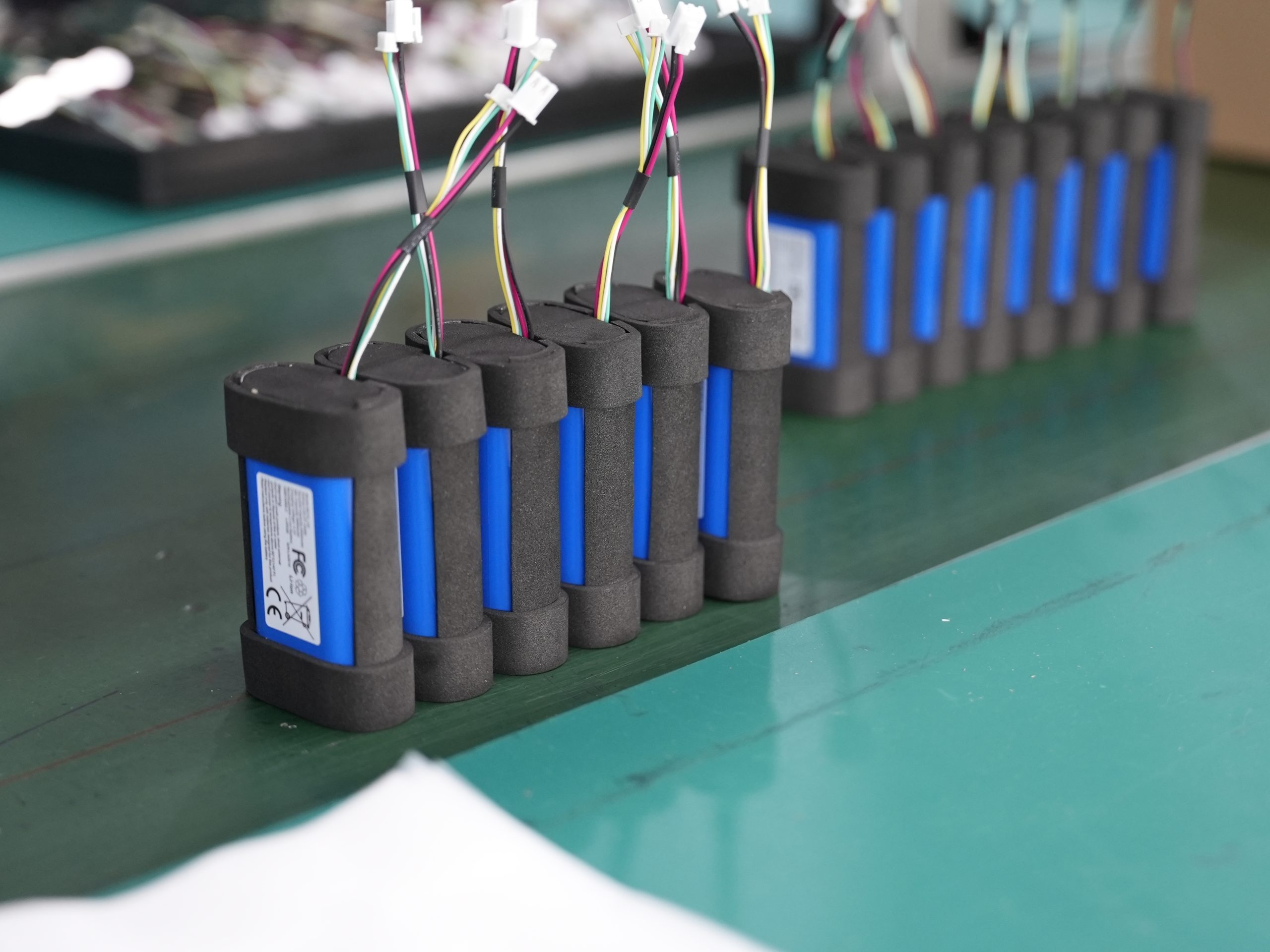
You need to evaluate both capacity and energy density when selecting battery packs for electric fishing equipment. Capacity, measured in ampere-hours (Ah) or milliampere-hours (mAh), determines how long your equipment can operate before recharging. Energy density, expressed in watt-hours per kilogram (Wh/kg), reflects how much energy you can store in a given weight. High energy density means you can power your devices longer without adding bulk.
You will find that advanced lithium chemistries like LiFePO4 and NMC offer superior energy density and longer cycle life compared to traditional lead-acid batteries. This advantage is critical for applications in medical devices, robotics, and industrial automation, where compact size and long runtime are essential.
Tip: Choose battery packs with voltage options such as 12V or 14.8V to match the requirements of your electric reels and other equipment.
Advanced lithium technologies also deliver higher amp-hour ratings at lower weights and longer lifespans:
Battery Type | Amp-Hours | Weight (lbs) | Lifespan (cycles) | Charge Time |
|---|---|---|---|---|
Lead-Acid (31-series) | 105 | 60 | 400 | Standard |
Lithium (LiFePO4) | 125 | 33.6 | 4000 | 4x faster |
You can see that lithium batteries provide more energy in a smaller, lighter package. This feature benefits not only electric fishing but also medical, security, and infrastructure monitoring systems.
2.2 Durability & Weather Resistance
You must consider durability and weather resistance for battery packs used in outdoor and marine environments. High-Performance Battery Packs often comply with international safety standards such as UL, CE, and RoHS. These certifications show that the batteries have passed rigorous safety and performance tests.
Look for batteries that comply with UL, CE, and RoHS standards.
These certifications ensure reliability in demanding conditions.
You will encounter harsh weather, including high humidity and low temperatures, during fishing operations. High-quality lithium batteries resist cold effects better than lower-grade cells. However, cold conditions can still reduce capacity, especially below zero degrees Celsius. High humidity may cause terminal corrosion, which can affect battery efficiency and lead to failure.
Cold weather can cause faster discharge rates and lower capacity.
High humidity can corrode terminals and reduce battery life.
Storing batteries at sub-zero temperatures may cause material cracking and loss of storage capacity.
You can rely on certified lithium battery packs for consistent performance in medical, robotics, and industrial fieldwork, where durability is essential.
2.3 Weight & Size
You gain a significant advantage with lithium battery packs due to their compact size and light weight. These features make handling, transport, and installation much easier, especially in field operations. For example, a typical 14.8V 10Ah battery compatible with DAIWA and SHIMANO reels weighs only 1.6 lbs (730g) and measures just 2″ x 2″ x 7.5″.
Specification | Details |
|---|---|
Voltage | 14.8V |
Capacity | 10Ah (120Wh) |
Size | 2″ x 2″ x 7.5″ |
Weight | 1.6 lbs (730g) |
Compatibility | Daiwa Tanacom 1000, Shimano Beastmaster 3000, Seaborg electric reels |
The lightweight design makes batteries easy to handle and transport.
Compact size allows for efficient storage and integration into various equipment.
You will find these advantages valuable in medical, security, and consumer electronics sectors, where portability and space-saving are priorities.
2.4 Safety
You must prioritize safety when choosing lithium battery packs for electric fishing equipment. Modern battery packs include integrated protection circuits that guard against overcharge, over-discharge, overcurrent, and short-circuit events. These features help prevent damage and extend battery life.
Integrated protection circuits for overcharge, over-discharge, overcurrent, and short-circuit.
Designed to withstand deep discharge cycles.
Advanced thermal management systems ensure reliable performance in various temperatures.
You should also check for compliance with industry standards. For example, ABYC E-13 covers the installation of lithium batteries on boats. Batteries must meet IEC, SAE, and UL standards, and every system should include a Battery Management System (BMS) for optimal safety and performance.
Standard | Description |
|---|---|
ABYC E-13 | Installation of lithium batteries on boats (effective after July 31, 2023). |
Testing | Must meet IEC, SAE, and UL standards. |
BMS Requirement | All systems require a Battery Management System. |
You will see similar safety requirements in medical, robotics, and industrial applications, where reliability and protection are critical.
Note: Always select battery packs with documented safety certifications and integrated management systems to ensure safe operation in all environments.
Part3: Field Use Considerations

3.1 Performance in Real Conditions
You face many environmental challenges when using battery packs in the field. Saltwater exposure can quickly damage batteries and reduce their lifespan.
Saltwater acts as a corrosive agent and can trigger electrochemical reactions that harm battery components.
Prolonged contact with saltwater leads to corrosion, which weakens the battery’s structure.
The conductivity of saltwater increases the risk of short circuits, which can create safety hazards.
You should always use sealed, marine-grade battery packs and store them in impact-resistant cases. This approach protects your investment and ensures reliable operation in harsh marine environments. Many professionals in medical, robotics, and security sectors also rely on similar protective measures to maintain battery performance.
3.2 Maintenance & Care
Proper maintenance extends the life of your lithium battery packs and keeps your equipment running smoothly.
Allow the battery to reach thermal equilibrium after heavy use before charging. This step prevents internal damage and capacity loss.
Regularly check all connections to ensure a tight fit. Loose connections can cause voltage drops and reduce efficiency.
Follow recommended maintenance protocols to double the cycle life of your battery packs.
After each trip, use a non-conductive spray to neutralize any salt residue and prevent corrosion.
Store batteries in hermetically sealed, impact-resistant cases to protect against humidity.
These steps help you maximize the value of your High-Performance Battery Packs and reduce downtime in the field.
3.3 Equipment Compatibility
You need to match your battery packs with the correct fishing reel models and connectors. The table below shows compatibility data for leading brands:
Brand | Model | Voltage Requirement | Connector Type | Notes |
|---|---|---|---|---|
Daiwa | Tanacom 1000 | Specific voltage plateau | 2-pin / 6-pin | Requires specific electrochemical requirements for optimal performance. |
Daiwa | Tanacom 1200 | Specific voltage plateau | 2-pin / 6-pin | Detailed in the technical guide for powering the Tanacom 1200. |
Shimano | Beastmaster | Different PWM logic | 2-pin / 6-pin | Engineered to mitigate voltage ripples affecting sensitive logic board. |
Shimano | Plays | Different PWM logic | 2-pin / 6-pin | Certified Shimano-compatible battery series available. |
You should always verify voltage and connector compatibility before field deployment. This practice ensures safe and efficient operation, whether you work in fishing, medical, or industrial applications.
3.4 Remote Charging
You may need to recharge your battery packs in remote locations without grid access. Several solutions exist:
Method | Description |
|---|---|
Portable Power Stations | Large lithium-ion batteries with built-in inverters, ideal for off-grid charging. |
Portable Generators | Gas or propane generators, useful when solar options are limited, such as in shaded or winter areas. |
Portable solar chargers like the Blavor 10W, FlexSolar E10 Mini, and BigBlue SolarPowa 14 provide efficient charging in direct sunlight.
The QiSa 38800mAh Qi Wireless can deliver up to 977 mAh in one hour, while the BioLite SolarPanel 5+ generates 543 mAh per hour.
Power banks must match the input voltage of your fishing equipment to avoid draining the battery.
For short trips, a power bank may suffice. For longer operations, solar chargers offer better reliability, but they require direct sunlight.
Tip: Always test your remote charging setup before heading into the field to ensure compatibility and performance.
Part4: Maximizing Efficiency
4.1 Battery Management Tips
You can maximize the efficiency and lifespan of your LiFePO4 or NMC battery packs by following proven management practices. These steps help you maintain reliable power for electric fishing equipment and other professional devices.
Always allow batteries to reach room temperature before charging. Charging a frozen battery can cause permanent damage.
Use chargers designed for LiFePO4 batteries. This ensures the correct voltage and current, which protects your investment.
Keep battery terminals clean and dry. Corrosion can reduce performance and shorten battery life.
Store batteries in a cool, dry place. High temperatures or humidity can reduce capacity and cycle life.
Charge batteries to 100% before long-term storage. Avoid letting them sit at a low charge for extended periods.
Regularly check the charge level during storage. Top up the battery if it drops below 80%.
Tip: Use a charger made for lithium batteries to prevent overcharging and avoid frequent deep discharges.
4.2 Troubleshooting
You may encounter issues with battery packs in the field. Quick troubleshooting helps you avoid downtime and maintain productivity.
Inspect batteries for visible damage before each use. Cracks or swelling indicate a need for replacement.
Disconnect the battery if it becomes too hot during operation or charging.
If you notice reduced runtime, check all connections and ensure the charger matches the battery type.
For persistent issues, review the battery management system (BMS) status. A BMS protects against overcharge, over-discharge, and short circuits.
You will find BMS-equipped batteries, such as 12V 50Ah or 12V 10Ah LiFePO4 packs, used in fish finders, robotics, and medical devices for optimal safety and performance.
4.3 Storage & Transport
You must store and transport lithium battery packs with care to ensure safety and reliability.
Store batteries between 32°F and 77°F in a low-moisture environment.
Use impact-resistant, sealed cases for transport, especially in marine or industrial settings.
Check for secure connections and avoid stacking batteries, which can cause physical damage.
Label battery packs for easy identification and compliance with safety regulations.
Note: Regular maintenance and proper storage protect your battery investment and support uninterrupted operations in fishing, medical, and industrial sectors.
You improve efficiency and usability in electric fishing by selecting high-performance lithium battery packs. You gain reliable power, fast charging, and extended runtime. Industry experts recommend you focus on these factors:
Amp-Hour capacity for longer operation.
Weight and portability for easy transport.
Water resistance and durability for harsh environments.
Cycle life and warranty for long-term value.
Charging options for flexible recharging.
You maximize results by applying best practices and choosing the right battery pack for your operations. Consider these strategies for medical, robotics, security, and industrial applications.
FAQ
What makes NMC battery packs ideal for electric fishing equipment?
NMC battery packs deliver high energy density and long cycle life. You gain reliable power and fast charging. These batteries resist harsh environments, supporting operations in fishing, medical devices, robotics, and industrial automation.
How do you ensure compatibility with leading reel brands?
You match voltage and connector types to your equipment. Manufacturers provide compatibility charts for DAIWA, SHIMANO, and other brands. You verify specifications before deployment to avoid integration issues.
What maintenance steps extend lithium battery pack lifespan?
You clean terminals regularly and store batteries in dry, cool conditions. You use chargers designed for lithium chemistries. Routine inspections prevent corrosion and damage, supporting continuous operation in security systems and infrastructure monitoring.
Can you safely transport lithium battery packs for field operations?
You use impact-resistant, sealed cases. You label battery packs for compliance. You follow safety standards like UL and ABYC E-13. These practices protect batteries during transport in medical, industrial, and robotics applications.
What remote charging solutions work for off-grid fishing operations?
You rely on portable power stations, solar chargers, or generators. You select solutions that match your battery’s voltage and capacity. These options support extended field use in fishing, infrastructure, and consumer electronics.


