

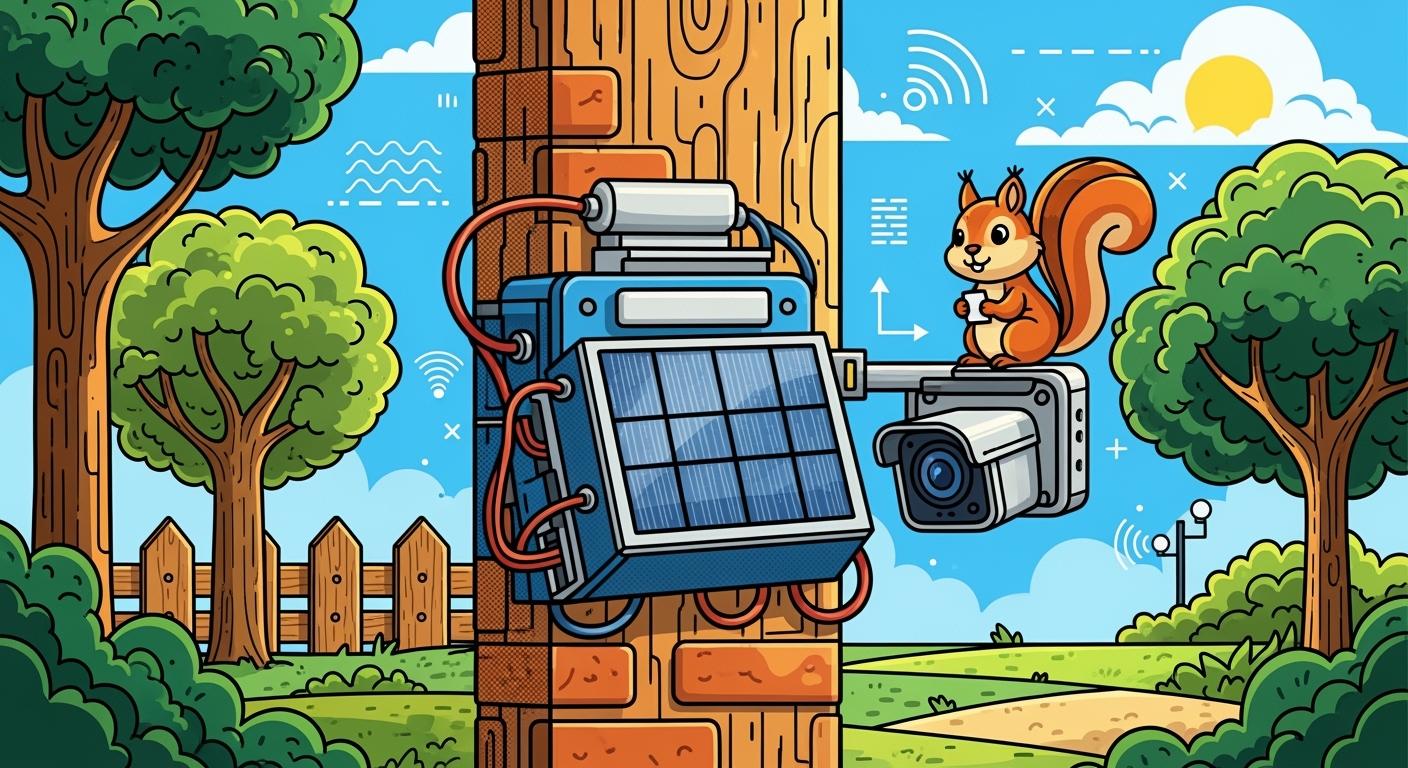
Solar Battery Packs with lithium-based technology help you achieve reliable, wire-free surveillance in outdoor settings. You gain flexibility and independence for monitoring remote or challenging sites. LiFePO4 batteries offer stable chemistry and a built-in Battery Management System that automates protection, so you avoid manual recharging and upkeep. Unlike traditional lead-acid batteries, you do not need to check fluid levels or perform equalization charges. For surveillance cameras, tailored solutions deliver consistent energy and reduce maintenance demands.
Key Takeaways
Solar battery packs offer reliable, wire-free surveillance in remote areas.
Lithium batteries like LiFePO4 provide long life and stable performance.
Solar systems reduce maintenance and operational costs for businesses.
Compact designs allow easy installation and flexible placement options.
Weatherproof enclosures ensure durability in harsh outdoor conditions.
Part1: Custom Solar Battery Packs Overview

1.1 Core Components and Integration
You rely on custom solar battery packs to power surveillance equipment in remote or challenging environments. These systems include several main components:
Solar panels convert sunlight into DC electricity.
A charge controller manages the flow of electricity, protecting the batteries from overcharging or deep discharge. You may use PWM controllers for smaller systems or MPPT controllers for larger, variable sunlight conditions.
Lithium battery packs (LiFePO4) store the energy for use at night or during cloudy weather.
Inverters (if needed) convert DC to AC power for certain devices.
You can integrate these components into a single, compact enclosure. This design streamlines installation and reduces the risk of wiring errors. For example, a tailored solution like the SPB-12.8-3.2 combines all elements for seamless operation with surveillance cameras.
1.2 Role in Surveillance Systems
Solar battery packs enable you to deploy surveillance equipment without relying on grid power. You gain the flexibility to install cameras and sensors in locations where running cables is impractical or impossible. These systems provide continuous monitoring, even during power outages. High-capacity batteries and smart power management ensure reliable performance, even in harsh weather. This approach supports B2B clients who need dependable, low-maintenance security solutions for critical infrastructure, construction sites, or remote assets.
Tip: Integrated solar battery packs reduce installation time and ongoing maintenance, helping you control operational costs.
1.3 Lithium Battery Advantages
Lithium battery chemistries offer significant benefits for surveillance applications. You can compare the main types using the table below:
Chemistry | Platform Voltage (V) | Energy Density (Wh/kg) | Cycle Life (cycles) | Key Features |
|---|---|---|---|---|
LiFePO4 | 3.2 | 90-120 | 6,000-10,000 | Long life, stable, safe |
NMC | 3.7 | 150-220 | 2,000-5,000 | High energy, moderate life |
LCO | 3.7 | 150-200 | 500-1,000 | High energy, short life |
LMO | 3.7 | 100-150 | 1,000-2,000 | Moderate energy, safe |
You benefit from high energy density, stable voltage, and long cycle life, especially with LiFePO4, which lasts up to 10-15 years and supports 6,000-10,000 cycles. These features make lithium battery packs ideal for compact, wire-free surveillance systems that require minimal maintenance and maximum reliability.
Part2: Benefits of Solar Battery Packs for Surveillance
2.1 Energy Independence and Reliability
You need surveillance systems that work around the clock, even in remote or off-grid locations. Solar Battery Packs give you true energy independence. During the day, solar panels collect sunlight and charge the lithium battery pack. At night or during cloudy weather, the stored energy keeps your cameras and sensors running without interruption. You do not have to rely on the electrical grid or worry about power outages.
Many users have shared their experiences with solar-powered surveillance setups. They report that, with the right battery and solar panel configuration, these systems can operate continuously. For example:
A user powered a Wyze Cam with a 36,000mAh solar power bank and achieved reliable performance.
Another user found that a fully charged battery pack worked well for one day, which highlights the importance of proper sizing for continuous operation.
You can achieve even greater reliability by choosing advanced lithium chemistries like LiFePO4. These batteries offer long cycle life (6,000-10,000 cycles), stable voltage, and built-in safety features. You reduce maintenance and avoid manual recharging, which is critical for B2B surveillance deployments in hard-to-reach areas.
Tip: Always match your solar panel and battery capacity to your surveillance system’s power needs for uninterrupted operation.
2.2 Compactness and Wire-Free Operation
You want to deploy surveillance equipment quickly and efficiently. Solar Battery Packs allow you to install cameras and sensors without running long cables or digging trenches. This wire-free approach saves time and labor costs, especially for temporary or mobile monitoring setups.
The compact design of integrated lithium battery packs means you can mount them directly with your surveillance devices. You benefit from:
Lightweight enclosures that are easy to transport and install
Flexible placement options, even on poles, fences, or rooftops
Minimal visual impact, which is important for discreet security
Wireless outdoor cameras paired with Solar Battery Packs operate reliably in off-grid locations. You can monitor construction sites, critical infrastructure, or remote assets without worrying about access to grid power.
Note: Compact, wire-free systems also reduce the risk of vandalism or accidental cable damage.
2.3 Sustainability and Cost Savings
You help your business meet sustainability goals by choosing Solar Battery Packs for surveillance. These systems use renewable solar energy, which reduces your carbon footprint and supports green initiatives. Lithium battery chemistries like LiFePO4 and NMC offer long service life and require less frequent replacement, which means less waste and lower total cost of ownership.
You also save on operational expenses. You do not need to pay for grid electricity or schedule regular battery replacements. Over time, these savings add up, especially for large-scale B2B deployments.
Benefit | Description |
|---|---|
Renewable Energy Source | Uses sunlight, reduces reliance on fossil fuels |
Long Battery Life | LiFePO4: 6,000-10,000 cycles; NMC: 2,000-5,000 cycles |
Lower Maintenance | Fewer replacements, less manual intervention |
Reduced Operating Costs | No grid electricity fees, minimal upkeep |
Supports Green Initiatives | Helps meet corporate sustainability targets |
Callout: Sustainable surveillance solutions not only protect your assets but also support your company’s environmental commitments.
Part3: Design and Integration Considerations
3.1 Size, Capacity, and Scalability
When you design Solar Battery Packs for surveillance, you must consider several key factors to ensure reliable operation:
Size and capacity determine how much energy you can store for continuous equipment use.
Analyze energy consumption patterns to match storage with actual demand.
Coordinate battery size with solar panel output for efficient energy use.
Depth of discharge affects usable capacity and battery lifespan.
Evaluate costs, including initial investment and ongoing maintenance.
You can select from a range of lithium battery pack options, such as V25 (6,400mAh), V50 (12,800mAh), V75 (19,200mAh), V70 IoT (19,200mAh), and V88 (24,000mAh). These choices allow you to scale your system for different surveillance needs.
Tip: Always size your battery and solar panel to handle peak loads and seasonal changes in sunlight.
3.2 Weatherproofing and Durability
Outdoor surveillance systems face harsh environments. You need battery packs that withstand humidity, moisture, and temperature swings. The table below highlights important considerations:
Factor | Impact on Performance and Lifespan |
|---|---|
Humidity and Moisture | Corrosion in connections; moisture can damage management systems |
Weatherproof Rating | IP65 or higher recommended for outdoor use |
Sealing and Drainage | Protects batteries from environmental elements |
Ventilation | Prevents heat buildup and removes gases |
Outdoor Considerations | Requires weatherproof enclosures and thermal management |
Temperature changes can reduce battery capacity in cold weather or shorten lifespan in extreme heat. High humidity may cause corrosion or damage. Choose enclosures with proper sealing and drainage to protect your investment.
3.3 Customization for Surveillance Needs
You can tailor lithium battery packs to meet specific surveillance requirements. The table below shows common customization features:
Feature | Description |
|---|---|
Continuous Power Supply | Keeps security cameras charged using solar energy |
Weatherproof Design | Endures various weather conditions for consistent performance |
Easy Installation | Adjustable brackets and long cables for optimal sunlight exposure |
Low Maintenance | Minimal upkeep, reducing the need for frequent battery changes |
Always On | Maintains output even with low current draw |
Smart Restart | Builds a power buffer before restarting after full discharge |
Select the right capacity and features for your deployment. You can integrate advanced battery management systems for added safety and performance.
3.4 Lithium Battery Safety
Safety is critical for B2B surveillance deployments. Lithium battery packs must meet strict standards and certifications:
Safety Standard/Certification | Description |
|---|---|
UL 9540 | North American standard for energy storage systems |
IEC 62619 + 62477 | International safety and performance standards for batteries |
NFPA 855 | Fire code for energy storage systems |
NEC 2020/2023 Article 706 | National Electrical Code for energy storage systems |
IEEE 1547 | Standard for distributed resource interconnection |
VDE-AR-N 4105 | German standard for grid-connected inverters |
You should always verify compliance with these standards to ensure safe, long-term operation in your surveillance projects.
Part4: Application Scenarios and Implementation
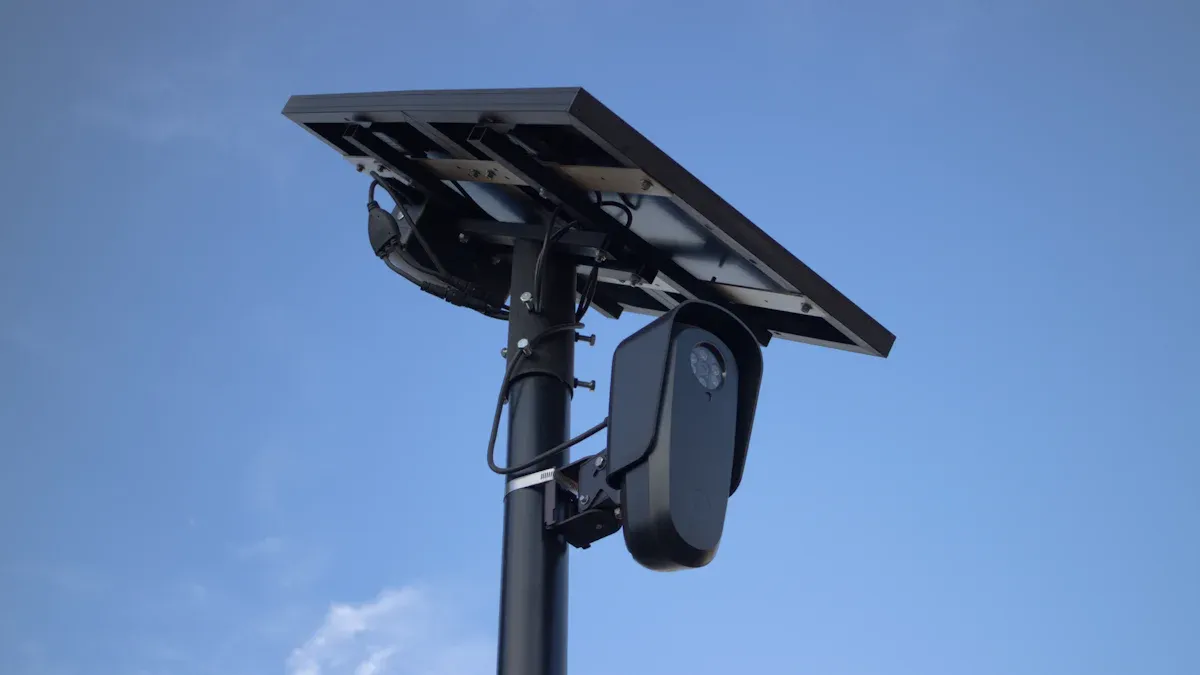
4.1 Outdoor Use Cases
You can deploy lithium battery-powered surveillance systems in many outdoor scenarios. Solar Battery Packs support security operations in remote sites, urban areas, and wildlife reserves. These systems operate independently of the grid, making them ideal for locations where traditional power is unavailable. For example, you can monitor critical infrastructure such as bridges or railways, protect construction sites, or oversee transportation hubs. In the industrial sector, you can use these packs to secure oil fields or mining operations. Medical facilities in remote regions also benefit from reliable surveillance powered by lithium battery packs. In robotics, you can support autonomous monitoring units that patrol large outdoor areas. Consumer electronics and security system integrators use these solutions for scalable, wire-free deployments.
Solar-powered surveillance kits combine solar panels, rechargeable lithium batteries, and wireless communication devices. You gain continuous monitoring and rapid response capabilities in diverse environments.
4.2 Choosing the Right Solar Battery Pack
Selecting the right battery pack for your surveillance setup requires careful planning. You should match the battery chemistry (LiFePO4, NMC, LCO, LMO) to your application’s needs. Consider the platform voltage, energy density, and cycle life for each type. The table below summarizes key technical data:
Chemistry | Platform Voltage (V) | Energy Density (Wh/kg) | Cycle Life (cycles) | Key Features |
|---|---|---|---|---|
LiFePO4 | 3.2 | 90-120 | 6,000-10,000 | Long life, stable, safe |
NMC | 3.7 | 150-220 | 2,000-5,000 | High energy, moderate life |
LCO | 3.7 | 150-200 | 500-1,000 | High energy, short life |
LMO | 3.7 | 100-150 | 1,000-2,000 | Moderate energy, safe |
You should also evaluate camera features such as weather resistance, night vision, and field of view. Wireless setups offer easier installation. Always ensure compatibility between the battery pack, solar panels, and surveillance equipment.
4.3 Installation and Maintenance Tips
Proper installation and maintenance help you achieve reliable performance. Follow these best practices:
Best Practice | Description |
|---|---|
Regular Cleaning | Clean batteries and connections every few months. |
Temperature Management | Keep batteries between 68-77°F for optimal lifespan. |
Careful Charging | Avoid overcharging or deep discharging the battery. |
Consistent Monitoring | Check battery levels often to detect issues early. |
Avoid Complete Drain | Keep batteries above half full when possible. |
Inspect for Corrosion | Look for rust or damage on battery terminals. |
You may face challenges such as inadequate wire gauging, poor state of charge calibration, or environmental stress. Secure mounting and proper electrical connections reduce risks. Use weatherproof enclosures and ensure airflow around the equipment. Regular inspections help you catch problems before they affect system uptime.
Tip: Consistent maintenance and careful installation extend the life of your surveillance system and protect your investment.
Custom integrated solar battery packs with lithium chemistries like LiFePO4, NMC, LCO, and LMO help you meet B2B surveillance demands for reliability, compactness, and sustainability. You gain wire-free, continuous power for smart outdoor monitoring. Many firms have reduced theft and maintenance costs by deploying these solutions. For best results, consider battery capacity, solar panel efficiency, camera power draw, and proper installation. With the right design, you ensure dependable surveillance in any environment.
FAQ
What makes lithium battery packs ideal for outdoor surveillance?
You benefit from lithium battery packs because they offer high energy density, long cycle life, and stable voltage. LiFePO4 and NMC chemistries support reliable, wire-free operation in harsh environments. You reduce maintenance and achieve continuous monitoring.
How do I choose the right lithium battery chemistry for my surveillance system?
You should compare chemistries based on platform voltage, energy density, and cycle life. The table below helps you decide:
Chemistry | Platform Voltage (V) | Energy Density (Wh/kg) | Cycle Life (cycles) |
|---|---|---|---|
LiFePO4 | 3.2 | 90-120 | 6,000-10,000 |
NMC | 3.7 | 150-220 | 2,000-5,000 |
LCO | 3.7 | 150-200 | 500-1,000 |
LMO | 3.7 | 100-150 | 1,000-2,000 |
Can solar battery packs operate in extreme weather conditions?
You can deploy solar battery packs with weatherproof enclosures rated IP65 or higher. These packs withstand rain, dust, and temperature swings. You should select lithium chemistries like LiFePO4 for better thermal stability and longer service life in outdoor environments.
What maintenance do lithium solar battery packs require?
You need minimal maintenance. Clean terminals, check for corrosion, and monitor battery levels regularly. You avoid manual recharging because the solar system manages charging cycles. Proper installation and periodic inspections help you maximize system lifespan.
Are custom lithium battery packs scalable for large surveillance networks?
You can scale custom lithium battery packs to match your network size. Modular designs let you add capacity as your surveillance needs grow. You ensure consistent power delivery across multiple sites by coordinating battery size and solar panel output.


