

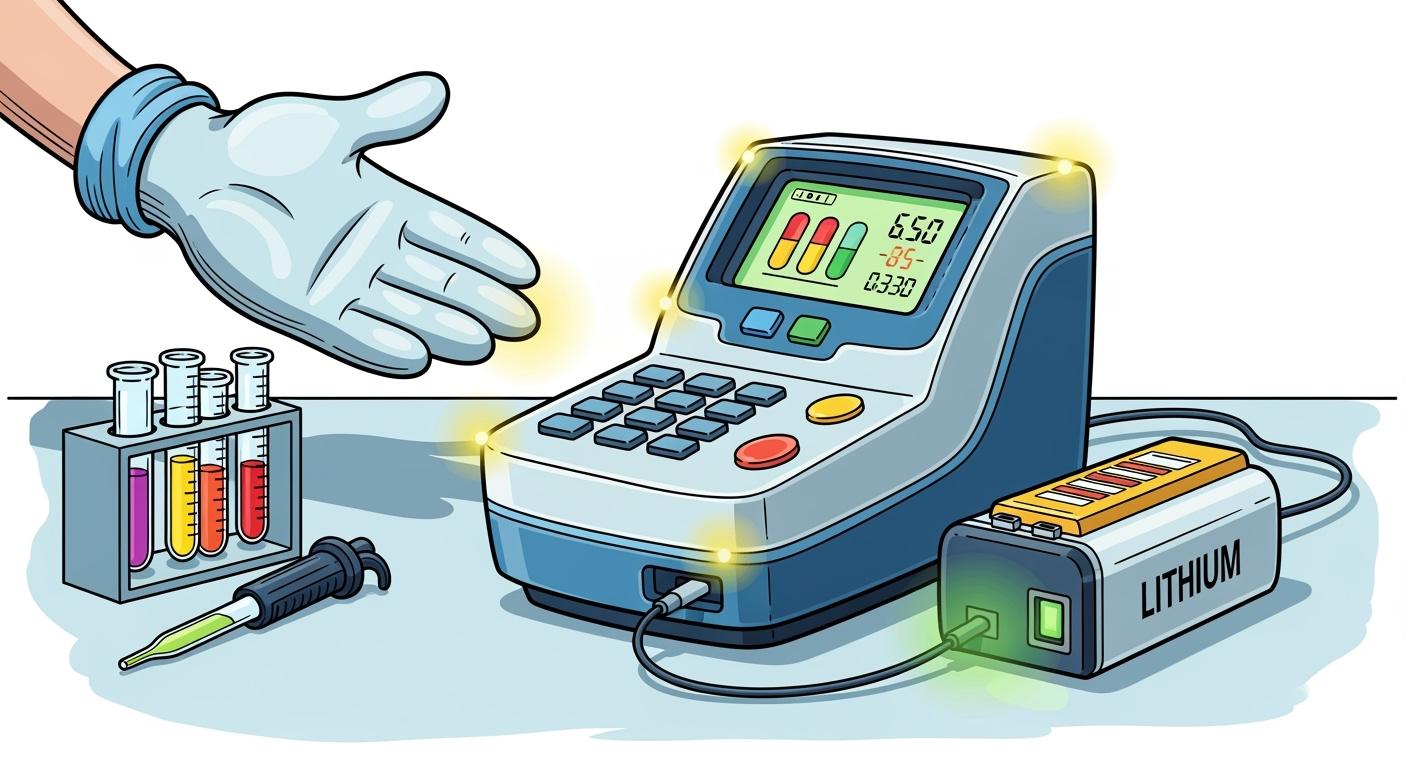
You need reliable power for your portable biochemistry analyzers. Lithium Battery Solution gives you a compact, efficient energy source. With high energy density and long cycle life, these batteries boost performance. See how key features compare:
Feature | Details |
|---|---|
High Energy Density | 150–250 Wh/kg supports compact, long-use devices |
Long Cycle Life | 1,000–3,000 charge cycles for extended lifespan |
Key Takeaways
Lithium battery packs provide high energy density, allowing for compact and lightweight portable analyzers. This design enhances mobility and ease of use in field applications.
Extended runtime of up to 24 hours reduces the need for frequent recharging, ensuring continuous operation and maintaining workflow efficiency in critical tasks.
Stable power delivery from lithium batteries ensures accurate measurements and reliable performance, minimizing disruptions and enhancing data integrity during testing.
Part1: Analyzer Efficiency Challenges
1.1 Power Limitations
You face strict power requirements when you design portable biochemistry analyzers. Traditional battery chemistries, such as nickel-cadmium (NiCd) or lead-acid, often fail to deliver the energy density and reliability you need. These limitations can restrict the runtime of your devices and increase the frequency of battery replacements. You must also consider the weight and size of the battery pack, which can impact the analyzer’s portability and ease of use.
Note: Lithium-ion battery packs offer energy densities between 150–250 Wh/kg, while lead-acid batteries provide only 30–50 Wh/kg. This difference allows you to build lighter, more efficient analyzers.
Battery Chemistry | Energy Density (Wh/kg) | Typical Cycle Life |
|---|---|---|
Lithium-ion | 150–250 | 1,000–3,000 |
Lead-acid | 30–50 | 300–500 |
Nickel-cadmium | 45–80 | 1,000 |
1.2 Impact on Workflow
You rely on consistent analyzer performance to maintain laboratory productivity. Frequent battery changes or unexpected shutdowns can disrupt your workflow and delay critical results. In field applications, these interruptions can compromise sample integrity and data accuracy. Lithium battery solutions minimize downtime by providing stable voltage output and longer runtimes.
If you want to discuss custom lithium battery integration for your analyzers, click here for a consultation.
Part2: Lithium Battery Solution Overview
2.1 Battery Chemistry and Electrolytes
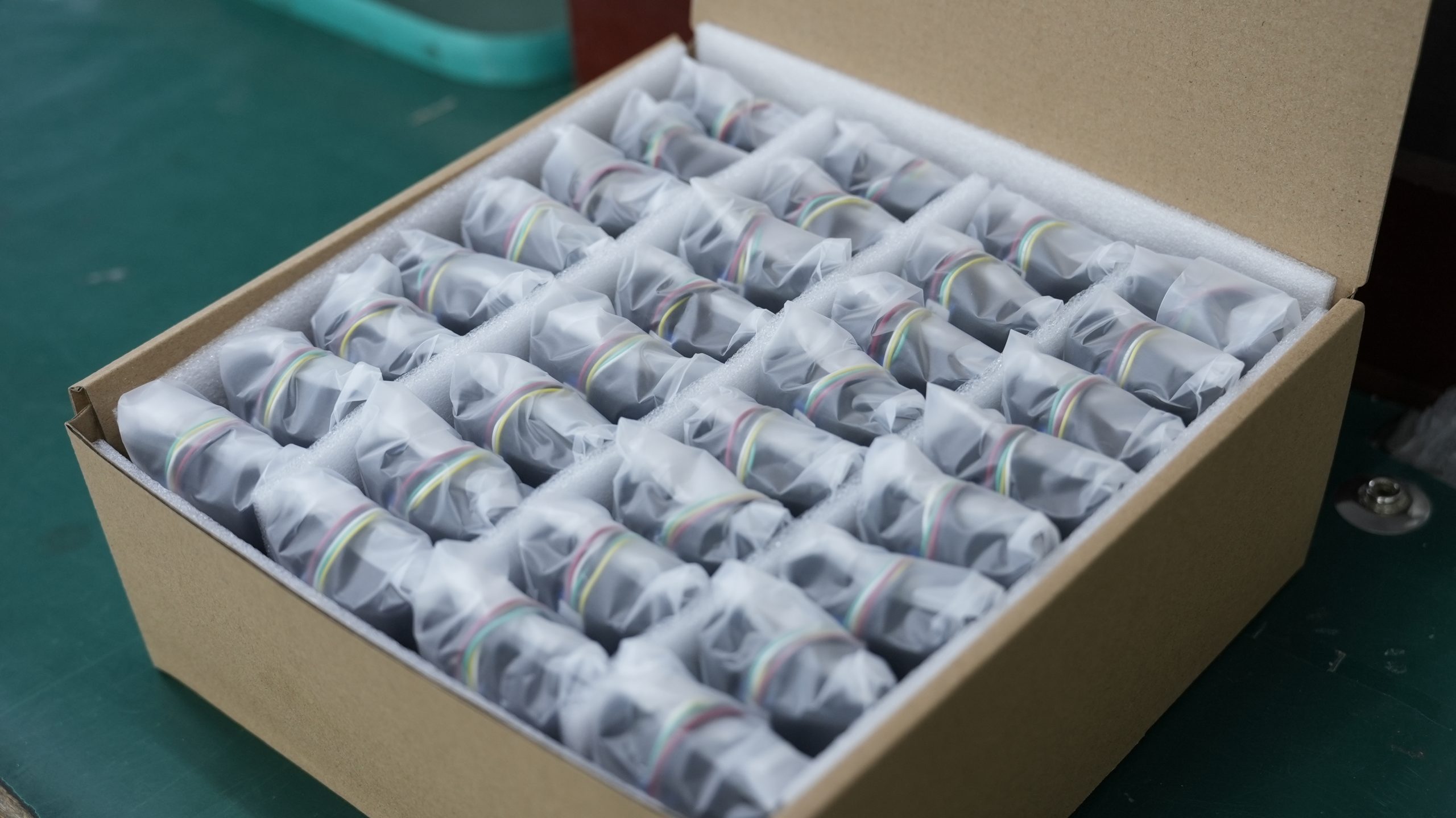
You need to understand the chemistry behind each lithium battery solution to maximize the performance of your portable biochemistry analyzers. Lithium-ion batteries use advanced cathode and anode materials, such as lithium cobalt oxide (LCO), lithium nickel manganese cobalt oxide (NMC), lithium iron phosphate (LiFePO4), lithium manganese oxide (LMO), lithium titanate (LTO), solid-state, and lithium metal. Each chemistry offers unique advantages for measurement reliability, safety, and operational efficiency.
Electrolyte composition plays a critical role in the safety and performance of your lithium battery solution. You must pay attention to the purity of the electrolyte. Even small amounts of elemental impurities—such as chromium, iron, nickel, copper, and zinc—can impact battery operation. These impurities can:
Change ion mobility, which affects the consistency of measurement results.
Trigger unwanted electrochemical reactions, leading to gas evolution.
Promote lithium dendrite growth, which increases the risk of short circuits and reduces safety.
You should always select lithium battery packs with high-purity electrolytes for medical, robotics, security, infrastructure, consumer electronics, and industrial applications. This ensures stable measurement and reliable analyzer operation.
Here is a technical comparison of common lithium battery chemistries used in portable analyzers:
Chemistry | Energy Density (Wh/kg) | Cycle Life (cycles) | Safety Level | Typical Application Scenarios |
|---|---|---|---|---|
LCO | 180–230 | 500–1,000 | Moderate | Medical, Consumer Electronics |
NMC | 160–270 | 1,000–2,000 | High | Medical, Industrial |
LiFePO4 | 100–180 | 2,000–5,000 | Very High | Medical, Infrastructure |
LMO | 120–170 | 300–700 | High | Robotics, Security |
LTO | 60–90 | 10,000–20,000 | Excellent | Industrial, Infrastructure |
Solid-State | 250–350 | / | Excellent | Medical, Security |
Lithium Metal | 300–500 | / | Moderate | Advanced Medical, R&D |
Tip: Choose the chemistry that best matches your analyzer’s measurement requirements and operational environment.
2.2 Energy Density and Cycle Life
You rely on high energy density to keep your portable analyzers compact and lightweight. A lithium battery solution delivers up to 250 Wh/kg, which allows you to design smaller devices without sacrificing runtime. This is essential for field measurement tasks, where portability and long-lasting power are critical.
Cycle life determines how many charge-discharge cycles your battery can handle before its capacity drops below 80%. With lithium battery solution options like LiFePO4 and NMC, you can achieve 2,000–3,000 cycles or more. This reduces maintenance costs and ensures consistent measurement performance over the analyzer’s service life.
You benefit from the compact design of lithium battery packs, which simplifies integration into your analyzer housing. This design flexibility supports advanced measurement features and wireless connectivity, making your devices more competitive in the medical and industrial markets.
Note: For custom lithium battery solution consultation tailored to your analyzer’s measurement needs, contact our engineering team.
Part3: Efficiency Benefits
3.1 Extended Runtime
You need your portable biochemistry analyzers to operate for long periods without interruption. Lithium battery packs deliver extended runtime, which is essential for continuous measurement in medical applications. You can expect up to 24 hours of operation in field conditions, as demonstrated by devices like the MicroMI incubator. This performance ensures that your analyzers maintain stable temperature control and reliable results, even in remote locations. You reduce the need for frequent recharging, which helps you maintain workflow efficiency and minimize downtime.
Tip: Extended runtime supports critical tasks such as overnight sample incubation, continuous monitoring, and emergency response, where power loss can compromise data integrity.
3.2 Stable Power Delivery
You rely on stable power delivery to ensure accurate and repeatable measurements. Lithium battery packs provide consistent voltage output throughout the discharge cycle. This stability is crucial for analyzers that require precise temperature regulation and sensitive detection systems. Fluctuations in power can lead to measurement errors or equipment malfunctions. With lithium technology, you maintain optimal analyzer performance, even as the battery approaches the end of its charge.
Stable power delivery supports:
Consistent temperature control for sensitive assays
Reliable operation of microfluidic pumps and sensors
Reduced risk of data loss during critical testing
You also benefit from advanced battery management systems that monitor temperature and voltage in real time. These systems trigger safety testing protocols if they detect abnormal conditions, protecting both your equipment and your samples.
3.3 Portability for Field Use
You need lightweight and compact analyzers for field deployment. Lithium battery packs enable significant reductions in both weight and size. For example, some analyzers weigh less than 4 pounds and fit easily in front of mass spectrometers, similar to nanospray sources. The 12 V rechargeable lithium-ion battery provides approximately 10 hours of operation, making it ideal for mobile laboratories and on-site diagnostics.
Feature | Description |
|---|---|
Weight | Less than 4 pounds |
Size | Fits in front of mass spectrometers, similar to nanospray sources |
Battery | 12 V rechargeable lithium-ion, ~10 hours operation |
Compact battery design enhances portability:
Devices like the MicroMI incubator use lithium power banks, resulting in lightweight, easy-to-carry analyzers.
You can operate these analyzers for up to 24 hours without external power.
Customizable setups allow you to adapt quickly to different field environments.
You gain flexibility to deploy analyzers in challenging locations, maintain stable temperature conditions, and deliver rapid results. This portability gives your team a competitive edge in sectors where mobility and reliability are critical.
Note: For custom lithium battery pack consultation tailored to your analyzer’s field requirements, contact our engineering team.
Part4: Safety and Reliability
4.1 Safety Mechanisms
You need robust safety mechanisms in lithium battery packs to protect your portable biochemistry analyzers. Manufacturers integrate thermosensitive microcapsules that act as fire extinguishing agents. These microcapsules activate at high temperatures, suppressing thermal runaway by reducing peak temperature and heating rate. This process cools the battery, isolates gases, and chemically suppresses reactions, preventing overheating and short circuits. Smart battery systems provide early warning signals before thermal runaway occurs. You benefit from compact optical fiber sensors embedded in lithium-ion cells. These sensors monitor internal temperature and pressure, delivering early alerts to enhance safety in medical analyzers.
Safety Feature | Function | Benefit to Analyzer |
|---|---|---|
Thermosensitive Microcapsules | Suppress thermal runaway, cool battery | Prevent overheating |
Smart Battery System | Early warning signals | Reduce safety risks |
Optical Fiber Sensor | Monitor temperature and pressure | Early detection of hazards |
4.2 Environmental Stability
You must ensure lithium battery packs maintain stable performance under varying environmental conditions. Laboratories simulate extreme temperatures and humidity levels to assess battery stability. Maintaining ultra-low humidity environments is critical for reliable operation. High humidity can degrade battery performance and lead to inaccurate results. You should select battery packs designed for laboratory and field use, tested for stability in diverse conditions.
Key factors for environmental stability:
Ultra-low humidity environments support battery reliability.
High humidity causes degradation and impacts measurement accuracy.
Simulated extreme conditions validate battery performance.
For custom lithium battery pack consultation tailored to your analyzer’s safety and environmental needs, contact our engineering team.
Part5: Implementation in Analyzer Design
5.1 Integration Tips
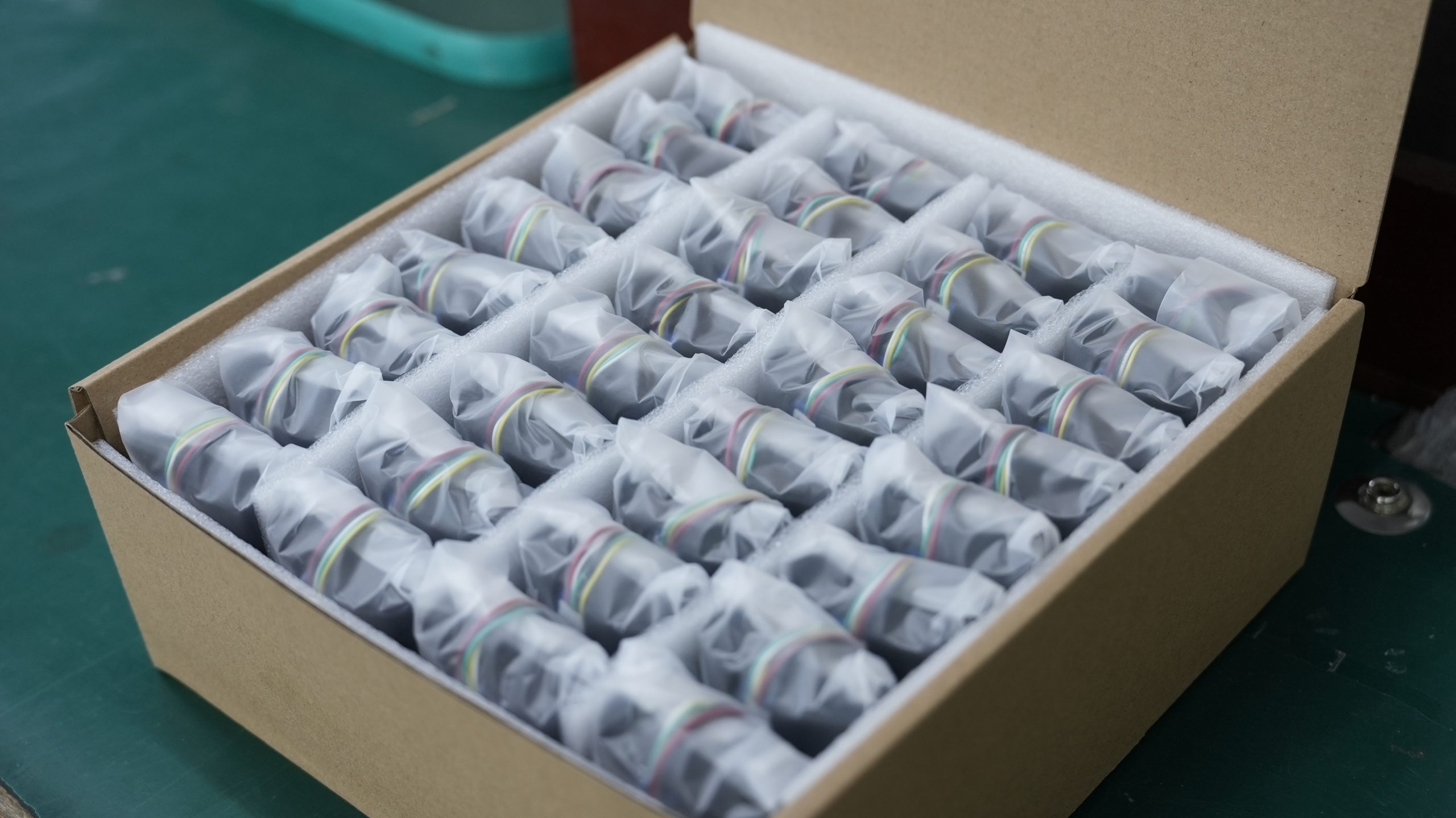
You must integrate lithium battery packs into your analyzer with precision. Start by selecting a battery chemistry that matches your analyzer’s operational profile. For a portable gas analyzer, prioritize compact design and high energy density. Use a battery management system (BMS) to monitor voltage, current, and temperature in real-time. This system protects your analyzer from overcharge, deep discharge, and thermal events. Position the battery pack to allow easy access for maintenance and replacement. Shield sensitive electronics from electromagnetic interference to maintain real-time data accuracy. Test the analyzer in simulated field conditions to confirm stable performance. Manufacturers should collaborate with battery suppliers to customize packs for specific analyzer requirements. You can request a custom consultation for tailored integration solutions.
Tip: Real-time monitoring through BMS enhances safety and extends the operational life of your portable gas analyzer.
5.2 Maintenance Best Practices
You extend the lifespan of your analyzer by following strict maintenance protocols. Monitor battery temperature in real-time to prevent overheating. Charge the battery to 80% capacity instead of full charge to double its service life. Avoid deep discharges to maintain optimal analyzer performance. Schedule regular inspections to check for physical damage or capacity loss. Use the following table to guide your maintenance strategy:
Maintenance Practice | Impact on Battery Performance |
|---|---|
Monitoring temperature | Prevents degradation due to overheating, extending lifespan by up to 30% |
Correct charge cycles | Charging to 80% can double battery life |
Avoiding deep discharges | Maintains optimal battery condition and performance over time |
You ensure real-time reliability for your portable gas analyzer by implementing these practices. Real-time data integrity and analyzer uptime improve when you maintain your lithium battery packs correctly.
Lithium battery solutions resolve efficiency and reliability challenges in portable biochemistry analyzers. You gain these advantages:
Compact, lightweight design supports on-site testing.
High accuracy and real-time diagnostics improve workflow.
Enhanced connectivity features boost operational efficiency.
Choose lithium battery packs to maximize analyzer performance and maintain a competitive edge.
FAQ
What advantages do lithium battery packs offer for portable incubators and microbiological mobile incubator applications?
You gain longer runtime, stable controlled temperature, and lightweight design. The table below compares lithium battery packs with traditional chemistries for portable incubators and microbiological mobile incubator use.
Feature | Lithium Battery Pack | Lead-Acid Battery |
|---|---|---|
Runtime (hours) | Up to 24 | 6–8 |
Weight (kg) | 1–2 | 5–8 |
Cycle Life (cycles) | 2,000–3,000 | 300–500 |
How does real-time measurement improve workflow in microbiological mobile incubator operations?
You achieve immediate data access and faster decision-making. Real-time measurement ensures sample integrity and supports efficient field diagnostics with microbiological mobile incubator solutions.


