

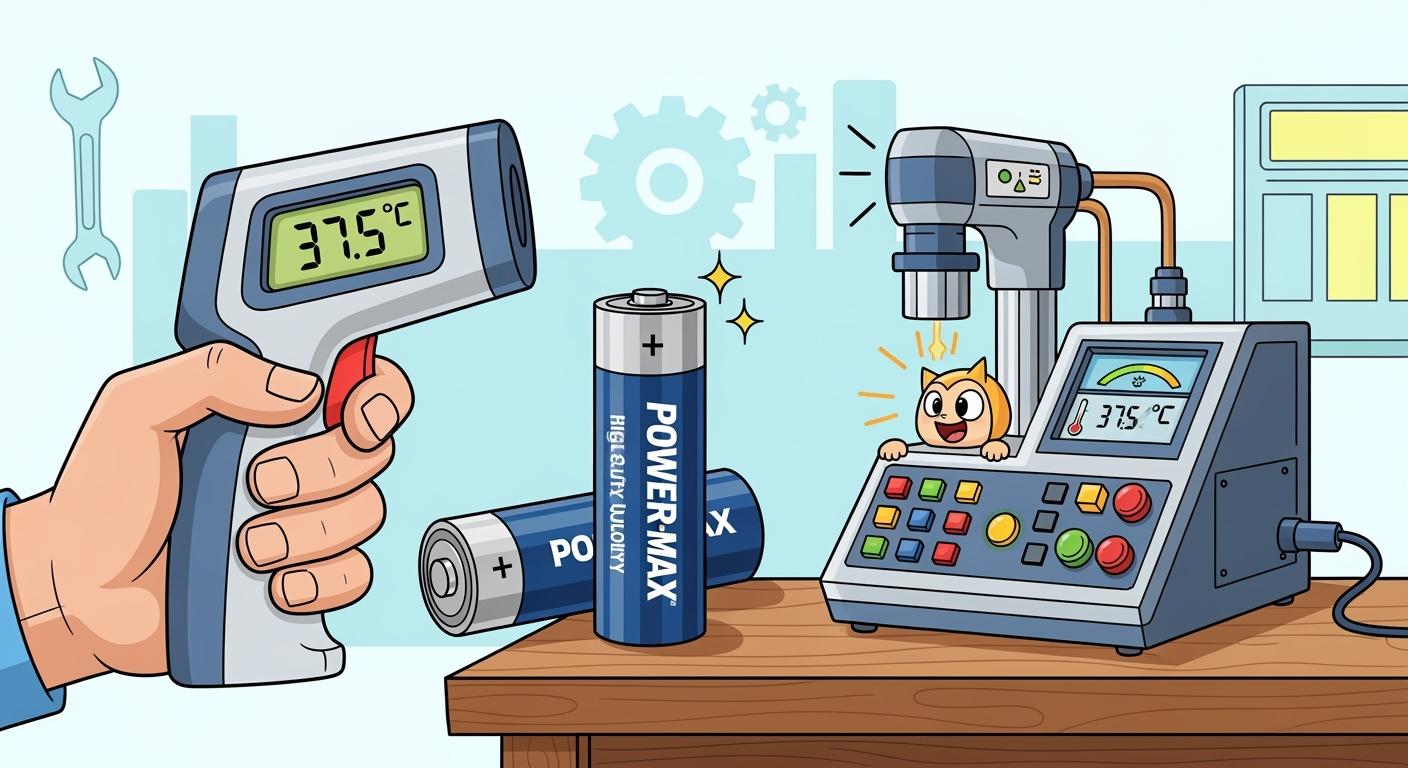
You face critical choices when selecting high-reliability battery solutions for your infrared thermometer applications. Lithium batteries stand out for their stable voltage, which supports precise calibration and consistent accuracy in every temperature reading. These batteries excel in both hot and cold conditions, making them essential for any industrial non-contact device. Reliable calibration ensures your thermometer delivers trusted temperature readings, even during non-contact operation. Infrared thermometer performance depends on battery stability, especially for calibration and temperature measurement. You reduce maintenance and downtime by choosing high-reliability battery solutions that maintain calibration in demanding environments. Infrared calibration guarantees your thermometer remains ready for every calibration task.
Key Takeaways
Choose lithium batteries for stable voltage and reliable infrared thermometer performance.
Select batteries that operate well in extreme temperatures for accurate readings.
Prioritize safety certifications like UN38.3 and IEC 62619 for battery safety.
Consider rechargeable batteries to reduce waste and long-term costs.
Follow maintenance practices to extend battery life and ensure device readiness.
Part1: Key Requirements for High-Reliability Battery Solutions
1.1 Reliability for Infrared Thermometer Devices
You need reliable power for every infrared thermometer in your operation. Lithium battery packs, such as LiFePO4, NMC, LCO, and LMO, deliver consistent voltage and long service life. These chemistries support precise temperature readings and maintain accuracy in calibration. You see this reliability in medical devices, robotics, security systems, infrastructure, and industrial applications. Each sector demands stable performance to avoid downtime and ensure safety.
Minimize faults, short circuits, and overcharging.
Prevent thermal runaway and maximize device uptime.
Meet FDA, ISO 13485, and IEC 60601-1 standards for medical and industrial thermometer use.
Tip: Choose lithium battery packs with proven track records in critical sectors. This approach reduces maintenance and supports continuous operation.
1.2 Performance in Extreme Temperatures
Your infrared thermometer must perform in extreme environments. Most industrial applications require batteries that function between -40°C and +60°C. Battery integrated testers often work within -20°C to 60°C. You need this wide range to ensure your thermometer delivers accurate temperature readings in any setting.
Lithium-ion batteries outperform alkaline batteries in harsh conditions. In cold environments, lithium-ion batteries maintain energy flow, while alkaline batteries lose effectiveness. In high temperatures, lithium-ion batteries like UltraXel’s +85°C solutions resist capacity loss and support high-drain devices. This makes them ideal for industrial, medical, and security system applications.
Use lithium battery packs for consistent performance in robotics, infrastructure, and consumer electronics.
Select batteries rated for the full temperature range of your application.
Note: UltraXel’s +85°C lithium-ion solutions set a new standard for high-temperature reliability in IR thermometer and industrial devices.
1.3 Safety and Certification Standards
You must prioritize safety when selecting batteries for infrared thermometer devices. Certification standards like UN38.3 and IEC 62619 ensure safe transportation and operation of lithium battery packs. These standards address electrical and mechanical safety, reducing risks such as thermal runaway and fire hazards.
UN38.3 covers global safety for shipping lithium batteries.
IEC 62619 focuses on industrial safety requirements.
ISO 13485 and IEC 60601-1 apply to medical and laboratory thermometers.
Certification builds trust with your clients and partners. It also opens access to new markets and supports compliance with international regulations. Always verify that your battery supplier meets these standards and provides clear documentation.
Safety Reminder: Store lithium battery packs in cool, dry places and follow all handling guidelines to prevent accidents.
By focusing on reliability, temperature performance, and safety certifications, you ensure your infrared thermometer fleet delivers accurate temperature readings and long-term value in every industrial application.
Part2: Battery Types for IR Thermometer Applications
2.1 Lithium-Ion Battery Packs
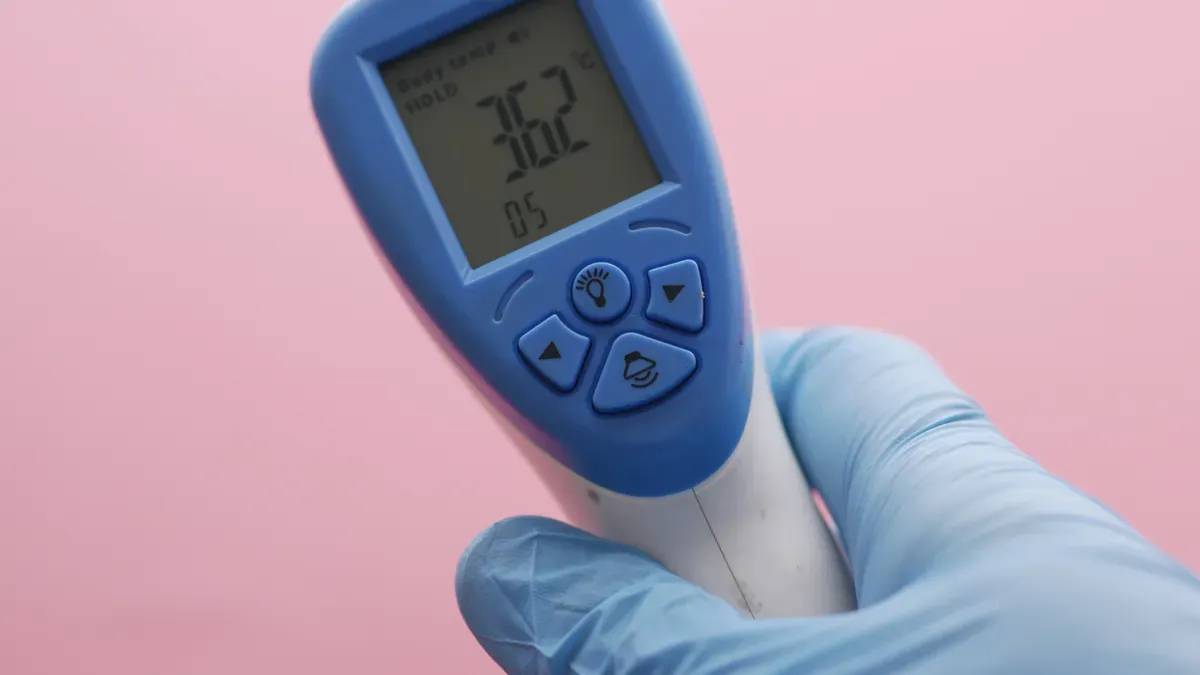
You rely on lithium-ion battery packs for your infrared thermometer devices because they deliver unmatched reliability and performance. These batteries, including LiFePO4, NMC, LCO, and LMO chemistries, provide stable voltage output, which is essential for maintaining accuracy in temperature readings. You benefit from consistent performance in both cold and hot environments. Lithium-ion batteries operate reliably at temperatures as low as -20°C and as high as +85°C, making them ideal for industrial applications where infrared thermometer devices must withstand extreme conditions.
Stable voltage output (3.6–3.7V) ensures precise temperature measurements.
Excellent low-temperature performance supports infrared thermometer use in cold storage and outdoor settings.
Fast charging capabilities allow you to recharge your thermometer in 1–2 hours, minimizing downtime.
Rechargeability reduces battery waste and lowers long-term costs.
Support for smart features, such as Bluetooth connectivity, enables advanced temperature monitoring and data logging.
You expect a minimum lifespan of five years or at least 2,000 charging cycles from lithium-ion battery packs. With proper care, you can achieve up to 3,000 cycles, maximizing the value of your infrared thermometer fleet. These batteries power medical devices, robotics, security systems, infrastructure, and industrial temperature testing equipment, ensuring you maintain uptime and operational efficiency.
Tip: Choose lithium-ion battery packs with proven performance in demanding sectors. This approach guarantees reliable temperature readings and reduces maintenance.
2.2 Alkaline and Rechargeable Alternatives
You may consider alkaline batteries for infrared thermometer devices, especially in low-drain or intermittent-use scenarios. Alkaline batteries offer a lower upfront cost and are easy to replace. However, they lose effectiveness in cold environments and lack the energy density required for high-capacity temperature testing. You face environmental challenges with alkaline batteries due to their single-use nature, which leads to waste generation and disposal concerns. Recycling rates for alkaline batteries remain low, and they often end up improperly disposed of.
Rechargeable alternatives, such as nickel-iron and rechargeable alkaline batteries, provide advantages for applications requiring frequent cycling and longer operational lifespans. You benefit from a lower environmental impact per unit of energy delivered, as the manufacturing impact spreads over a longer lifespan. Rechargeable batteries favor sustainability because you can recover and recycle materials like lithium and cobalt. Established recycling programs recover up to 95% of valuable materials, creating a circular economy and reducing the need for virgin material extraction.
Note: Rechargeable batteries generate less waste and have a smaller transportation carbon footprint due to their longer service life. You can further minimize environmental impact by using renewable energy sources for charging.
2.3 Disposable vs. Rechargeable Options
You must weigh the total cost of ownership when choosing between disposable and rechargeable batteries for your infrared thermometer devices. Disposable batteries require frequent replacement, leading to higher long-term costs and increased waste. Rechargeable batteries, such as lithium-ion packs, can be reused for 500 to 1,000 cycles, reducing the need for replacements and lowering disposal costs. A quality rechargeable battery capable of 1,000 charge cycles could replace 1,000 non-rechargeable batteries, offering superior economic value.
You see that rechargeable batteries offer a higher initial cost but deliver greater value over time. Disposal costs are lower due to reduced frequency and established recycling programs. You also support sustainability goals by minimizing waste and promoting material recovery.
Below is a comparison table of battery types for infrared thermometer applications:
Battery Type | Chemistry | Platform Voltage | Energy Density (Wh/kg) | Cycle Life | Temperature Range | Application Scenario | Cost Effectiveness | Environmental Impact |
|---|---|---|---|---|---|---|---|---|
Lithium-Ion | NMC, LCO | 3.6–3.7V | 100–250 | 500-1000 | -20°C to +60°C | Medical, robotics, security, industrial | High (long-term) | Low (recyclable) |
Alkaline | Zinc-Manganese | 1.5V | 80–120 | Single-use | 0°C to +60°C | Low-drain, intermittent use | High (short-term) | High (waste) |
Rechargeable Alkaline | Nickel-Iron | 1.2V | 60–100 | 500–1,000 | -10°C to +50°C | Frequent cycling, industrial | Moderate | Moderate (recyclable) |
Callout: For industrial infrared thermometer applications, lithium-ion battery packs deliver the best balance of reliability, longevity, and sustainability. You maximize device uptime and minimize maintenance costs by choosing rechargeable solutions.
You ensure your infrared thermometer devices deliver accurate temperature readings and support your operational goals by selecting the right battery type for each application.
Part3: Battery Features for Industrial Devices
3.1 Long Cycle Life
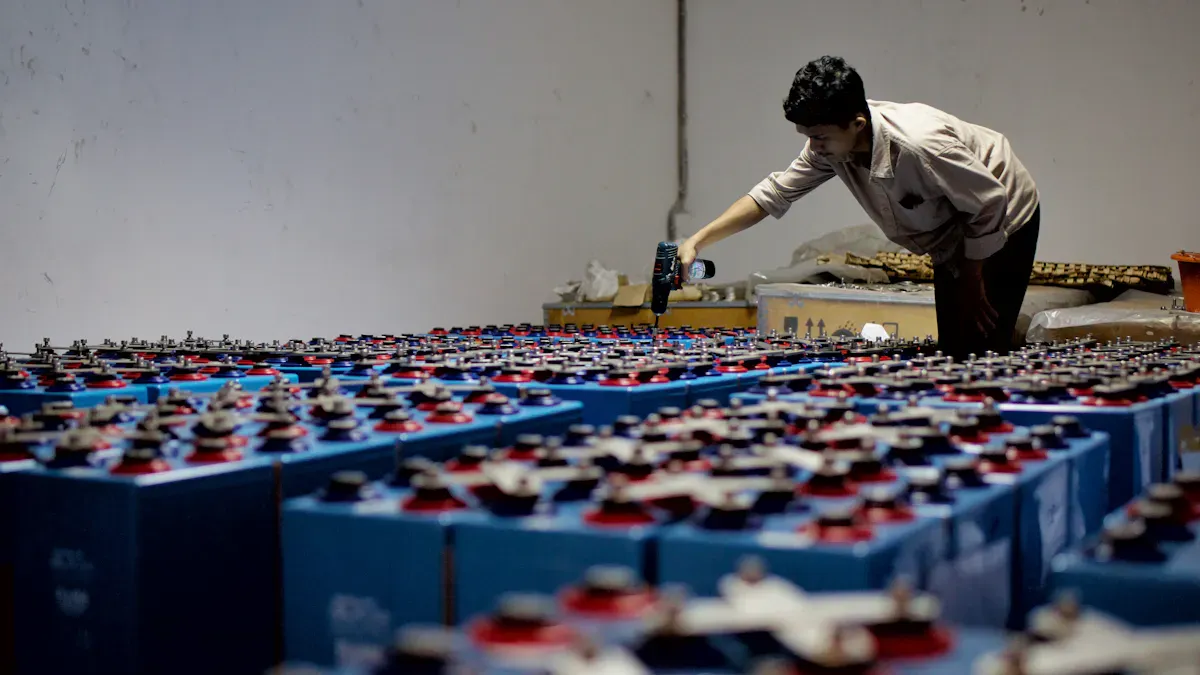
You need batteries with a long cycle life to keep your infrared thermometer devices running in demanding environments. Lithium battery packs, such as LiFePO4, NMC, LCO, and LMO, offer 500–2,000 charge and discharge cycles. This high cycle life means you replace batteries less often, which lowers maintenance costs and keeps your thermometer fleet ready for use. You see the benefits in medical, robotics, and security systems, where uptime is critical.
Battery Type | Cycle Life (Charge/Discharge Cycles) |
|---|---|
NiMH D batteries | 500–1,000 |
NiCd D batteries | Over 1,000 |
Lithium D cells | 500–2,000 |
Long-life batteries reduce the need for frequent replacements.
You save on maintenance, especially in industrial and infrastructure applications.
Preventive maintenance programs help you extend battery life even further.
Tip: Regular inspections and timely maintenance help you detect issues early and prevent major failures in your infrared thermometer devices.
3.2 Fast Charging & Low Self-Discharge
You want your infrared thermometer ready at all times. Lithium-ion batteries can charge in just 1 hour after 8 hours of use. You can use your thermometer throughout a 24-hour shift by charging during breaks. No cool down period is needed, so you keep your devices in service.
Low self-discharge ensures your thermometer stays ready, even after long periods of inactivity. This is especially important in medical and security cameras, where you may not use devices every day but still require instant readiness.
Benefit of Low Self-Discharge | Explanation |
|---|---|
Device Readiness | Ensures that the thermometer is ready for use even after long periods of inactivity, which is crucial in medical settings where devices may not be used frequently. |
3.3 Environmental Robustness
You operate your infrared thermometer in harsh environments. Lithium battery packs must withstand temperature swings, humidity, dust, and vibration. Manufacturers test batteries for temperature and humidity control, multi-stress capability, and safety features like overheat protection. Data logging and analysis software helps you monitor battery health in real time.
Feature | Description |
|---|---|
Temperature and Humidity Control | Ensures battery performance is tested across various environmental conditions. |
Multi-Stress Testing Capability | Allows for quick temperature cycling to simulate extreme conditions, crucial for electric vehicle batteries. |
Safety Features | Includes protections like overheat safeguards and explosion-proof designs to mitigate testing risks. |
Data Logging and Analysis | Provides software for real-time monitoring and data collection, facilitating easy reporting. |
Standard Compliance | Adheres to industrial standards such as UL 1642 and IEC 62133 for safety and performance. |
Battery enclosures use materials like plastic, steel, or aluminum to protect against shocks and vibration.
High humidity can cause corrosion, while low humidity can create static discharge risks.
Vibration testing ensures your thermometer batteries stay connected and reliable.
You maintain accuracy and reliability in every infrared thermometer, no matter the environment.
Part4: Selection & Maintenance Best Practices
4.1 Choosing the Right Battery
You must select the right battery to ensure your infrared thermometer delivers accurate and repeatable temperature measurements. Start by matching the battery’s voltage and size to your device’s requirements. Lithium battery packs such as LiFePO4, NMC, LCO, and LMO offer stable voltage, long cycle life, and high energy density. These features support fast startup, quick response, and a longer device lifespan. You reduce the risk of battery leakage or damage by choosing high-quality lithium packs. Always confirm compatibility with your thermometer’s calibration and display needs.
Ensure batteries support stable sensor calibration and clear display.
Choose batteries that minimize downtime and maximize operational efficiency.
Prioritize suppliers with strong quality control and transparent documentation.
Application requirements matter. High temperatures can boost battery performance but also speed up degradation. Low temperatures reduce efficiency and capacity. Select batteries rated for the full temperature range of your infrared thermometer’s environment.
Tip: Use a battery management system (BMS) to monitor battery health and optimize performance in your best infrared thermometers.
4.2 Maintenance for Reliability
You extend the life of your infrared thermometer by following proper maintenance practices. Keep batteries away from cold, as low temperatures decrease available capacity. Charge batteries fully, but avoid overcharging or undercharging. Check fluid levels every five charging cycles if your battery type requires it. Add distilled water as needed, but do not overfill.
Inspect battery status regularly using built-in health detection or professional tools.
Track battery capacity and health for early problem detection.
Address issues like slow charging or excessive power use promptly.
Maintain a detailed maintenance history to spot trends and optimize charge cycles.
Well-maintained batteries perform efficiently and last longer, reducing replacement costs and environmental impact.
4.3 Safety & Storage Guidelines
You protect your infrared thermometer and workplace by following strict safety and storage guidelines. Store lithium batteries at 40–50% charge in a cool, dry place. Avoid long-term storage in high temperatures. Inspect stored batteries often for signs of wear or damage.
Features that enhance safety include pressure-relief surfaces, high-performance ventilation, and fire sensors. Some systems allow inert gas injection to contain hazardous reactions.
Temperature control is critical. Cold slows chemical reactions and reduces capacity, while heat accelerates aging. Maintain storage within manufacturer-recommended ranges. Advanced thermal management systems can help regulate battery temperature for safety and efficiency.
By following these best practices, you maximize battery life, minimize maintenance costs, and ensure the highest accuracy for your infrared thermometer fleet.
Part5: Recommended Brands & Comparisons
5.1 Leading Battery Brands
You need batteries that deliver consistent performance and reliability for your temperature testing devices. Leading brands like Duracell Optimum, ProCell Constant AA, and Energizer Industrial AA have earned reputations for their durability and power output. These brands undergo rigorous testing to ensure they meet the demands of high-drain and low-drain scenarios in industrial environments. You see their batteries used in medical devices, robotics, security systems, and infrastructure applications.
Brand | Features | Pros | Cons | Ideal Use Cases |
|---|---|---|---|---|
Duracell Optimum | Energy-efficient design, long-lasting power | Superior performance | Higher price point | High-drain devices, industrial sensors |
ProCell Constant AA | Long-lasting alkaline tech, consistent output | Reliable performance | Limited recharge cycles | Manufacturing tools, industrial lighting |
Energizer Industrial AA | Trusted reputation, durable construction | Reliable performance | Slightly higher price | Manufacturing tools, portable equipment |
Lithium battery packs such as LiFePO4, NMC, LCO, and LMO provide stable voltage and extended cycle life. You benefit from their ability to maintain accuracy in temperature readings and withstand repeated charge-discharge cycles. These features make lithium batteries ideal for OEM applications where reliability is critical.
Tip: Choose brands with proven performance in industrial sectors to minimize downtime and maximize device uptime.
5.2 Product Comparisons & User Feedback
You improve your battery selection by considering product comparisons and user reviews. Users often evaluate batteries based on tester accuracy, repeatability, and past experiences. You gain valuable insights by reviewing real-world feedback.
Check the tester’s accuracy to ensure minimal margin of error.
Assess the ability to repeat tests for consistent outcomes.
Reflect on previous battery performance to guide future purchases.
Metric | Description |
|---|---|
Performance | Batteries must operate reliably under varying temperature conditions. |
Reliability | Consistent performance is essential for industrial applications. |
User Experience | Reviews highlight practical issues and real-world applications. |
User feedback shows that some batteries perform well in theory but fail in practice.
Reliability over time remains a concern, with some batteries failing after limited use.
Clear interfaces on testing devices help you avoid mistakes during testing.
You ensure your temperature testing devices deliver reliable results by selecting batteries with strong user reviews and proven performance in industrial settings.
You need the most reliable battery solutions for every infrared thermometer in your operation. Lithium battery packs, including LiFePO4, NMC, LCO, and LMO, support your infrared thermometer with stable voltage and long cycle life. These batteries help you maintain accuracy in every infrared reading. You see the best results in medical, robotics, and industrial applications. Choose lithium battery packs for your infrared thermometer to reduce downtime and improve performance. Follow proper maintenance to keep your infrared thermometer fleet ready for every task.
FAQ
What makes lithium battery packs ideal for infrared thermometer devices?
You benefit from lithium battery packs because they deliver stable voltage and long cycle life. These features support infrared thermometer devices in medical, robotics, and industrial sectors. You see improved uptime and consistent performance, even in extreme environments.
How do lithium batteries maintain accuracy in infrared temperature readings?
You rely on lithium batteries for stable voltage output. This stability helps your infrared thermometer maintain calibration and accuracy. You can trust your device to deliver precise temperature readings during every infrared measurement session.
Can lithium battery packs handle high temperatures in industrial environments?
You can use lithium battery packs, such as LiFePO4, NMC, LCO, and LMO, in infrared devices for industrial settings. These batteries operate from -20°C to +60°C. You ensure reliable performance for infrared applications, even in demanding conditions.
How often should you replace lithium batteries in infrared thermometers?
You typically replace lithium battery packs after 500–1,000 cycles. You extend battery life by following maintenance best practices. This approach keeps your infrared thermometer fleet ready for frequent infrared measurements and testing.
Why should you choose lithium over alkaline batteries for infrared devices?
You choose lithium battery packs for infrared thermometer devices because they offer longer life, better performance in cold and hot environments, and reduced waste. You support your industrial operations with reliable power and fewer battery changes.


