

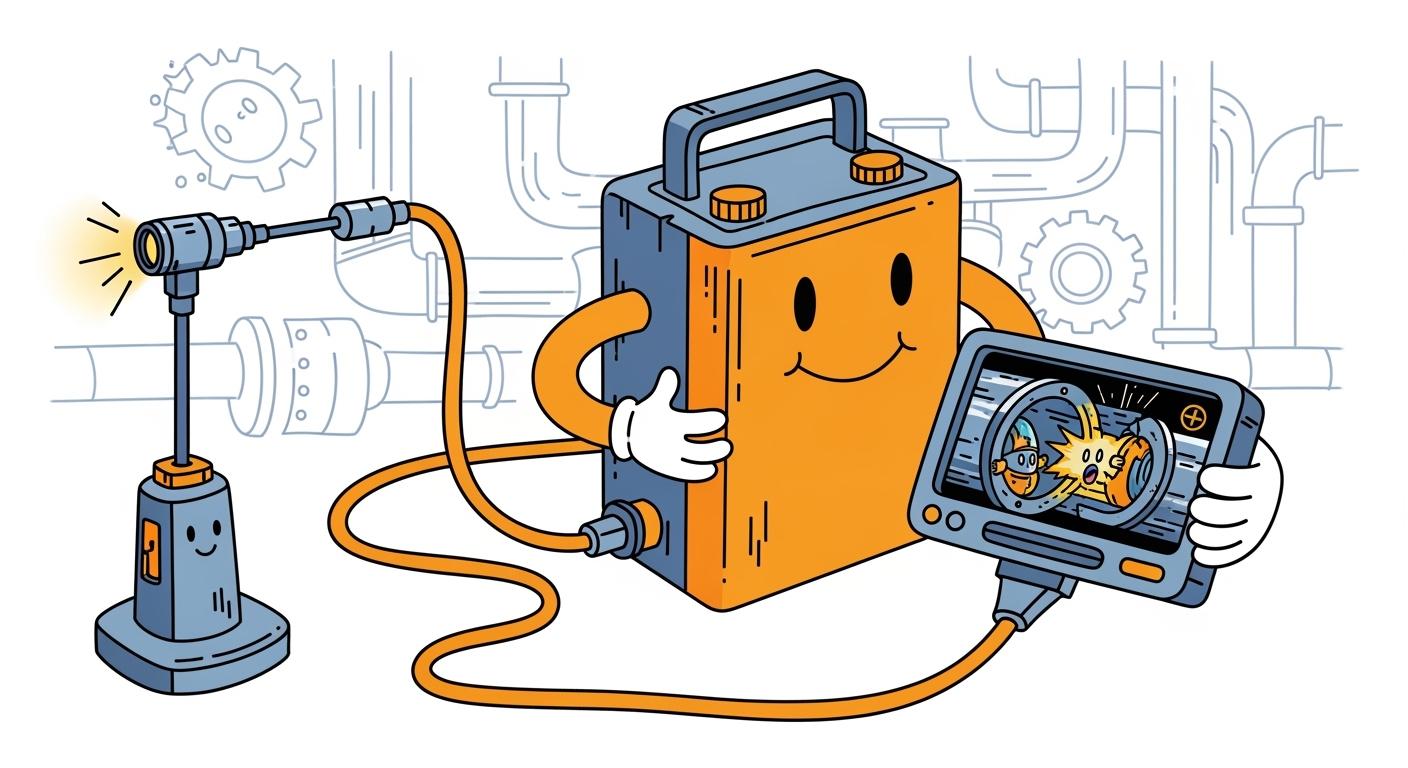
You need reliable Battery Solutions to keep your industrial borescopes and remote visual inspection equipment running. Downtime can disrupt your inspections and delay critical maintenance. The type of battery you choose affects both performance and portability. Many professionals use rechargeable lithium-ion batteries because they offer high energy density and long cycle life. Consider your environment, equipment demands, and operational schedule when selecting the best option for your needs.
Key Takeaways
Choose lithium-ion rechargeable batteries for high energy density and long runtime. They are lightweight and charge quickly, making inspections more efficient.
Consider battery life and runtime based on your inspection needs. Match the battery’s capabilities to the length and complexity of your inspections to avoid interruptions.
Opt for replaceable battery packs to minimize downtime. Always keep a spare battery charged to ensure continuous operation during critical inspections.
Evaluate the durability of batteries for harsh environments. Select batteries that can withstand temperature changes, vibrations, and exposure to chemicals.
Use battery monitoring systems to track health and performance. This proactive approach helps prevent unexpected failures and extends battery life.
Part1: Battery Solutions Overview
1.1 Lithium-ion Rechargeable Batteries
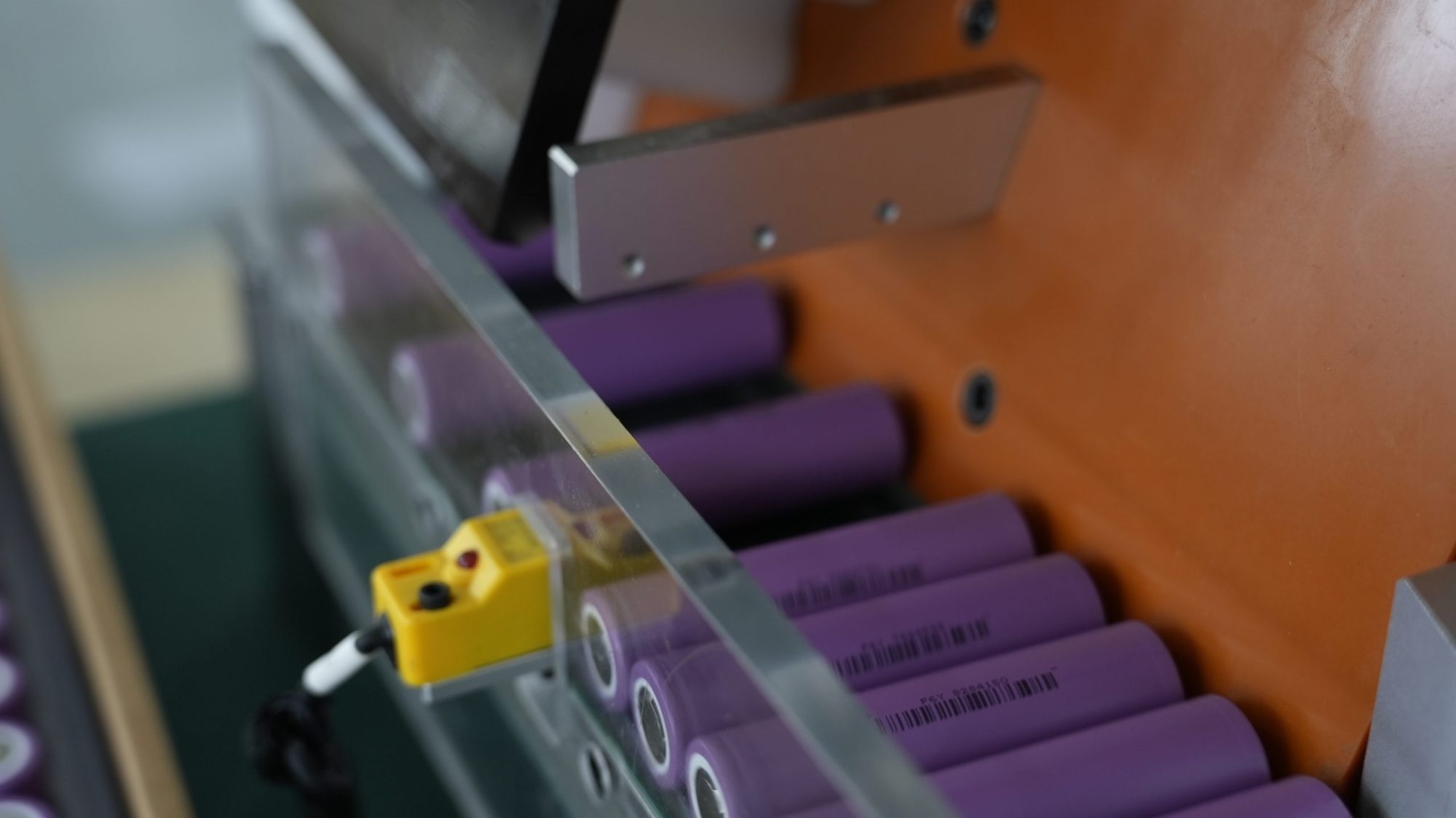
You will find lithium-ion rechargeable batteries in most modern industrial borescopes and remote visual inspection equipment. These batteries deliver high energy density, which means you get more power in a smaller, lighter package. This feature makes your inspection tools easier to carry and operate for long periods. Lithium-ion batteries also charge quickly, so you spend less time waiting and more time working. You can swap out a depleted battery for a fresh one, which keeps your inspections running without interruption. Many devices, such as the VJ-Advance video borescope, use lithium-ion packs to maximize portability and minimize downtime.
Here are some key advantages of lithium-ion rechargeable batteries:
High energy density for longer runtime and lighter devices
Fast charging to reduce waiting time
Low maintenance compared to other battery types
Immediate power by swapping batteries
Industrial applications often use different lithium battery chemistries. For example, LMO Lithium batteries power medical devices and power tools, while general lithium-ion batteries support industrial and electric powertrains. These batteries provide reliable performance in demanding environments.
1.2 Alkaline and Other Types
Some industrial borescopes accept standard AA alkaline batteries. You can use these when lithium-ion packs are not available. Alkaline batteries offer convenience because you can find them almost anywhere. However, they do not last as long as lithium-ion batteries and require frequent replacement. This can increase downtime and maintenance costs. Other battery types, such as nickel-metal hydride (NiMH), appear in specialized equipment but are less common in industrial settings.
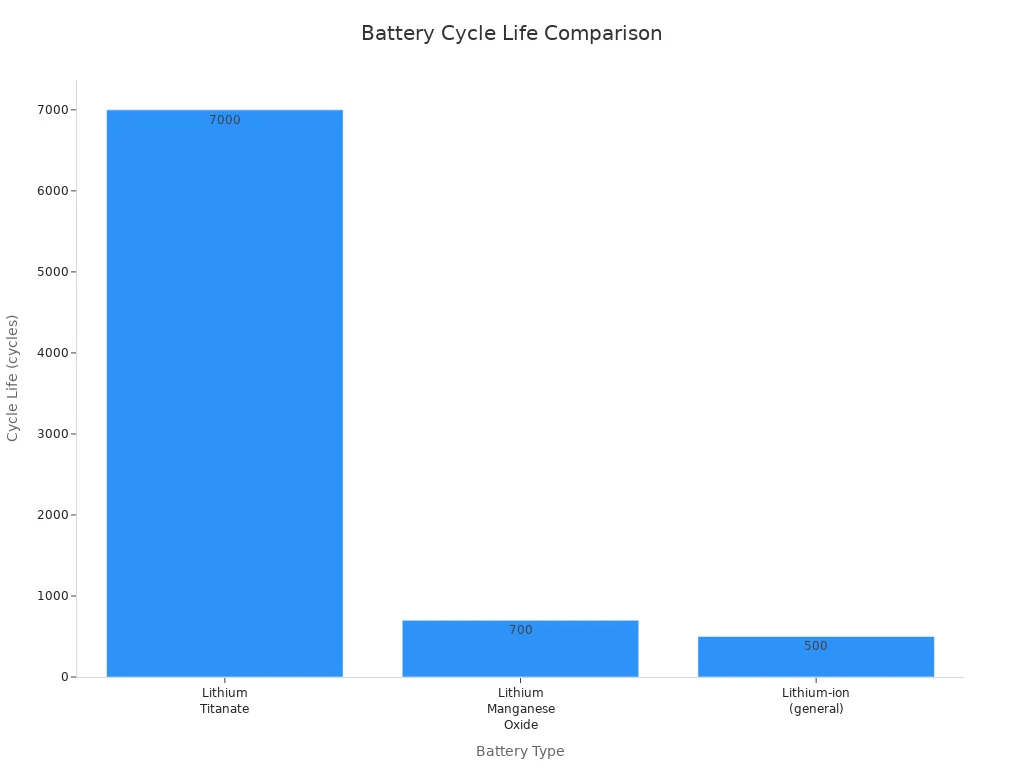
The table below compares the cycle life and typical applications of different battery types:
Battery Type | Cycle Life (approx.) | Applications |
|---|---|---|
Lithium Titanate | 3,000–7,000 | UPS, electric powertrains, solar-powered lighting |
Lithium Manganese Oxide | 300–700 | Power tools, medical devices, electric powertrains |
Lithium-ion (general) | 500 | Medical devices, industrial, electric powertrains |
1.3 Integrated vs. Replaceable Packs
You must decide between integrated and replaceable battery packs when choosing Battery Solutions. Integrated packs stay inside the device and charge through a cable. This design reduces the risk of losing batteries but can cause downtime if you need to recharge during a shift. Replaceable packs let you swap batteries quickly, which keeps your equipment running without delay. For continuous operation in industrial environments, replaceable lithium-ion packs often provide the best balance of convenience and performance.
Tip: Always keep a spare battery pack charged and ready. This practice ensures your inspections stay on schedule and your equipment remains reliable.
Part2: Choosing Battery Solutions
2.1 Battery Life and Runtime
You need to consider battery life and runtime before selecting a power source for your industrial borescope or remote visual inspection equipment. Long runtime means you can complete inspections without frequent interruptions. Lithium-ion batteries, such as NMC Lithium battery and LFP Lithium battery, offer high energy density and extended cycle life. These batteries support long shifts in industrial, medical, and security system applications.
When you evaluate runtime, think about these factors:
Diameter of the access point and the item under test
Length of the area needing inspection
Geometry of the area under test
Tip articulation capabilities
Direction of view and distance from the probe
Field of view during testing
Environmental conditions, such as waterproofing
Digital integration and connectivity needs
Portability requirements and preferred power sources
You should match the battery’s runtime to your inspection schedule. For example, if you work in infrastructure or robotics, you may need a battery that lasts through long, complex inspections. LiFePO4 Lithium batteries provide a good balance of runtime and safety, making them suitable for heavy-duty industrial use.
2.2 Charging and Downtime
Charging time directly affects your equipment’s availability. Fast-charging batteries reduce downtime and keep your inspections on track. Lithium-ion batteries charge in less than two hours, which allows you to use opportunity charging during breaks or shift changes. This feature supports multi-shift operations in industrial environments, such as manufacturing plants and warehouses.
Here is a comparison of charging times and operational impact for common battery types:
Battery Type | Full Charge Time | Cooling Requirement | Opportunity Charging | Operational Impact |
|---|---|---|---|---|
Lead-acid | Approximately 8 h | Required (about 8 hours) | Possible, shortens battery life | Requires multiple batteries for multi-shift; longer downtime |
Lithium-ion | Less than 2 h | None | 15-30 min during breaks | Supports multi-shift with a single battery; faster turnaround |
Lithium-ion batteries, including NMC and LFP chemistries, charge much faster than traditional lead-acid batteries. You can keep your equipment in use for longer periods and minimize idle time. This advantage increases inspection efficiency and reduces maintenance delays.
Tip: Schedule opportunity charging during routine breaks to maximize uptime and keep your inspection tools ready for use.
2.3 Durability and Resistance
Industrial environments can be harsh. You must select batteries and equipment that withstand temperature changes, vibration, and exposure to chemicals. Durability ensures your Battery Solutions perform reliably in challenging conditions, such as those found in infrastructure, robotics, and security system applications.
Key aspects to consider include:
Aspect | Key Points |
|---|---|
Material Selection | High-grade stainless steel, reinforced polymers, specialized coatings |
Testing Standards | IP67/IP68 ratings, temperature cycling, vibration resistance |
Design Features | Reinforced cable construction, sealed optical systems, shock-absorbing components |
You should also look for batteries that pass temperature cycling, vibration testing, and chemical resistance testing. For extreme environments, LiSOCl₂ batteries offer exceptional lifespan and operate from –80°C to +125°C. LFP Lithium batteries also perform well in rough conditions and have a long service life.
Temperature Cycling: Simulates seasonal changes and thermal shock.
Vibration Testing: Ensures durability under industrial vibrations.
Chemical Resistance Testing: Verifies performance when exposed to industrial chemicals.
2.4 Equipment Compatibility
You need to ensure that your battery choice matches your equipment’s requirements. Not all batteries fit every device. Check the voltage, size, and connector type before making a selection. Industrial borescopes and remote visual inspection equipment often specify compatible lithium battery chemistries, such as NMC, LFP, or LMO Lithium batteries.
Compatibility also includes digital integration and connectivity. Some advanced inspection tools require batteries that support smart features, such as real-time monitoring or wireless data transfer. You should verify that your chosen battery supports these functions.
Note: Always consult your equipment manual or manufacturer’s guidelines to confirm battery compatibility and avoid operational issues.
By considering runtime, charging speed, durability, and compatibility, you can select Battery Solutions that improve inspection efficiency and reduce maintenance needs. The right battery keeps your industrial operations running smoothly and supports continuous performance in demanding environments.
Part3: Pros, Cons, and Best Practices
3.1 Performance Comparison
You need to compare battery performance to select the best option for your industrial borescopes and remote visual inspection equipment. Lithium battery chemistries offer different strengths:
Chemistry | Platform Voltage | Energy Density (Wh/kg) | Cycle Life (cycles) | Typical Applications |
|---|---|---|---|---|
LiFePO4 Lithium | 3.2 V | 90–120 | 2,000–5,000 | Infrastructure, robotics, security |
NMC Lithium | 3.7 V | 150–220 | 1,000–2,000 | Medical, industrial, powertrains |
LCO Lithium | 3.7 V | 150–200 | 300–500 | Consumer electronics, medical |
LMO Lithium | 3.7 V | 100–150 | 300–700 | Power tools, medical devices |
You get longer runtime and higher energy density with NMC Lithium batteries. LiFePO4 Lithium batteries provide excellent cycle life and safety for harsh environments. LCO Lithium batteries suit devices that need high energy but shorter lifespan.
3.2 Maintenance and Replacement
You must follow best practices to extend battery life and reduce downtime. Adhere to manufacturer guidelines for temperature, charging, and design limits. Preventive maintenance helps you track battery health and plan replacements. You can use Battery Management Systems (BMS) to monitor battery status and optimize performance. For stationary batteries, follow IEEE standards like IEEE 1188-2005 and IEEE 450-2010. Time-based maintenance, as recommended by NERC PRC-005, ensures reliable backup.
Neglecting battery maintenance can risk critical systems and lead to costly downtime. Some substations generate millions per hour, and a reliable battery is your last defense during outages.
3.3 Maximizing Battery Life
You can maximize battery life by following these practices:
Operate within recommended temperature ranges.
Use proper charging methods and avoid overcharging.
Schedule preventive maintenance to check battery health.
Replace batteries before they reach end-of-life.
Monitor battery performance with BMS for early detection of issues.
These steps help you maintain continuous operation and minimize unexpected failures.
3.4 Safe Handling and Troubleshooting
You need to handle batteries safely and resolve issues quickly. Common battery problems include loose connections, damaged cells, or faulty chargers. You can troubleshoot by:
Checking battery connections and cleaning contacts.
Replacing old or damaged batteries with approved types.
Verifying charger functionality and using the correct power source.
Using external power options for extended inspections.
You protect your equipment and ensure reliable operation by following these steps.
Part4: Application Recommendations

4.1 High-Intensity Use
You face demanding conditions in high-intensity industrial environments. Your equipment must operate for long hours and deliver consistent performance. Lithium battery chemistries like NMC Lithium battery and LiFePO4 Lithium battery work well in these scenarios. NMC Lithium battery provides high energy density and supports devices that need strong, steady power. LiFePO4 Lithium battery offers excellent cycle life and safety, making it suitable for robotics, infrastructure, and security systems. You should select battery packs that allow quick replacement to avoid downtime during critical inspections. Many industrial borescopes use replaceable lithium-ion packs, which let you swap batteries and keep working without delay. Research published in Nature Energy highlights the importance of high cycle life and thermal stability for batteries in continuous-use industrial applications.
4.2 Field Inspections
You often need to carry your inspection tools to remote or hard-to-reach locations. Portability, reliability, and quick battery replacement matter most for field inspections. Lightweight devices, such as the VJ-Advance video borescope, use standard AA batteries. You can replace these batteries instantly, which eliminates downtime for recharging. This feature helps you complete inspections efficiently, even in remote areas. Key battery features for field inspections include:
Portability: Lightweight and easy to carry
Reliability: Long-lasting power for consistent performance
Quick battery replacement: Immediate use after swapping batteries
You should choose Battery Solutions that match your inspection schedule and environmental needs. For example, LiFePO4 Lithium battery packs provide both safety and long runtime, which supports extended fieldwork in industrial and infrastructure settings.
4.3 Remote Monitoring
You rely on remote monitoring systems to collect data and ensure safety in industrial facilities. The right battery selection keeps these systems running without interruption. Li-SOCl₂ batteries last up to 10 years and perform well in extreme temperatures, making them ideal for pipeline monitoring and smart meters. Hybrid Pulse Capacitor (HPC) battery packs combine Li-SOCl₂ with HPC technology for steady power in smart fire hydrants and GPS locators. You can use advanced battery monitoring systems to track battery health and predict failures. The table below shows popular options for industrial remote monitoring:
Battery Monitoring System | Key Features | Best For |
|---|---|---|
iPQMS | Real-time monitoring, predictive analytics, cloud-based reporting | Data centers, utilities, industrial facilities |
PowerEye | Real-time monitoring, AI-driven analytics, instant alerts | Telecom, healthcare, IT environments |
VIGILANT® | Advanced diagnostics, AI-powered analytics, cloud integration | Large-scale installations |
BMS i-com | Comprehensive battery health data, real-time alerts | Hospitals, financial institutions, industrial plants |
BDS-Pro | Individual cell voltage monitoring, real-time alarms | Renewable energy systems, large battery banks |
You improve reliability and reduce maintenance costs by choosing the right battery and monitoring system. Studies in Scientific Reports confirm that proactive battery monitoring extends service life and prevents unexpected failures in mission-critical industrial applications.
You can achieve reliable inspections by choosing Battery Solutions that match your industrial needs. Select lithium battery chemistries like LiFePO4 Lithium battery or NMC Lithium battery for long runtime and safety. Always keep spare packs charged to minimize downtime. Check compatibility with your equipment and follow maintenance schedules. Use battery monitoring systems for early issue detection. These steps help you maintain continuous operation in sectors like robotics, infrastructure, and security systems.
FAQ
What lithium battery chemistry works best for industrial borescopes?
You should choose NMC Lithium battery or LiFePO4 Lithium battery. NMC offers high energy density and fast charging. LiFePO4 provides long cycle life and safety. Both work well in robotics, infrastructure, and security system inspections. Contact Large Power to discuss custom battery solutions for your industrial equipment.
How do I maximize battery life in harsh environments?
You should operate batteries within recommended temperature ranges. Use LiFePO4 Lithium battery for extreme conditions. Schedule regular maintenance and check for damage. Always follow manufacturer guidelines for charging and storage.
Can I use the same battery pack for different inspection devices?
You must check voltage, size, and connector type. Not all devices support the same lithium battery chemistry. Always consult your equipment manual to ensure compatibility and safe operation.
What is the typical runtime for lithium battery packs in remote visual inspection equipment?
You can expect 4–8 hours of runtime with NMC Lithium battery or LiFePO4 Lithium battery packs. Actual runtime depends on device power draw, inspection length, and environmental conditions.
How do I safely store spare lithium battery packs?
You should store batteries in a cool, dry place. Keep them away from direct sunlight and heat sources. Use original packaging or approved containers. Avoid stacking heavy objects on battery packs.


