

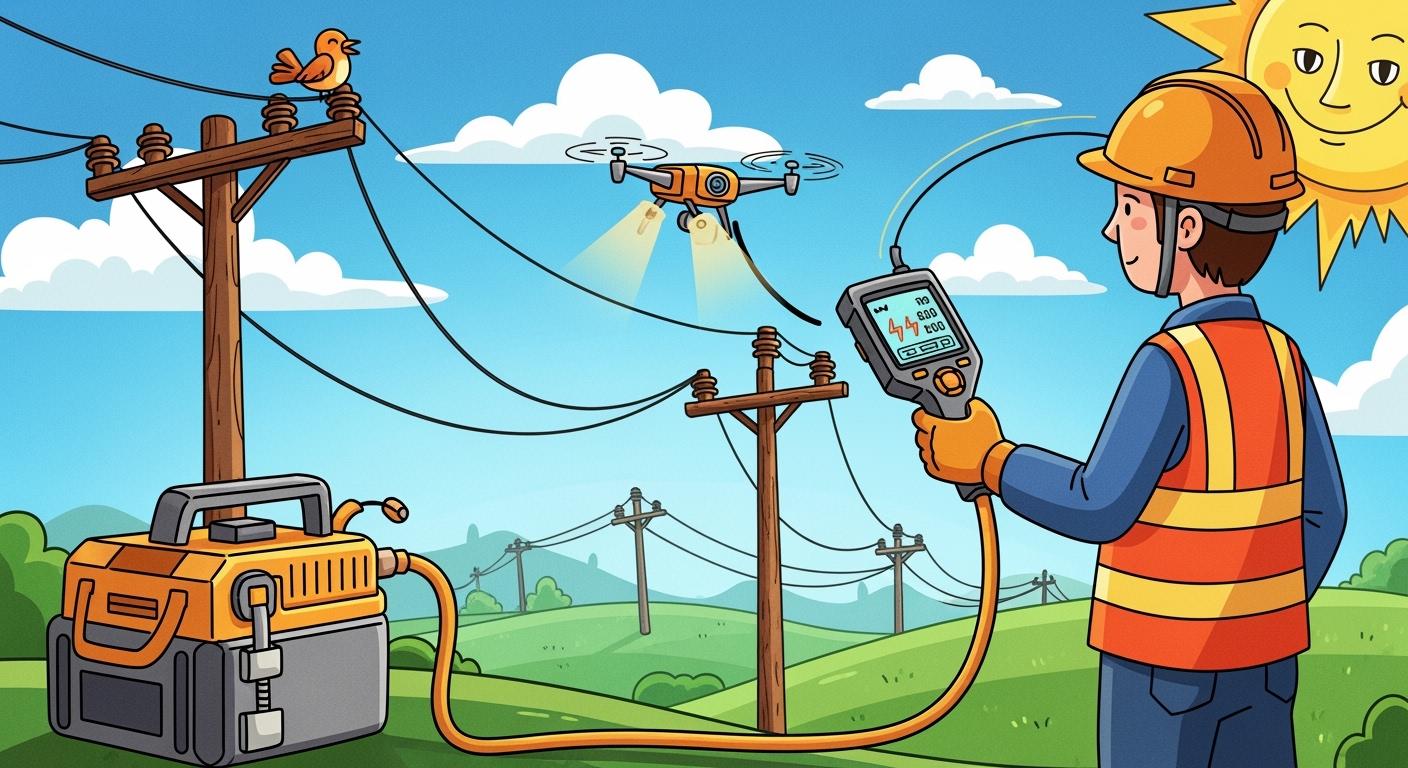
You rely on High-Reliability Battery Packs when you inspect electrical grids in the field. These lithium-ion solutions deliver steady power in tough conditions and help you avoid dangerous interruptions. You need batteries that work every time, travel light, and meet strict industry certifications. Custom engineering ensures your equipment stands up to heat, cold, and vibration. If a battery fails, your inspection stops, and safety risks rise.
Key Takeaways
High-Reliability Battery Packs provide consistent power for grid patrol equipment, ensuring reliable inspections in tough conditions.
Choosing lithium-ion batteries enhances performance with high energy density, allowing for longer run times and fewer changes.
Safety certifications like UL 2849 and UL 2271 are crucial for protecting your team and equipment from hazards.
Custom engineering of battery packs addresses unique challenges, improving reliability in extreme weather and reducing downtime.
Regular maintenance and proper storage of batteries extend their lifespan and ensure safe, efficient operations.
Part1: Role of High-Reliability Battery Packs
1.1 Powering Grid Patrol Equipment
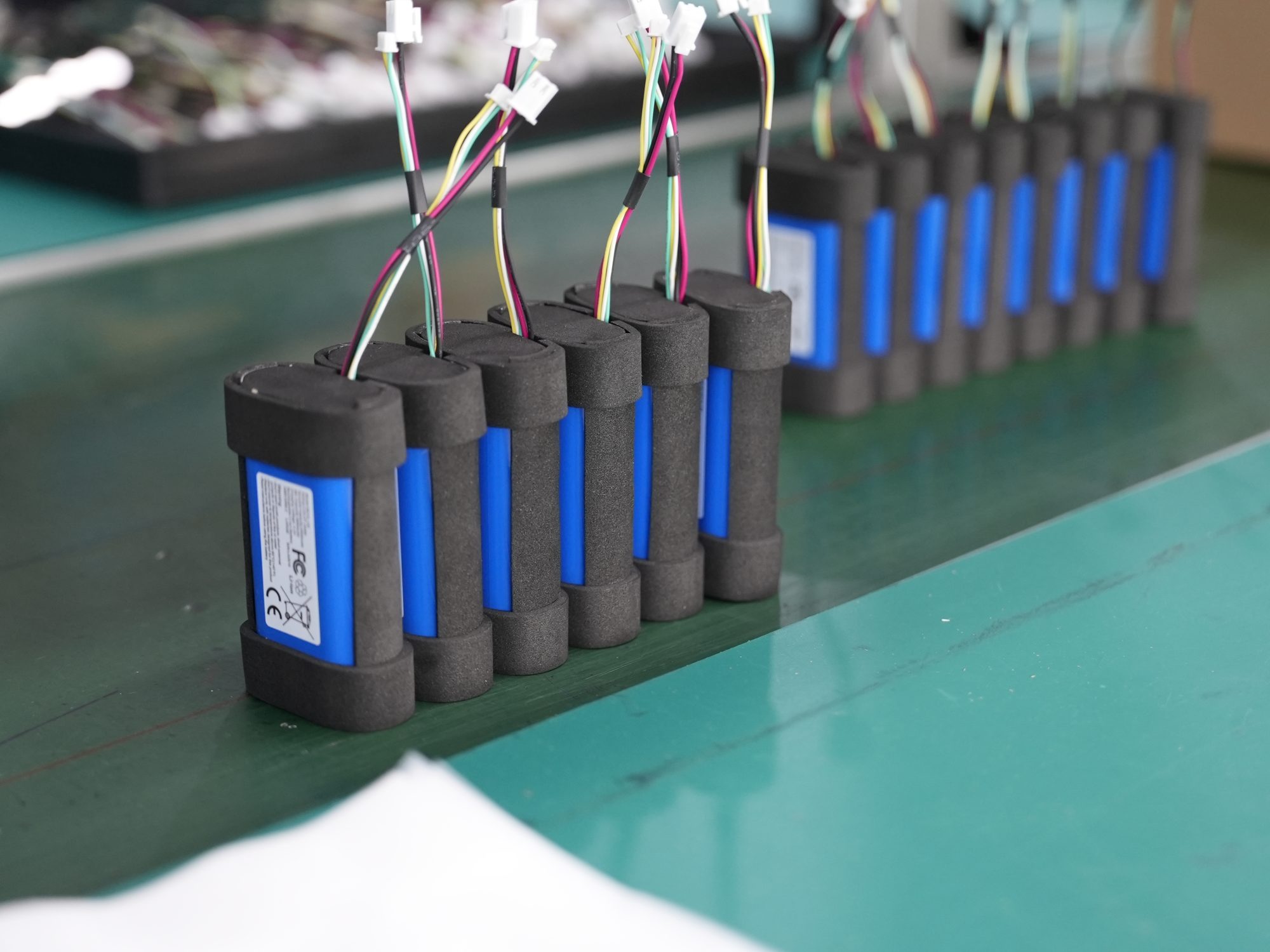
You depend on High-Reliability Battery Packs to keep your grid patrol equipment running in the field. These lithium-ion batteries deliver consistent power, even when you face unpredictable weather or rough terrain. You can trust them to supply energy for drones, handheld devices, and remote sensors. When you use lithium-ion chemistry, you gain high energy density and long cycle life. This means your equipment stays active longer and you reduce the need for frequent battery changes.
Tip: Choose battery packs designed for mission-critical applications. You will see fewer interruptions and more reliable performance during inspections.
1.2 Impact on Field Operations
High-Reliability Battery Packs transform your field operations. You minimize downtime and avoid costly delays. You also protect your team from safety risks that come with battery failures. When you select batteries engineered for extreme conditions, you address several operational challenges:
Safety risks such as overheating and thermal runaway
Performance optimization to ensure efficiency under varying conditions
Ability to withstand extreme conditions including high loads and temperature variations
You improve efficiency and maintain a steady workflow. Your equipment operates smoothly, even when temperatures fluctuate or loads increase. You can focus on inspection tasks without worrying about battery reliability. This approach supports safer, faster, and more effective utility inspections.
Part2: Key Features and Certifications
2.1 Lithium-Ion Advantages
You need battery packs that deliver high performance and reliability in every inspection. Lithium-ion chemistry stands out because it offers superior energy density and reduced weight compared to other options. This means you can carry more power in a smaller, lighter package, which is essential for portable grid patrol equipment. The table below shows the main advantages:
Advantage | Description |
|---|---|
Compact and Lightweight | Lithium-ion batteries have a higher energy density, allowing them to pack more power into smaller spaces, ideal for portable electronics. |
High Energy Output | The superior energy density of lithium-ion compared to lithium iron phosphate makes them the go-to for applications that require quick, powerful bursts of energy. |
You benefit from longer run times and fewer battery changes during field operations. Lithium-ion batteries also support rapid charging and maintain stable voltage throughout their cycle life. This reliability helps you complete inspections efficiently and reduces the risk of equipment failure.
Note: Lithium-ion battery packs are preferred for High-Reliability Battery Packs because they combine high energy density with lightweight design. This combination is critical for drones, handheld devices, and remote sensors used in grid patrols.
2.2 Safety Standards and Certifications
You must ensure your battery packs meet strict safety standards and certifications. These requirements protect your team and equipment from hazards such as overheating, short circuits, and environmental exposure. The following table highlights key certifications:
Standard | Description |
|---|---|
UL 2849 | Covers the e-bike’s electrical drive train system, battery system, and charger system combinations. Learn more about UL 2849 |
UL 2271 | Specifically addresses batteries and their chargers, requiring a protective circuit or battery management system for compliance. Read about UL 2271 |
You should also look for certifications such as SAE J2929, UN 38.3, and ISO 20653, which confirm that your battery packs meet international safety and environmental standards. These certifications ensure your batteries withstand vibration, shock, and extreme temperatures. They also verify compliance with hazardous material handling and transportation regulations.
Tip: Always select High-Reliability Battery Packs with certified battery management systems. These systems monitor voltage, temperature, and charge levels, acting as the primary safety and efficiency control.
2.3 Custom Engineering for Reliability
You face unique challenges in grid patrol operations, including harsh weather, vibration, and exposure to moisture. Custom engineering practices address these challenges and enhance the reliability of your battery packs. Engineers conduct environmental testing for temperature and humidity, mechanical testing for shock and vibration, and electrical safety validation. Innovative thermal management solutions help dissipate heat efficiently, which is crucial for maintaining performance in high-load or extreme environments.
Environmental testing (temperature, humidity)
Mechanical testing (shock, vibration)
Electrical safety validation
Custom specifications, such as IP67 and IP68 ratings, ensure your battery packs withstand high humidity and saltwater exposure. Modular battery designs make maintenance easier and reduce downtime. You can request adjustments to voltage, capacity, and battery management system software to tailor solutions for your specific needs. Custom-engineered battery packs from CNS Battery show superior cycle life and operate effectively across a wider temperature range. Enhanced water resistance contributes to durability during inspections in adverse weather. These features result in a lower total cost of ownership and fewer operational delays.
Callout: The engineering team at CNS Battery works closely with you to create tailored battery packs that fit seamlessly with your existing drone systems. This reduces compatibility issues and keeps your inspections running smoothly.
You gain confidence knowing your High-Reliability Battery Packs are built for demanding environments and meet all necessary certifications. This approach supports safe, efficient, and uninterrupted utility inspections.
Part3: Safety and Efficiency Benefits
3.1 Reducing Risks and Failures
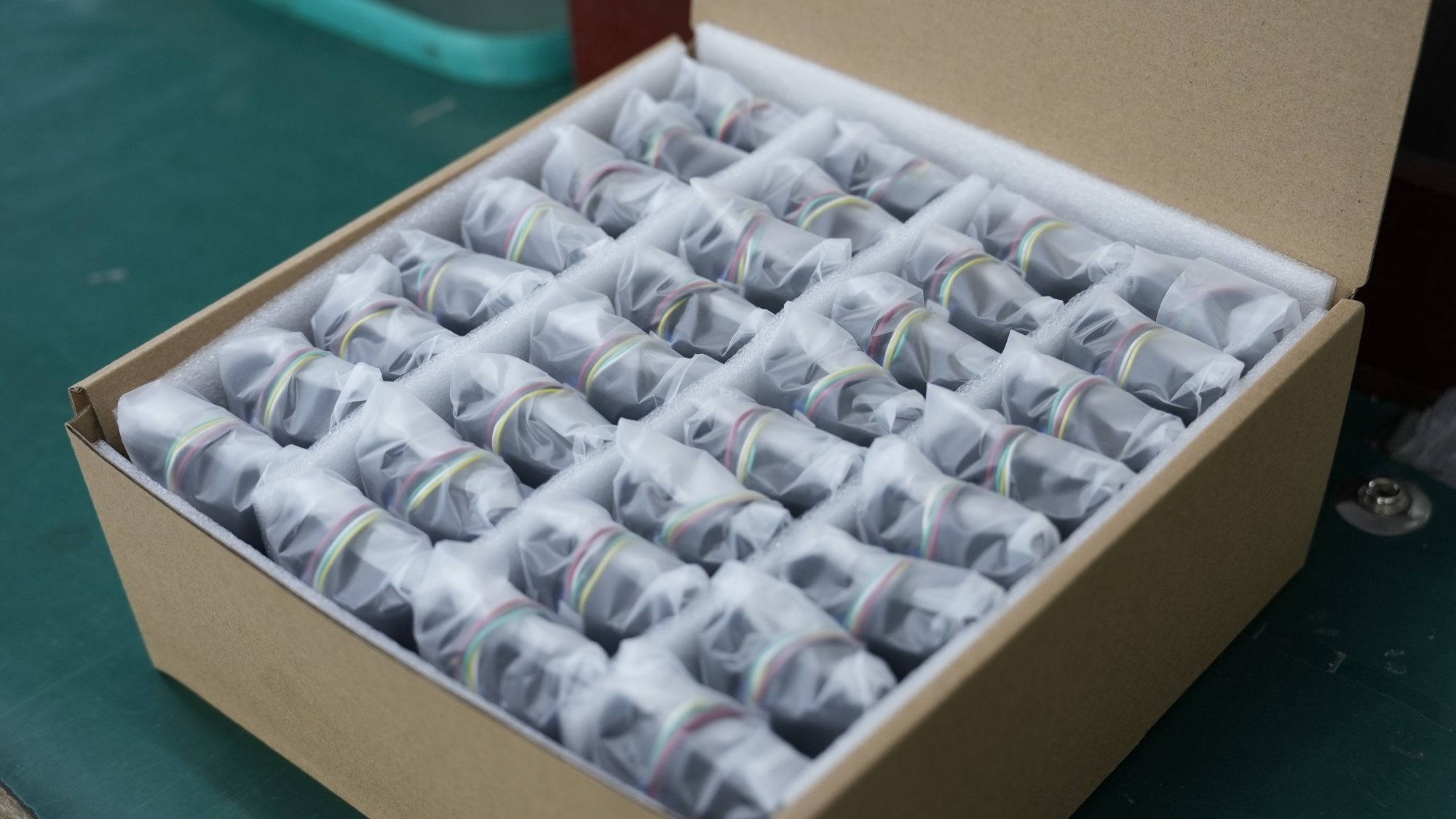
You improve operational reliability when you use certified battery packs for grid patrol equipment. High-Reliability Battery Packs help you reduce the risk of unexpected failures in the field. You gain confidence because advanced battery management systems monitor voltage, temperature, and capacity. Data-driven machine learning techniques enhance prediction accuracy for battery failures. You benefit from consistent battery parameters, which make it easier to detect issues before they disrupt your inspections.
Integration of electrochemical metrics and statistical features increases reliability.
Consistency in battery pack parameters supports early failure detection.
Machine learning improves prediction of battery issues.
You avoid costly downtime and maintain steady operations. You also protect your equipment from hazards such as overheating and thermal runaway. When you select battery packs with robust certifications, you ensure your team works safely and efficiently.
3.2 Operator Safety and Minimal Downtime
You protect your operators and minimize downtime by following best practices for battery system placement and maintenance. You reduce fire spread risk by positioning battery systems away from critical infrastructure. You contain fires by using non-combustible enclosures and ensure proper separation and ventilation. Dedicated fire protection systems control fire intensity and keep your team safe.
Strategic placement of battery systems lowers fire risk.
Fire-resistant enclosures contain incidents.
Adequate spacing and ventilation prevent rapid fire spread.
Fire suppression systems manage emergencies.
Emergency response plans and backup systems ensure continuity.
Regular inspections and upgrades prevent incidents.
You install detection systems that activate exhaust when hazardous gases appear. Automatic fire sprinkler systems cool battery units and prevent thermal runaway. You follow NFPA 855 guidelines for inspections and maintenance. These steps help you maintain safe working conditions and keep your equipment ready for every inspection.
Tip: You achieve safer and more efficient utility inspections when you combine certified battery packs with ongoing maintenance and clear emergency plans.
Part4: Applications and Best Practices
4.1 Lessons from Mission-Critical Uses
You can learn valuable lessons from mission-critical applications such as aerospace, UAVs, and grid patrol. These sectors demand battery reliability because failure can compromise safety and mission success. Recent advancements in battery technologies for military and aerospace focus on safety, performance, and design. Engineers in UAVs establish domestic lithium-ion cell factories to meet performance demands and specialized chemistries. You see advances in battery chemistry and thermal management that enable lighter, more efficient power solutions. Silicon-anode batteries increase mission endurance with higher energy density and rapid recharge capabilities. Spacecraft applications require rigorous reliability analysis, including failure rates and hazard assessments. UAVs depend on reliable battery packs to maximize flight time and ensure mission completion.
You also find similar requirements in medical devices, robotics, security systems, infrastructure monitoring, consumer electronics, and industrial automation. Each sector relies on batteries that withstand environmental stress and deliver consistent performance.
Note: High-Reliability Battery Packs play a critical role in these industries by supporting uninterrupted operation and reducing risk.
Sector | Reliability Requirement | Typical Application Example |
|---|---|---|
Aerospace/UAVs | Extreme endurance, rapid recharge | Surveillance drones |
Medical | Continuous operation, safety | Portable diagnostic equipment |
Robotics | Vibration resistance, long cycle life | Automated warehouse robots |
Security Systems | Stable voltage, backup power | Access control panels |
Infrastructure | Environmental tolerance, modular design | Remote sensors for bridges |
Consumer Electronics | Lightweight, high energy density | Smart devices |
Industrial | Robustness, maintenance ease | Factory automation controllers |
4.2 Selection and Maintenance Tips
You improve reliability by following best practices for selecting and maintaining lithium-ion battery packs. Start with a comprehensive validation program. Test battery packs under real-world conditions, including temperature, humidity, and mechanical stress. Reliability testing evaluates long-term performance and identifies issues that may not appear during initial tests. Environmental testing is essential for ensuring batteries withstand extreme temperatures, humidity, and vibration.
You maximize battery lifespan by storing batteries in a cool, dry place. Avoid deep discharges and overcharging. Maintain ideal temperatures around 70°F and store batteries at 40-50% charge for long-term storage. Use the correct charger and unplug batteries once fully charged. Regularly check battery condition and replace packs if capacity drops below 80% of the original. Perform occasional complete discharge/charge cycles for recalibration.
Tip: You ensure safe and efficient operation by combining rigorous selection, thorough testing, and proper maintenance routines.
Best Practices Checklist:
Validate battery packs for performance, safety, and reliability.
Test under real-world environmental conditions.
Store batteries properly and avoid deep discharges.
Use recommended chargers and monitor charging cycles.
Replace batteries when capacity declines.
You support uninterrupted inspections and operations by applying these practices to High-Reliability Battery Packs across all sectors.
You improve safety and efficiency in utility inspections when you choose High-Reliability Battery Packs with proper certification and custom engineering. These battery packs deliver stable voltage, long runtime, and durability. You see enhanced reliability, extended lifespan, and cost savings. The table below shows key operational benefits:
Benefit | Description |
|---|---|
Stable voltage output | Ensures measurement accuracy for sensitive electronics. |
Long runtime | Supports extended field inspections without interruptions. |
Durability | Withstands mechanical shock and continuous vibration. |
You support uninterrupted inspections and maintain compliance. Prioritize certified, reliable battery solutions for your grid patrol equipment.
FAQ
What makes lithium-ion battery packs ideal for grid patrol equipment?
You gain high energy density, lightweight design, and long cycle life with lithium-ion battery packs. These features support extended field operations and reduce downtime. You can see the technical comparison below:
Chemistry | Platform Voltage | Energy Density (Wh/kg) | Cycle Life (cycles) |
|---|---|---|---|
Lithium-ion | 3.6 V | 150-250 | 1000+ |
Lithium iron phosphate | 3.2 V | 90-160 | 2000+ |
Which certifications should you look for in battery packs?
You should select battery packs certified to standards like SAE J2929, UN 38.3, and ISO 20653. These certifications confirm safety, reliability, and environmental tolerance.
How does a battery management system (BMS) improve reliability?
You benefit from a BMS because it monitors voltage, temperature, and charge levels. This system prevents overheating and extends battery life. For more details, visit our BMS page.
What steps can you take to ensure sustainable battery sourcing?
You should verify suppliers follow responsible sourcing practices and comply with conflict minerals regulations.
How do you maintain lithium-ion battery packs for optimal performance?
You store batteries in a cool, dry place and avoid deep discharges. You use recommended chargers and replace packs when capacity drops below 80%. Regular maintenance ensures safe and efficient operation.


