

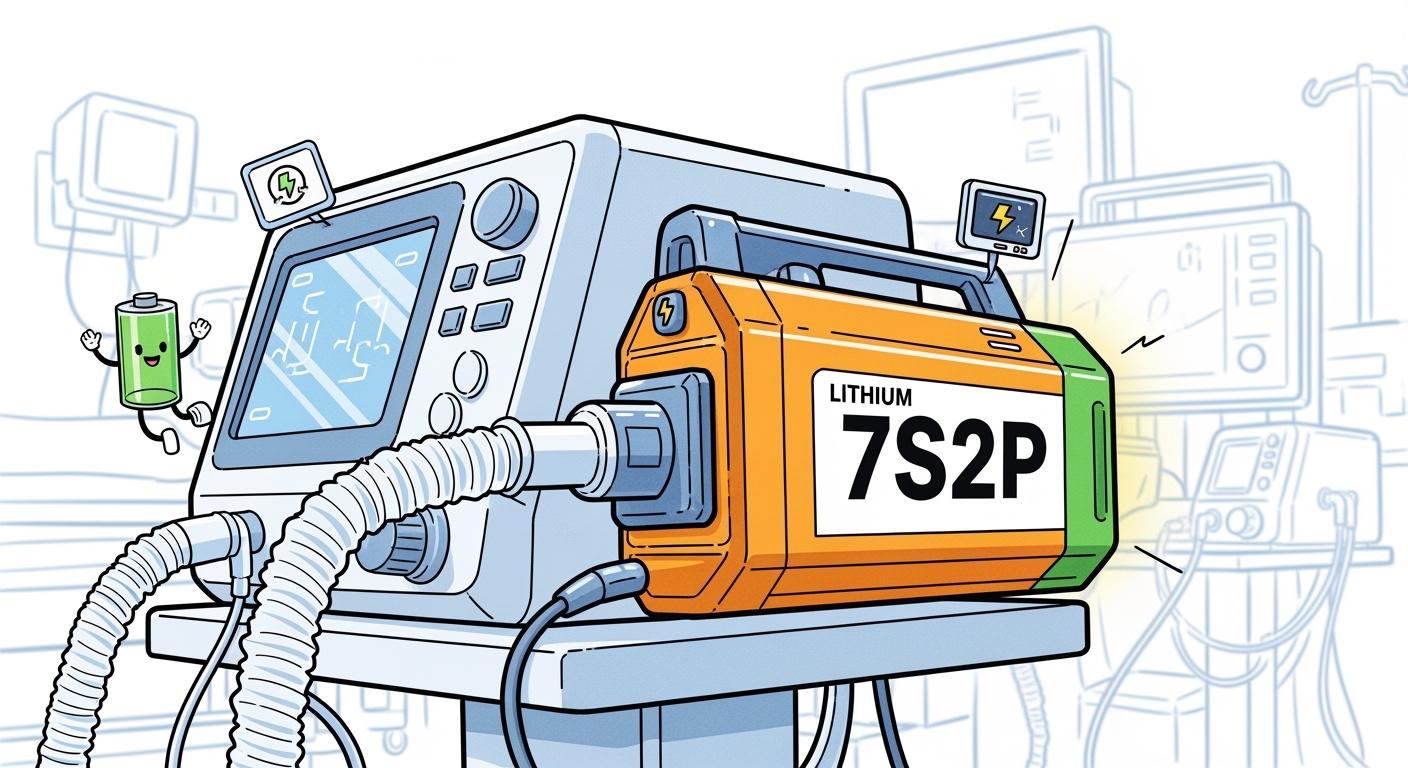
You rely on consistent power for critical care. A 7S2P Medical Lithium Battery delivers stable voltage and high energy density for ICU ventilator backup. This configuration offers advanced safety features, including thermal management and overcharge protection. You can trust its robust design in demanding medical environments where reliability matters most.
Key Takeaways
The 7S2P Medical Lithium Battery provides reliable power for ICU ventilators, ensuring stable voltage and extended runtime during emergencies.
Advanced safety features, including thermal management and overcharge protection, make the 7S2P configuration a safe choice for critical medical environments.
Regular maintenance and compliance with safety certifications can enhance battery performance and longevity, reducing downtime in healthcare settings.
Part 1: 7S2P Medical Lithium Battery Basics
1.1 7S2P Configuration Explained
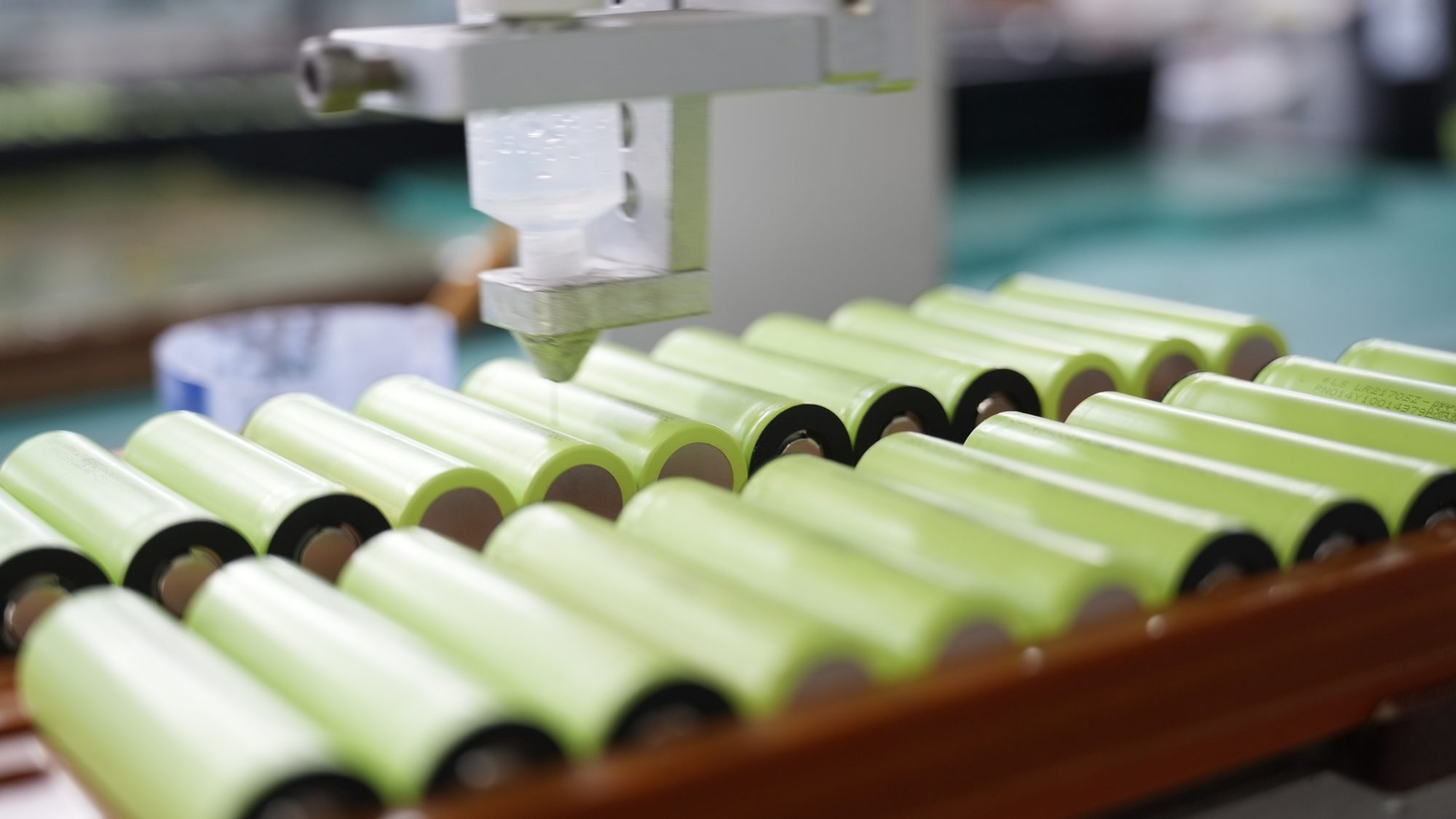
You need a reliable power source for critical care equipment. The 7S2P configuration combines seven cells in series and two in parallel, delivering both high voltage and extended capacity. This structure supports a nominal voltage of 25.9V, which matches the requirements of advanced ICU ventilators. The parallel arrangement doubles the available capacity, ensuring longer runtime during emergencies. The table below summarizes the core features of this configuration:
Feature | Description |
|---|---|
Configuration | 7 cells in series and 2 cells in parallel |
Nominal Voltage | Approximately 25.9V (3.7V per cell) |
Capacity | Doubled capacity due to parallel configuration |
Applications | Used in portable medical devices like patient monitors and infusion pumps |
Reliability | Provides consistent voltage and high reliability for critical medical devices |
Cycle Life | Long cycle life reduces maintenance and replacement costs |
Safety Features | Includes thermal cutoffs and cell balancing for compliance with standards |
1.2 Key Features for Medical Devices
You require a Medical Lithium Battery that meets strict safety and performance standards. These batteries support hot-swap capability, allowing you to replace them without interrupting device operation. Parallel configurations extend capacity for prolonged use, and high-precision fuel gauges provide accurate runtime estimates. Modern batteries support communication protocols such as I2C, SMBUS, CANBUS, RS232, and RS485, enabling real-time monitoring of battery health and charge status. Multi-layer protection designs guard against over-voltage, under-voltage, over-current, and thermal risks, ensuring stable performance in demanding clinical environments.
Certification | Purpose |
|---|---|
IEC62133 | Protects against overcharge, over drainage current, puncture, compression, and short circuit |
IEC60601 | Ensures additional protection for devices like lifts to contain battery damage |
ISO 10535 | Provides safety standards for medical devices |
UN38.3 | Ensures batteries can withstand rough handling and transportation conditions |
Tip: Always verify that your Medical Lithium Battery complies with IEC62133 and UN38.3 for safe use in healthcare settings.
1.3 Technical Specs for ICU Ventilators
You must select a battery with precise technical specifications for ICU ventilator backup. The 7S2P Medical Lithium Battery offers a nominal voltage of 25.9V and a nominal capacity of 5200mAh. It operates safely within a temperature range of -40°C to +60°C, supporting both cold storage and high-temperature environments. The battery supports a limited charge voltage of 29.4V and a discharge cut-off voltage of 21.0V. With a cycle life of 500-1000 cycles, you minimize maintenance and replacement costs. Lithium-ion chemistry provides ultra-low self-discharge, immediate high-load discharge, and redundant fail-over design, making it the preferred choice for ICU ventilator backup.
Feature | Value |
|---|---|
Nominal Voltage | 25.9V |
Nominal Capacity | 5200mAh |
Limited Charge Voltage | 29.4V |
Discharge Cut-off Voltage | 21.0V |
Operating Temperature Range | -40°C to +60°C |
Cycle Life | 500-1000 cycles |
You can also find Medical Lithium Battery solutions in robotics, security, infrastructure, and industrial applications, where reliability and safety are essential.
Part 2: Benefits and Implementation for ICU Backup
2.1 Why 7S2P Suits ICU Ventilator Backup
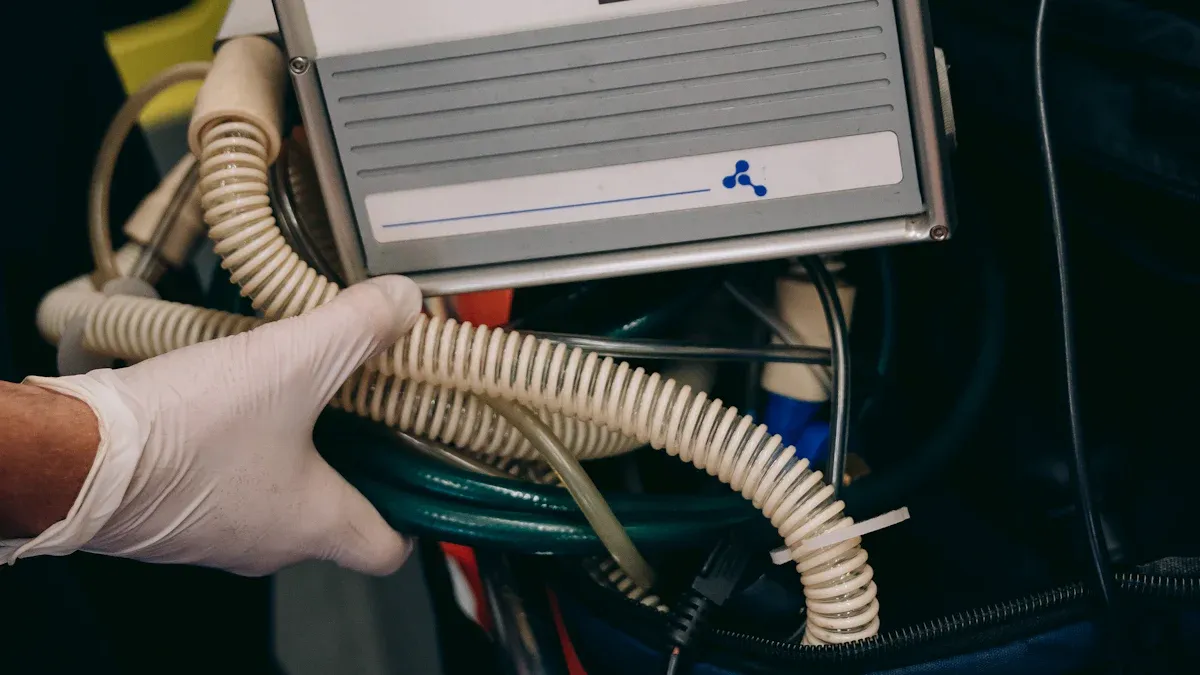
You need a power solution that delivers both reliability and performance in critical care. The 7S2P configuration provides a stable voltage output and extended runtime, which are essential for ICU ventilator backup. This setup supports high energy density, allowing you to use compact battery packs without sacrificing capacity. You can trust this configuration in portable medical devices, oxygen concentrators, and wearable health monitors. The 7S2P Medical Lithium Battery also supports rapid charging and consistent discharge rates, which ensures that ventilators remain operational during power interruptions.
Note: The 7S2P configuration is widely adopted in medical, robotics, and security system applications due to its proven reliability and adaptability.
2.2 Safety and Reliability Features
You must prioritize safety when selecting a backup battery for ICU ventilators. The 7S2P Medical Lithium Battery integrates advanced safety features, including robust charging management and precise runtime monitoring. The built-in battery management system (BMS) What is a BMS? continuously monitors cell voltage, temperature, and current, reducing the risk of overcharging or overheating. Multi-layer protection circuits guard against electrical faults, while thermal cutoffs prevent damage from extreme temperatures.
The table below compares the safety features of 7S2P lithium batteries with other battery types commonly used in medical applications:
Feature | 7S2P Lithium Batteries | Other Battery Types |
|---|---|---|
Overcharging Protection | Yes | Varies |
Overheating Protection | Yes | Varies |
Built-in Battery Management | Yes | Not always |
Cycle Life | 1000 times | Varies |
You benefit from a long cycle life, which reduces maintenance and replacement costs. The Medical Lithium Battery also supports real-time communication protocols, enabling you to monitor battery health and performance remotely. This level of safety and reliability is critical in ICU environments, where uninterrupted operation can save lives.
2.3 Comparison with Other Battery Configurations
You may consider different battery configurations for ventilator backup. The 7S2P Medical Lithium Battery stands out due to its balance of voltage, capacity, and safety. The following table highlights key differences between 7S2P and other common configurations:
Configuration | Nominal Voltage | Capacity | Size/Weight | Safety Features | Typical Applications |
|---|---|---|---|---|---|
7S2P | 25.9V | High | Compact | Advanced (BMS, thermal) | ICU ventilators, robotics |
6S2P | 22.2V | Moderate | Compact | Standard | Security, industrial |
7S1P | 25.9V | Lower | Smaller | Basic | Portable monitors |
Lead-acid | 12V/24V | High | Heavy | Basic | Infrastructure, legacy |
You gain higher energy density and longer runtime with the 7S2P setup compared to 7S1P or lead-acid batteries. The advanced safety features and integrated BMS make it a superior choice for medical and industrial applications.
2.4 Implementation Considerations
You must address several factors when implementing a Medical Lithium Battery solution for ICU ventilator backup. Certification is essential. Ensure your battery complies with IEC62133, IEC60601, ISO 10535, and UN38.3 standards. These certifications guarantee safety during operation, transport, and storage.
Maintenance protocols help you maximize battery life and safety:
Avoid overcharging by using the correct charger and following manufacturer guidelines.
Store batteries in a cool, dry place at around 50% charge to enhance performance and longevity.
Calibrate batteries periodically by fully charging and discharging them to maintain accurate capacity readings.
Keep connectors clean to ensure solid connections and enhance safety.
Monitor for physical damage or swelling and consult a professional if issues are found.
You should also plan for seamless integration with ventilator systems. Choose batteries with compatible communication protocols and ensure proper installation to support hot-swapping and real-time monitoring. Regularly review maintenance logs and battery health reports to prevent unexpected failures.
Tip: Proper maintenance and certification checks reduce downtime and extend the service life of your Medical Lithium Battery system.
If your organization values sustainability, consider sourcing batteries from suppliers who follow responsible practices. Learn more about sustainability and conflict minerals in the battery supply chain to support ethical sourcing.
You can apply these best practices across medical, robotics, security, infrastructure, and industrial sectors, where reliable backup power is mission-critical.
You gain optimal ICU ventilator backup with a 7S2P Medical Lithium Battery. Market growth, new EU and IFC regulations, and best practices like regular checks and proper labeling drive adoption. You can request custom solutions for your medical, robotics, or industrial needs to ensure reliable, compliant critical care support.
FAQ
What makes Large Power’s 7S2P lithium battery group ideal for ICU ventilator backup?
You gain high energy density, stable voltage, and advanced safety features. Large Power ensures compliance with IEC62133 and UN38.3 for critical medical and industrial applications. Need a reliable backup battery for ICU ventilators?
Talk to Large Power’s medical battery engineers to customize a safe, compliant 7S2P lithium battery pack for your device.
How do you integrate a 7S2P lithium battery group with your medical or robotics system?
You select compatible communication protocols and follow manufacturer guidelines. Large Power offers custom consultation for seamless integration. Request a custom battery consultation.
What is the typical cycle life of a 7S2P lithium battery group in security or industrial use?
You can expect 500–1000 cycles. This long service life reduces maintenance costs and downtime in security, infrastructure, and industrial environments.


