

Quick Answer
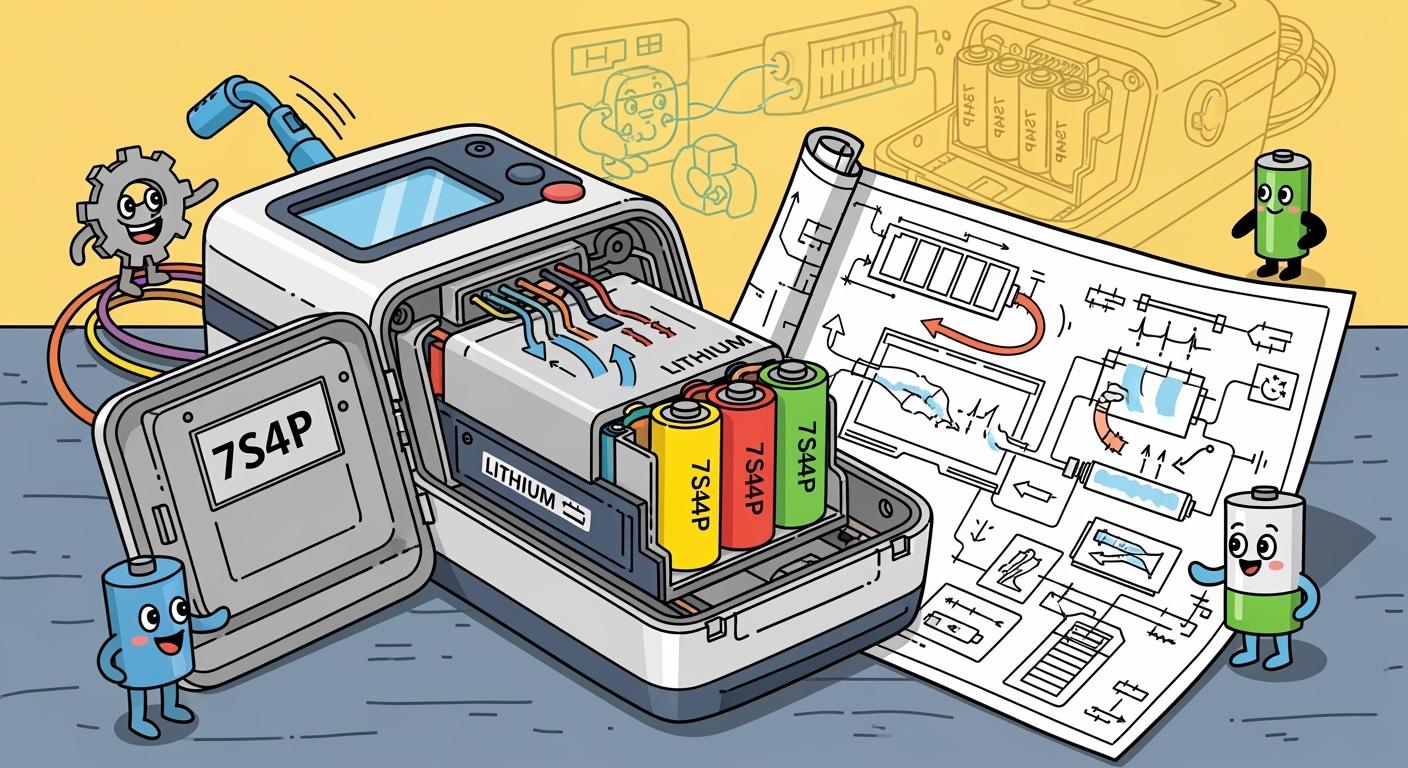
A 7S4P lithium-ion battery pack can extend portable ventilator runtime by combining seven cells in series to achieve the required operating voltage and four parallel cell groups to increase capacity and current capability. Final runtime depends on usable battery energy, ventilator power consumption, conversion efficiency, operating mode, temperature, battery ageing, and the safety limits established by the BMS. Medical battery packs must be validated at cell, pack, charger, and device levels before clinical deployment.
Improving the runtime of portable ventilators requires more than increasing nominal battery capacity. Engineers must balance operating voltage, usable energy, discharge capability, charging time, pack dimensions, weight, thermal performance, and regulatory requirements. Large Power provides custom medical battery solutions for portable ventilators and other critical medical equipment.
In a 7S4P configuration, seven cell groups connected in series determine the pack voltage, while four cells connected in parallel within each group increase capacity and load capability. This architecture can support longer operation and higher peak loads, but only when the selected cells, interconnections, protection system, and charger are properly matched to the ventilator.
A dependable medical battery design should address:
Cell consistency and supplier traceability
Normal and peak ventilator power demand
BMS protection and state-of-charge accuracy
Cell balancing and pack-level thermal management
Charger and power-adapter compatibility
Low-temperature and high-temperature performance
Ageing, cycle life, and end-of-life capacity
Mechanical shock, vibration, and enclosure protection
Applicable medical-device and battery standards
Lithium-ion cells offer an effective balance of energy density, weight, and cycle life, but their electrical and thermal risks require systematic controls. Engineering teams should use risk-management methods such as FMEA, fault testing, design verification, and production quality controls throughout development. Existing portable ventilator battery solutions can help engineers compare voltage, capacity, communication, enclosure, and protection requirements.
For portable ventilator manufacturers, the objective is not simply to maximize rated ampere-hours. It is to deliver predictable usable runtime, accurate battery-status reporting, reliable backup operation, and controlled performance throughout the battery pack’s service life.
Large Power can develop a custom lithium battery pack around your ventilator’s voltage, runtime target, dimensions, communication protocol, charging method, and certification requirements.
Key Takeaways
Choose a 7S4P lithium battery pack to enhance runtime and reliability for portable ventilators. This configuration increases voltage and capacity, allowing devices to operate longer.
Select the right battery chemistry, such as NMC or LiFePO4, to ensure safety and performance. Each chemistry has unique benefits that suit different medical applications.
Implement a robust Battery Management System (BMS) to monitor and protect the battery pack. A BMS prevents overcharging and overheating, ensuring safe operation.
Prioritize thermal management strategies to prevent overheating. Use air or liquid cooling systems to maintain optimal temperatures during high-demand use.
Regularly maintain battery packs by inspecting for wear, using approved chargers, and replacing them on schedule. This practice extends battery life and ensures consistent performance.
Part1: 7S4P Configuration and Improving Runtime
1.1 7S4P Explained
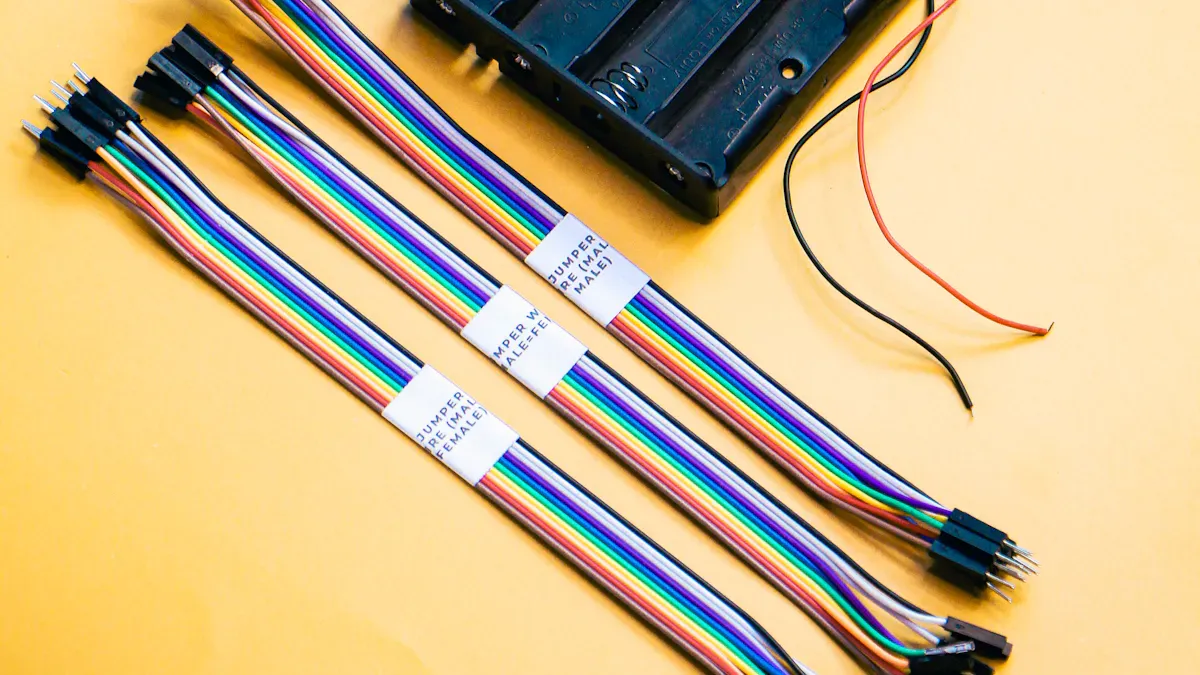
You need to understand the 7S4P configuration to make informed engineering decisions for portable ventilators. In this setup, you connect seven lithium-ion cells in series, which increases the total voltage output. Each cell typically provides about 3.7V, so seven in series deliver approximately 25.9V. You then connect four of these series strings in parallel, which multiplies the total amp-hour (Ah) capacity by four. This parallel arrangement allows the battery pack to supply higher currents, reduces voltage sag under load, and supports longer device operation.
Tip: The 7S4P configuration not only boosts performance but also helps extend battery lifespan. By distributing the load across more cells, you keep each cell operating below its maximum C-rate, which reduces stress and heat buildup.
Here is a summary of typical technical specifications for a 7S4P lithium battery pack used in portable ventilators:
Specification | Details |
|---|---|
Voltage | 25.4V |
Capacity | 2.5Ah (per cell group) |
Size | 130×74×75mm (or OEM) |
Type | Lithium-ion (Li-ion) |
Nominal Voltage | 25.4V |
Nominal Capacity | 2.5Ah |
OEM Capacity | 10Ah, 24Ah, 200Ah (custom options) |
Product Name | 18650 2600mAh 25.4V 7S4P |
Warranty | One year warranty |
Application | Portable ventilators, medical devices |
1.2 Why 7S4P Boosts Runtime
You can achieve significant gains in Improving Runtime by choosing the 7S4P configuration. The series connection ensures you meet the voltage requirements for medical ventilators, while the parallel groups increase the total energy storage. This means your device can run longer between charges, which is critical in medical environments where uninterrupted operation saves lives.
The 7S4P setup also allows for higher discharge rates. You can draw more current without causing excessive voltage drop or overheating. This stability is essential for ventilators, which often require consistent power delivery. By minimizing voltage sag, you maintain reliable device performance even during peak loads.
Note: Operating below the maximum C-rate not only improves runtime but also enhances safety and extends the overall lifespan of the battery pack.
1.3 Comparing Battery Setups
When you compare the 7S4P configuration to other common setups, you see clear advantages in both runtime and reliability. Here is a table that highlights the differences:
Configuration | Voltage (V) | Capacity (Ah) | Total Energy (Wh) | Runtime | Reliability | Typical Use Case |
|---|---|---|---|---|---|---|
4S1P | 14.8 | 2.5 | 37 | Low | Moderate | Small electronics |
4S2P | 14.8 | 5.0 | 74 | Medium | Good | Light medical devices |
7S1P | 25.9 | 2.5 | 64.75 | Medium | Moderate | Robotics, tools |
7S4P | 25.9 | 10.0 | 259 | High | Excellent | Portable ventilators |
You notice that the 7S4P pack delivers much higher total energy and runtime compared to 4S1P or 4S2P. The higher voltage matches the requirements of many medical devices, while the increased capacity ensures longer operation. This configuration also provides redundancy; if one cell fails, the parallel structure helps maintain function, which is vital for critical applications.
By selecting a high-capacity 7S4P lithium battery pack, you take a major step toward Improving Runtime and reliability in portable ventilators. This approach supports continuous operation, reduces maintenance needs, and enhances patient safety.
Part2: Design Insights for Battery Packs
2.1 Cell Selection and Chemistry
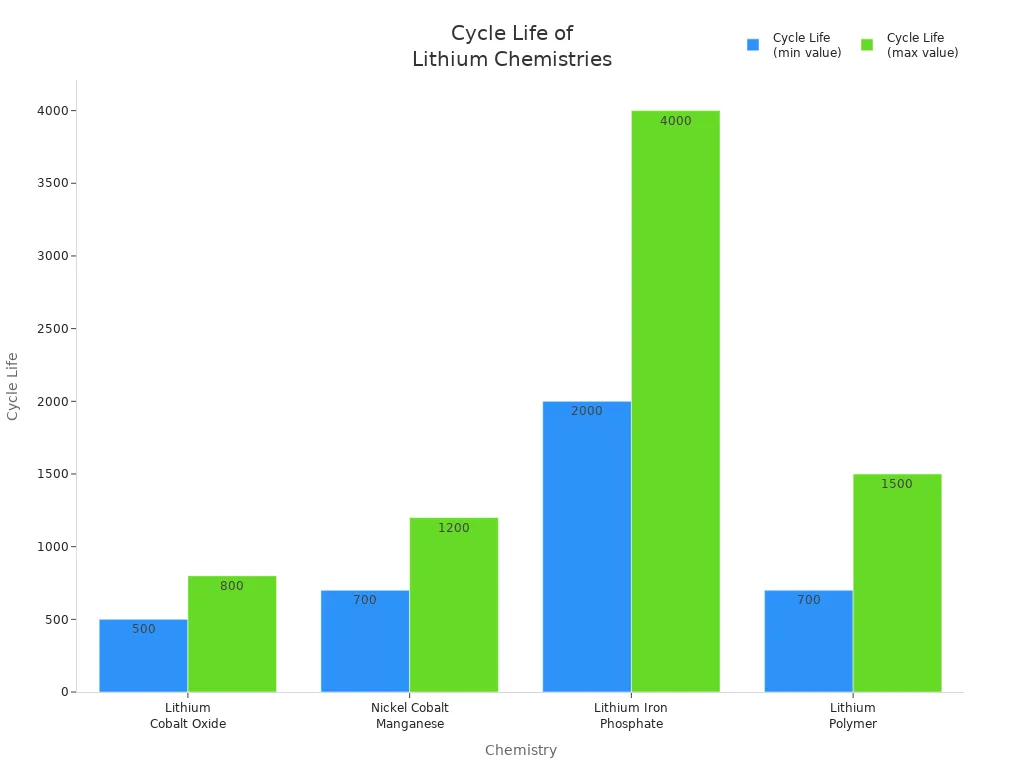
You need to select lithium battery cells based on chemistry, capacity, safety, and compliance. In medical ventilators, NMC (Nickel Manganese Cobalt) and LiFePO4 (Lithium Iron Phosphate) are common choices. NMC offers high energy density and a cycle life of 700–1200 cycles, making it suitable for portable medical devices and robotics. LiFePO4 provides excellent thermal stability and a cycle life of 2000–4000 cycles, ideal for ventilators, infrastructure, and industrial equipment. LCO (Lithium Cobalt Oxide) is used in small, high-density devices, while LMO (Lithium Manganese Oxide) finds use in consumer electronics and security systems.
Chemistry | Cycle Life | Safety | Energy Density | Medical Suitability |
|---|---|---|---|---|
LCO | 500–800 | Medium | High | Small high-density devices |
NMC | 700–1200 | Very High | Very High | Most medical devices, robotics |
LiFePO4 | 2000–4000 | Very High | Medium | Ventilators, infrastructure, industry |
LiPo | 700–1500 | High | Very High | Wearables, portable electronics |
Tip: Always verify that your cells meet UL 2054 and EMC (YY 0505) standards for medical compliance.
2.2 Series vs. Parallel Benefits
You can optimize battery packs by balancing series and parallel connections. Series connections increase voltage, which is essential for high-power applications like medical ventilators and industrial robots. Parallel connections increase capacity and provide redundancy. If one cell fails, others continue to supply power, ensuring uninterrupted operation. This redundancy is critical for Improving Runtime and reliability in healthcare, security, and infrastructure systems.
Series: Raises voltage, keeps capacity constant.
Parallel: Raises capacity, keeps voltage constant, adds resilience.
2.3 Battery Management System
You must use a robust battery management system (BMS) to monitor and balance your pack. A BMS provides overcharge, over-discharge, and short-circuit protection. It monitors temperature, manages state of charge (SOC), and balances cells to prevent drift and imbalance. These features are essential for safe, long-lasting operation in medical, industrial, and consumer electronics applications.
2.4 Thermal and Safety Features
You should implement advanced thermal management strategies to prevent overheating. Air cooling works for small to medium packs, while liquid or hybrid cooling suits high-capacity systems. Safety features like PTC thermistors, aluminum-laminated films, and compliance with IEC 60601 and ISO 13485 standards are mandatory for medical devices. These measures protect against thermal runaway and ensure safe, reliable performance across all sectors.
Part3: Runtime Optimization Strategies
3.1 Maximizing Capacity and Discharge
You can maximize the capacity and discharge rates of lithium battery packs in portable ventilators by focusing on several engineering methods:
Select the right battery type for your application. Consider the required capacity, peak power demands, and the operating temperature range.
Use manufacturer-approved chargers and avoid overcharging. Proper charging practices help extend battery life and maintain consistent performance.
Implement effective thermal management. Space cells strategically and use heat sinks to prevent overheating.
Consider active cooling systems, such as air or liquid cooling, to remove heat efficiently during high-demand operation.
Design the battery enclosure with materials that conduct heat well. This helps maintain optimal temperatures and supports Improving Runtime.
You should also ensure adequate spacing between cells. This allows for natural air circulation and prevents hotspots, which can damage cells and reduce pack efficiency.
3.2 Weight vs. Portability
You must balance battery pack weight with device portability. Lighter packs make ventilators easier to carry, but they often provide less runtime and lower performance.
“In the HEMS market, there can be a perception that smaller — or lighter — devices are always better. However, engineering always involves trade-offs. A smaller, lighter device often means a smaller user interface, a smaller battery with less run time, and potentially lower overall performance,” Beck explained.
Heavier ventilators can impact user experience and mobility:
Increased device weight can lead to greater fatigue for users.
Studies show that carrying a 7.3 kg ventilator in a backpack reduced walking distance by 64 meters, even when oxygenation improved.
The burden of heavy devices highlights the need for practical, portable ventilator solutions.
You should analyze these trade-offs carefully to design packs that meet both runtime and portability requirements.
3.3 Real-World Runtime Gains
You can see real-world improvements in ventilator runtime by applying these strategies. For example, switching from a 4S2P to a 7S4P lithium battery pack can more than triple the total energy available, extending operation from a few hours to over ten hours in some medical scenarios. This longer runtime reduces the need for frequent battery changes and supports continuous patient care.
In medical, industrial, and infrastructure settings, these optimizations help ensure reliable device operation. By focusing on cell selection, thermal management, and pack design, you can deliver ventilators that perform consistently and safely in demanding environments.
Part4: Implementation and Compliance
4.1 Assembly Best Practices
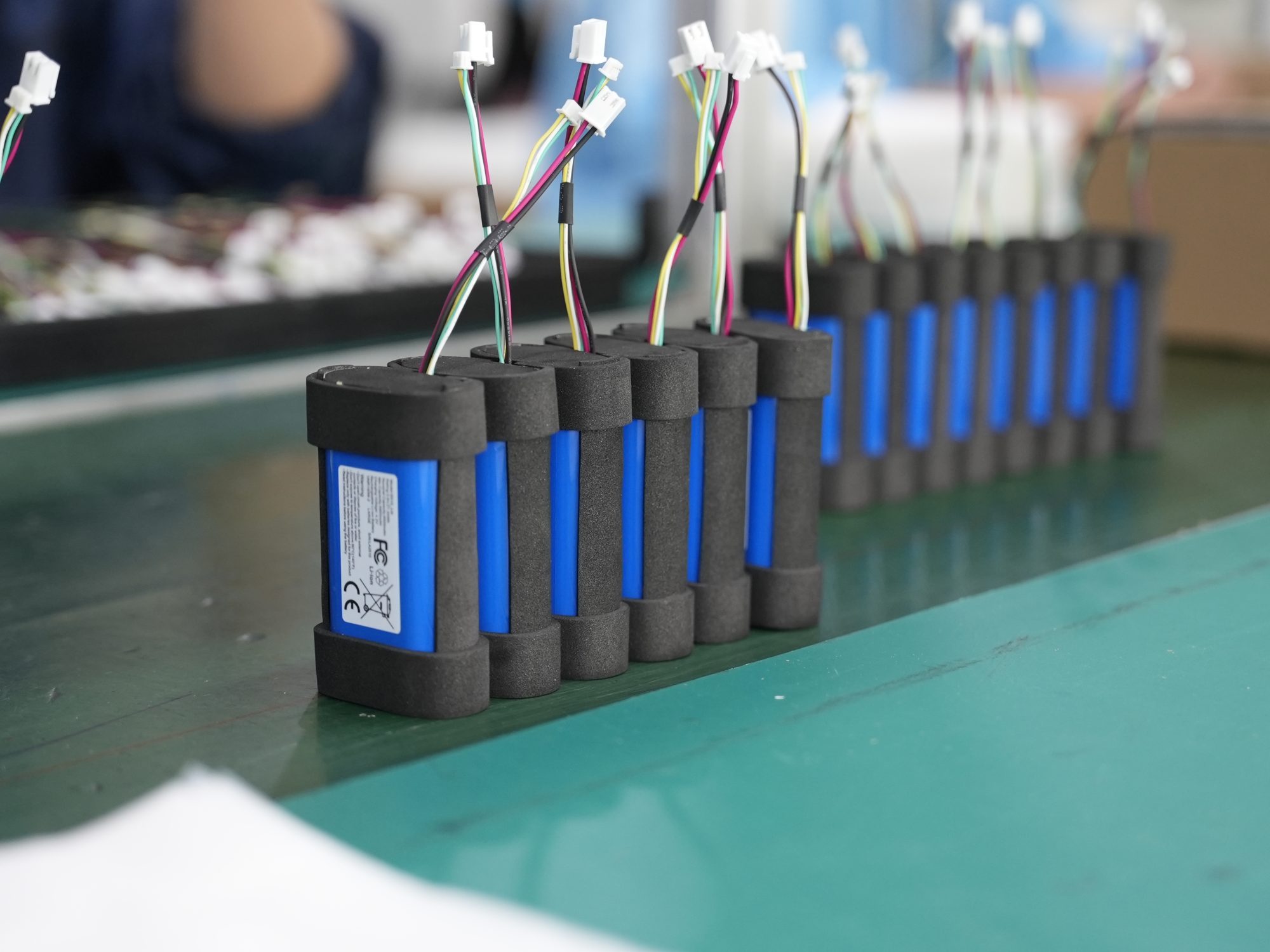
You can build reliable lithium battery packs for medical ventilators by following proven assembly methods. Start by selecting safe chemistries such as NMC or LCO, which offer strong safety and performance profiles. Use a 3.7V / 6000mAh Li-Po cell to achieve about 8 hours of runtime under typical ventilator loads. Integrate a robust Battery Management System (BMS) that provides overcharge and over-discharge protection, temperature monitoring, and compliance with medical safety standards.
Use only certified cells and components.
Implement a BMS with advanced safety features.
Follow a charging protocol that supports fast charging (QC3.0) and minimizes standby current.
Replace battery packs every two years to maintain medical-grade reliability.
Ensure all assembly steps meet quality management standards.
Tip: Early integration of compliance strategies and safety features helps you meet international certification requirements and reduces costly redesigns later.
4.2 Maintenance and Longevity
You can extend the life and reliability of your battery packs with regular maintenance. Schedule routine inspections to check battery health and functionality. Always follow the recommended charging procedures for your specific battery chemistry. Control the operating temperature to prevent performance loss and premature aging.
Inspect packs regularly for signs of wear or damage.
Use manufacturer-approved chargers and avoid overcharging.
Store batteries in a cool, dry place to prevent thermal stress.
Replace packs on schedule to avoid unexpected failures.
Regular maintenance prevents state-of-charge (SOC) drift and supports consistent performance throughout the battery’s service life.
4.3 Regulatory Standards
You must comply with strict regulatory standards when designing and manufacturing lithium battery packs for medical ventilators. These standards ensure safety, quality, and reliability in critical healthcare environments.
Standard | Description |
|---|---|
IEC 60601 | Governs the safety and performance of electrical medical equipment. |
Ensures consistent quality management in medical battery manufacturing. | |
UL 2054 | Evaluates battery safety under extreme conditions. |
UL 1642 | Specifically covers lithium-ion battery cells. |
International certifications require you to integrate safety features and compliance strategies from the earliest design stages.
You can achieve Improving Runtime in portable ventilators by focusing on the right engineering strategies. Select the best cell chemistry, use a robust 7S4P configuration, and implement a reliable battery management system. Prioritize safety features and compliance at every stage. When you apply these insights, you deliver ventilator solutions that are dependable and long-lasting for medical and industrial applications.
FAQ
What makes a 7S4P lithium battery pack suitable for portable ventilators?
A 7S4P architecture connects seven cell groups in series to establish the pack voltage and four cells in parallel to increase capacity and current capability. It can support extended runtime and stable power delivery when its voltage range matches the ventilator’s electronics. However, 7S4P is not automatically suitable for every ventilator; cell chemistry, usable energy, dimensions, peak load, charger compatibility, and safety requirements must be evaluated for each device.
How do you select the right lithium battery chemistry for medical applications?
Engineers should compare energy density, cycle life, discharge capability, thermal behavior, weight, size, and certification requirements. NMC is often selected when compact size and high energy density are important, while LiFePO4 can provide longer cycle life and strong thermal stability. LCO and LMO may suit specific designs, but chemistry selection must be based on device-level risk analysis and validation. Learn more about Large Power’s custom medical battery solutions.
Why is a Battery Management System essential in a ventilator battery pack?
The BMS monitors cell voltage, pack current, temperature, and state of charge. It can protect the pack against overcharge, over-discharge, overcurrent, short circuits, and abnormal temperatures. For portable ventilators, the BMS may also communicate battery status, remaining capacity, fault information, and cycle data to the host device.
How does cell balancing improve battery-pack performance?
Cell balancing reduces voltage differences among series-connected cell groups. This helps prevent an individual group from reaching its charge or discharge limit before the rest of the pack. Effective balancing supports usable capacity, state-of-charge accuracy, cycle life, and consistent pack performance, although it cannot correct damaged or severely mismatched cells.
What maintenance practices help maximize battery-pack service life?
Use the approved charger, avoid operation outside the specified temperature range, inspect connectors and enclosures, and monitor battery-health data where available. Follow the manufacturer’s storage state-of-charge and replacement recommendations. Battery packs showing swelling, damage, overheating, communication faults, or abnormal capacity loss should be removed from service and evaluated by qualified personnel.
Can Large Power customize a 7S4P battery pack for a portable ventilator?
Yes. Large Power can evaluate the ventilator’s voltage range, runtime target, load profile, dimensions, connector, communication protocol, charging method, operating environment, and certification requirements. Review existing portable ventilator battery solutions or submit your specifications for a custom lithium battery pack.


