

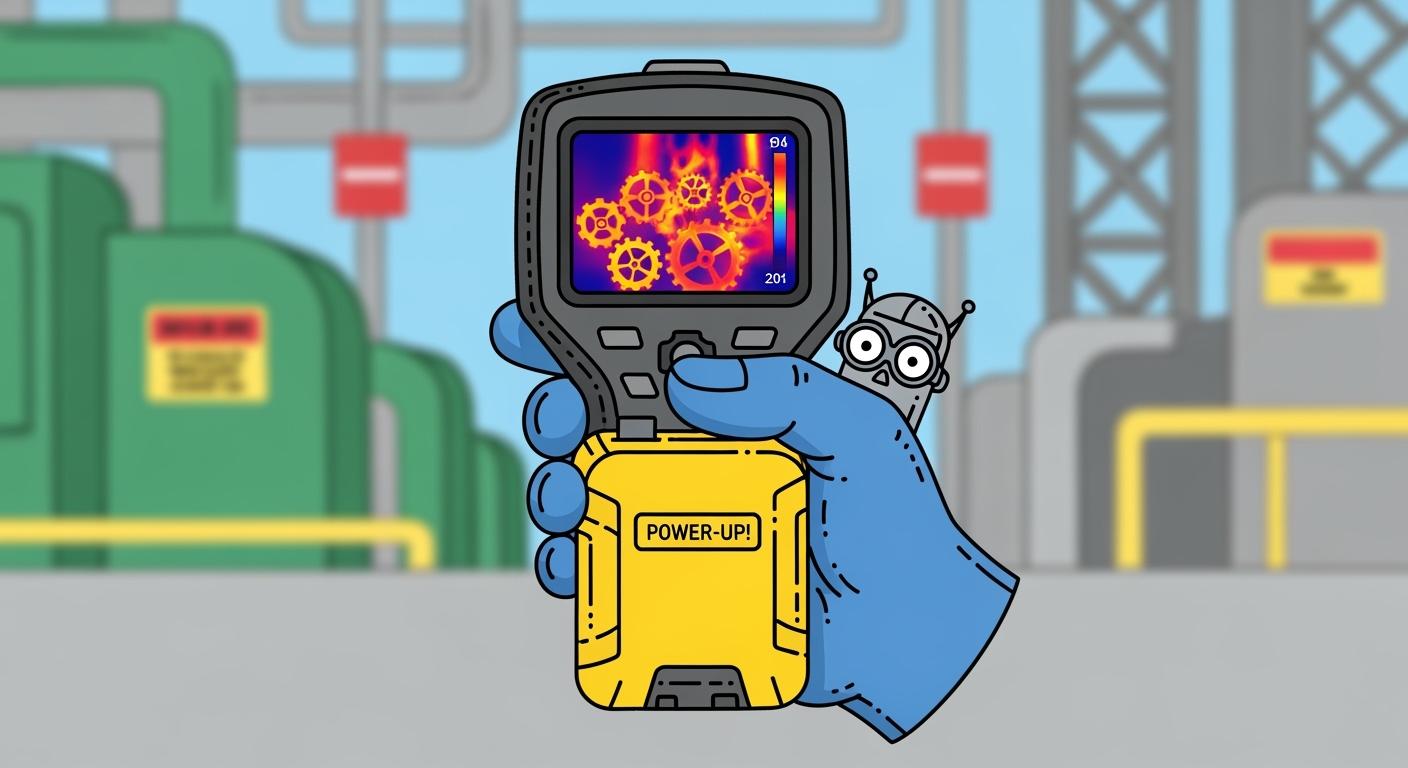
You need battery packs to keep handheld thermal imaging cameras working during inspections. These cameras help you find equipment problems before they stop work. Battery packs are important for keeping cameras running, but you must watch them closely for safety. Thermal imaging helps you check battery heat and stop dangers. Lithium-ion battery packs make cameras more reliable and help your maintenance work. Their features change how you work, stay safe, and get things done.
Good battery care keeps inspections safe and running smoothly.
Key Takeaways
Pick battery packs with high capacity for longer use. This lets you work longer without stopping.
Check battery packs often with thermal imaging to stay safe. This stops overheating and keeps you from danger.
Choose strong battery packs that can handle hard places. Tough batteries last longer and work better in rough spots.
Use fast charging to cut down waiting time. This makes your thermal imaging cameras ready to use fast.
Always check for safety labels on battery packs. This makes sure you use safe and trusted products for your work.
Part1: Battery Packs in Industrial Inspection
1.1 Powering Thermal Imaging Cameras
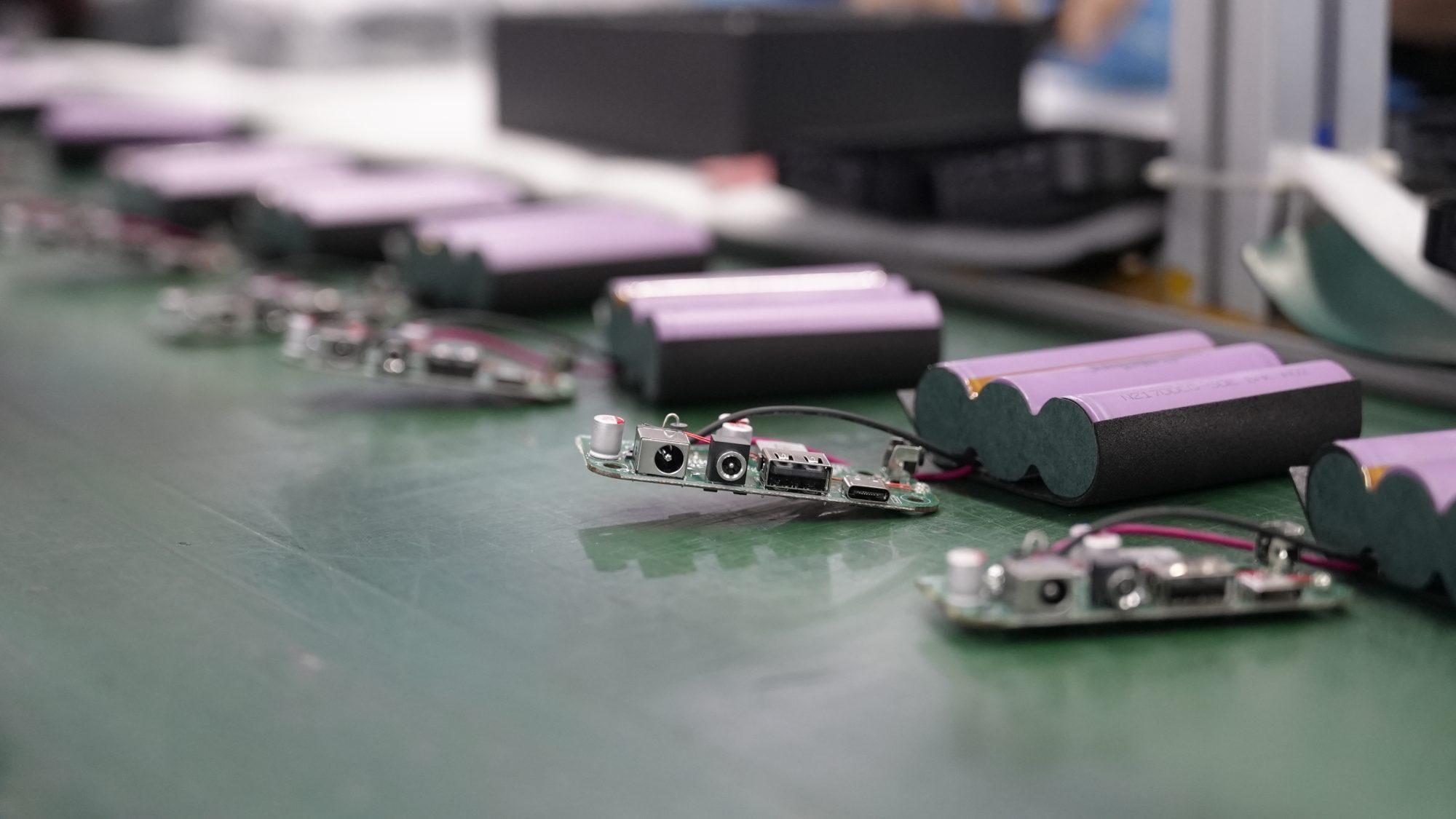
Battery packs help thermal imaging cameras work during inspections. These cameras let you check machines without touching them. You can use them in many places like factories and power plants. You can also use them at chemical sites. Battery packs let you move around and reach tough spots. You do not need to worry about plugging in cords.
There are different battery packs for these cameras. Each one has features that matter for your job:
Capacity: This is measured in milliampere-hours (mAh). More capacity means you can use it longer.
Run Time: This tells you how long the camera works before charging.
Charging Methods: You can charge with USB or wall chargers. These ways make charging simple.
Durability: Strong battery packs last longer and work better.
Compatibility: Make sure the battery fits your camera.
Pick battery packs that fit your inspection needs. High-capacity packs help you finish long jobs without stopping. Tough packs work well in rough places. Easy charging keeps your camera ready for work.
Tip: Pick battery packs with high capacity and strong build for tough inspections.
1.2 Supporting Predictive Maintenance
Thermal imaging cameras help you find problems before machines break. Battery packs power these cameras during checks. You can watch motors, switchgear, and battery storage systems.
You get many good things from using cameras with good battery packs:
You watch important machines and find problems early.
You check battery packs for loose wires and stop failures.
You use thermal imaging to spot trouble before it happens.
You help your team avoid costly stops. You keep machines working well. You lower the chance of sudden breakdowns.
Note: Checking with thermal imaging often stops fires and helps machines last longer. You find problems before they get worse.
1.3 Battery Safety and Thermal Inspection
Lithium-ion battery packs need careful safety checks. There are risks like overheating, damage, wrong charging, and bad weather. You must check battery packs to keep everyone safe.
Safety Risk | Description |
|---|---|
Thermal Runaway | Fast chemical reaction makes heat, gas, and maybe fire. |
Physical Damage | Hits or holes can cause short circuits and battery failure. |
Electrical Misuse | Charging wrong or too much breaks the battery and causes overheating. |
Environmental Exposure | Hot weather speeds up problems; cold makes charging risky. |
You use thermal inspection to find problems in battery packs. Real-time thermal imaging shows temperature changes. You can see hot spots and stop overheating. Advanced tools help you watch battery packs closely. You make things safer and keep work going.
You can use a two-step thermal check to find problems in packed batteries. Deep learning helps you look at thermal data faster. You make safety checks better and quicker.
Safety Alert: Always check battery packs with thermal imaging before and after use. This keeps your team and equipment safe.
Part2: Key Features of Lithium Battery Packs
2.1 Capacity and Runtime
It is important to know about capacity and runtime when picking lithium battery packs for handheld thermal imaging cameras. Capacity shows how much energy a battery can hold. People measure this in milliampere-hours (mAh) or watt-hours (Wh). For example, the Mi-TIC S handheld thermal imaging camera uses a lithium battery pack with 1800mAh capacity and 6.4V voltage. This is common for many handheld devices used in factories.
If the battery has more capacity, your camera will last longer before you need to charge it again. This helps you finish your inspections without stopping. How long the battery lasts depends on how you use the camera. Some things use more power than others.
Cameras with higher resolution use more energy because they have to work with more pixels.
Cameras with higher refresh rates, like 50 Hz, use up batteries faster than ones with 30 Hz.
Cold weather makes batteries work less well, so they do not last as long.
If you use Wi-Fi or record video, the battery will not last as long.
You should pick a battery with the right capacity for your job. If you work in big places or far away, choose a battery with more capacity. This means you will not have to stop working to charge your camera.
Tip: Always check how long your camera’s battery lasts and bring extra batteries if you will be working for a long time.
2.2 Durability and Environmental Resistance
Factories and other work sites can be hard on battery packs. You need batteries that can last and not break from heat, cold, water, or getting bumped. Companies use special materials and designs to make batteries stronger.
Battery pack sealants and adhesives keep out dust and water. They also make repairs easier and help build batteries faster.
Thermoplastic composites make battery packs lighter and stronger. They do not break easily and can be recycled.
Encapsulating case coatings protect batteries from rust and bumps. They also keep the battery safe and help it last longer.
Lithium batteries work best inside where it is not too hot or cold. Using them outside can be hard. If it gets hotter than 45°C, batteries can get damaged and not last as long. Cold weather slows down batteries and can hurt them if you charge them below 0°C. If a battery gets too hot, it might bulge, lose power fast, or smell strange.
A Battery Management System (BMS) helps keep the battery at the right temperature. It keeps the battery safe and working well, even in tough places.
Note: Pick battery packs with strong cases and a BMS for the best results in rough places.
2.3 Rechargeability and Fast Charging
Rechargeable batteries are important so your cameras are always ready. Fast charging lets you get back to work quickly. New lithium battery packs use smart systems to make charging safe and fast.
Aspect | Description |
|---|---|
Thermal Management | Good thermal management controls heat during fast charging. |
Safety Standards | Safety standards help stop overheating and overcharging. |
Advanced Battery Management | Systems watch temperature, voltage, and current while charging. |
You should always use the right charger for your battery pack. This keeps the battery safe and helps it last longer. Fast charging is good when you are busy, but you need to watch for heat. A BMS helps by making sure the battery does not get too hot.
Safety Alert: Never use broken chargers or cables. Always follow the instructions from the company when charging.
2.4 Safety and Compliance
Safety is very important when using lithium battery packs at work. You need to pick batteries that meet safety rules. These rules help protect you from fire, explosions, or leaks.
Underwriters Laboratories started over 100 years ago. It is a world leader in testing and certifying products for safety. They test batteries for electrical, mechanical, and environmental safety. UL also checks battery factories often to make sure they stay safe.
Some safety certifications are:
UL 1642: Standard for Lithium Batteries
UL 2054: Standard for Household and Commercial Batteries
UL 1989: Standard for Valve Regulated or Vented Batteries
UL 4200A: Standard for Products with Button or Coin Cell Batteries
UL 2271: Standard for Batteries for Light Electric Vehicles
UL 2056: Standard for Power Banks
IEC/UL 62133-1 and 62133-2: Safety for Portable Sealed Secondary Cells
You should always look for these safety marks before you buy battery packs. This makes sure you get safe and reliable power for your thermal imaging cameras.
Tip: Look for UL or IEC marks on battery packs to make sure they are safe.
Part3: Enhancing Maintenance with Thermal Imaging

3.1 Early Fault Detection
Thermal imaging cameras help you find problems early. They show where temperatures change on equipment. This makes it easy to spot trouble fast. For example, broken insulators look different in thermal images. You can see these changes and fix things before they break. Infrared thermal imagers make checks safer and quicker. You do not need as many people to check machines. This saves time and money. Finding faults early keeps your work running well.
Tip: Use thermal imaging to look for hot spots on electrical panels and motors. This helps stop breakdowns and keeps everyone safe.
3.2 Reducing Downtime
Thermal imaging cameras help you catch problems before machines stop. You can plan repairs when you see something wrong. You do not have to wait for a breakdown. Using thermal monitoring can cut surprise downtime by 30-50%. This saves money and keeps your work going. Fixing problems early helps machines last longer. Battery packs let you use cameras anywhere in your building. This means you can find hidden problems.
Find problems before they get worse.
Plan repairs using real information.
Do fewer emergency fixes and keep machines working longer.
3.3 Integrating Active Thermography
Active thermography gives you more details about battery safety and equipment health. You can use it to watch lithium battery packs in storage or electric vehicles. This method uses heat or cold to show hidden problems. You can find things like overheating, broken cells, or bad connections. This helps you decide when to fix or replace things. You keep your building safe and avoid big failures.
Application Scenario | Benefit |
|---|---|
Battery Storage Systems | Find overheating early |
Electric Vehicle Fleets | Watch cell health |
Factory Equipment | Spot hidden problems |
Note: Add active thermography to your maintenance plan to make things safer and more reliable.
Part4: Battery Management and Best Practices
4.1 Battery Replacement and Maintenance
You need a good plan to keep batteries working. Regular care stops problems and keeps inspections safe. Here are some easy ways to make lithium battery packs last longer:
Keep batteries partly charged when not using them. This slows aging.
Stay away from very hot or cold places. Heat can cause safety issues. Cold makes batteries weaker.
Only use chargers made for your battery. This stops overcharging and overheating.
Do not leave batteries charging for too long.
Charge batteries between 20% and 80% for best health.
Watch battery temperature while charging. This helps you find problems early.
You should check batteries often and write down how they work. This helps you spot trouble before it gets worse. In factories, power plants, and chemical sites, these steps keep things running well.
Tip: Change batteries if they swell, leak, or do not hold a charge.
4.2 Compliance with Industry Standards
You must follow safety rules when using lithium battery packs at work. Battery safety engineers make test plans for risky situations. They work with teams to check for problems like thermal runaway or short circuits. They look at test results and make safety better.
Keep up with rules from UL, IEC, and ISO.
Teach your team how to handle and throw away batteries safely.
Use safety studies like HAZID and HAZOP to find risks.
Pick battery packs with certifications like UL 1642 or IEC 62133.
UL 1487 gives rules for battery containment enclosures. Global standards help you follow safety and environmental laws. You can read more about battery management systems (BMS) for extra safety.
Note: Always check for the right safety marks before buying or using lithium battery packs.
4.3 Workflow Optimization
You can work faster by using smart battery management. The table below shows ways to make your work better in industrial inspection and maintenance:
Strategy | Description |
|---|---|
Advanced Sensor Data Integration | Track voltage and temperature in real time for better monitoring. |
Predictive Analytics | Use data to predict issues and plan maintenance. |
Maintenance Scheduling | Move from reactive to predictive schedules to reduce downtime. |
Real-Time Monitoring | Get instant alerts and recommendations for battery care. |
Configurable Dashboards | See battery status and performance at a glance for quick decisions. |
Scalability and Flexibility | Adjust your system as your business grows or changes. |
Enhanced Safety | Spot risks early and keep your workplace safe. |
Quick Time to Value | Use ready-made solutions for fast improvements in battery operations. |
Good battery management cuts downtime and helps batteries last longer. You keep your teams ready and your equipment working. Regular checks and smart tools help you stop costly problems.
Tip: Use digital dashboards and smart tools to keep your battery packs working well.
You use lithium battery packs to run handheld thermal imaging cameras. These batteries help you do inspections without stopping. You need to check batteries for safety with thermal imaging. When picking battery packs, make sure they fit your camera. Choose packs that are tough and can handle bad weather. Look for packs with safety features built in. To keep batteries reliable, check them often and test how much power they hold. Store batteries partly charged and keep them cool. New battery packs last longer and AI thermal imaging finds problems early. This helps you fix things fast and have less downtime. In the future, batteries will work smarter and give real-time checks. There will be better rules for safer and easier work.
FAQ
What is the typical runtime for lithium-ion battery packs in handheld thermal imaging cameras?
Most lithium-ion battery packs last 2 to 6 hours. The exact time depends on the camera’s resolution and refresh rate. Battery capacity also changes how long it works. Bigger battery packs last longer during inspections. Need a battery pack that runs longer for your thermal imaging camera? Request a custom lithium-ion battery solution from Large Power and our engineers will help match capacity, voltage, size, and runtime to your device.
How do you ensure battery safety during industrial inspections?
Thermal imaging lets you check battery temperature. You can find hot spots and stop batteries from getting too hot. A Battery Management System (BMS) helps you watch battery health.
What are the main differences between lithium-ion and lithium iron phosphate battery packs?
Chemistry | Typical Voltage | Cycle Life | Safety Level |
|---|---|---|---|
Lithium-ion (LiCoO₂, NMC) | 3.6–3.7 V | 500–1,000 | Moderate |
Lithium iron phosphate (LiFePO₄) | 3.2 V | 2,000+ | High |
You pick a battery based on how long you need it to last. Safety and what you use it for also matter.
How do you manage battery sustainability and conflict minerals compliance?
You follow rules for where batteries come from and how to recycle them. You check that suppliers use good and fair practices. You can read more about sustainability in battery management and conflict minerals compliance.
Which industries benefit most from lithium battery packs in thermal imaging cameras?
Factories, power plants, and chemical sites use these batteries the most. These places need safe and reliable inspections. Lithium battery packs help people work safely and get jobs done faster.


